
On this page23 sections
From Prep to Parking: Understanding the Full Epoxy Garage Floor Timeline
A garage floor coating can dramatically transform your space, enhancing its durability, aesthetic appeal, and resistance to stains and wear. For many homeowners considering this valuable upgrade, a primary question arises: “How long does it take to epoxy a garage floor?”
Understanding the timeline involved, from initial preparation to full usability, is crucial for planning and ensuring a successful, long-lasting finish. While some modern systems boast rapid installation, the complete process, including essential curing time, typically spans several days. This guide will explore the factors influencing this timeline, the installation steps, and what you can expect, so you can plan your project effectively.
Before the Coating Begins: Key Factors That Affect Installation Time
Assessing the Condition and Size of Your Garage Floor
The journey to a beautifully coated garage floor begins with assessing its current state. The size of your garage directly impacts the time needed for both preparation and application. Furthermore, the existing condition of your concrete floor is a major determinant; extensive cracks, chips, or imperfections will require more time for repairs and leveling before coating can begin.
Cleaning and Repairing the Concrete Surface
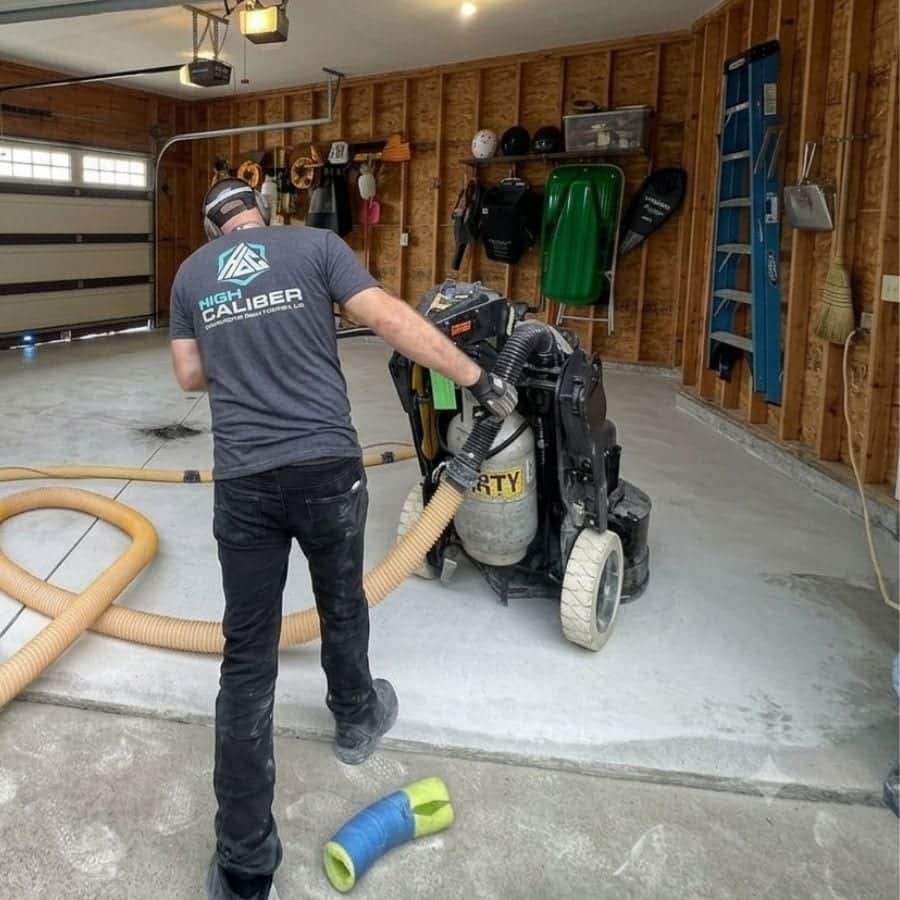
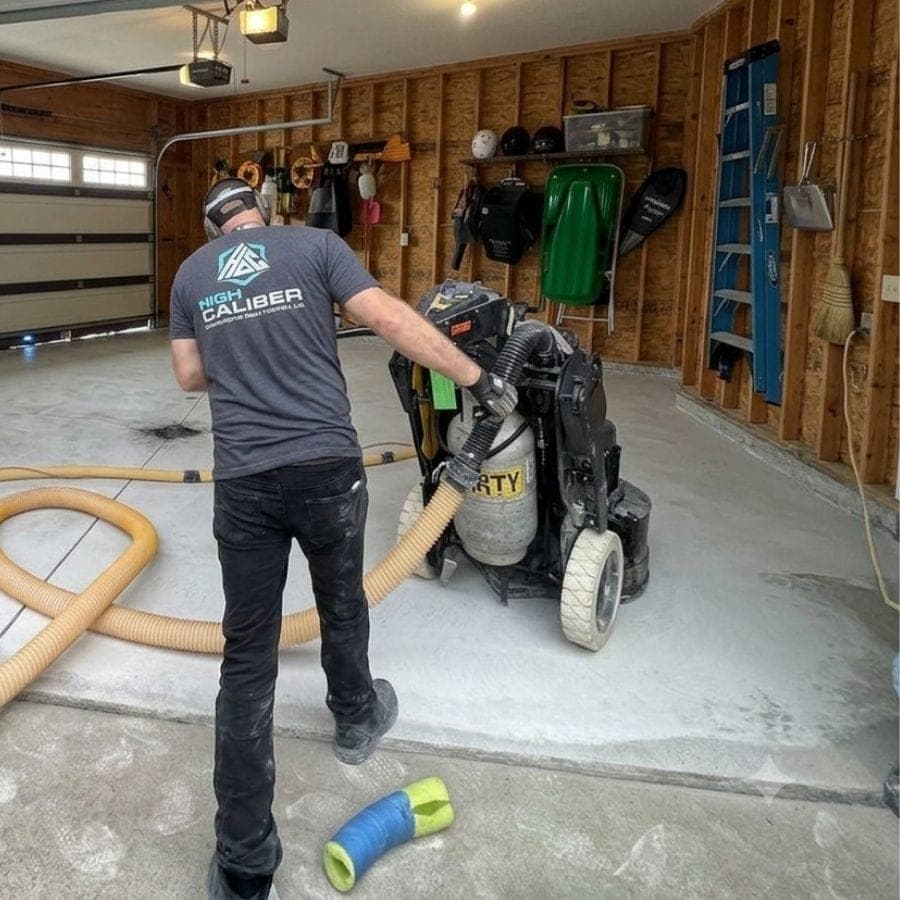
Proper surface preparation is paramount for a durable and aesthetically pleasing result, ensuring the coating adheres correctly. This critical phase involves thoroughly cleaning the concrete to remove all dirt, oil, grease, dust, and any existing coatings. Degreasing and sweeping are often the first steps, sometimes followed by power washing. Afterward, any cracks or imperfections must be patched with concrete filler and allowed to cure, which adds to the timeline. Grinding or shot blasting the concrete surface is typically necessary to open its pores and create a profile for proper adhesion, a process often made dust-free with specialized equipment.
Temperature, Humidity, and Ventilation
Environmental conditions heavily influence drying and curing times. Ideal application temperatures for many coatings, especially epoxy, range between 55°F and 90°F. Colder temperatures (below 55°F) significantly slow curing, potentially extending timelines by days or weeks and risking improper hardening. Conversely, excessive heat can cause rapid setting, making application difficult or leading to bubbling. High humidity also prolongs drying by impeding moisture evaporation, making it advisable to apply coatings when humidity is below 85%.
Environmental Factors That Slow or Speed Up Installation
Good ventilation is crucial, as it helps remove volatile compounds and moisture, thus accelerating drying. Using forced-air heaters can create an optimal warm environment for quicker curing, though direct heat lamps are generally not recommended due to potential issues like bubbling. Epoxy accelerators can also be employed to speed up chemical reactions, particularly in cooler conditions. Additionally, a moisture test is vital to ensure no excess moisture in the concrete, which could lead to coating failure. New concrete typically needs at least 28 days to cure before coating.
Understanding the Installation Process
Key Steps in the Garage Floor Coating Installation Process
Here’s what the typical garage floor coating process looks like:
- Surface Preparation: Cleaning, degreasing, grinding, or etching the concrete to ensure proper adhesion.
- Primer Application: A primer coat is applied (if used) to promote bonding with the base layer.
- Base Coat: This provides the primary color and structure of the floor.
- Decorative Flake Broadcast (Optional): Flakes are added for texture, color, and slip resistance.
- Flake Recovery: Once cured, excess flakes are scraped and removed.
- Topcoat Application: A clear, durable topcoat is applied to seal the system and add chemical/UV resistance.
- Joint Cleaning and Sealing: Any expansion joints may be cleaned and sealed to extend floor life.
Different Garage Floor Coating Types (and How They Affect Timeline)
The chosen coating type significantly impacts the timeline.
- Epoxy coatings use a resin and hardener to create a durable, chemical-resistant surface. Traditional epoxy systems require distinct drying periods between coats and a longer overall curing period. For example, a base coat might dry in 24 hours, with a clear coat taking up to 72 hours. Water-based epoxies may dry faster but are less durable than 100% solids epoxy systems.
- In contrast, polyurea and polyaspartic coatings offer significantly faster cure times and high abrasion resistance. These advanced systems can allow foot traffic within hours and vehicle traffic within 24 hours, dramatically reducing garage downtime. They can also be applied in a wider temperature range, making them suitable for year-round installation. High Caliber Concrete Coatings specializes in polyurea and polyaspartic systems for rapid, durable results.
Why Proper Surface Preparation Is Critical
The importance of thorough surface preparation cannot be overstated. It is the cornerstone of a successful and long-lasting garage floor coating. Proper preparation, such as diamond grinding, cleans the surface, removes the “laitance layer,” and opens the concrete’s pores. This profiling allows the coating to penetrate deeply and form essential chemical and structural bonds for optimal adhesion. Without adequate preparation, issues like peeling, bubbling, and premature coating failure are much more likely, leading to costly re-work and a significantly shorter lifespan.
After Installation: Curing and Drying Times
What to Expect During the Curing Process
After application, the crucial phase of curing begins, where the resin and hardener chemically react to form a strong, durable bond, allowing the coating to fully harden and reach its optimal strength. This chemical transformation is distinct from mere “drying,” which is just the evaporation of solvents. As it cures, the coating develops its full chemical resistance and resilience. Patience is essential to prevent damage to the new floor during this time.
How Temperature and Humidity Impact Drying Time
Environmental factors continue to affect curing. Colder temperatures significantly slow curing, making chemical reactions less efficient. For example, a coating curing in 7 days at 75°F could take weeks at 50°F. To counter this, maintaining a warm environment (55-75°F) and ensuring good ventilation are key. High humidity also prolongs drying by impeding moisture evaporation.
Curing vs. Drying: What’s the Difference?
Drying means the coating feels firm or “dry to the touch,” usually within 12-24 hours. At this stage, the surface may still be tacky, and foot traffic should be avoided to prevent imperfections. Curing is the complete chemical process where the coating hardens throughout its thickness, achieving full strength and durability. A floor dry enough for light foot traffic is not fully cured and not ready for heavy use.
Average Cure Times for Different Coating Formulas
Curing times vary based on concrete coating type and conditions:
- Traditional Epoxy Coatings: Allow light foot traffic within 24-72 hours. Full chemical resistance and hardness can take 7 days, or up to 28 days.
- Polyaspartic/Polyurea Coatings: These “fast-curing” options can handle light foot traffic within 8 hours and be ready for vehicle traffic in as little as 24 hours, offering rapid return to service.
When It’s Safe to Walk, Park, or Store Items in Your Garage
Adhering to recommended cure times prevents damage:
- Light Foot Traffic: Typically after 24-72 hours for epoxy. Some polyaspartic systems allow this in as little as 8 hours.
- Heavy Items or Furniture: Wait for full cure, typically 7 days or more for epoxy, to avoid indents or imperfections.
- Vehicle Parking: For epoxy, a minimum of 72 hours (3 days) is advised, with 5-7 days ideal for full hardness and resistance to hot tire pickup. Polyaspartic systems often allow vehicles after just 24 hours. Hot tire pickup is a significant risk if the floor is not fully cured.
Tips for a Successful Garage Floor Coating Installation
Best Practices for Preparation and Application That Save Time
To ensure a smooth installation, start with a clean, dry surface. Schedule the project during mild weather (55°F to 75°F) for ideal curing conditions. Use forced-air heaters in cooler temperatures and prepare all tools ahead of time to avoid wasting product during its limited pot life. Apply thin, even coats — overly thick layers can prolong drying and compromise adhesion.
Common Mistakes to Avoid Delays During Installation
Many installation delays stem from easily avoidable mistakes. Inadequate surface preparation often leads to peeling or blistering, while improper mixing of components results in uneven curing. Rushing to use the floor before it’s fully cured can cause permanent damage, and applying coats too thickly traps air, prolonging dry time and creating imperfections.
When to Hire Professionals vs. DIY
The choice you make can significantly impact both your timeline and final results.
- DIY: Offers cost savings and a sense of accomplishment. However, DIY projects often take longer due to learning curves and slower-setting, consumer-grade products.
- Professionals: Companies like High Caliber Concrete Coatings offer expertise, specialized equipment, and access to faster-curing, industrial-grade materials (like polyurea/polyaspartics). Professional installation can often complete a typical garage floor in a single day, with vehicle use possible the next. While a higher upfront investment, enhanced durability, faster turnaround, and warranties provide superior long-term value.
Typical Timeline at a Glance
- Surface Prep & Application: 1–2 days
- Curing Time (Epoxy): 3–7 days
- Curing Time (Polyaspartic): ~24 hours
- Vehicle Use: 3–7 days (epoxy) or next day (polyaspartic)
Conclusion
Transforming your garage with a high-quality floor coating is an excellent investment, enhancing durability, functionality, and aesthetic appeal. While the immediate application can often be completed in one to two days, the full process, especially the critical curing phase, extends over several days.
The total timeline depends heavily on factors like garage size and condition, environmental conditions, and the chosen coating type. Proper, meticulous surface preparation is the cornerstone of a successful installation, ensuring adhesion and longevity. Understanding the distinction between drying (surface firm to touch) and full curing (chemical hardening) is vital; rushing to use your floor before it’s fully cured can lead to permanent damage. While many traditional coatings require 3-7 days before vehicle traffic, advanced polyaspartic systems, like those utilized by High Caliber Concrete Coatings, can dramatically reduce this wait to as little as 24 hours.
For those prioritizing the fastest turnaround, superior durability, and expert application, professional installation from a trusted provider like High Caliber Concrete Coatings is often the best choice, ensuring your investment stands the test of time. With the right approach, your garage floor will be a beautiful, resilient asset for years to come.
Ready to upgrade your garage with a fast, durable floor coating? Contact High Caliber Concrete Coatings today for a free consultation and personalized timeline estimate.