
Cleaning Zones Become Visible
A consistent finished surface can help staff notice grit, dust, and spills during routine rounds. Its usefulness still depends on the contaminants and care practices the business actually manages.
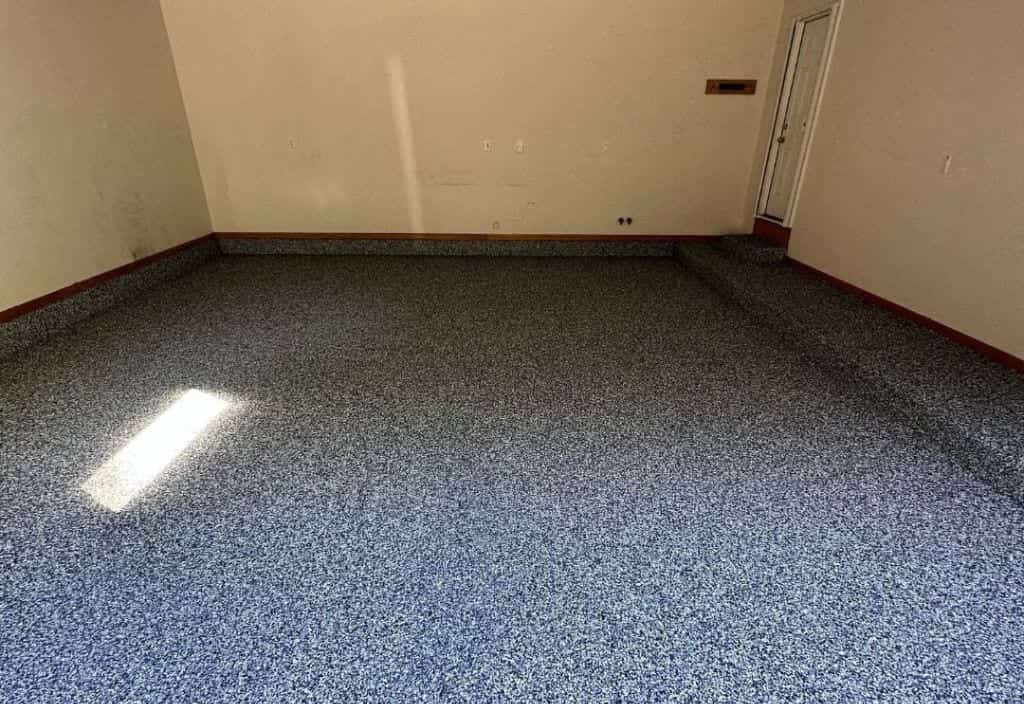
The busiest part of a Grandville floor is not always the front entrance. Customers may cross one route while carts, deliveries, and cleaning activity follow another. We map those uses before recommending preparation, finish, and access planning for a commercial coating. Share the areas that set the pace for your building.
Service Overview
A retail corridor, restaurant, medical facility, church, or service building can place several demands on one slab. Footwear, carts, spills, shelving, deliveries, and cleaning may meet at different points. We use those points to understand what the floor must support and what access the work must leave available.
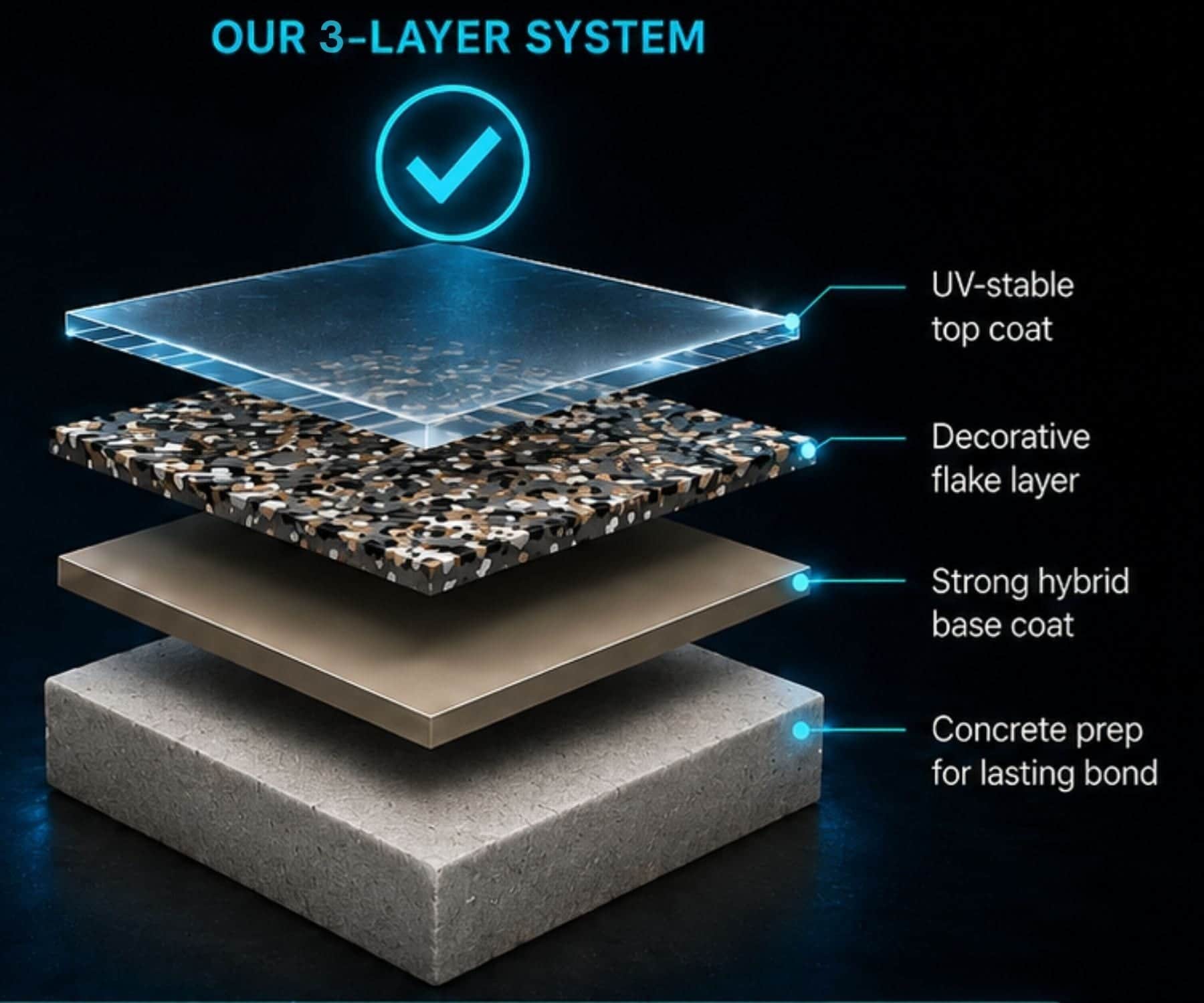
Our hybrid system assigns a purpose to each layer. Epoxy can establish the bond and build at the base, with polyurea and the final finish selected for the exposure. Diamond grinding, repairs, moisture review, finish selection, and care planning belong in the scope too.
Benefits
Commercial coating decisions become more useful when they answer the building's actual movement, cleaning, and appearance questions.
A consistent finished surface can help staff notice grit, dust, and spills during routine rounds. Its usefulness still depends on the contaminants and care practices the business actually manages.
The scope can explain epoxy as an adhesion and build layer, then describe other chemistry by function. That makes a system easier to compare than a list of product names.
Snow, road salt, spring moisture, humidity, and wash water can reach different parts of a building. Calling out those locations early supports a more relevant preparation discussion.
Tracked salt and grit can change what an entrance needs from cleaning and surface care. Planning for that traffic gives the finished floor a practical maintenance context.
Color, flake, and texture can be considered alongside lighting, visibility, customer presentation, and service movement. Appearance works best when it supports the room's daily purpose.
Carts, repeated foot traffic, equipment, and turning areas can guide preparation and system conversations. The selected surface should follow the exposure rather than a generic label.
Installation Process
We connect the facility's daily demands to the concrete work, material sequence, and handoff details that shape a responsible commercial coating plan.
Step 1
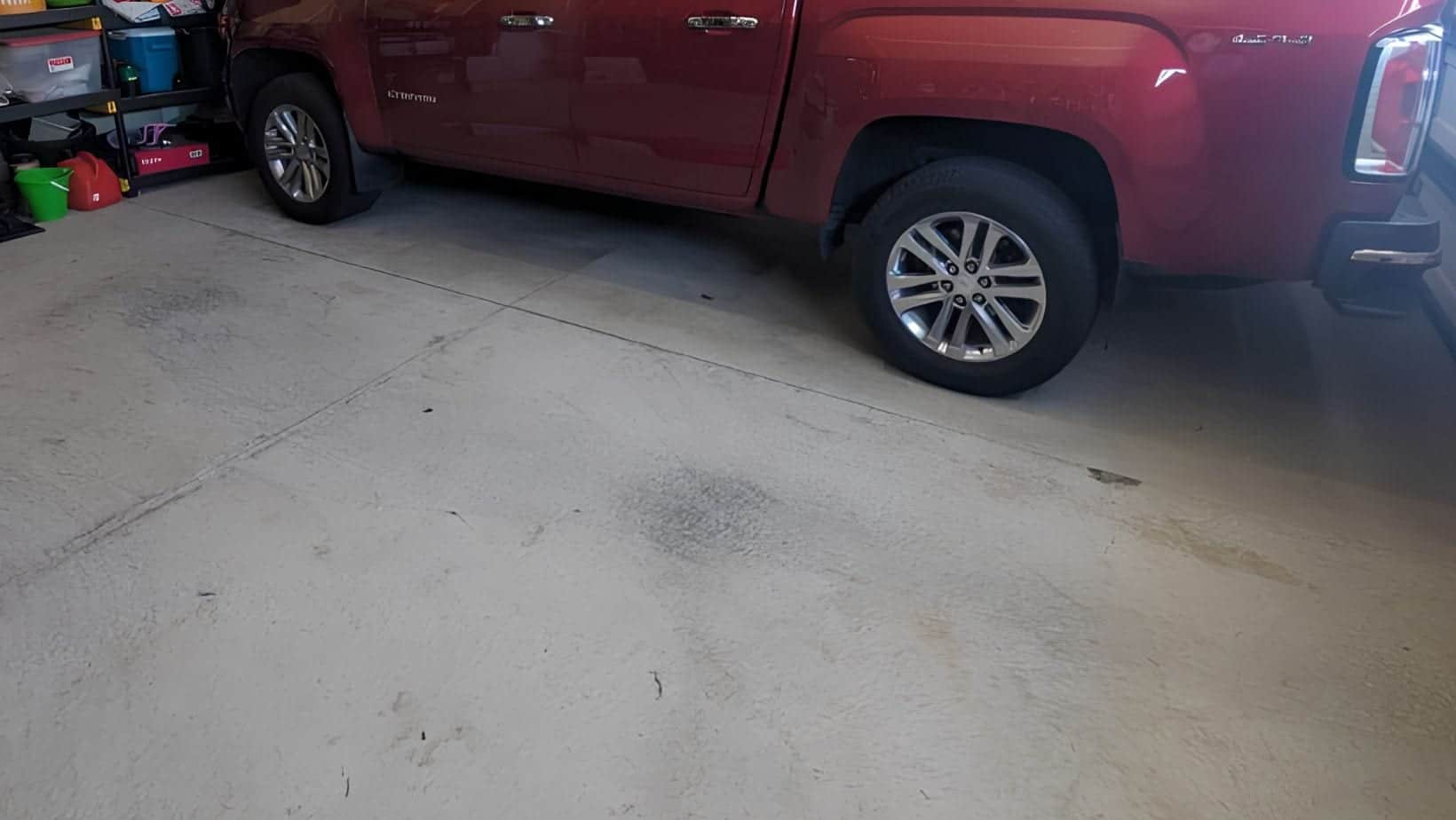
We examine the concrete where customers, staff, carts, deliveries, shelving, and equipment actually travel. Entry points, spills, cleaning routines, joints, existing finishes, and areas with limited access give the estimate a facility-specific starting point. We also note where seasonal salt, moisture, or repeated washing may change the maintenance discussion for that zone.
Step 2
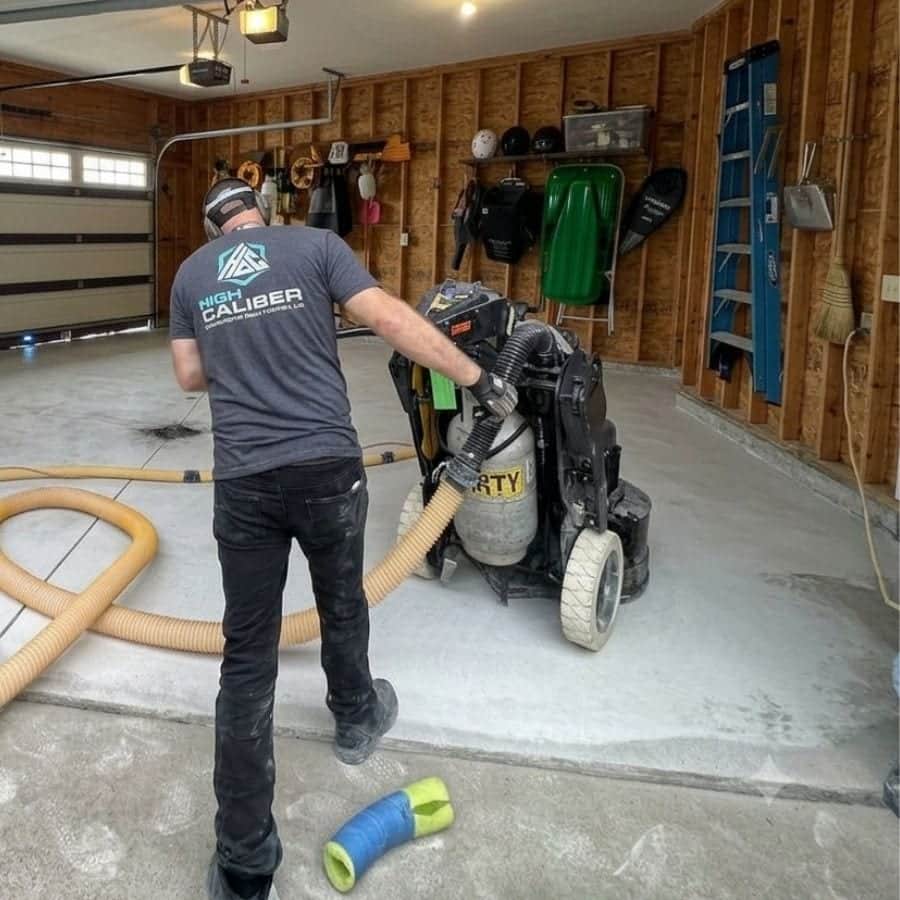
The work plan accounts for doors, staging areas, neighboring rooms, equipment movement, public access, and cleaning responsibilities. We discuss how zones can be prepared and handed back without offering a fixed downtime promise before the system and site conditions are known.
Step 3
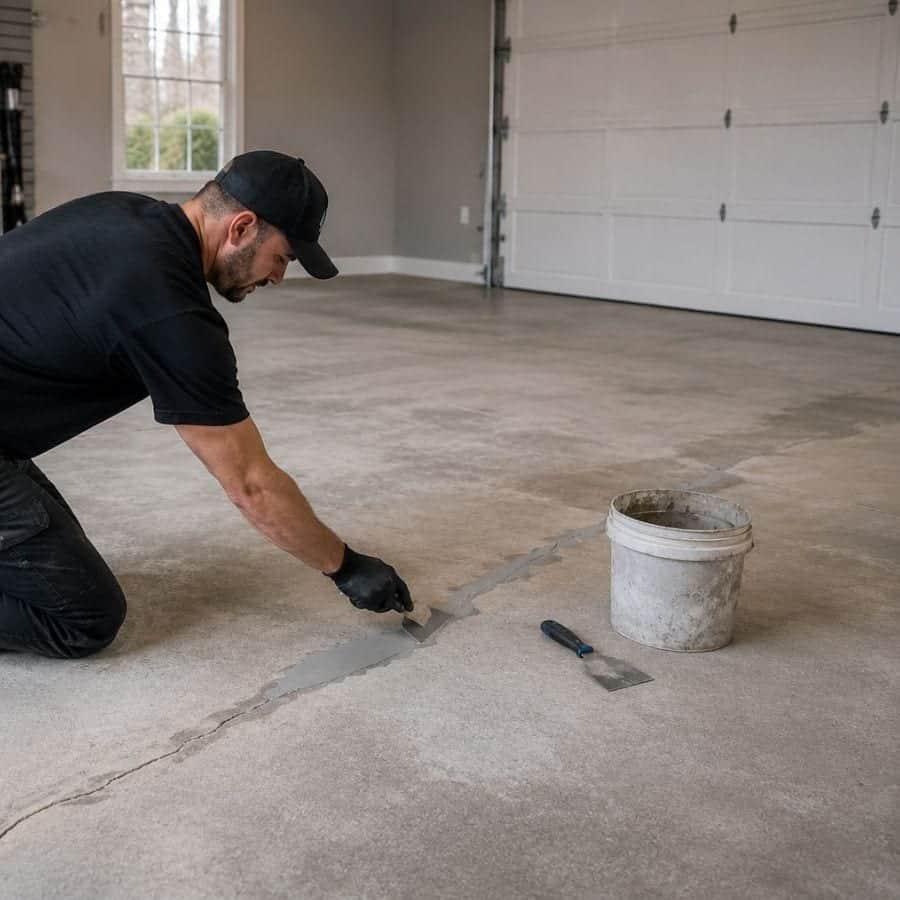
Mechanical diamond grinding removes unsuitable surface material and creates the profile needed for a coating bond. We pay attention to edges, joints, dust control, and remnants of old material while recognizing that preparation does not level or structurally rebuild a slab.
Step 4
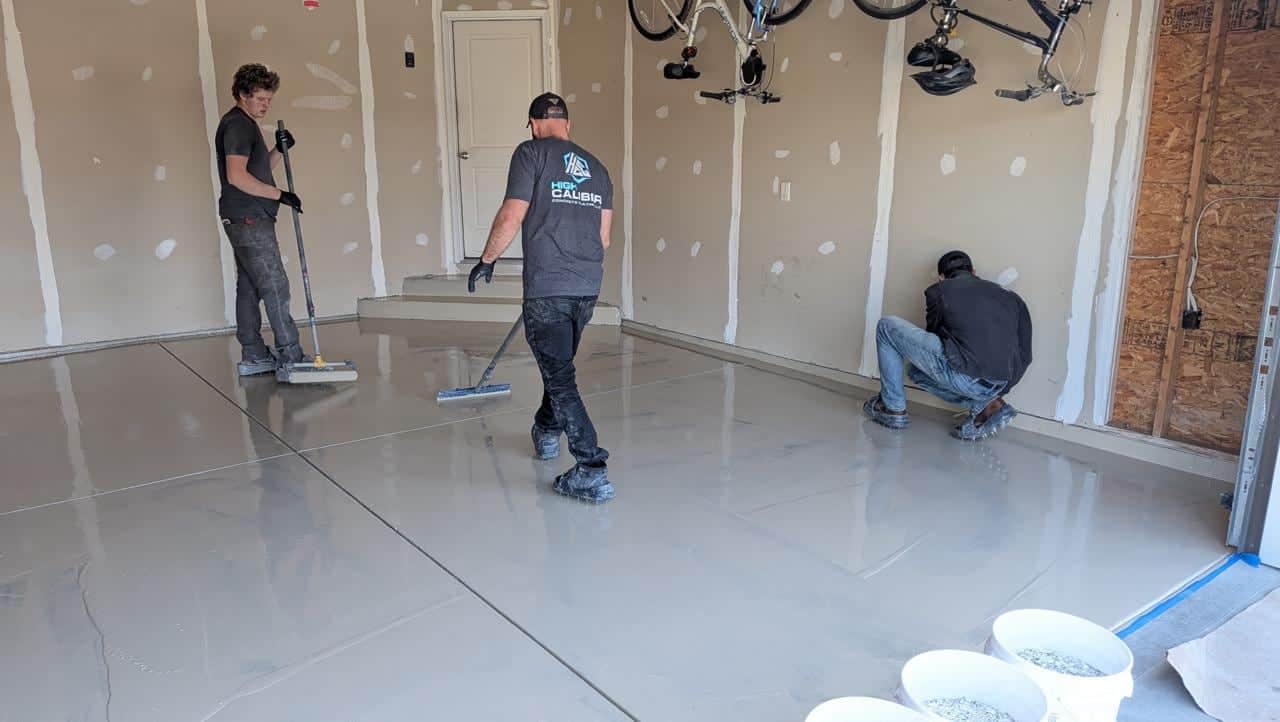
After preparation exposes the slab, we review cracks, spalls, pits, weak concrete, contamination, and possible moisture concerns. Repairs are addressed according to the observed condition, then the remaining surface is considered for the planned coating rather than assumed ready in advance.
Step 5
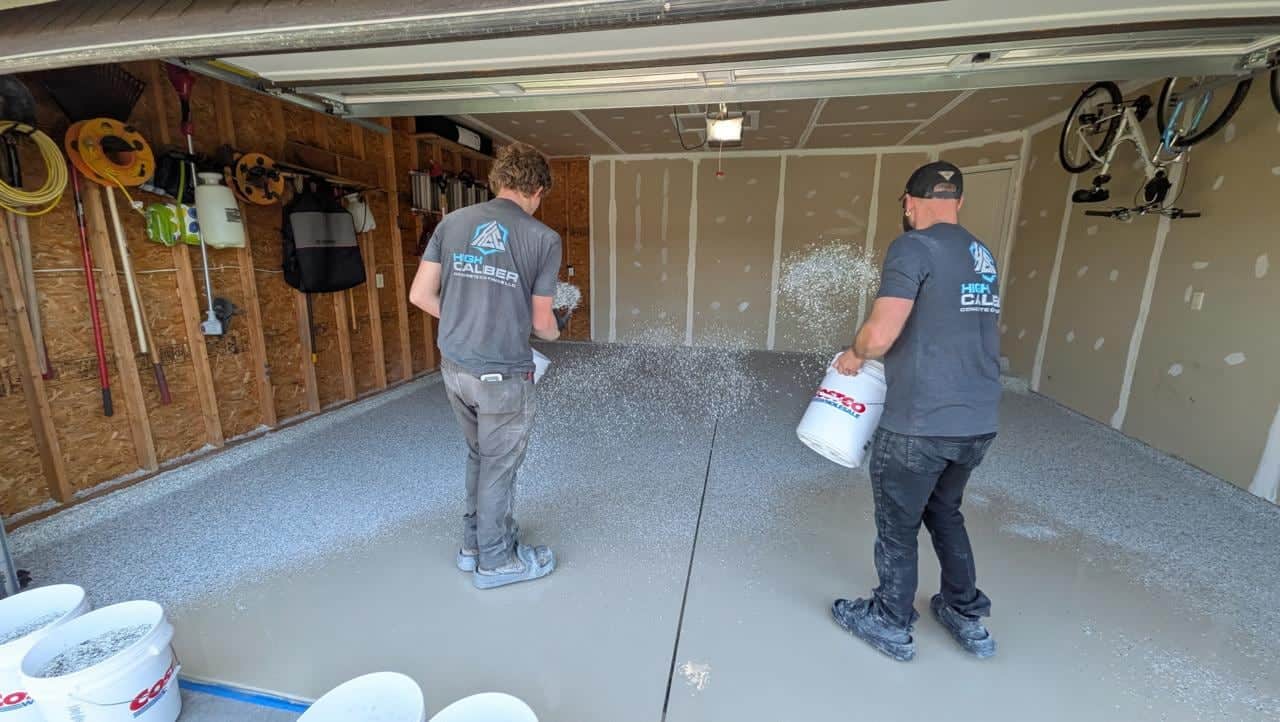
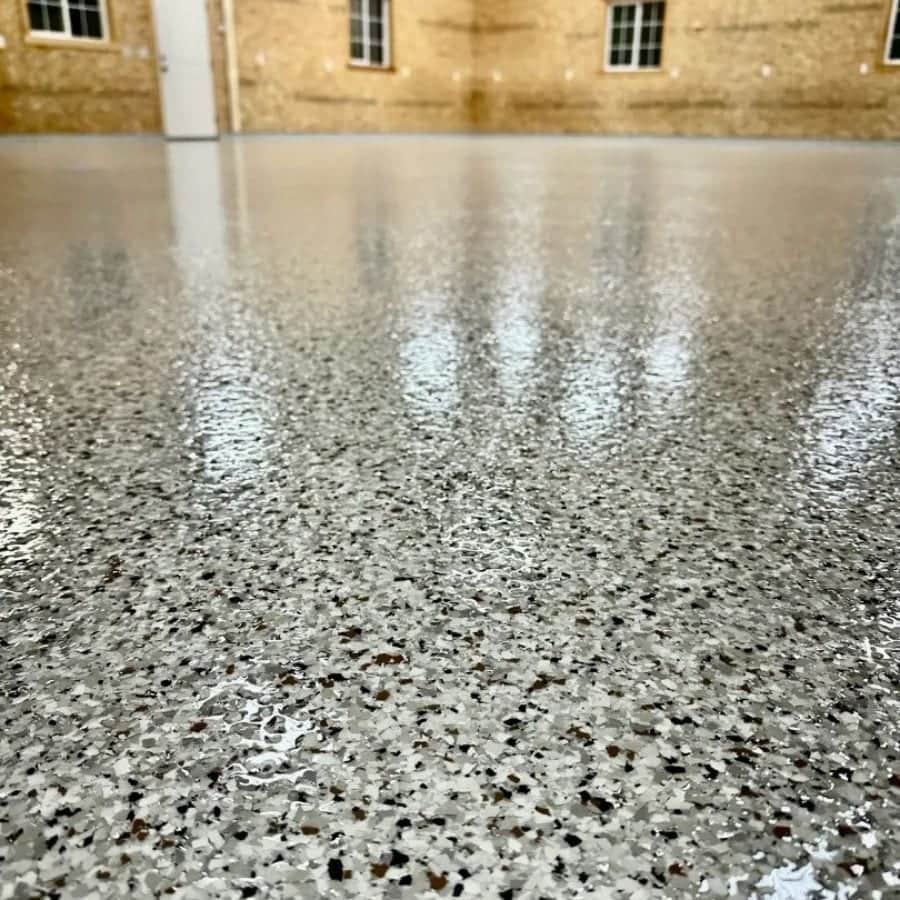
The planned sequence may use an epoxy basecoat for adhesion and build, optional decorative flake, and polyurea or polyaspartic layers selected for their role in the complete system. Color, broadcast coverage, texture, and topcoat are chosen around the facility's use and care needs.
Step 6
We review the completed surface, edges, transitions, appearance, care instructions, and access expectations before normal activity returns. Cure conditions, cleanup, equipment placement, and the facility's operating needs all inform the handoff, so the next steps are understood by the people managing the space.
Why High Caliber
Our family-owned team works across West Michigan from the Holland and Zeeland home area. We bring the facility's routes, slab condition, cleaning routine, and access needs into the same conversation. If a coating is not the right answer, we can compare grinding, polishing, or sealing as other concrete approaches.
A useful scope also says what the work cannot do. Coating does not turn unsound structural concrete into new concrete, remove every maintenance task, or make separate pours perform identically. Clear limits help the property owner plan the floor as part of the building rather than as an isolated finish.
Customer Reviews
“Would highly recommend. No pressure sales, quality product, great communication and quality installation. I met Jeff at the home show. I was drawn into his booth by his very enthusiast kids. I got the immediate impression this was a family oriented business and that was reinforced by the conversation with both Jeff and his young son. These values drew me to this business. I signed up for a quote. Shortly after the show Jeff came to my home to present options and provide a quote. No pressure to buy, Jeff understood I needed to get thru tax season before I could be sure about my budget. Over the course of next few months Jeff was responsive to any questions I had and we got the job scheduled. Jeff provided a trailer in the quote to store contents of garage while job was being done, which was very helpful. When talking with others about the quote I learned my price was equal to or less than what neighbors had paid up to six years ago, so I felt this was good pricing. I had thought there would be a ton of dust and a big mess when grinding surface, but the machines had a vacuum attached, clean and efficient work. I was impressed that they coated steps and side walls as well as floor. No mess on drywall or driveway. Crew doing installation were great guys. They took time to fill me in on the process of installation, what to expect, how long for surface to cure and when I could empty trailer. Post install Jeff stopped out to grab trailer, filled me in on what to use and how to clean the floor. VERY happy with the whole process from sales to install to follow up. LOVE my new garage.”
“Jeff and his team did the most amazing job epoxy floor coating my 38 year old garage floor. Outstanding, professional, skilled, great communication. Highly recommended.”
“High Caliber's quality and communication was excellent. From the person that visited onsite for an estimate to their crew that performed the service was above normal customer service standards, as they explained the process and timing. My garage floor looks great!”
Grandville, Michigan
Grandville's commercial character brings customer-facing and working conditions close together. Retail and restaurant areas may need a composed appearance that staff can keep clean, while medical facilities, churches, and service buildings may add carts, repeated foot traffic, storage, or equipment. We can examine each part of the facility without pretending that one use describes the whole slab.
Kent County's West Michigan weather gives those routes a seasonal pattern. Winter snow and road salt can arrive at the door, freeze-thaw cycles can make existing cracks worth investigating, and spring moisture or humid summers can raise questions about the slab and the room. These conditions belong in planning, not in a claim that a coating removes maintenance.
If a public entrance sets the cleaning pace, that is useful information. So is a restaurant service path, a medical support corridor, a church gathering room, or a cart route behind a retail area. Nearby Wyoming, Jenison, and Grand Rapids are available reference points for the regional service area, while your estimate should stay focused on the actual Grandville building and its daily responsibilities through every season.
Entrance traffic, lighting, spills, salt, and presentation can influence the way a customer-facing floor is evaluated.
Carts, equipment, deliveries, storage, and turning points can change the preparation and access questions within the same address.
Snow, grit, road salt, spring dampness, humidity, and wash water deserve a direct conversation about care and texture.
Frequently Asked Questions
Walk the space as it is used, not only as it appears when empty. Note entrances, cart paths, service doors, deliveries, spills, cleaning methods, equipment, wet areas, and locations that cannot easily close. Those observations give us a useful starting point for discussing slab condition, preparation, system roles, finish, and access.
Not automatically. The entrance may place more emphasis on visible finish, tracked salt, wet footwear, and routine cleaning, while a service area may see carts, deliveries, turning, or equipment. We can look at both zones within the same project and identify where their conditions overlap or need separate attention.
In our hybrid approach, epoxy bonds to prepared concrete and adds build. Polyurea may add useful flexibility, UV stability, or chemical resistance in the appropriate role, and the topcoat can be selected for the final exposure. The goal is the right chemistry in the right layer, matched to the floor and its exposure.
They can point to places where entry cleaning, surface wear, cracks, joints, or moisture deserve closer attention. Road salt and grit often follow the people and carts entering a building, while freeze-thaw conditions can make existing concrete changes more important to discuss. We use those observations to shape preparation and care questions.
It needs to be evaluated before a new system is chosen. Mechanical preparation may remove weak material or existing coating, and appropriate repairs may address cracks, pits, or spalls. We separate those decisions from color and texture. Preparation improves the starting surface, but it cannot promise that future movement will not become visible.
We first identify how water, snow, wet footwear, spills, or wash activity reaches the area and how the staff maintains it. Texture, finish, cleaning, and traffic can then be discussed together. A wet-area coating decision is site-specific, and no finish should be presented as a universal substitute for sensible housekeeping.
Include staging, equipment movement, neighboring rooms, access doors, cleanup, cure conditions, and the people who need to know when ordinary use can resume. The selected system and site conditions influence the sequence. We explain those variables so the facility can make a workable plan without relying on a fixed downtime promise.
Related Services
The right commercial floor decision may involve coating, preparation, or a finish that keeps more of the existing concrete visible. These services give the comparison a useful shape.
Review the mechanical preparation step that creates a coating profile without promising to level or structurally rebuild concrete.
Learn moreExplore a floor conversation shaped by heavier equipment, abrasion, fluid exposure, and demanding maintenance conditions.
Learn moreCompare mechanically refined concrete when the existing slab should remain visible instead of receiving a film.
Learn moreConsider a penetrating sealer when the goal is added protection while the concrete remains more visible.
Learn moreDiscuss a moisture-focused supporting option when slab conditions need additional review before coating.
Learn moreGallery And Visual Proof
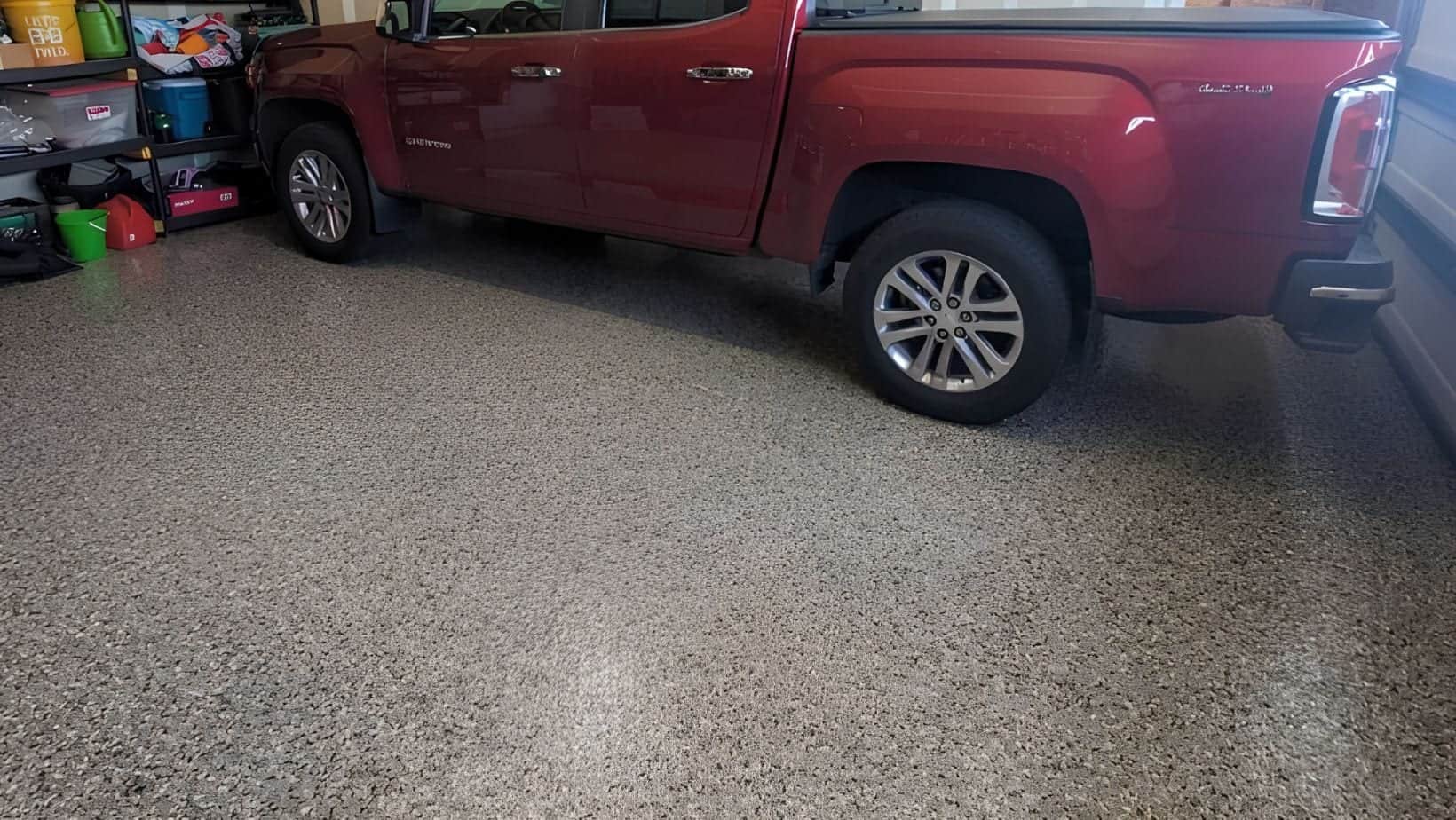
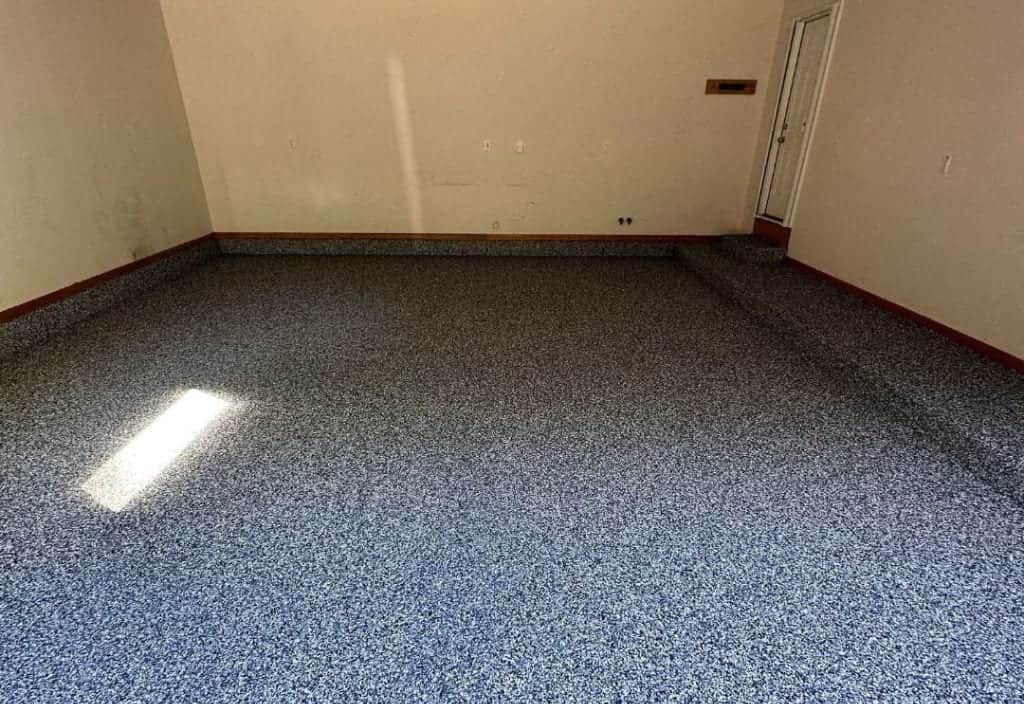
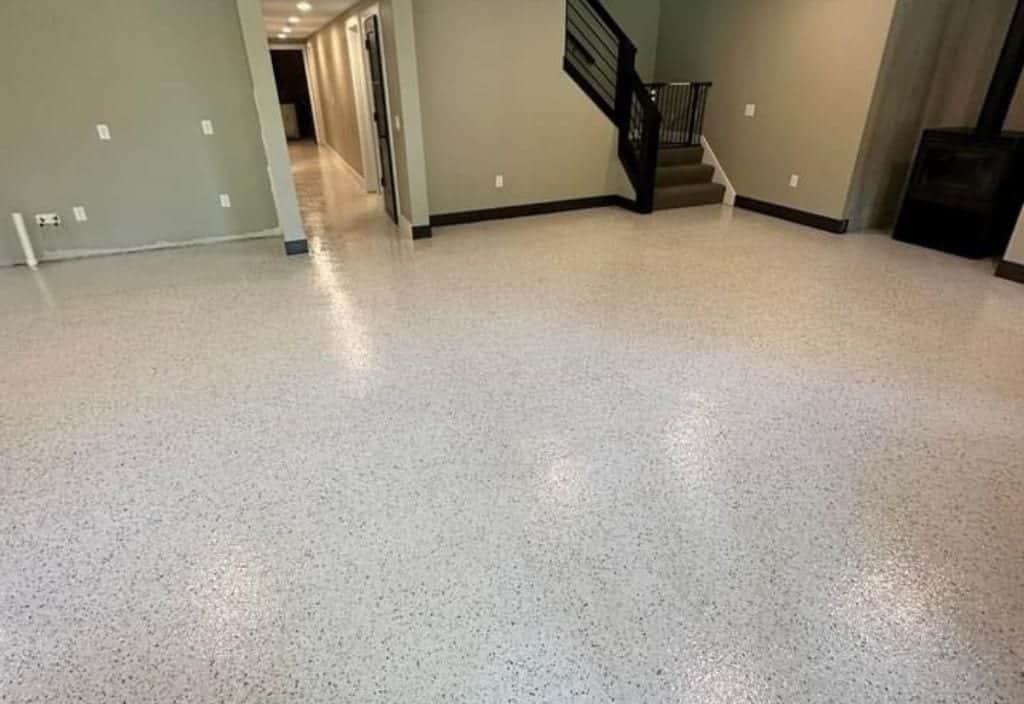
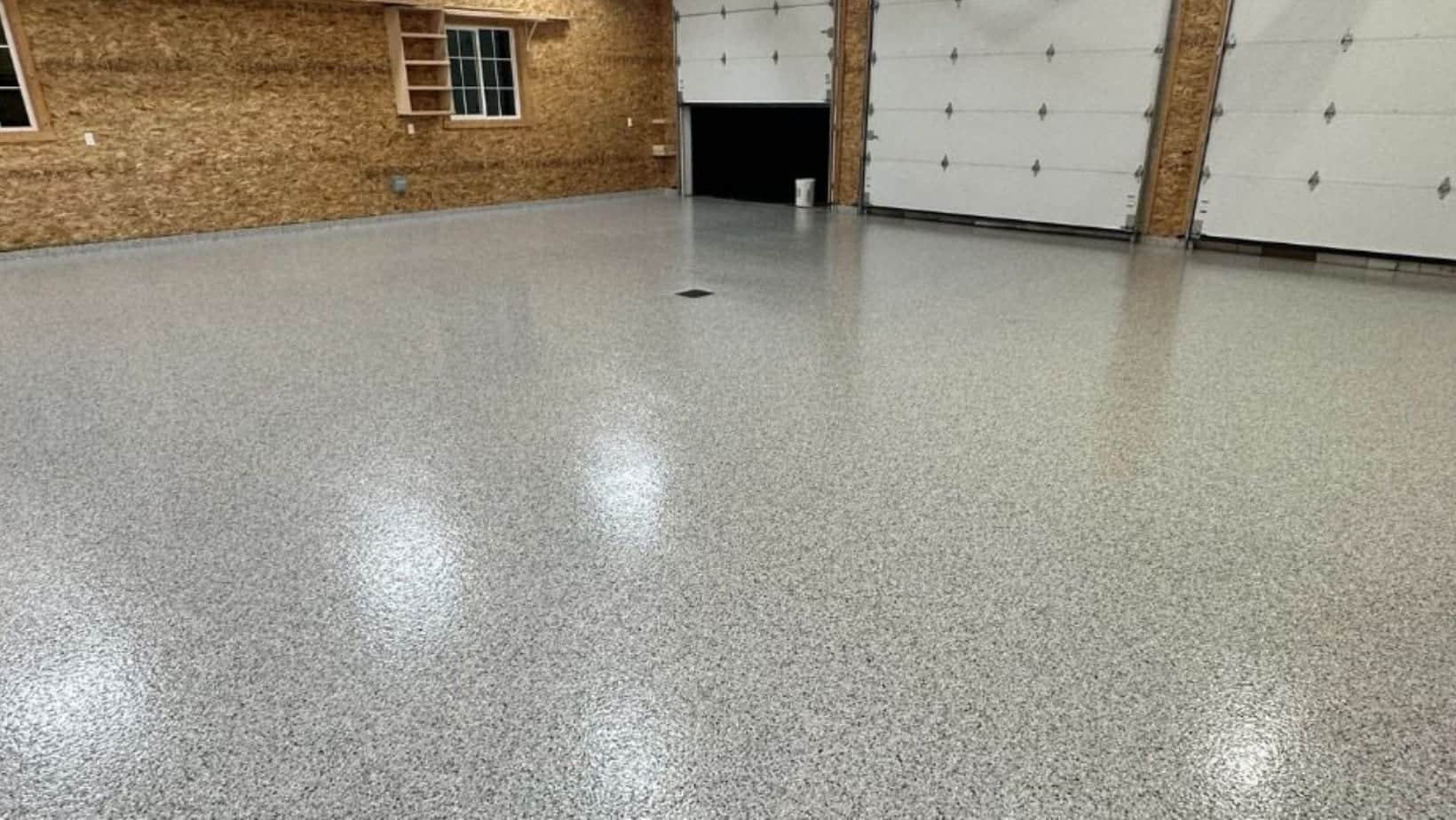
These real High Caliber images show preparation and finished coating surfaces. They illustrate the work and materials without identifying a Grandville project location.
Free Project Quote
Tell us about the space and we will follow up with a clear recommendation and quote conversation.
Phone
Business Hours
Free Estimate
Tell us which doors receive winter debris, where carts turn, how the space is cleaned, and which rooms need access during the work. We will help organize preparation, repairs, layer roles, finish, care, and return-to-service questions around the building. Send the details for a Grandville commercial estimate so the floor review starts with useful operating context, or call (616) 777-7348 to discuss the next step.