
Visibility For Busy Areas
A defined surface can make tracked salt, grit, dust, and spills easier to notice in customer and work areas. Better visibility supports prompt cleanup, but it does not replace routine maintenance.
In Zeeland, the concrete under a storefront or plant is where customers, deliveries, carts, and cleaning routines meet. We review that contact with the slab, the way moisture enters, and the access your team can provide. Then we outline a coating approach and a practical reopening plan. That discussion keeps the finish connected to the facility's work.
Service Overview
Commercial concrete has to live with the building around it. A small storefront may need a presentable surface through tracked grit and daily cleaning. A manufacturing or light industrial area may ask more of the slab as carts, equipment, deliveries, and spills pass through. We begin with those conditions, not a color chip.
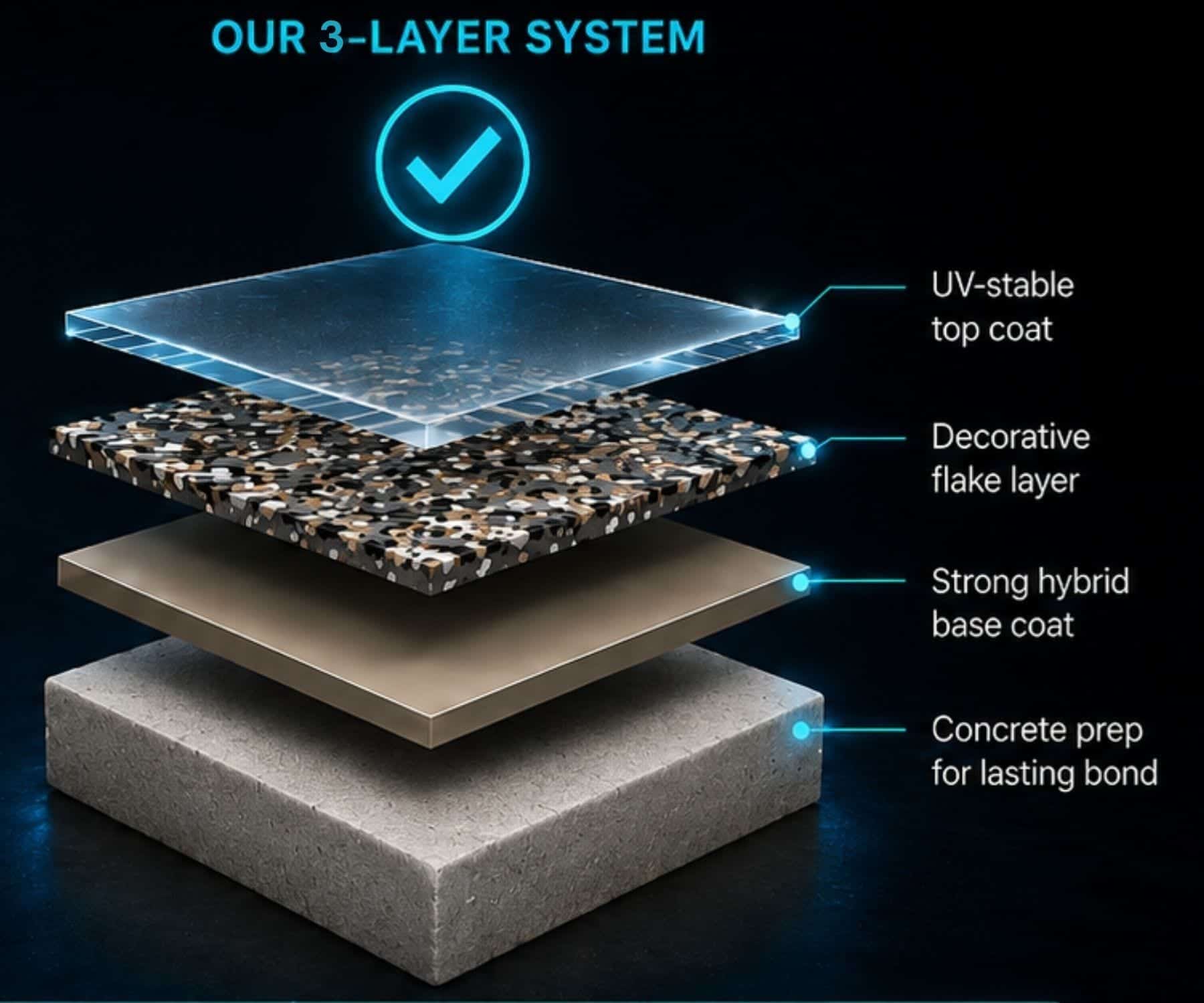
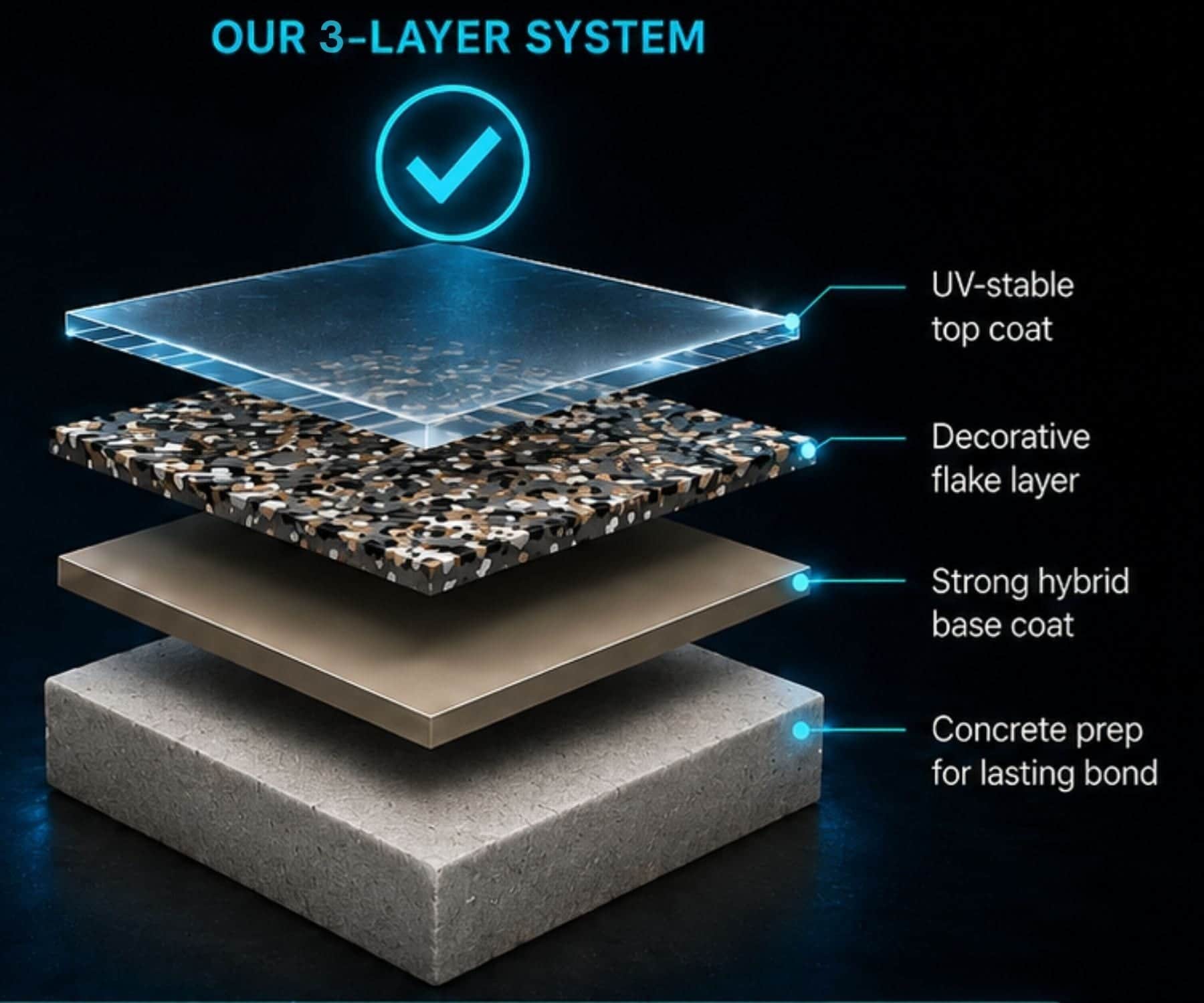
Our hybrid epoxy and polyurea approach gives each layer a defined task. Epoxy can establish adhesion and build near the concrete; polyurea or polyaspartic can contribute flexibility, UV stability, chemical resistance, and cure characteristics in the upper layers. The complete assembly must fit the site.
Benefits
A sound recommendation turns daily floor demands into questions the owner can answer before installation. That can make the finish, care routine, and facility coordination easier to discuss.
A defined surface can make tracked salt, grit, dust, and spills easier to notice in customer and work areas. Better visibility supports prompt cleanup, but it does not replace routine maintenance.
Epoxy, polyurea, polyaspartic, broadcast media, and topcoat are not interchangeable labels. Assigning each material a job helps the system respond to adhesion, build, appearance, exposure, and use.
Spring melt and humid summer conditions make moisture worth discussing before finish selection. We can separate slab preparation, vapor concerns, and surface preferences instead of treating dampness as a late surprise.
Snow, road salt, and grit can arrive at doors on shoes, carts, and tires. A coating may simplify visual cleanup, while the facility still needs a suitable routine for the material and traffic.
A restrained color or decorative broadcast may suit a storefront, employee room, or service area. We connect appearance to lighting, dirt visibility, traffic, and the effort required to keep it presentable.
A selected system can create a continuous wear surface for ordinary foot traffic, carts, equipment, and work activity. Suitability still depends on the slab, exposure, and the limits of the chosen assembly.
Installation Process
The work begins with how the building functions and ends with a surface the responsible team can understand. Each stage gives the next one useful information, from the first floor review through the finished-floor inspection.
Step 1
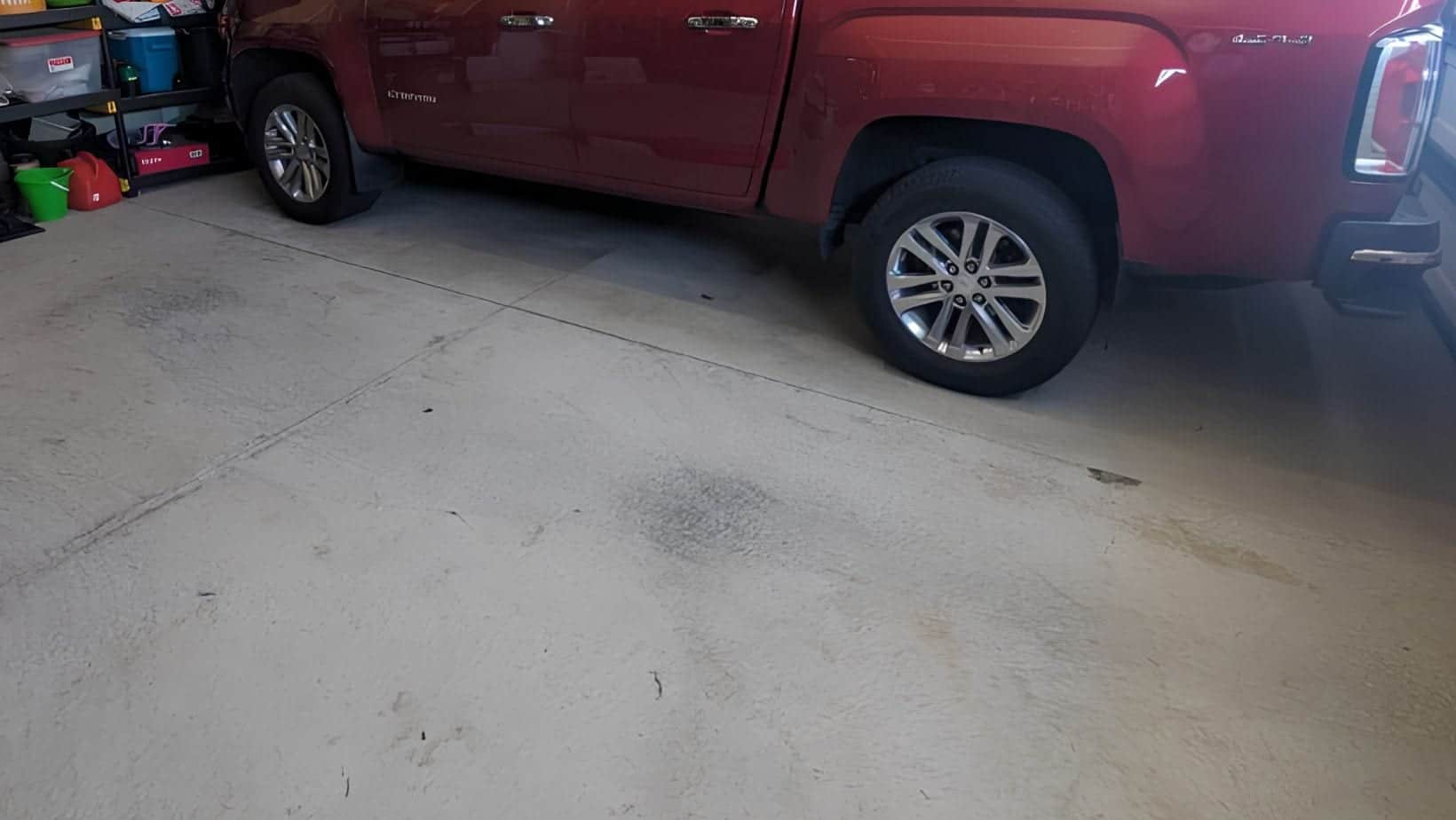
We look at the concrete in the context of the room around it. Foot traffic, carts, equipment, deliveries, spills, cleaning methods, doors, and wet-area concerns all belong in the first review. We also note visible wear, existing coatings, joints, and places where changing conditions could affect the recommendation. This gives the estimate a facility-specific starting point.
Step 2
A commercial floor cannot be separated from the people who keep the building moving. We discuss staging, access doors, equipment relocation, adjacent rooms, work zones, cleaning, and the areas that need to remain available. This planning does not create a fixed downtime promise. It identifies the decisions the facility team needs to make before installation begins.
Step 3
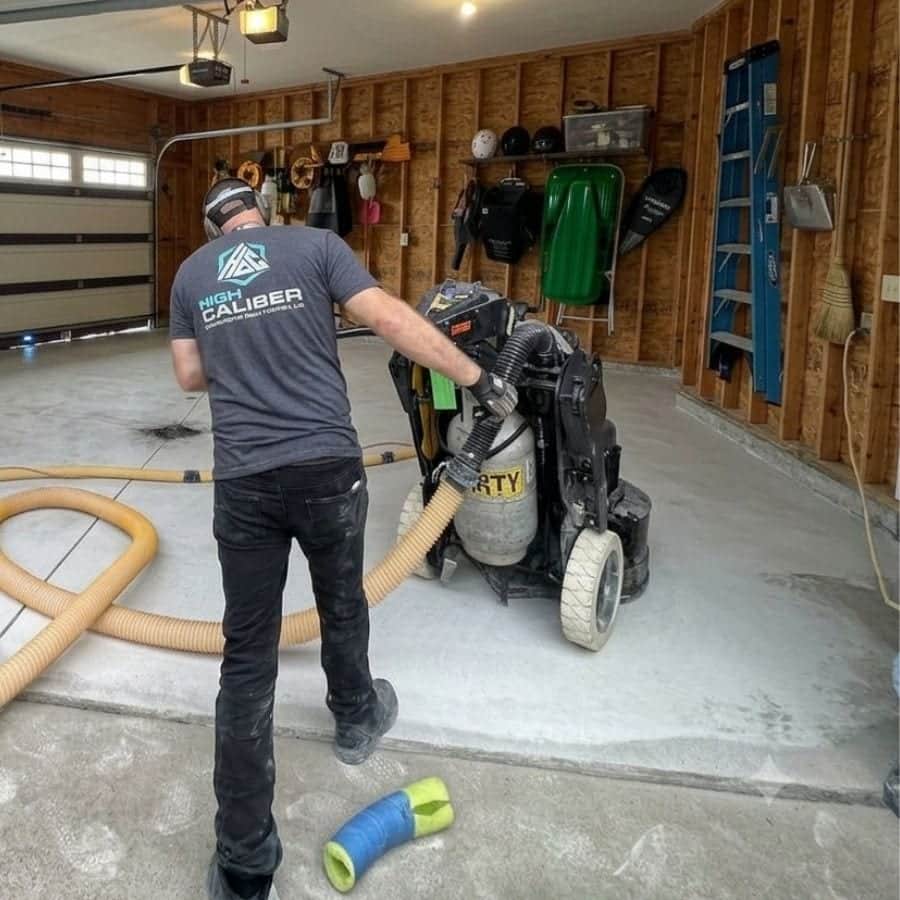
Diamond grinding prepares the concrete by removing weak surface material and creating a profile for the coating to bond with. We account for edges, joints, dust management, previous materials, and transitions into adjoining areas. The process can reveal conditions that need attention, but it is not a guarantee of a level slab or a substitute for structural repair.
Step 4
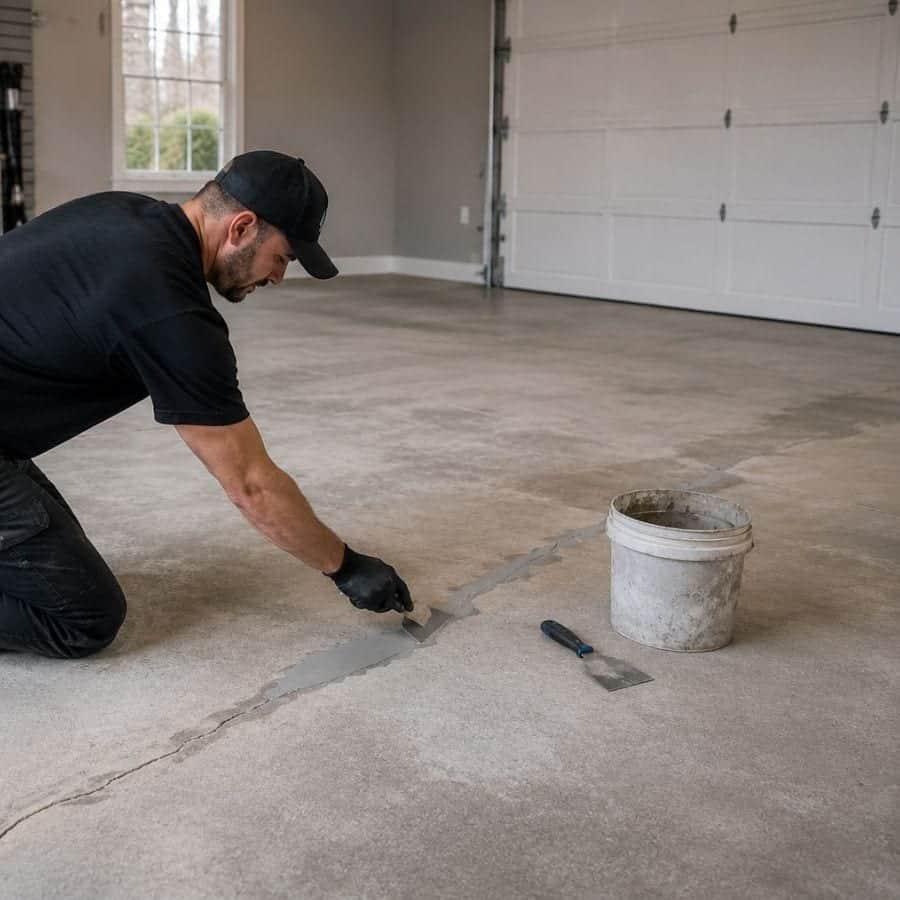
After preparation exposes the working surface, we address the repair questions that affect the coating scope. Cracks, spalls, pits, contamination, and moisture concerns are considered before finish layers cover the slab. Appropriate repair can improve the surface available for coating, while existing movement and the underlying condition still remain part of the project's limits.
Step 5
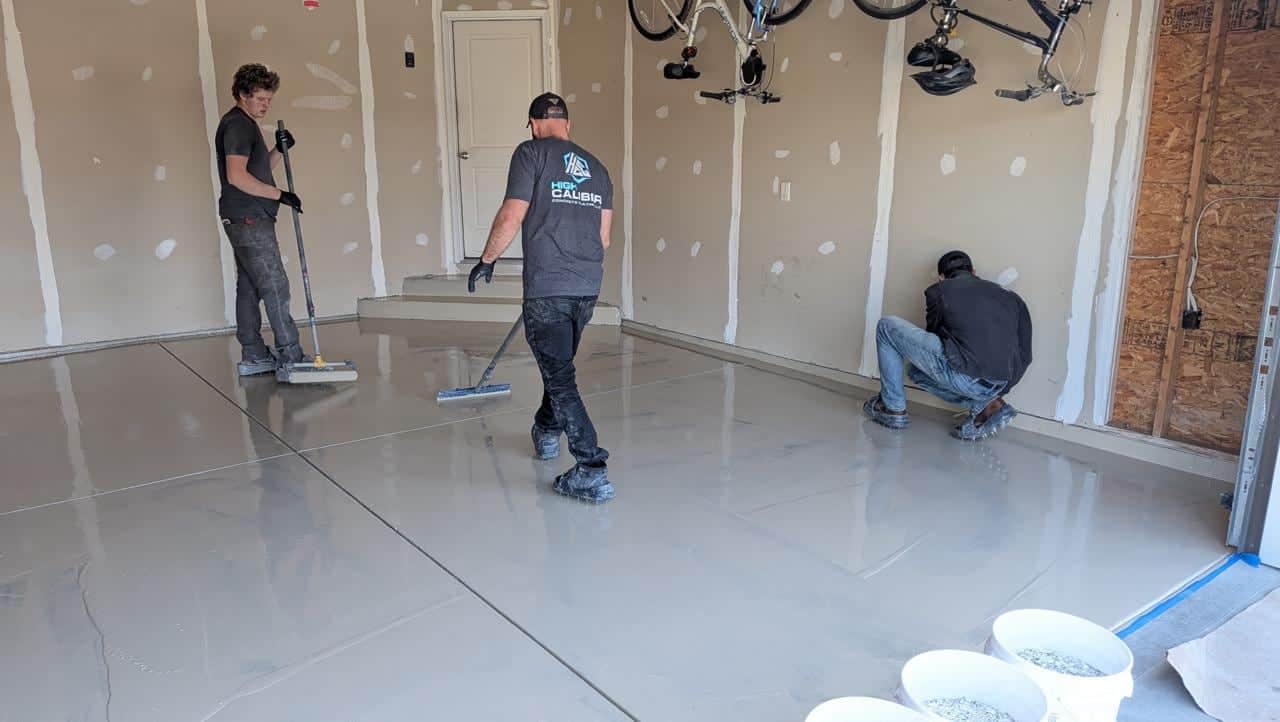
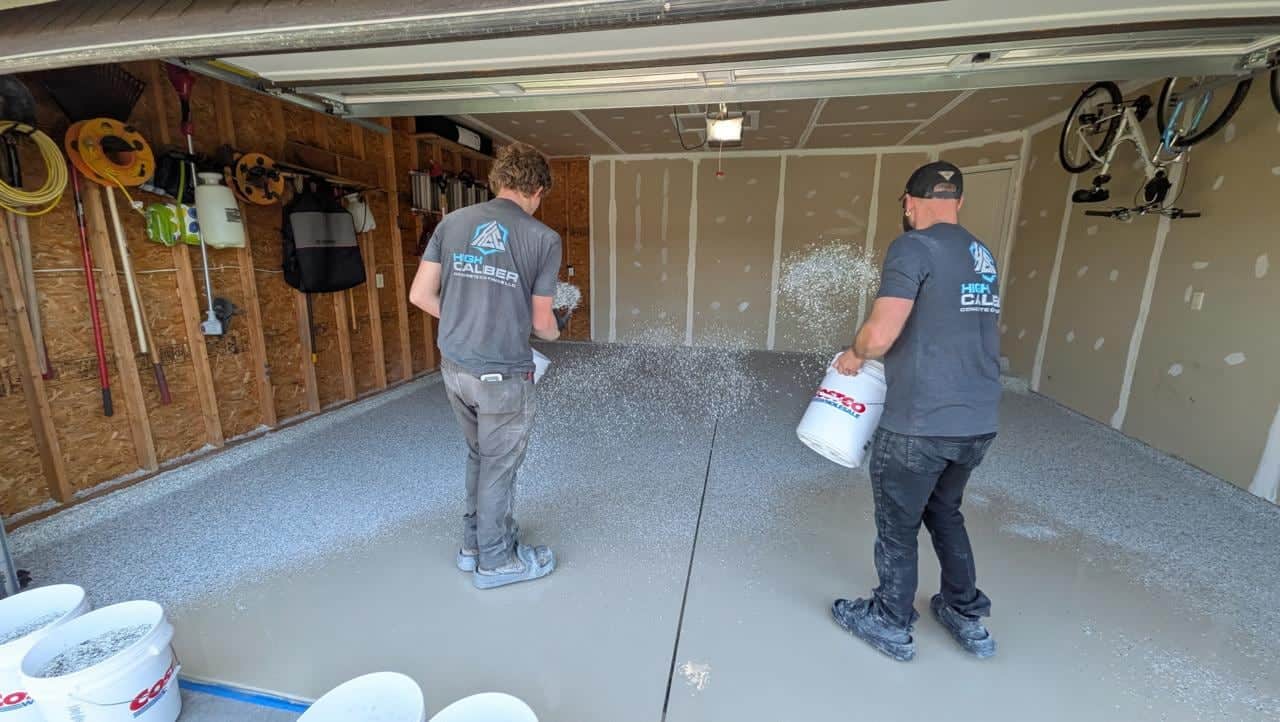
The selected assembly is placed in sequence over the prepared and addressed concrete. Epoxy can provide adhesion and build at the base, an optional decorative flake broadcast can shape appearance and surface character, and a polyurea or polyaspartic topcoat can contribute its own useful properties. We match the chemistry to the layer's job and the facility's exposure rather than reducing the decision to a product label.
Step 6
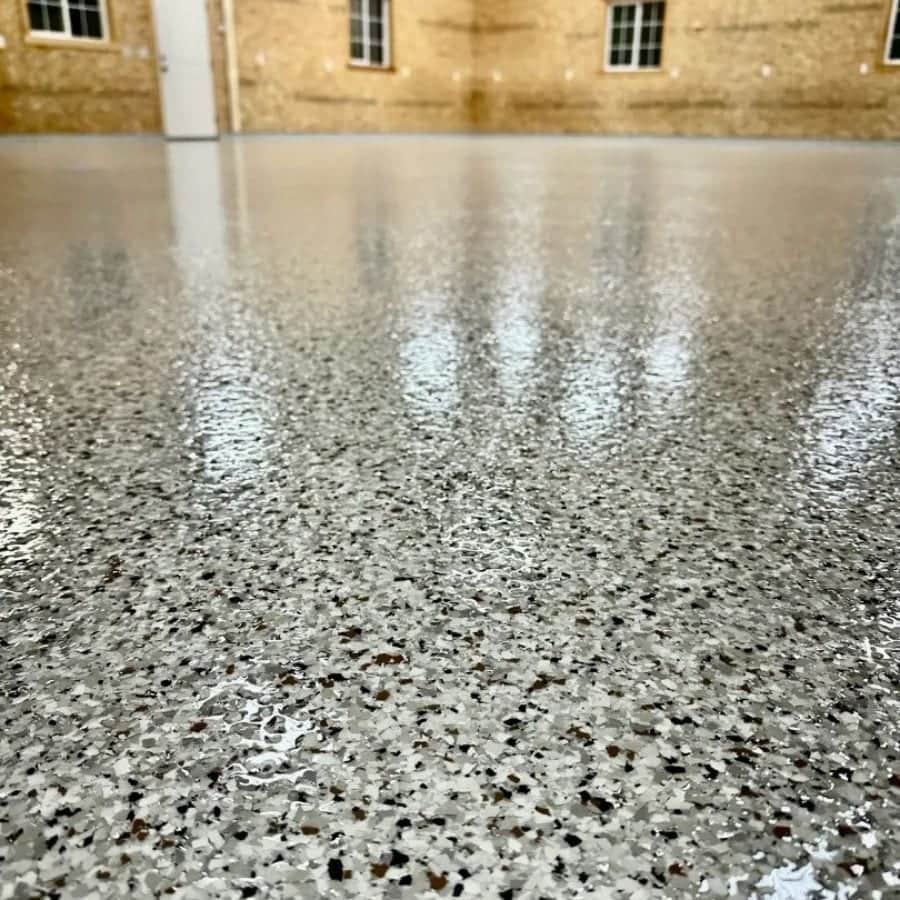
At the close of the work, we review the finished surface, edges, transitions, care needs, and the conditions for returning areas to normal use. The appropriate sequence depends on the materials, repairs, temperature, and site conditions. A clear inspection and handoff gives the owner and occupants practical information for managing the new floor after the crew leaves.
Why High Caliber
High Caliber is family-owned and based in West Michigan, with the Holland and Zeeland area as part of our home territory. We keep the conversation tied to the actual building, from the first questions about access through preparation, installation, and care.
That approach leaves room to compare a coating with mechanically refined concrete, grind and seal, or a penetrating sealer. We explain where a film system fits and where another option may be more honest. No finish removes maintenance, repairs every structural condition, or makes separate slabs perform alike.
Customer Reviews
“Would highly recommend. No pressure sales, quality product, great communication and quality installation. I met Jeff at the home show. I was drawn into his booth by his very enthusiast kids. I got the immediate impression this was a family oriented business and that was reinforced by the conversation with both Jeff and his young son. These values drew me to this business. I signed up for a quote. Shortly after the show Jeff came to my home to present options and provide a quote. No pressure to buy, Jeff understood I needed to get thru tax season before I could be sure about my budget. Over the course of next few months Jeff was responsive to any questions I had and we got the job scheduled. Jeff provided a trailer in the quote to store contents of garage while job was being done, which was very helpful. When talking with others about the quote I learned my price was equal to or less than what neighbors had paid up to six years ago, so I felt this was good pricing. I had thought there would be a ton of dust and a big mess when grinding surface, but the machines had a vacuum attached, clean and efficient work. I was impressed that they coated steps and side walls as well as floor. No mess on drywall or driveway. Crew doing installation were great guys. They took time to fill me in on the process of installation, what to expect, how long for surface to cure and when I could empty trailer. Post install Jeff stopped out to grab trailer, filled me in on what to use and how to clean the floor. VERY happy with the whole process from sales to install to follow up. LOVE my new garage.”
“Jeff and his team did the most amazing job epoxy floor coating my 38 year old garage floor. Outstanding, professional, skilled, great communication. Highly recommended.”
“High Caliber's quality and communication was excellent. From the person that visited onsite for an estimate to their crew that performed the service was above normal customer service standards, as they explained the process and timing. My garage floor looks great!”
Zeeland, Michigan
Zeeland's commercial pattern puts compact downtown storefronts alongside manufacturing and light industrial facilities. Rural and agricultural influences add pole barns and outbuildings to the broader service conversation. That mix matters because a public room is judged by appearance and cleaning, while a production or support area may be organized around equipment, carts, loading, and spills.
Ottawa County's lakeshore-belt weather follows the slab indoors. Lake-effect snow, road salt, freeze-thaw cycles, humid summers, and spring melt moisture can appear as tracked debris, damp thresholds, or questions about what the concrete is carrying. We treat those as conditions to investigate, not reasons to prescribe one finish without seeing the space.
A facility east of Holland may share regional weather with Holland, Hudsonville, or Georgetown Township, and Zeeland Charter Township is close by, but no two floors have the same traffic pattern. Tell us where people cross, where carts turn, where water collects, and which zones must stay available. That detail lets the plan respect the business without inventing a schedule before the site is understood. Your priorities can be recorded before material comparisons begin.
Foot traffic, carts, vehicles, and equipment meet the slab in different ways. Listing those contacts gives the system discussion a useful starting point.
Salt, grit, humidity, spills, and melt moisture belong in the preparation and care conversation for a Zeeland commercial floor.
Access, cure, cleaning, and normal-use expectations should be understandable to the people keeping the facility active.
Frequently Asked Questions
Storefronts, service areas, manufacturing rooms, light industrial spaces, and selected agricultural or workshop settings may all warrant a conversation. The deciding questions are how the concrete is used, what reaches it, how it is cleaned, and whether the slab can support the proposed finish. We review those details before treating the property type as a recommendation.
Useful information includes the floor's busiest routes, equipment loads, spills, cleaning products, door and staging limits, previous coatings, visible damage, and areas that must remain accessible. If you know when the space is quiet, share that too. A clear operating picture helps us discuss preparation and installation in terms your team can use.
Epoxy can serve as the adhesion and build layer next to the prepared concrete. Polyurea or polyaspartic materials may serve above it where flexibility, UV stability, chemical resistance, or cure characteristics matter. The layers work as an assembly, with each chemistry assigned a role. We do not treat epoxy as something to dismiss or a single material as universal.
We first examine whether existing paint or coating is bonded, compatible, and suitable to remain. Mechanical preparation or removal may be needed. Cracks, pits, spalls, moisture, and contamination are then considered within the scope. Preparation can create a better foundation, but it cannot erase structural conditions or guarantee that future slab movement will stop.
Snow, road salt, and grit can enter through doors during Ottawa County winters, while freeze-thaw cycles and spring melt can keep thresholds and slabs under changing moisture conditions. Those facts make entry care, cleaning, edge details, and moisture review important topics. They do not select a system by themselves, because the building's exposure and use still control the recommendation.
That is part of the early conversation. We need to understand turning areas, staging, loading, neighboring rooms, access doors, cleaning routes, and which work zones can be unavailable. From there, we can discuss a sequence that fits the facility. The actual reopening plan depends on preparation, materials, site conditions, and the boundaries of each work area.
Start with the source and frequency of water, the cleaning method, the footwear and traffic, and the consequences of a damp surface. Entrances, wash areas, and spill-prone zones may need discussion of texture, exposure, underfoot feel, and care. A coating is not an automatic safety solution, so traction expectations must be matched with maintenance and site conditions.
Related Services
A coating is one possible answer for commercial concrete. These related services help frame preparation, slab appearance, and moisture protection before the building commits to a finish.
Review mechanical surface preparation for creating the profile a coating needs. Grinding can expose conditions, but it is not structural repair or a promise of a perfectly level slab.
Learn moreExplore a more demanding floor conversation when equipment, abrasion, spills, and repeated movement make operational exposure central to the recommendation.
Learn moreCompare mechanically refined concrete when the existing slab should remain visible and a film coating is not the intended finish.
Learn moreConsider a penetrating sealer when the goal is to help protect the concrete without presenting it as a film-coated surface.
Learn moreGallery And Visual Proof
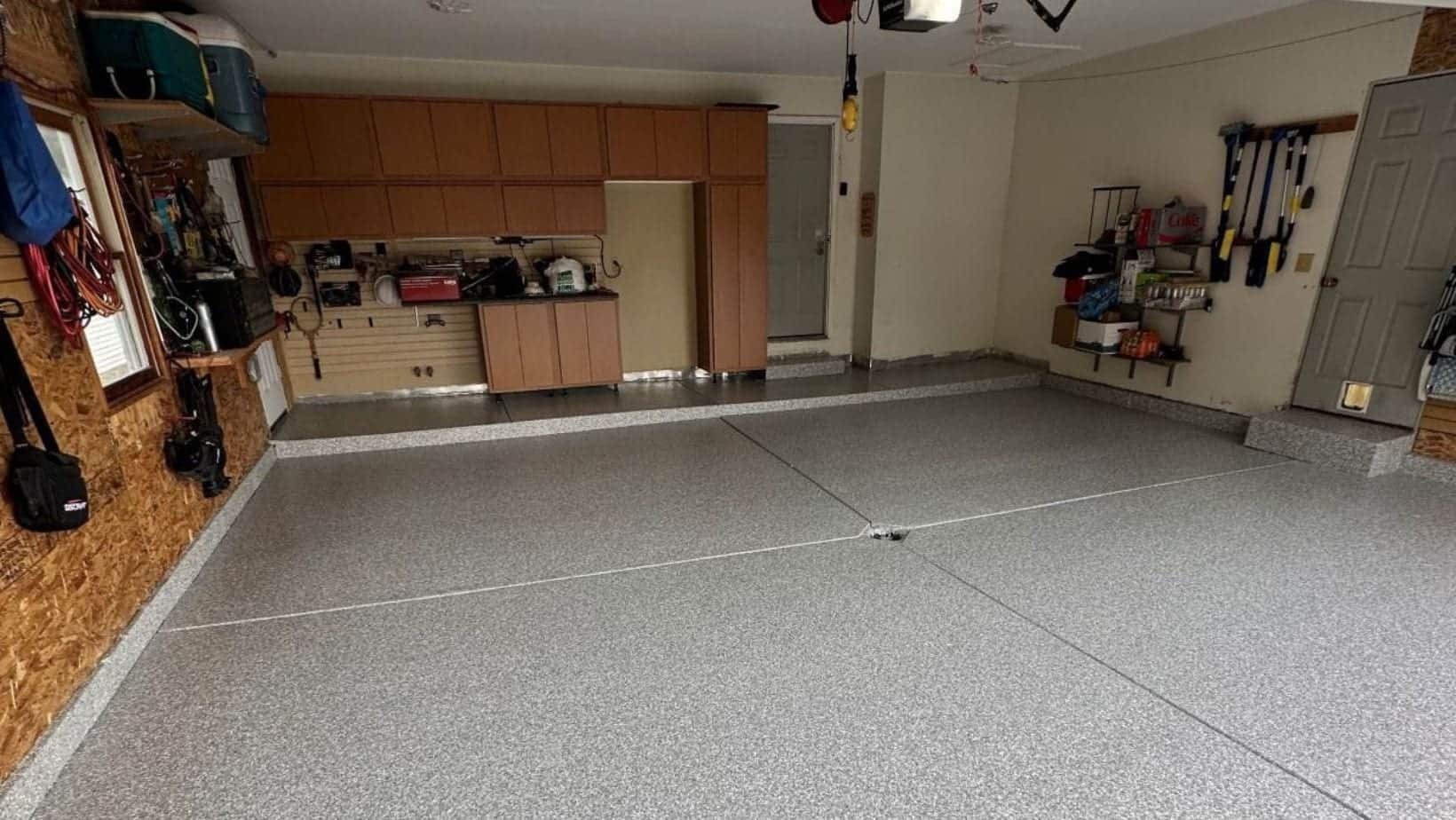
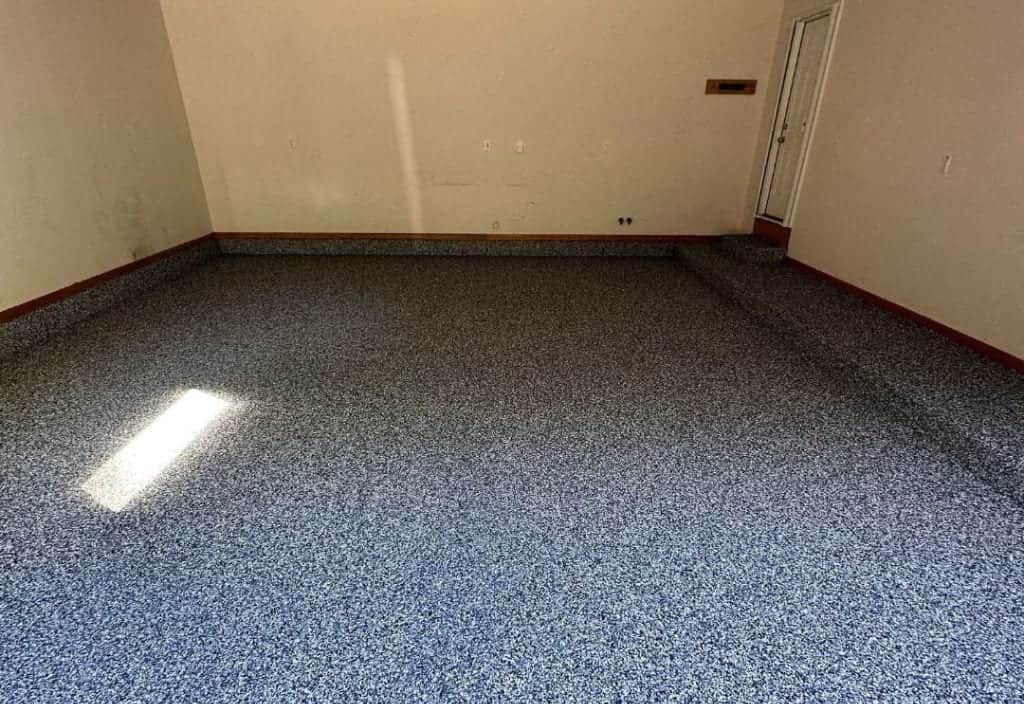
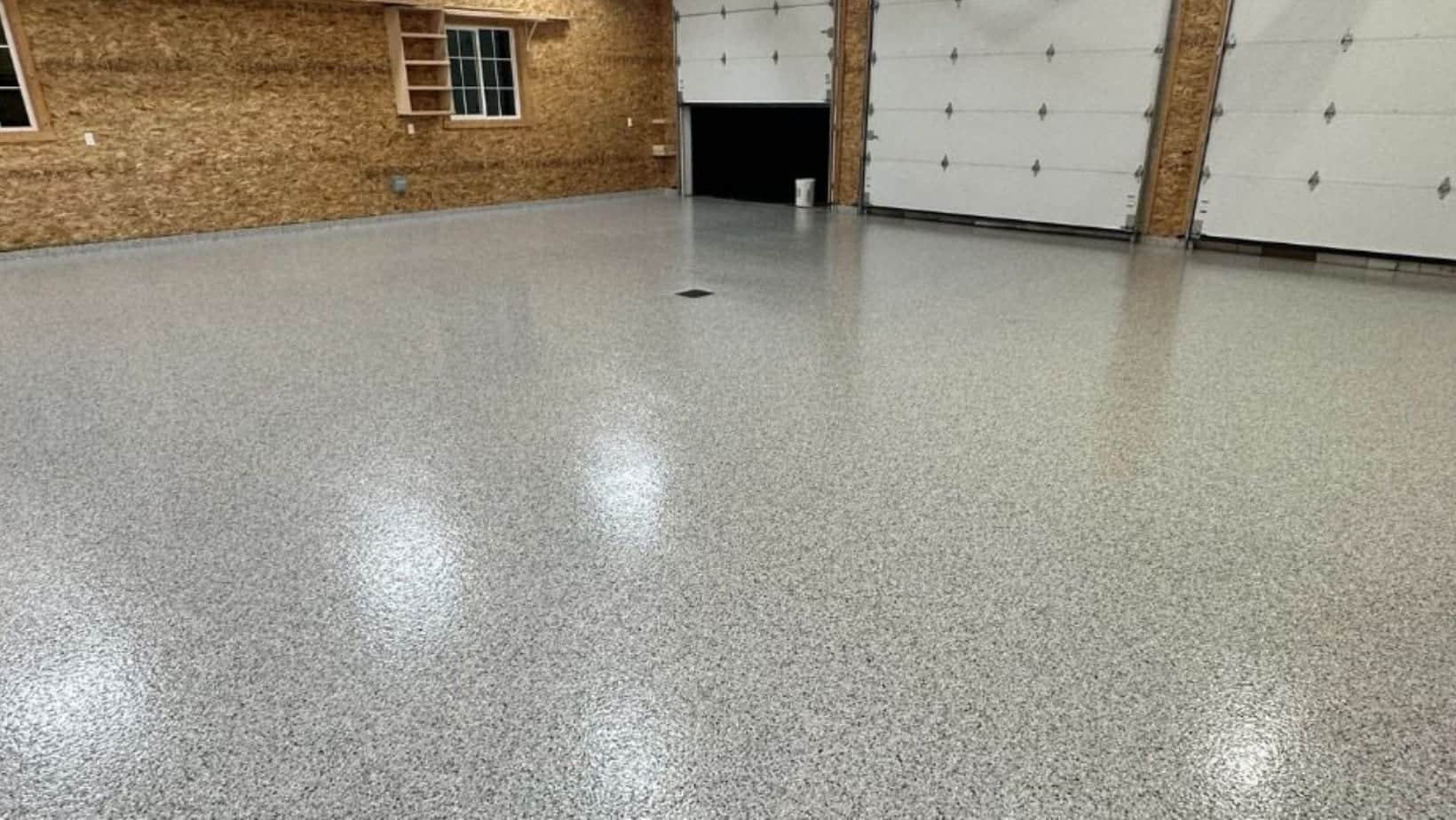
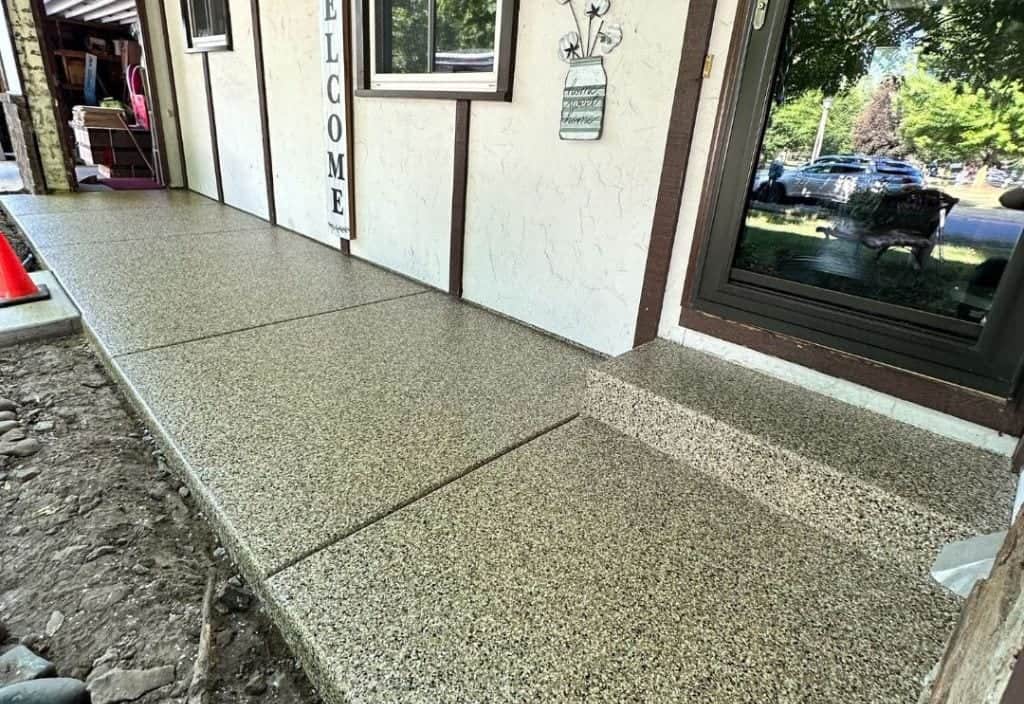
These real High Caliber images show preparation, coating layers, and finished surfaces. They illustrate materials and workmanship without assigning any image to a Zeeland project.
Free Project Quote
Tell us about the space and we will follow up with a clear recommendation and quote conversation.
Phone
Business Hours
Free Estimate
Tell us what the floor carries, what reaches the slab, how the space is maintained, and which areas your team needs to keep moving. We will help you sort preparation, repair questions, system layers, appearance, and the conditions for reopening into a clear estimate. Request a Zeeland facility estimate online or call (616) 777-7348 to begin the conversation. It gives your decision-makers a shared starting point for the project.