
Read The Existing Slab
Surface wear, old materials, cracks, pits, and spalls influence the preparation conversation. Looking carefully first keeps the finish choice from hiding questions that belong in the scope.
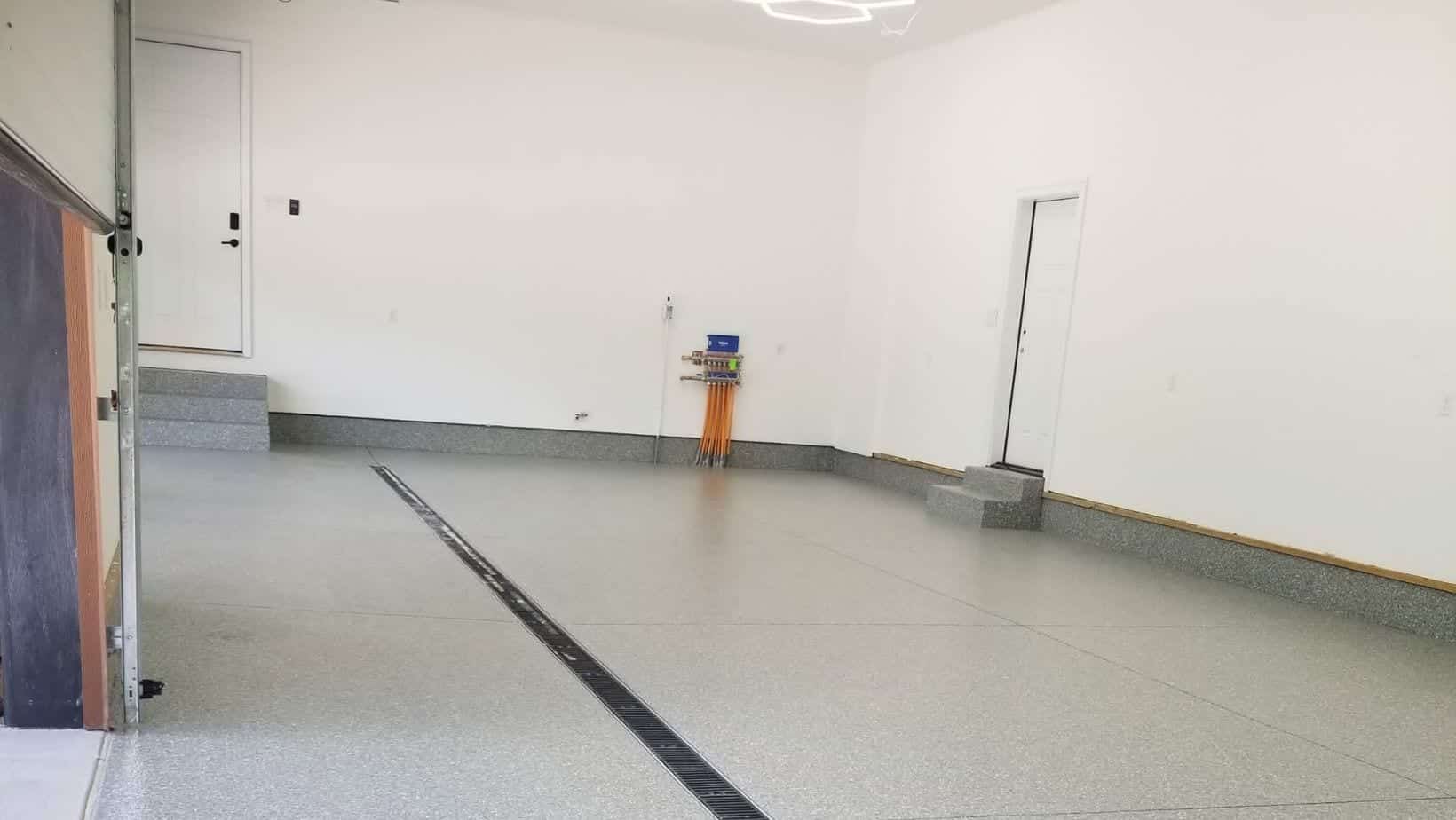
A Grand Rapids floor may be the place where winter enters the house, tools stay ready, inventory moves, or a vehicle is serviced. We begin with the concrete beneath those routines, then shape preparation and compatible layers around the space. Tell High Caliber what the floor handles and request a free estimate.
Service Overview
Concrete coatings are not chosen in isolation from the room. A garage has tires, salt, storage, and changing temperatures. A basement brings moisture questions. A patio faces weather and sunlight. A retail, warehouse, or medical floor may need an installation plan that respects people, equipment, cleaning, and access.
Our hybrid epoxy and polyurea system gives each material a defined job when the application supports it. Epoxy provides adhesion and build in the basecoat. Polyurea or polyaspartic may contribute other performance or finish characteristics in later layers. We use the slab and its intended use to guide that decision.
Benefits
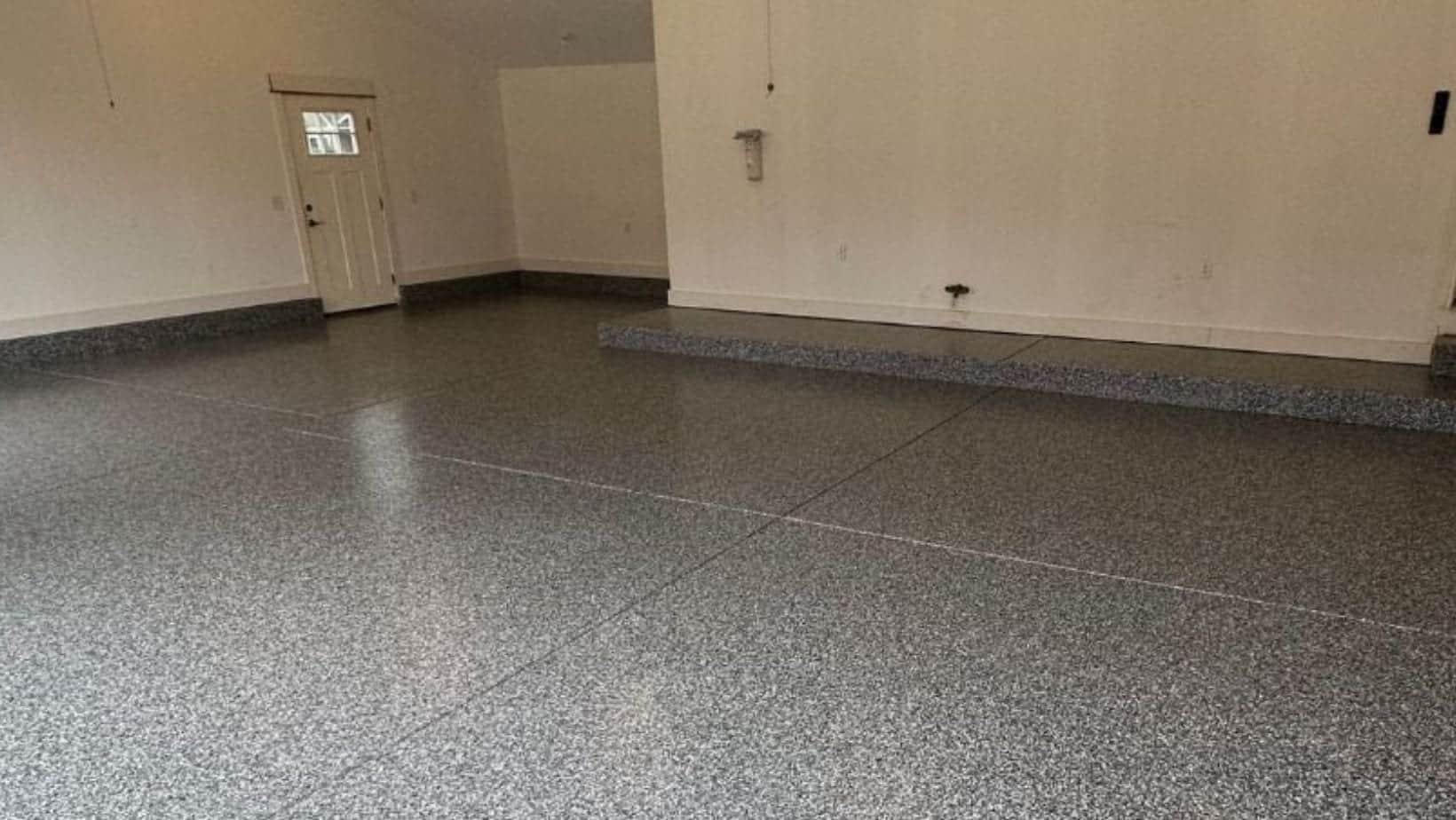
A coating estimate becomes more useful when it connects the existing concrete to the work performed there, the conditions entering from outside, and the surface you want at the end.
Surface wear, old materials, cracks, pits, and spalls influence the preparation conversation. Looking carefully first keeps the finish choice from hiding questions that belong in the scope.
Cars, shoes, carts, tools, and equipment do not load a floor in the same way. The room's movement and cleanup habits help determine which coating discussion is relevant.
Epoxy can build the base and hold the system to prepared concrete. Compatible polyurea or polyaspartic layers may handle other performance or finish needs above it.
Cracks and worn edges deserve a defined preparation decision instead of a vague promise. We discuss suitable repairs while keeping normal concrete movement within expectations.
A consistent finished surface can help a garage, workshop, or service room feel organized. Dust, grit, and spills remain part of care, but they can be easier to notice.
The estimate should explain condition, preparation, layer sequence, appearance, access, and care. You should know what the proposed system is intended to do for your space.
Installation Process
The finished appearance depends on choices made before the final layer is visible. High Caliber works through the condition of the slab, the demands of the room, and the role of each material in sequence.
Step 1
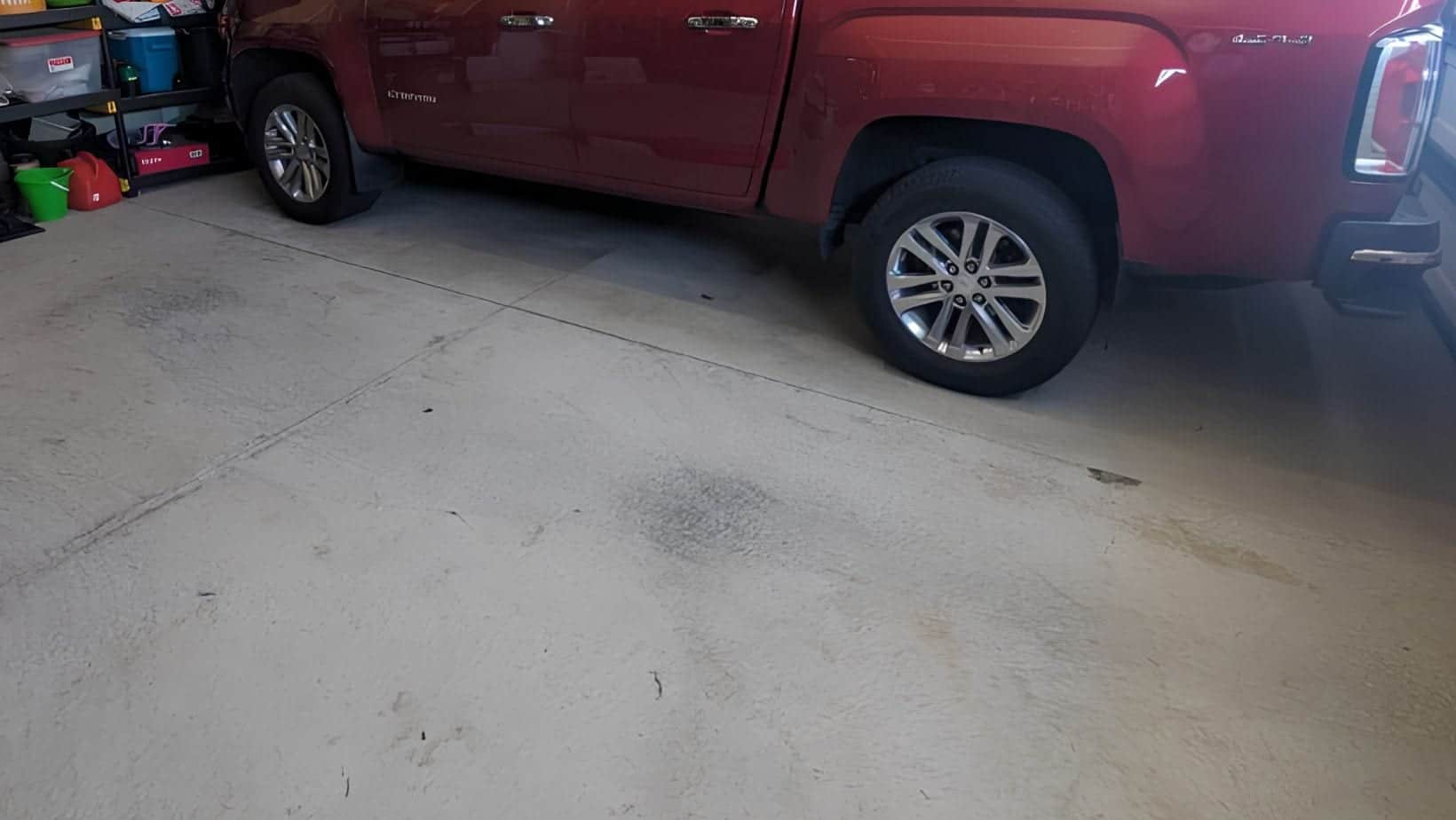
We begin by learning what happens in the room during an ordinary week. That may include road salt and wet tires in a garage, storage in a detached building, or carts, vehicles, equipment, and scheduled cleaning in a working facility. Existing coatings, worn areas, cracks, pits, moisture indicators, and access conditions help define a realistic scope. The evaluation gives the estimate a physical starting point instead of treating every Grand Rapids floor alike.
Step 2
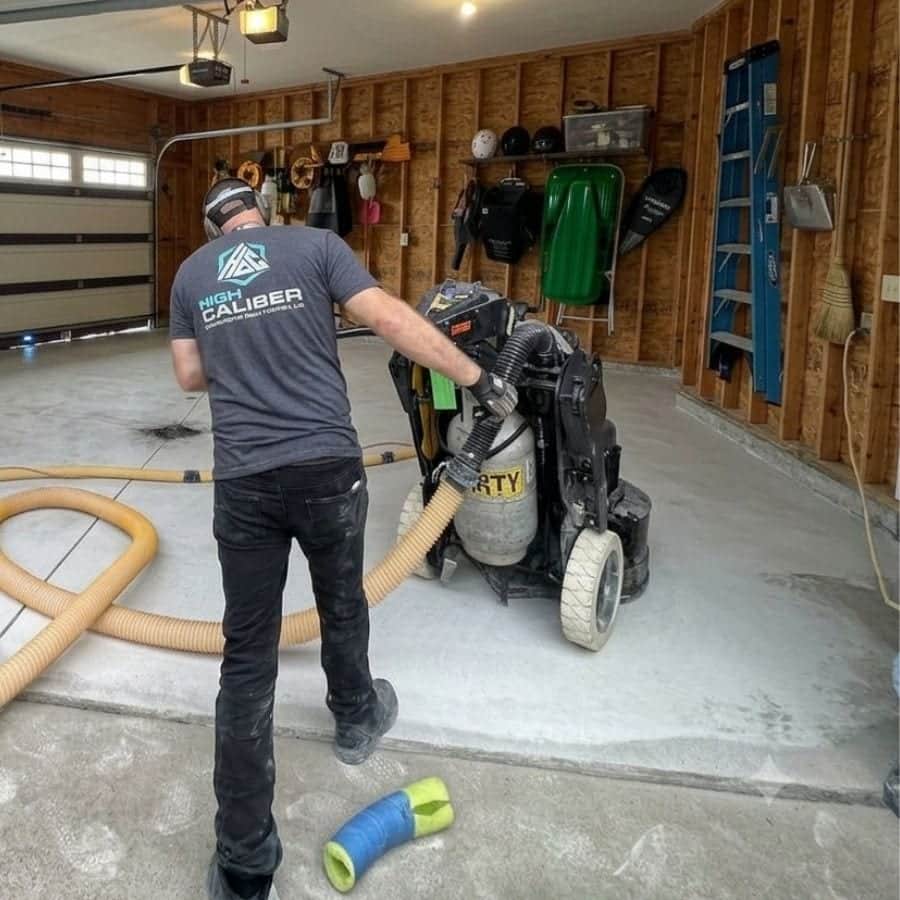
With the room prepared for work, diamond tooling gives us a controlled way to open the concrete and work across its field, edges, joints, and transitions. The process can reveal where residue remains, where old material behaves differently, and where the preparation needs extra attention. Grinding is a mechanical preparation step. It does not level the slab, repair structural problems, or guarantee a perfectly uniform floor.
Step 3
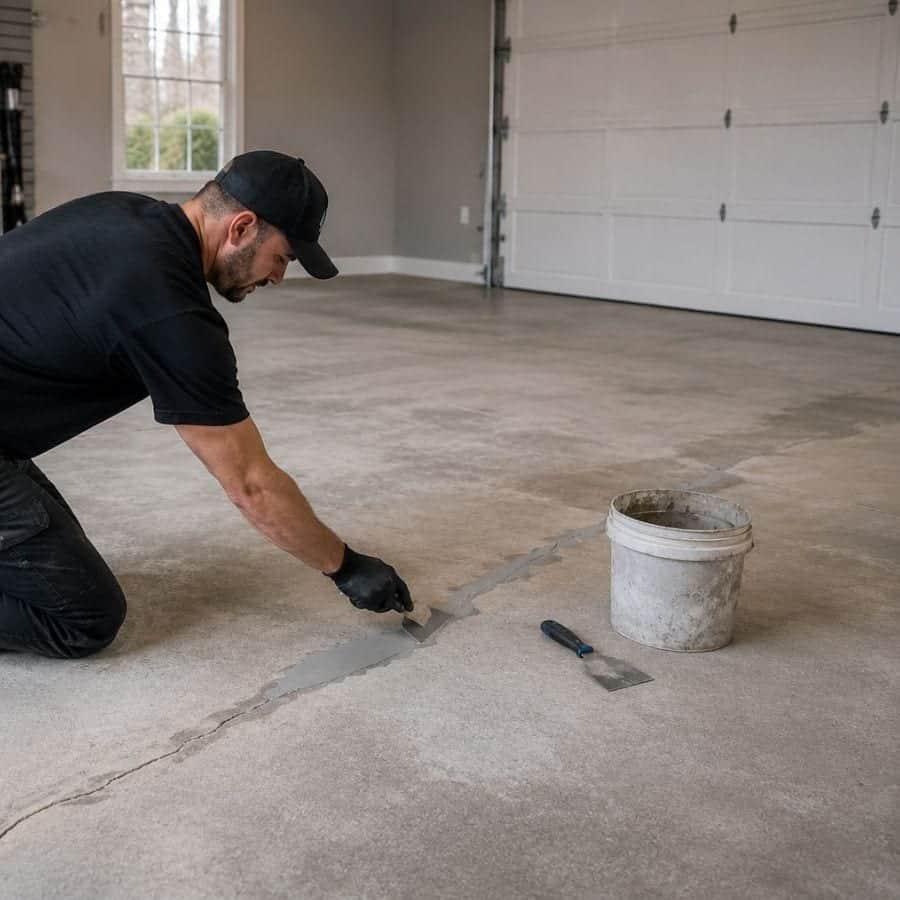
Preparation makes the condition of cracks, pits, spalled edges, and other damaged areas easier to discuss. We can then determine which repairs belong in the coating preparation and which conditions need a separate conversation. Repairs support a more consistent base, but they cannot promise that movement in the underlying concrete will never show again. The estimate should state what is visible and what the planned work addresses.
Step 4
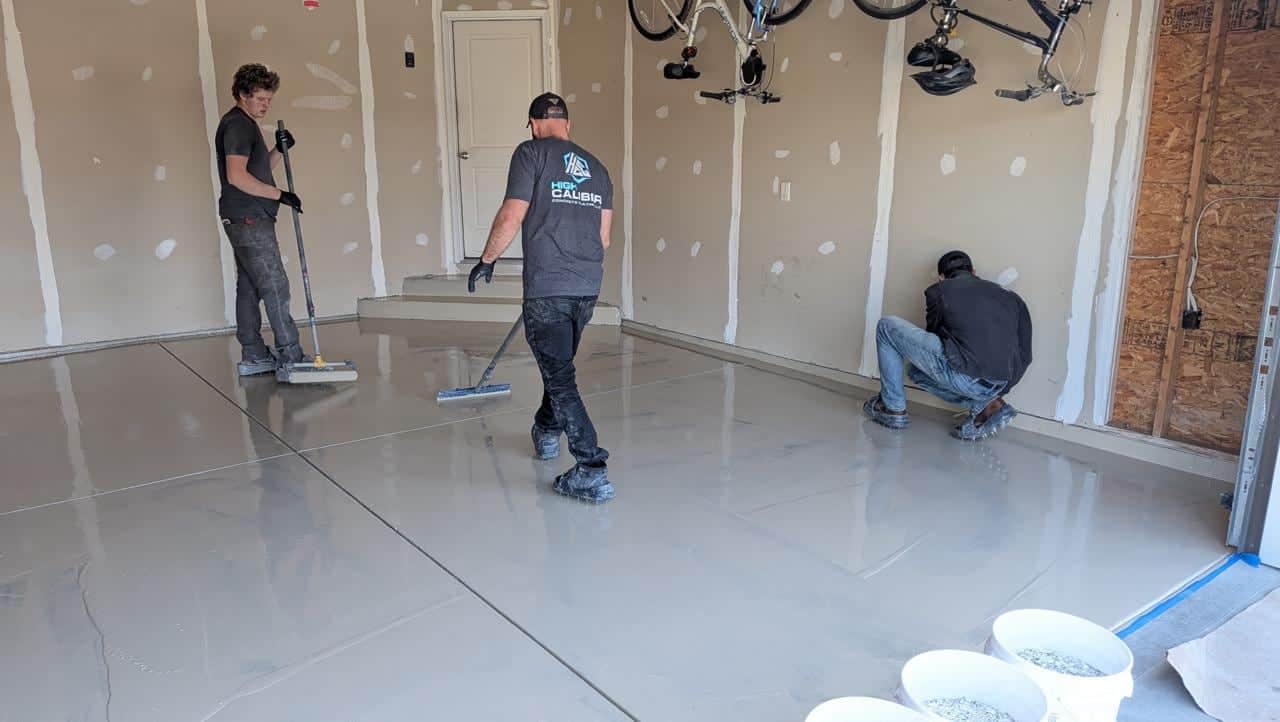
Once the prepared surface is ready, the selected basecoat establishes the first working layer of the system. High Caliber uses epoxy here when it is the appropriate choice because it contributes adhesion and build. The material is not selected as a slogan or in opposition to another chemistry. Its role is considered alongside the concrete, the room, and the layers that may follow.
Step 5
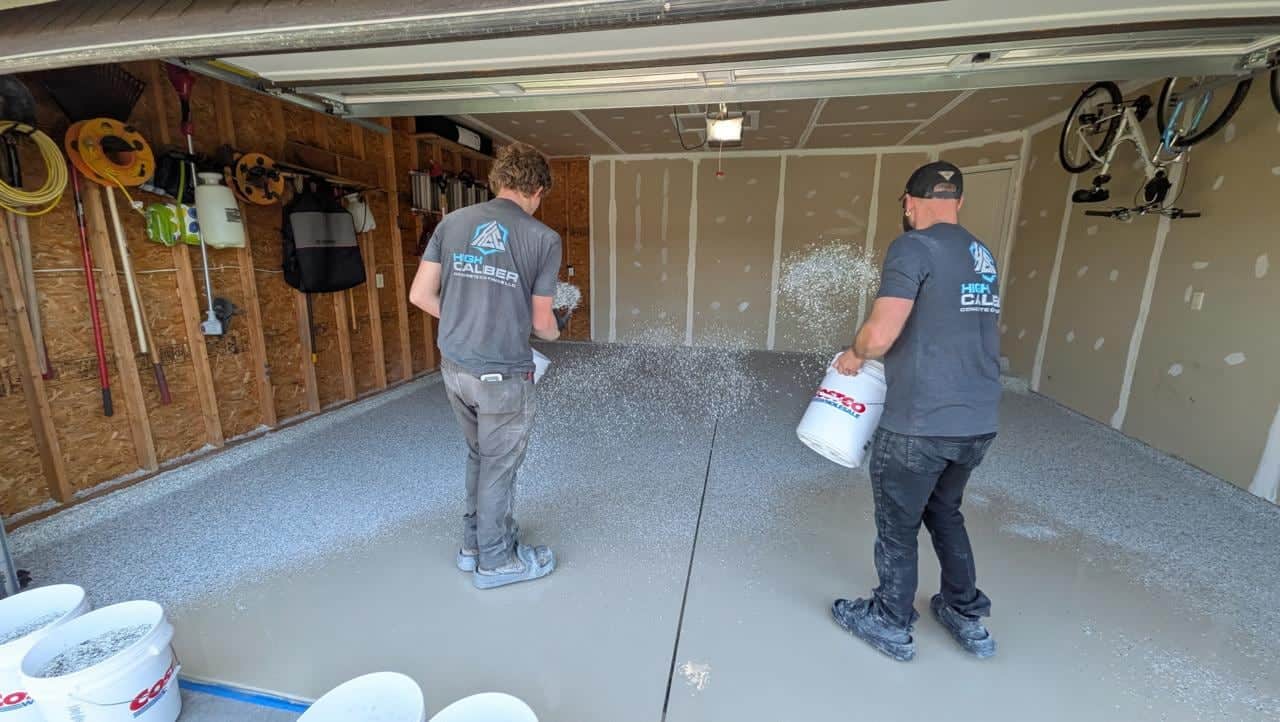
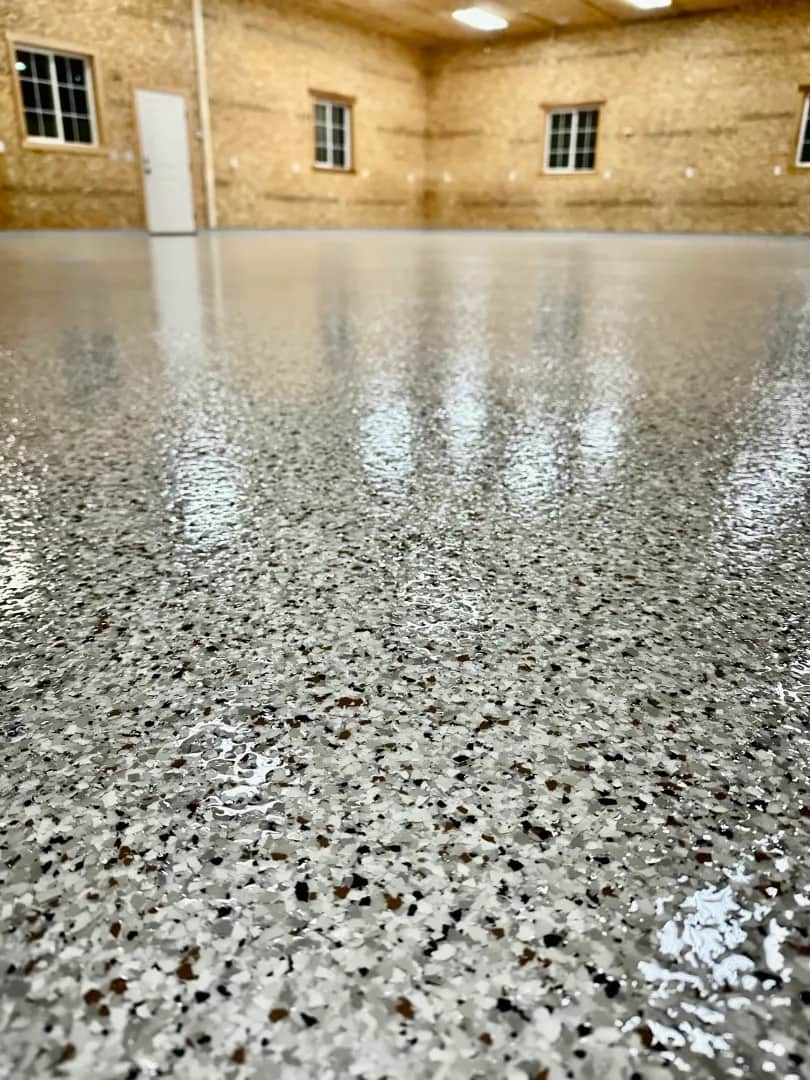
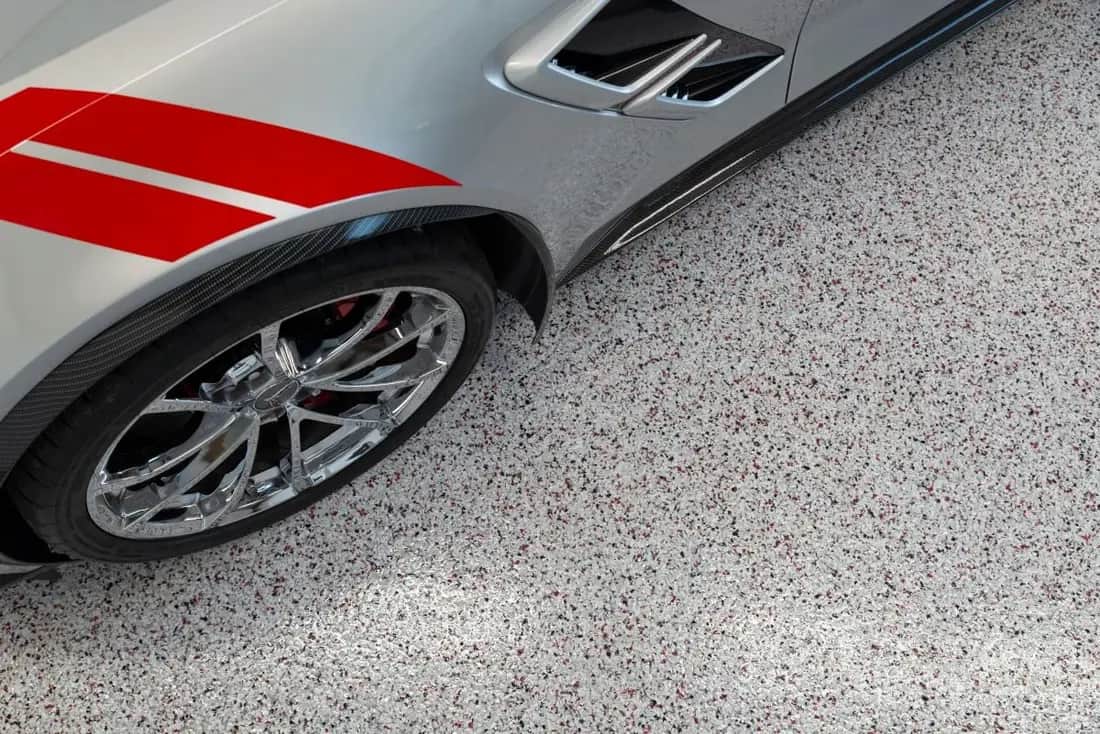
A decorative flake broadcast is optional and depends on the appearance, texture, and use you want. When selected, the blend is distributed into the wet basecoat and allowed to become part of the finish direction. Loose material is removed after the appropriate cure stage so the next layer has a prepared surface. Solid color or another visual approach can be considered when flake does not suit the room.
Step 6
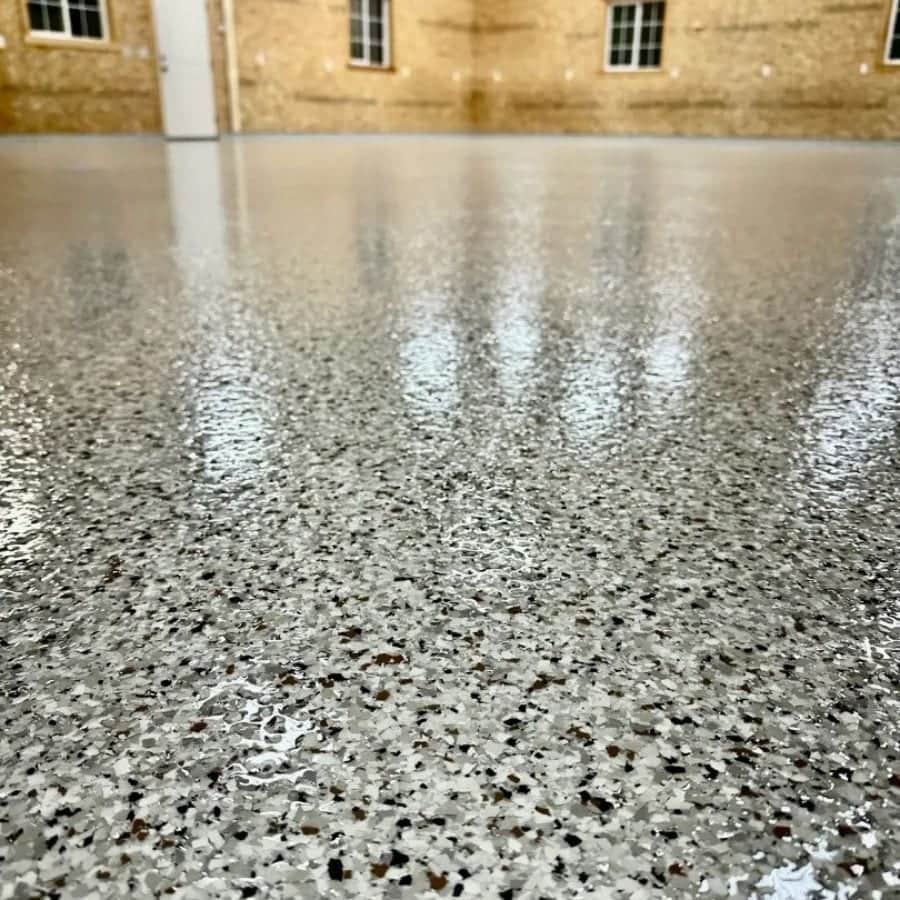
The planned topcoat completes the visible system and contributes the protection and appearance expected from that layer. Polyaspartic may be used as a finish when its characteristics fit the application. Before the space returns to service, we review the surface and explain practical care, access, and use expectations. The handoff should make the finished floor understandable, not just attractive.
Why High Caliber
Our family-owned West Michigan company operates from Zeeland, and we want a Grand Rapids recommendation to be understandable from the first inspection through the care conversation. That includes naming the condition of the concrete, the preparation required, and the reasons for the proposed layer sequence.
Our hybrid approach also keeps chemistry in its proper place. Epoxy is a useful adhesion and build layer when it fits the basecoat. Polyurea and polyaspartic can have different jobs in compatible applications. The goal is a system suited to the concrete, not a blanket claim about one product or a photo presented as a local project without verification.
Customer Reviews
“Wow! Jeff and Mike were amazing to partner with for my garage floor renovation! They did an amazing job but more importantly, they communicated directly with me thru texts, reminders, and in person! Jeff and his team left my garage and exterior area cleaner than when they arrived and gave clear instructions on follow up care needed for my new floor! I would highly recommend High Caliber Concrete Coatings anytime!”
“Would highly recommend. No pressure sales, quality product, great communication and quality installation. I met Jeff at the home show. I was drawn into his booth by his very enthusiast kids. I got the immediate impression this was a family oriented business and that was reinforced by the conversation with both Jeff and his young son. These values drew me to this business. I signed up for a quote. Shortly after the show Jeff came to my home to present options and provide a quote. No pressure to buy, Jeff understood I needed to get thru tax season before I could be sure about my budget. Over the course of next few months Jeff was responsive to any questions I had and we got the job scheduled. Jeff provided a trailer in the quote to store contents of garage while job was being done, which was very helpful. When talking with others about the quote I learned my price was equal to or less than what neighbors had paid up to six years ago, so I felt this was good pricing. I had thought there would be a ton of dust and a big mess when grinding surface, but the machines had a vacuum attached, clean and efficient work. I was impressed that they coated steps and side walls as well as floor. No mess on drywall or driveway. Crew doing installation were great guys. They took time to fill me in on the process of installation, what to expect, how long for surface to cure and when I could empty trailer. Post install Jeff stopped out to grab trailer, filled me in on what to use and how to clean the floor. VERY happy with the whole process from sales to install to follow up. LOVE my new garage.”
“I can not express how awesome my garage floor looks. Your crew did a phenomenal job, we'll probably be the envy of the neighborhood now. Very polite, cleaned up the area, fast amazing job! My only complaint was the floor was going to look great so my wife said we had to clean out and paint all the walls and shelving, but it was worth it. Thank you again.”
Grand Rapids, Michigan
Grand Rapids property owners may be working with an older neighborhood slab, newer construction, an attached or detached garage, a condominium storage area, or a floor inside a larger working property. Retail, medical, warehouse, manufacturing, automotive, and municipal spaces bring different patterns of traffic and different limits on access. The coating question becomes more useful when it names what the floor must support rather than relying on the room label alone.
West Michigan weather adds another layer to that conversation. Freeze-thaw cycles, winter road salt, tracked-in grit, spring moisture, and humid summer air can reach concrete through doors, tires, footwear, and changing indoor conditions. We do not treat a coating as a way to make those exposures disappear. We look at how they arrive, what the slab shows, and what care the finished surface will still need.
The same practical review can serve a property owner comparing work in Wyoming, Grandville, Walker, East Grand Rapids, or Kentwood. Those nearby communities help establish the service area, while the specific slab determines the recommendation. Bring us the room's use, any history you know, and the change you want to make so the estimate can stay grounded in the property itself.
Attached garages, detached garages, basements, newer construction, and condominiums can change the questions around access, moisture, storage, and use.
Salt, grit, freeze-thaw conditions, spring dampness, and humid air are reasons to discuss exposure before choosing a finish.
Service rooms may require a plan for equipment, cleaning, scheduling, and keeping pathways available while the floor is prepared and returned to use.
Frequently Asked Questions
Useful starting details include the room's dimensions, how it is used, what enters through the doors, the condition you can see, and any previous coating or sealer you know about. Photos can help frame the conversation, but the estimate also needs to account for cracks, pits, moisture indicators, access, cleaning, and the finished appearance you want.
It can begin with both, but the recommendations may not be identical. A garage, basement, pole barn, retail room, warehouse, automotive space, or municipal floor can have different traffic, exposure, cleaning, scheduling, and access requirements. We compare those conditions instead of assuming the same layer plan belongs everywhere.
Previous material changes the starting point. We want to know what is present, how well it is attached, how it has worn, and whether the concrete beneath can be prepared for the proposed system. The work may involve additional removal or preparation, and the estimate should explain that scope before a new finish is selected.
Epoxy has a purposeful place in the basecoat because it can contribute adhesion and build on prepared concrete. Compatible polyurea or polyaspartic materials may serve other roles in later layers when the application supports them. We are matching chemistry to function within one system, not treating epoxy as something to dismiss.
Road salt and grit may arrive on tires, footwear, and equipment, while spring moisture can make the slab's condition and indoor environment more important to discuss. We ask how water reaches the floor, how the room is used, and what maintenance is realistic. Seasonal exposure remains part of ownership after coating work is complete.
Yes. A business or public-use floor may need work boundaries, equipment coordination, cleaning requirements, scheduling, and a clear path back to service. We ask how the space operates before discussing materials. That context may change the preparation sequence or installation plan compared with a residential garage.
If keeping the concrete itself visible is the priority, a penetrating sealer or mechanically polished finish may deserve consideration. A sealer protects without forming the same film surface, and polishing refines the slab through mechanical work. We compare those paths with coating according to appearance, traffic, moisture, exposure, maintenance, and slab condition.
Related Services
A coating is one possible direction for the concrete. Preparation, moisture control, decorative choices, and other surface treatments may also belong in the discussion when they better explain the floor's needs.
Mechanical preparation that opens the surface and helps establish the starting condition for a coating system.
Learn moreA decorative broadcast-flake option for garages and other spaces where that appearance fits the daily use.
Learn moreA supporting option to discuss when moisture conditions call for a specific part of the coating plan.
Learn moreA coating chemistry that may fill a defined role within a compatible system for the application.
Learn moreA UV-stable chemistry that may serve as a finish layer when its characteristics suit the project.
Learn moreGallery And Visual Proof
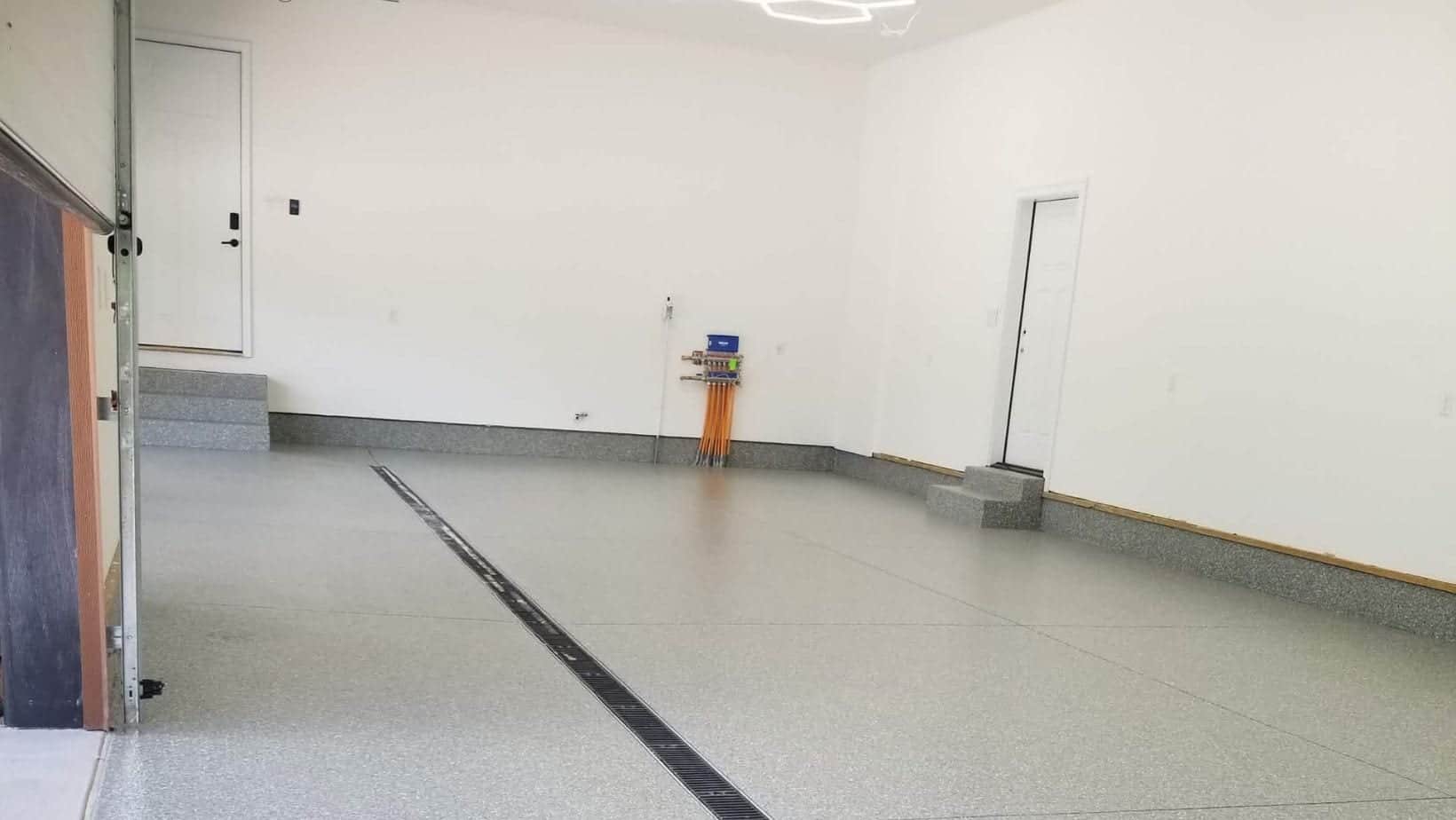
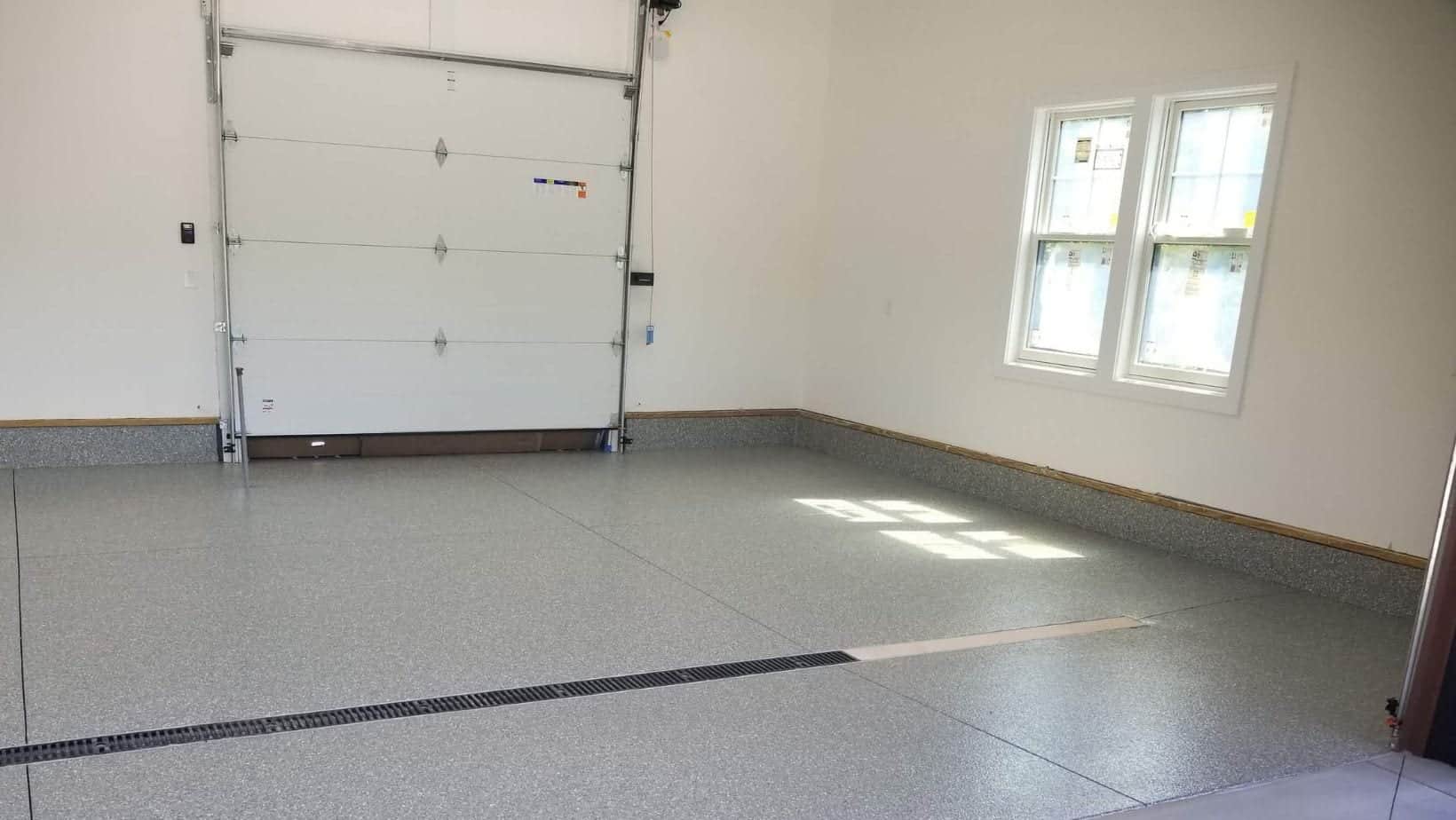
These High Caliber library images show coating surfaces and finish directions. They describe the materials and workmanship visible in each image, not the location of the pictured property.
Free Project Quote
Tell us about the space and we will follow up with a clear recommendation and quote conversation.
Phone
Business Hours
Free Estimate
Describe the room, the work it supports, the conditions it faces, and what you want the finished surface to change. High Caliber can talk through preparation, the hybrid epoxy and polyurea system, finish possibilities, and practical care. Photos of the slab, notes about access, and any history of coatings or moisture can make the first discussion more useful. Request a free Grand Rapids estimate online or call (616) 777-7348 to start the conversation.