For a room with daily traffic: which concrete spaces can be coated?
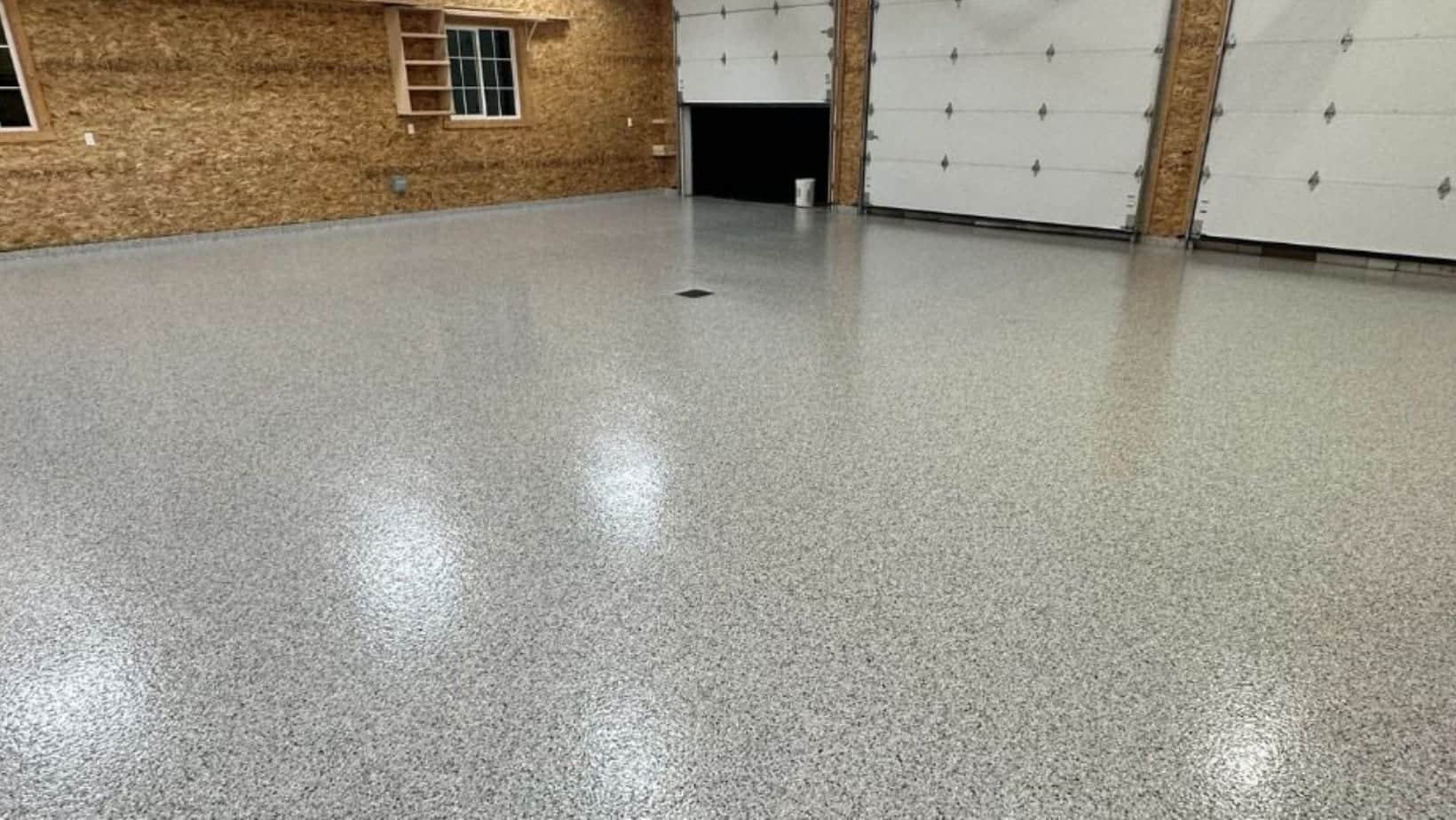
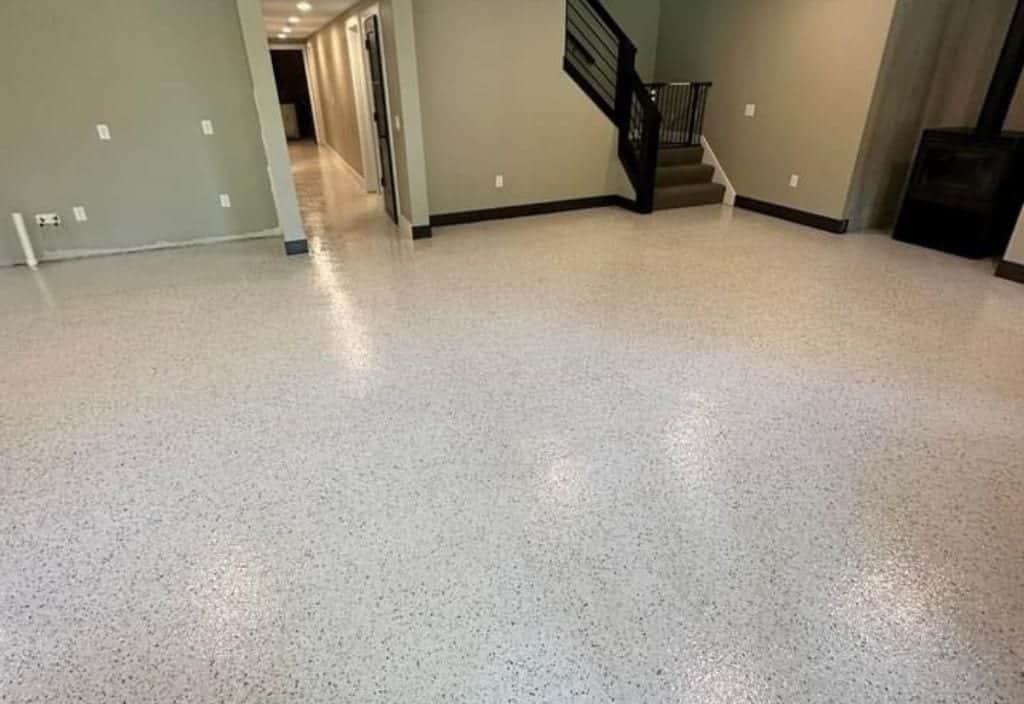
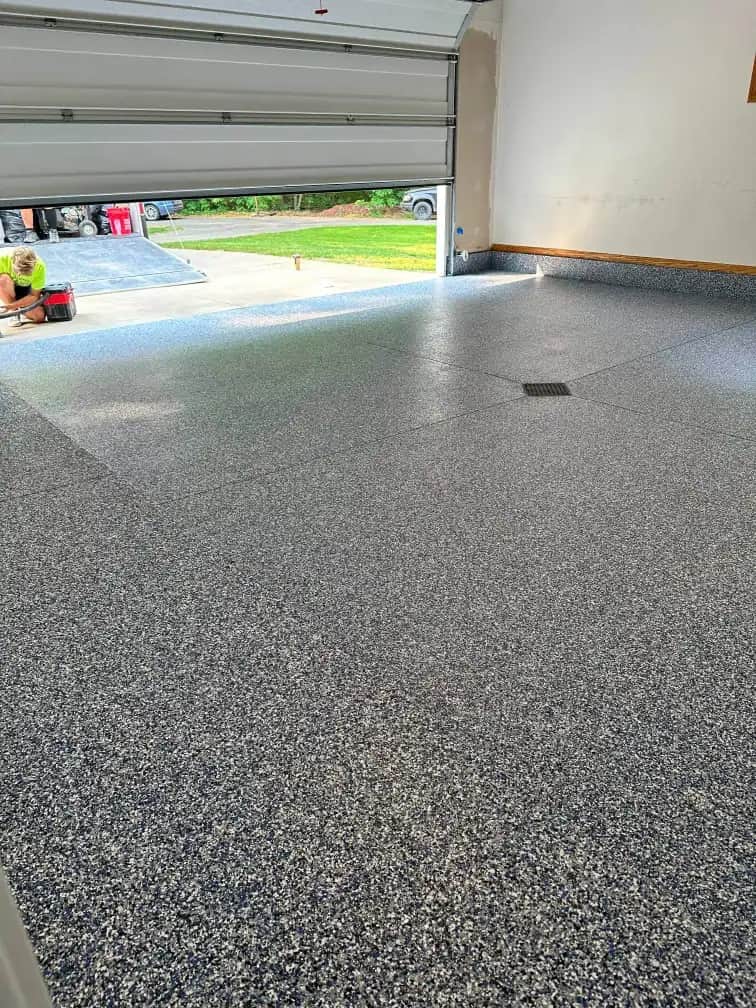
Garages, basements, workshops, pole barns, patios, selected exterior areas, and business floors may be candidates; suitability is decided by the slab, moisture, exposure, use, preparation, and the system being considered; when the floor supports garages, shops, and business floors, this boundary should remain visible.
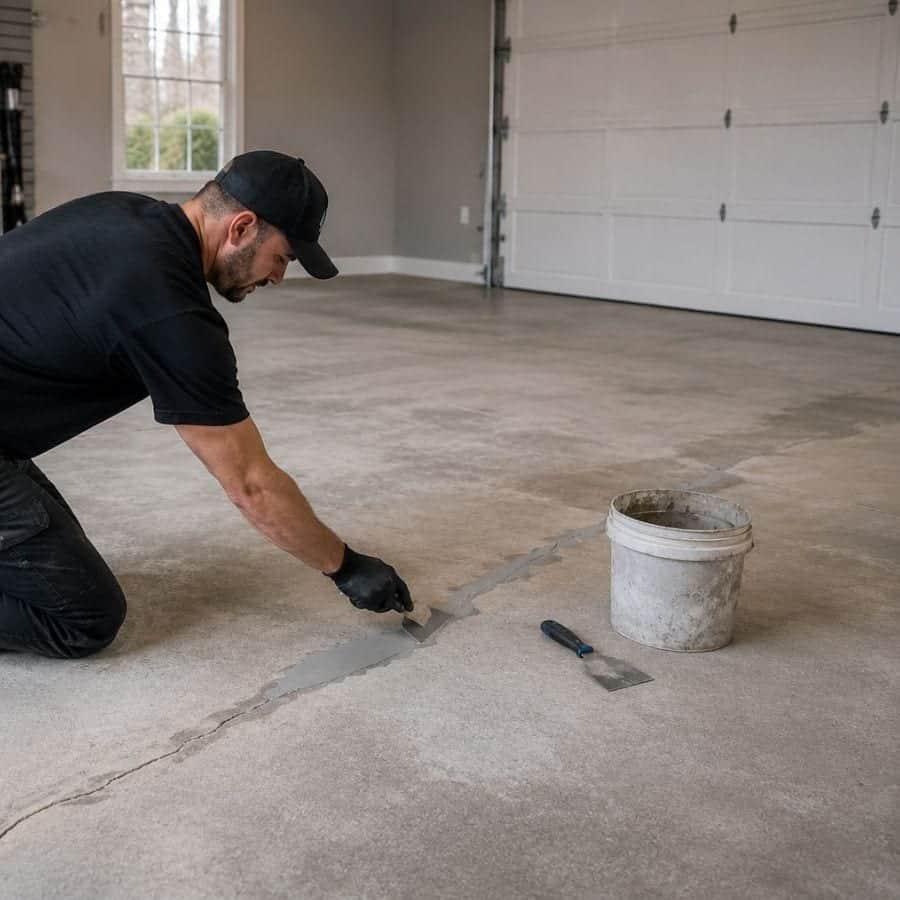
What happens to cracks before coating?
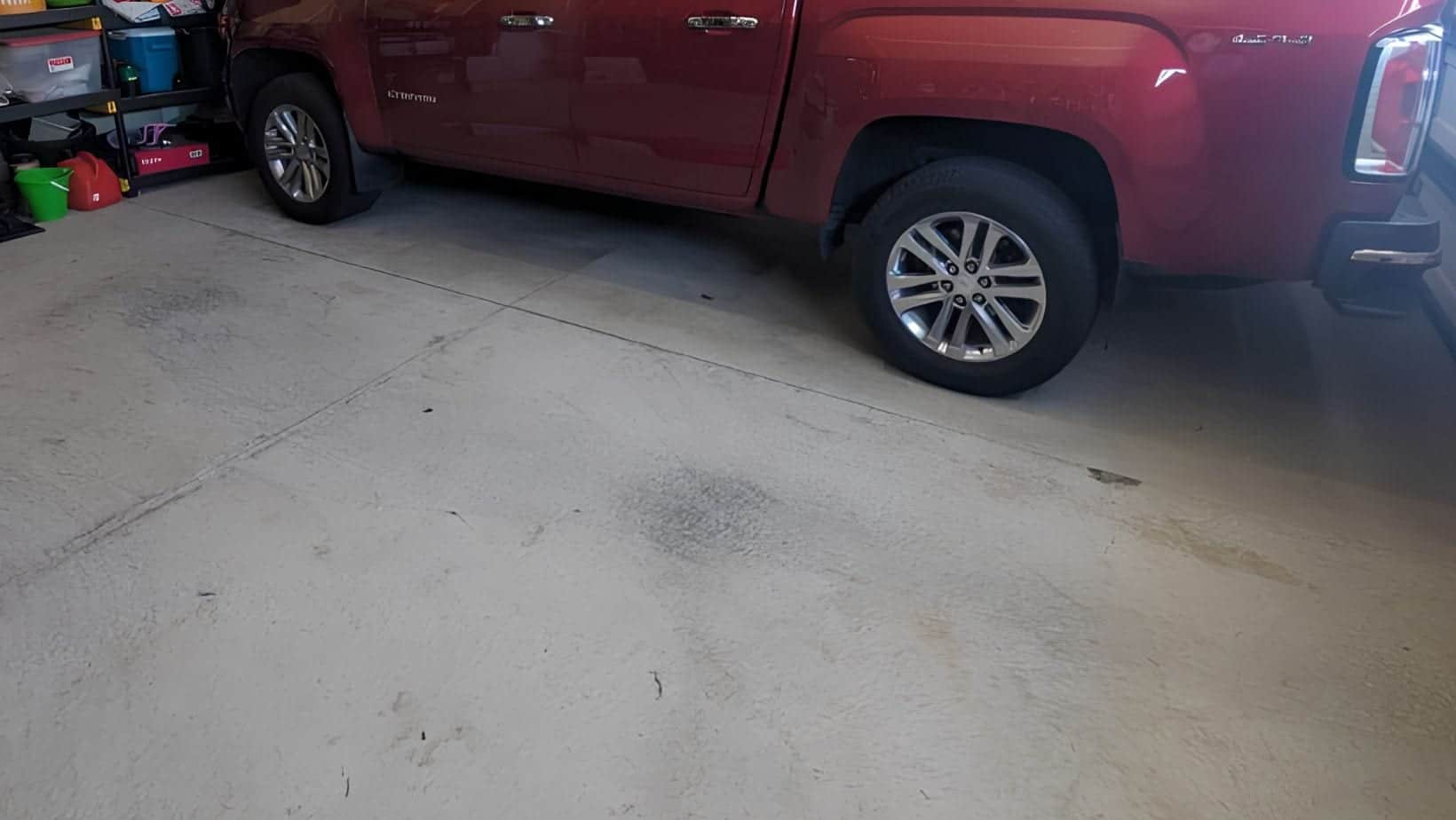
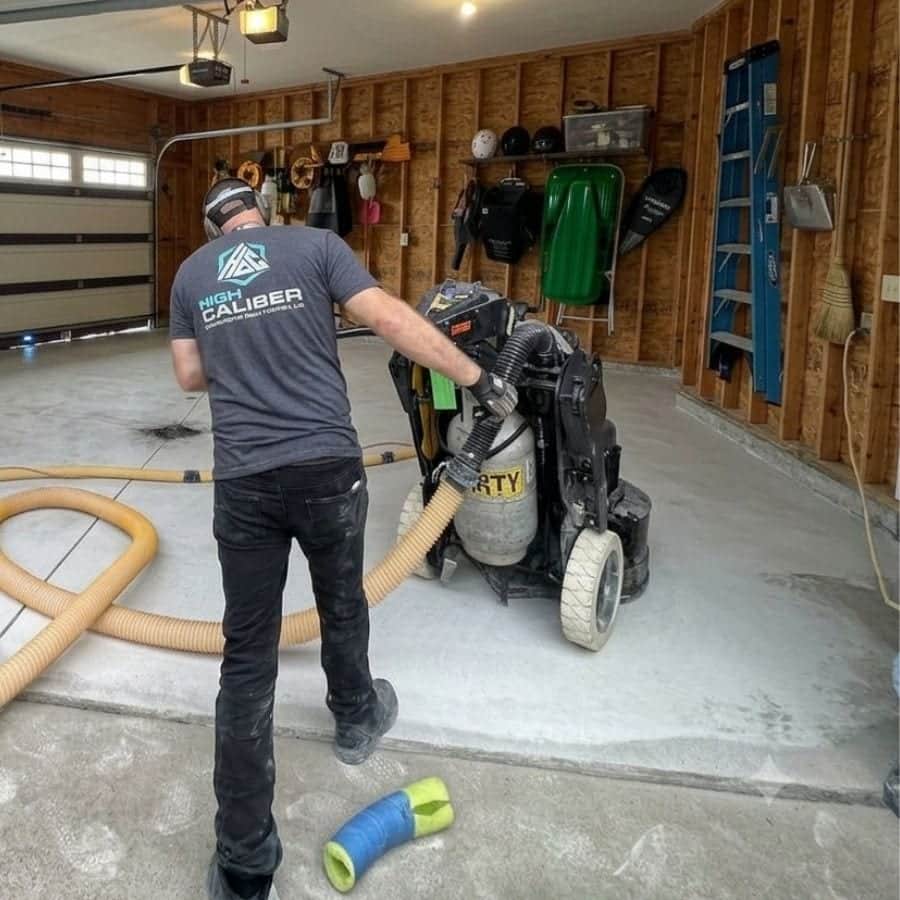
Visible damage is evaluated and can be repaired within the agreed preparation scope; grinding may reveal additional conditions; repair supports the installation but does not guarantee that a slab will never move or crack again; owners across established homes, newer construction, and attached and detached garages can use this distinction to compare appearance and maintenance.
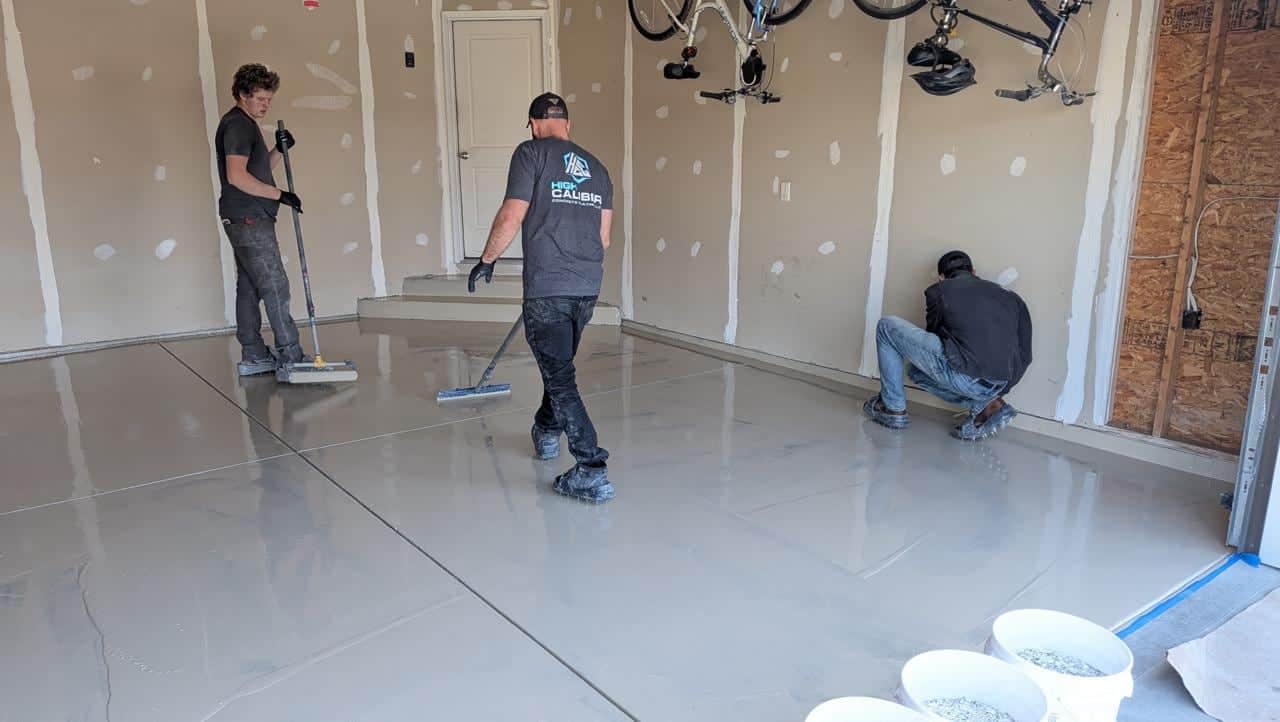
For owners comparing floor options: why use more than one resin chemistry?
Different materials can contribute different functions; epoxy may provide adhesion and build, while polyurea or polyaspartic products may suit other layers; compatibility and the room should guide the stack; in Plainwell, the answer should also account for the way moisture, debris, and repeated use affect the floor.
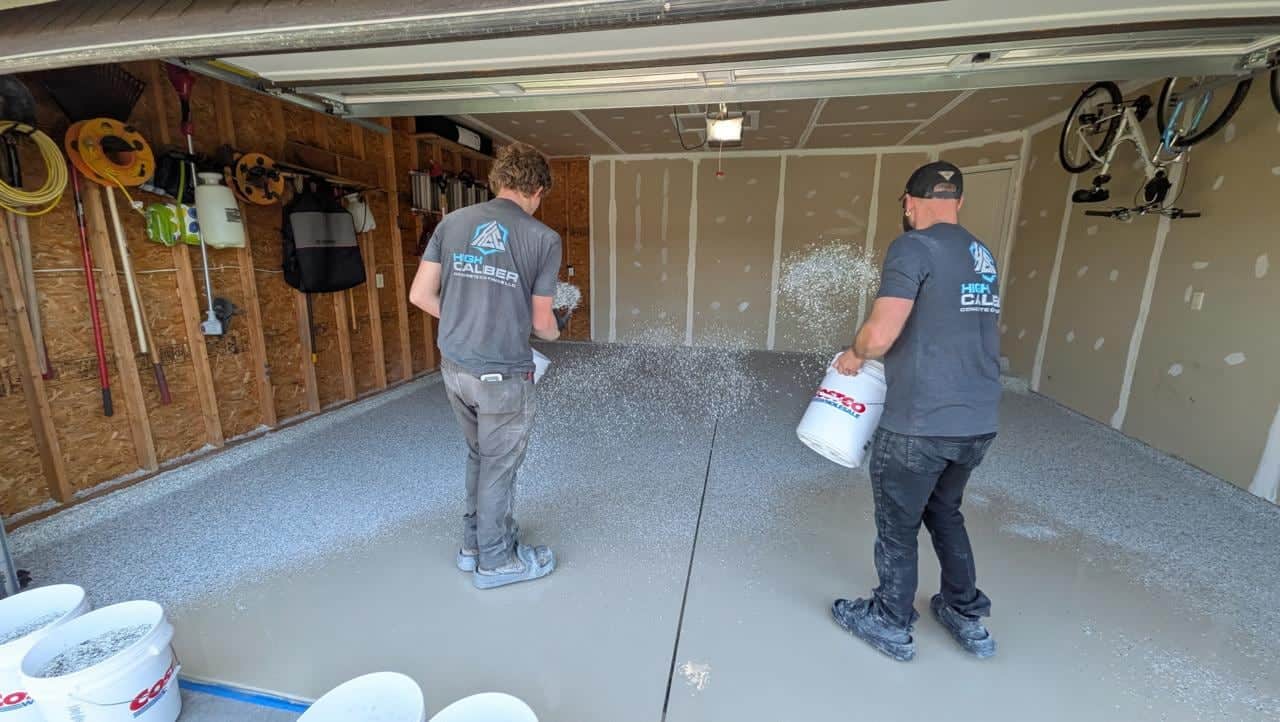
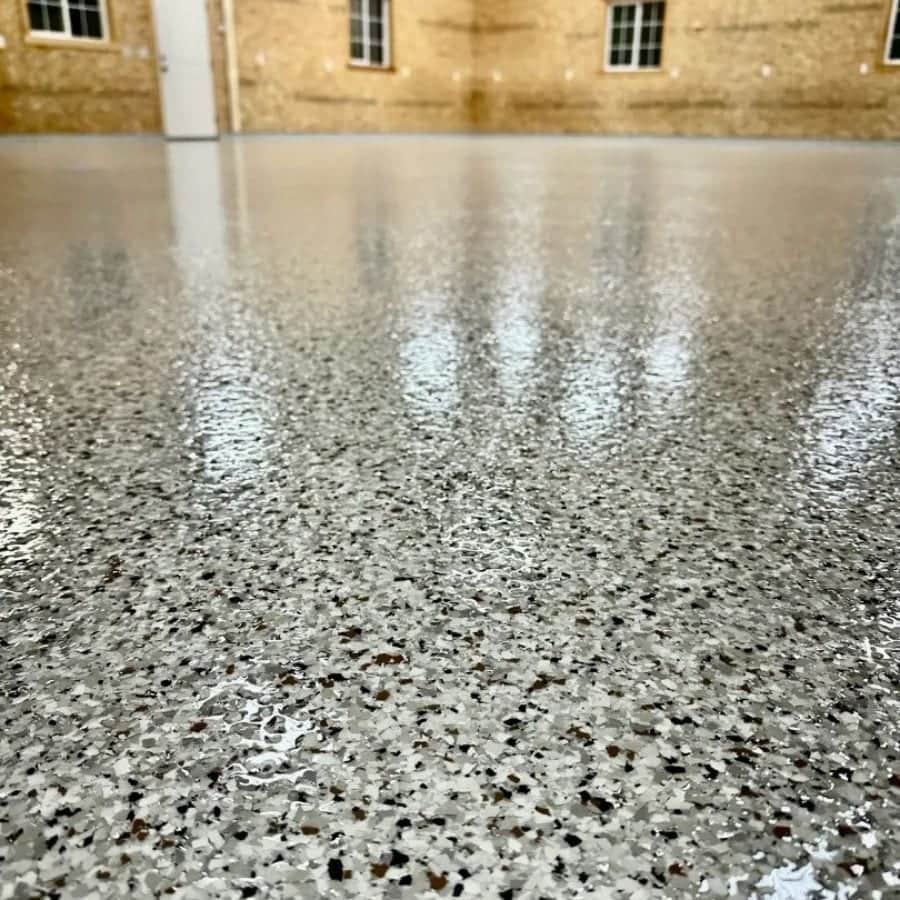
When service limits are discussed: are all coatings decorative flake floors?
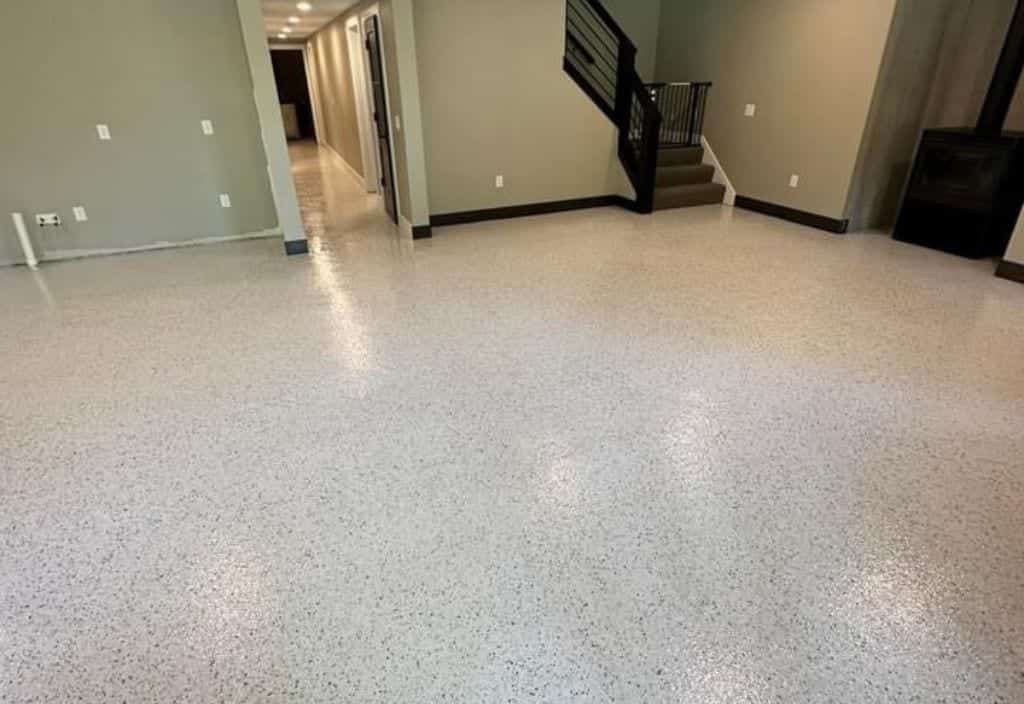
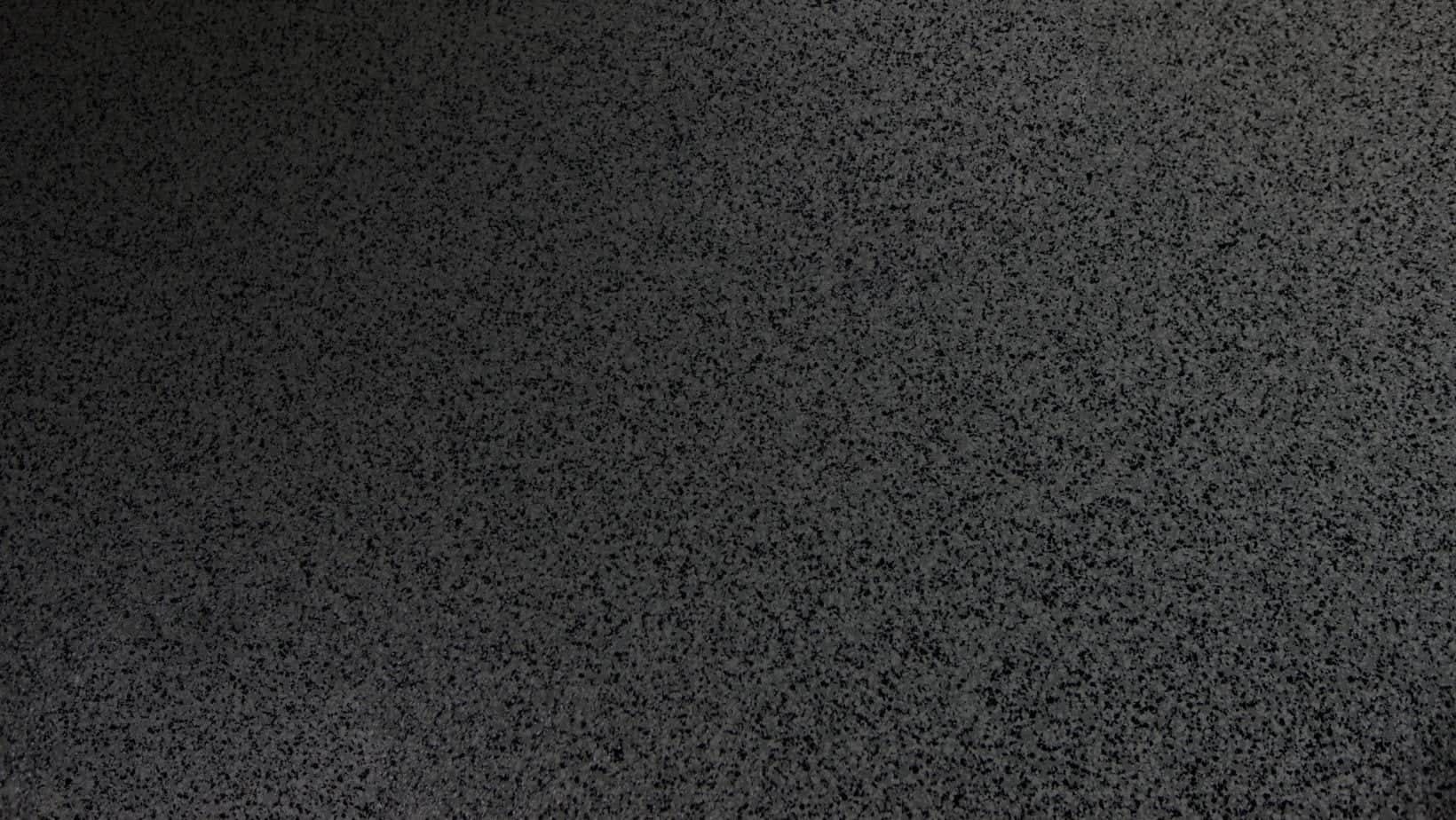
No: flake is a popular finish, but solid color, texture, and other compatible approaches may be considered; the selected appearance should follow traffic, exposure, cleaning, and owner preference; the limit matters when the floor supports household and working concrete areas.
For a Plainwell property: can coatings help with salt and moisture?
A suitable coating can keep routine surface exposure on a more uniform finish, but it cannot correct an unresolved water source; moisture signs and seasonal conditions should be part of the estimate; this point should be settled for concrete in local homes and working buildings.
With the existing slab in mind: what determines project timing?
Preparation, repairs, area size, access, material sequence, weather or indoor conditions, and cure requirements all influence timing; the actual plan should be confirmed for the property; for Plainwell concrete affected by the local combination of wear, access, and seasonal exposure, that clarification helps set the scope.
For a property-specific estimate: how do I compare coating with polishing or sealing?
Coating adds a layered surface, polishing refines the concrete itself, and penetrating sealing aims to reduce absorption while keeping the slab visually close to concrete; use, appearance, exposure, and maintenance clarify the choice; the site review should confirm this matter for residential and commercial rooms. The final recommendation should make the tradeoffs clear enough for the owner to compare available concrete routes.