
Expose The Usable Concrete
Removing a weak or unsuitable top layer can show what the next material will actually meet. That view helps separate surface preparation from repairs that require their own treatment.
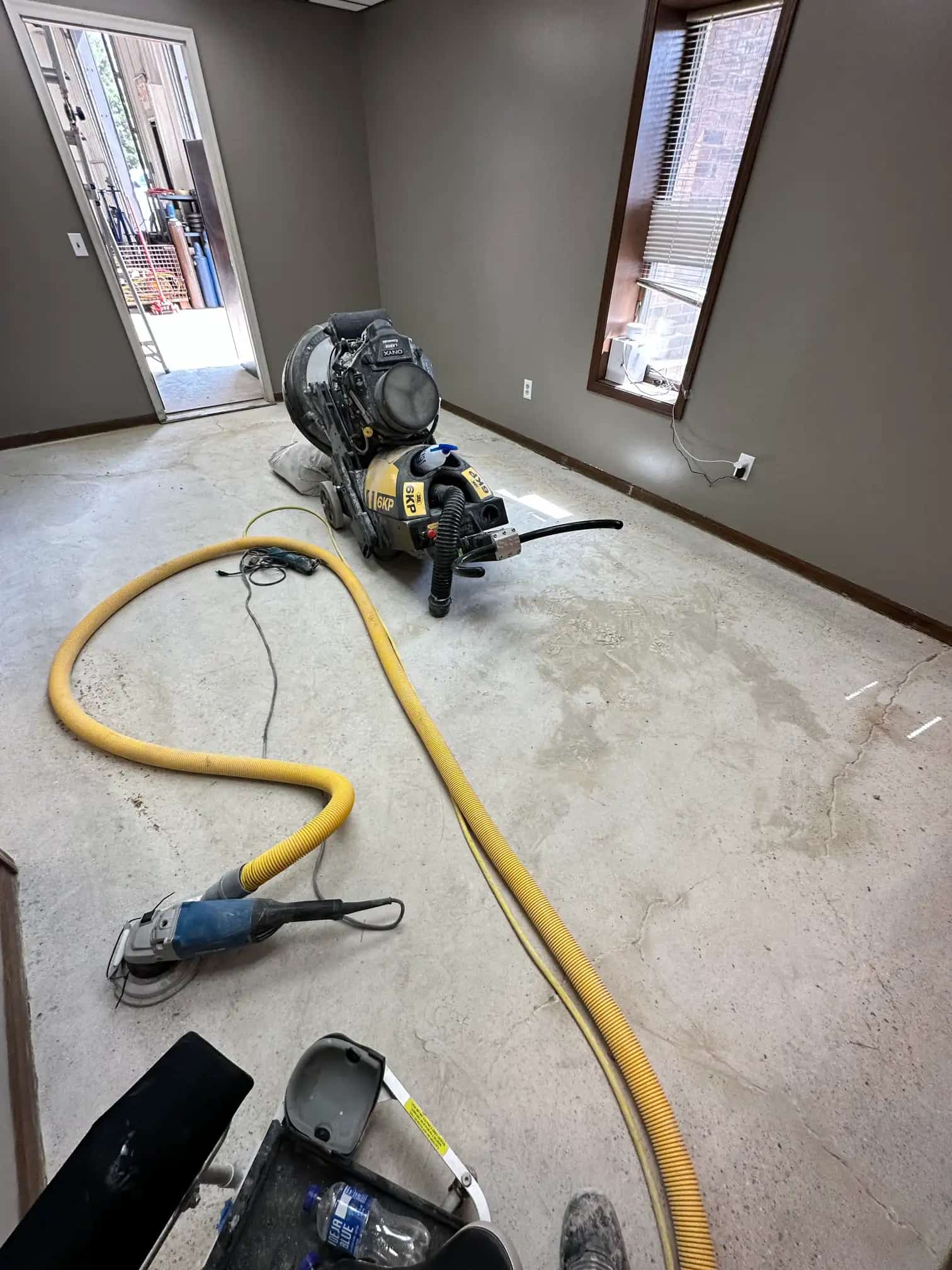
East Grand Rapids properties can put old slabs, renovation layers, and daily garage use in the same project. We use diamond tooling to expose workable concrete, remove selected interference, and set up the next decision, whether that means a hybrid coating, a sealer, polishing, or a carefully defined grinding scope.
Service Overview
Grinding is a way to change the condition of the concrete surface without pretending the entire slab is new. Diamond tooling can cut through weak surface material, selected adhesive, paint, or an old coating when the material and underlying concrete make that approach suitable. It can also refine rough transitions and open the profile needed by a later material.
The important question is what the floor needs to do next. A garage awaiting a hybrid coating has different preparation requirements from a slab that will remain visible, receive a penetrating sealer, or be mechanically refined toward a polished finish. We look at the surface, intended use, access, and repair needs together before setting the work boundary.
Benefits
A measured grinding plan gives the next floor decision better information and a surface selected for its actual job.
Removing a weak or unsuitable top layer can show what the next material will actually meet. That view helps separate surface preparation from repairs that require their own treatment.
A coating needs more than a clean-looking floor. Diamond tooling creates a mechanical texture chosen for the planned system, so the basecoat has a surface designed for the bond.
Paint, adhesive, residue, or a previous coating may interfere with the next finish. Grinding can address suitable materials while the inspection keeps removal proportional to the slab.
Localized roughness and limited high areas can receive focused attention. The goal is a more workable surface, not a promise to correct structural slope or movement.
Older homes and renovation floors can carry several generations of material. Opening the surface helps identify what belongs in preparation and what should influence the finish choice.
Once grinding, edge work, repairs, and cleanup are reviewed together, the next installer step is easier to define. The result is a scope tied to the floor in front of us.
Installation Process
Our preparation sequence is shaped by the concrete and by the material that may follow it. Each checkpoint answers a different question before the next one is accepted.
Step 1
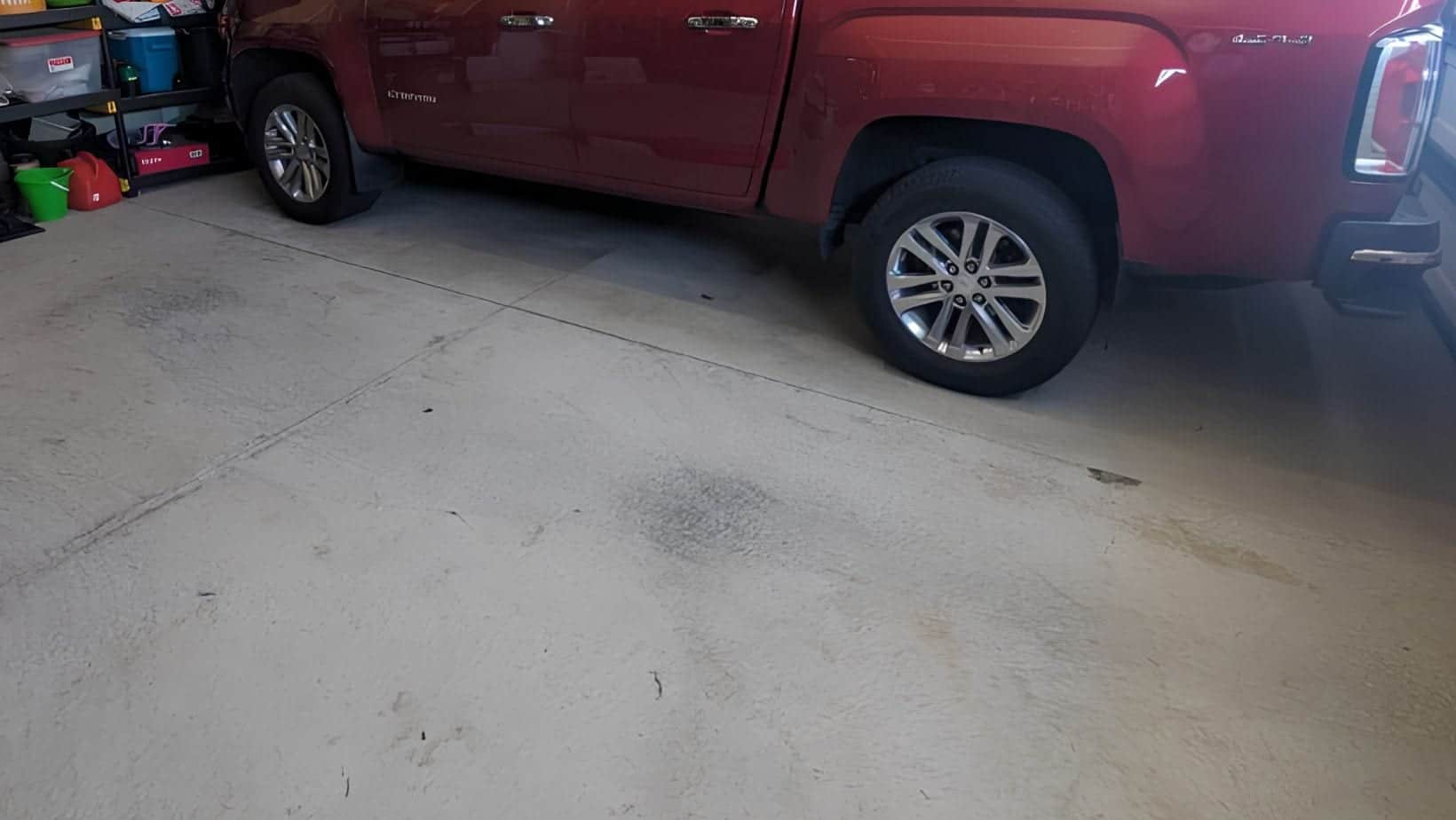
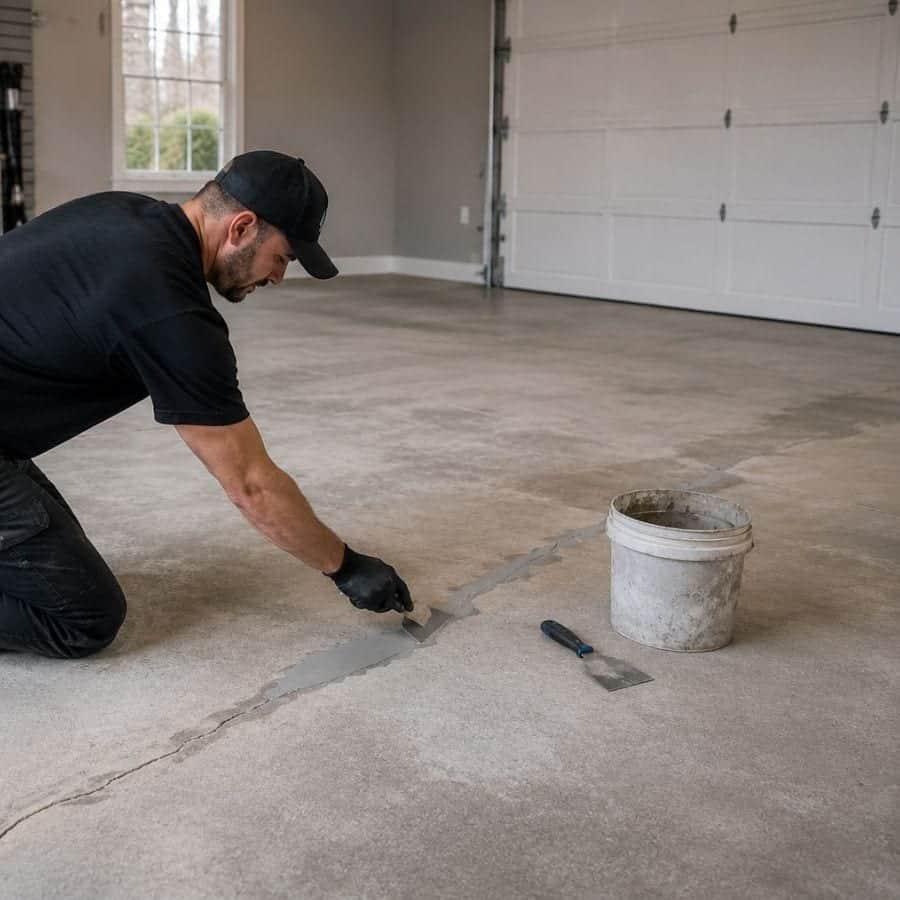
We begin by looking at the slab rather than choosing a machine from the room name alone. Visible wear, old surface layers, cracks, spalls, joints, moisture clues, access, and the planned use all inform the starting scope. A garage, basement, office, or small retail floor may need a different conversation even when the requested service has the same name.
Step 2
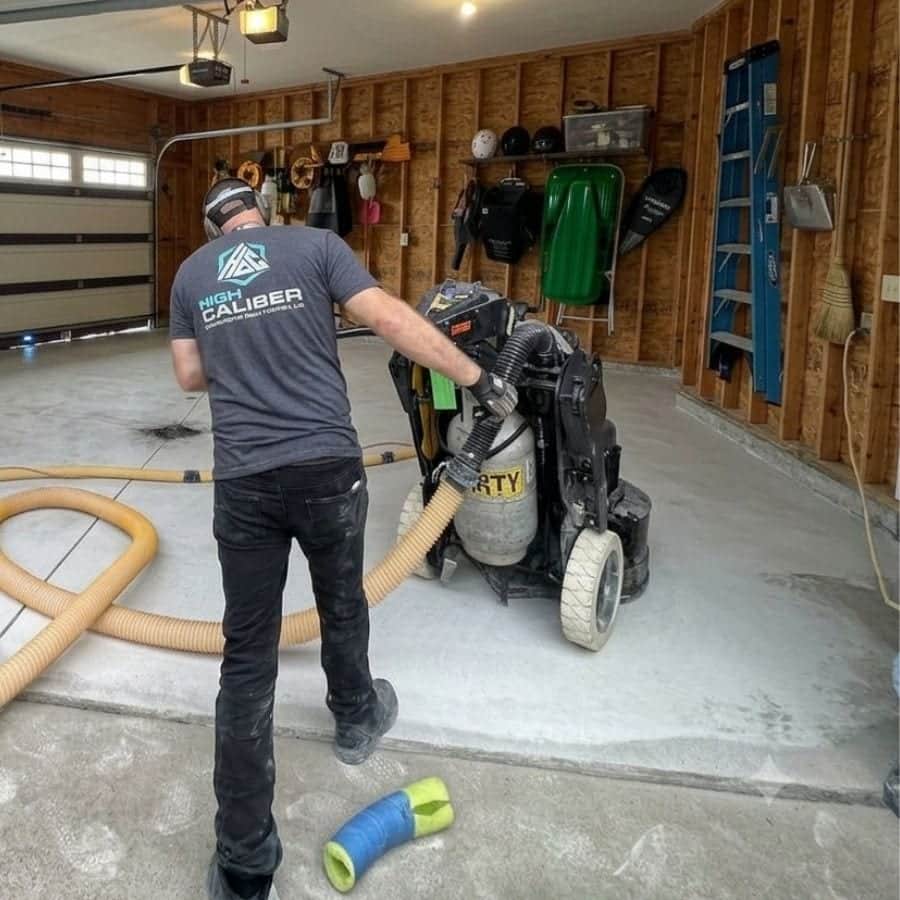
Diamond tooling is selected around the material to be addressed and the texture the next finish requires. We consider whether the job calls for a lighter surface opening, more deliberate removal, or focused work across a rough area. That decision also accounts for edges, dust control, equipment movement, and conditions that may call for another removal method.
Step 3
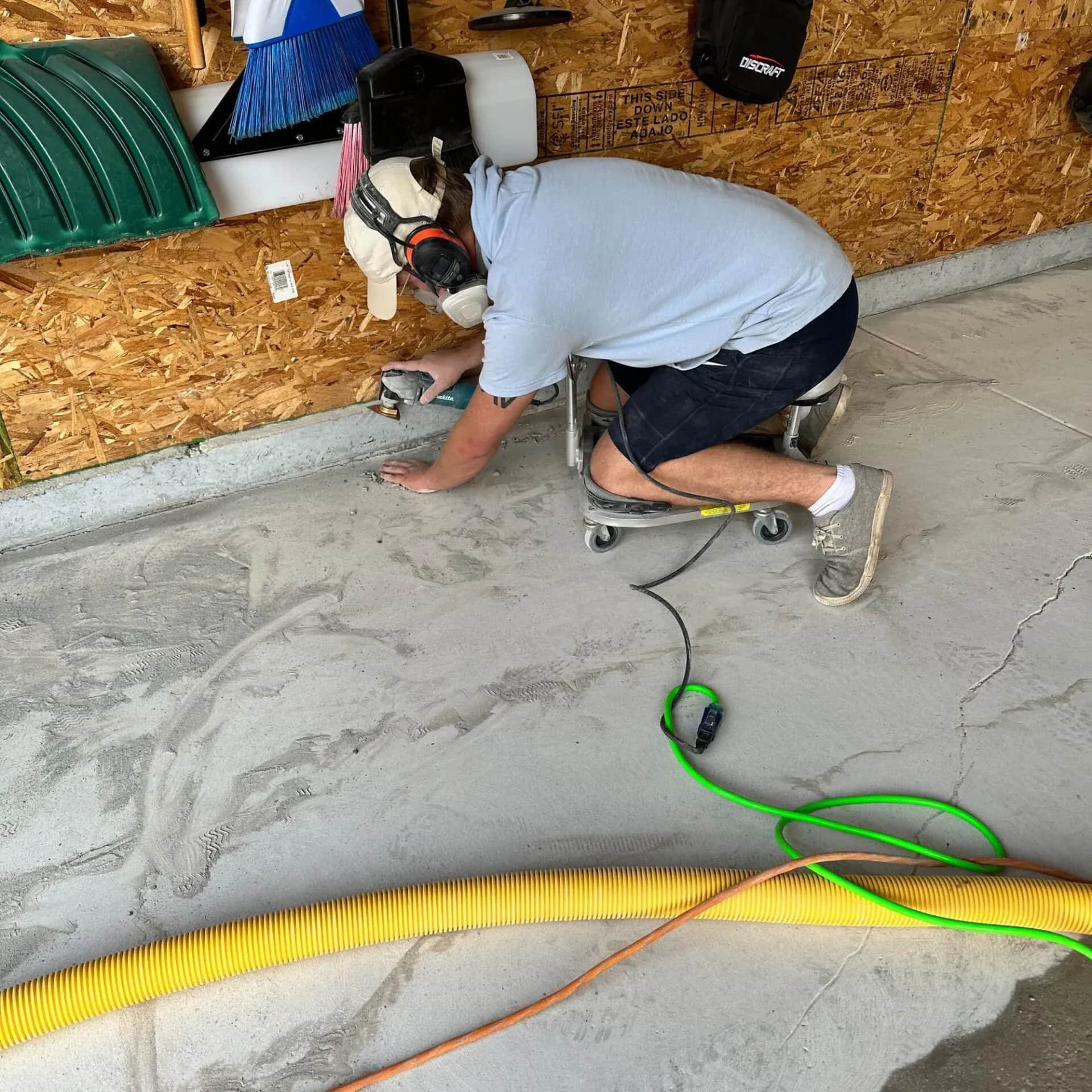
Before the grinder runs, we organize the work area around safe access and a controlled cleanup. Items near the floor, thresholds, walls, doorways, and adjacent occupied areas belong in the plan. In a commercial room, traffic and scheduling can matter as much as the square footage. The aim is to make the preparation practical for the building, not disruptive by default.
Step 4
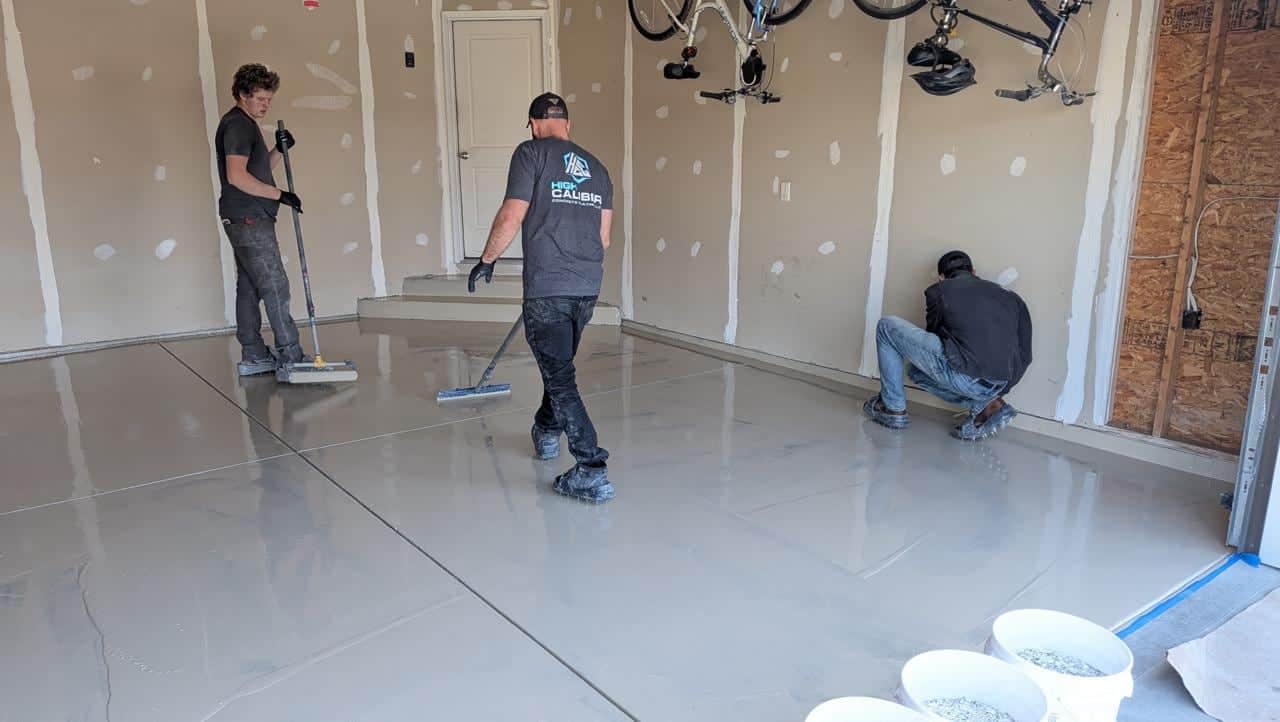
We work the concrete with the selected diamond tooling, using passes that address the agreed surface condition. Grinding can remove weak material and suitable residue, open a coating profile, and improve selected texture. It does not make a structural repair or guarantee a perfectly level slab. The prepared result remains governed by the concrete beneath the material we remove.
Step 5
Perimeters and transitions receive their own review because a broad machine pass does not describe every part of a floor. We look at edges, corners, joints, cracks, pits, and remaining material, then identify repairs or detail work that belongs before the next layer. This is where a generic grinding allowance becomes a more honest preparation scope.
Step 6
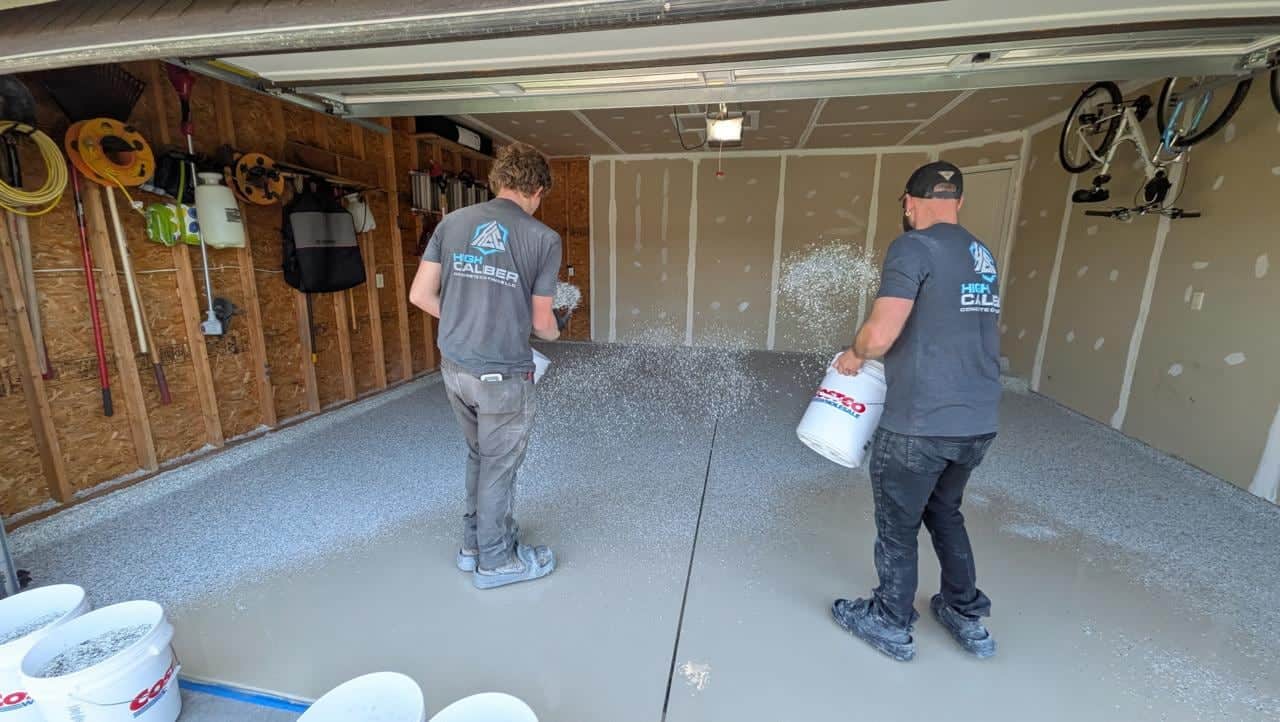
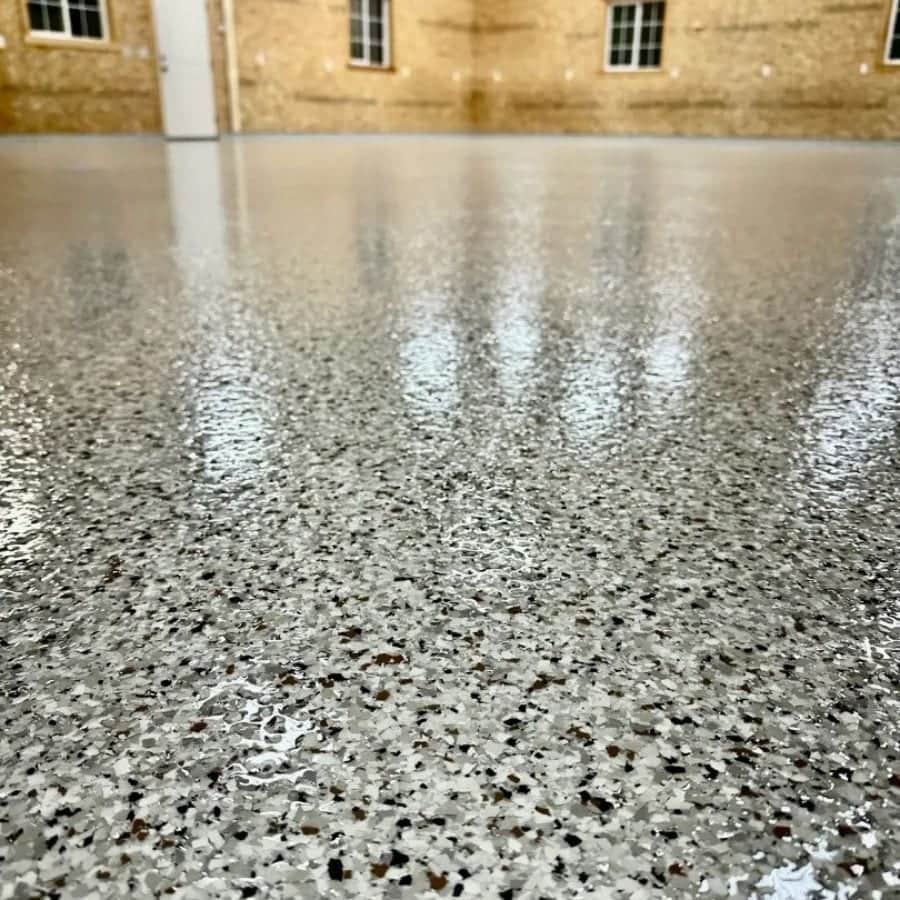
The final check asks whether the surface is clean, accessible, and ready for the planned handoff. If a hybrid coating follows, the epoxy basecoat supplies adhesion and build before a polyurea topcoat adds the properties that layer is selected to provide. If sealing, polishing, or another treatment follows, we explain that route separately rather than forcing every floor into a coating sequence.
Why High Caliber
Our family-owned team works throughout West Michigan from its Holland and Zeeland area base. We bring grinding into the larger floor conversation so the preparation profile is chosen with the next use in mind. That can mean coating preparation, visible concrete work, or a narrower removal scope.
Our hybrid system uses epoxy where adhesion and build matter, then polyurea in the topcoat where flexibility, UV stability, chemical resistance, and cure characteristics matter. We explain the role of each layer and the limits of grinding, including what it cannot do for structural movement or deep defects.
Customer Reviews
“Jeff and his team did the most amazing job epoxy floor coating my 38 year old garage floor. Outstanding, professional, skilled, great communication. Highly recommended.”
“We recently had our garage floors resurfaced with the Epoxy Floor coating with flakes. High Caliber Concrete did such an awesome job we cannot say enough good about them! So timely, well organized and a beautiful job!! Owner, Jeff, responded to any call ASAP. Shawn and Ethan, fantastic employees for the company, did a tremendous job which was labor intensive…They left no questions unanswered! Such a professional, beautiful job. We would highly recommend them! Lillian & Joseph Bakara Jr.”
“Would highly recommend. No pressure sales, quality product, great communication and quality installation. I met Jeff at the home show. I was drawn into his booth by his very enthusiast kids. I got the immediate impression this was a family oriented business and that was reinforced by the conversation with both Jeff and his young son. These values drew me to this business. I signed up for a quote. Shortly after the show Jeff came to my home to present options and provide a quote. No pressure to buy, Jeff understood I needed to get thru tax season before I could be sure about my budget. Over the course of next few months Jeff was responsive to any questions I had and we got the job scheduled. Jeff provided a trailer in the quote to store contents of garage while job was being done, which was very helpful. When talking with others about the quote I learned my price was equal to or less than what neighbors had paid up to six years ago, so I felt this was good pricing. I had thought there would be a ton of dust and a big mess when grinding surface, but the machines had a vacuum attached, clean and efficient work. I was impressed that they coated steps and side walls as well as floor. No mess on drywall or driveway. Crew doing installation were great guys. They took time to fill me in on the process of installation, what to expect, how long for surface to cure and when I could empty trailer. Post install Jeff stopped out to grab trailer, filled me in on what to use and how to clean the floor. VERY happy with the whole process from sales to install to follow up. LOVE my new garage.”
East Grand Rapids, Michigan
East Grand Rapids is an established Kent County community within the Grand Rapids urban area, with older homes, attached garages, renovated basements, offices, retail spaces, and small commercial buildings. Those settings can bring different preparation questions to the same service call. A renovation floor may carry adhesive or weak surface material, while an active garage may need a plan that respects stored items, vehicles, and the route to the doorway.
Seasonal exposure belongs in the discussion without dictating a conclusion. Freeze-thaw cycles, winter road salt, snow, humid summers, and spring moisture can influence what a floor has carried and what should be checked before finishing. We look for the actual surface condition rather than treating every East Grand Rapids slab as if it has the same history.
When a property connects with work in Grand Rapids, Ada, or Kentwood, the useful comparison is the floor's construction and job, not a city label. We use the same disciplined questions across nearby communities while keeping the recommendation specific to the room, the material present, and the finish you want.
Road salt and tracked grit can leave a garage with residue or surface wear. Cleaning may be enough in one case; mechanical preparation may be justified when the finish needs a different base.
Adhesive, old paint, and flooring remnants are not interchangeable. We identify the material and the concrete underneath before deciding how much should be removed or whether another method belongs.
An attached garage, basement, office, or retail room has its own access and scheduling demands. The estimate should account for how the space functions while the slab is being prepared.
Frequently Asked Questions
It can be a good fit when the slab has weak surface material, an old coating, paint, adhesive, or texture that conflicts with the next use. We also consider access, edges, repairs, and the finish planned afterward. The appropriate scope may be a focused pass, broader preparation, or a different removal method if the material does not respond well to diamonds.
We start with the floor and the room around it. Stored items and vehicles need a workable relocation plan, while doorways, walls, thresholds, and nearby living areas need attention in the access discussion. We then identify the surface material, choose tooling, establish dust-control expectations, and explain how cleanup and the next finish fit into the estimate.
Grinding can remove selected interference and create a mechanical profile for the coating system. After the slab is prepared, cracks or spalls that belong in the scope can be addressed before the layers are installed. Our hybrid approach uses an epoxy basecoat for adhesion and build, followed by a polyurea topcoat selected for the role that top layer needs to perform.
It can improve some localized high areas and rough transitions, but it is not structural leveling. Grinding cannot promise to remove major slope, settlement, or movement without changing the nature of the work. We explain what the existing concrete allows, what the planned finish requires, and where a repair or different solution may be needed.
The material and its bond to the concrete determine the response. Diamond tooling may address suitable residue, but a thick or stubborn adhesive layer can change the removal plan. We inspect what remains, protect sound concrete where practical, and describe any added work before moving into the finish. That keeps the recommendation tied to the revealed slab.
It can change what we look for, not create an automatic answer. Salt, snow, meltwater, and humidity may accompany surface wear or moisture clues in an older garage or basement. We discuss the condition we can observe, the room's use, and the planned finish. A coating, penetrating sealer, and polished concrete each have different requirements.
That depends on the room, access, equipment movement, dust-control needs, adjacent occupants, and the schedule for the finish. Small offices, retail areas, and other commercial spaces may need work zones or a planned shutdown. We use those details to build a practical sequence instead of assuming that square footage alone determines the job.
Related Services
The prepared slab can support different finish paths. These related services help you compare the next step without treating every floor as a coating project.
Review protective and decorative systems when the prepared slab needs a finished surface for a garage, basement, patio, or commercial floor.
Learn moreSee how preparation can lead into a garage coating plan that accounts for vehicle use, tracked grit, salt, and the room's daily demands.
Learn moreCompare a penetrating sealer with a film coating when the goal is to protect the concrete without covering it with a decorative system.
Learn moreExplore mechanical refinement of the slab itself when the concrete remains the visible floor rather than receiving a film finish.
Learn moreGallery And Visual Proof
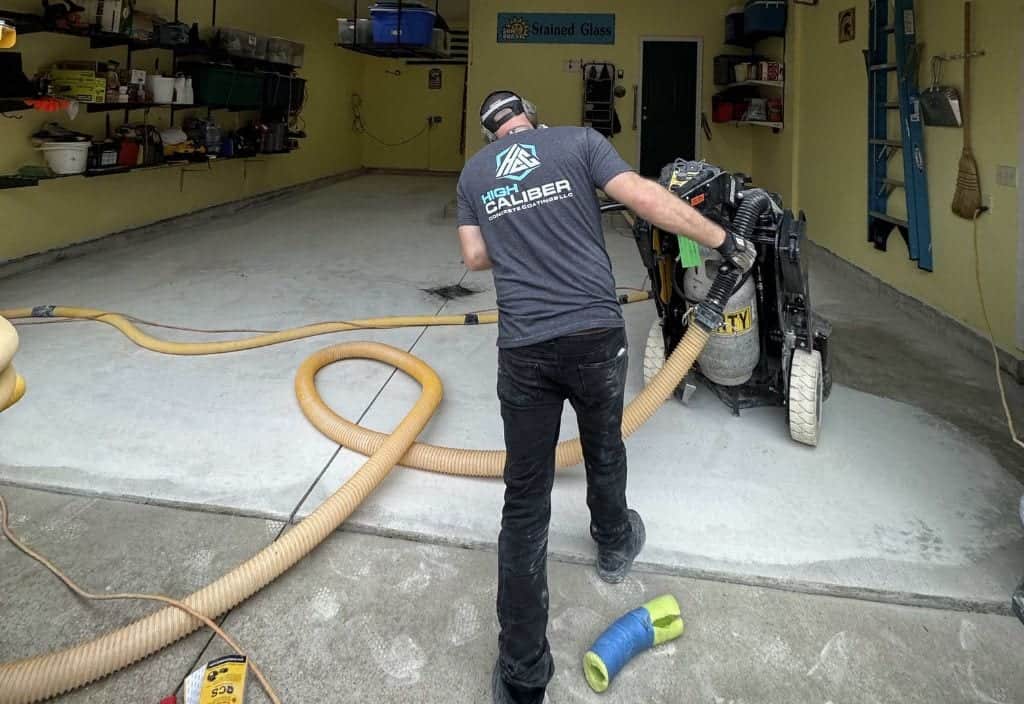
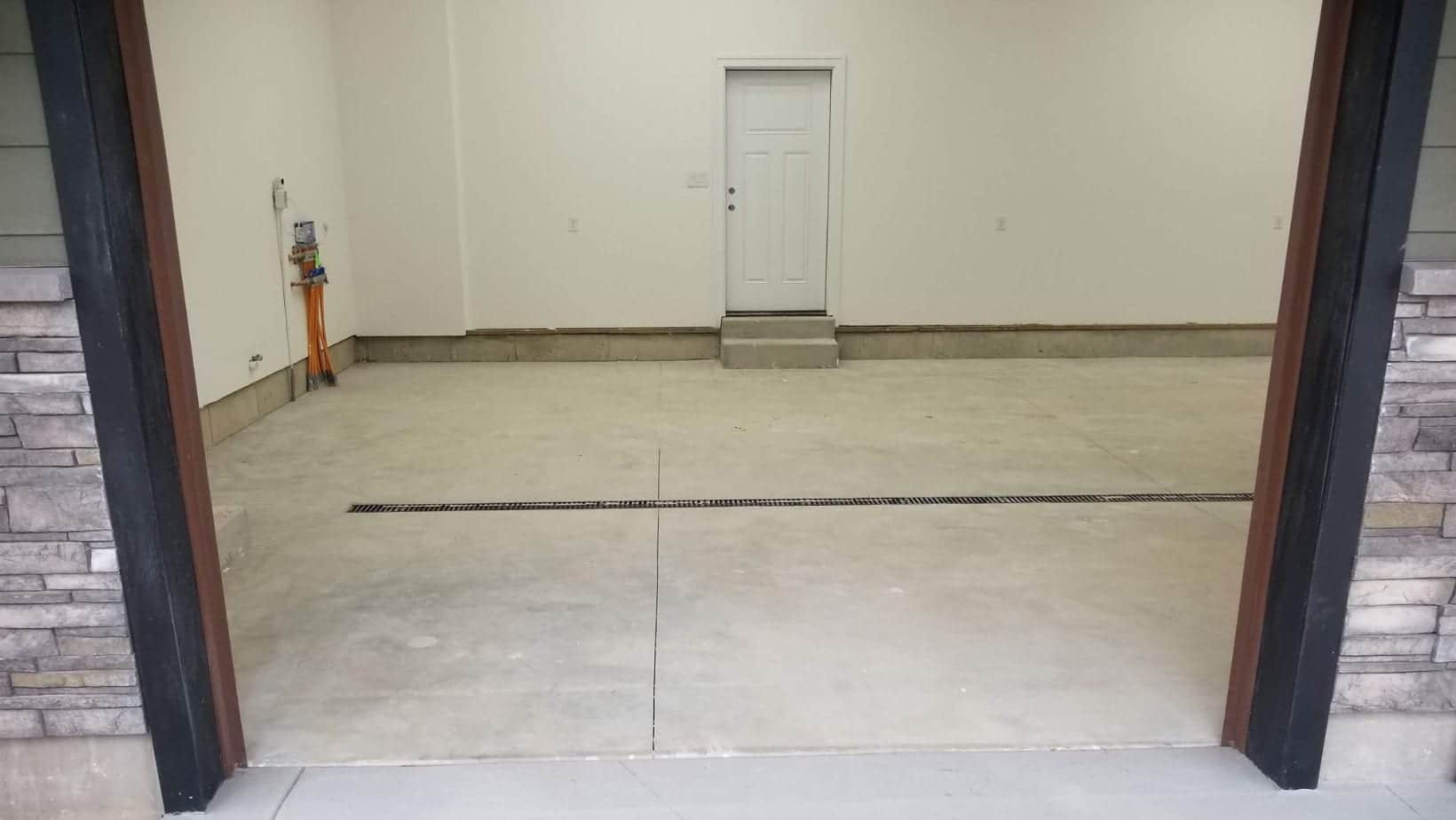
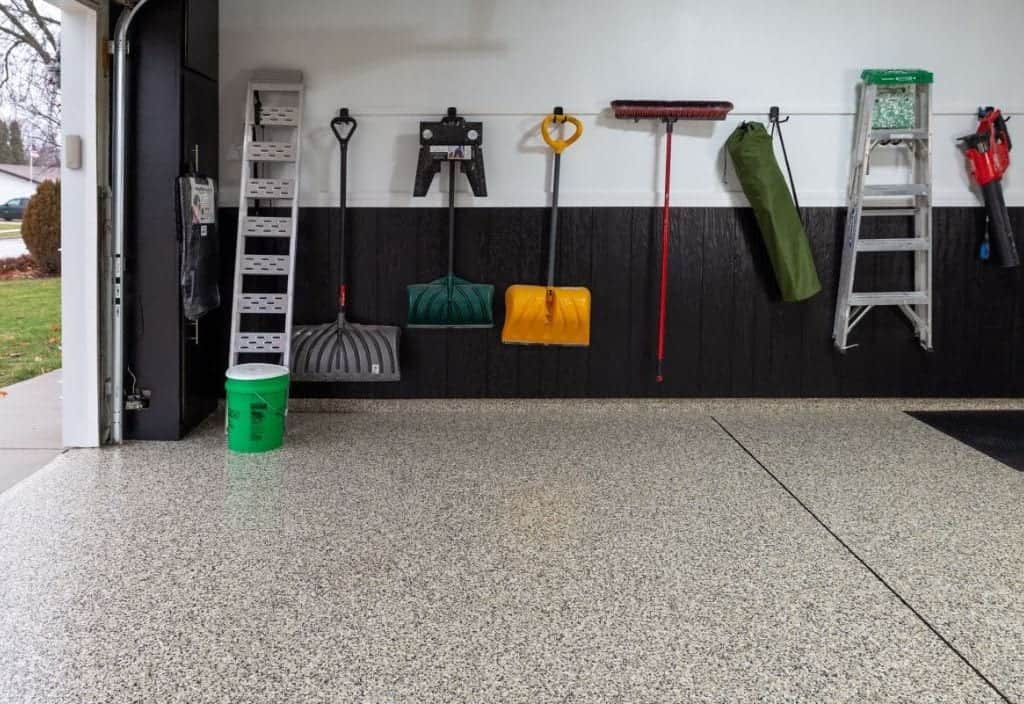
The photo library shows equipment, repairs, coatings, and finished floor details. These images illustrate the type of work being discussed and do not identify a pictured property as being in East Grand Rapids.
Free Project Quote
Tell us about the space and we will follow up with a clear recommendation and quote conversation.
Phone
Business Hours
Free Estimate
Tell us what is on the slab, what the room needs to do, and what you want the finished floor to be. We can discuss the grinding scope, likely detail work, and whether the next step is a hybrid coating, penetrating sealer, polished concrete, or a defined surface improvement. Request an estimate and let the actual floor guide the plan. We will explain what belongs in the scope and what does not.