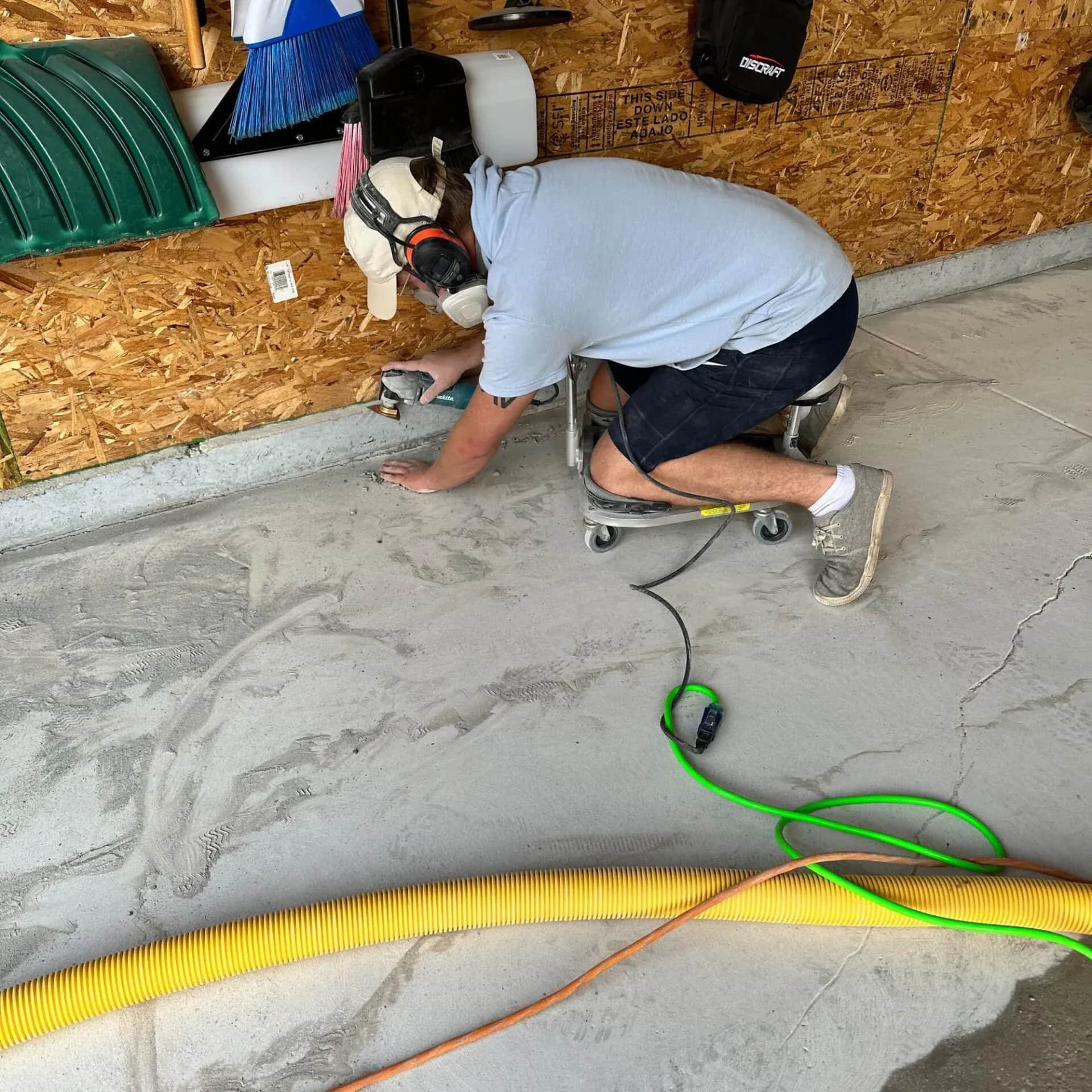
For owners comparing floor options: what does concrete grinding actually do?
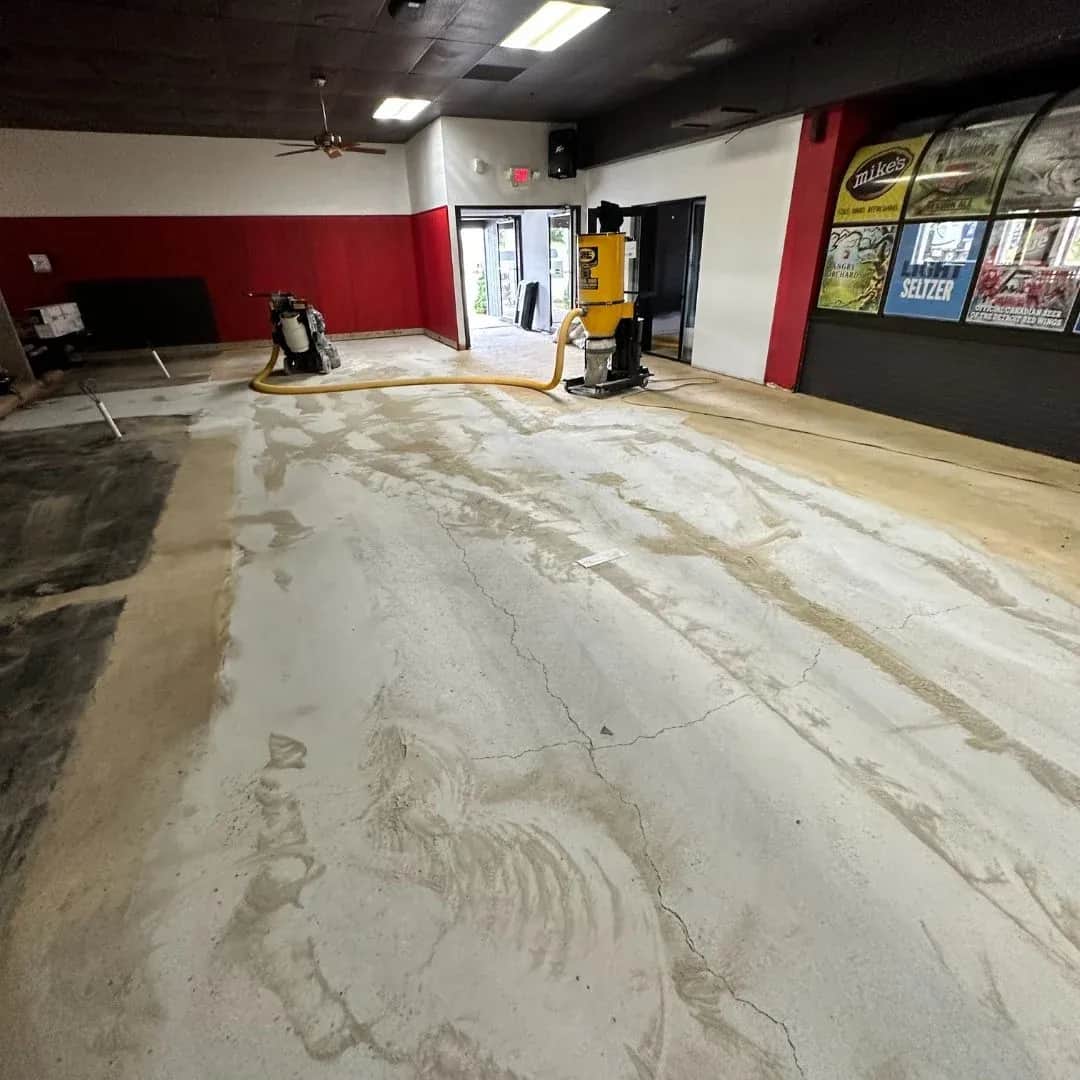
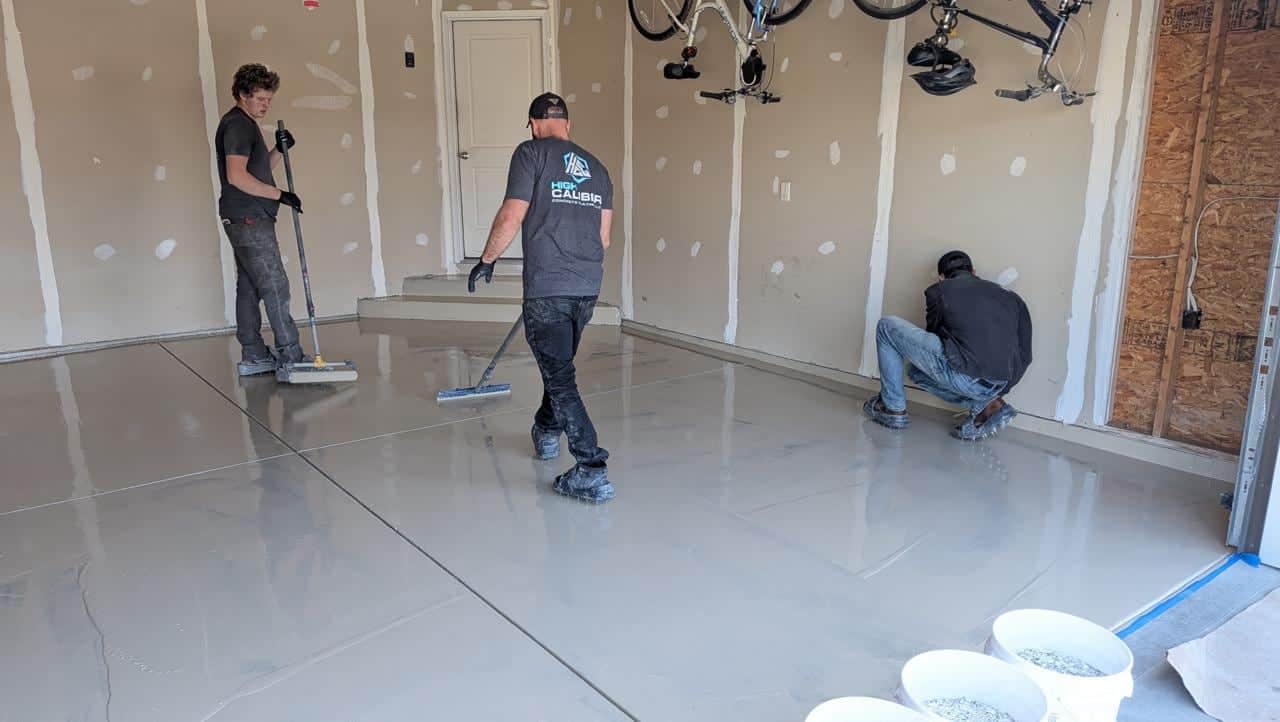
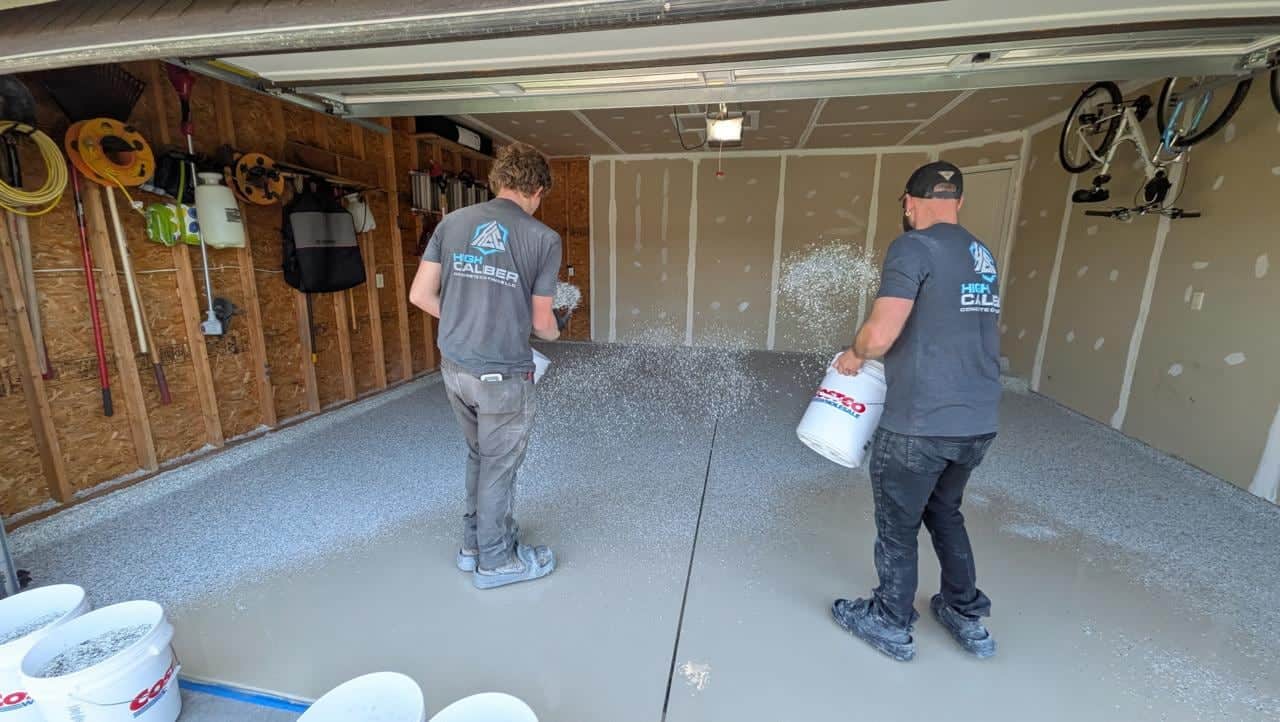
Diamond grinding removes selected surface material and creates a profile; it can help with old coatings, residue, weak paste, roughness, or preparation for another system, depending on the agreed scope; for Norton Shores, this comparison belongs before the owner commits to one route.
When service limits are discussed: is grinding the same as polishing?
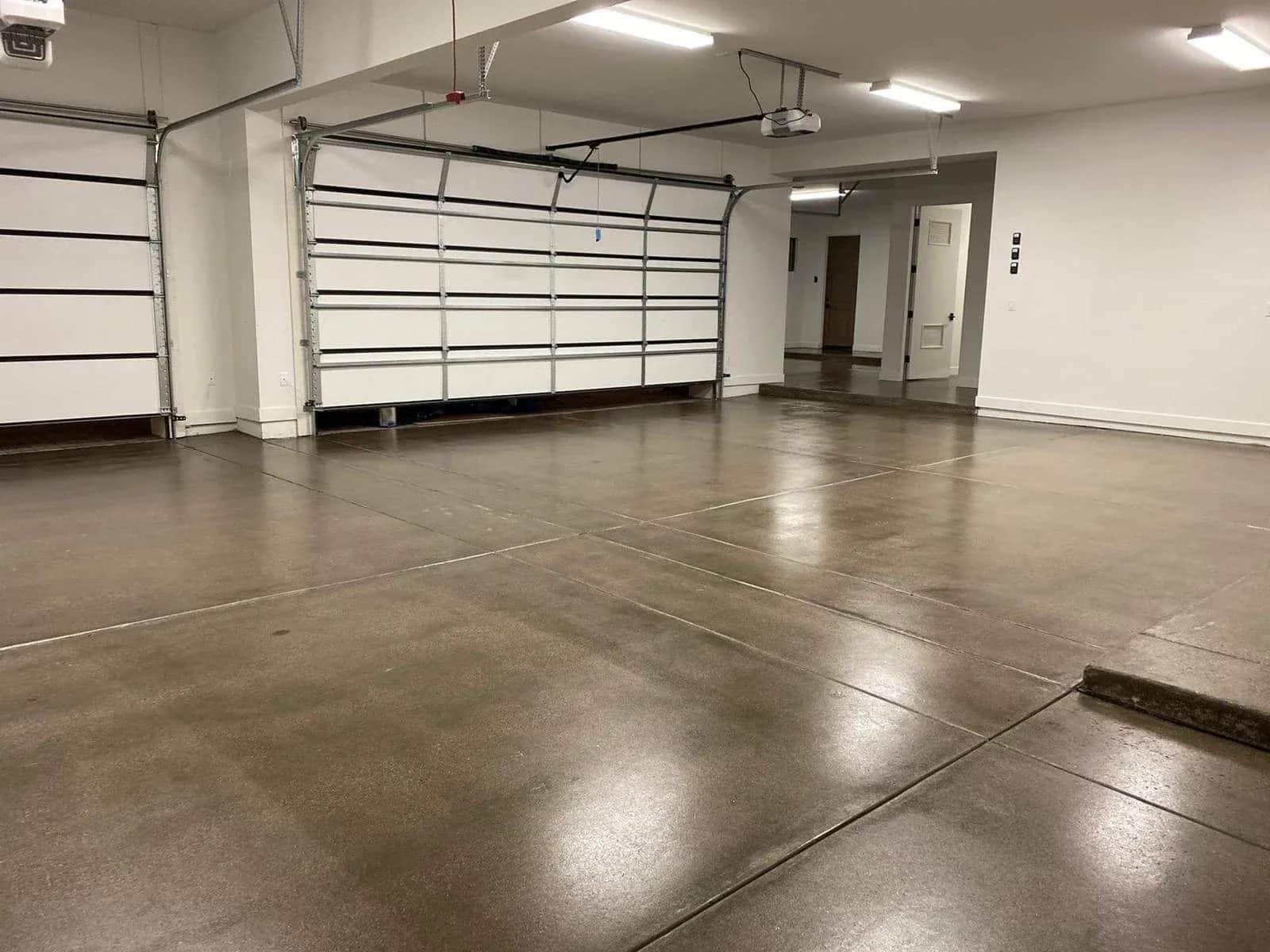
No: grinding may be an early stage in a polishing sequence, but polishing continues through progressive refinement and honing; a preparation grind is usually aimed at removal or profile rather than a finished polished appearance; a property shaped by the area's winter, spring, and summer exposure pattern needs this question answered at the site.
For a Norton Shores property: will grinding make the floor perfectly level?
Grinding can reduce certain high areas or surface irregularities when that work is included, but it should not be described as automatic slab leveling; significant elevation or structural concerns may require a different solution; the conditions tied to the local pattern of properties with different traffic demands should guide the final decision.
With the existing slab in mind: can grinding remove every coating or adhesive?
Many materials can be reduced or removed mechanically, yet thickness, hardness, penetration, contamination, and access affect the result; the estimate should identify the target material and realistic stopping point; in a setting defined by those connected household, workshop, and commercial floor settings, that distinction keeps the answer tied to actual use.
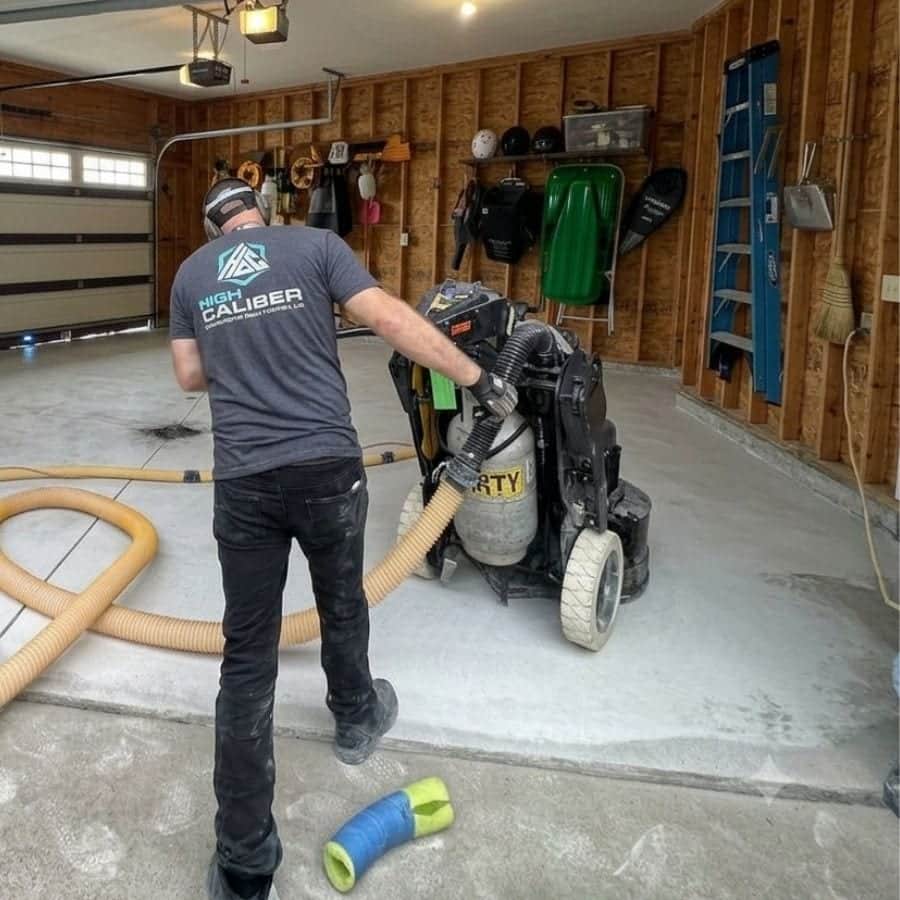
For a property-specific estimate: how is dust handled?
Professional grinding commonly uses equipment connected to dust collection, along with work-zone planning for edges and adjacent areas; the exact containment approach reflects the property and scope; amid seasonal salt, moisture, temperature changes, and humidity, the conclusion still depends on the individual slab.
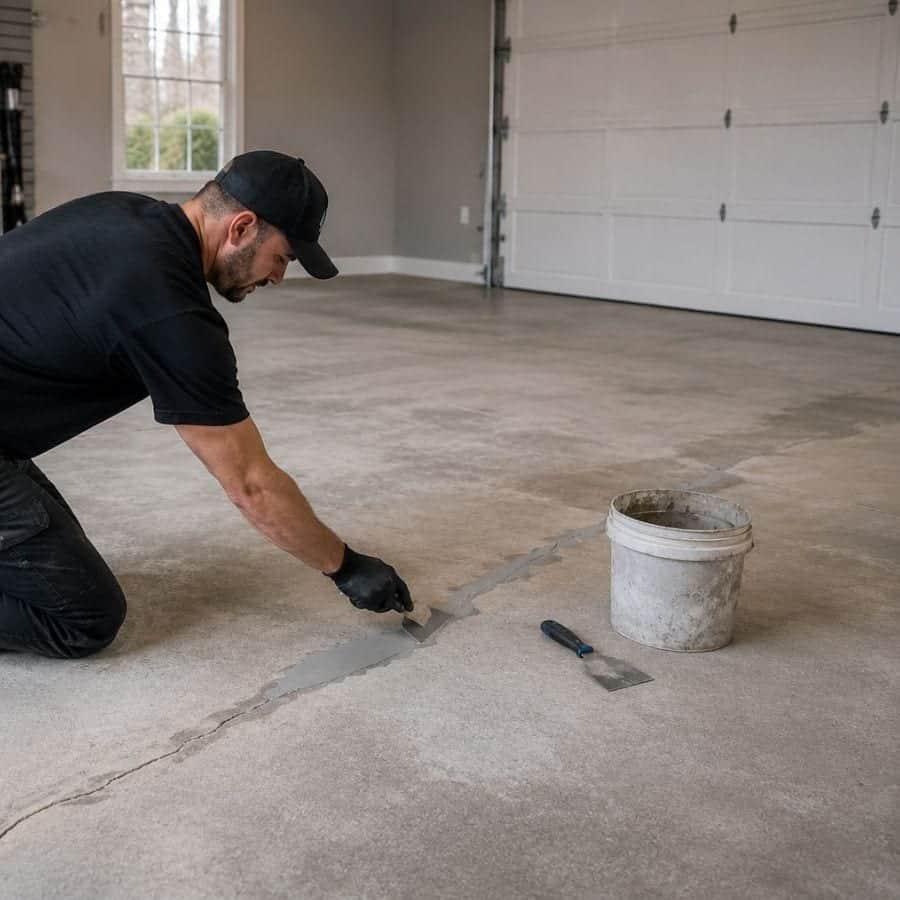
A practical question for Norton Shores is: what happens after the slab is ground?
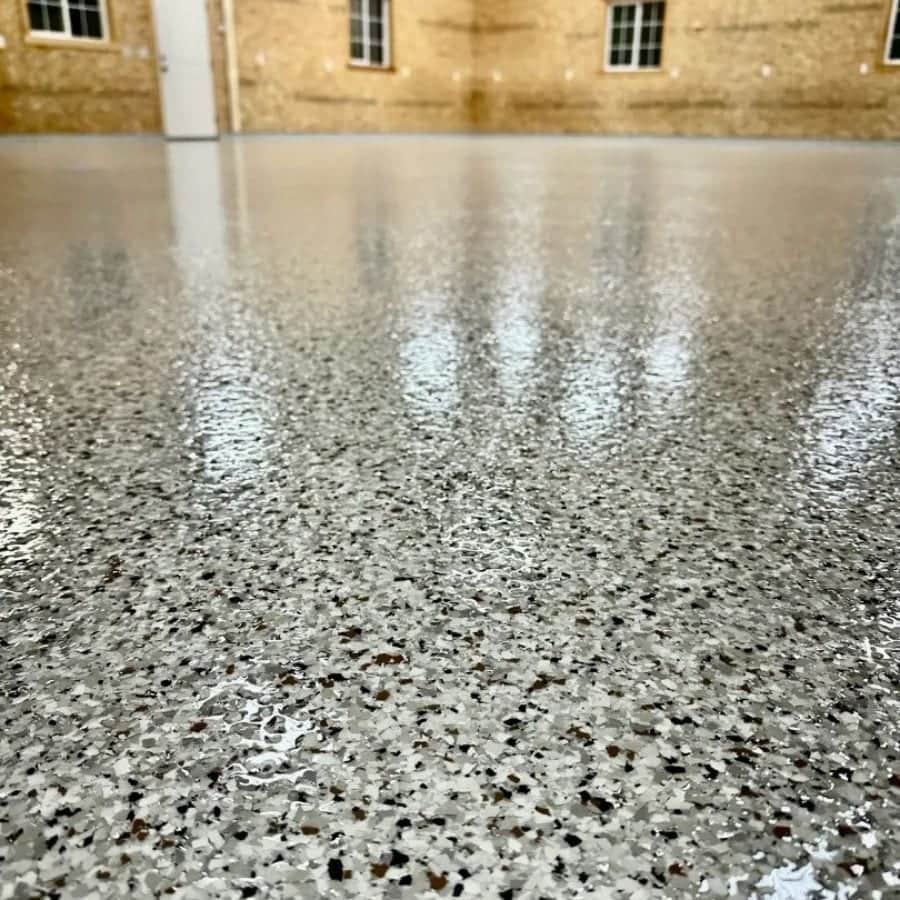
The next step may be repair, coating, polishing, sealing, cleanup for another trade, or a separate evaluation; the desired destination should be established before the grinding approach is finalized; the site discussion makes this detail clearer for concrete affected by that blend of moisture, traffic, debris, and maintenance needs.
When use and exposure are considered: can occupied businesses schedule grinding?
Often the work can be planned around zones, access, equipment, customer routes, and operating hours, but the property needs a site-specific sequence; dust control, noise, traffic, and handoff conditions belong in that plan; when the floor supports household and working concrete areas, this boundary should remain visible.