
Texture Chosen For The Material
Diamond tooling can create the surface texture a selected coating needs for adhesion. We match the preparation to the material being installed instead of using one profile for every Rockford floor.
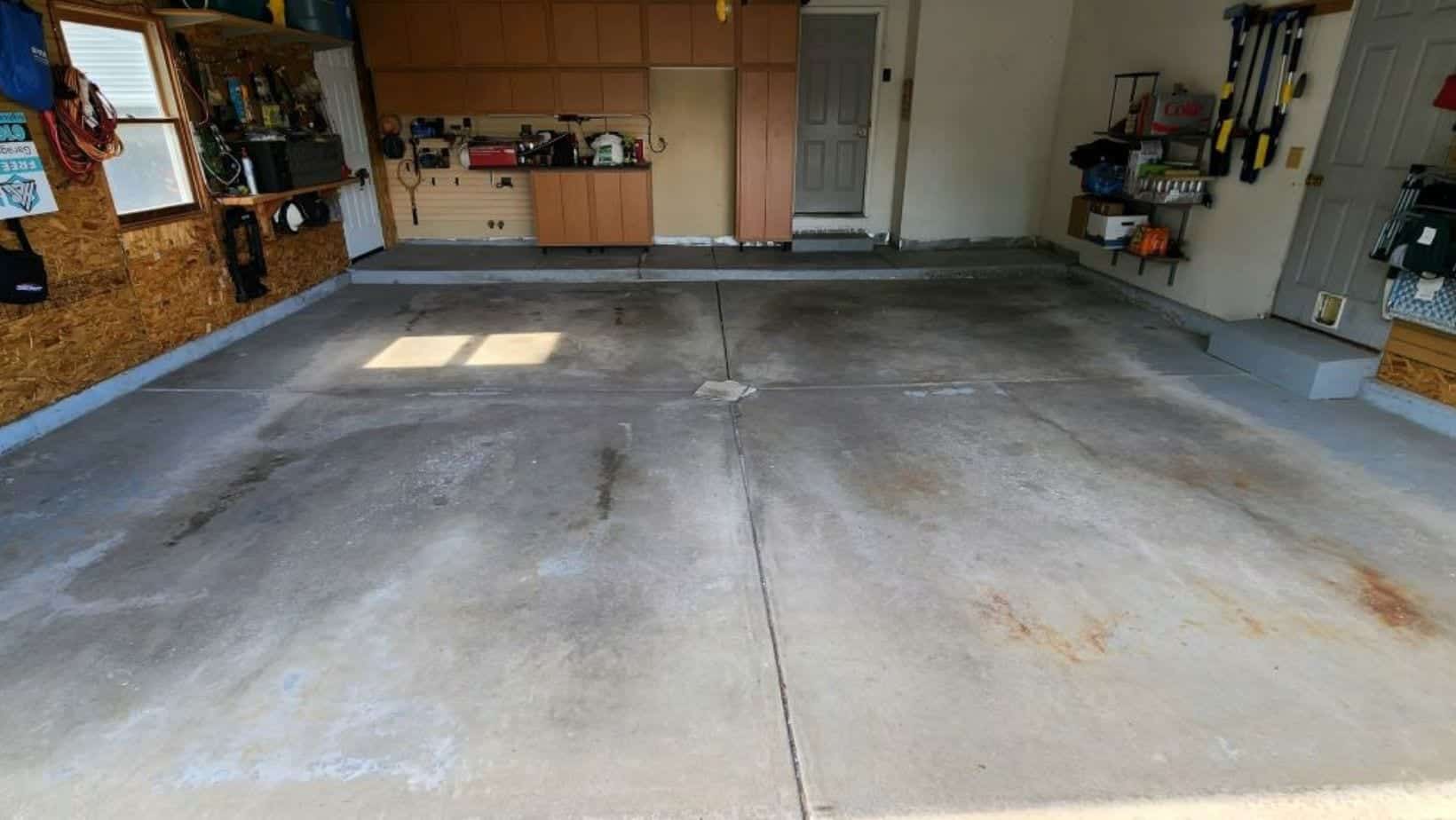
Concrete grinding gives your Rockford slab a measured reset when old coating, adhesive, weak surface material, or rough texture stands between the concrete and its intended use. We inspect what is present, choose diamond tooling for the condition, and explain whether grinding is the finished treatment or the opening move for another system.
Service Overview
Rockford properties do not present one standard slab. An attached garage may have salt residue and tire wear; a detached shop may carry grit, an old coating, or equipment marks; a retail or light commercial floor may need a workable surface with access and traffic considered. We start with what is actually present.
Diamond grinding removes or refines selected surface material with diamond tooling. It can establish texture for a coating, expose concrete that has been covered, or improve the surface for sealing or polishing. It does not erase structural movement or make a floor perfectly level. Those limits belong in the plan before work begins.
Benefits
Grinding is useful when a deliberate change to the surface will make the floor more suitable for its intended role. The result depends on the slab, the material being addressed, and the treatment chosen afterward.
Diamond tooling can create the surface texture a selected coating needs for adhesion. We match the preparation to the material being installed instead of using one profile for every Rockford floor.
Paint, adhesive, weak surface paste, and an older coating may interfere with the planned treatment. Grinding can address suitable layers, while thicker or stubborn materials may need another method.
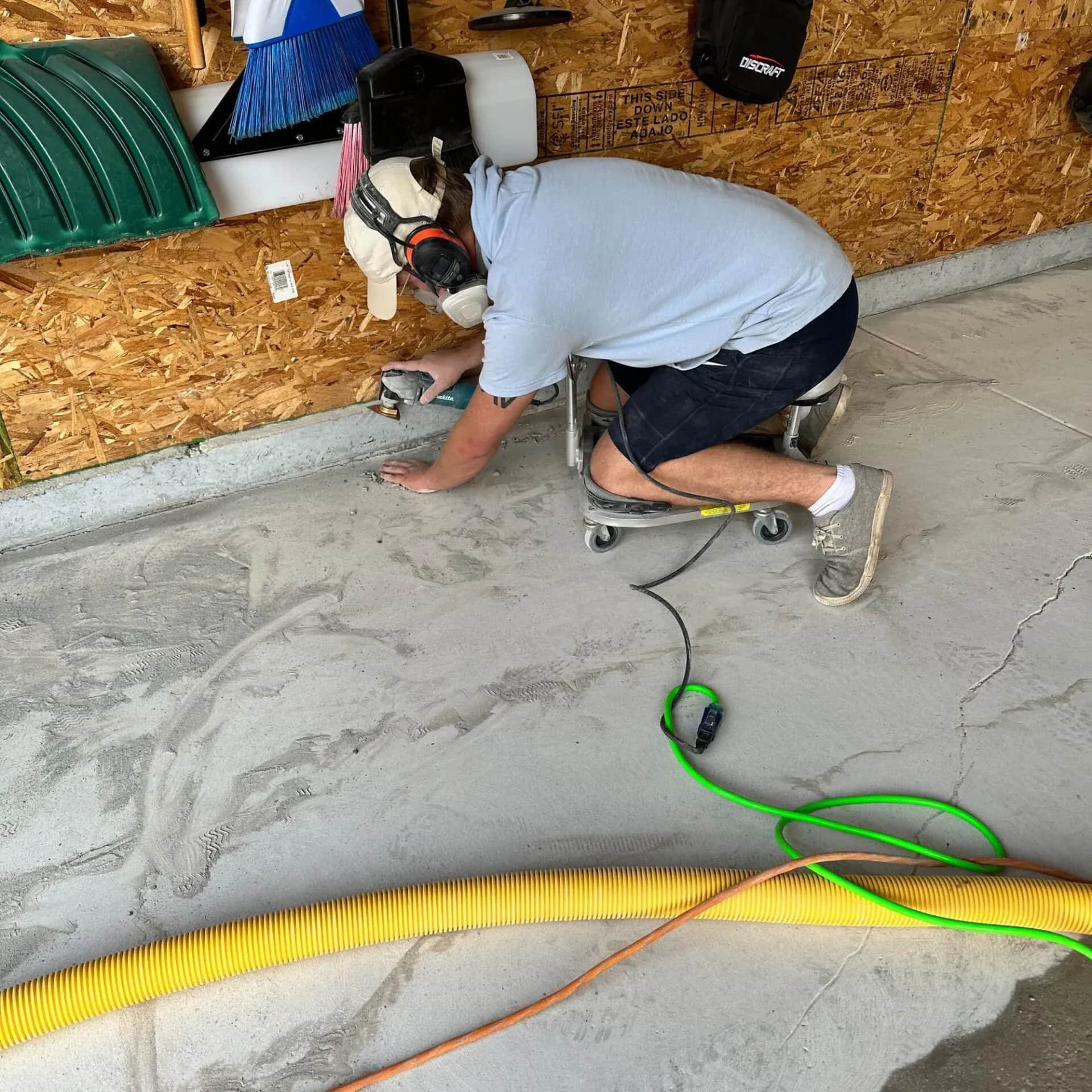
Opening the concrete can make cracks, pits, joints, soft areas, and moisture clues easier to discuss. That information helps separate surface preparation from repairs or added scope.
Walls, thresholds, edges, and tight transitions do not behave like the middle of an open slab. Calling them out early helps the work account for details that affect the finished appearance.
Attached garages, detached shops, rural outbuildings, retail rooms, and light commercial spaces can differ in access and traffic. The preparation discussion stays connected to how the room operates.
After grinding, the prepared slab can be reviewed for the treatment selected next. That may be a coating, a sealer, polishing, or a standalone improvement within the concrete's limits.
Installation Process
The machine is only one part of the work. We connect the floor's condition, the room's practical demands, and the desired surface so each preparation decision has a reason.
Step 1
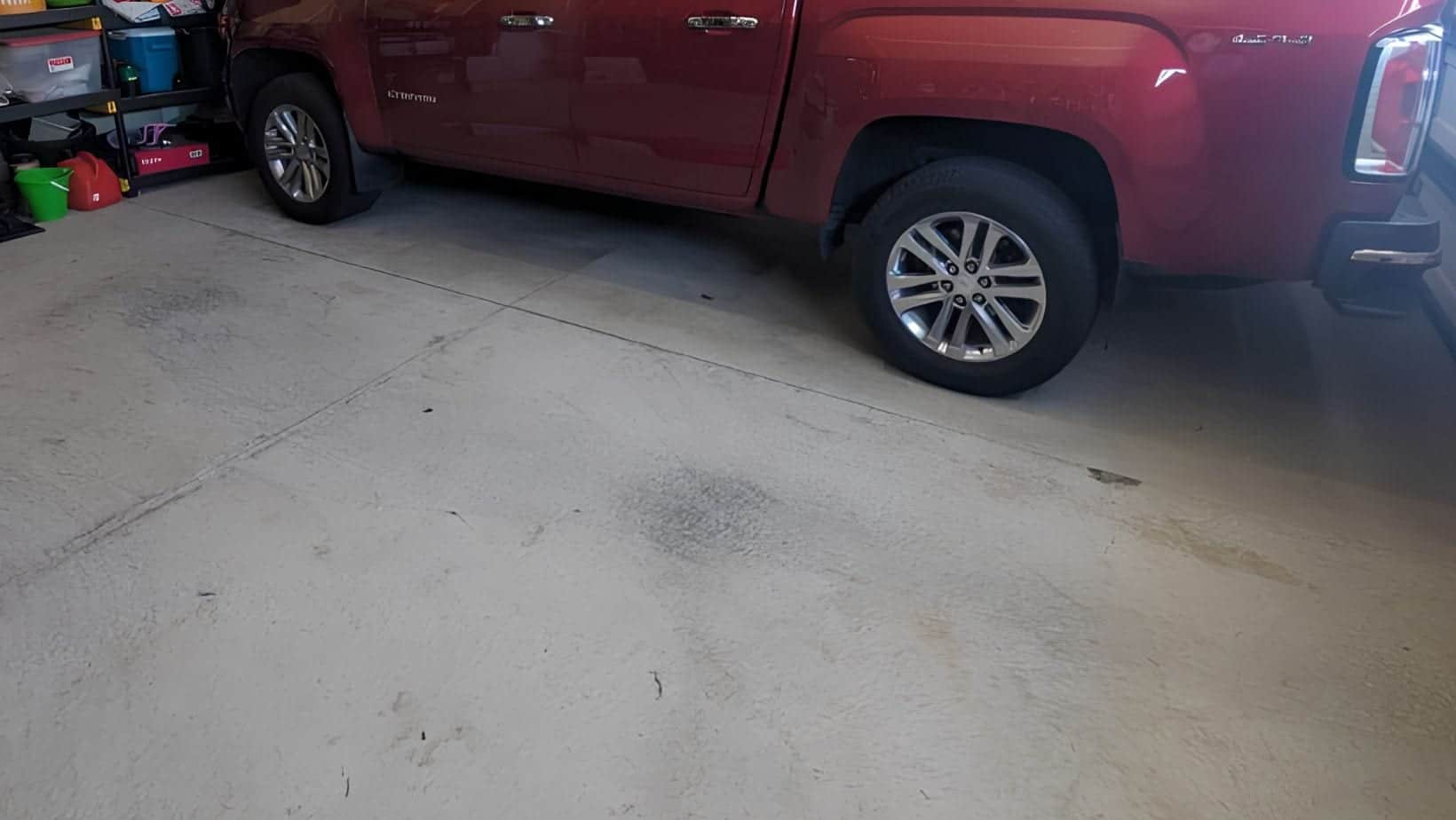
We look at the slab's current texture, old materials, visible damage, joints, edges, and access. A garage, shop, rural outbuilding, or commercial room can bring a different set of questions, so the initial review gives the scope somewhere concrete to begin. We also note whether the floor is open, occupied, or carrying items that affect the work area.
Step 2
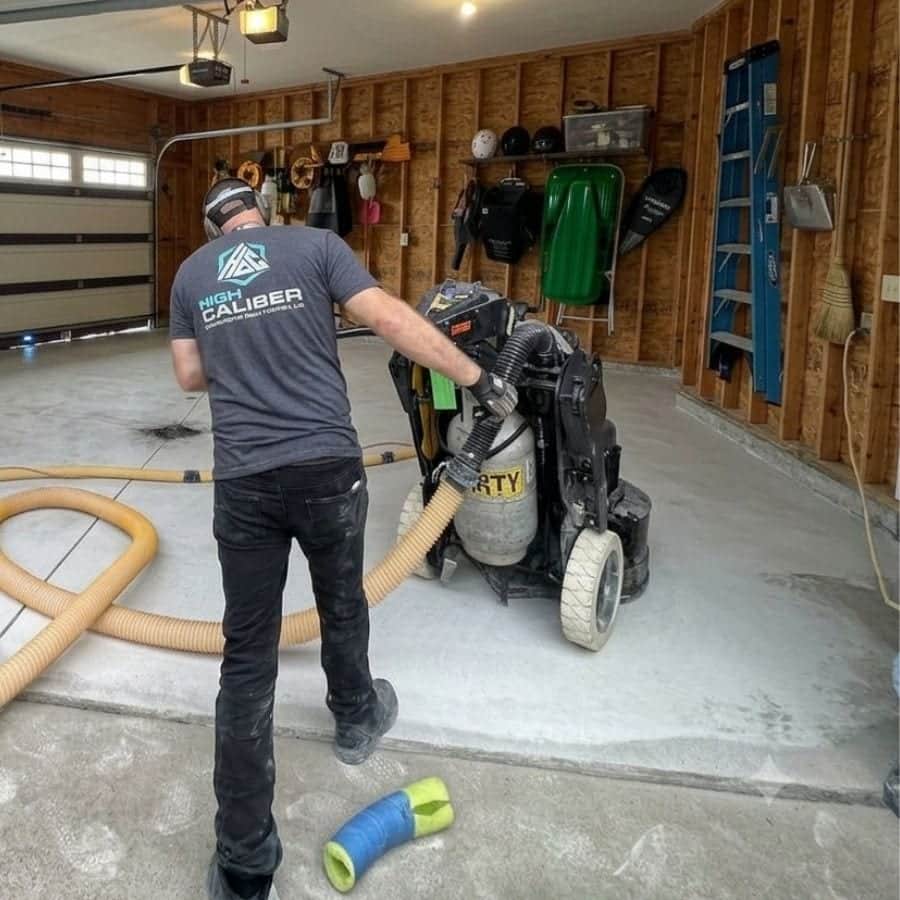
The material on the floor and the planned result guide the tooling and amount of preparation. A surface intended for a hybrid coating has different profile needs than concrete that will be mechanically refined for polishing or treated with a penetrating sealer. The goal is a suitable surface, not unnecessary removal of sound concrete.
Step 3
We account for movable items, doorways, nearby surfaces, equipment access, and dust control before the grinding pass. For a working shop or commercial space, the conversation also includes how the area can be made available for the preparation sequence.
Step 4
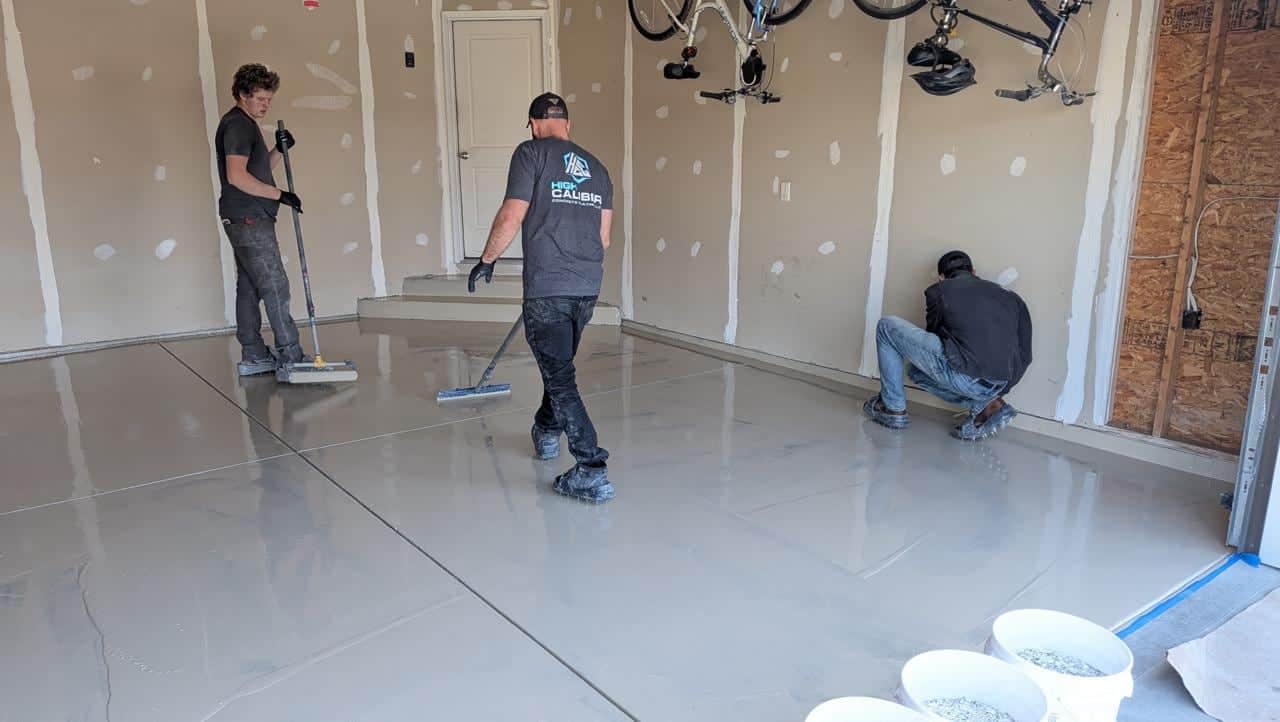
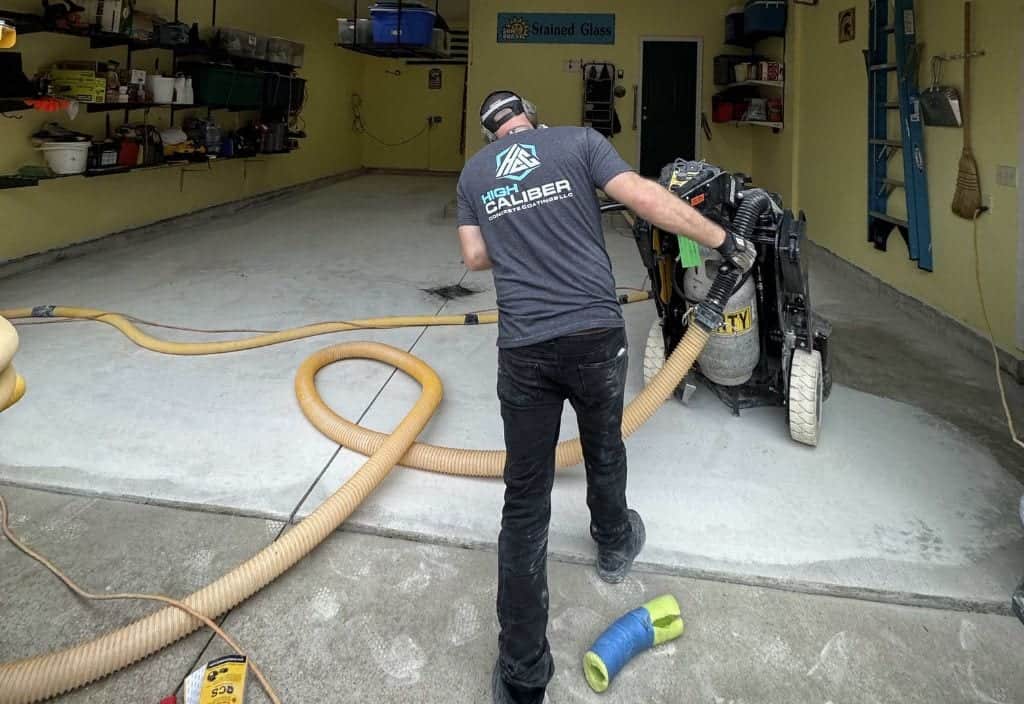
Diamond tooling mechanically removes or refines selected surface material. Passes are directed toward the required profile and condition, with dust control and consistent coverage helping the prepared concrete support the treatment that follows.
Step 5
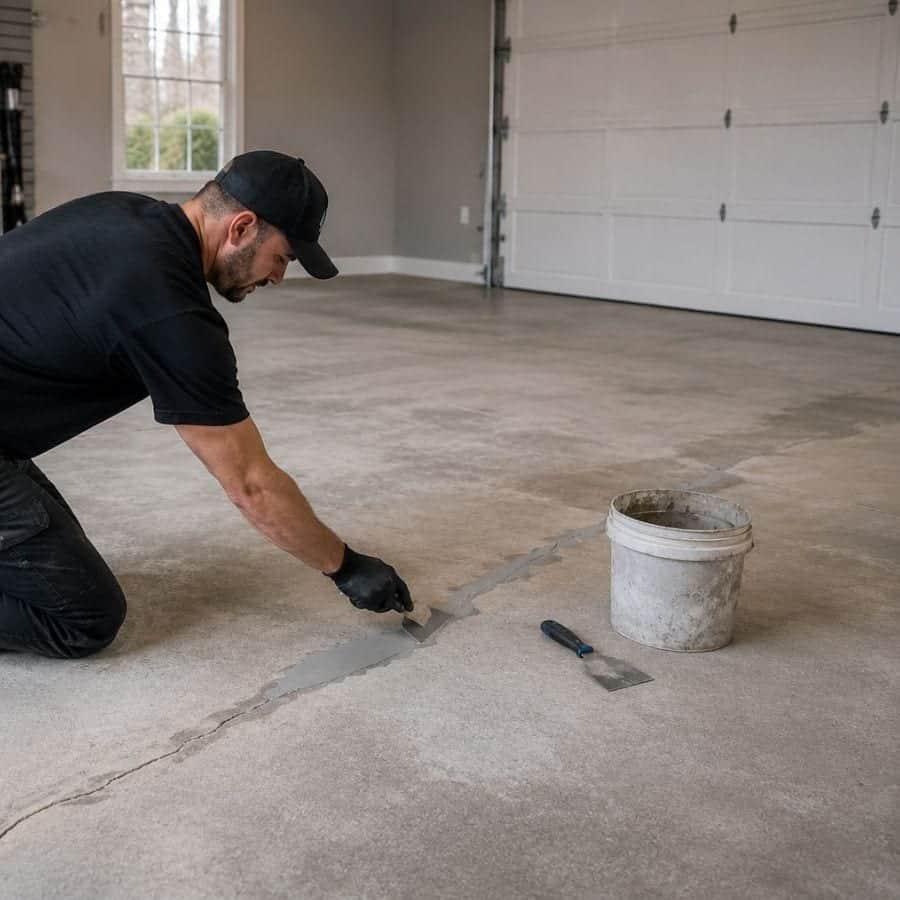
Perimeters, thresholds, joints, cracks, and other details receive a closer look after the broad surface work. Where repair or detail preparation belongs in the agreed scope, we address it before asking the next material to perform.
Step 6
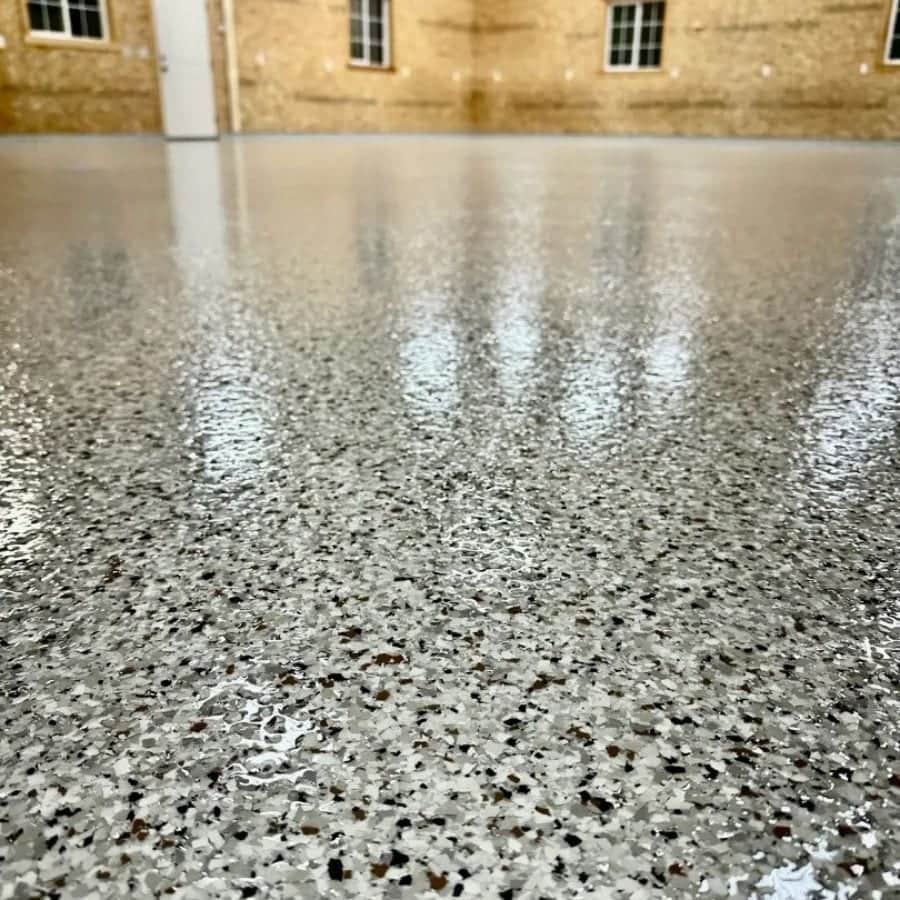
The floor is cleaned and reviewed as the concrete now presents itself. We can then discuss remaining conditions, the intended finish, and whether the work should proceed to a coating, sealer, polished treatment, or another defined step.
Why High Caliber
We are a family-owned West Michigan team working from the Holland and Zeeland area, and we plan preparation with the eventual floor in mind. That may mean a coating system, sealing, polishing, or a carefully defined grinding result. The first operation stays connected to the reason you called us.
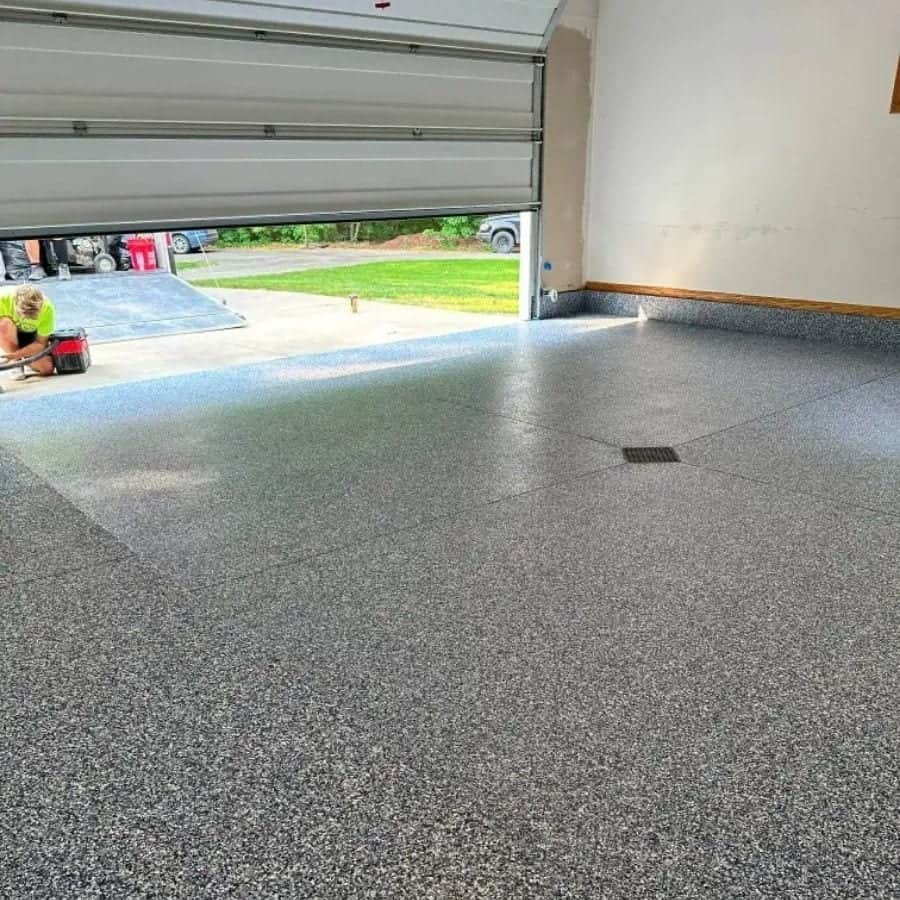
When a coating is selected, our hybrid epoxy and polyurea system uses epoxy for adhesion and build, then polyurea for the topcoat's flexibility, UV stability, chemical resistance, and faster cure. We also explain what grinding cannot do. It is not structural repair, a promise of perfect levelness, or a way to remove every deep defect without changing scope.
Customer Reviews
“Wow! Jeff and Mike were amazing to partner with for my garage floor renovation! They did an amazing job but more importantly, they communicated directly with me thru texts, reminders, and in person! Jeff and his team left my garage and exterior area cleaner than when they arrived and gave clear instructions on follow up care needed for my new floor! I would highly recommend High Caliber Concrete Coatings anytime!”
“Jeff and his team did the most amazing job epoxy floor coating my 38 year old garage floor. Outstanding, professional, skilled, great communication. Highly recommended.”
“We recently had our garage floors resurfaced with the Epoxy Floor coating with flakes. High Caliber Concrete did such an awesome job we cannot say enough good about them! So timely, well organized and a beautiful job!! Owner, Jeff, responded to any call ASAP. Shawn and Ethan, fantastic employees for the company, did a tremendous job which was labor intensive…They left no questions unanswered! Such a professional, beautiful job. We would highly recommend them! Lillian & Joseph Bakara Jr.”
Rockford, Michigan
Rockford is a Kent County community along the Rogue River north of Grand Rapids, with older homes, newer subdivisions, attached garages, detached shops, rural properties, retail, and light commercial buildings. That range matters because a floor can be asked to hold vehicles, tools, stored equipment, customer traffic, or a new surface system.
Snow, freeze-thaw cycles, road salt, humid summers, and spring moisture are useful parts of the conversation without being treated as proof of a defect. Salt residue may be present where vehicles enter a garage. Moisture and humidity may influence what the team needs to assess. The slab itself still determines the work.
A Rockford project also benefits from a practical access discussion. A newer subdivision garage, an older attached garage, a detached shop, and a small commercial room may each have different contents, thresholds, or operating constraints. If you are comparing a property near Grand Rapids, Sparta, or Plainfield Township, the same direct review can keep the recommendation tied to the concrete in front of us.
Winter residue and spring moisture can be part of what the floor has experienced. We look at what is visible and discuss moisture questions rather than treating the season as a diagnosis.
Vehicle traffic, stored tools, shop activity, and rural use can leave different surface materials or access demands. The room's role helps define preparation without assuming a property-specific condition.
Retail and light commercial floors may need work zones, clear access, dust planning, and attention to adjacent use. Those logistics are easier to address when they are discussed before equipment arrives.
Frequently Asked Questions
We need to understand what is on the surface, how the room is used, what condition is visible, and what treatment you are considering afterward. Old coatings, adhesive, weak concrete, rough texture, cracks, joints, edges, and access can all influence the scope. The estimate should describe the actual preparation question rather than assume every slab needs the same pass.
A garage, detached shop, rural outbuilding, retail room, and light commercial floor can have different traffic, contents, access, and performance needs. The planned finish matters too. A coating needs a suitable mechanical profile, while sealing or polishing treats the concrete differently. We use the room's job to help decide what preparation is useful.
Yes. Diamond grinding is a common mechanical preparation step when a coated floor is appropriate. The grinding scope is chosen to give the selected coating a suitable starting surface, while cracks, spalls, moisture questions, and edges are considered separately. We confirm those conditions before the basecoat is installed.
The material's thickness, bond, hardness, and condition underneath help determine whether diamond tooling is suitable. Grinding may address paint, adhesive, residue, or a previous coating when the conditions allow. A stubborn or thick layer may call for another removal method or additional work. We explain that decision instead of promising that one tool removes everything.
They make the surface history worth discussing, especially on garage floors where road salt and meltwater may be tracked inside. Humidity and spring moisture can also make moisture assessment relevant. These conditions do not automatically determine the scope. We look at the concrete, ask about the room, and identify what needs attention before a finish is installed.
Grinding can reveal and improve selected surface conditions, but it is not structural repair and does not promise a perfectly level slab. Cracks, joints, pits, settlement, and soft areas are reviewed after the surface is accessible. Repairs that belong in the project are addressed as part of the defined scope, while larger structural concerns require a different conversation.
Possibly, depending on the concrete and the result you want. A penetrating sealer protects by entering the concrete rather than forming a film, while polishing mechanically refines the slab itself. Grinding can be part of either route when the surface supports it. We compare those options with coating work so the finish matches the floor's condition and use.
Related Services
Grinding can support several floor decisions. The suitable route depends on the concrete, the room, and the performance or appearance you want afterward.
See how mechanical preparation can support a protective or decorative coating system selected for the floor's use.
Learn moreCompare a mechanically refined concrete surface when the slab itself remains the visible finished floor rather than receiving a film.
Learn moreReview penetrating sealer work, which protects by entering suitable concrete instead of creating the film associated with a coating.
Learn moreExplore removal planning when adhesive remains after flooring is taken up and the slab needs a cleaner preparation path.
Learn moreGallery And Visual Proof
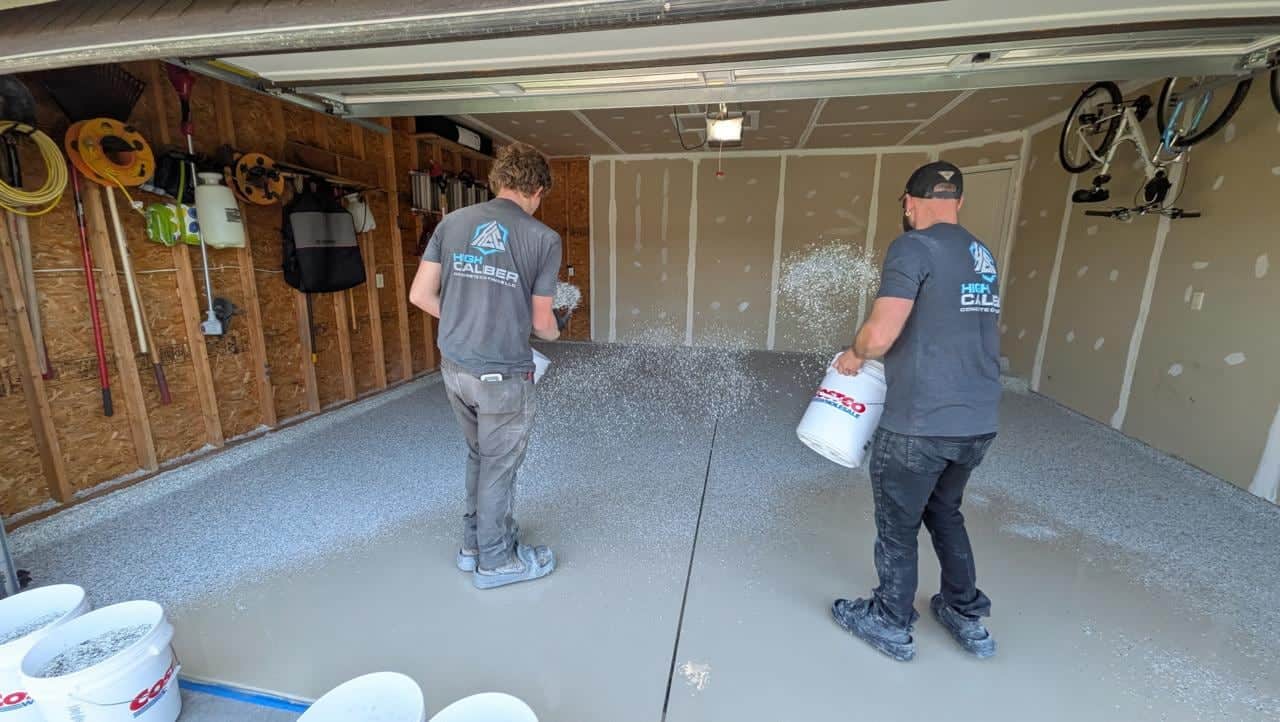
These High Caliber images show real preparation and finishing work from the photo library. They illustrate tools, surfaces, and sequence without claiming that a pictured property is located in Rockford.
Free Project Quote
Tell us about the space and we will follow up with a clear recommendation and quote conversation.
Phone
Business Hours
Free Estimate
Tell us what the floor has carried, what you can see now, and what you want it to do next. We will review the concrete, explain the grinding scope, and connect the preparation to a coating, sealer, polished surface, or standalone result when that is appropriate.
Share the room type, old materials, visible damage, and access details you already know. A clear starting description helps us focus the estimate on the slab and the work it needs.