
Works With Existing Concrete
A suitable slab can become the visible floor through mechanical refinement, keeping its natural variation in the room instead of covering it with a separate decorative layer.
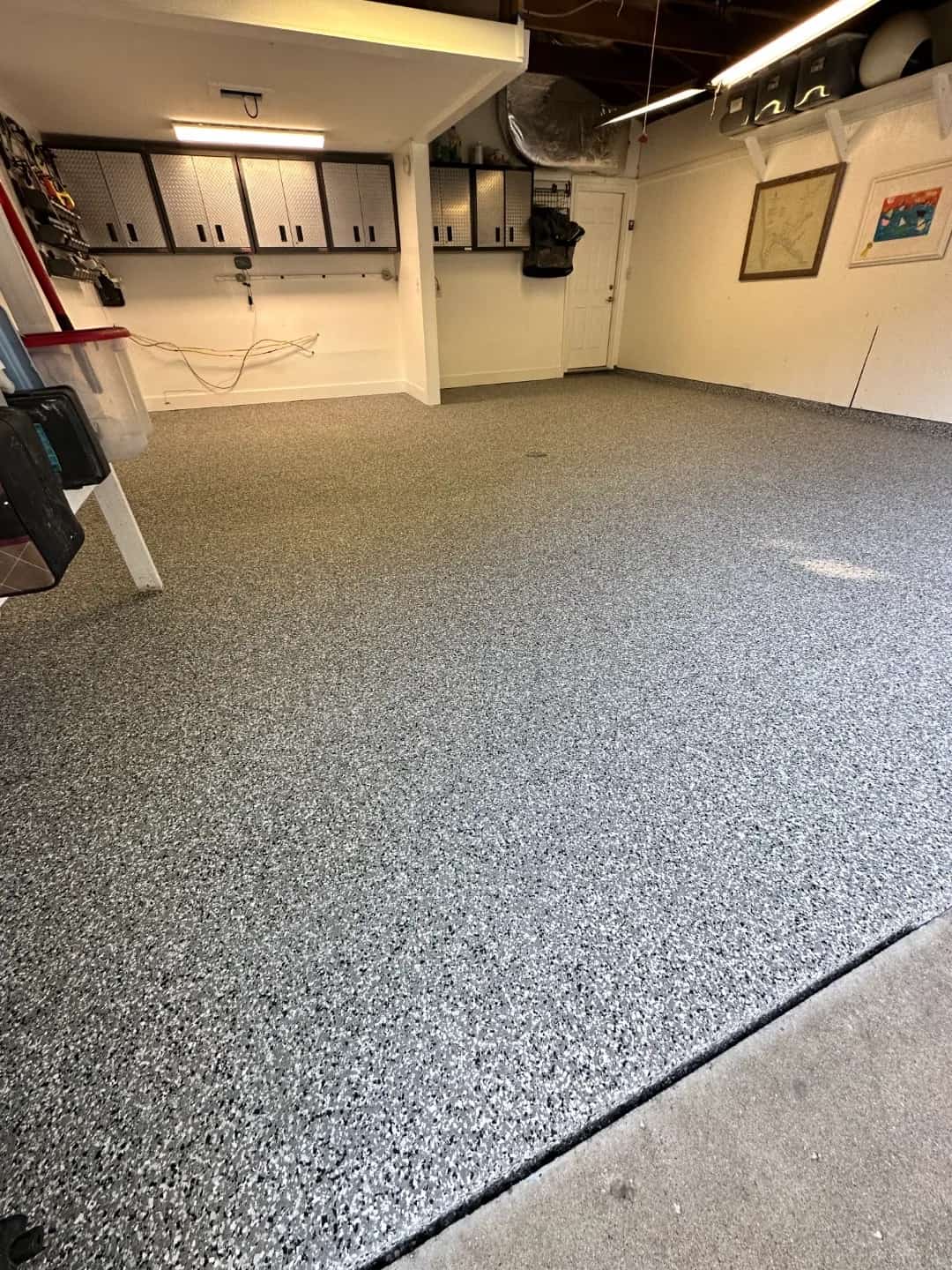
A floor can carry the character of its concrete and still feel deliberately finished. We help Douglas owners weigh the slab, the room's work, the desired sheen, and the care that follows before choosing a polishing path. That first look helps separate a finish preference from a slab that needs another treatment.
Service Overview
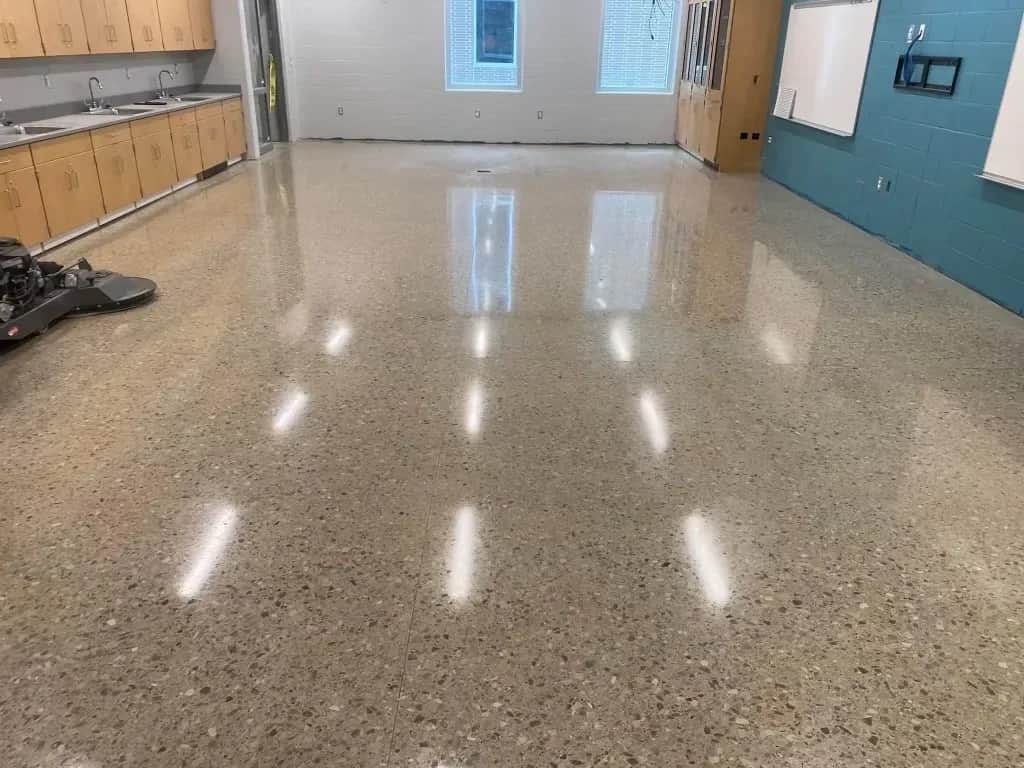
Concrete polishing mechanically refines the slab instead of covering it with a decorative film. Diamond tooling and successive refinement steps can reveal a controlled level of sheen, while aggregate, joints, repairs, stains, and other signs of the original pour may remain visible.
For a Douglas property, the useful question is not whether a reference floor looks attractive. It is whether this floor can support the building's traffic, light, cleaning routine, access limits, and appearance goals. We inspect those conditions before recommending polishing, grind and seal, sealing, or a coating system.
Benefits
Polishing earns consideration when the existing concrete can become the finished floor and the building benefits from a surface planned around appearance, movement, and routine care.
A suitable slab can become the visible floor through mechanical refinement, keeping its natural variation in the room instead of covering it with a separate decorative layer.
The planned tooling sequence can support a quieter or brighter appearance. Room lighting, aggregate exposure, repairs, and the slab itself shape how that sheen reads.
A finished polished floor can fit a regular program for removing grit and cleaning. We connect that routine to traffic, contaminants, and the finish selected for the space.
Warehouses, retail rooms, showrooms, hospitality spaces, and schools may have practical reasons to evaluate polishing when the slab and schedule can support it, with planned access.
Polishing does not print a uniform pattern over every pour. Existing color, aggregate, joints, patching, and wear remain part of the floor's individual appearance across the room.
A slab review can show whether polishing fits or whether another service offers the protection, visual change, or moisture approach the Douglas property actually needs.
Installation Process
A polished floor develops through connected decisions about the slab, the room, and the finish. We establish the work conditions first, then use the concrete's response to guide each mechanical pass and the care conversation that follows.
Step 1
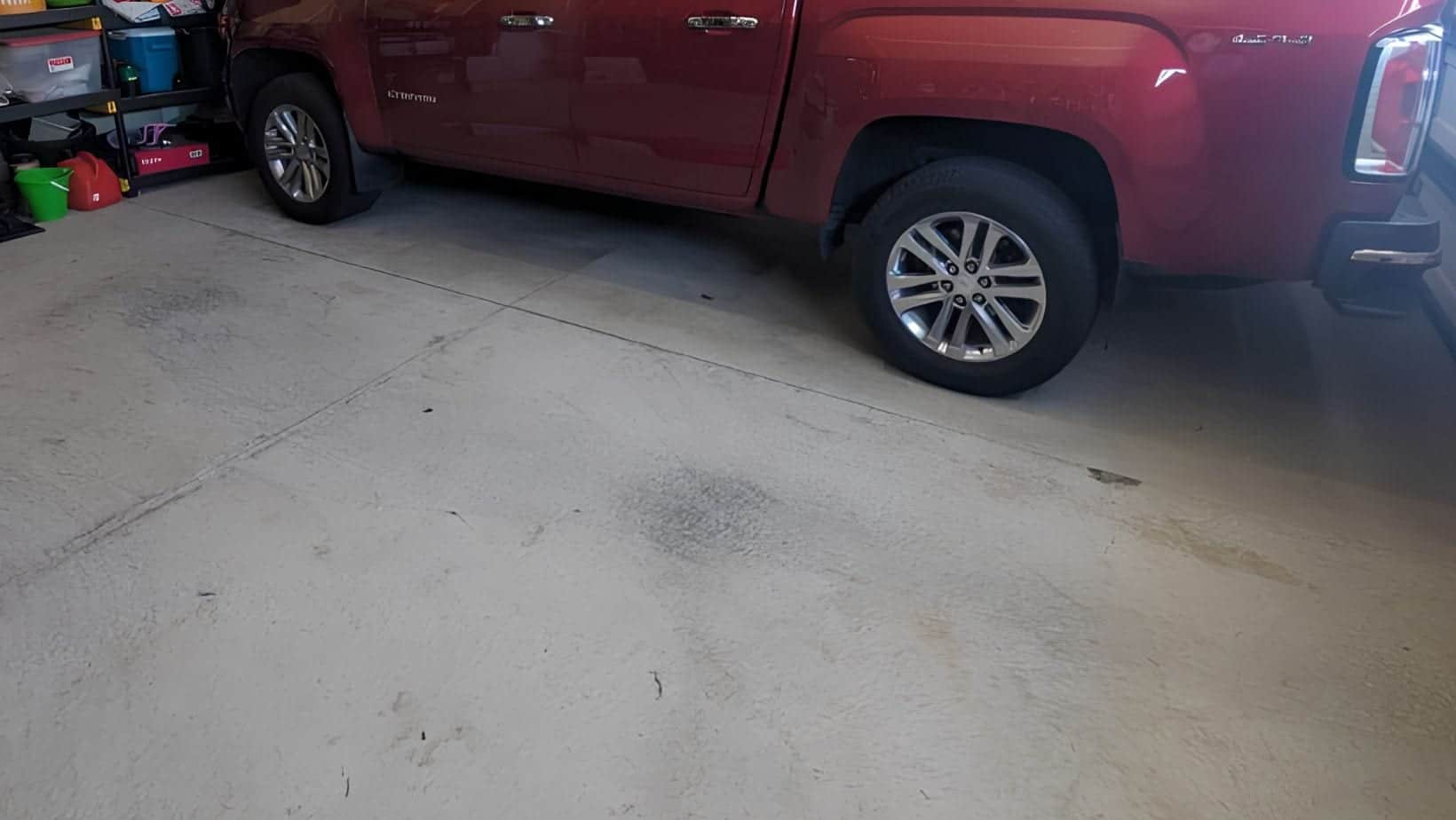
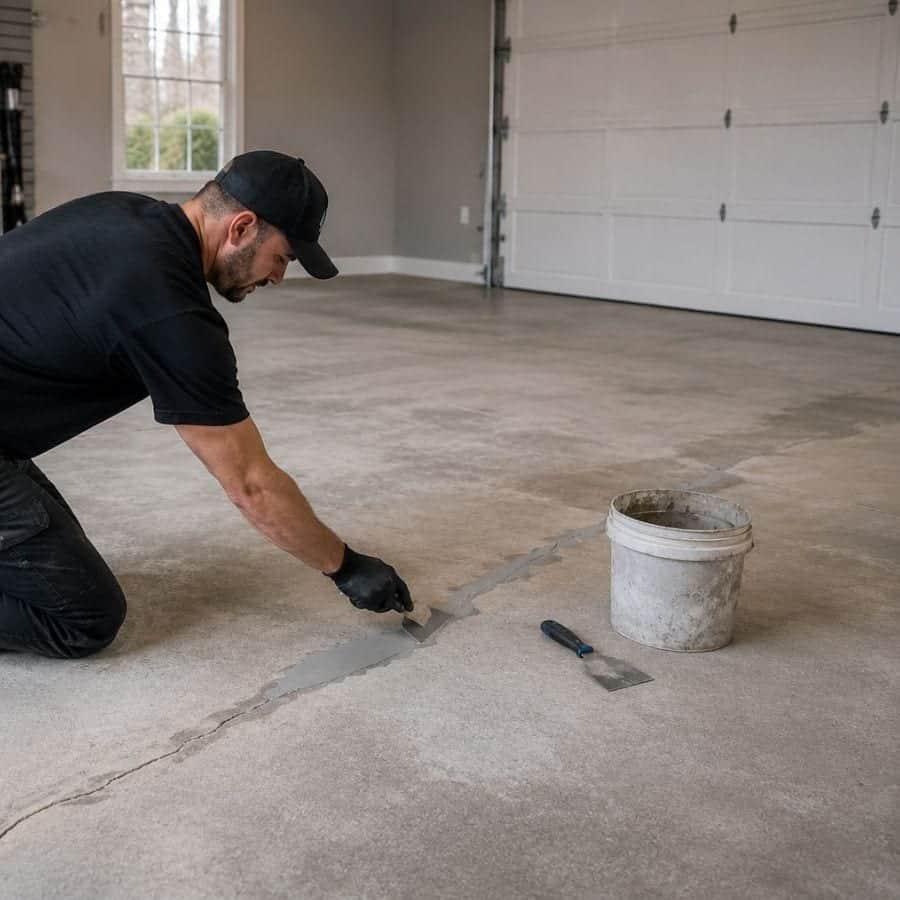
We examine the existing concrete, including old materials, stains, joints, cracks, repairs, wear, moisture concerns, and the light and traffic in the room. The review also covers the desired sheen and exposure. That information helps set an honest expectation for what the slab can show after refinement.
Step 2
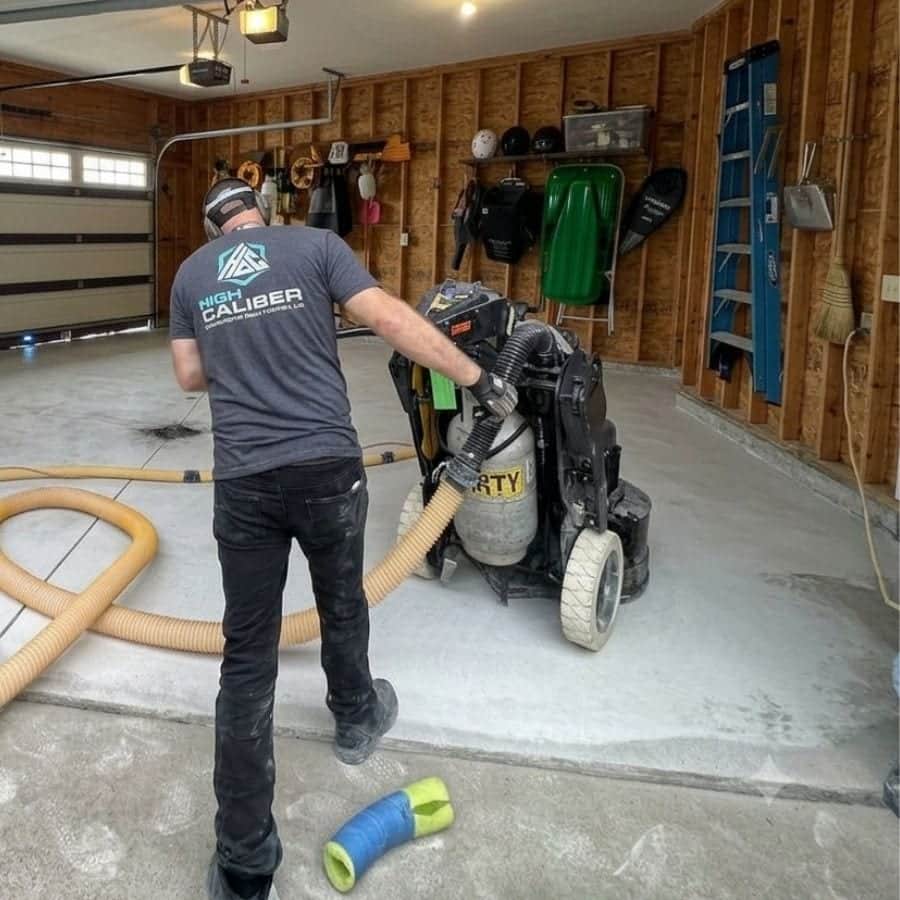
Before tooling begins, we discuss access, active operations, furniture or equipment, boundaries, and dust control. A commercial interior may need a carefully staged work zone, while an attached garage or outbuilding may require a different access plan. Preparation keeps the floor sequence workable for the building.
Step 3
Diamond grinding removes unsuitable surface material and opens the slab for the planned refinement sequence. The pass follows the actual condition rather than promising a perfectly uniform floor. Grinding can improve surface readiness, but it does not promise leveling, structural repair, or the removal of every mark.
Step 4
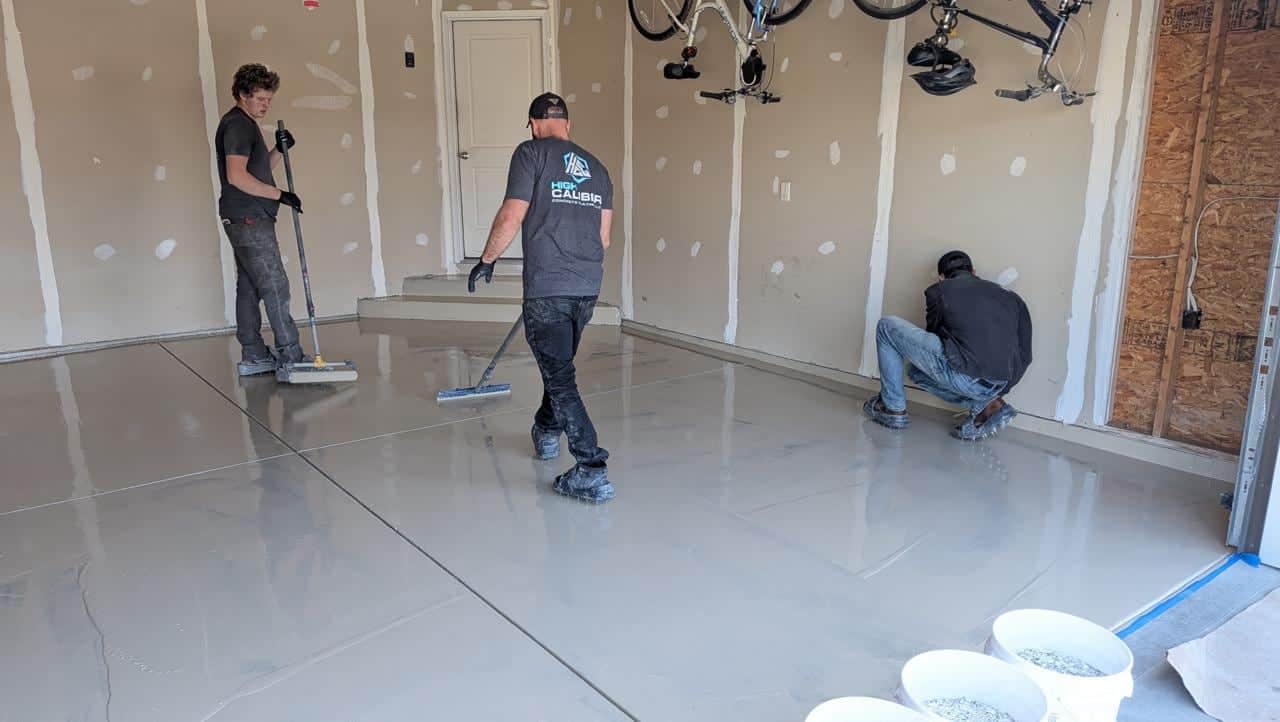
Progressive tooling reduces the marks left by earlier passes and develops the selected level of refinement. The sequence responds to the slab, aggregate, repairs, joints, and desired appearance. Where the concrete has a varied history, those differences remain part of the finished floor rather than being hidden by a printed pattern.
Step 5
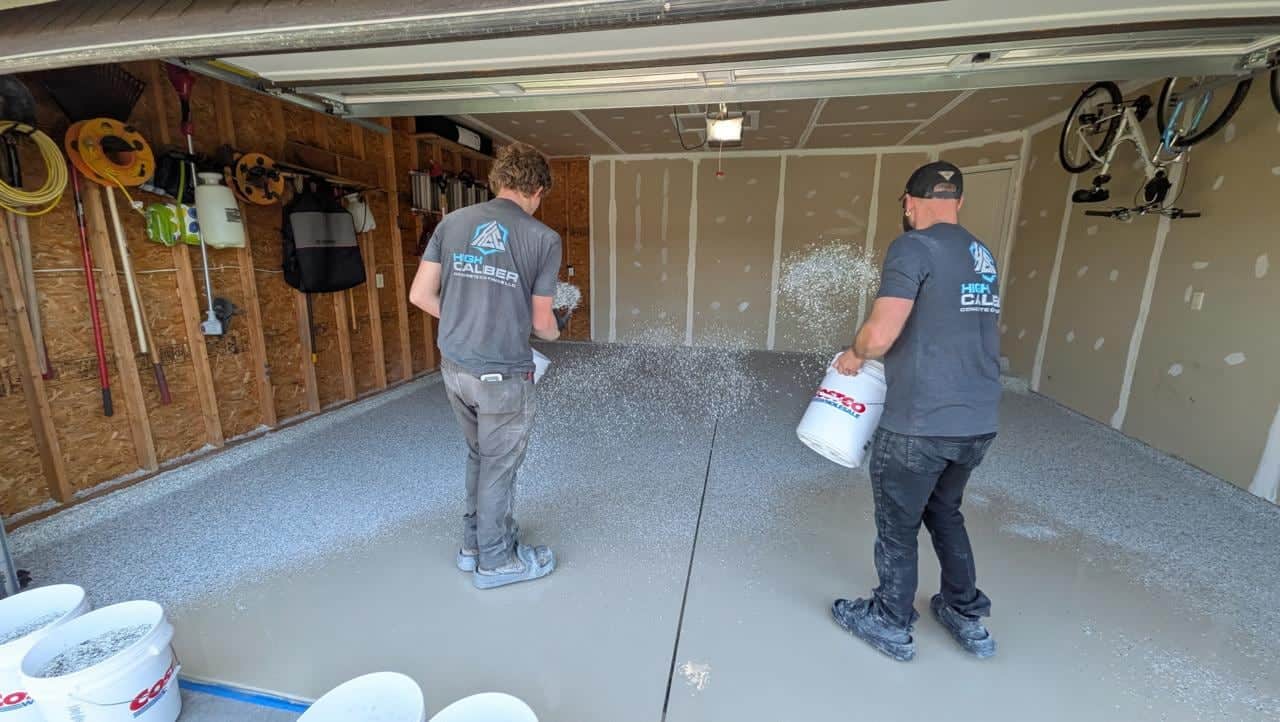
Later honing passes bring the surface toward the chosen sheen and exposure, with lighting and room use kept in view. We compare the developing appearance with the agreed finish direction. A brighter or quieter result can read differently across a Douglas warehouse, retail room, school, or suitable residential slab.
Step 6
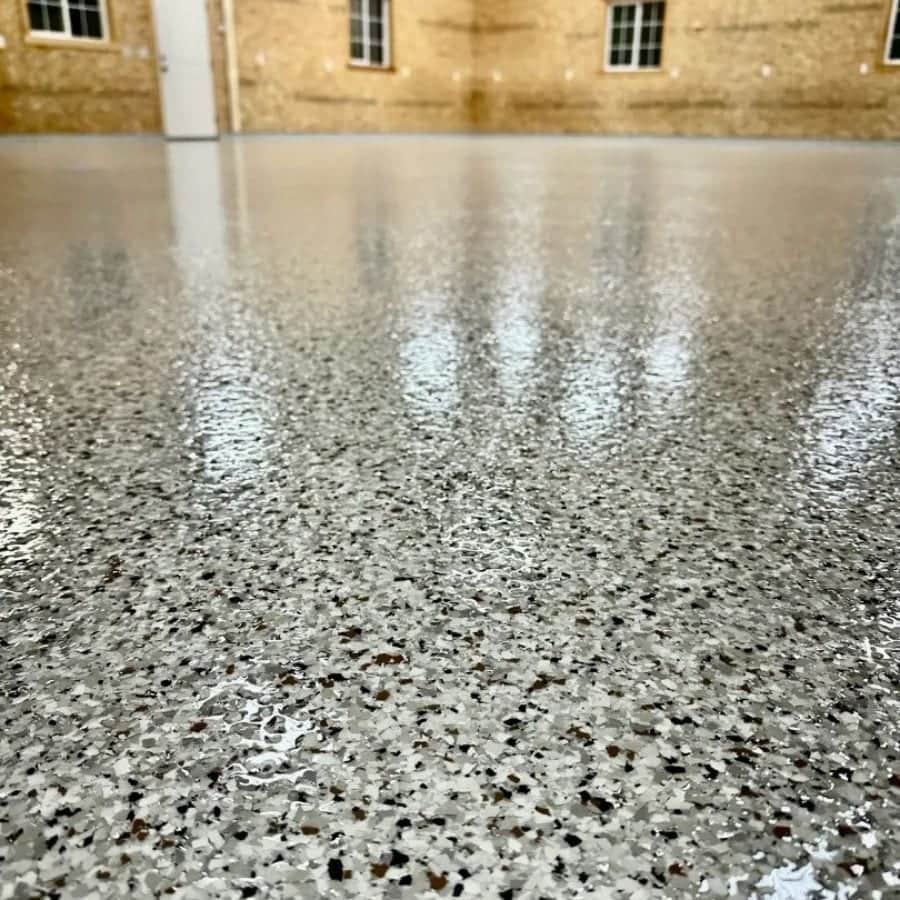
At handoff, we review the finished surface, edges, joints, visible variation, and the protection included in the plan. We explain how to remove grit, clean the floor, manage meltwater or other contaminants, and return the space to normal use. The owner leaves with care expectations tied to the building's traffic.
Why High Caliber
We approach polishing as a floor decision with consequences for movement, cleaning, light, and daily use. The right result is not simply the highest sheen. It is a finish that makes sense for the slab and for the people responsible for the Douglas property.
Our discussion also leaves room for a different answer. If the concrete needs a layered protective system, a change in color, or another moisture strategy, we can compare those directions rather than forcing polishing onto an unsuitable surface.
Customer Reviews
“Would highly recommend. No pressure sales, quality product, great communication and quality installation. I met Jeff at the home show. I was drawn into his booth by his very enthusiast kids. I got the immediate impression this was a family oriented business and that was reinforced by the conversation with both Jeff and his young son. These values drew me to this business. I signed up for a quote. Shortly after the show Jeff came to my home to present options and provide a quote. No pressure to buy, Jeff understood I needed to get thru tax season before I could be sure about my budget. Over the course of next few months Jeff was responsive to any questions I had and we got the job scheduled. Jeff provided a trailer in the quote to store contents of garage while job was being done, which was very helpful. When talking with others about the quote I learned my price was equal to or less than what neighbors had paid up to six years ago, so I felt this was good pricing. I had thought there would be a ton of dust and a big mess when grinding surface, but the machines had a vacuum attached, clean and efficient work. I was impressed that they coated steps and side walls as well as floor. No mess on drywall or driveway. Crew doing installation were great guys. They took time to fill me in on the process of installation, what to expect, how long for surface to cure and when I could empty trailer. Post install Jeff stopped out to grab trailer, filled me in on what to use and how to clean the floor. VERY happy with the whole process from sales to install to follow up. LOVE my new garage.”
“High Caliber's quality and communication was excellent. From the person that visited onsite for an estimate to their crew that performed the service was above normal customer service standards, as they explained the process and timing. My garage floor looks great!”
“Wow! Jeff and Mike were amazing to partner with for my garage floor renovation! They did an amazing job but more importantly, they communicated directly with me thru texts, reminders, and in person! Jeff and his team left my garage and exterior area cleaner than when they arrived and gave clear instructions on follow up care needed for my new floor! I would highly recommend High Caliber Concrete Coatings anytime!”
Douglas, Michigan
Douglas sits in a lakeshore setting where lake-effect snow, freeze-thaw cycles, humid summers, and spring moisture can influence how a building is used. Meltwater, grit, and salt tracked through an entry do not decide whether a slab is a polishing candidate, but they do belong in the cleaning and traffic conversation. Entry behavior is part of the floor's daily context.
Commercial owners may be thinking about a warehouse aisle, retail floor, showroom, hospitality interior, school space, or light-industrial room. We look at the operating pattern in that specific building. A floor that welcomes carts and customers has different priorities from one that mainly supports storage or equipment. Those distinctions help keep the finish conversation connected to people, not just photographs.
Residential polishing can be worth discussing for an attached garage, detached garage, or rural outbuilding when the existing slab and intended use make the process sensible. Douglas owners comparing related options may also explore work in Spring Lake, Hamilton, Rockford, or Otsego through the broader program, while each estimate still starts with its own concrete.
Plan for the way meltwater, grit, and winter salt arrive at the floor, then match cleaning expectations to the building's use.
Retail, hospitality, school, warehouse, and light-industrial interiors each bring a different mix of movement, light, access, and care.
A garage or outbuilding can be considered when the slab is a reasonable candidate and the owner wants the concrete itself to remain visible.
Frequently Asked Questions
It can, because polishing refines the concrete that is already there rather than printing a new pattern over it. Color shifts, aggregate, joints, old repairs, stains, and wear may remain visible. The slab review helps clarify which characteristics can be softened and which will continue to define the floor.
Start with how the room operates. Equipment paths, customer or staff movement, loading access, lighting, cleaning, furniture, and the available work window all affect the plan. The slab's condition matters just as much. We use those details together before discussing a sheen or promising an appearance.
Douglas properties may see lake-effect snow, freeze-thaw cycles, tracked grit, and winter salt at entrances. Those conditions make entry management and routine cleaning important. They do not automatically rule out polishing, but they should inform the use plan, maintenance expectations, and comparison with sealing or a coating system.
Existing materials and damaged areas are reviewed during preparation planning. Mechanical work can remove or open some surface material, while repairs address selected defects within the agreed scope. No process can promise that every mark disappears. The finished appearance may still record the history of the concrete.
Yes, a residential space can be discussed when its slab and use make polishing reasonable. We would consider access, moisture, cracks, prior materials, vehicle or equipment use, light, and the desired level of refinement. If the owner needs a different protective or decorative layer, another service may fit better.
Polishing continues through a planned refinement sequence to create the selected finish in the concrete itself. Grind and seal leaves a mechanically prepared surface and adds a sealer for a different appearance and protection approach. The choice depends on the slab, exposure, traffic, maintenance, and the result the owner wants.
Tell us the property type, approximate area, current floor condition, old coatings or adhesives, visible repairs, access limits, traffic, desired appearance, and preferred timing. Photos can help begin the conversation, but an on-site review may be needed to understand the slab and set a responsible scope.
Related Services
Polishing is only one way to approach an existing floor. These related services help Douglas owners compare preparation, sealing, protection, and the broader service range before choosing a direction.
Review mechanical surface preparation when the slab needs material removal or a better starting condition.
Learn moreCompare a ground surface with a sealer when full polishing is not the intended finish.
Learn moreConsider a layered protective and decorative system when the slab needs a different type of finish.
Learn moreExplore sealing options for selected concrete surfaces, with the difference from a film coating kept clear.
Learn moreSee the broader set of concrete flooring services available for commercial and suitable residential spaces.
Learn moreGallery And Visual Proof
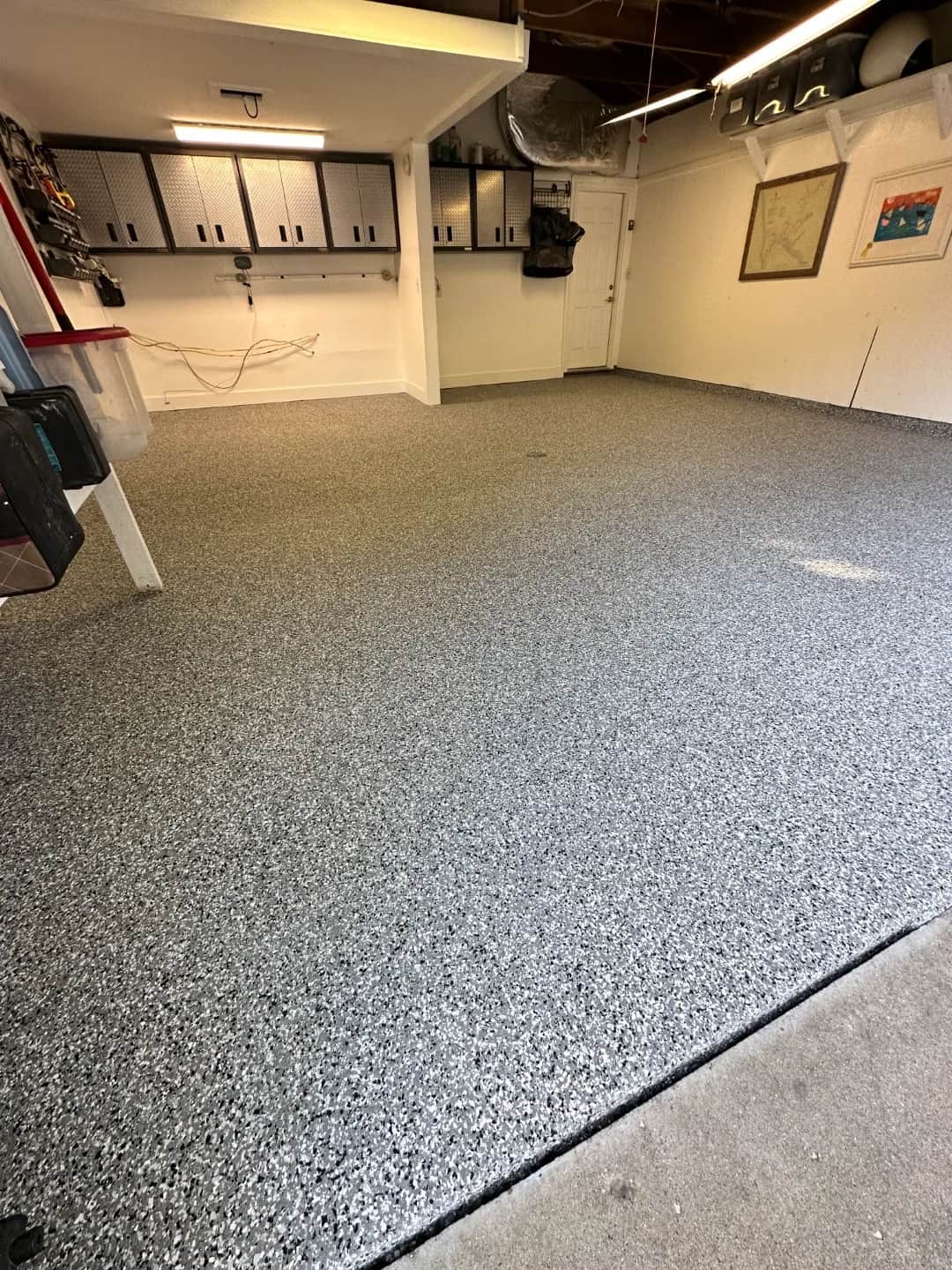
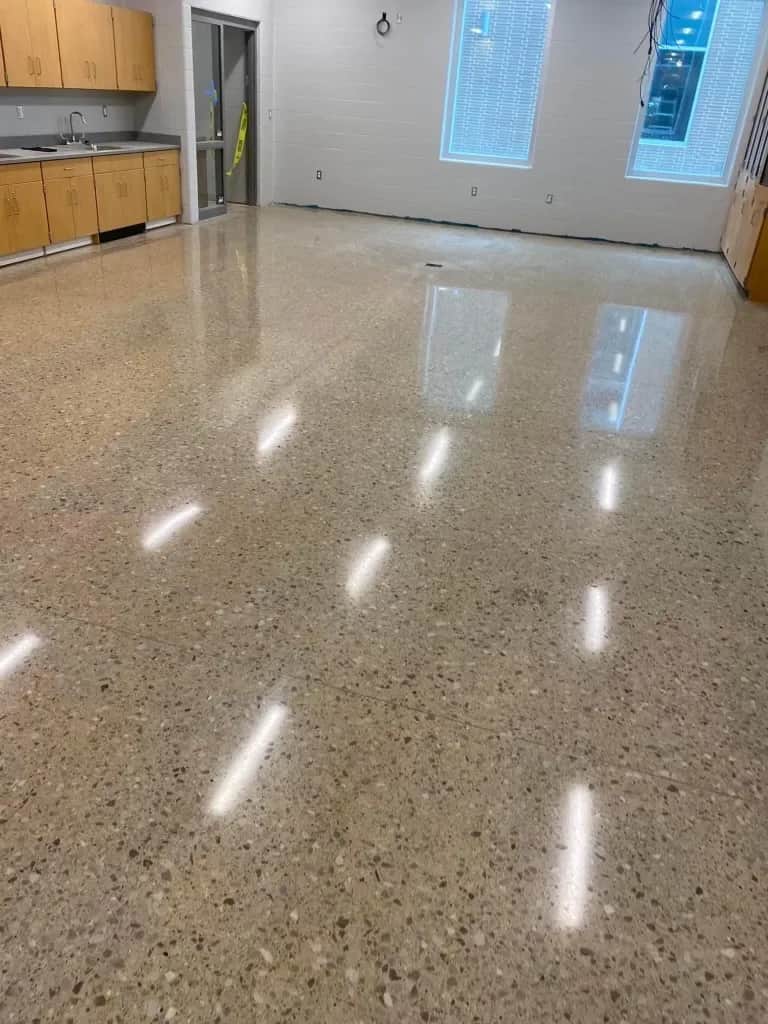
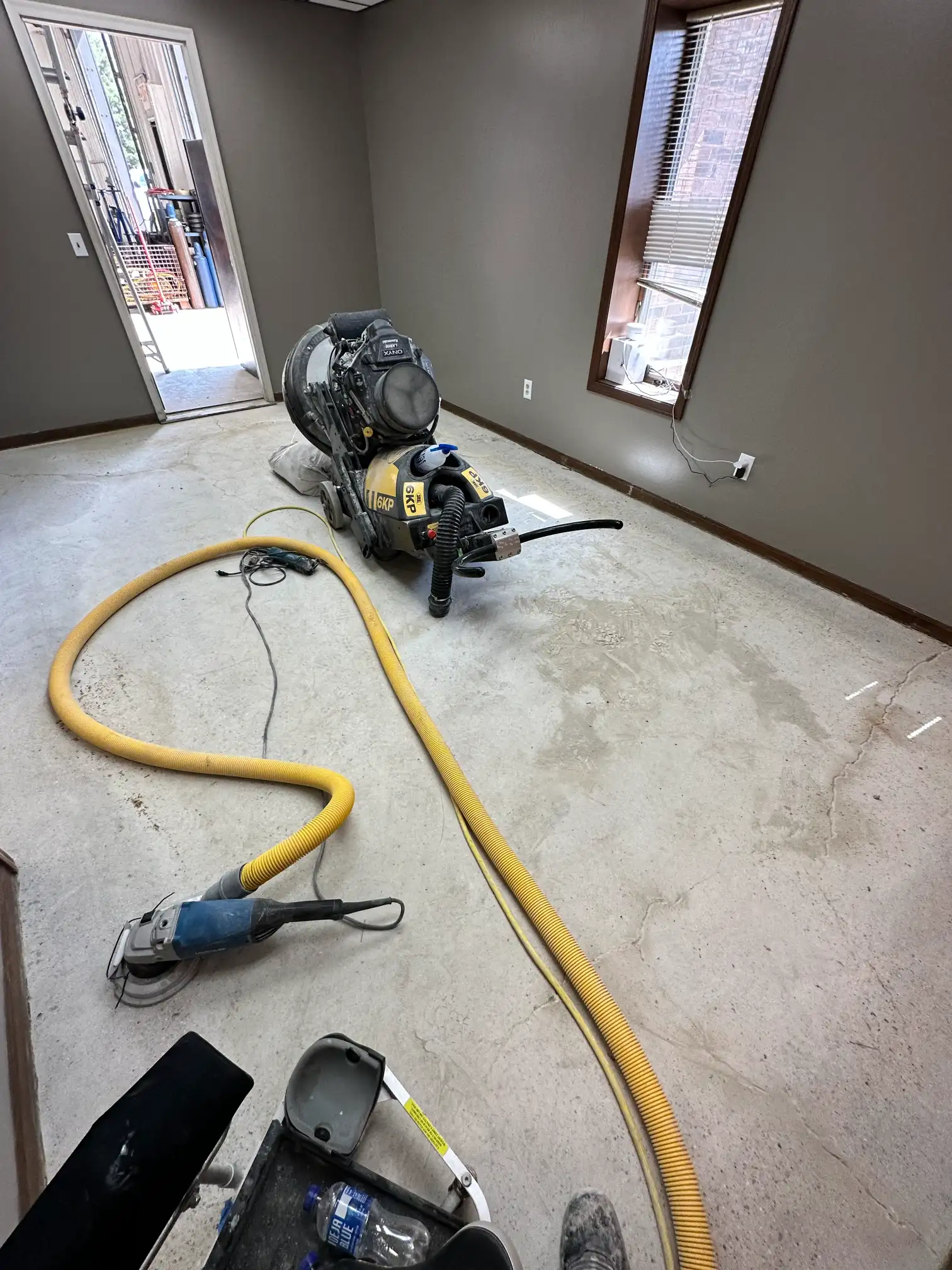
These images show concrete floor finishes and preparation work from the existing image library. They can help frame a conversation, but the Douglas slab will determine its own variation, exposure, and final appearance.
Free Project Quote
Tell us about the space and we will follow up with a clear recommendation and quote conversation.
Phone
Business Hours
Free Estimate
Tell us what the room needs to do, what you know about the existing concrete, and what you want the finished floor to feel like. We can discuss traffic, access, cleaning, seasonal grit, repairs, and whether polishing is the right path. Include the spaces that matter most and any operating limits we should understand. We will use those details to frame useful next questions. Request an estimate online or call (616) 777-7348 to begin.