
The Existing Material Remains Visible
Polishing keeps the concrete's own aggregate, movement, joints, and tonal range in the finished view. That material honesty can suit an interior that wants character without a printed surface.
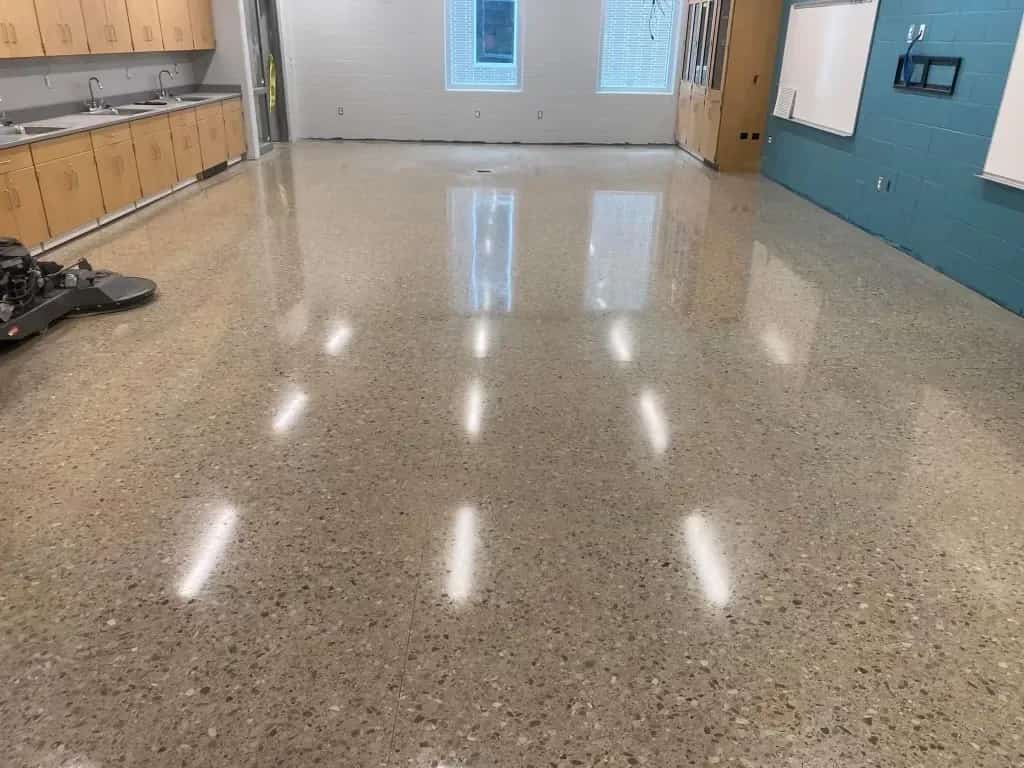
Grand Rapids, Michigan buildings ask a lot of their floors through every season. We help owners decide whether the concrete already underfoot can become the finished surface for a warehouse, showroom, school, office, retail space, or suitable home area, with the room's actual work and care routine guiding the conversation.
Service Overview
Concrete polishing changes the surface through diamond tooling and a planned series of finer refinements. It does not print a pattern or lay a film across the slab. Aggregate, repairs, joints, stains, and shifts in tone can remain visible, giving the floor its connection to the original pour.
We look at the way the space functions before discussing sheen. A public entry, production area, display room, school passage, office, or attached garage may each call for a different balance of reflection, cleanability, access, and protection.
Benefits
Polishing is most useful when the owner wants the concrete itself to carry the finished appearance. The advantages become practical only when they fit the property's traffic, light, cleaning, and maintenance expectations.
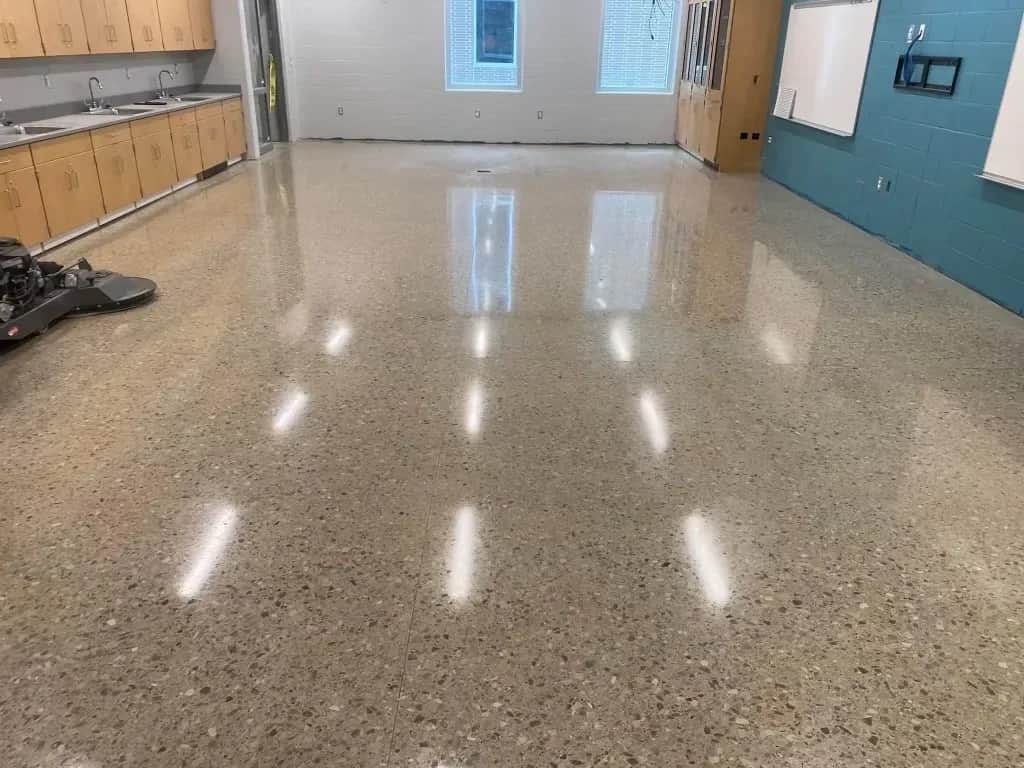
Polishing keeps the concrete's own aggregate, movement, joints, and tonal range in the finished view. That material honesty can suit an interior that wants character without a printed surface.
A planned tooling sequence can create a more restrained or more reflective appearance. We consider daylight, fixtures, sightlines, and activity before recommending how much sheen belongs in the room.
The maintenance discussion can account for grit, spills, tracked salt, cleaning products, and recurring traffic. That gives the owner a care plan connected to the selected finish.
Warehouses, showrooms, retail areas, schools, offices, and light manufacturing spaces may be candidates when the slab, access, and operating conditions allow the work to proceed responsibly.
A reference image can clarify a preference, but it cannot predict every repair, pour change, stain, or aggregate pattern. Reviewing those details helps set an appearance expectation grounded in reality.
Some floors call for another answer. We can place polishing beside penetrating sealing, grind and seal, or a coating system when the property needs a different kind of protection.
Installation Process
Concrete polishing depends on what the slab can show and how the building operates around it. We plan the work in stages, from the first condition review through the selected finish and care discussion, so the result remains grounded in the actual floor.
Step 1
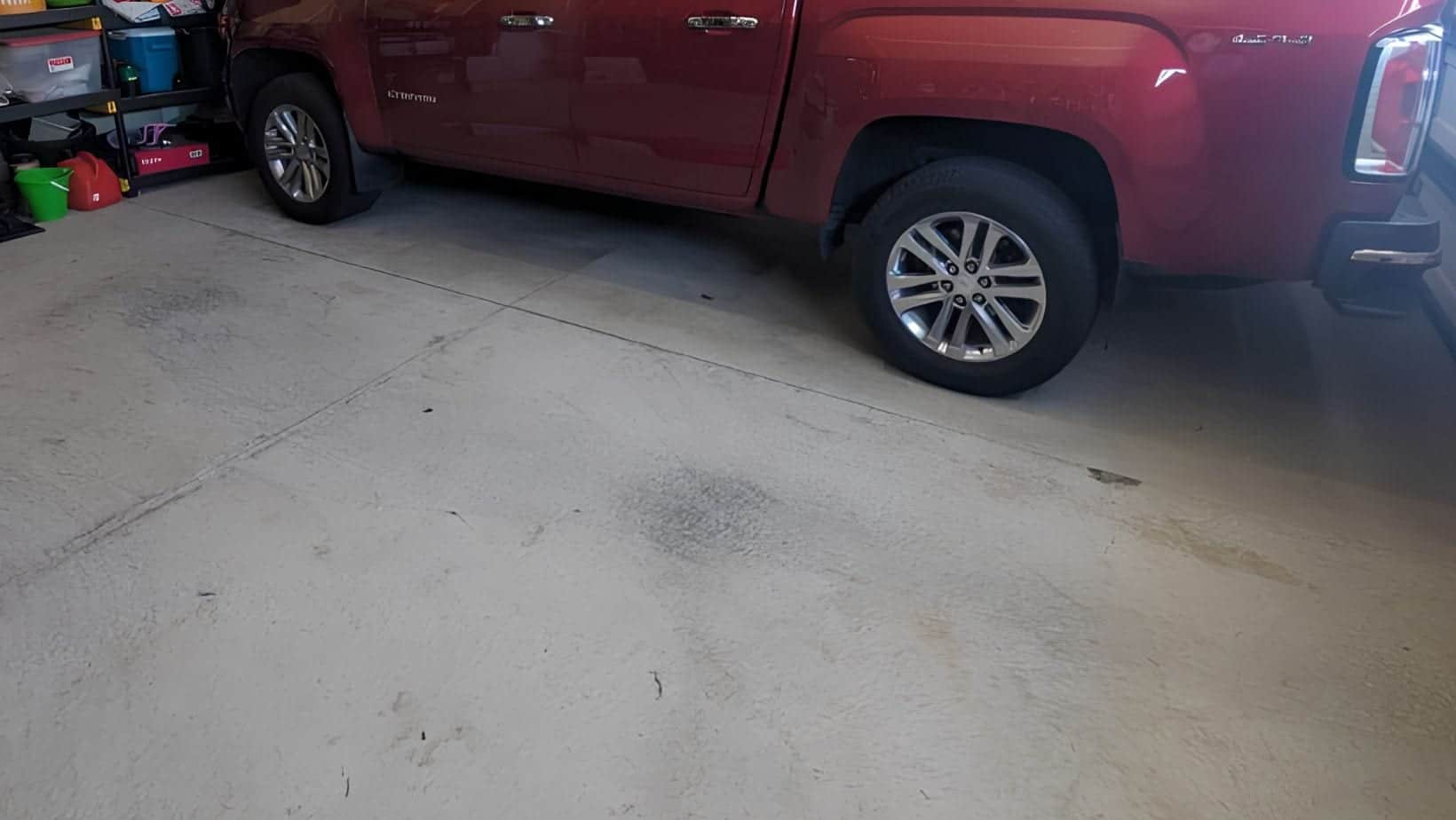
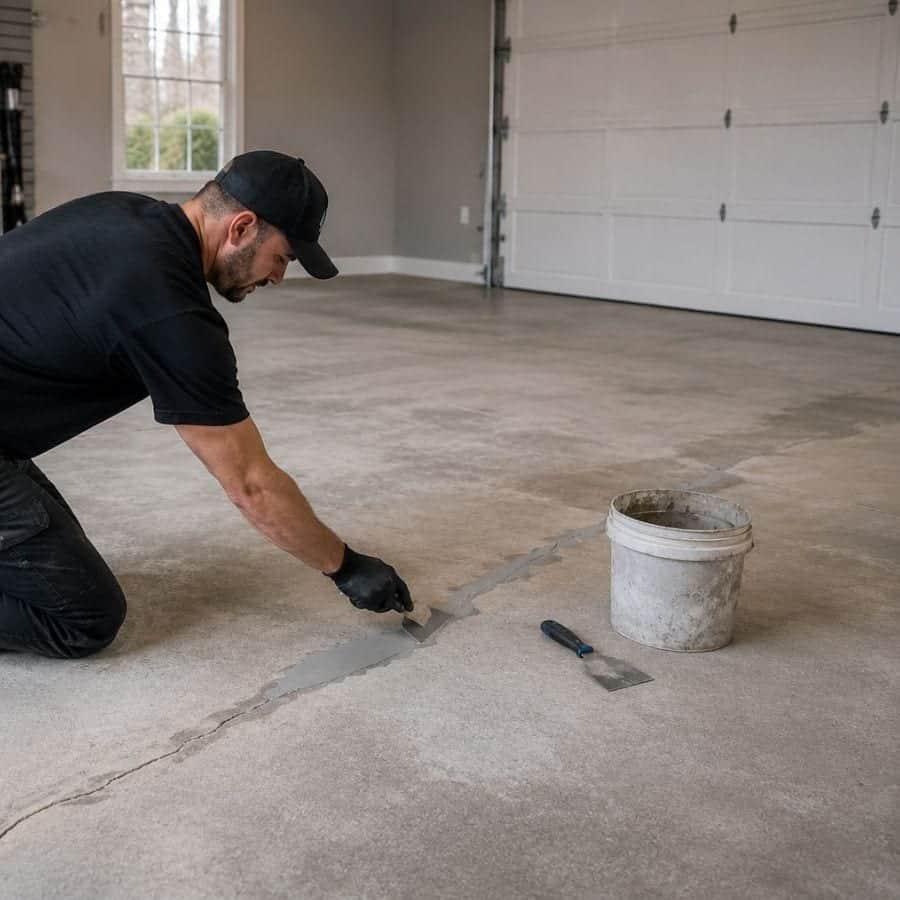
We look at the concrete in its working setting, including joints, stains, repairs, wear, light, traffic, and the finish the owner has in mind. This review helps identify whether the existing slab is a sensible candidate for mechanical polishing.
Step 2
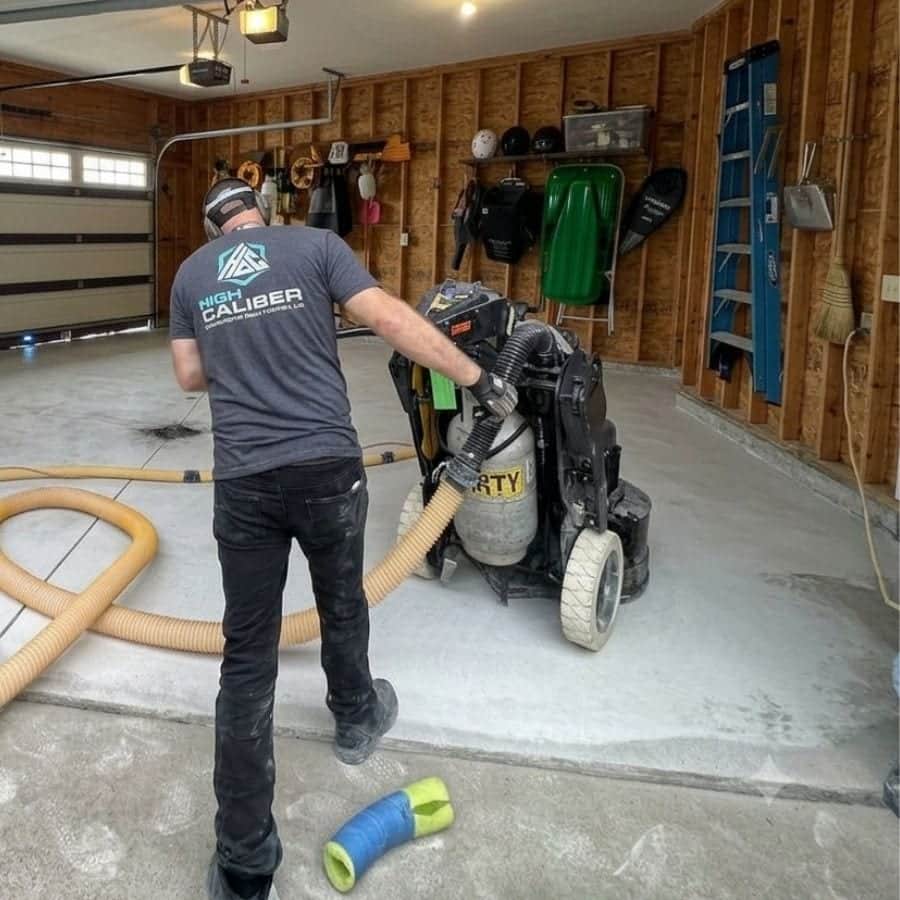
Before grinding begins, we coordinate access, movable contents, nearby rooms, equipment, and the areas that must remain available to the business. The preparation plan also considers dust control and how the floor will be isolated while work is underway.
Step 3
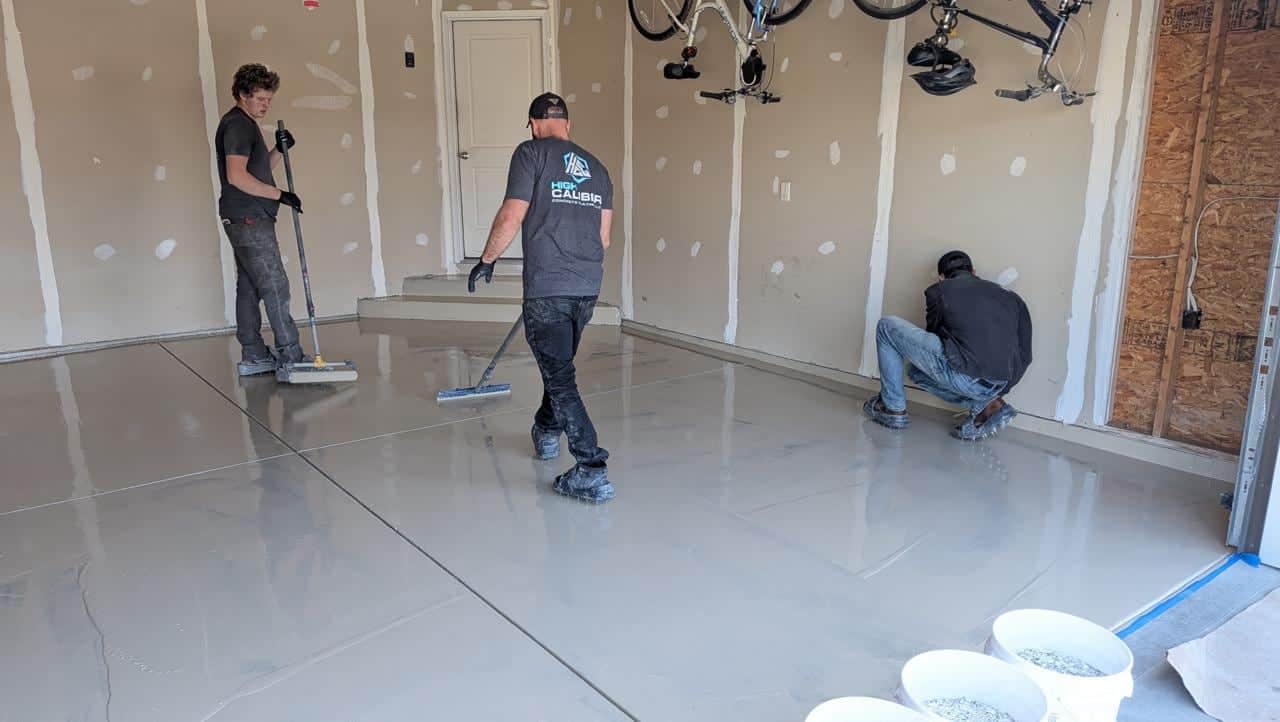
Diamond grinding removes unsuitable surface material and opens the concrete for the planned refinement. The pass is guided by what is actually on the slab, such as old residue or weak surface material, and is not presented as structural repair or a way to make every area level.
Step 4
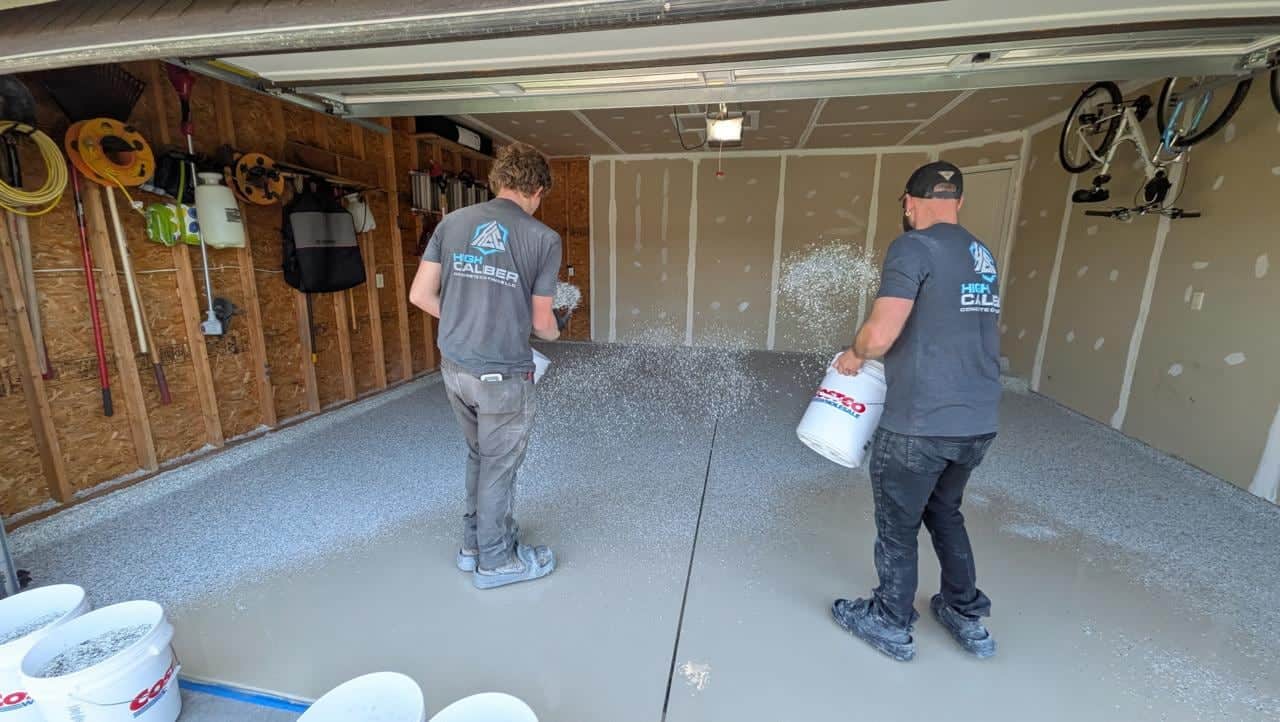
We continue with progressively finer tooling suited to the slab and the intended appearance. Repairs, aggregate exposure, and surface variation are considered as the floor develops, because the sequence must respond to this concrete rather than follow a fixed pass count.
Step 5
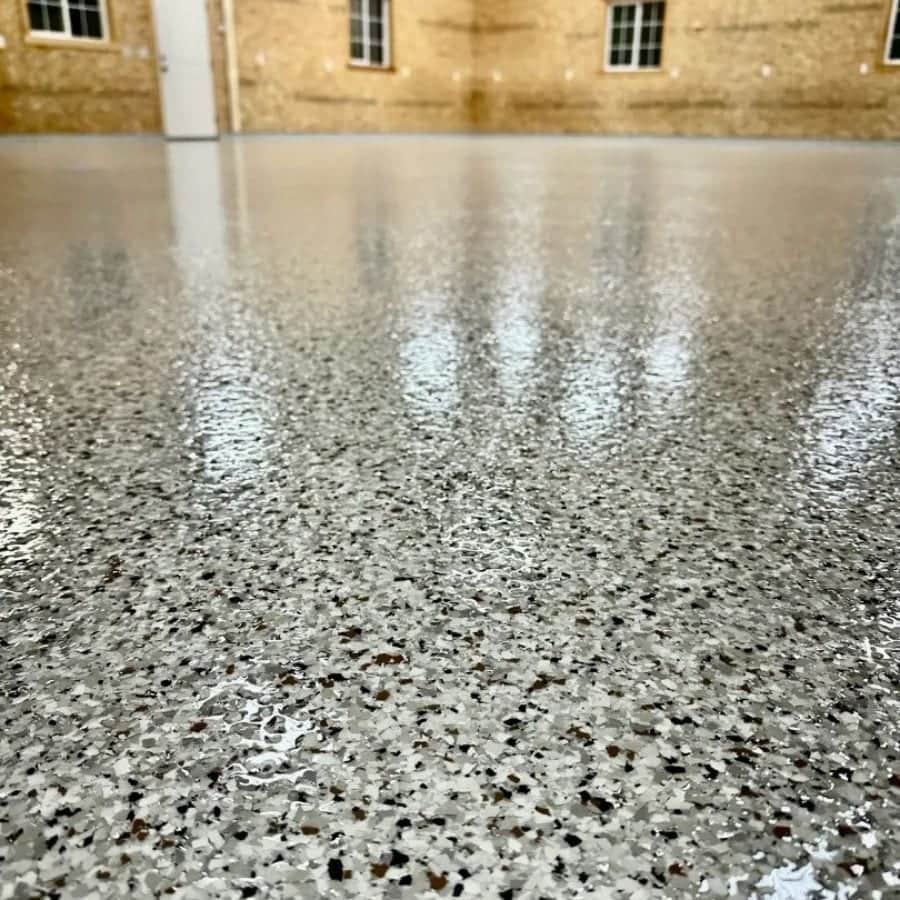
The final honing work brings the surface toward the agreed level of sheen and exposure. Lighting, traffic, and the slab's natural differences remain part of the result, so we keep the finish discussion tied to the room instead of a promise of uniformity.
Step 6
We review the completed floor with the owner and connect routine sweeping, cleaning, grit control, furniture, and traffic to the selected finish. For a Grand Rapids business, that handoff also gives the team a practical basis for returning the space to regular use.
Why High Caliber
We are a family-owned West Michigan company based in the Holland and Zeeland area. Our job is to connect the finish choice with the property itself: how the room is used, what the slab has already experienced, how people enter, and what the owner can maintain.
Polishing is one route, not an automatic answer. A penetrating sealer protects suitable concrete without forming a decorative film. Grind and seal takes the surface in another direction, while coatings add a separate layered system. We can compare those paths before the scope is set.
Customer Reviews
“Would highly recommend. No pressure sales, quality product, great communication and quality installation. I met Jeff at the home show. I was drawn into his booth by his very enthusiast kids. I got the immediate impression this was a family oriented business and that was reinforced by the conversation with both Jeff and his young son. These values drew me to this business. I signed up for a quote. Shortly after the show Jeff came to my home to present options and provide a quote. No pressure to buy, Jeff understood I needed to get thru tax season before I could be sure about my budget. Over the course of next few months Jeff was responsive to any questions I had and we got the job scheduled. Jeff provided a trailer in the quote to store contents of garage while job was being done, which was very helpful. When talking with others about the quote I learned my price was equal to or less than what neighbors had paid up to six years ago, so I felt this was good pricing. I had thought there would be a ton of dust and a big mess when grinding surface, but the machines had a vacuum attached, clean and efficient work. I was impressed that they coated steps and side walls as well as floor. No mess on drywall or driveway. Crew doing installation were great guys. They took time to fill me in on the process of installation, what to expect, how long for surface to cure and when I could empty trailer. Post install Jeff stopped out to grab trailer, filled me in on what to use and how to clean the floor. VERY happy with the whole process from sales to install to follow up. LOVE my new garage.”
“Jeff and his team did the most amazing job epoxy floor coating my 38 year old garage floor. Outstanding, professional, skilled, great communication. Highly recommended.”
“Jeff, Ben and crew did a great job. I needed job done on short timeline because I wanted complete and dry before I moved in. They squeezed me into their schedule and showed up and finished exactly when they said they would. Good communication throughout and floors look great! I would recommend them to a friend!”
Grand Rapids, Michigan
Grand Rapids has the mix of built-up West Michigan spaces where a floor may need to look composed while carrying real daily use. Warehouses, showrooms, retail interiors, schools, offices, and light manufacturing rooms each have different routes, occupants, and interruptions. We use those differences to shape the estimate instead of assuming one commercial pattern.
Kent County weather adds its own practical questions. Freeze thaw cycles, winter snow and salt, humid summers, and seasonal moisture movement can influence what arrives at an entrance and how a facility plans cleaning. Salt and grit deserve attention around busy doors, while below grade rooms and attached garages may need a closer moisture conversation.
Residential polishing can be considered in an established home basement, an attached garage, or newer construction when the slab and the intended use make the choice reasonable. Nearby service communities include Hudsonville, West Olive, Coopersville, and Caledonia, but the floor at the property remains the deciding reference.
Snow, salt, grit, and meltwater can change the care burden near an entrance. That pattern is useful information when the finish and maintenance routine are discussed.
A school, store, office, and warehouse have different access limits. We map staging and reopening questions to the way your property actually operates.
A basement or garage is not automatically a polishing project. Existing materials, moisture, access, and the planned use deserve a direct review.
Frequently Asked Questions
We begin with the room's use, access, traffic, cleaning routine, and desired appearance, then look closely at the concrete itself. Existing coverings, repairs, joints, stains, pits, and changes between pours can affect the scope. This gives the estimate a connection to the property rather than to a generic sample floor.
Yes, variation can remain part of the result. Polishing refines the surface mechanically, but it does not make every section of concrete identical. Aggregate, previous use, repairs, stains, and differences between pours may continue to show. We discuss those characteristics before the owner chooses an exposure or sheen.
The preparation depends on the property. We discuss movable furniture, stored goods, equipment, occupants, entrances, work zones, dust control, cleaning, and the route back to ordinary use. A commercial owner should identify areas that must remain available so the work plan reflects actual operations and not just an empty room.
Those materials and conditions are reviewed during the surface assessment. Mechanical preparation may remove unsuitable material, while cracks, pits, spalls, and repair areas receive treatment within the agreed scope. Some evidence of the slab's history can remain visible, so we explain what the planned work can improve and what it cannot make disappear.
The same basic questions apply, but the home setting brings its own access, moisture, storage, and use considerations. An established basement, attached garage, or newer residential slab may be reviewed when polishing makes sense for the intended space. The existing concrete and the owner's expectations determine whether it belongs on the candidate list.
A penetrating sealer and mechanical polishing serve different purposes. Sealing can protect suitable concrete without creating a film, while polishing develops the slab's finished appearance through tooling. If the property needs another visual result or protection approach, we can compare sealing, grind and seal, and coatings with polishing.
Snow, road salt, tracked grit, freeze thaw cycles, humid summers, and seasonal moisture movement can affect entrances and care routines. These conditions do not determine the answer by themselves. They do make cleaning, moisture questions, traffic routes, and the choice between polishing and another service worth discussing before work begins.
Related Services
The right floor choice depends on the surface and the job it needs to do. These related services provide useful comparison points when polishing is being considered.
Review mechanical surface preparation as part of a broader plan for concrete that needs a different starting point.
Learn moreCompare a sealed concrete appearance when a full polishing sequence is not the goal for the space.
Learn moreConsider a separate protective and decorative layer when the slab needs a coating system.
Learn moreLearn how penetrating protection differs from polishing and from film forming coating systems.
Learn moreBrowse the broader set of concrete flooring services available across West Michigan.
Learn moreGallery And Visual Proof
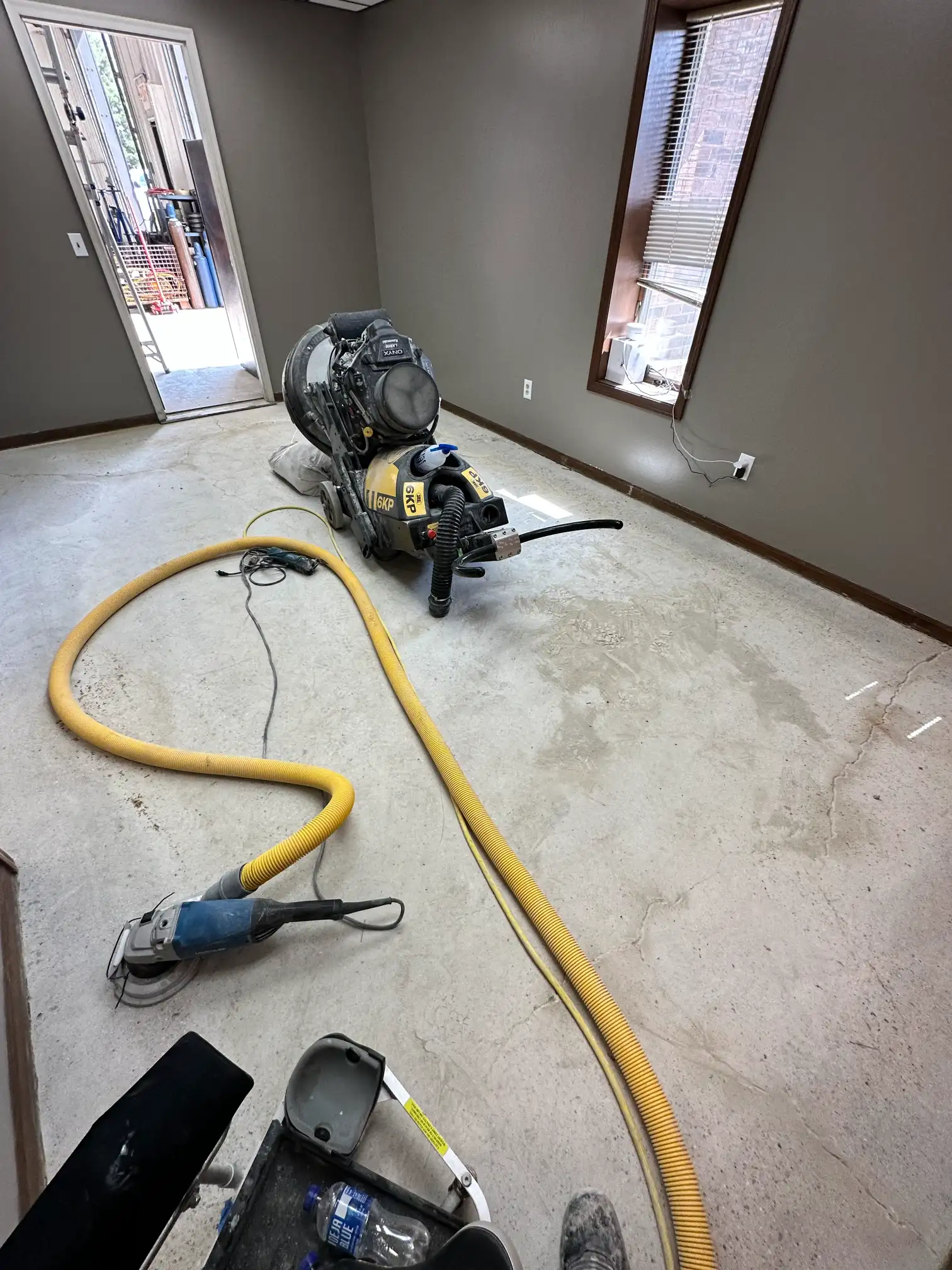
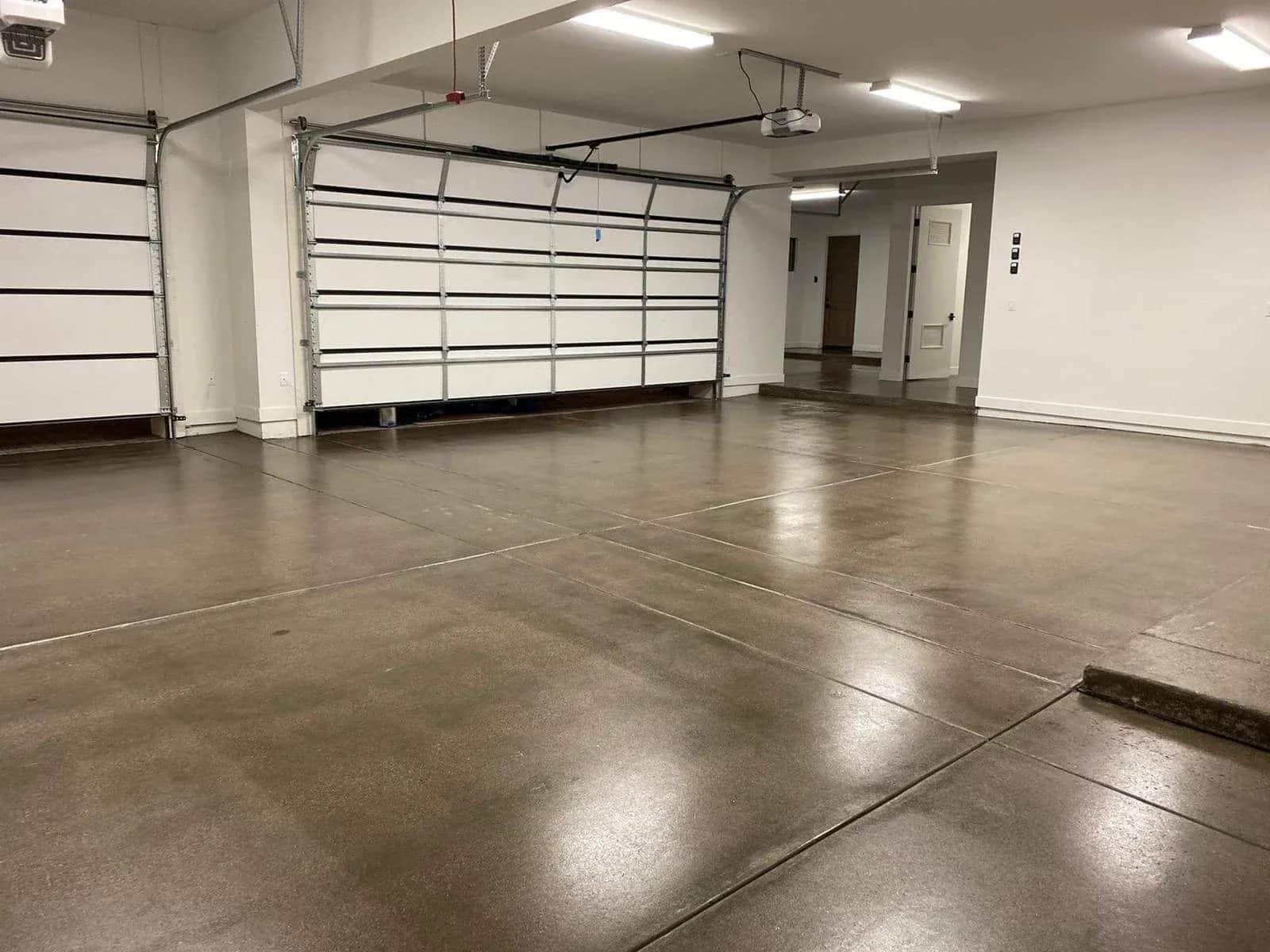
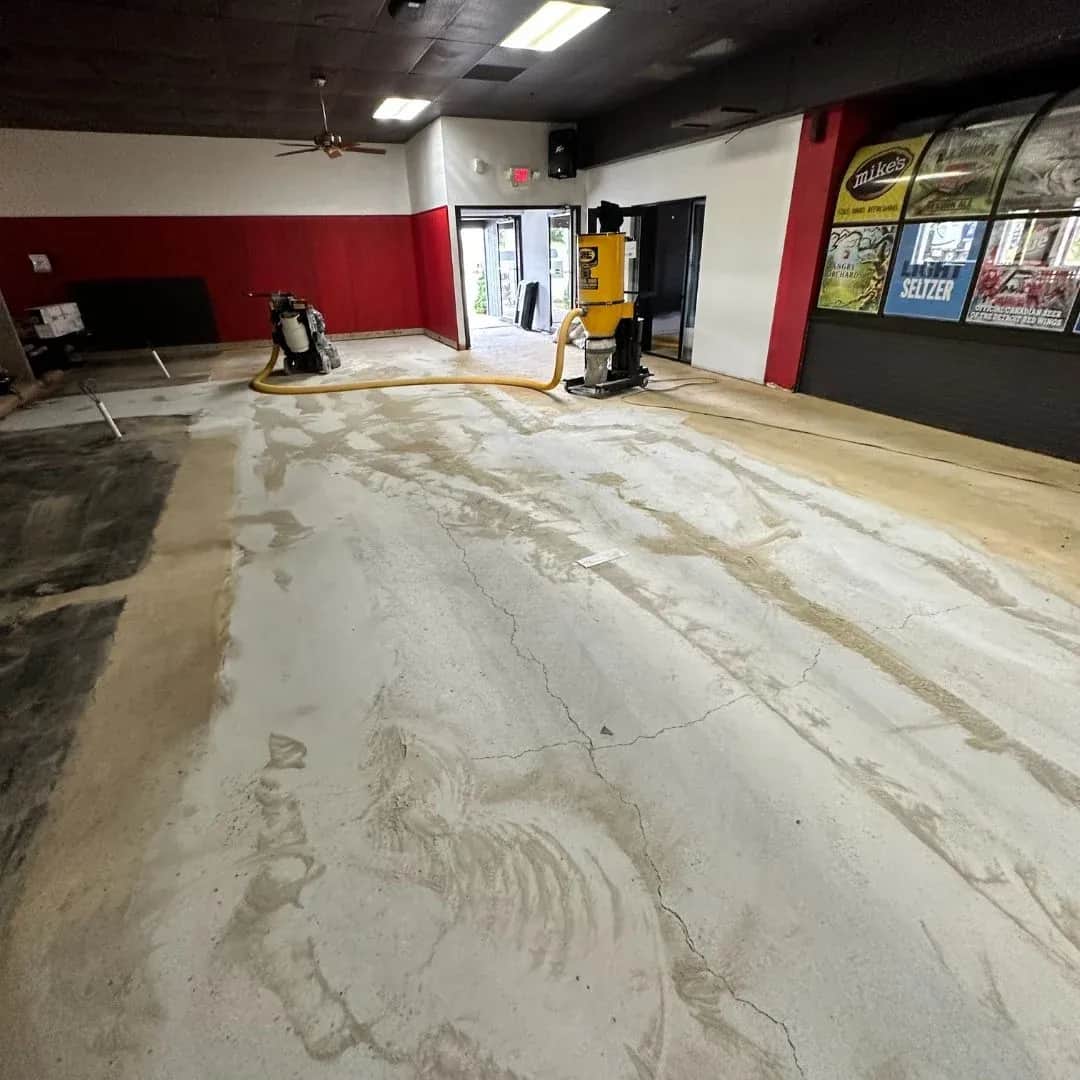
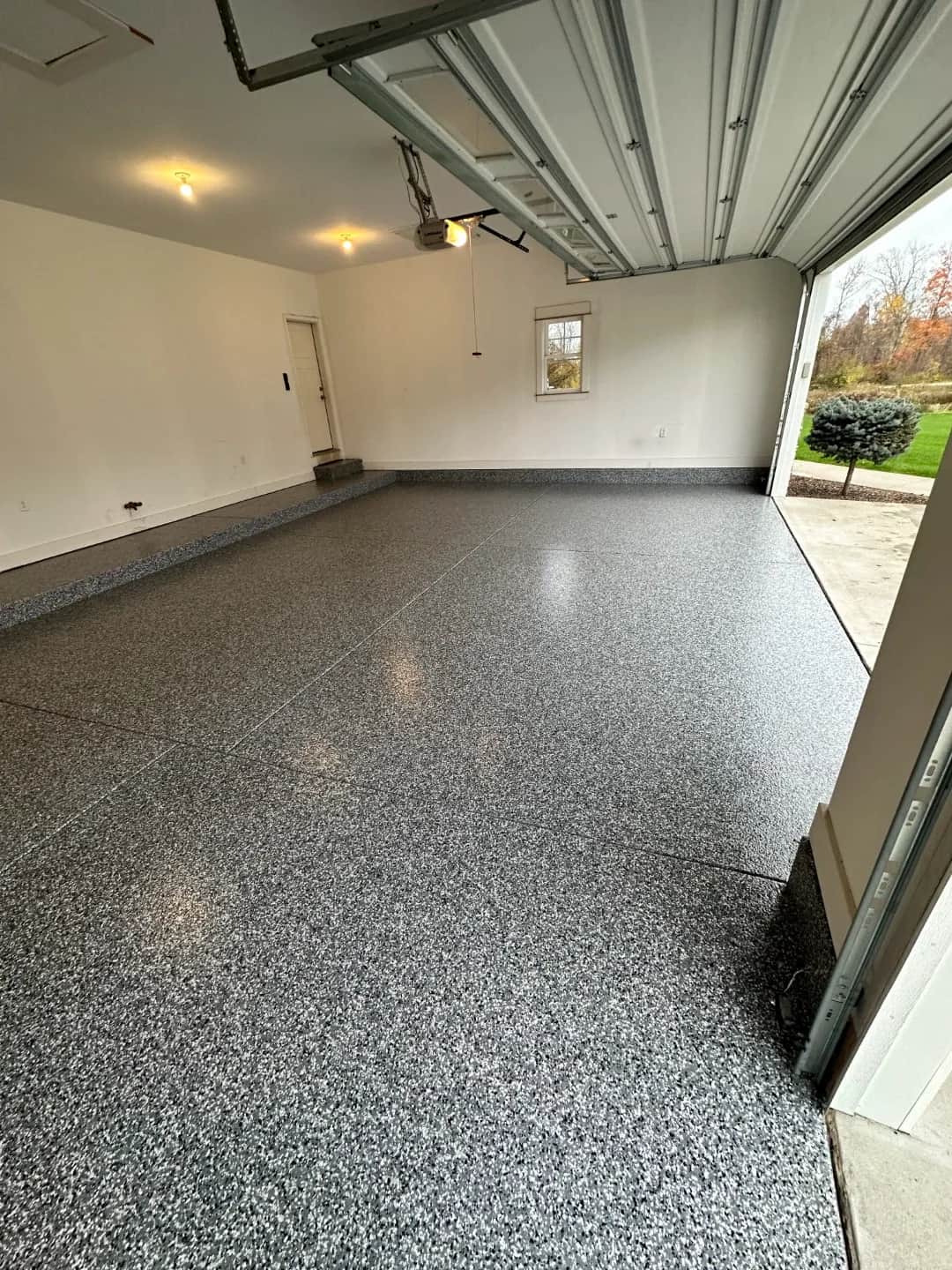
These images show concrete preparation and finished surfaces. They can support an early conversation, while your own slab determines its result.
Free Project Quote
Tell us about the space and we will follow up with a clear recommendation and quote conversation.
Phone
Business Hours
Free Estimate
Tell us what the room needs to handle, what the concrete looks like now, and what you want the finished surface to do for the property. We can compare polishing with grinding, sealing, grind and seal, and coatings for a warehouse, showroom, school, office, retail interior, garage, or basement. Include access limits, visible repairs, cleaning concerns, and scheduling needs so the next conversation starts with useful details today.