
The Existing Material Remains Visible
When the slab is suitable, mechanical refinement uses the concrete already there as the finished surface. Existing aggregate, color shifts, joints, and repairs can remain part of its character.
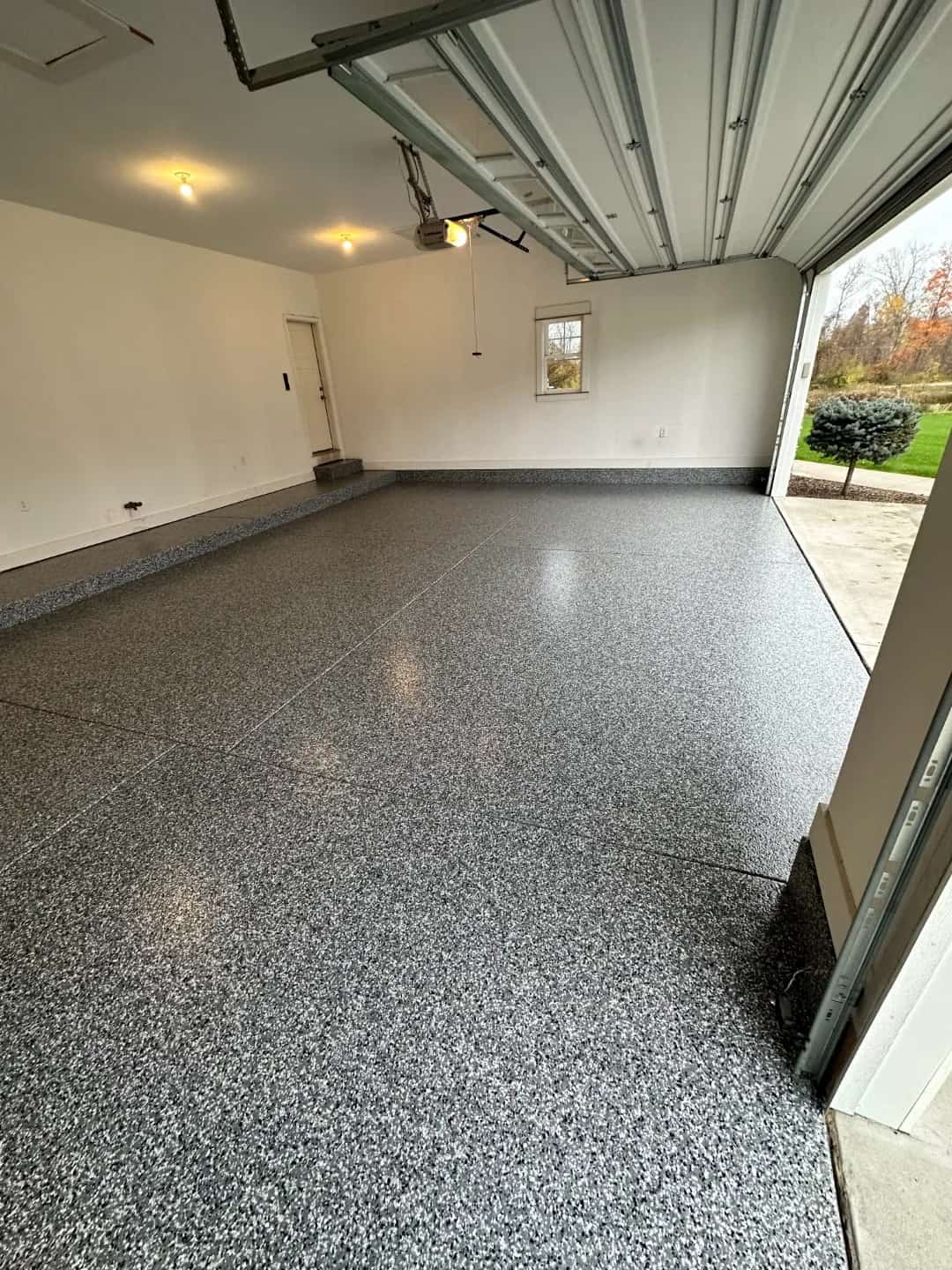
Jamestown Township properties put concrete to work in different ways. A warehouse may need clear equipment paths, a showroom may depend on light, and a school or service facility may prioritize dependable cleaning. We mechanically refine a suitable slab itself, then discuss the finish its condition, traffic, and daily use can realistically support.
Service Overview
Polished concrete is not a printed surface or a film laid over the floor. It is a planned series of mechanical grinding and refinement steps that develops the existing concrete into a selected level of exposure and sheen. Aggregate, color variation, joints, prior use, and repairs can influence the final appearance, so the slab is part of the finish plan from the beginning.
That distinction helps an owner compare options. A polished floor may suit an interior where concrete should remain visible. A coating or grind and seal approach may be appropriate when the project needs another layer, protection strategy, or visual result. We discuss room, access, light, traffic, cleaning, and operating schedule before recommending a direction.
Benefits
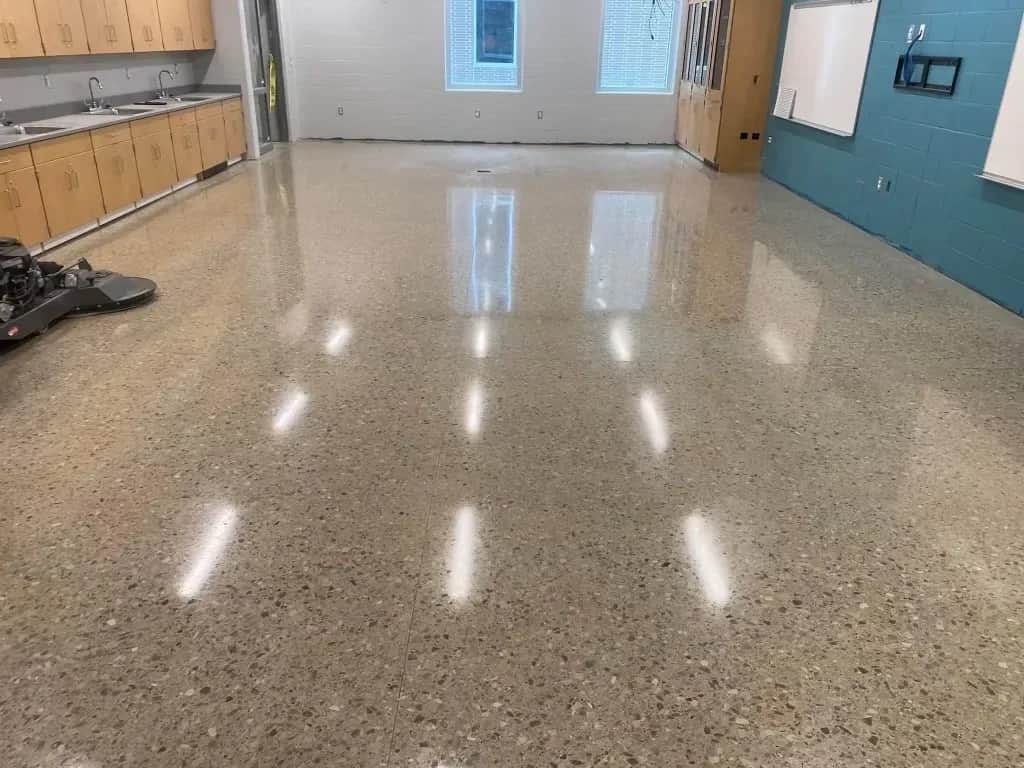
Property owners often consider polishing when they want a finished interior without covering the slab's natural variation. The practical question is whether that choice fits the building's light, traffic, cleaning program, and expectations.
When the slab is suitable, mechanical refinement uses the concrete already there as the finished surface. Existing aggregate, color shifts, joints, and repairs can remain part of its character.
Sheen is a planning choice, not a default. Light, room proportions, viewing distance, and the slab's exposure guide whether a quieter or brighter finish makes sense for the space.
A cleaning plan can account for tracked grit, spills, equipment movement, and foot traffic. Discussing those routines early helps connect the selected finish with the people who maintain it.
Warehouses, retail rooms, showrooms, schools, and service facilities may each ask different questions of the floor. Polishing is considered where the existing slab and operating schedule support the work.
If the slab needs a layered protective system or a different visual direction, we can compare coatings, sealing, or grind and seal before a scope is chosen.
Installation Process
Polishing develops through a sequence, not a single pass. Our plan accounts for the concrete already present, the finish being pursued, and the conditions that will shape how the room is used after the work is complete.
Step 1
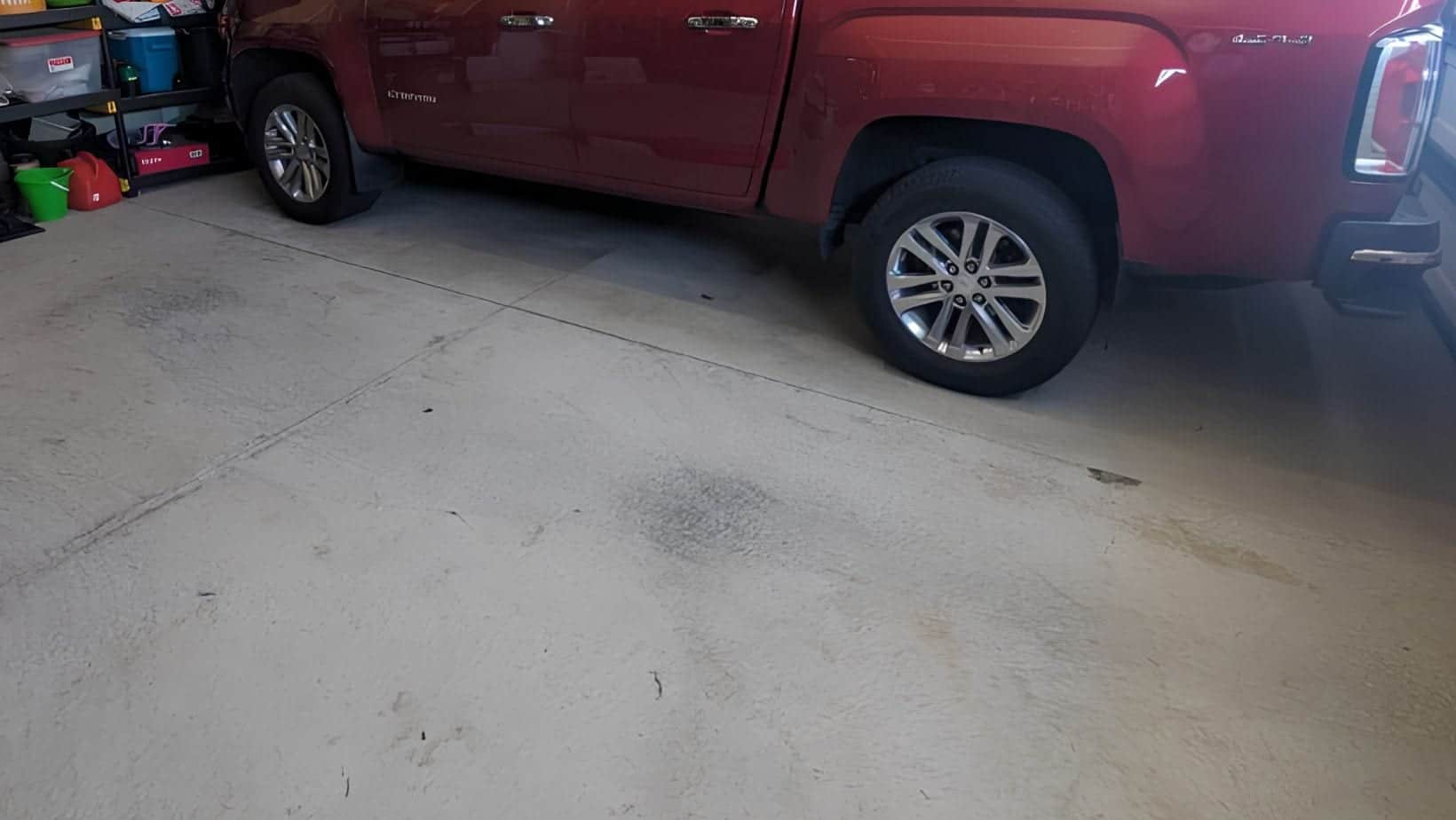
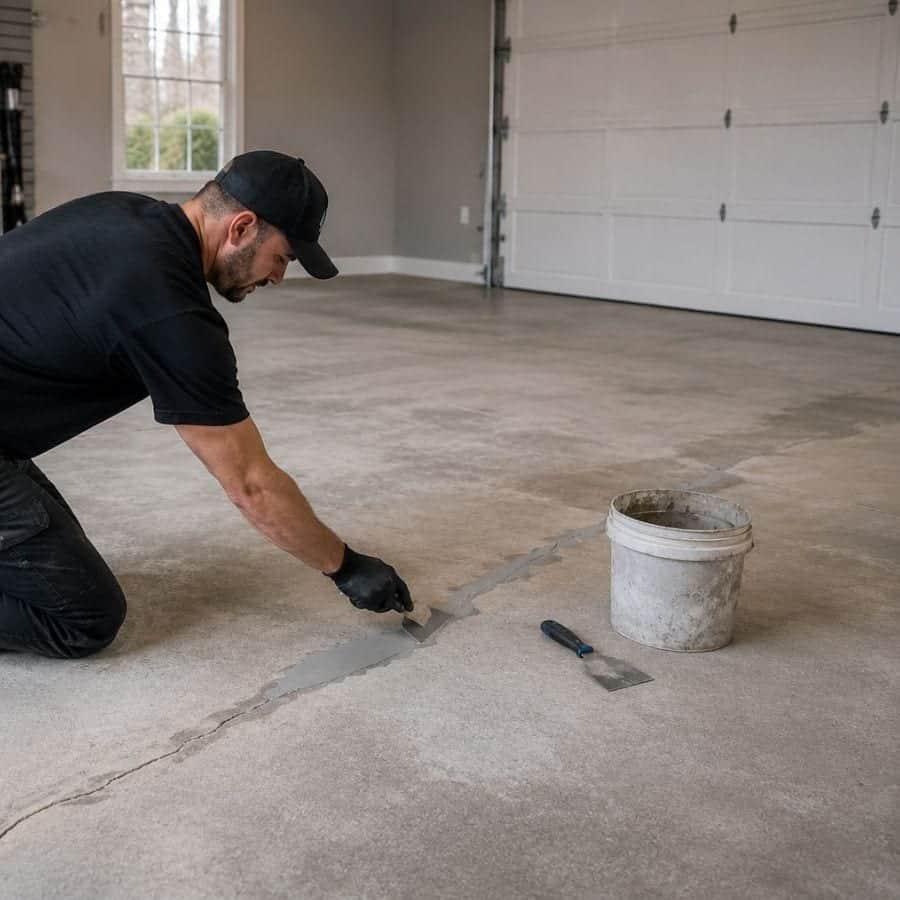
We look at the concrete's age and condition, previous materials, joints, repairs, stains, traffic paths, access, and the finish the owner has in mind. This first review helps identify what the slab can show and where expectations need to stay realistic.
Step 2
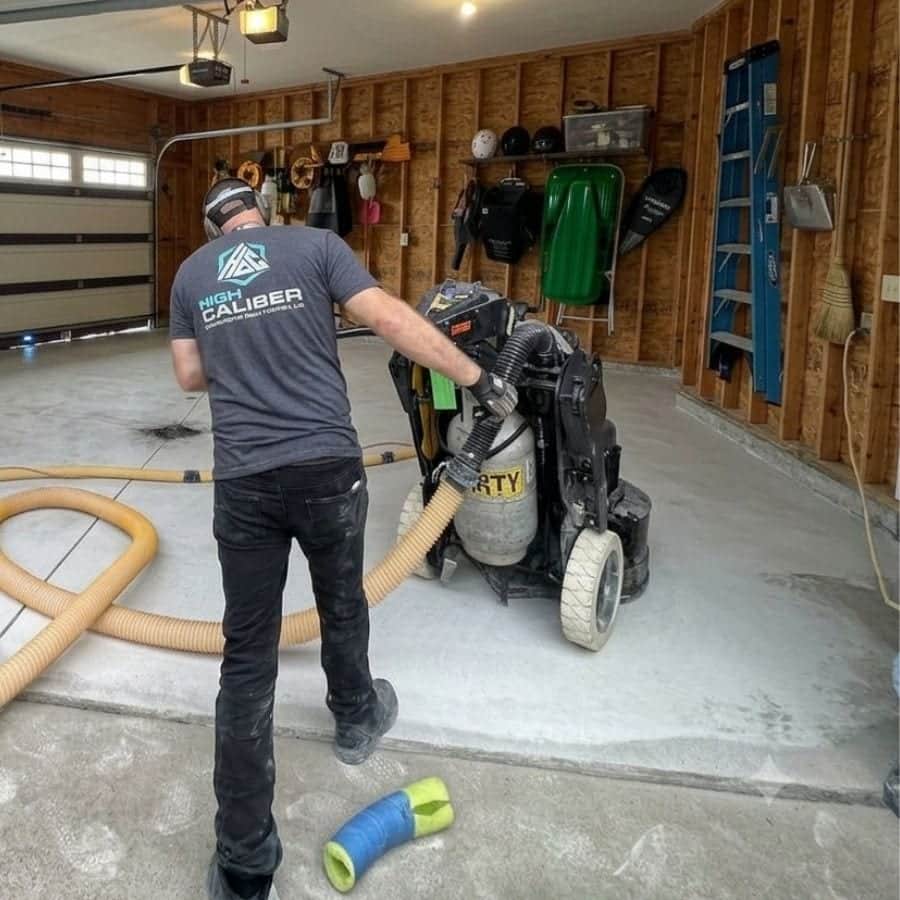
Furniture, stored materials, equipment, room transitions, and access routes all affect the working plan. We discuss how the space operates so preparation can be coordinated with the people, vehicles, cleaning routines, and protection requirements that normally use the property.
Step 3
Mechanical grinding opens the surface and removes unsuitable material according to the selected scope. The purpose is preparation and exposure, not a promise to level every change in elevation or erase every mark in the existing concrete.
Step 4
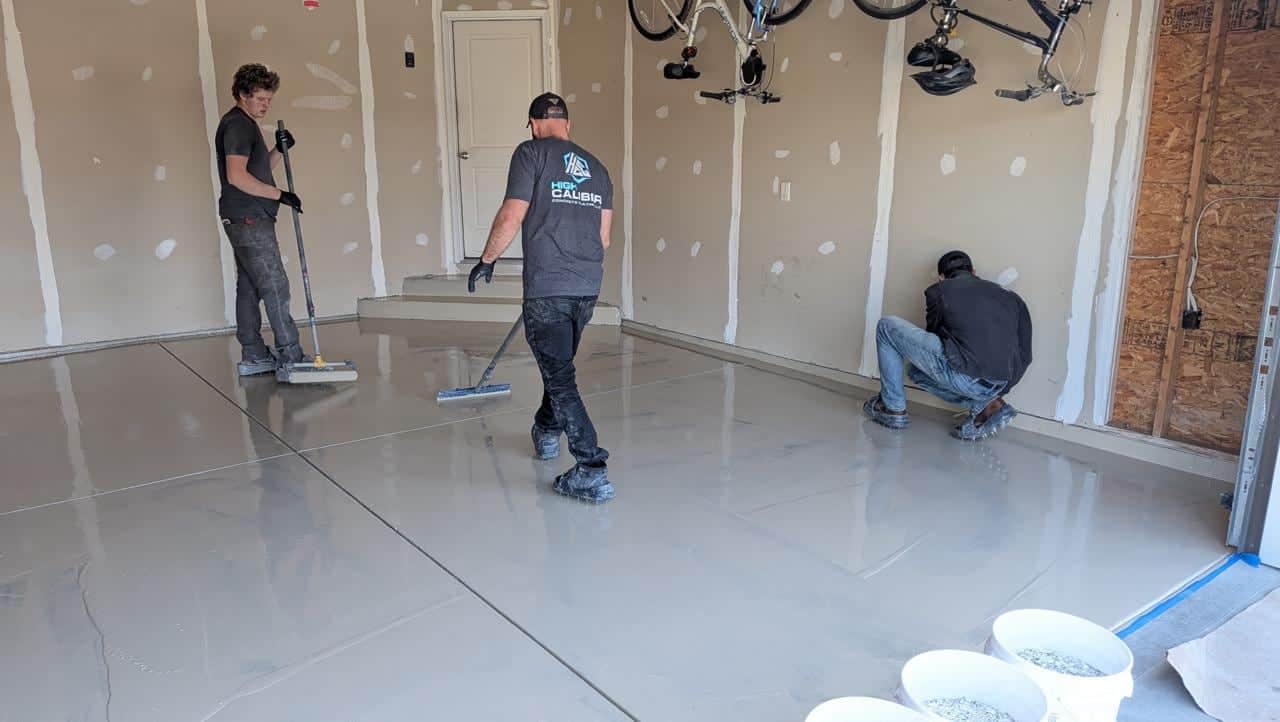
After the surface is prepared, progressively finer tooling develops the planned appearance. The sequence responds to the slab, the desired exposure, the room's light, and the practical finish goal rather than following an identical recipe for every property.
Step 5
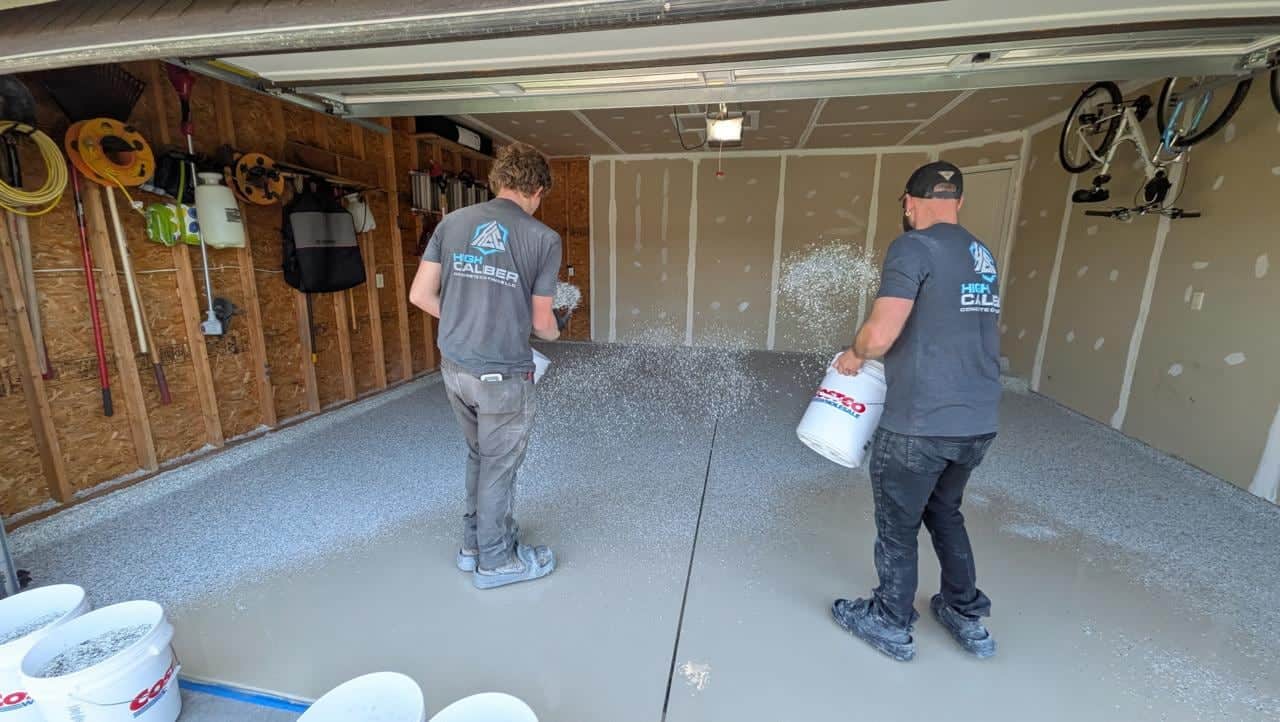
The final refinement passes bring the surface toward the selected level of sheen and visual clarity. We keep the owner's expectations connected to what the pour, aggregate, repairs, and prior wear can honestly produce in that room.
Step 6
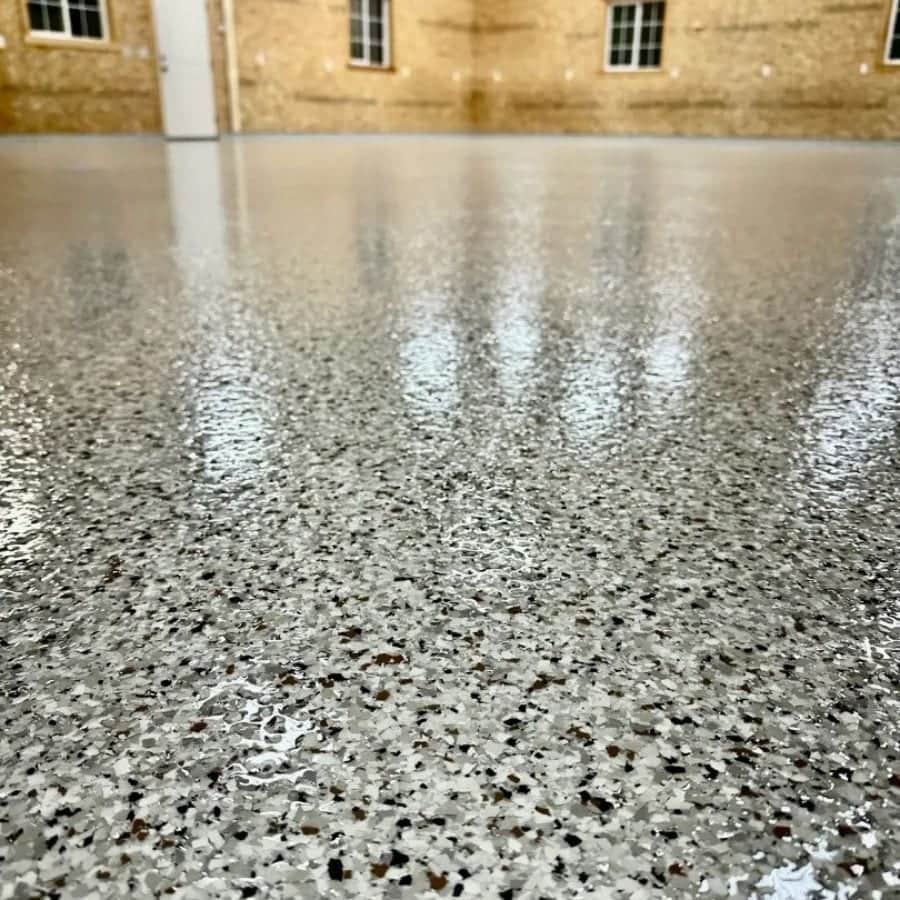
Before the space returns to normal use, we review the finished floor, access considerations, cleaning approach, and the owner's questions. Care expectations should reflect the actual traffic, grit, spills, and maintenance habits of the property. We also answer care questions.
Why High Caliber
Our family-owned company brings a West Michigan perspective to floor decisions from a base near Holland and Zeeland. We approach concrete polishing as a floor decision with operational consequences. The conversation includes what the property does, where people and equipment travel, how light reaches the surface, and how the finished room will be cared for.
A suitable slab may make polishing a sensible path, but suitability is not assumed from a photograph. If another service better addresses the condition or use, we explain that comparison. The goal is a finish that makes sense in the actual building and remains understandable to the people responsible for using and maintaining it.
Customer Reviews
“Would highly recommend. No pressure sales, quality product, great communication and quality installation. I met Jeff at the home show. I was drawn into his booth by his very enthusiast kids. I got the immediate impression this was a family oriented business and that was reinforced by the conversation with both Jeff and his young son. These values drew me to this business. I signed up for a quote. Shortly after the show Jeff came to my home to present options and provide a quote. No pressure to buy, Jeff understood I needed to get thru tax season before I could be sure about my budget. Over the course of next few months Jeff was responsive to any questions I had and we got the job scheduled. Jeff provided a trailer in the quote to store contents of garage while job was being done, which was very helpful. When talking with others about the quote I learned my price was equal to or less than what neighbors had paid up to six years ago, so I felt this was good pricing. I had thought there would be a ton of dust and a big mess when grinding surface, but the machines had a vacuum attached, clean and efficient work. I was impressed that they coated steps and side walls as well as floor. No mess on drywall or driveway. Crew doing installation were great guys. They took time to fill me in on the process of installation, what to expect, how long for surface to cure and when I could empty trailer. Post install Jeff stopped out to grab trailer, filled me in on what to use and how to clean the floor. VERY happy with the whole process from sales to install to follow up. LOVE my new garage.”
“High Caliber's quality and communication was excellent. From the person that visited onsite for an estimate to their crew that performed the service was above normal customer service standards, as they explained the process and timing. My garage floor looks great!”
“Jeff and his crew were a pleasure to work with from the initial contact to the completion of our garage floor and patio. Quality work. We could not be more satisfied.”
Jamestown Township, Michigan
Jamestown Township is an Ottawa County community with commercial and light-industrial property types that can place very different demands on a concrete floor. Warehouses and manufacturing spaces may see equipment movement and repeated traffic. Retail rooms and showrooms may put more attention on light, presentation, and clean entry paths. Schools and service facilities may need the floor plan to respect daily circulation and scheduled care.
West Michigan seasons also belong in the discussion. Snow, road salt, freeze-thaw cycles, humid summers, and spring moisture can change what reaches an entry or working surface. Those conditions do not determine a polishing recommendation by themselves, but they make grit control, spill response, access, and routine cleaning useful topics before a finish is selected.
Residential owners are not excluded, although the slab and use still matter. An attached garage, workshop, older home, newer subdivision floor, or outbuilding can be discussed when the existing concrete is a reasonable candidate. We can also help an owner compare a Jamestown Township project with the needs of properties in Hamilton, Rockford, Muskegon, or Holland when the same practical floor questions arise.
Warehouses, retail rooms, showrooms, schools, and service facilities each bring a different mix of traffic, access, light, and cleaning needs.
Tracked salt, grit, spring moisture, and changing humidity make entry control and maintenance worth discussing alongside the desired appearance.
A garage, workshop, or outbuilding may be worth reviewing when its existing slab and intended use support a realistic polishing plan.
Frequently Asked Questions
We begin with the existing slab and the room around it. That includes prior coatings or adhesives, repairs, joints, stains, traffic patterns, access, lighting, cleaning routines, and the level of exposure or sheen the owner is considering. The review is meant to clarify the realistic finish conversation before a sequence is selected.
It may be a candidate when the concrete, operating schedule, and access support mechanical refinement. A warehouse may raise questions about equipment paths and grit, while a showroom may place more emphasis on light and visual consistency. We look at the actual room instead of treating either property type as an automatic yes.
Polishing refines concrete rather than replacing its history with a printed pattern. Aggregate, color shifts, joints, patches, stains, and worn areas may influence the finished appearance. Repairs can address selected defects, but they do not guarantee that every change in the slab will disappear or look identical to a sample.
Both approaches begin with mechanical preparation, but they produce different finish conversations. Polishing continues through a planned refinement sequence to develop the concrete itself. Grind and seal leaves a ground surface and adds a sealer. The better direction depends on the slab, desired appearance, protection needs, traffic, and maintenance plan.
The care discussion should reflect how the property actually operates. We can talk through sweeping, routine cleaning, tracked winter grit, spills, equipment movement, entry conditions, and the selected finish. Snow and road salt are reasons to plan practical cleaning and containment habits, not reasons to make a blanket promise about performance.
Yes, where the existing slab and intended use make polishing reasonable. Residential floors still need the same honest review of condition, access, repairs, moisture, traffic, and appearance expectations. A workshop or outbuilding may have different equipment and cleaning demands than a finished interior, so the use should guide the recommendation.
Tell us the property's use, approximate floor area, access conditions, current surface, visible repairs or stains, traffic, desired appearance, and any scheduling limits. Photos can help start the conversation, but they do not replace an evaluation of the actual slab. We can then discuss whether polishing or another concrete service deserves the next step.
Related Services
Polishing is one way to work with an existing slab. Comparing nearby services can clarify whether the project needs preparation, a sealed surface, a layered coating, or a broader conversation about the building's concrete.
See how mechanical preparation can support a broader concrete finishing plan.
Learn moreCompare a ground concrete surface with sealer when full polishing is not the intended finish.
Learn moreExplore layered protective and decorative systems when the slab needs another surface strategy.
Learn moreLearn where a penetrating sealer may fit when protection is the central concern.
Learn moreReview the broader High Caliber service options before choosing a concrete floor direction.
Learn moreGallery And Visual Proof
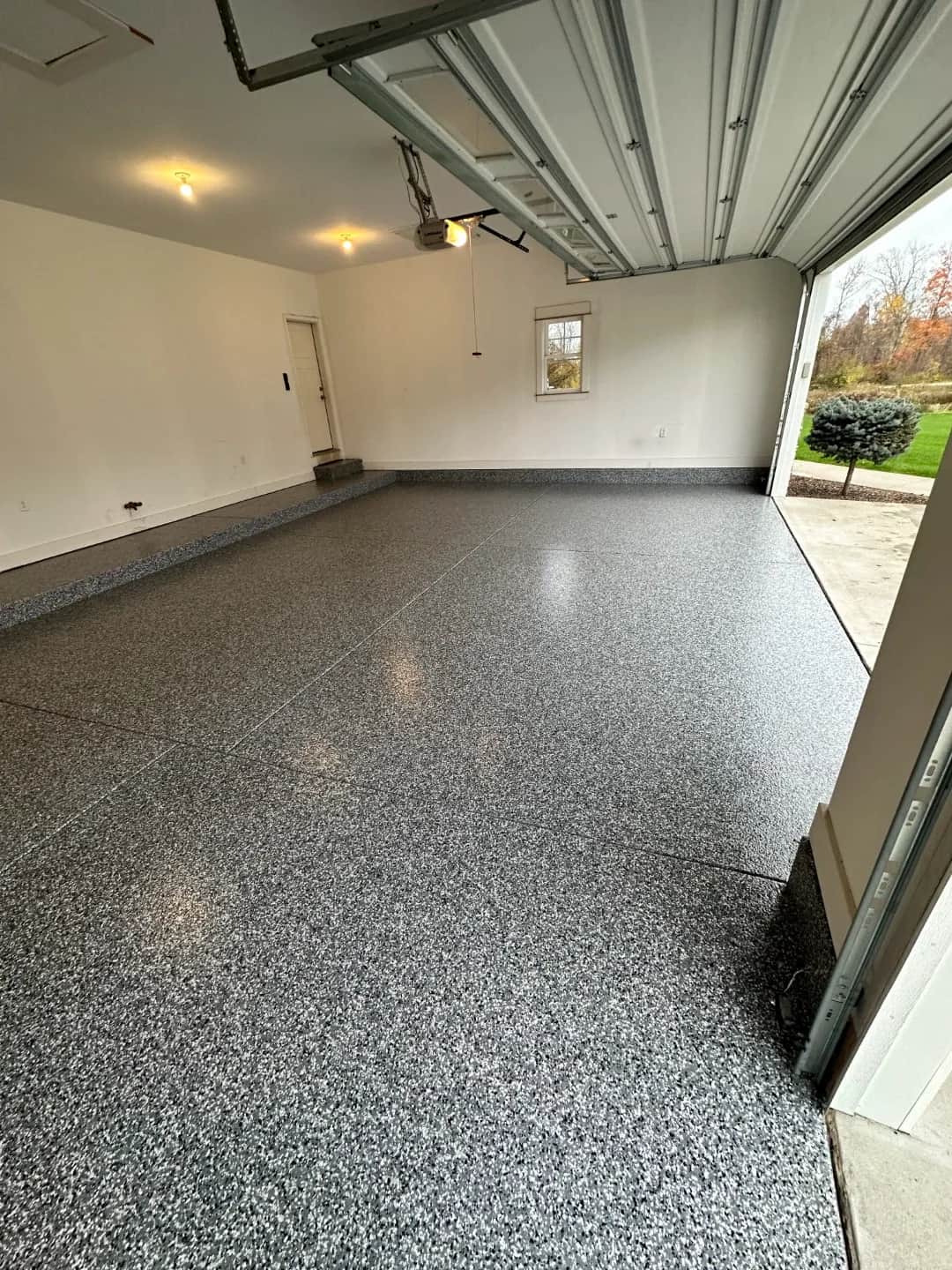
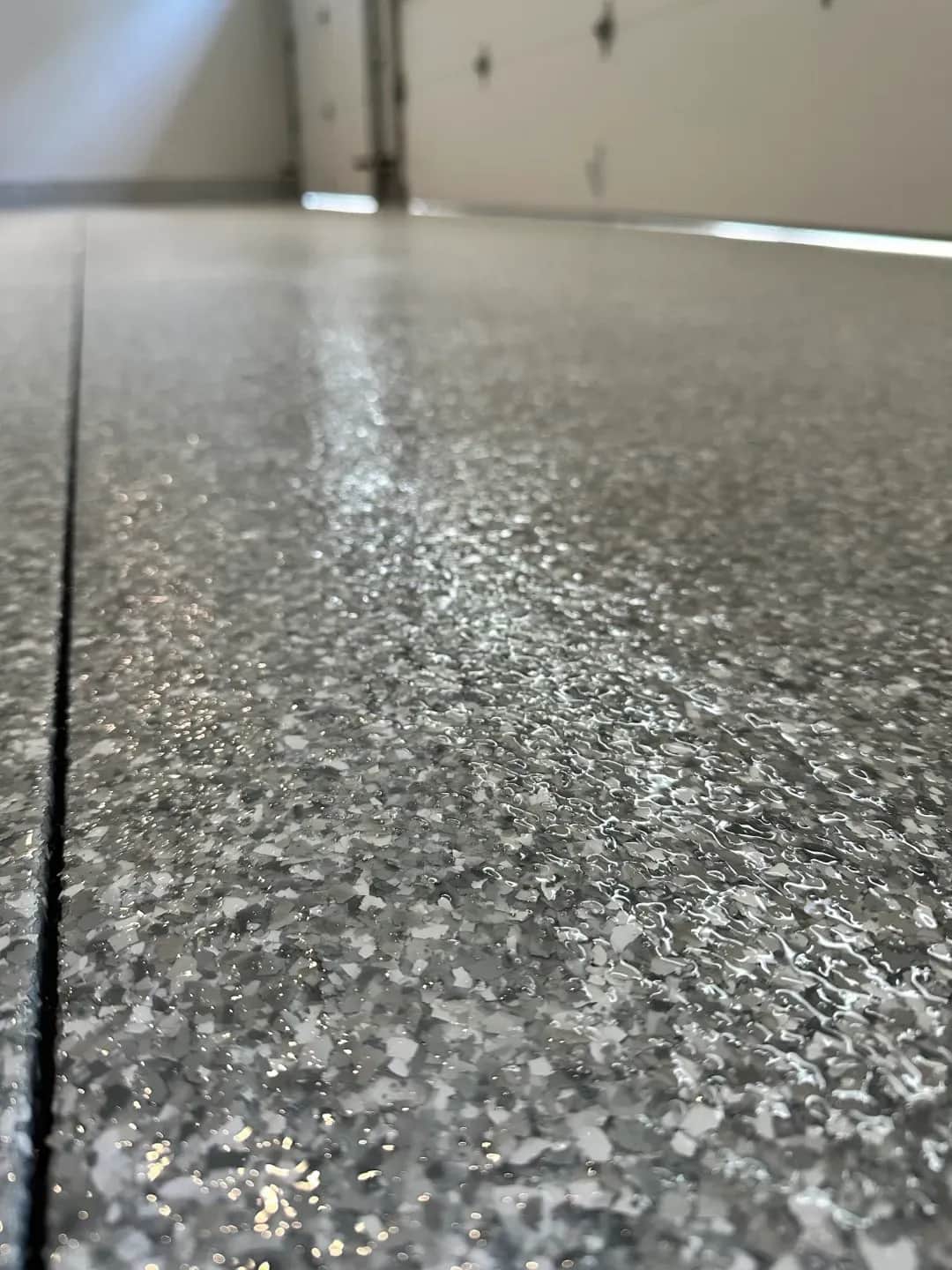
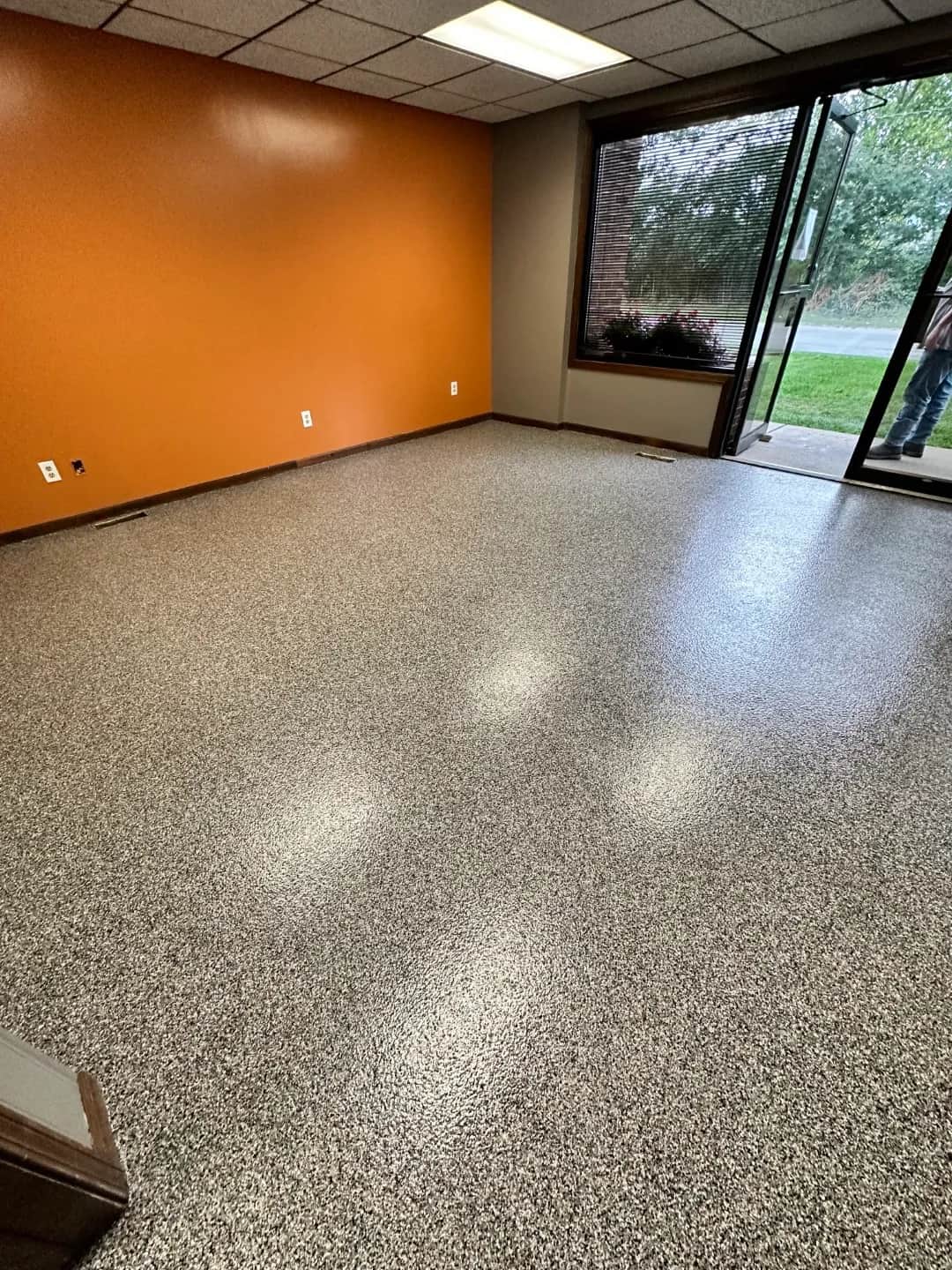
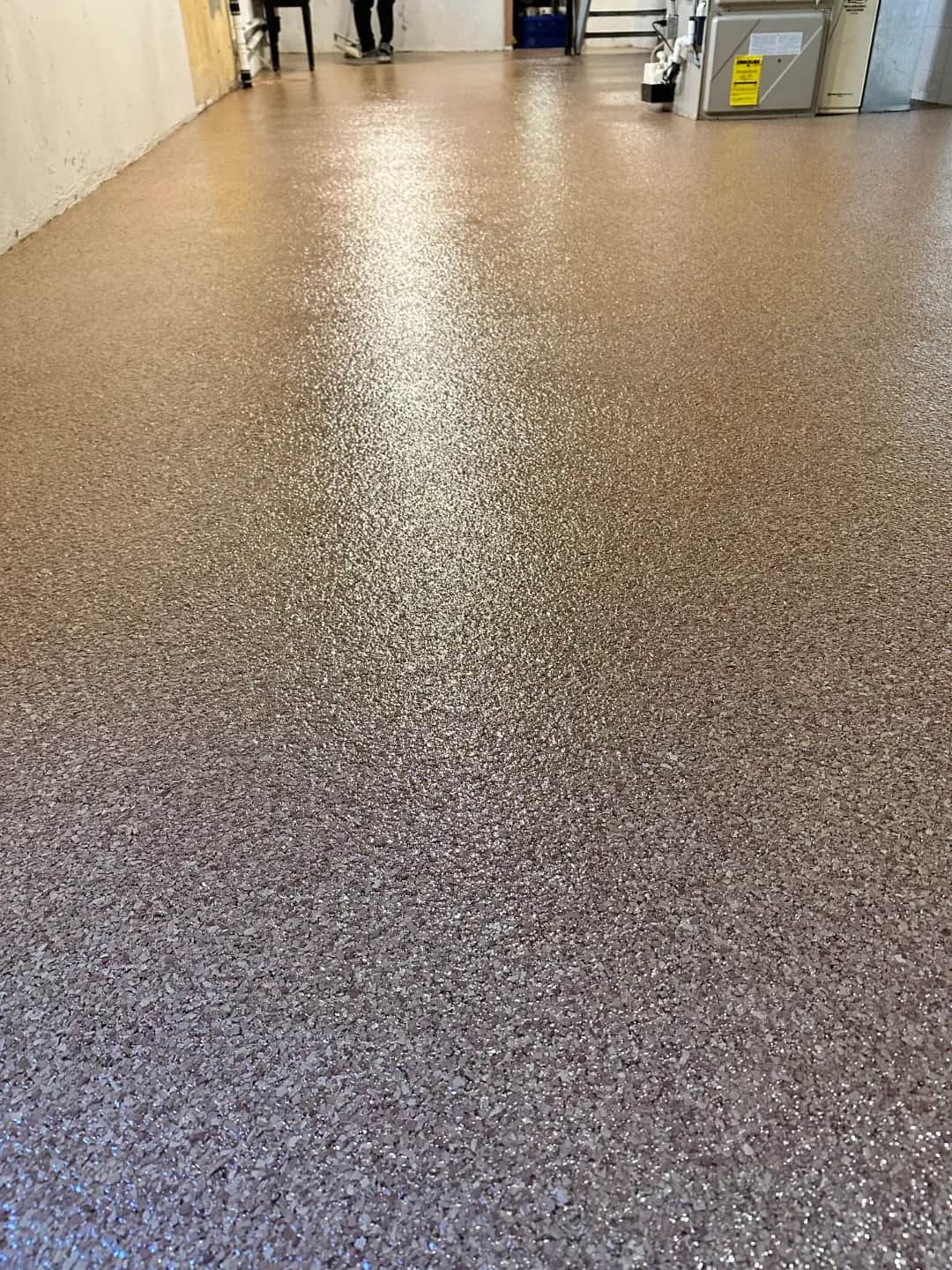
These images show concrete floor surfaces and project details from High Caliber's existing library. They can help frame a conversation, while the actual Jamestown Township slab remains the basis for any finish recommendation.
Free Project Quote
Tell us about the space and we will follow up with a clear recommendation and quote conversation.
Phone
Business Hours
Free Estimate
Tell us what the space does, what the existing concrete looks like, how people and equipment move through it, and what you want the finished floor to contribute. We will help you examine polishing alongside other practical options, with traffic, light, seasonal grit, cleaning, and realistic slab variation in view. A few clear details can make the first conversation more productive. Request your estimate online or call (616) 777-7348.