
A Clearer Path To The Existing Slab Becomes The Finish
Polishing keeps the existing slab visible, so aggregate exposure, repairs, joints, and tonal shifts can contribute to the finished character instead of being hidden by a separate opaque surface.
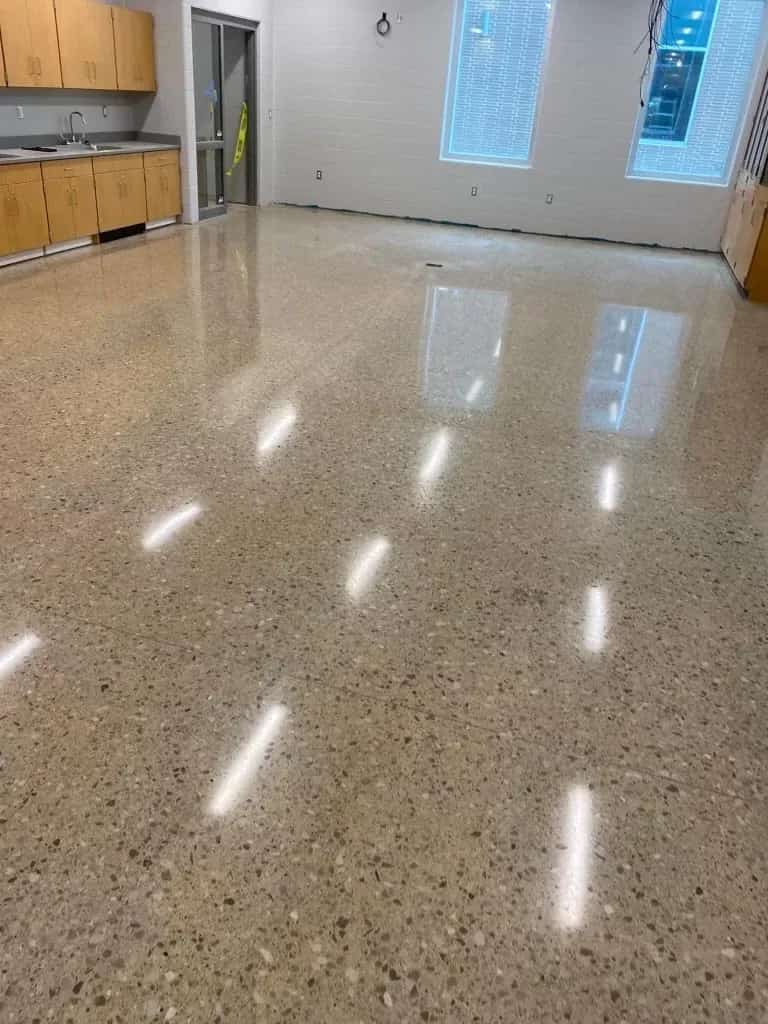
Zeeland Charter Township concrete may serve warehouses, retail areas, schools, agricultural spaces, and selected homes. We review the slab before planning grinding and honing that refine the concrete itself toward a chosen finish. The site conversation covers access, visible repairs, traffic, maintenance, and the limits that shape a useful scope.
Service Overview
Floor use sets the questions before a finish is selected. A warehouse, retail room, school, agricultural space, or home garage may place different demands on the same basic material. Traffic, tracked-in grit, dust, cleaning, access, and the intended appearance all belong in the first review.
Polishing mechanically refines the slab through grinding and honing rather than laying a film over it. Aggregate exposure, repairs, joints, cracks, stains, and color variation can remain part of the result. That makes the existing concrete, the desired sheen, and realistic maintenance expectations central to the recommendation.
Benefits
The project can improve the relationship between the floor and the space above it. That improvement comes from site evidence, not from assuming every surface needs the same package.
Polishing keeps the existing slab visible, so aggregate exposure, repairs, joints, and tonal shifts can contribute to the finished character instead of being hidden by a separate opaque surface.
A progressively refined floor can support routine sweeping and cleaning when the maintenance plan matches the room. That practical fit matters in spaces where dust, grit, carts, and foot traffic are part of use.
Sheen should serve the room rather than lead the decision. Lighting, traffic, cleaning, desired brightness, and tolerance for visible variation help determine whether a matte, satin, or more reflective stopping point makes sense.
Polishing does not add a film-forming wear layer, which keeps the comparison focused on the concrete itself. If the owner needs color, broadcast material, or a separate protective layer, another service may deserve review.
Each grinding and honing stage provides information about how the slab is responding. That measured sequence can help the crew adjust tooling, edges, repairs, and exposure goals before the finish is taken further.
Samples can explain a finish without promising the same pattern on another floor. The slab may still show repairs, staining, aggregate differences, joints, or earlier work, so visual expectations should be discussed before scheduling.
Installation Process
Six stages keep the work organized from first observation through final care. The headings remain standardized, while the decisions stay grounded in the property.
Step 1
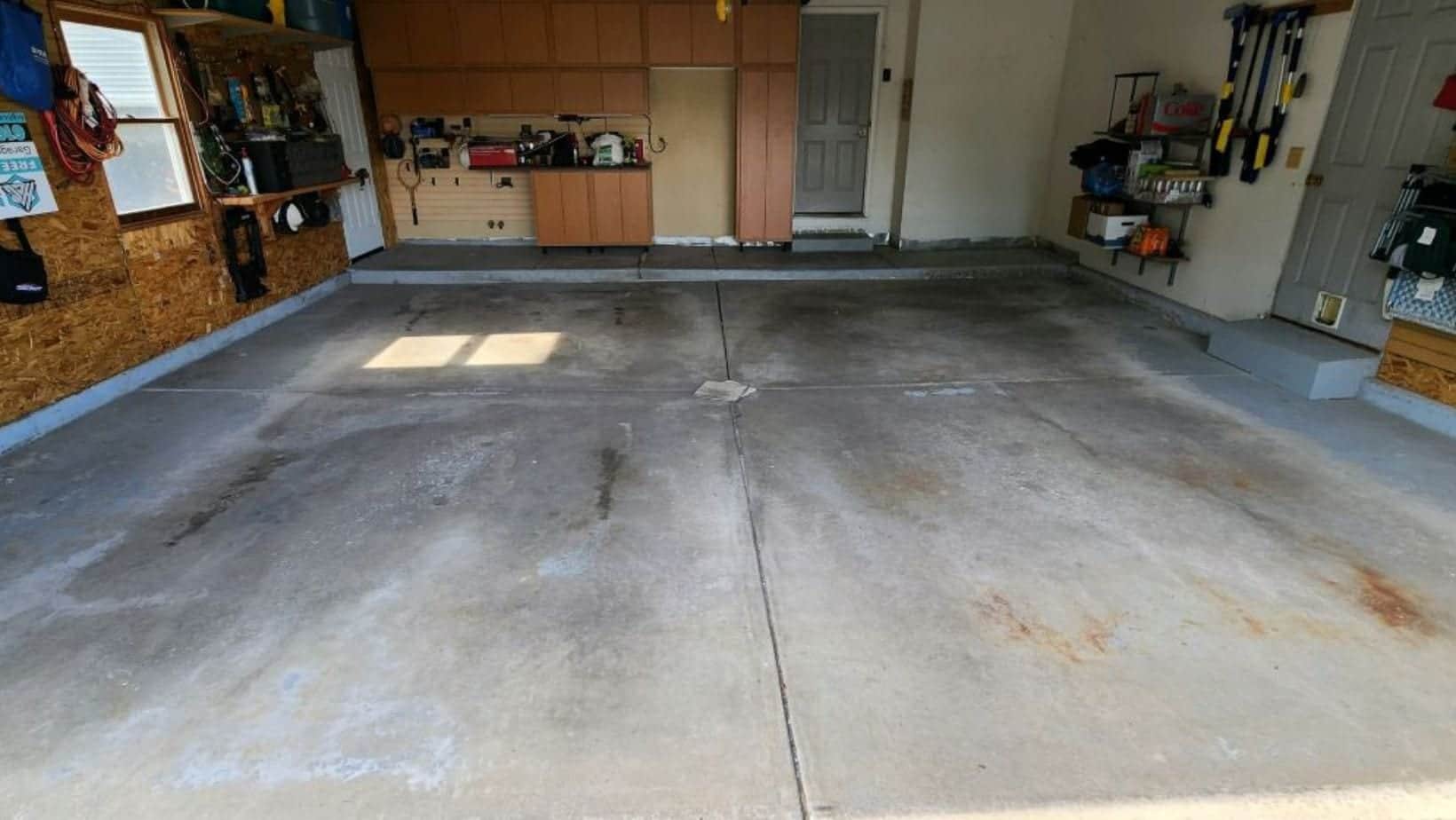
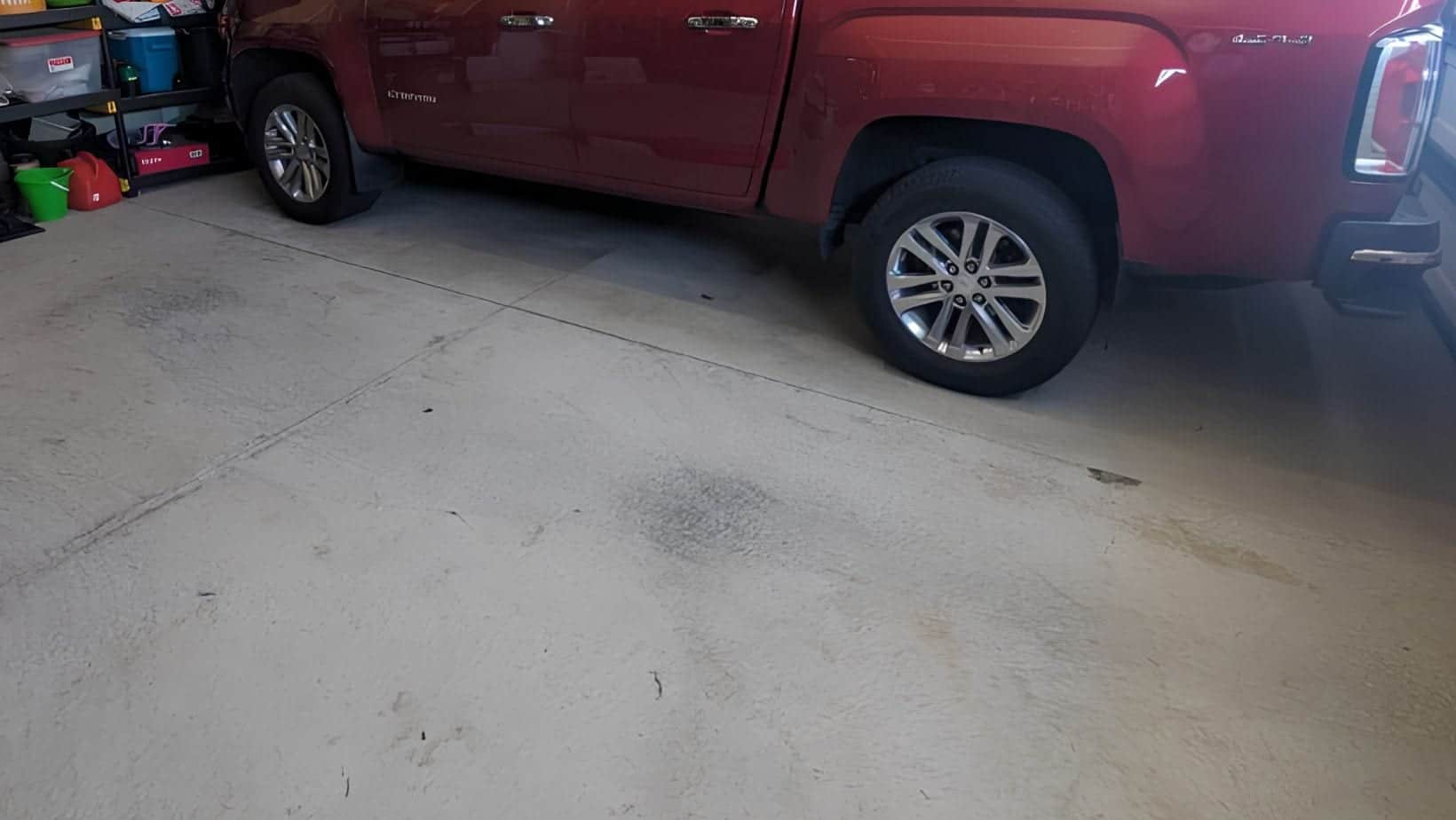
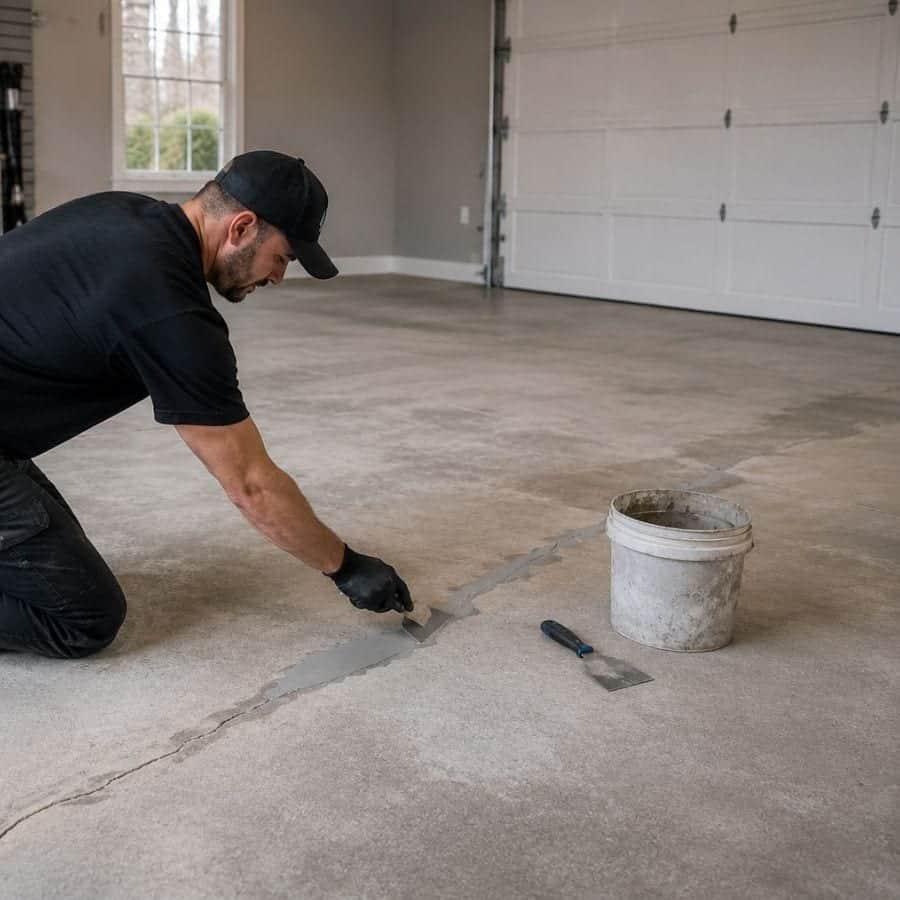
We evaluate whether the slab is a reasonable polishing candidate and watch condition, flatness, previous coatings or adhesive, cracks, repairs, moisture signs, desired sheen, traffic, access, and visual expectations. This helps us decide whether polishing, coating, sealing, or another route best fits the floor under conditions such as those combined traffic, moisture, temperature, and maintenance concerns.
Step 2
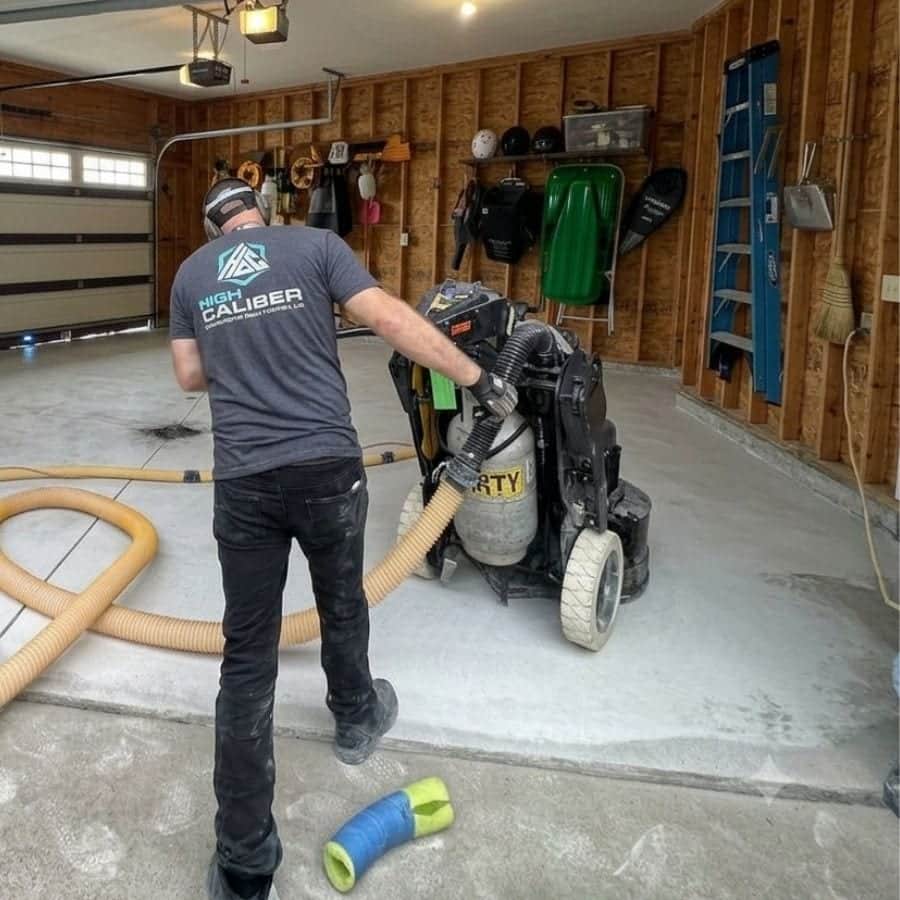
We use contents, fixed equipment, edges, dust collection, power, adjacent operations, transitions, and planned work zones as the checkpoint, then prepare the room and establish the work sequence; that sequence lets us make the mechanical stages compatible with the way the property must function. It also respects township home garages, agricultural buildings, and industrial and warehouse floors.
Step 3
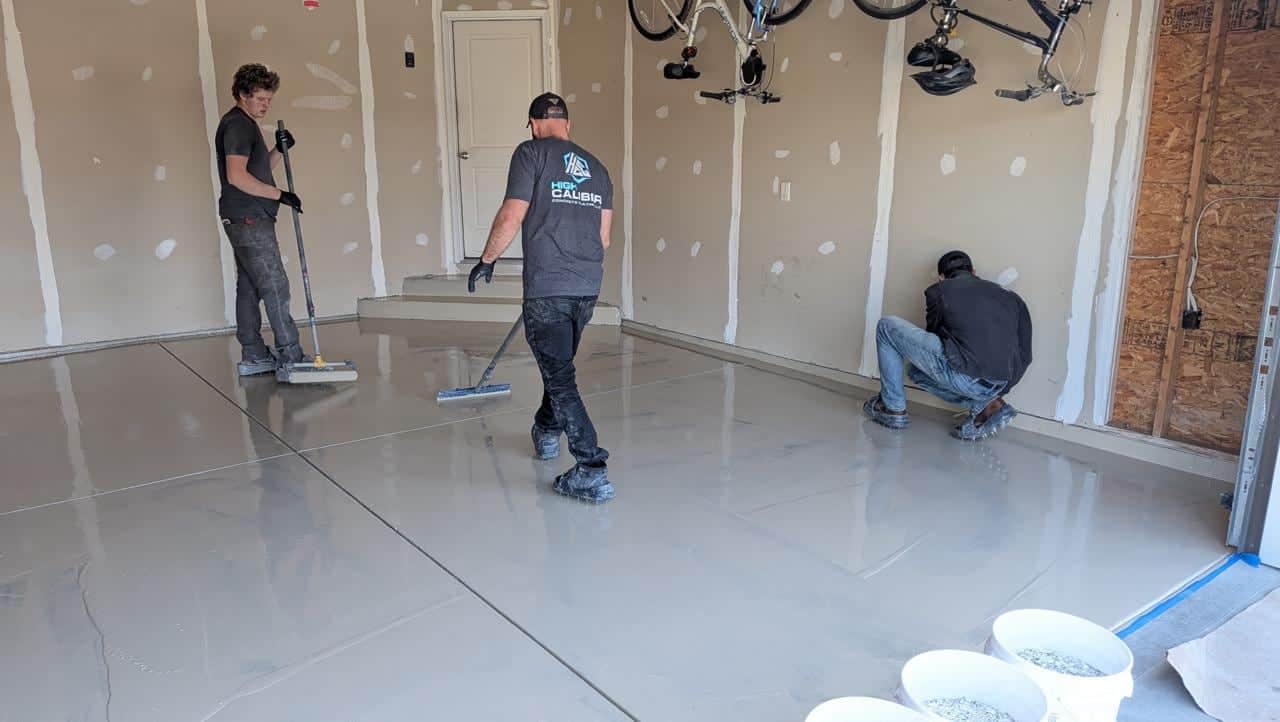
Before moving ahead, we begin with the appropriate grinding pass around concrete hardness, existing material, aggregate exposure goals, surface damage, tooling response, and edge work. That gives us the basis to open and establish the slab without promising identical exposure everywhere for the area's changing balance of household and business floor uses.
Step 4
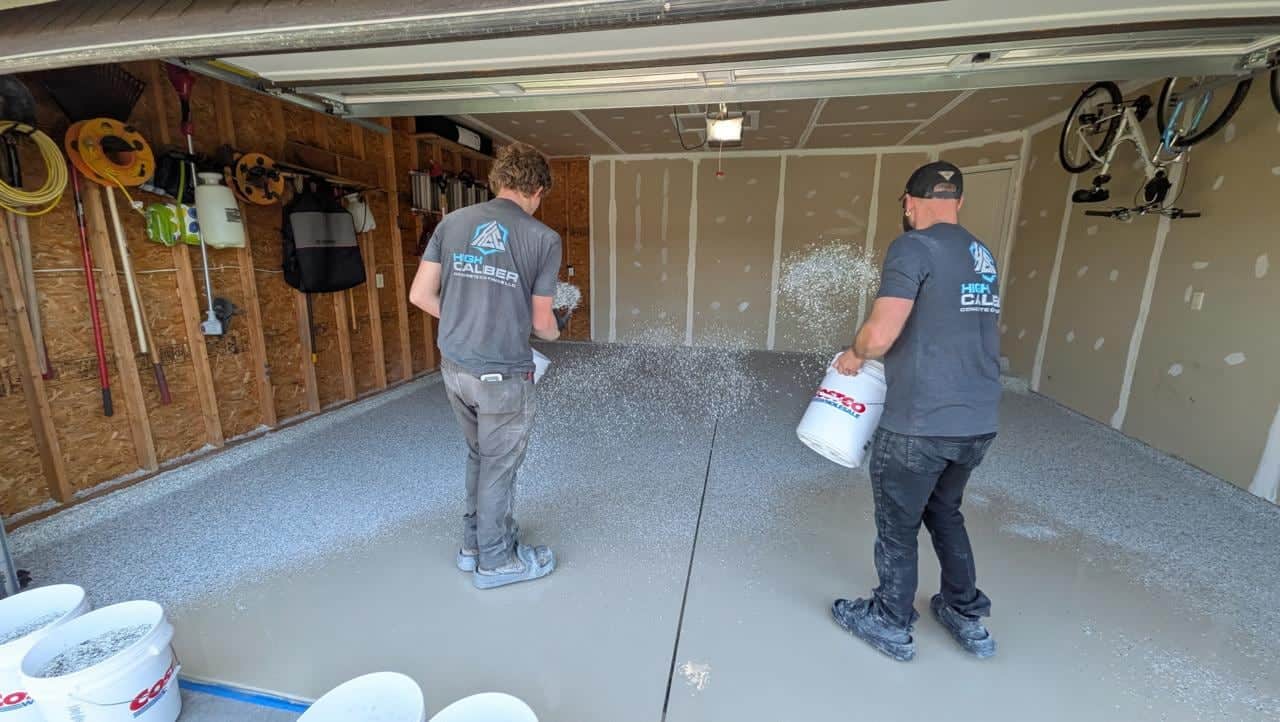
The slab sets this stage. We refine the scratch pattern through progressive stages, consider tool changes, passes, densification where specified, edges, repairs, and consistency across the field, and work to let each stage earn the move to a finer abrasive rather than skipping straight to shine. Before selection, this matters where the mix of wet use, grit, wear, and changing conditions.
Step 5
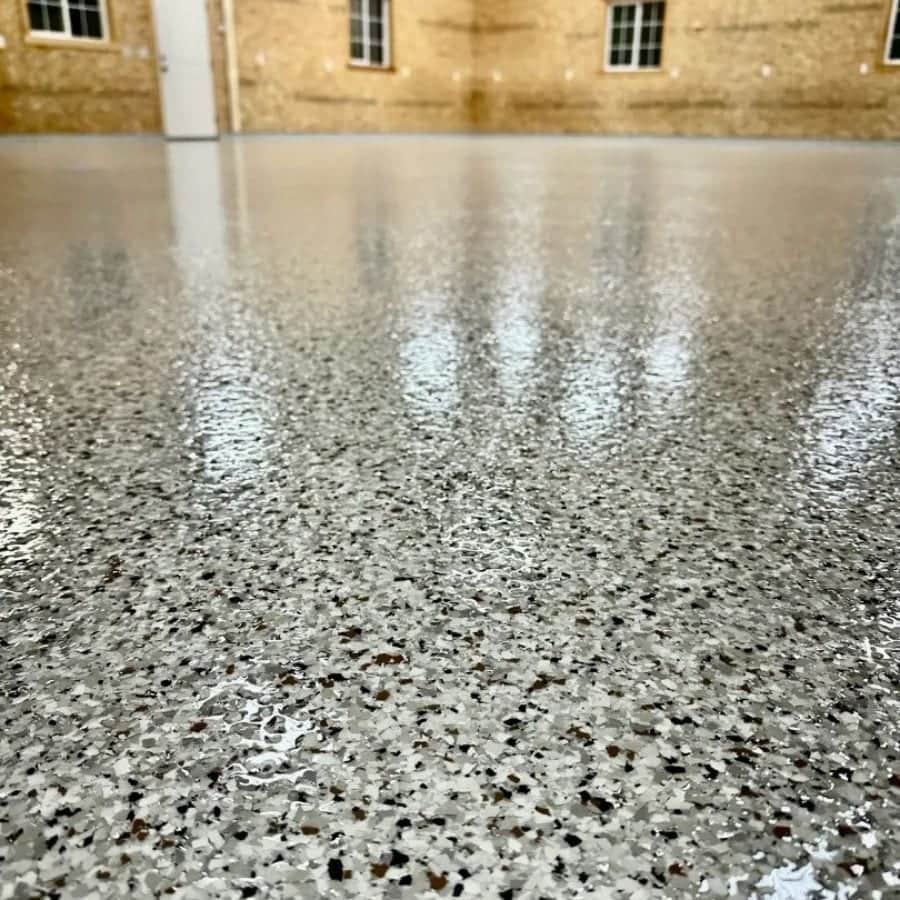
This phase asks how to stop at the level that fits the project instead of assuming maximum gloss is always better. We answer by choosing to hone toward the selected finish and reviewing sheen target, room lighting, traffic, cleaning, slip considerations, remaining variation, and owner preference.
Step 6
We inspect the polished floor and discuss maintenance around appearance, transitions, dust removal, access, cleaning products, equipment, mats, and expected wear; the practical goal is to give care guidance tied to the finished slab and its daily use. Before selection, the setting is defined by those nearby garages, shops, outbuildings, and service spaces.
Why High Caliber
For a commercial owner, craftsmanship shows up in the questions asked before a finish is chosen. A warehouse, school, retail room, or agricultural interior may need a different conversation about shutdown windows, dust control, traffic, lighting, and cleaning. We use those operating details to decide whether polishing supports the building or whether another finish deserves consideration.
Rather than force one package onto the room, we acknowledge that polished concrete is not a clear coating laid over the slab, then plan around the reality that aggregate exposure, repairs, color variation, joints, cracks, and prior slab history remain part of the finished character, so evaluation and mock-up expectations matter. Each stage is included because it has a job, not because it belongs to a stock sales package.
Customer Reviews
“Would highly recommend. No pressure sales, quality product, great communication and quality installation. I met Jeff at the home show. I was drawn into his booth by his very enthusiast kids. I got the immediate impression this was a family oriented business and that was reinforced by the conversation with both Jeff and his young son. These values drew me to this business. I signed up for a quote. Shortly after the show Jeff came to my home to present options and provide a quote. No pressure to buy, Jeff understood I needed to get thru tax season before I could be sure about my budget. Over the course of next few months Jeff was responsive to any questions I had and we got the job scheduled. Jeff provided a trailer in the quote to store contents of garage while job was being done, which was very helpful. When talking with others about the quote I learned my price was equal to or less than what neighbors had paid up to six years ago, so I felt this was good pricing. I had thought there would be a ton of dust and a big mess when grinding surface, but the machines had a vacuum attached, clean and efficient work. I was impressed that they coated steps and side walls as well as floor. No mess on drywall or driveway. Crew doing installation were great guys. They took time to fill me in on the process of installation, what to expect, how long for surface to cure and when I could empty trailer. Post install Jeff stopped out to grab trailer, filled me in on what to use and how to clean the floor. VERY happy with the whole process from sales to install to follow up. LOVE my new garage.”
“I can not express how awesome my garage floor looks. Your crew did a phenomenal job, we'll probably be the envy of the neighborhood now. Very polite, cleaned up the area, fast amazing job! My only complaint was the floor was going to look great so my wife said we had to clean out and paint all the walls and shelving, but it was worth it. Thank you again.”
“Wow! Jeff and Mike were amazing to partner with for my garage floor renovation! They did an amazing job but more importantly, they communicated directly with me thru texts, reminders, and in person! Jeff and his team left my garage and exterior area cleaner than when they arrived and gave clear instructions on follow up care needed for my new floor! I would highly recommend High Caliber Concrete Coatings anytime!”
Zeeland Charter Township, MI
Zeeland Charter Township is a mixed setting for this service, with commercial property owners and facilities at the center of the conversation and residential owners included when the slab and use make polishing reasonable. Warehouses, agricultural spaces, retail rooms, schools, workshops, pole barns, and attached or detached garages can all raise different questions about dust, tracked-in grit, traffic, and the finish the space needs. A floor review keeps those categories from becoming a promise.
Winter conditions can change how a floor is used before anyone discusses sheen. Snow, road salt, spring moisture, freeze-thaw cycles, and humid summer air may bring residue or added cleaning demands into an entry, work area, or storage space. Those are planning considerations, not proof of a defect. Inspection still determines whether the slab, moisture conditions, and desired maintenance routine support polishing.
West Michigan comparisons may include Park Township, Byron Center, Douglas, or Walker, but a name on a service-area map cannot predict a floor's outcome. For a Zeeland Charter Township property, access, traffic, room purpose, and existing concrete stay central to the recommendation, especially when commercial, agricultural, and residential uses meet within the same township.
Township Home Garages make garages, shops, and business floors part of the floor question, keeping the service tied to the work this area must support.
The use of agricultural buildings may shift the priority toward traffic, cleaning, storage, or appearance, while the slab decides what is feasible.
Industrial And Warehouse Floors deserve a separate look at damage, exposure, and access so the scope remains honest and room-specific.
Frequently Asked Questions
No: polishing mechanically refines the concrete itself through grinding and honing; a coating adds a separate film or resin layer above the slab, so the appearance and maintenance strategy are different; owners across newer and established homes, attached and detached garages, and basements can use this distinction to compare appearance and maintenance.
No two slabs expose aggregate, color, repairs, joints, or prior history in exactly the same way; photos can show the general character of polished concrete, but the existing floor controls the final variation; in Zeeland Charter Township, the answer should also account for the way moisture, debris, and repeated use affect the floor.
Existing material usually has to be evaluated and removed to an appropriate degree before a polishing sequence can proceed; penetration, staining, patches, and damage may remain visible after removal; the limit matters when the floor supports household and working concrete areas.
The finish can be planned at different refinement and sheen levels, subject to slab and project conditions; the useful target rests on lighting, traffic, appearance, cleaning, and the expectations for the room; this point should be settled for concrete in local homes and working buildings.
It is common in commercial and industrial environments, but selected residential interiors may also be candidates; suitability rests on the slab, desired appearance, comfort expectations, and daily use; for Zeeland Charter Township concrete affected by the local combination of wear, access, and seasonal exposure, that clarification helps set the scope.
Routine dust removal, appropriate cleaning methods, prompt attention to spills, and equipment suited to the space all matter; the installer should explain care for the selected finish and traffic level; the site review should confirm this matter for residential and commercial rooms.
A coating may fit when the owner wants a separate colored or broadcast wear layer; penetrating sealing may fit when absorption reduction is the main goal and extensive mechanical refinement is not desired; for garages, shops, and household rooms, this is a practical point to confirm before scheduling.
Related Services
For Zeeland Charter Township, a second slab may point toward another practical route.
Within that blend of residential rooms and practical working concrete, owners can compare preparation grinding with the progressive refinement required for a finished polish.
Learn moreConsider reduced absorption with less mechanical refinement and a natural slab appearance; another slab may call for this route.
Learn moreChoose a separate layered finish when color, broadcast, or a resin wear surface is preferred, particularly for floors serving the property's main floor uses.
Learn moreA different space may need this option: plan a coated surface for customer, staff, and service environments.
Learn moreWhere those room-specific demands involving traffic, damage, and upkeep, owners may want to evaluate a specified layered system for equipment, fluids, abrasion, and operational demands.
Learn moreGallery And Visual Proof
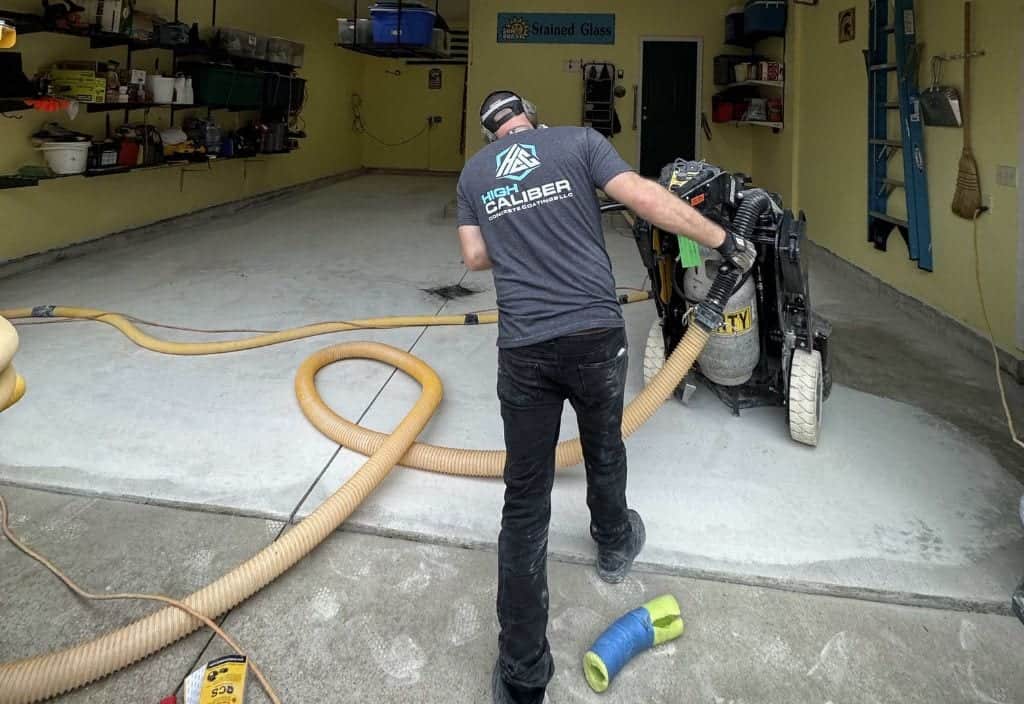
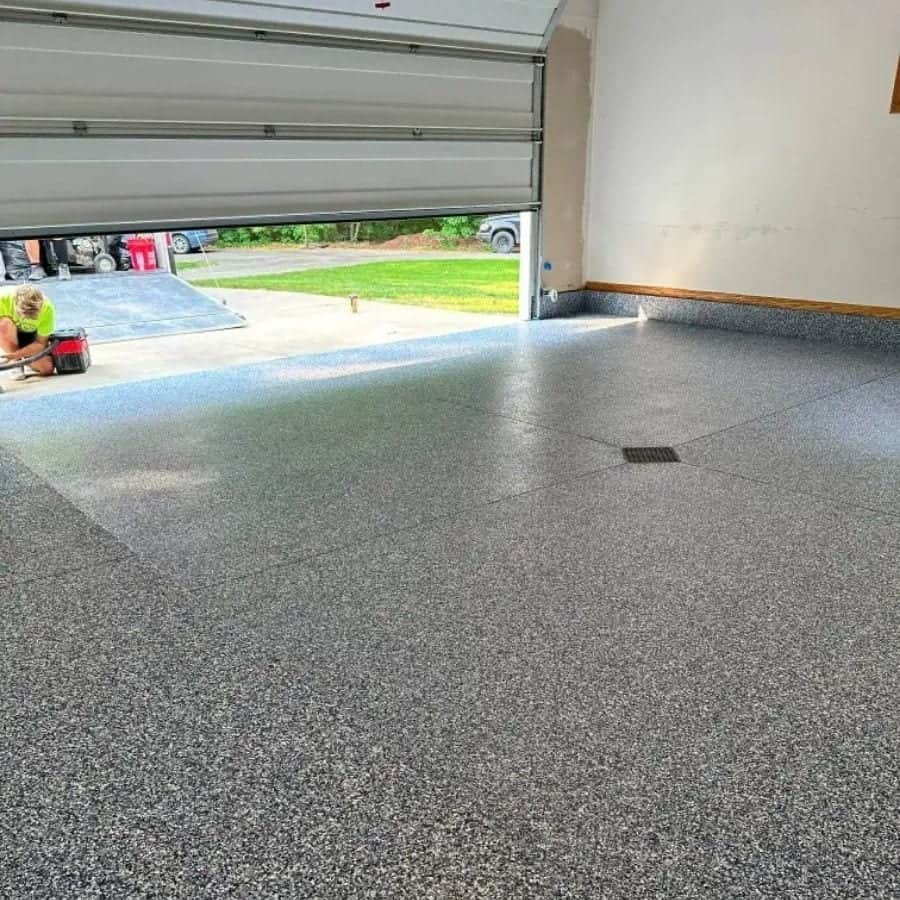
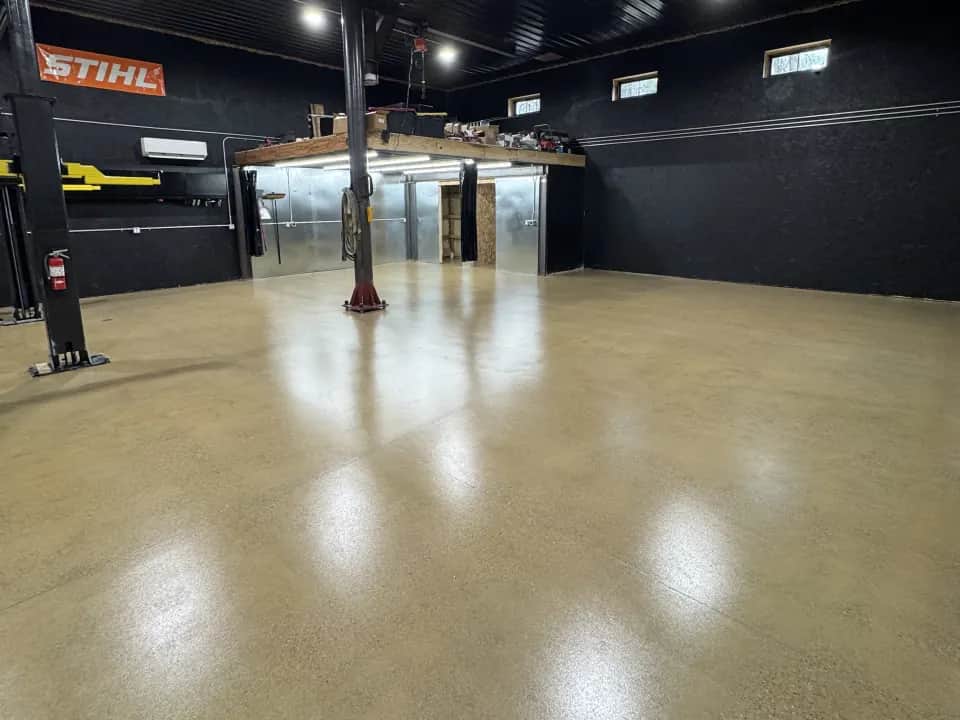
The gallery offers general reference while the Zeeland Charter Township slab sets the real scope.
Free Project Quote
Tell us about the space and we will follow up with a clear recommendation and quote conversation.
Phone
Business Hours
Free Estimate
Every slab brings its own combination of condition, access, traffic, and finish goals. Tell us how the room operates and what you want the concrete to do after preparation. We can discuss grinding, honing, appearance, repairs, cleaning, and service limits so the next step is based on the actual floor. Use the estimate request to start that conversation, with clear expectations for scope and care. A site visit can then establish the practical sequence.