As preparation is planned: is epoxy still a good flooring material?
Yes: epoxy can be a purposeful adhesion and build layer when it is matched to prepared concrete and installed within a compatible system; its suitability is affected by the slab, exposure, traffic, finish, and project design; a property shaped by the area's winter, spring, and summer exposure pattern needs this question answered at the site.
At the handoff-planning stage: why is diamond grinding important first?
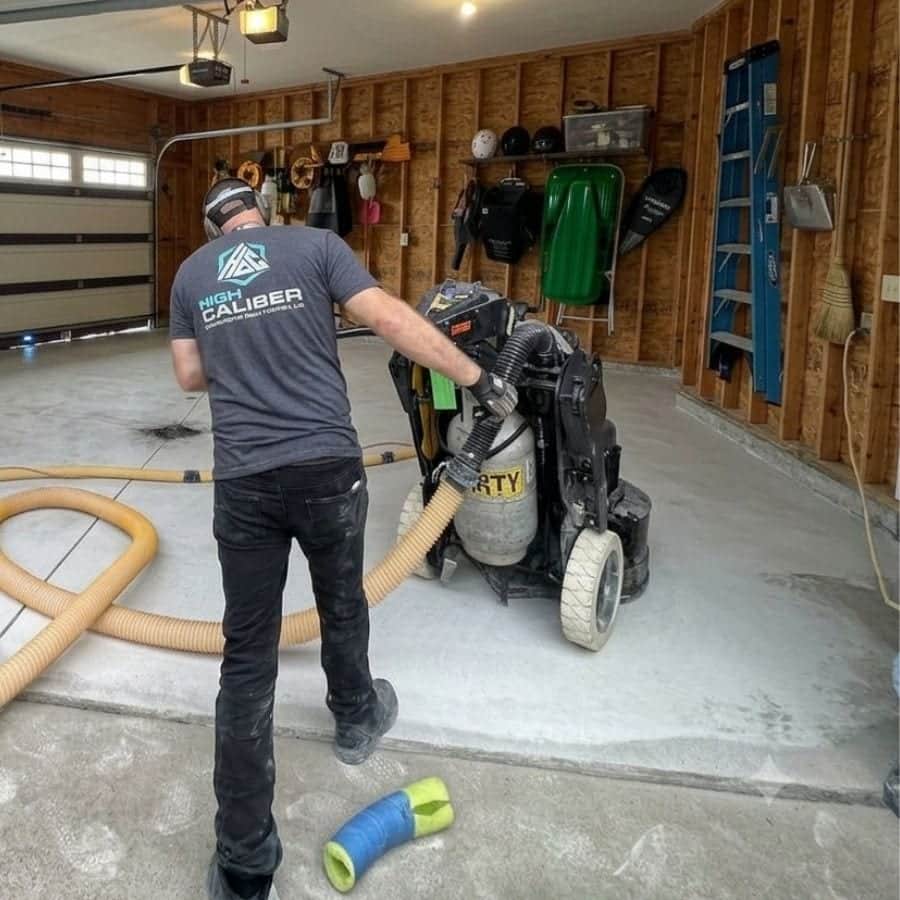
Mechanical preparation removes unsuitable surface material and creates a profile the coating can bond to; cleaning alone cannot replace that work when the selected system calls for a mechanically prepared substrate; the conditions tied to the community's range of home, storage, and work areas should guide the final decision.
During a site review: can epoxy go in a garage or workshop?
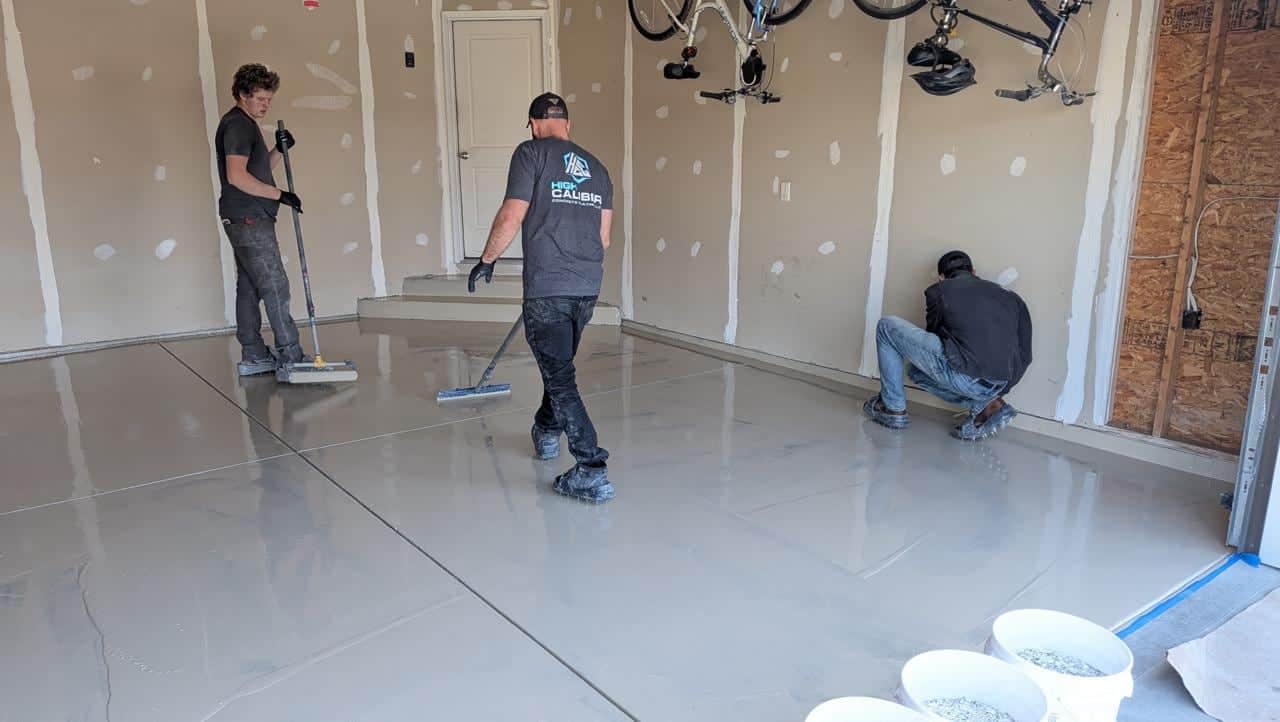
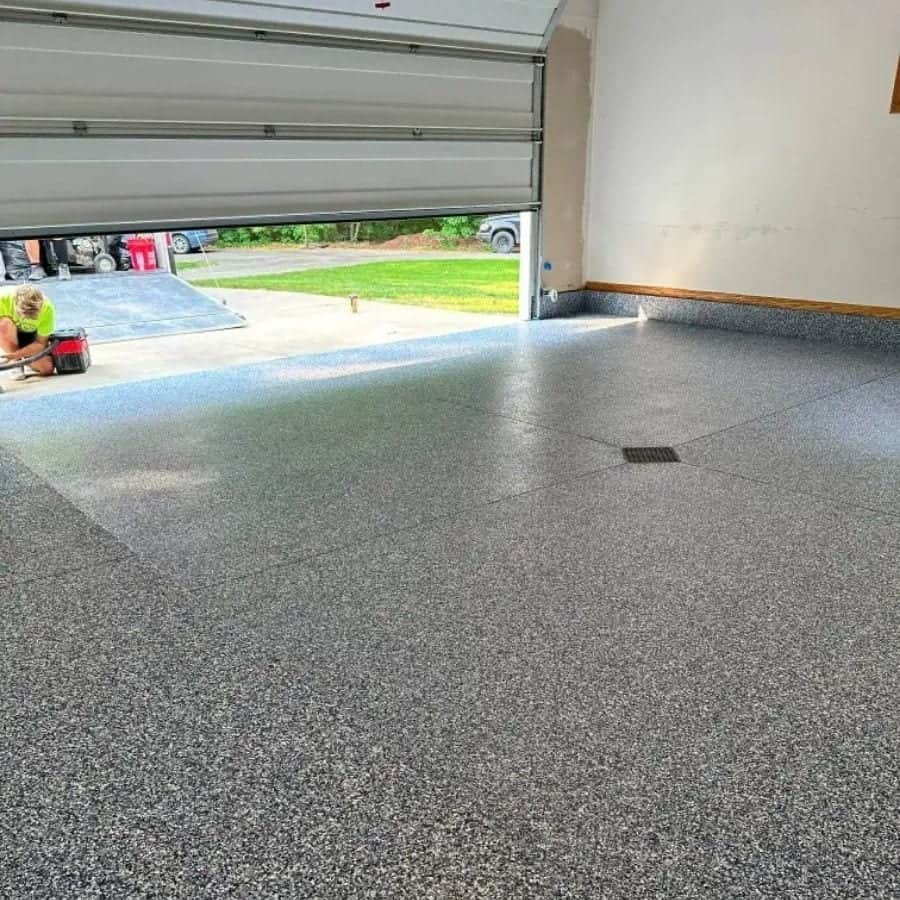
Those are common use cases when the slab and exposure support the selected system; vehicle traffic, hot tires, tools, chemicals, sunlight, moisture, and cleaning should all be discussed before the layers are chosen; in a setting defined by that blend of residential rooms and practical working concrete, that distinction keeps the answer tied to actual use.
For a room with daily traffic: can damaged concrete receive epoxy?
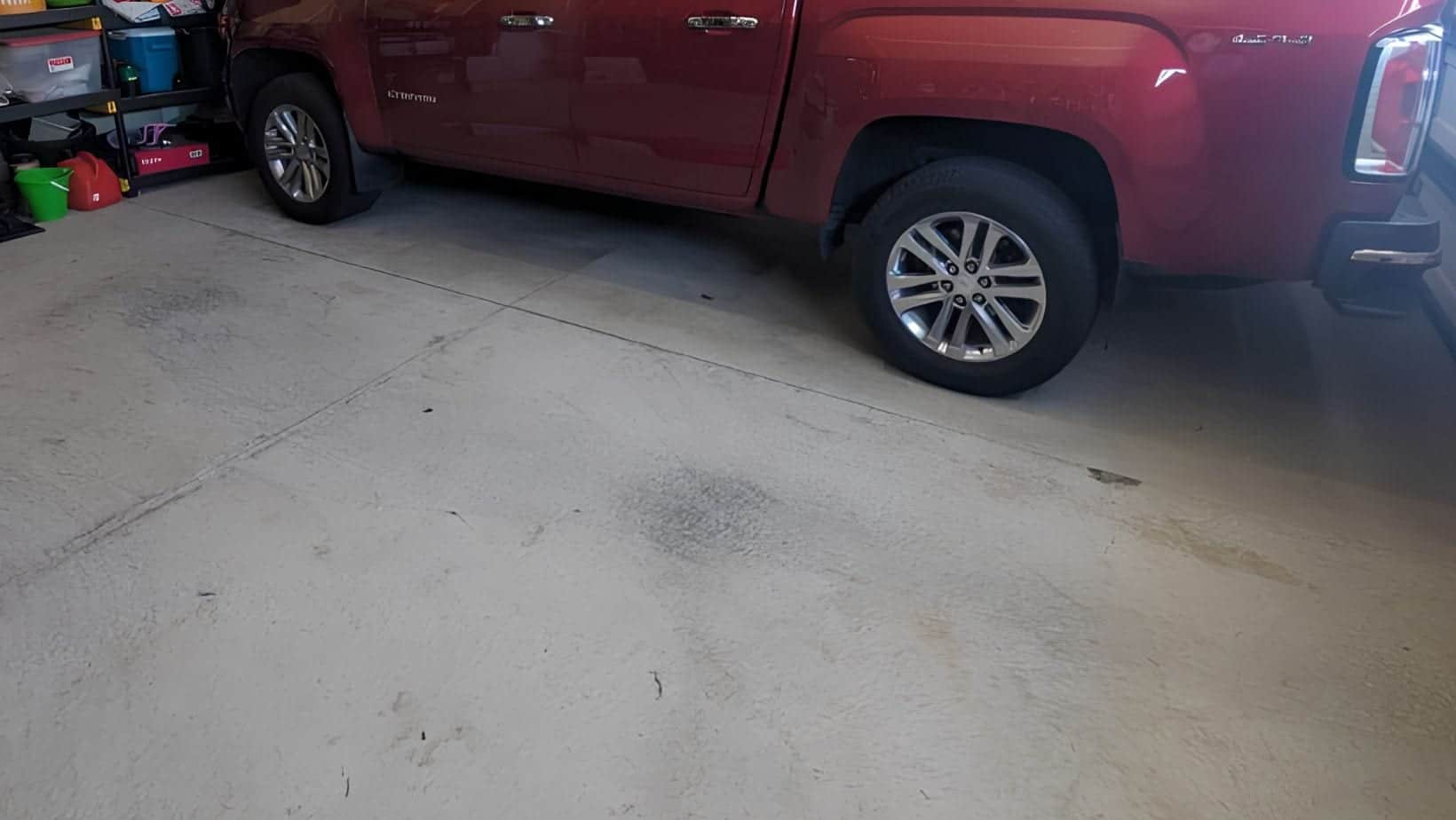
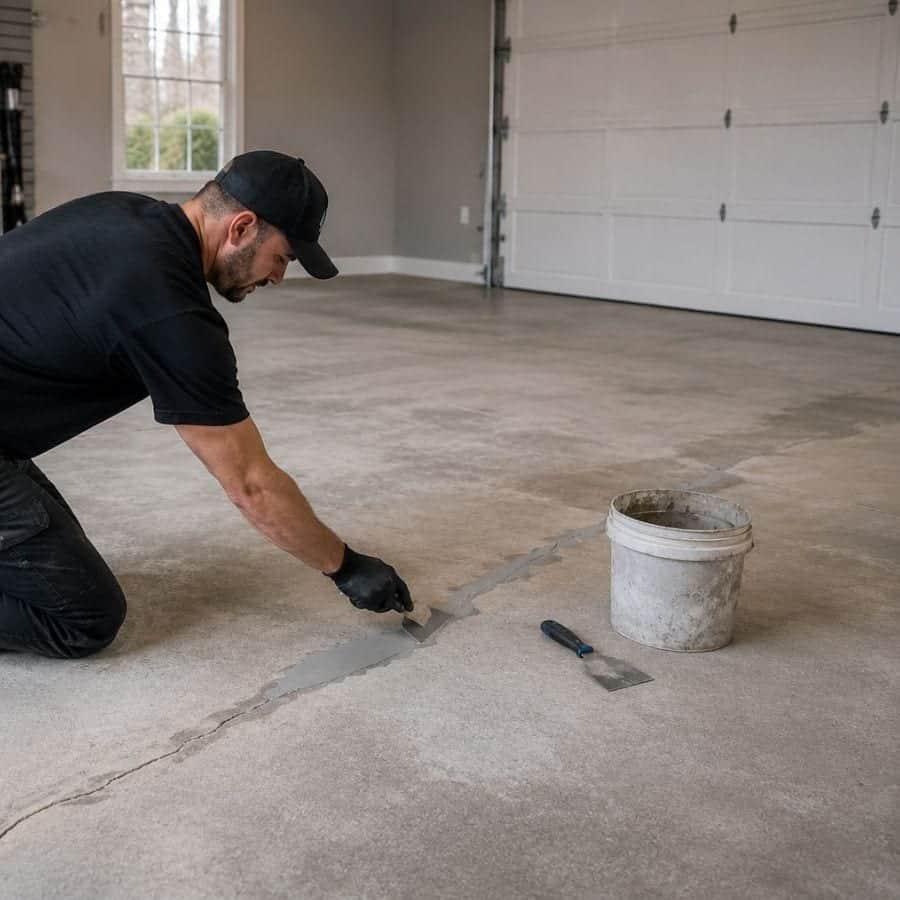
Many cracks, pits, and spalled areas can be addressed as part of preparation, but the scope is affected by what grinding and inspection reveal; repair should never be presented as a guarantee against future movement; amid seasonal salt, moisture, temperature changes, and humidity, the conclusion still depends on the individual slab.
What finish options can be considered?
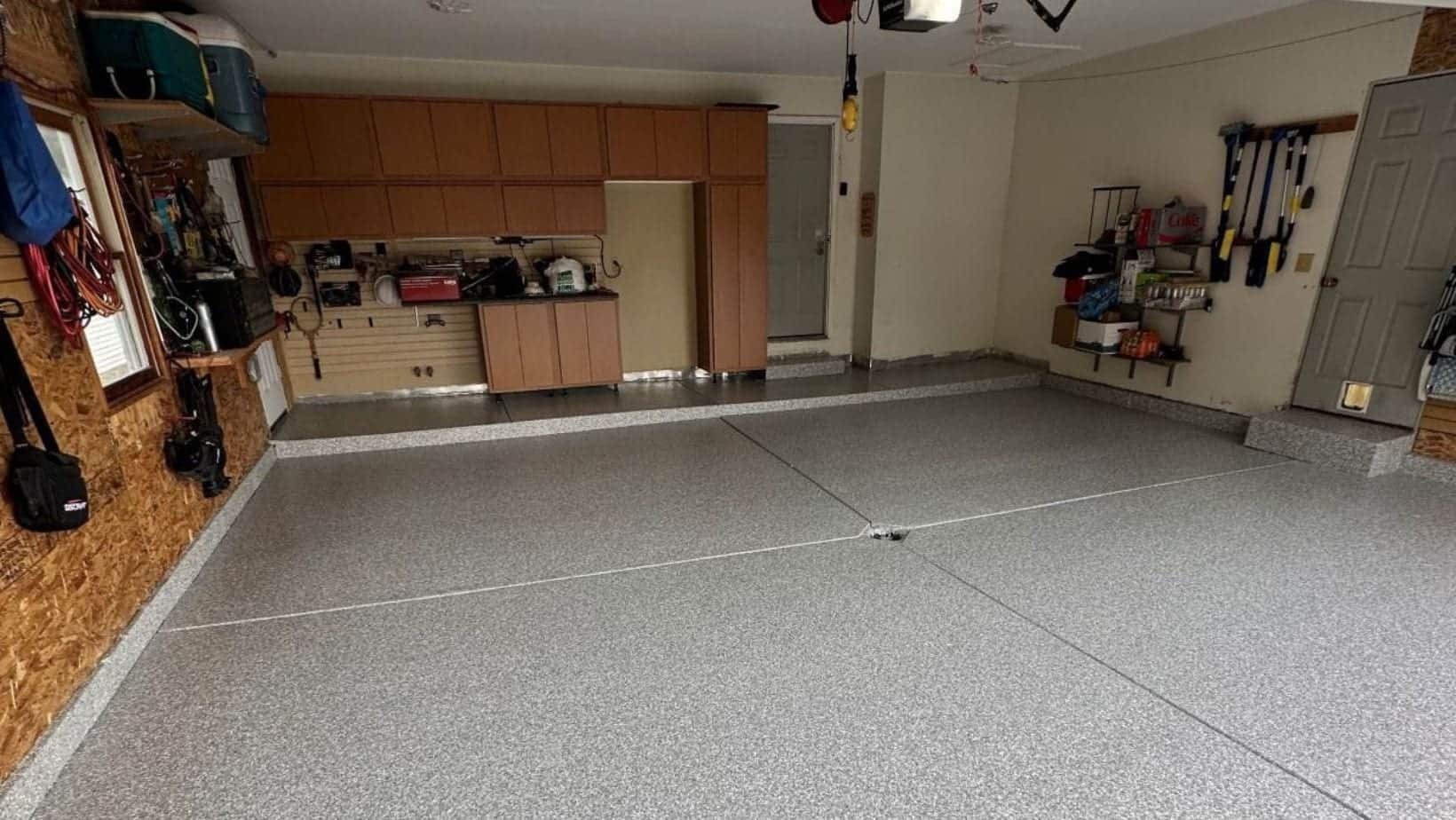
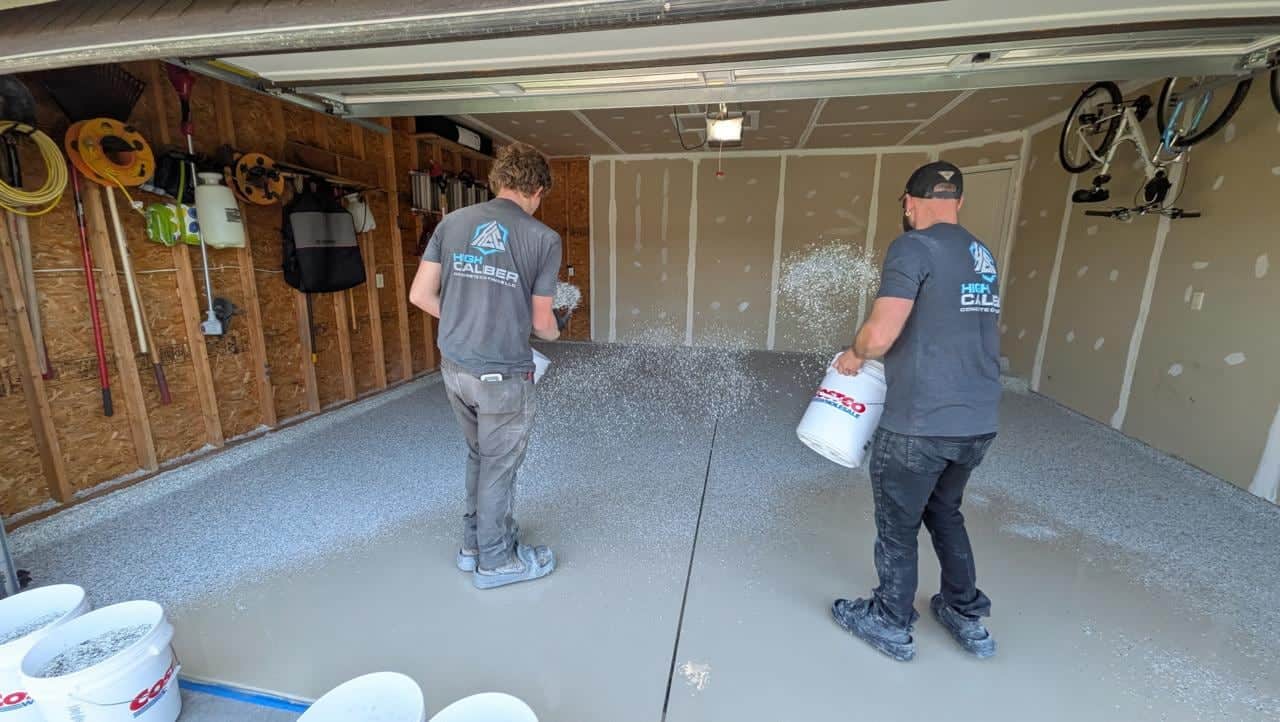
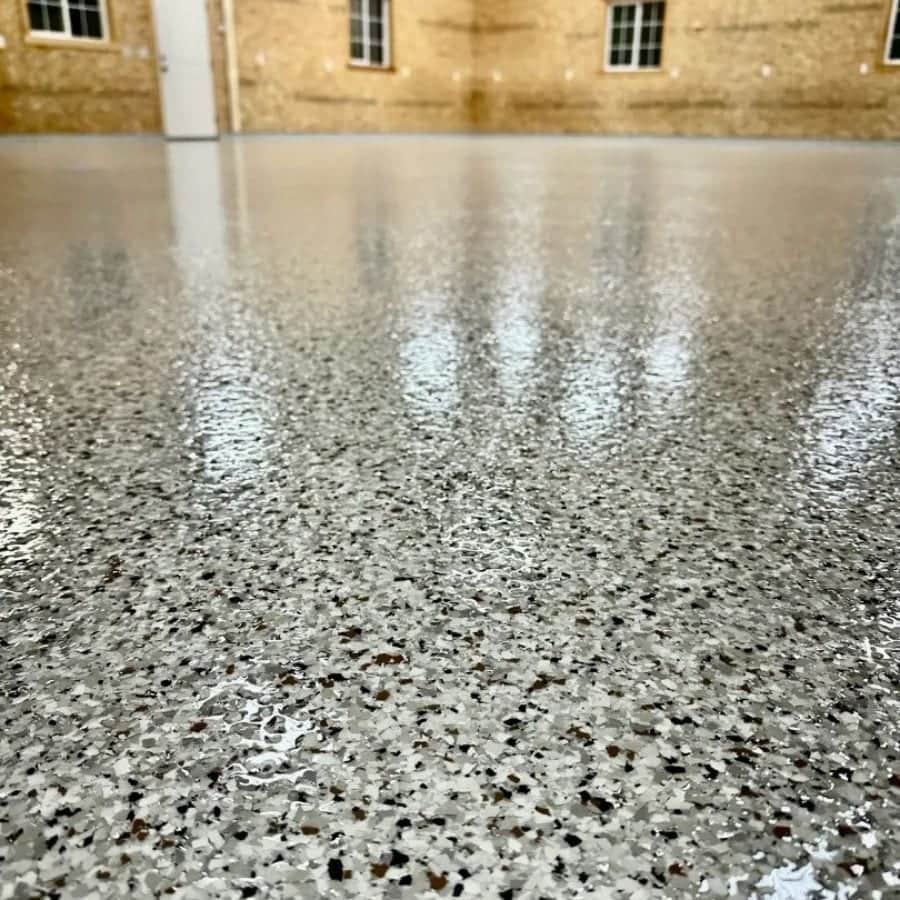
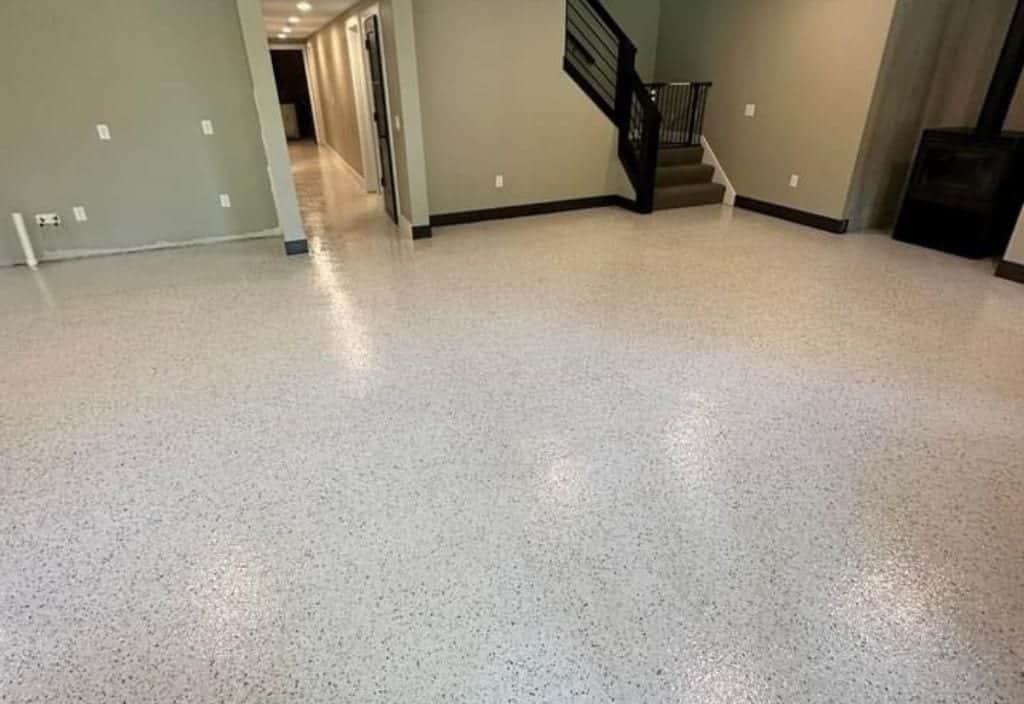
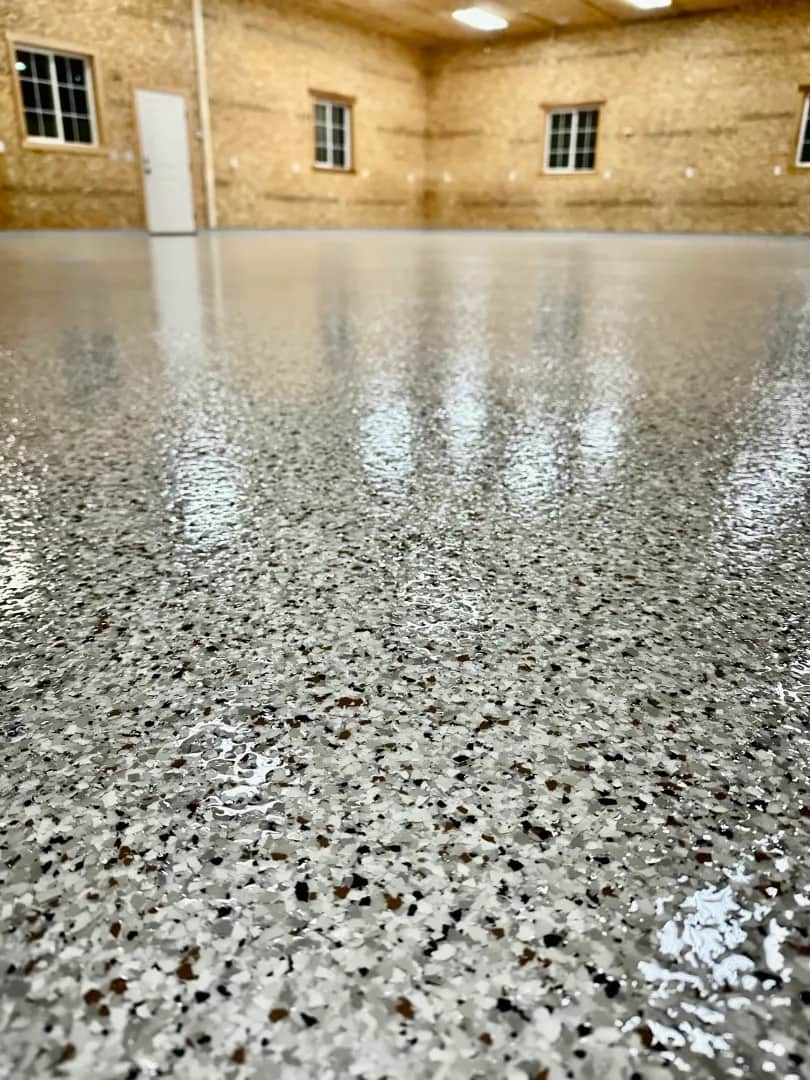
Solid colors, decorative broadcasts, and compatible topcoat choices can create different appearances and textures; the room, lighting, traffic, cleaning, and owner preference should drive the decision; the site discussion makes this detail clearer for concrete affected by that blend of moisture, traffic, debris, and maintenance needs.
For owners comparing floor options: how long before the floor can be used?
Material sequence, temperature, humidity, repairs, area size, and site access all affect timing; project-specific instructions from the installer should control when people, vehicles, or equipment return; when the floor supports garages, shops, and business floors, this boundary should remain visible.
When service limits are discussed: is epoxy different from polyurea or polyaspartic?
They are different resin chemistries with different working and performance characteristics; a responsible hybrid system can use epoxy for adhesion and build while assigning other materials to roles where they fit; owners across older neighborhoods, newer homes, and attached and detached garages can use this distinction to compare appearance and maintenance.