
A Defined Working Surface
A selected system creates a consistent finished surface for people, carts, vehicles, and equipment. Traffic type, turning, impact, and frequency still guide the recommendation through each working shift.
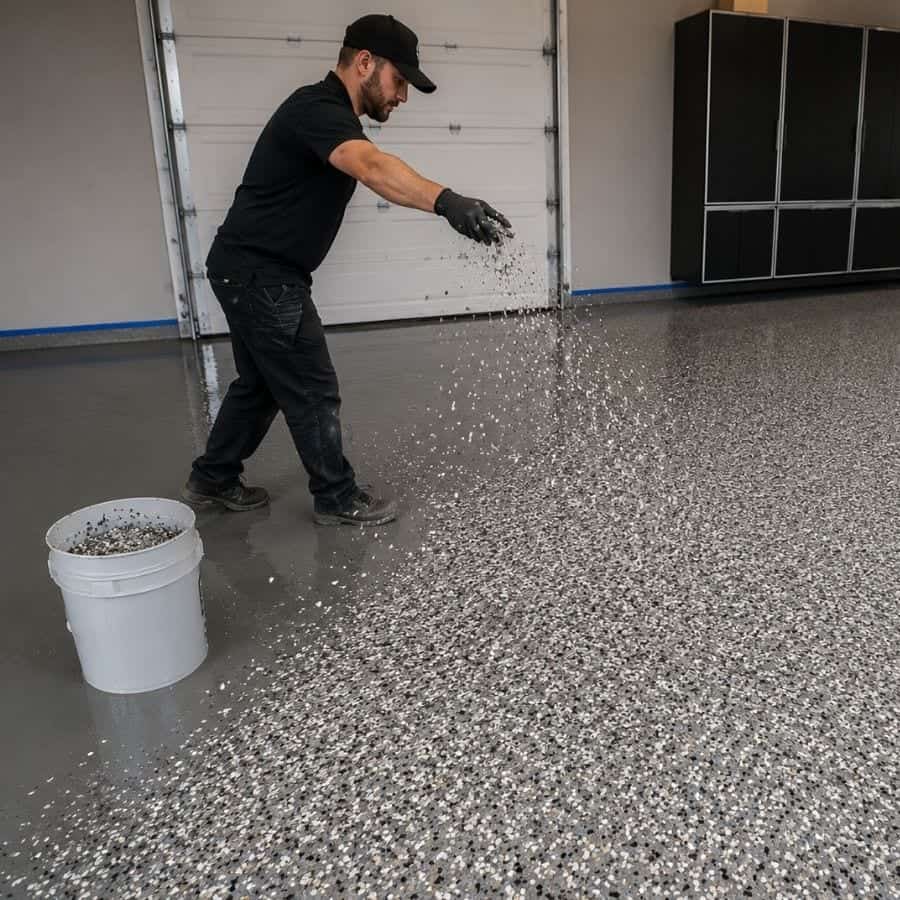
Industrial concrete in Rockford may receive forklift tires, pallet wheels, abrasive grit, spills, wet cleanup, and seasonal moisture. We start by asking what the floor must give back each day: a workable surface, a readable maintenance routine, and a realistic path from preparation through return to service. The answer shapes the coating conversation.
Service Overview
An industrial floor earns its place by helping people move, clean, store, repair, and operate without hiding the conditions that shape those jobs. We look at the concrete beneath the activity, then connect traffic, impact, abrasive grit, fluids, wash-down, moisture, joints, and damage to a practical scope. A product label cannot make those decisions by itself.
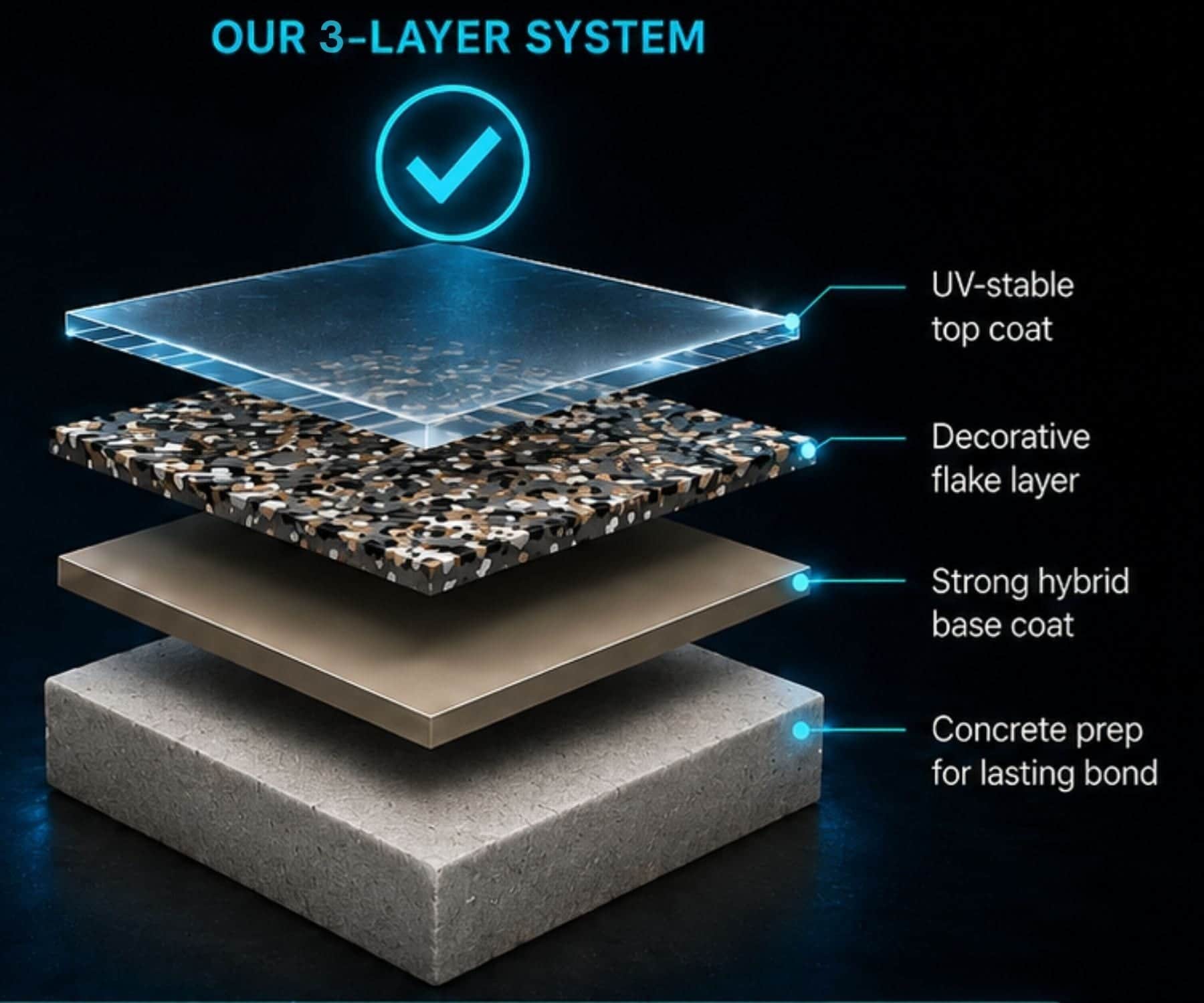
High Caliber uses a hybrid epoxy and polyurea system when that combination fits the facility. Epoxy can provide adhesion and build in the basecoat, while polyurea or polyaspartic can serve compatible finish roles. The right chemistry belongs in the right layer, after preparation and use have been understood.
Benefits
A coating is useful when it answers a facility need in a way the slab and the maintenance routine can support. We keep the expected result tied to the work happening above the concrete.
A selected system creates a consistent finished surface for people, carts, vehicles, and equipment. Traffic type, turning, impact, and frequency still guide the recommendation through each working shift.
Oil, fluids, chemicals, wet boots, and tracked residue receive a concrete discussion. Naming what reaches the slab helps keep material selection connected to the actual facility.
A floor can be planned around grit, pallet wheels, metal contact, and repeated movement. Preparation and compatible layers are considered together for the areas that wear first.
A uniform finish may make dirt and spills easier to spot, but it does not replace cleaning. We discuss water, equipment, frequency, drainage, and access before promising convenience.
Cracks, spalls, joints, old coatings, and weak areas belong in the scope before appearance. Clear repair decisions help establish what the finished system can reasonably support.
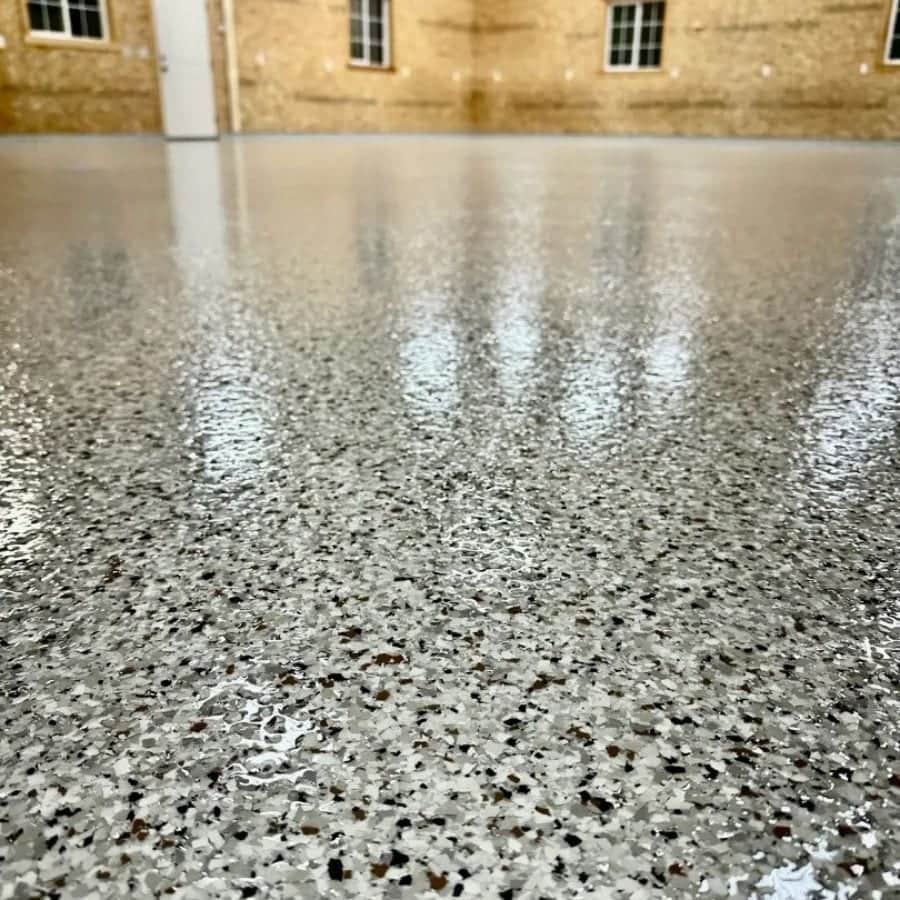
Color, flake, and texture can help distinguish work areas or support a more deliberate space. Appearance follows traffic, cleaning, exposure, and the floor's intended purpose.
Installation Process
Our six-step sequence turns facility observations into a preparation and coating scope, with concrete condition and return-to-service needs kept in view from the beginning.
Step 1
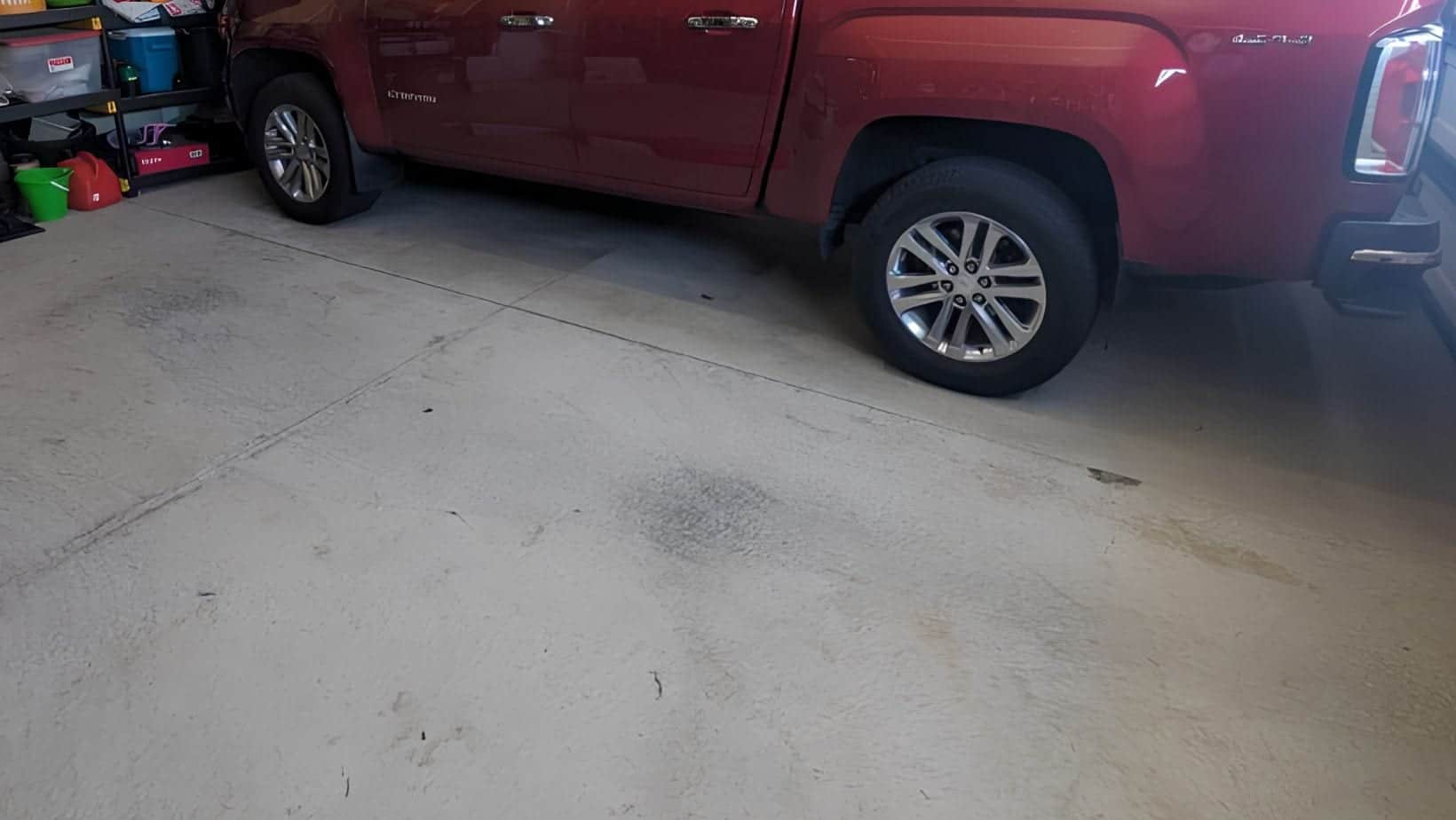
We walk the floor with the people who know its daily use. We note equipment, loading points, storage, wet areas, abrasive grit, spills, joints, repairs, and where work must continue nearby. This creates a useful starting record before any finish is selected.
Step 2
We turn those observations into operating requirements: where wheels turn, how fluids arrive, how cleaning happens, what seasonal moisture can bring inside, and which areas can be closed. That discussion helps separate one building into sensible work zones when the demands are different.
Step 3
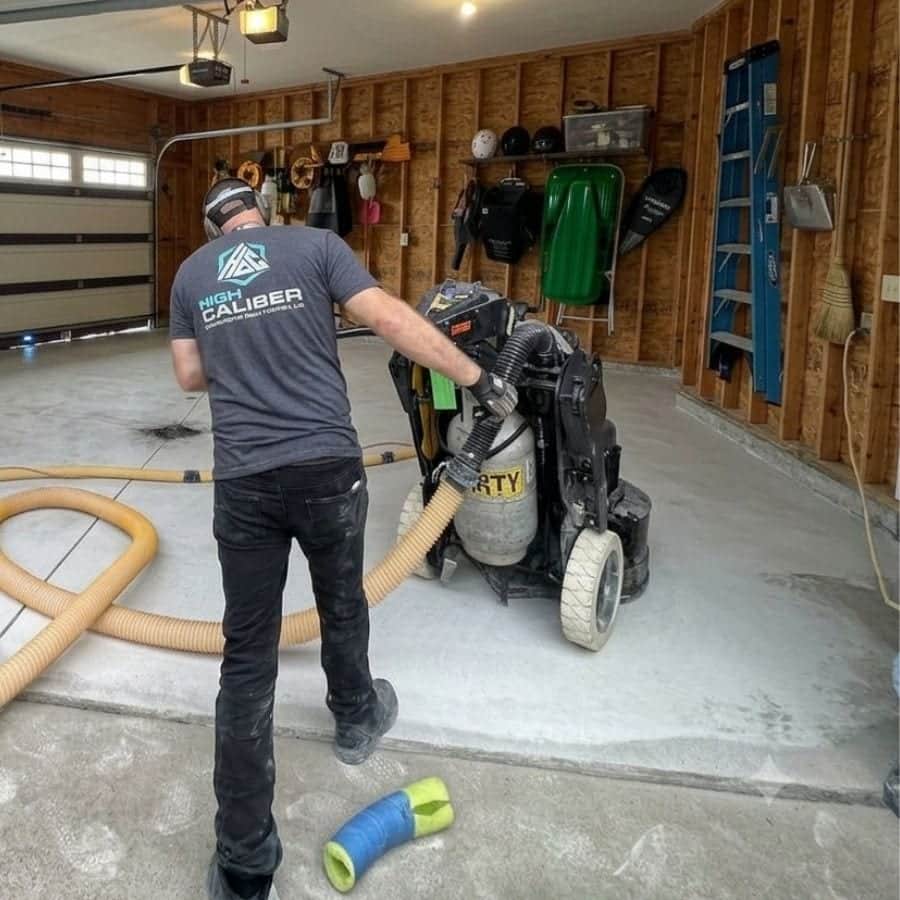
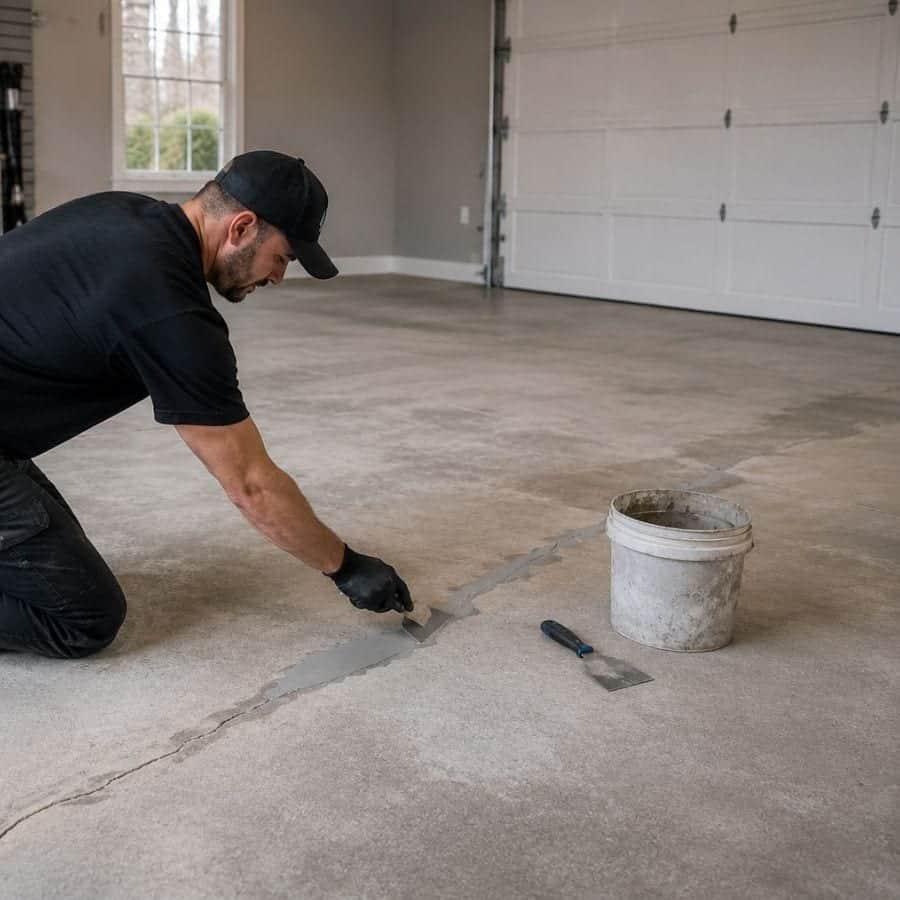
Diamond grinding removes unsuitable surface material and opens a consistent profile for the specified system. We work across field areas and pay attention to edges, corners, transitions, and equipment boundaries. Grinding prepares the concrete; it does not promise to level a slab or repair structural movement.
Step 4
Cracks, spalls, joints, and weak spots receive their own review after preparation. We repair conditions that belong in the coating scope and explain what remains a movement joint or slab limitation. A clear boundary helps the owner understand the finished surface before installation begins.
Step 5
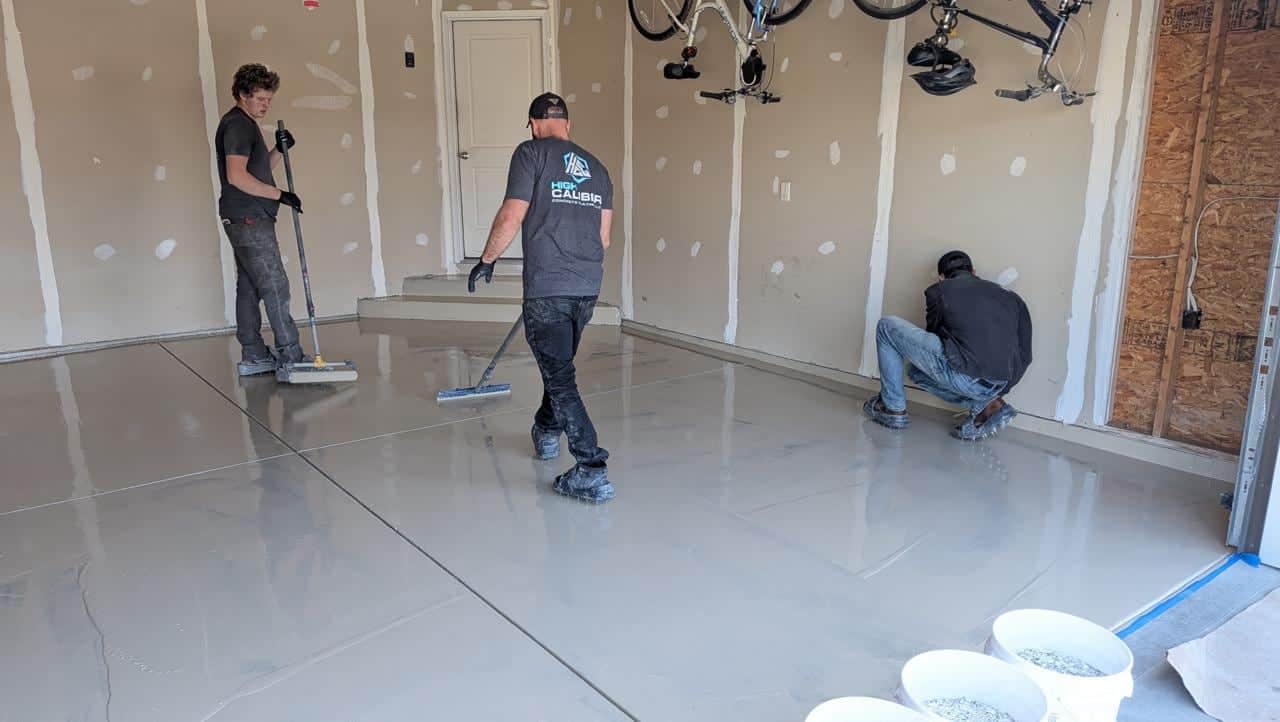
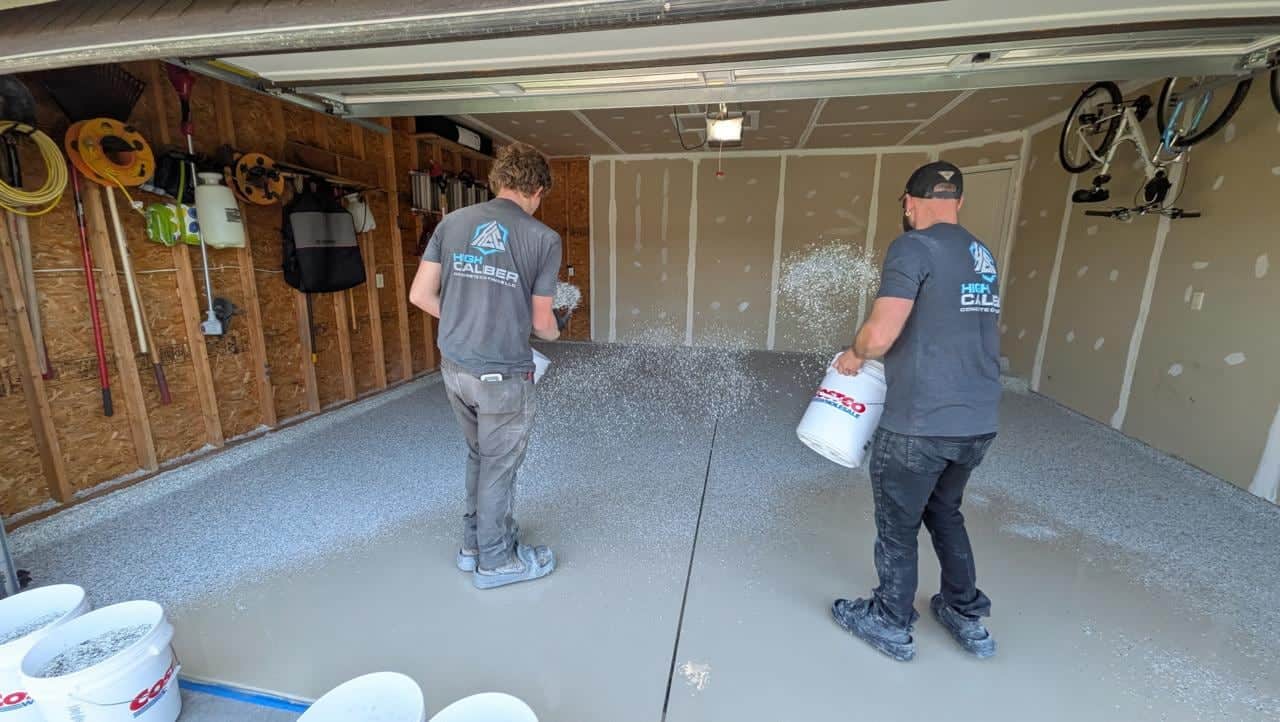
The specified sequence may use an epoxy basecoat for adhesion and build with polyurea or polyaspartic in the compatible finish layers. Broadcast texture or flake is considered when useful. Each layer has a job, and the system follows exposure, traffic, and care.
Step 6
Before the area returns to work, we inspect coverage, edges, transitions, and finish consistency. We discuss cure expectations, cleaning, equipment movement, and maintenance so the handoff reflects the facility's routine. The goal is a floor the team understands how to use and care for.
Why High Caliber
An estimate is more useful when it names the concrete decisions in front of the owner: which areas can close, where preparation must reach, what damage needs repair, and how the facility will care for the finished floor. We bring the conversation back to the slab, the work, and the decisions an owner can actually make.
That approach also leaves room for a different answer. Concrete grinding, polishing, sealing, or another coating approach may suit a particular floor better. We explain the comparison in plain terms rather than treating every building as the same project.
Customer Reviews
“Would highly recommend. No pressure sales, quality product, great communication and quality installation. I met Jeff at the home show. I was drawn into his booth by his very enthusiast kids. I got the immediate impression this was a family oriented business and that was reinforced by the conversation with both Jeff and his young son. These values drew me to this business. I signed up for a quote. Shortly after the show Jeff came to my home to present options and provide a quote. No pressure to buy, Jeff understood I needed to get thru tax season before I could be sure about my budget. Over the course of next few months Jeff was responsive to any questions I had and we got the job scheduled. Jeff provided a trailer in the quote to store contents of garage while job was being done, which was very helpful. When talking with others about the quote I learned my price was equal to or less than what neighbors had paid up to six years ago, so I felt this was good pricing. I had thought there would be a ton of dust and a big mess when grinding surface, but the machines had a vacuum attached, clean and efficient work. I was impressed that they coated steps and side walls as well as floor. No mess on drywall or driveway. Crew doing installation were great guys. They took time to fill me in on the process of installation, what to expect, how long for surface to cure and when I could empty trailer. Post install Jeff stopped out to grab trailer, filled me in on what to use and how to clean the floor. VERY happy with the whole process from sales to install to follow up. LOVE my new garage.”
“High Caliber's quality and communication was excellent. From the person that visited onsite for an estimate to their crew that performed the service was above normal customer service standards, as they explained the process and timing. My garage floor looks great!”
“Jeff and his team did the most amazing job epoxy floor coating my 38 year old garage floor. Outstanding, professional, skilled, great communication. Highly recommended.”
Rockford, Michigan
Rockford's Kent County setting brings manufacturing, warehouse, agricultural, and service properties into one local conversation, while the floors inside them may be very different. A fleet garage does not load its slab like an agricultural processing space, and a workshop may clean differently from a storage building. We use the property's actual handoffs to shape the estimate. That context is more useful than a city label by itself.
Winter snow and road salt can arrive on tires and boots. Freeze-thaw movement may expose existing cracks or damaged edges, spring moisture can complicate readiness, and humid summer air belongs in the moisture discussion. These conditions do not dictate one product. They are reasons to examine slab condition, cleaning practice, exposure, and access before selecting a system.
Owners comparing nearby service coverage can also review Plainfield Township, Sparta, and Grand Rapids. The useful recommendation still belongs to your building: its floor zones, equipment, cleaning rhythm, exposure, and reopening needs.
Snow, salt, wet footwear, and grit can change the cleaning and wear conversation near doors, loading points, and fleet areas.
Farm buildings and processing spaces may combine residue, equipment movement, moisture, and cleanup. The estimate should describe that combination instead of relying on a generic label.
A warehouse, workshop, fleet space, and commercial concrete floor can need different preparation notes, finish choices, and maintenance conversations under one local service.
Frequently Asked Questions
Tell us what arrives there and what happens next. Tire grit, road salt, wet footwear, pallet movement, loading activity, and the distance to the main work area can all affect the preparation, cleaning, and finish discussion. Photos or a walkthrough can help put those conditions in context. A floor walkthrough can make these details easier to sort before work is planned.
Yes. A warehouse aisle, workshop, fleet garage, agricultural space, and storage room may have different traffic, fluid contact, impact, or cleaning routines. We can discuss the zones separately so the scope reflects how each area is used rather than forcing one assumption across the entire building.
The concrete determines what preparation and repair work may be needed before a coating can do its job. Existing damage, contamination, old coating, moisture, joints, edges, and movement all affect the sequence. A product name alone cannot describe the condition of the surface receiving it.
Epoxy can serve as the adhesion and build layer in a hybrid system. Polyurea or polyaspartic may serve compatible finish roles where the facility needs them. We use the right chemistry in the right layer, with the decision guided by concrete condition, traffic, exposure, and the intended care routine.
Diamond grinding removes unsuitable surface material and creates the profile required by the specified system. It also gives the team a better view of the concrete and prior coatings. Grinding is preparation, not a promise to level the slab, correct structural movement, or make every defect disappear.
Describe when water is used, how the area dries, where it collects, and what enters from outside during snow and spring conditions. Humidity and moisture can affect readiness and timing. Those details help us discuss preparation, access, maintenance, and whether a coating is an appropriate comparison.
It may be possible with a facility-specific sequence. We need to understand which equipment can move, which areas can close, how people will reach the remaining work, and when the finished surface can receive traffic. Those constraints belong in the scope before the work is scheduled.
Related Services
The best path may be a coating, a preparation step, or a way to protect and refine the concrete while keeping more of its original appearance. These related services help frame that conversation.
Review the mechanical preparation used to create a suitable profile before many coating systems.
Learn moreLearn where polyurea may fit as a compatible layer within a planned industrial floor system.
Learn moreExplore a finish material that may be considered when cure and exposure requirements shape the scope.
Learn moreReview moisture-related questions before deciding whether a coating system fits the prepared concrete.
Learn moreCompare mechanically refining the slab when keeping concrete as the visible finished surface matters.
Learn moreGallery And Visual Proof
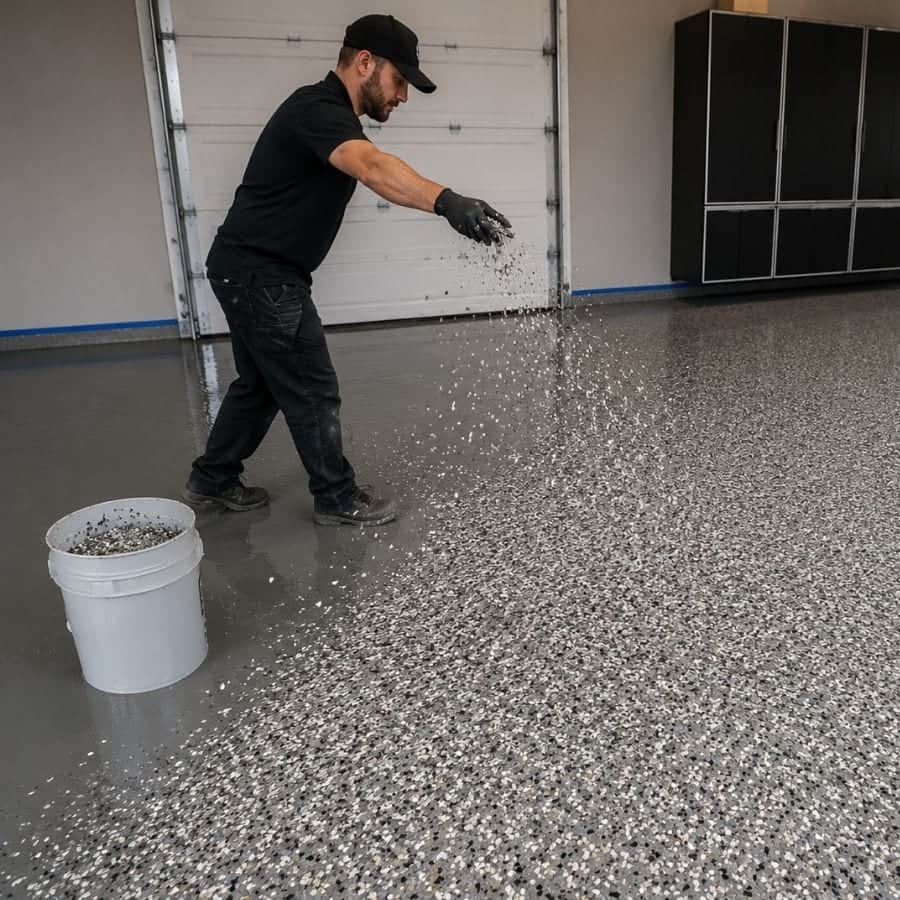
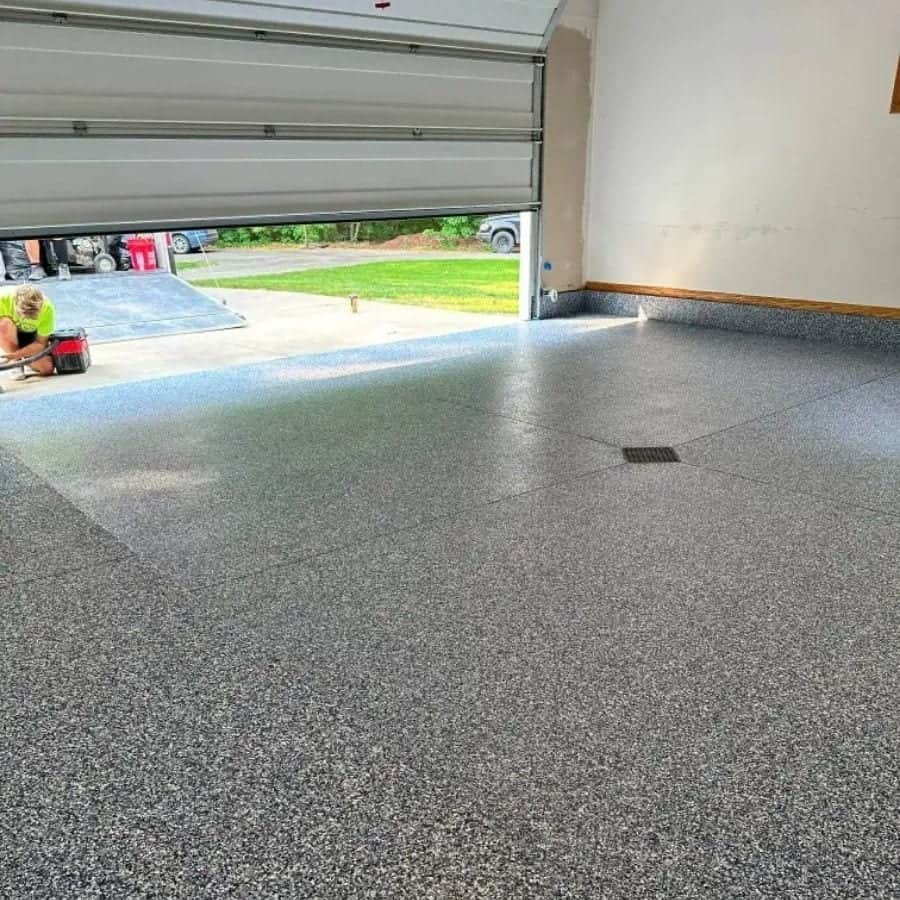
These images show coating work and finished surfaces from the High Caliber library. They illustrate materials and process details without assigning the work to Rockford.
Free Project Quote
Tell us about the space and we will follow up with a clear recommendation and quote conversation.
Phone
Business Hours
Free Estimate
Bring us the useful details: what crosses the slab, what reaches it, how the floor is cleaned, which repairs are visible, and how the facility needs to keep moving. We will discuss preparation, compatible coating layers, access, and care so your estimate starts with the building rather than a generic product choice. The first conversation can also identify questions about moisture, repairs, staging, or a better comparison.