
Routes With A Defined Surface
A selected finish can give forklifts, carts, vehicles, equipment, and people a more consistent surface. Turning, wheel type, impact, and route frequency still guide the recommendation.
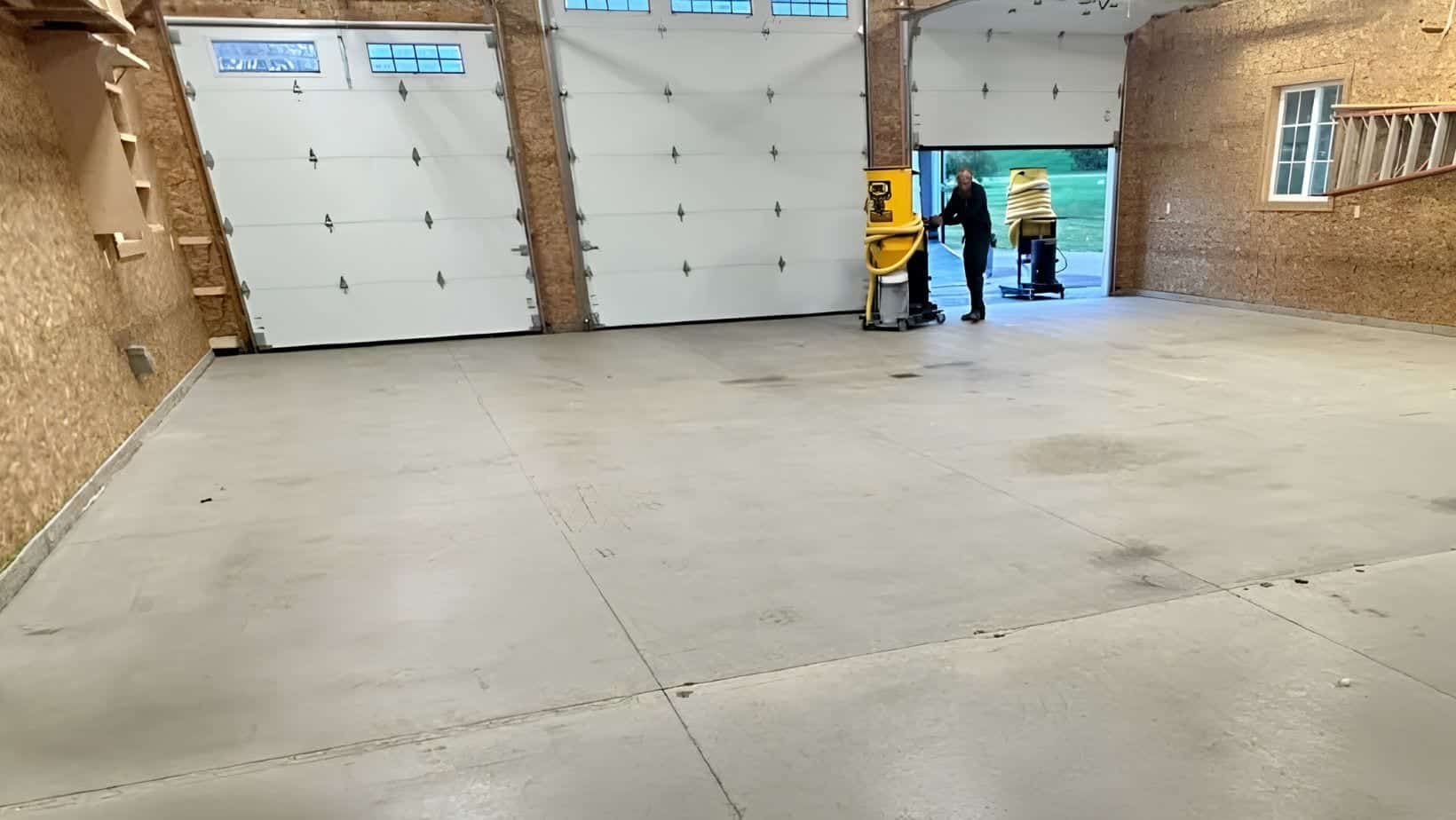
Industrial floor coatings in West Olive should begin with the jobs the slab is asked to absorb. A workshop, fleet garage, warehouse, or agricultural support building may see abrasive dirt, equipment movement, fluids, wash-down water, and seasonal moisture. We connect those realities to repairs, mechanical preparation, compatible layers, access planning, and care before recommending a finished surface.
Service Overview
A floor can change jobs from one part of the day to the next. The same slab may receive a vehicle, hold materials, support repairs, and then be cleaned. We want to understand those transitions, where grit and fluids collect, which routes receive the most movement, and what access the building must keep.
That conversation gives preparation a purpose. We examine the concrete, plan repairs where needed, and compare a hybrid coating with polishing or sealing when those options better match the facility.
Benefits
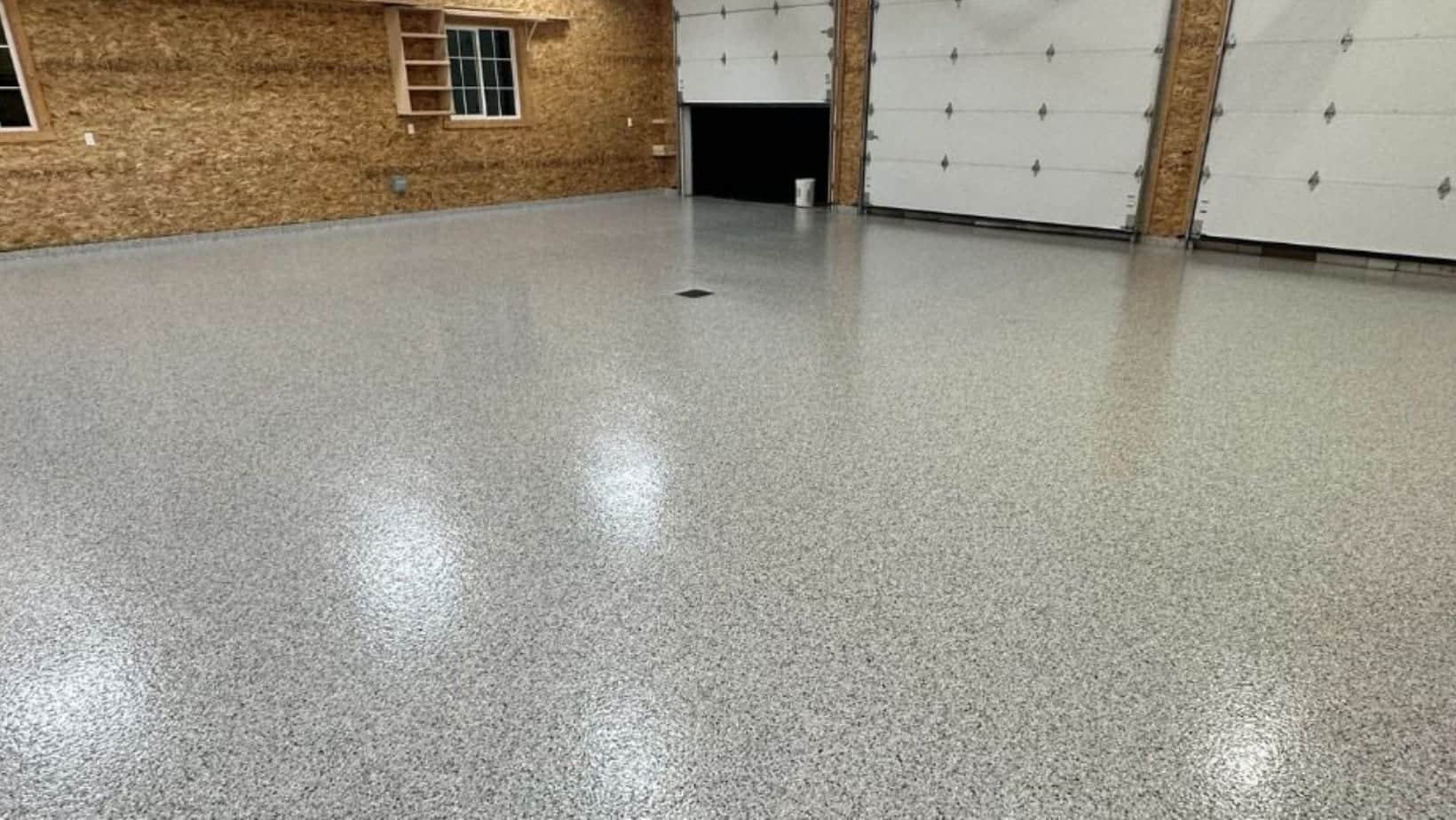
The value of a coating comes from how well its layers, preparation, and care plan fit the work. We keep the expected benefit connected to the actual slab and the conditions around it.
A selected finish can give forklifts, carts, vehicles, equipment, and people a more consistent surface. Turning, wheel type, impact, and route frequency still guide the recommendation.
A uniform finish may make dirt, residue, and fluid spills easier to see during upkeep. It supports attention to cleaning without replacing spill response or regular maintenance.
Equipment abrasion, fluid contact, moisture, and cleaning all belong in the system discussion. We choose layer roles around those conditions instead of treating color as the main decision.
Wash-down routines, spring melt, and humid lakeshore air can affect preparation and access. Naming them early helps shape drying expectations, work zones, and care instructions.
Cracks, spalls, joints, weak areas, and old surface material need clear discussion. Separating slab work from finish selection keeps the scope understandable before installation begins.
Color, flake, and texture can organize the look of a workshop or service area. Visibility, cleaning, traffic, and the room's use should determine how decorative choices are made.
Installation Process
We move from what the building does to what the concrete needs, then verify the finished area before active work returns. That sequence keeps West Olive traffic, moisture, repairs, material roles, and daily care connected.
Step 1
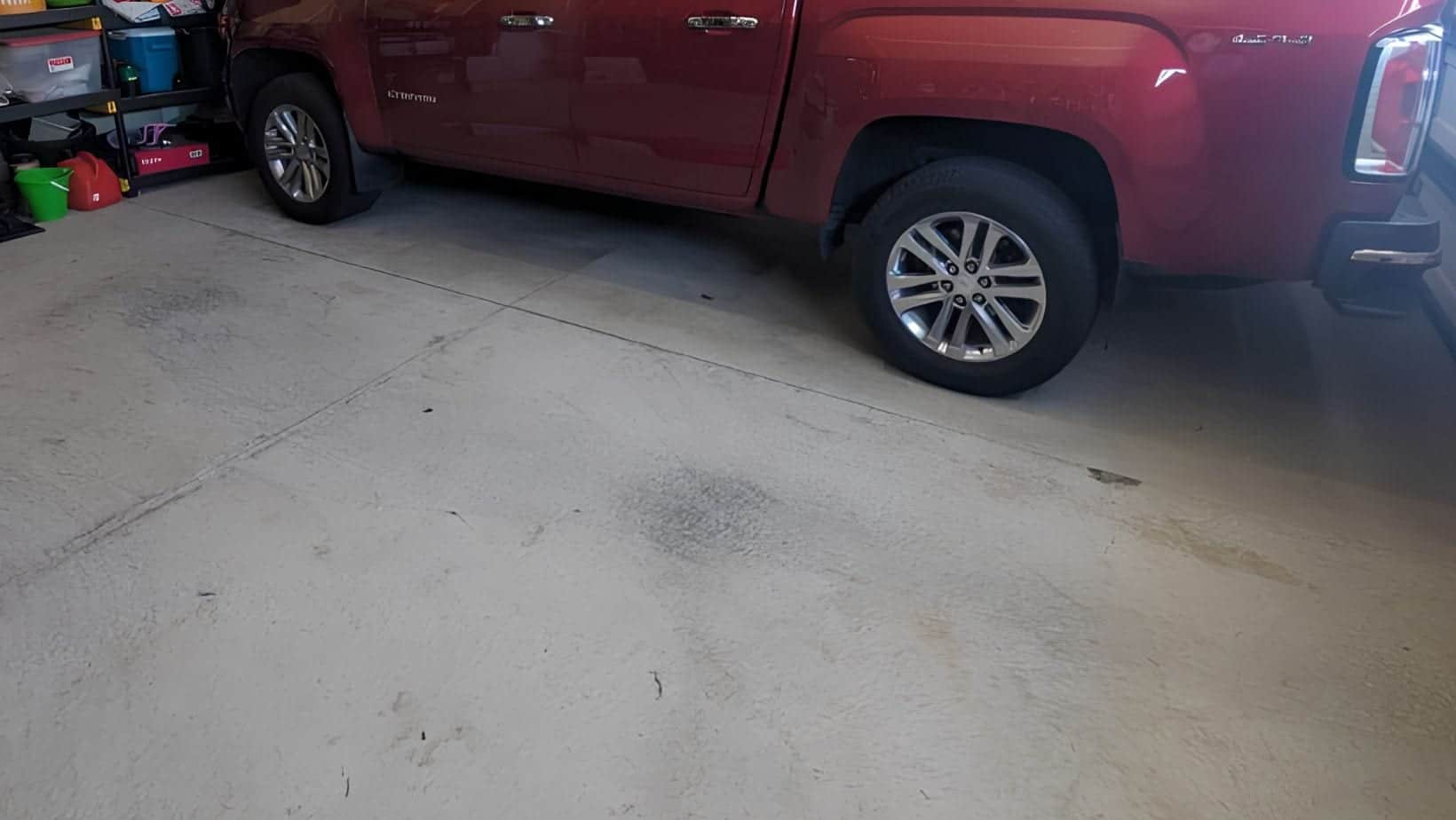
Before discussing a finish, we walk the slab as part of the facility. We look at wheel paths, turning points, door thresholds, storage edges, workstations, spills, and places where people or equipment cross. A West Olive fleet space may behave differently from a warehouse aisle or farm support building, so the first record is how this concrete is actually used.
Step 2
We then convert those observations into a facility brief. The brief covers abrasive dirt, fluid or chemical contact, wash-down water, humidity, spring melt, available access, and the order in which areas can be cleared. It also identifies what the owner expects from cleaning and return to service, giving the coating recommendation a use-based starting point.
Step 3
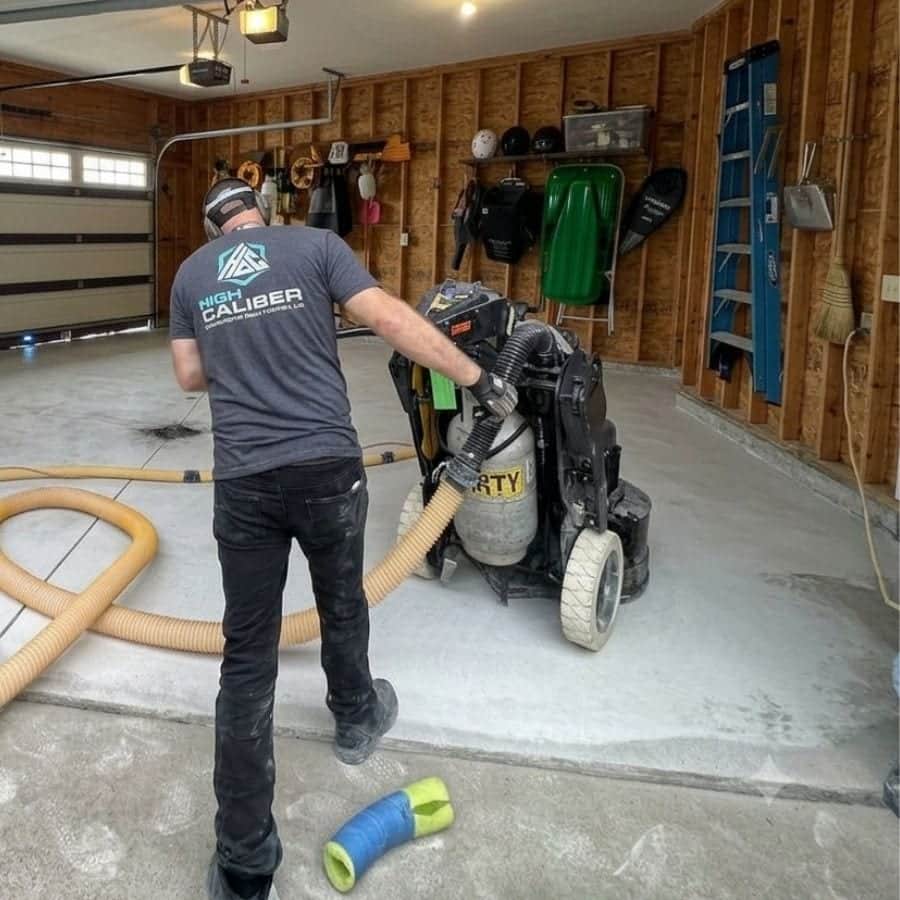
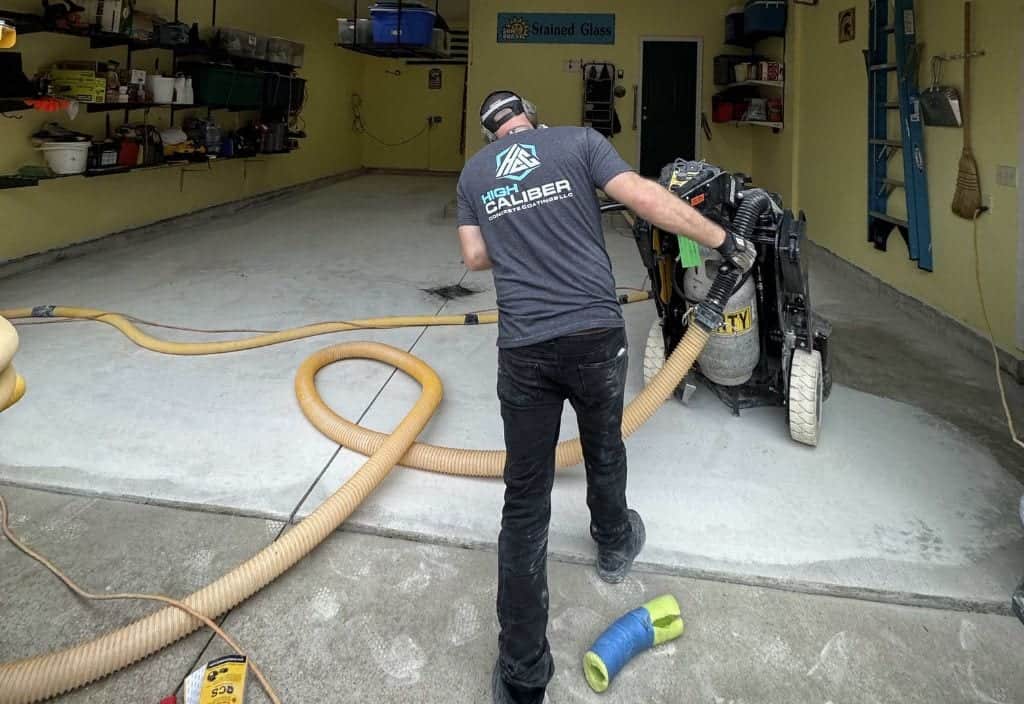
With the scope defined, diamond grinding and other mechanical methods remove unsuitable surface material and establish the profile needed for the specified system. We account for edges, thresholds, dust capture, and hard-to-reach sections. Grinding is preparation, not leveling or structural repair, so visible slab problems remain separate items for review.
Step 4
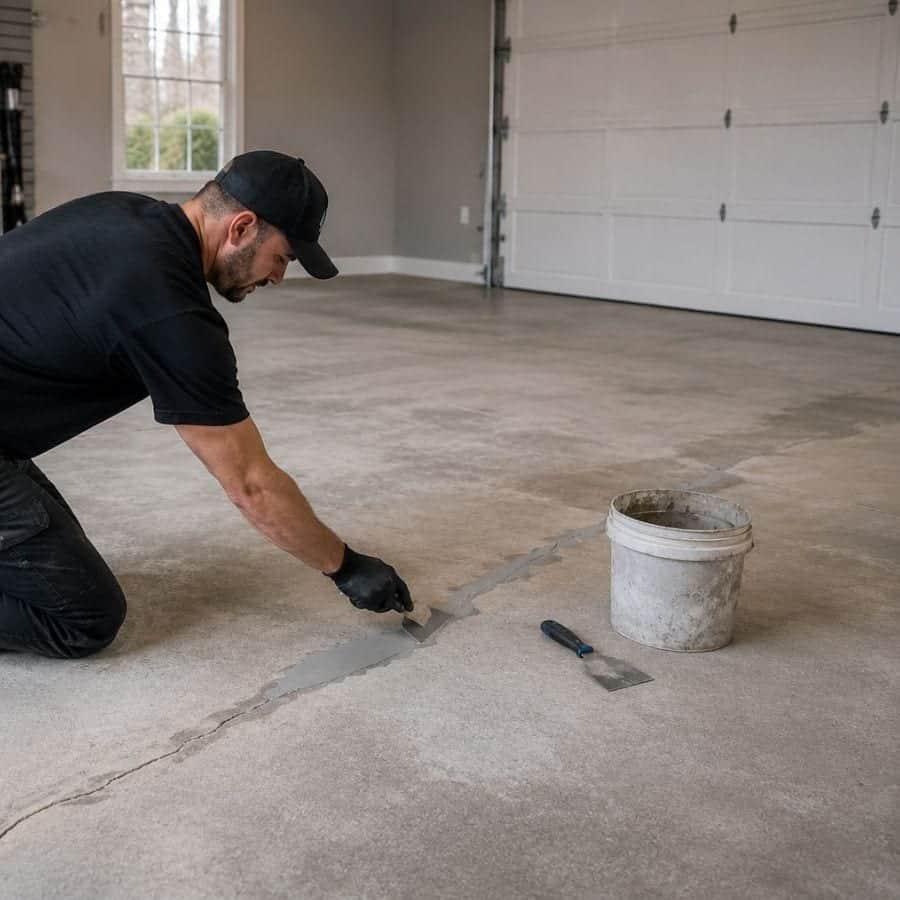
Once the surface is open, we document what preparation reveals. Cracks, spalls, joints, porous or weak areas, moisture concerns, contamination, and remnants of an earlier finish can change the work before coating begins. We define the repairs and any added preparation needed, leaving the owner with a scope that distinguishes concrete condition from the appearance of the final floor.
Step 5
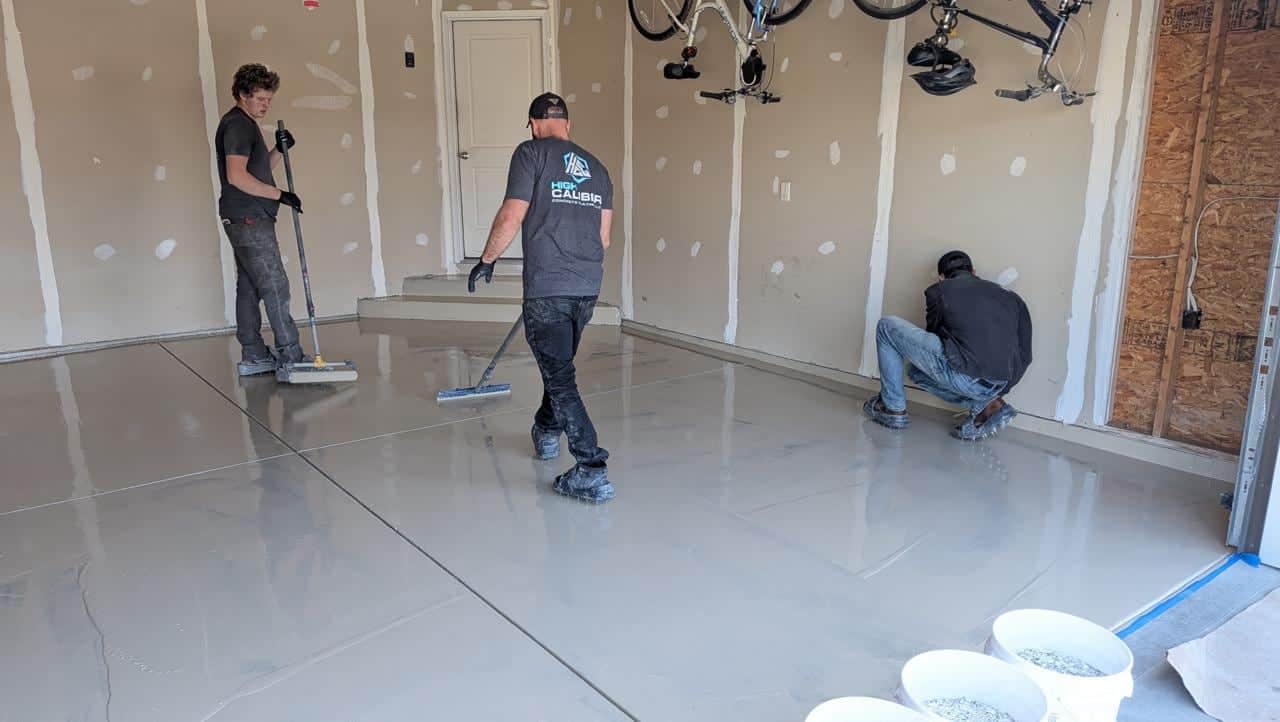
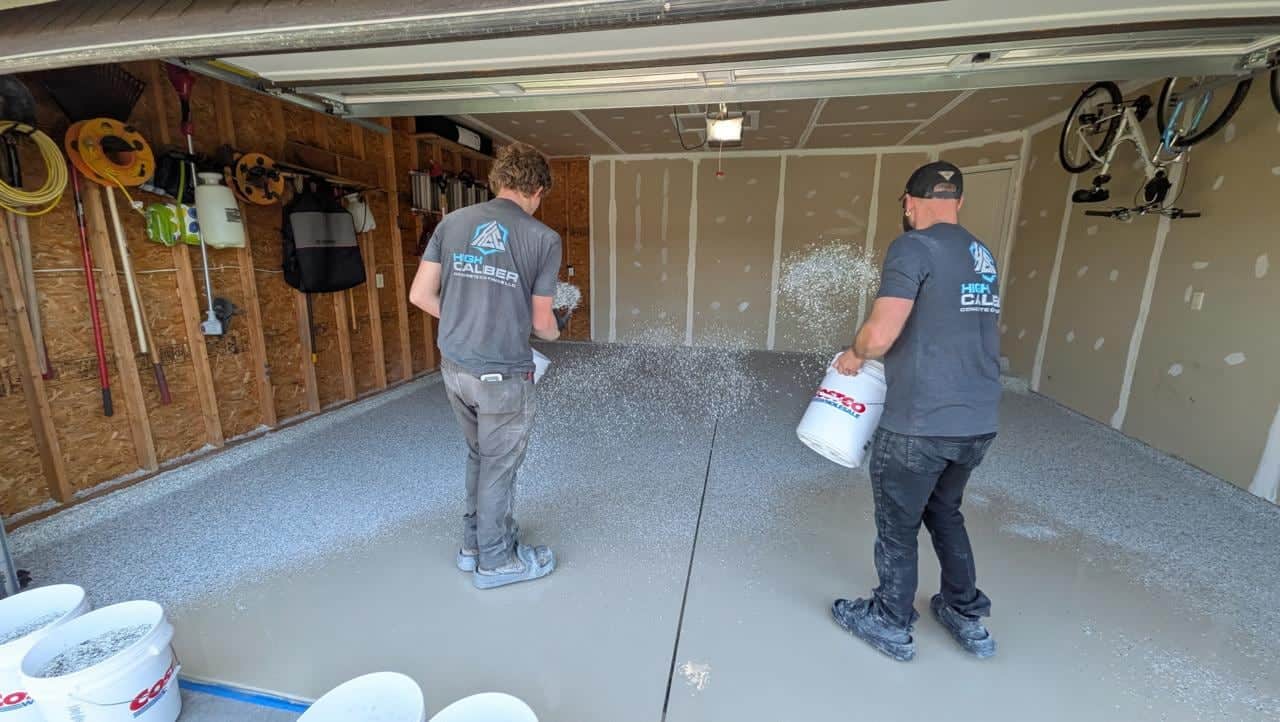
After the slab is ready, we install the compatible layers selected for the facility. Epoxy may serve as the adhesion and build layer, while polyurea may serve as the topcoat where its flexibility, chemical resistance, UV stability, and cure contribution fit. Flake or texture can be included when it supports the room's use, visibility, or upkeep.
Step 6
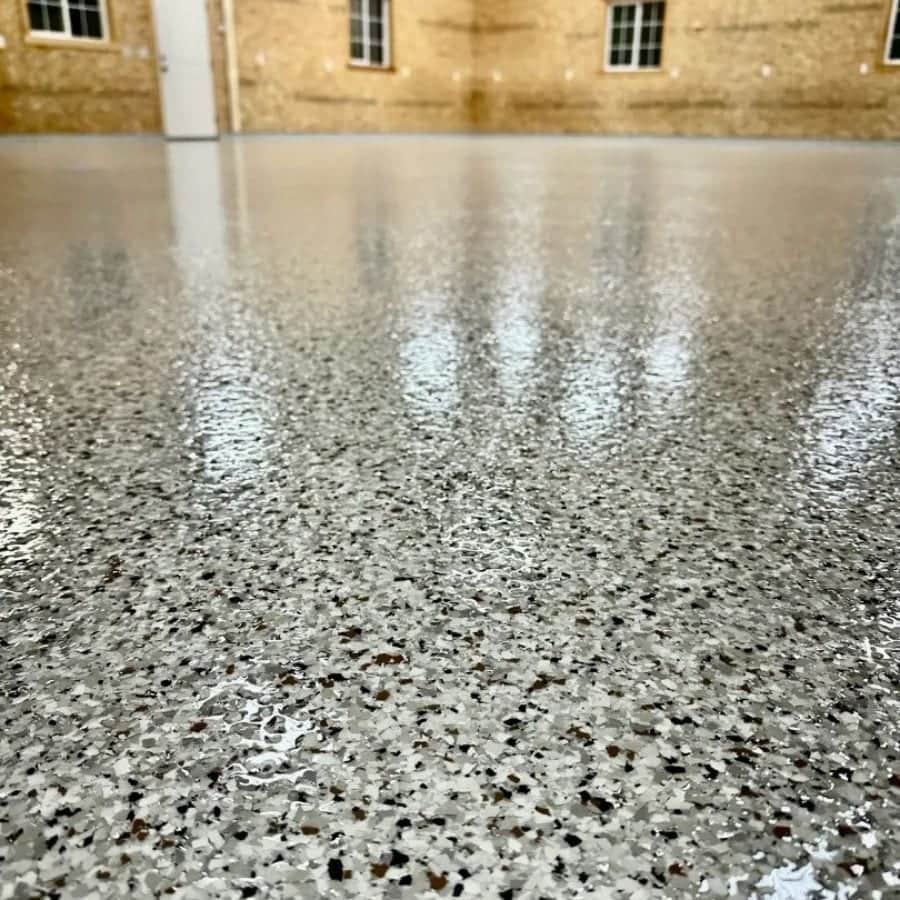
Before the area is released, we inspect the coating through the details that affect working life: coverage, edges, transitions, and connections to active floor. We explain cure guidance, equipment movement, cleaning, spill response, wet conditions, and abrasive dirt. The final conversation turns a completed installation into a surface the facility knows how to use and maintain.
Why High Caliber
The High Caliber team serves this work from the Holland and Zeeland area, with family ownership behind the conversation. We bring the concrete, the building routine, and the owner’s practical limits into the same conversation. That makes it easier to identify what needs preparation, what needs repair, and what the finished surface is expected to do.
We can explain the hybrid epoxy and polyurea approach without reducing the choice to a product slogan. We can also compare a film coating with a penetrating sealer or with polishing, which mechanically refines the slab rather than covering it.
Customer Reviews
“Would highly recommend. No pressure sales, quality product, great communication and quality installation. I met Jeff at the home show. I was drawn into his booth by his very enthusiast kids. I got the immediate impression this was a family oriented business and that was reinforced by the conversation with both Jeff and his young son. These values drew me to this business. I signed up for a quote. Shortly after the show Jeff came to my home to present options and provide a quote. No pressure to buy, Jeff understood I needed to get thru tax season before I could be sure about my budget. Over the course of next few months Jeff was responsive to any questions I had and we got the job scheduled. Jeff provided a trailer in the quote to store contents of garage while job was being done, which was very helpful. When talking with others about the quote I learned my price was equal to or less than what neighbors had paid up to six years ago, so I felt this was good pricing. I had thought there would be a ton of dust and a big mess when grinding surface, but the machines had a vacuum attached, clean and efficient work. I was impressed that they coated steps and side walls as well as floor. No mess on drywall or driveway. Crew doing installation were great guys. They took time to fill me in on the process of installation, what to expect, how long for surface to cure and when I could empty trailer. Post install Jeff stopped out to grab trailer, filled me in on what to use and how to clean the floor. VERY happy with the whole process from sales to install to follow up. LOVE my new garage.”
“High Caliber's quality and communication was excellent. From the person that visited onsite for an estimate to their crew that performed the service was above normal customer service standards, as they explained the process and timing. My garage floor looks great!”
“Jeff and his team did the most amazing job epoxy floor coating my 38 year old garage floor. Outstanding, professional, skilled, great communication. Highly recommended.”
West Olive, Michigan
West Olive facilities can sit at the meeting point of Ottawa County's lakeshore weather and its rural working properties. Workshops, small warehouses, fleet garages, agricultural processing spaces, and pole barns do not use their slabs in the same way. We ask what the building receives, where material is handled, and how each area is cleaned before translating local context into a coating discussion.
Tires, boots, and equipment can carry lake-effect snow, road salt, and wet grit into the building. Freeze-thaw cycles, spring melt, and humid lakeshore air add reasons to discuss entrances, moisture, drainage, and wash-down habits. These conditions do not choose the system for us. They help identify where preparation, exposure, maintenance, and access need more attention.
The nearby program pages for Holland, Grand Haven, and Allendale offer related service context. Your scope still has to follow your West Olive building, its concrete, and the work that crosses it. That local pattern helps us decide which questions deserve attention during the first walkthrough and estimate conversation.
Salt, wet soil, grit, and meltwater often arrive before they spread through the building. Their path can inform cleaning, exposure, texture, and maintenance questions.
A pole barn, workshop, or fleet area can shift between storage, service, movement, and washing. We need the full routine before narrowing the finish choice.
A useful floor depends on sensible cleaning, prompt attention to spills, grit control, and care for wet conditions after installation.
Frequently Asked Questions
It depends on how each zone is used. Tell us whether the areas handle vehicles, equipment storage, repairs, agricultural materials, fluids, or washing. Shared conditions may support one approach, while different traffic, moisture, or exposure can call for separate decisions within the overall facility plan.
A rough layout, photos of entrances and worn areas, the types of wheels or equipment involved, cleaning habits, spill concerns, and access limits can make the first conversation more useful. Include seasonal concerns such as road salt, spring melt, or damp air when they affect the building.
Explain where abrasive dirt enters, where water is used, how often the floor is cleaned, and whether equipment crosses between those areas. We can then consider preparation, texture, drainage, access, exposure, and maintenance together. The combination matters more than labeling the room as a workshop or garage.
Diamond grinding removes unsuitable surface material and creates the profile needed by many coating systems. It is mechanical preparation, not structural repair or a promise to level every slab. Cracks, spalls, joints, weak concrete, contamination, and old coatings still need their own evaluation after preparation.
In a compatible hybrid system, epoxy can provide adhesion and build in the basecoat. Polyurea can serve its intended layer where flexibility, chemical resistance, UV stability, and a faster cure contribution fit the project. We select the sequence around the prepared concrete and the facility rather than dismissing either material.
Bring it up when the slab has a history of dampness, the building sees spring melt or wash-down water, entrances stay wet, or humid air is a concern. We discuss the observed conditions and any appropriate assessment before the finish sequence is treated as final.
Salt exposure should be described with the route and cleaning routine, not treated as a universal performance promise. We can discuss entrances, grit removal, moisture, preparation, the selected layers, and owner care. The floor's use and maintenance still determine how the finished surface is managed.
It may be possible when the work zones, temporary paths, equipment moves, edges, transitions, cure guidance, and cleaning plan are decided ahead of time. A phased approach has to protect the boundary between completed and active areas. We can discuss those limits before the scope and schedule are finalized.
Polishing mechanically refines the concrete itself instead of applying a film. A penetrating sealer protects within the concrete without creating a film coating. A coating adds planned layers over prepared concrete. Traffic, moisture, exposure, appearance, and maintenance help determine which comparison is useful for the facility.
Related Services
The right industrial floor decision may involve preparation, a layered coating, or a finish that keeps more of the slab visible. These services help clarify the options.
See how mechanical preparation creates the surface profile required by many coating systems.
Learn moreLearn where polyurea can fit within a compatible layered floor system.
Learn moreCompare mechanically refined concrete when the slab itself should remain visible.
Learn moreConsider a penetrating sealer when protection without a film coating is the goal.
Learn moreGallery And Visual Proof
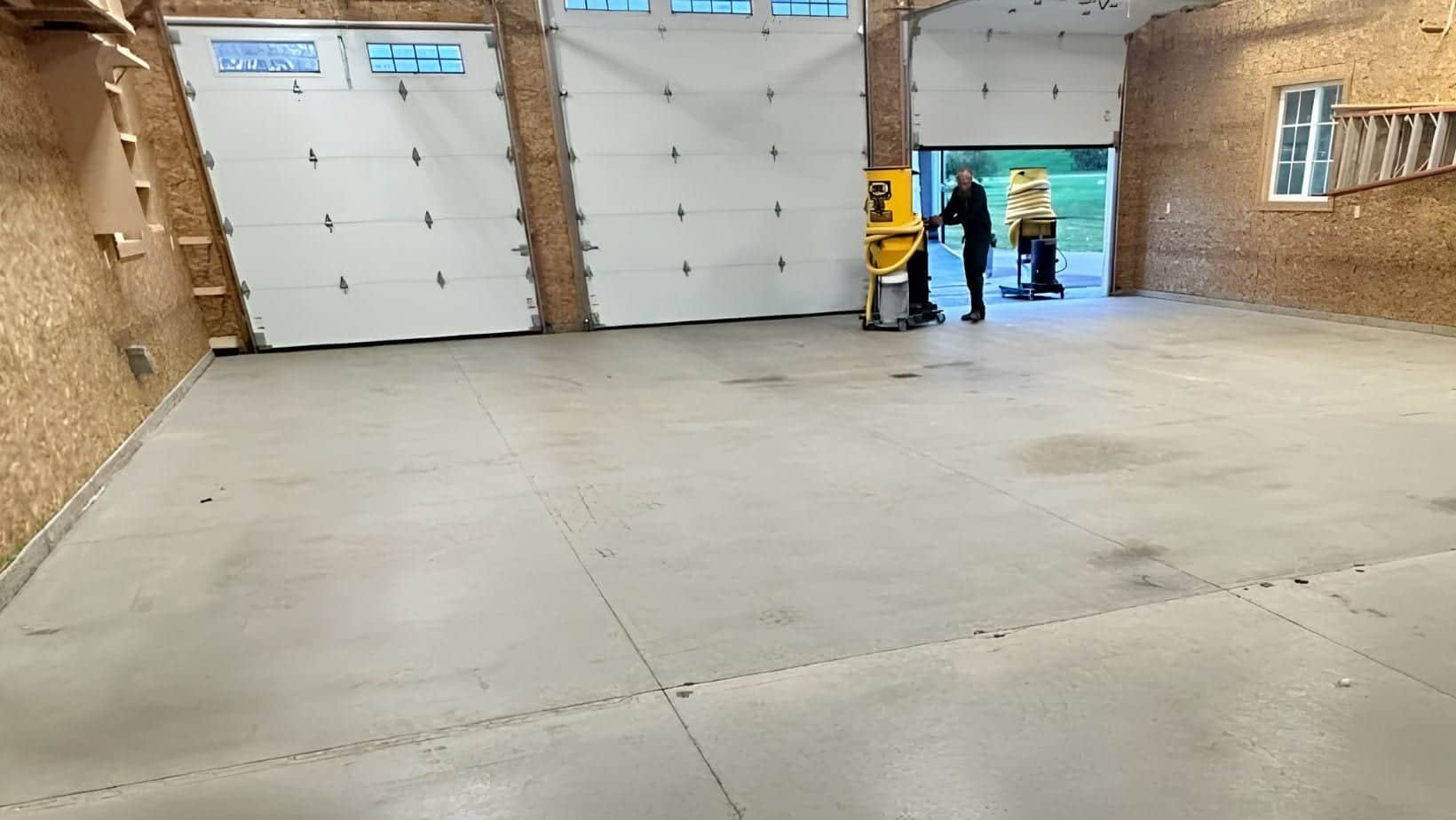
These library images show concrete before preparation, repair and coating stages, and a finished surface. They illustrate the process and are not represented as West Olive project photographs.
Free Project Quote
Tell us about the space and we will follow up with a clear recommendation and quote conversation.
Phone
Business Hours
Free Estimate
Tell High Caliber where vehicles move, grit enters, fluids collect, water is used, repairs are visible, and access is limited. We will use those details to discuss preparation, compatible layers, and care for your West Olive facility.
Request a free estimate or call our team to begin. Photos and a rough layout can help us understand the work zones before we talk through the coating scope. We will start with the facts that matter to your operation.