
Put Wear In The Right Places
Forklift turns, fleet parking, pallet movement, and foot traffic do not load every part of a slab equally. Identifying those areas helps shape preparation, texture, transitions, and coating expectations.
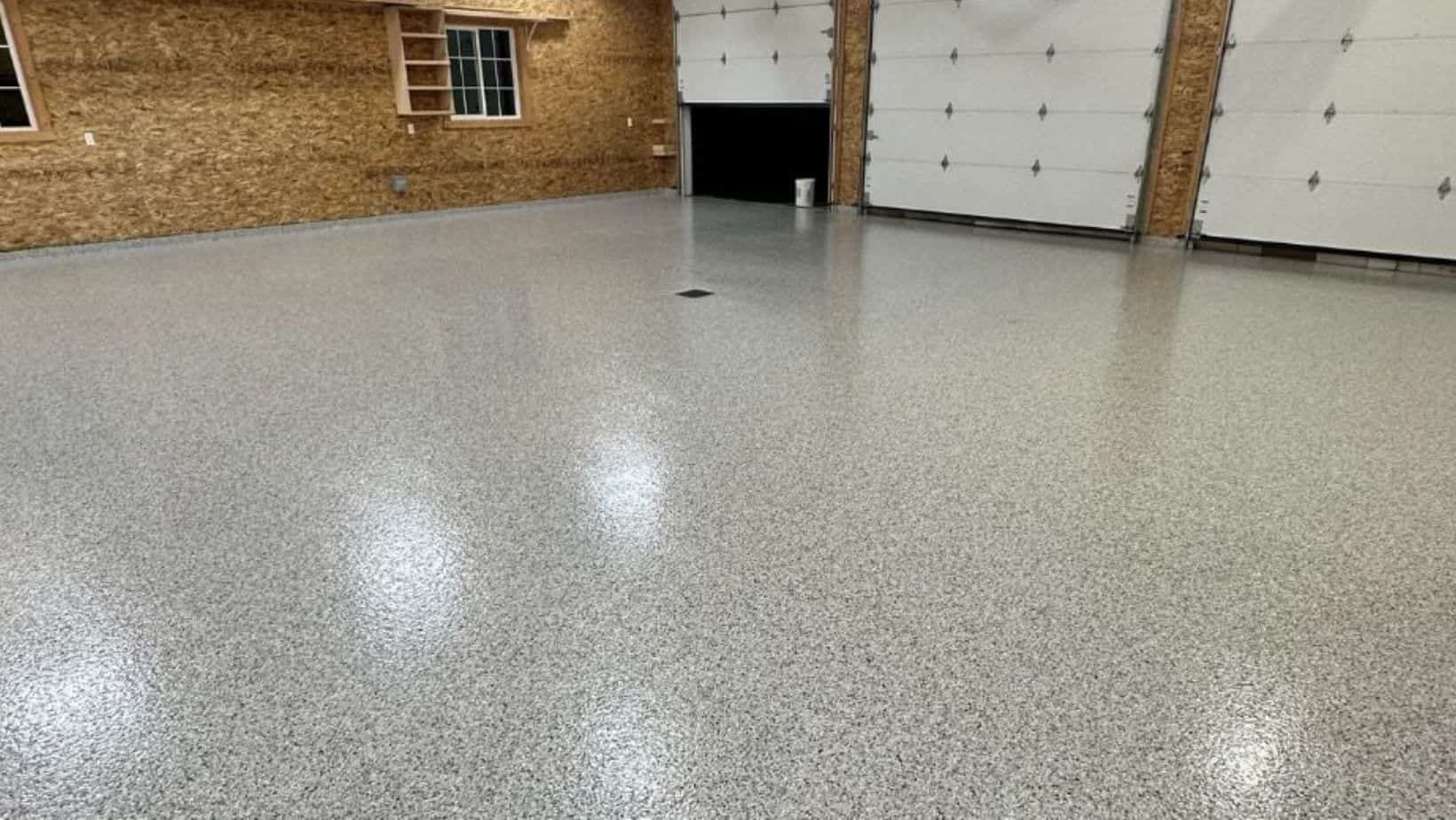
At a Wyoming facility, the floor is where material, wheels, water, and weather meet. We help owners sort those pressures before work begins, from forklift abrasion and fluid contact to winter salt, repair needs, cleaning routines, and the access required to install a compatible coating system, with the operation's daily rhythm kept in view.
Service Overview
An industrial slab has to receive the consequences of the work above it. Forklifts turn, vehicles park, pallets shift, tools fall, and fluids find the low points. Those events help us understand where abrasion, impact, cleaning, and moisture belong in the estimate. They also show why preparation and repair need attention before anyone chooses a finish.
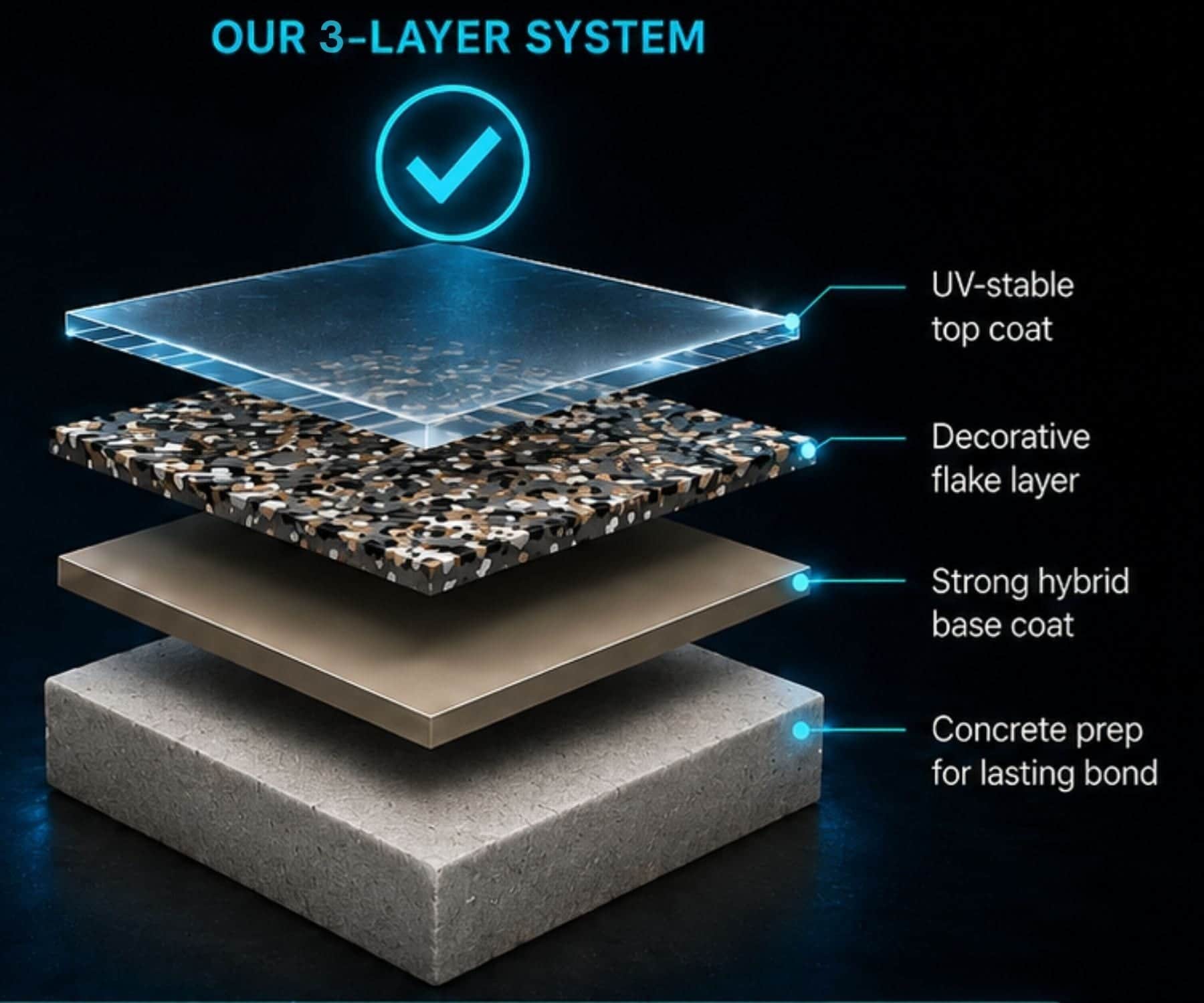
Our hybrid system gives each layer a job. Epoxy can provide adhesion and build at the base, while compatible polyurea can serve the selected topcoat role. We connect that chemistry to the concrete, the facility, and the care routine instead of presenting one material as the answer for every room.
Benefits
A useful coating conversation makes the facility's ordinary demands visible. We look at the floor as part of daily work, then connect the proposed surface to traffic, exposure, cleaning, and future maintenance.
Forklift turns, fleet parking, pallet movement, and foot traffic do not load every part of a slab equally. Identifying those areas helps shape preparation, texture, transitions, and coating expectations.
Oil, wash water, agricultural residue, cleaning products, and incidental chemical contact each deserve a clear place in the discussion. We ask what reaches the surface and how crews remove it.
Epoxy can supply adhesion and build in the hybrid stack, while polyurea can fill a compatible topcoat role. The facility's traffic, exposure, and desired finish guide how those roles are evaluated.
Frequent washing affects texture, transitions, access, and care. Describing the equipment and rhythm used by your team helps us discuss a surface that can be maintained as part of normal operations.
Cracks, joints, spalls, weak areas, moisture, and old coatings can change the work. We separate those findings from the finish so a coating is not asked to solve an unrelated slab condition.
Color, flake, sheen, and texture can make a service bay, workshop, warehouse, or fleet area easier to read. Visual choices still need to fit cleaning, movement, visibility, and use.
Installation Process
A coating scope becomes easier to manage when each decision hands evidence to the next. We begin with facility use, then define access, prepare the concrete, complete needed repairs, place the coating system, and review the finished floor before normal traffic returns.
Step 1
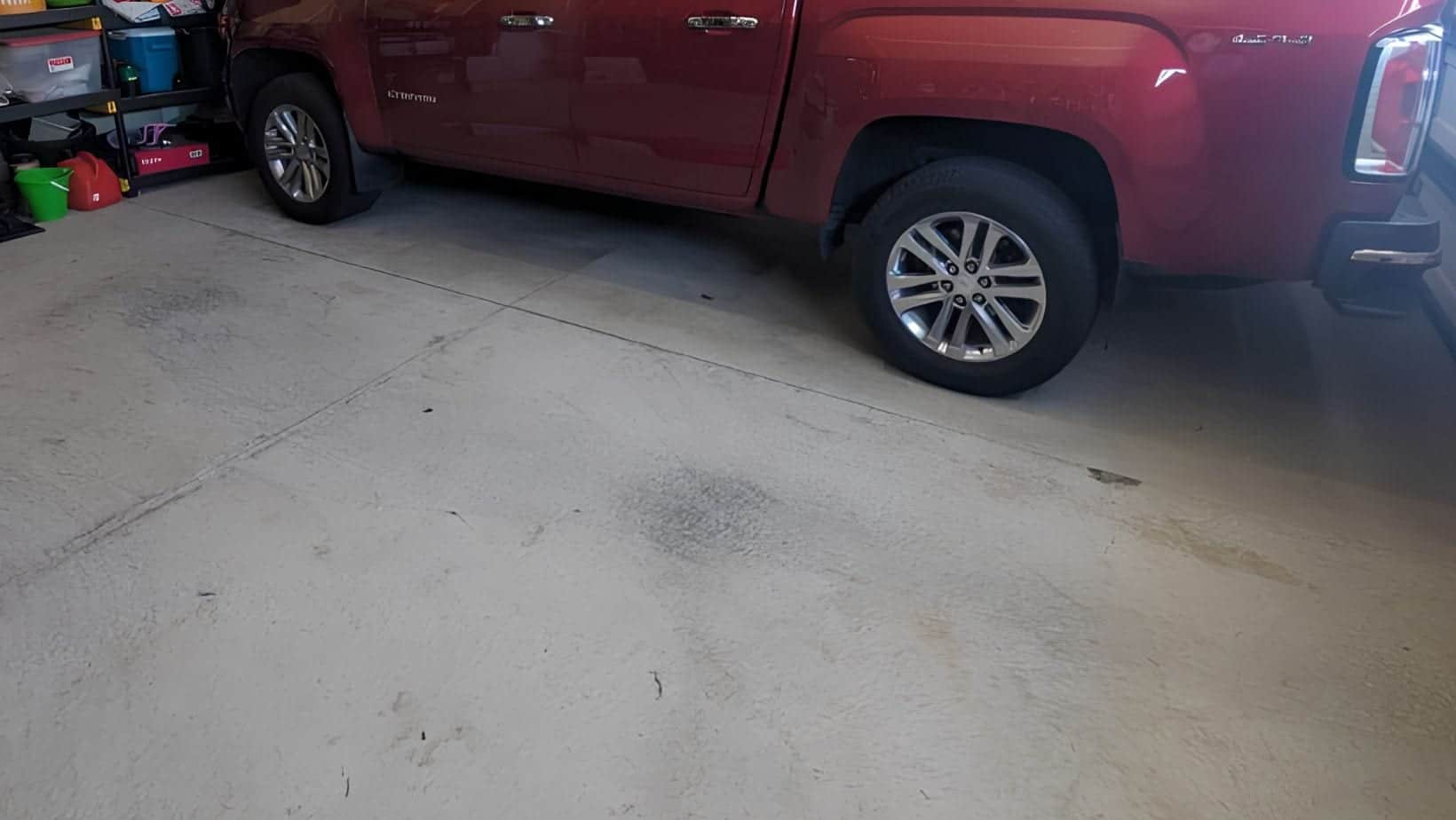
Before we talk about a finish, we look at how the Wyoming space works. Share the rooms used for production, storage, fleet service, workshops, or agricultural processing, plus turning areas, loading paths, parked equipment, and spots where water or fluids collect. This establishes the floor demands that the rest of the scope must answer.
Step 2
Facility planning covers more than square footage. We map which zones can be cleared, how equipment and materials move, what cleaning method the team uses, and where winter salt, snow, spring moisture, or humidity enters the building. Those details help organize transitions, access, exposure, and maintenance expectations before preparation begins.
Step 3
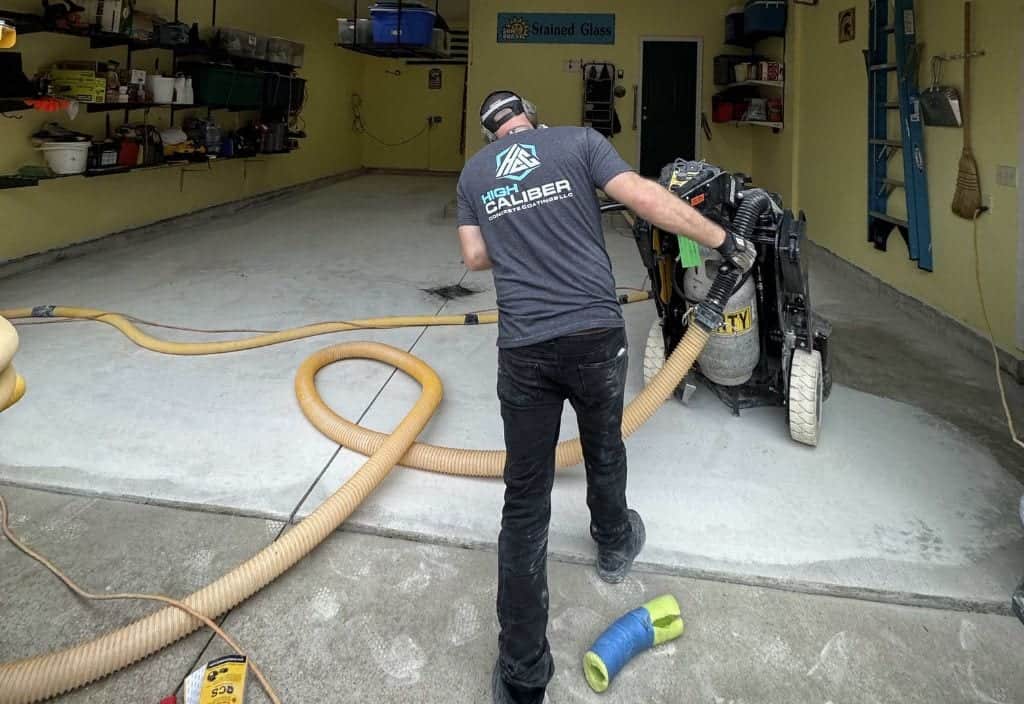
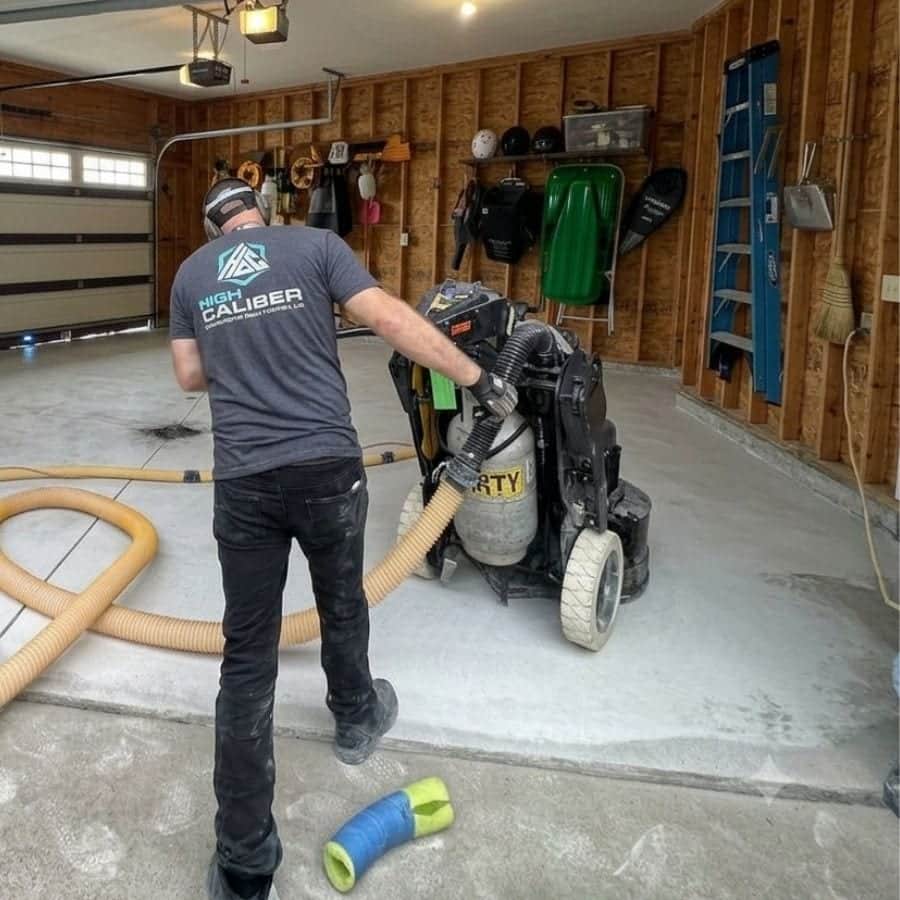
After the work area is ready, diamond grinding removes unsuitable surface material and creates the profile required by the specified system. We account for edges, corners, joints, equipment bases, and dust collection. The goal is a prepared bond surface, not a promise to level the slab or correct structural movement.
Step 4
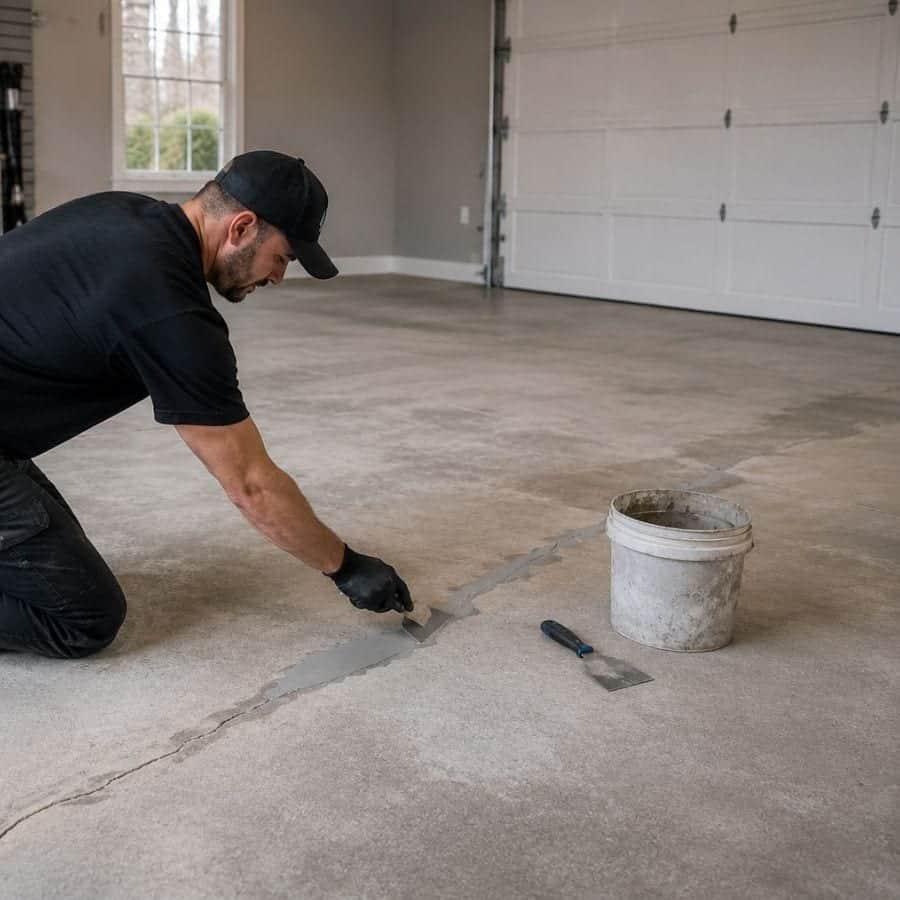
Preparation gives cracks, spalls, weak concrete, joints, contamination, and remnants of prior coatings a closer review. We identify repairs that belong before coating and distinguish them from conditions that need a separate decision. That keeps the finish sequence grounded in what the concrete can accept and what future movement may affect.
Step 5
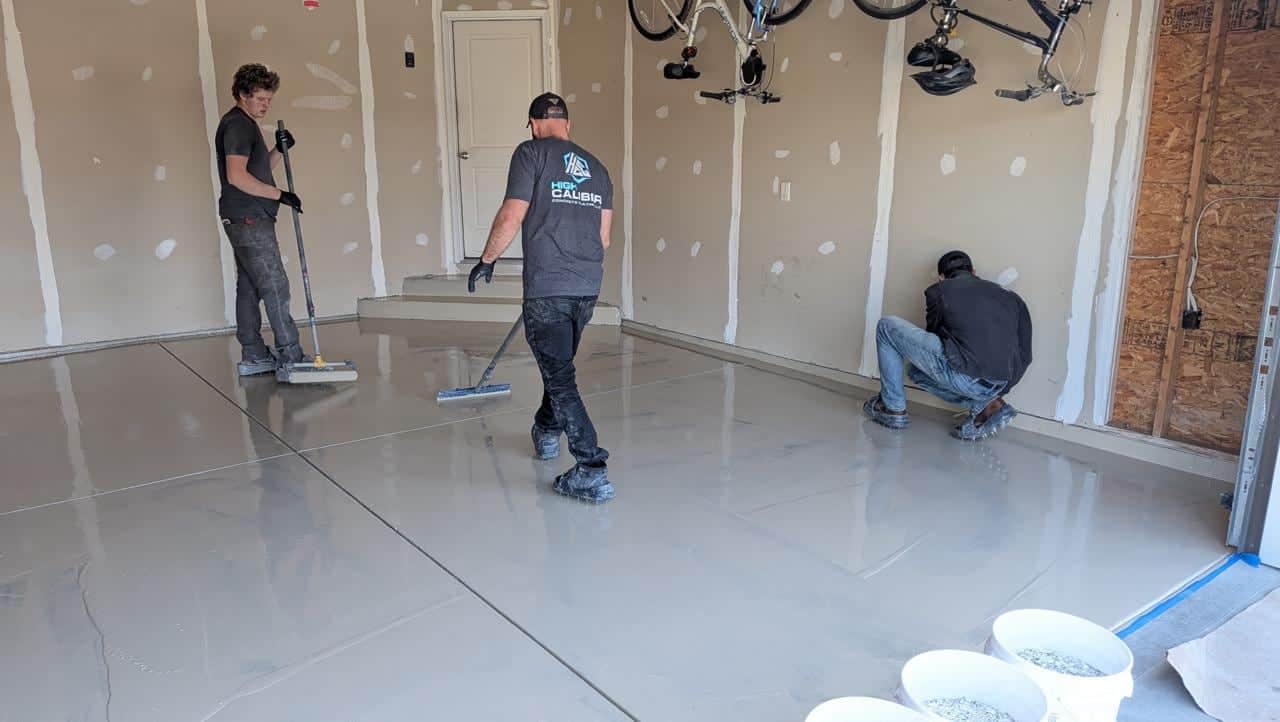
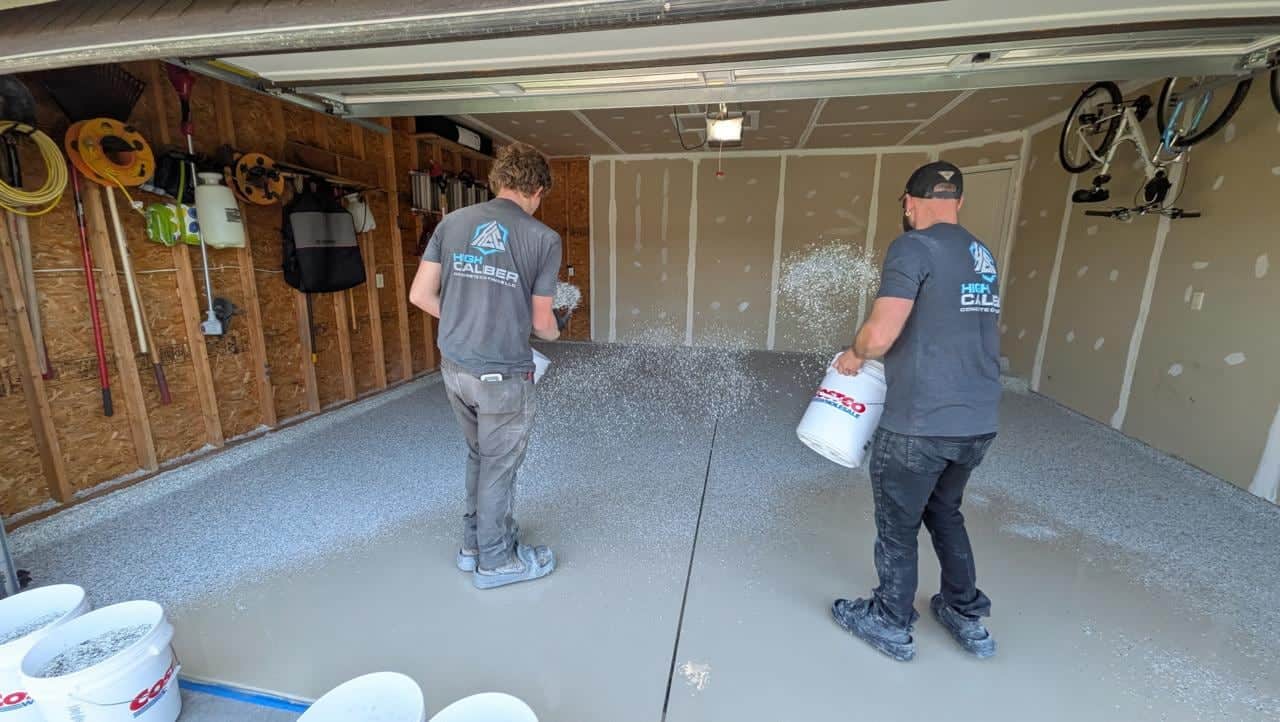
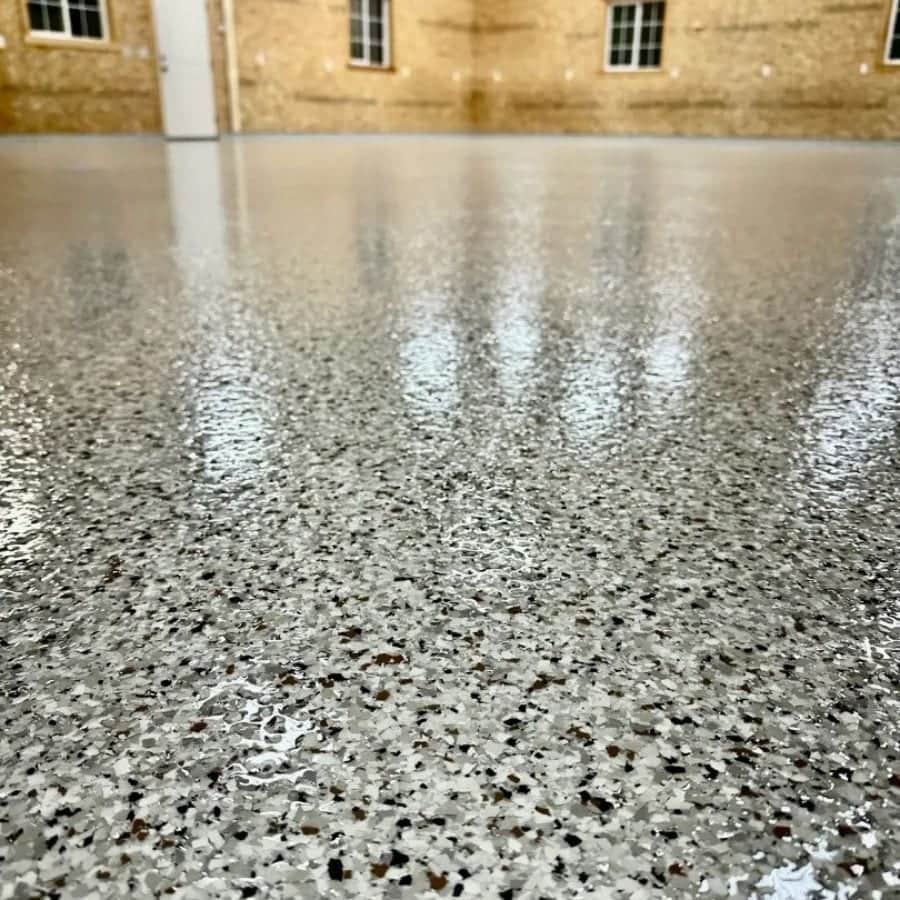
Once the surface is ready, we install the selected layers in their intended order. Epoxy may serve as the adhesion and build layer, followed by an optional decorative flake or traction treatment and compatible polyurea topcoat when specified. The system and finish remain tied to facility use, exposure, and care.
Step 6
At completion, we inspect the finished surface with the facility's reopening needs in mind. We discuss cure and return to use expectations, cleaning methods, traffic transitions, and routine care. If areas must come back online in stages, that access plan should be understood before regular equipment movement resumes.
Why High Caliber
High Caliber is a Zeeland-based family team serving West Michigan. We ask about the facility's actual demands before discussing a coating: equipment, grit, liquids, wash-down, concrete history, and access. That keeps the estimate connected to the way the rooms are used rather than reducing the project to a finish sample and a measurement.
We also keep comparison options honest. A film coating may fit one situation, while mechanically refined polished concrete or a penetrating sealer may make more sense in another. We can explain the difference so the chosen surface fits the slab and the maintenance habits around it.
Customer Reviews
“Would highly recommend. No pressure sales, quality product, great communication and quality installation. I met Jeff at the home show. I was drawn into his booth by his very enthusiast kids. I got the immediate impression this was a family oriented business and that was reinforced by the conversation with both Jeff and his young son. These values drew me to this business. I signed up for a quote. Shortly after the show Jeff came to my home to present options and provide a quote. No pressure to buy, Jeff understood I needed to get thru tax season before I could be sure about my budget. Over the course of next few months Jeff was responsive to any questions I had and we got the job scheduled. Jeff provided a trailer in the quote to store contents of garage while job was being done, which was very helpful. When talking with others about the quote I learned my price was equal to or less than what neighbors had paid up to six years ago, so I felt this was good pricing. I had thought there would be a ton of dust and a big mess when grinding surface, but the machines had a vacuum attached, clean and efficient work. I was impressed that they coated steps and side walls as well as floor. No mess on drywall or driveway. Crew doing installation were great guys. They took time to fill me in on the process of installation, what to expect, how long for surface to cure and when I could empty trailer. Post install Jeff stopped out to grab trailer, filled me in on what to use and how to clean the floor. VERY happy with the whole process from sales to install to follow up. LOVE my new garage.”
“High Caliber's quality and communication was excellent. From the person that visited onsite for an estimate to their crew that performed the service was above normal customer service standards, as they explained the process and timing. My garage floor looks great!”
“Jeff and his team did the most amazing job epoxy floor coating my 38 year old garage floor. Outstanding, professional, skilled, great communication. Highly recommended.”
Wyoming, Michigan
Wyoming brings together the kinds of spaces that make industrial flooring decisions specific: manufacturing rooms, warehouses, fleet garages, service bays, workshops, agricultural processing areas, and commercial slabs. The same building may contain a storage area with steady rolling traffic and a service area where fluids and impact matter more. We use those differences to shape the conversation.
Kent County weather adds practical exposure to the picture. Road salt and snow can arrive on tires, boots, and equipment. Freeze-thaw cycles, spring moisture, and humid summers can affect how owners think about cleaning, doors, slab moisture, and routine care. These conditions do not dictate one coating, but they are worth naming before the scope is settled.
Owners comparing work in Wyoming with nearby Grand Rapids, Grandville, or Kentwood may recognize similar facility types and still need different decisions. A warehouse, fleet garage, or agricultural room has its own combination of movement, liquids, repairs, and access. We let those facts guide the sequence so the finish follows the building instead of asking the building to fit a generic package.
A forklift aisle, fleet bay, storage room, and workshop may share one address while exposing the slab to different wear and impact.
Salt, snow, wet tires, spring moisture, and summer humidity make cleaning and moisture questions useful parts of a Wyoming estimate.
Preparation can reveal repairs, old material, or moisture concerns that need to be understood before a finish sequence is chosen.
Frequently Asked Questions
The slab can show prior coating, contamination, cracking, joints, spalls, moisture concerns, and areas of concentrated wear. We also want the operating context: what crosses the floor, where equipment turns, what liquids appear, how the space is cleaned, and which areas need access. Those facts help separate preparation from the finish decision.
It may be, when the concrete and use support the selected sequence. Epoxy has a purposeful role as an adhesion and build layer, while compatible polyurea may serve as the topcoat role. We consider traffic, exposure, cleaning, appearance, and access before discussing how the layers should work together.
Describe the liquids that can reach the surface, how often they appear, how they are removed, and what equipment is used for cleanup. Oil, wash water, agricultural residue, and cleaning products can create different planning questions. Texture, transitions, moisture, cure, and maintenance all belong in that conversation.
Grinding removes unsuitable surface material and creates the profile needed by many coating systems. It can also make cracks, weak concrete, old coating, contamination, and other conditions easier to see. Grinding is not structural repair or a promise of a perfectly level slab, so findings after preparation may change the scope.
We evaluate repair needs after preparation and distinguish them from the coating itself. Some cracks, spalls, or weak areas may receive planned repair before the layers are installed. Concrete can continue to move, and future maintenance can still occur, so responsible planning explains what the repair can and cannot accomplish.
They make the path of moisture and residue worth discussing. Salt may arrive with vehicles or boots, while snow, spring melt, freeze-thaw cycles, and humid air can affect cleaning and slab conversations. The answer depends on where those conditions reach the facility and what the concrete reveals during preparation.
Share the areas that cannot all close together, the equipment that must move, the cleaning sequence, and the order in which rooms need to reopen. We can discuss staged work or defined access zones after understanding the building and scope. We do not promise a schedule before those constraints are known.
Related Services
A working slab may call for a coating, a different material role, or a finish that keeps the concrete itself visible. These related services give you useful points of comparison before the scope is finalized.
See how mechanical preparation removes unsuitable material and creates a profile for many coating systems.
Learn moreReview where polyurea may serve within a compatible sequence for demanding concrete surfaces.
Learn moreCompare mechanical refinement when the existing slab should remain the finished surface.
Learn moreUnderstand when a penetrating sealer may protect concrete without adding a film coating.
Learn moreGallery And Visual Proof
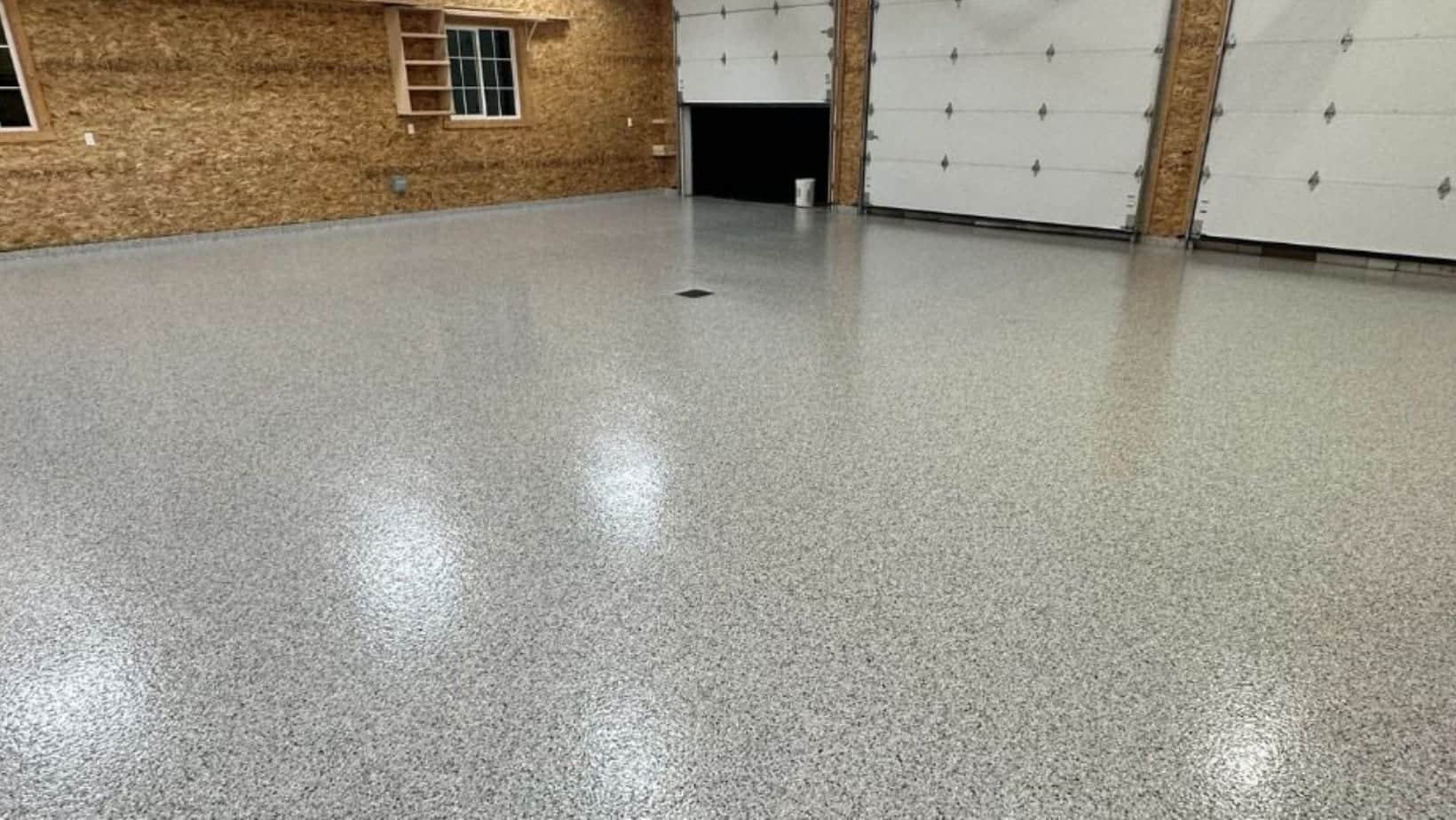
The existing High Caliber library includes examples of grinding, crack repair, layered-system planning, and completed flake floors. These images illustrate the work and are not presented as Wyoming project photographs.
Free Project Quote
Tell us about the space and we will follow up with a clear recommendation and quote conversation.
Phone
Business Hours
Free Estimate
Tell us which rooms carry wheels, where fluids or salt arrive, how the team cleans, what the concrete has been through, and which access limits matter. We will use those details to discuss preparation, repairs, compatible layers, and care for the finished surface.
When you are ready, request a Wyoming facility estimate and bring a floor map, photos, or a list of operating constraints. The first conversation can then focus on the building your team actually uses.