
Give Concrete A Working Skin
A planned coating gives concrete used by vehicles, boxes, tools, or foot traffic a defined surface to live on. The recommendation still follows the room's actual wear.
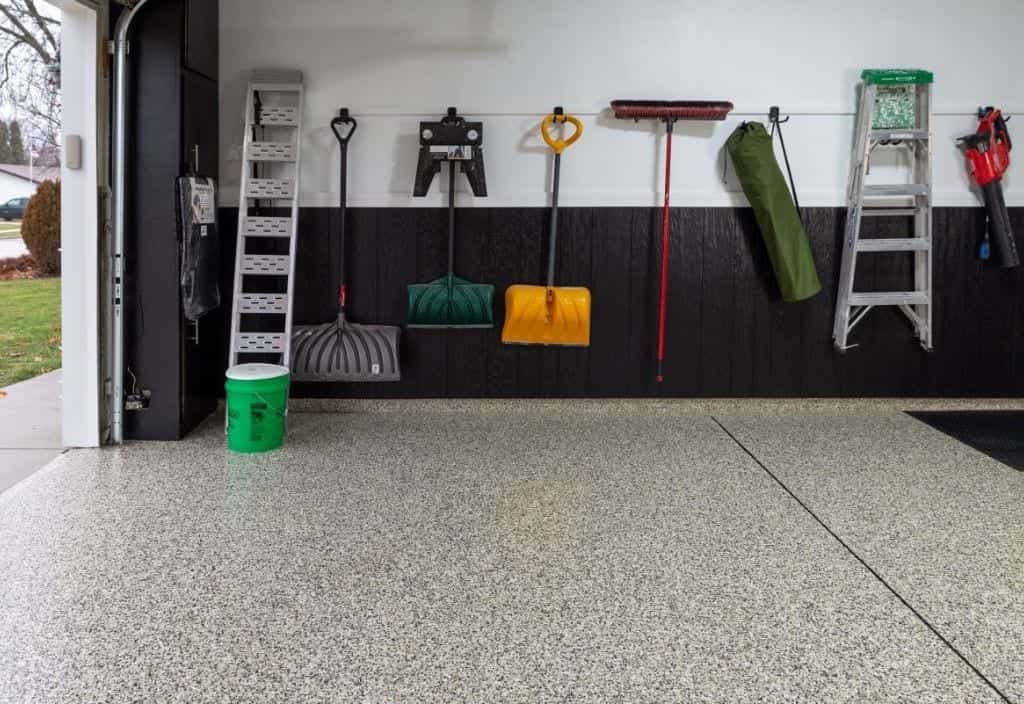
Your Holland floor may move from wet winter entry to summer storage, workshop duty, or customer traffic. We look at the concrete and the seasonally changing work above it before discussing colors or layers. High Caliber can help you sort through preparation, moisture questions, repair needs, and finish options for a residential or commercial coating project.
Service Overview
Concrete rarely has only one job. A garage can be an entry, parking area, workshop, and storage room. A basement can become living space. A patio, pole barn, retail room, or commercial floor brings a different mix of weather, movement, and care. We begin by learning what your space needs to support.
Our hybrid epoxy and polyurea system gives the installation a set of deliberate material roles. Epoxy builds adhesion and thickness at the base, while compatible later layers can serve the exposure and finish plan. Preparation and chemistry are considered together, so the surface choice has a reason behind it.
Benefits
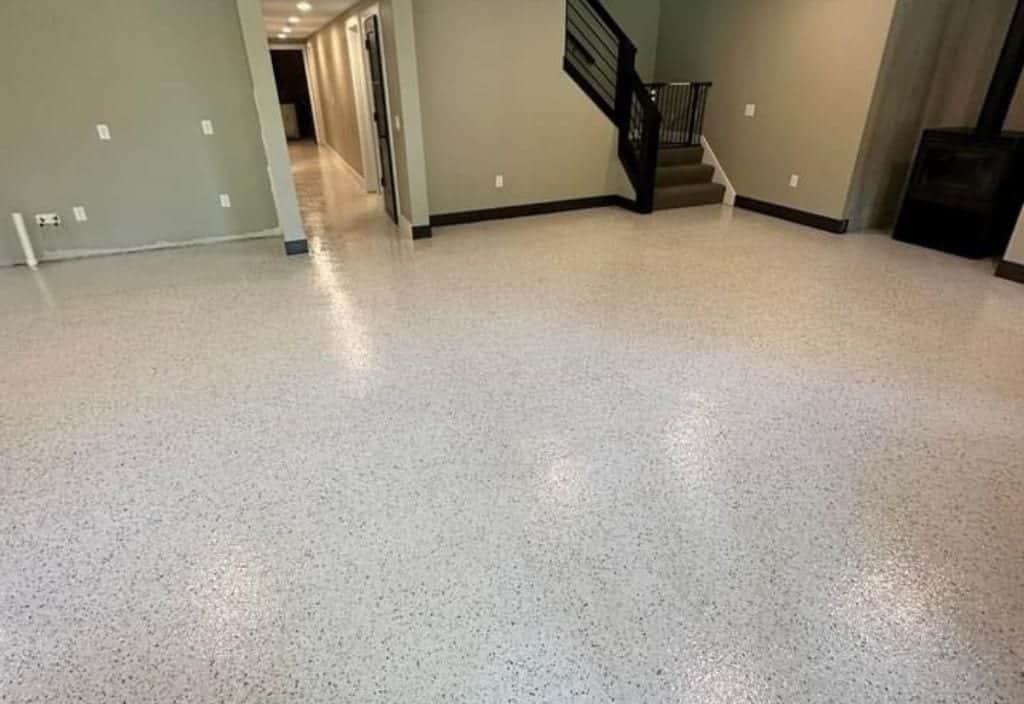
A coating can support a room's work and appearance when the slab is suitable, the preparation is thorough, and the selected layers match the conditions.
A planned coating gives concrete used by vehicles, boxes, tools, or foot traffic a defined surface to live on. The recommendation still follows the room's actual wear.
Road salt and lake grit do not disappear at the doorway. A consistent finish can make residue easier to spot during routine sweeping and washing, while care remains part of ownership.
Concrete near basements, patios, and lakeshore properties may raise questions about dampness or movement. Bringing those conditions forward helps determine whether the requested system belongs on the slab.
Epoxy can build adhesion and thickness at the base. Polyurea or polyaspartic can contribute different properties in later layers. Assigning roles carefully is more useful than treating one product as universal.
A selected color, flake blend, or solid finish can help a garage, basement, or working room feel intentional. Visual choices are made alongside use, light, and maintenance rather than separately.
Cracks, pits, spalls, and old coatings affect the preparation scope. Naming them early gives the estimate room to distinguish repair work, coating work, and conditions that may remain visible.
Installation Process
A finished floor depends on decisions made before the color is visible. We use the slab, the room, and the work happening there to set the preparation and layer sequence for the project.
Step 1
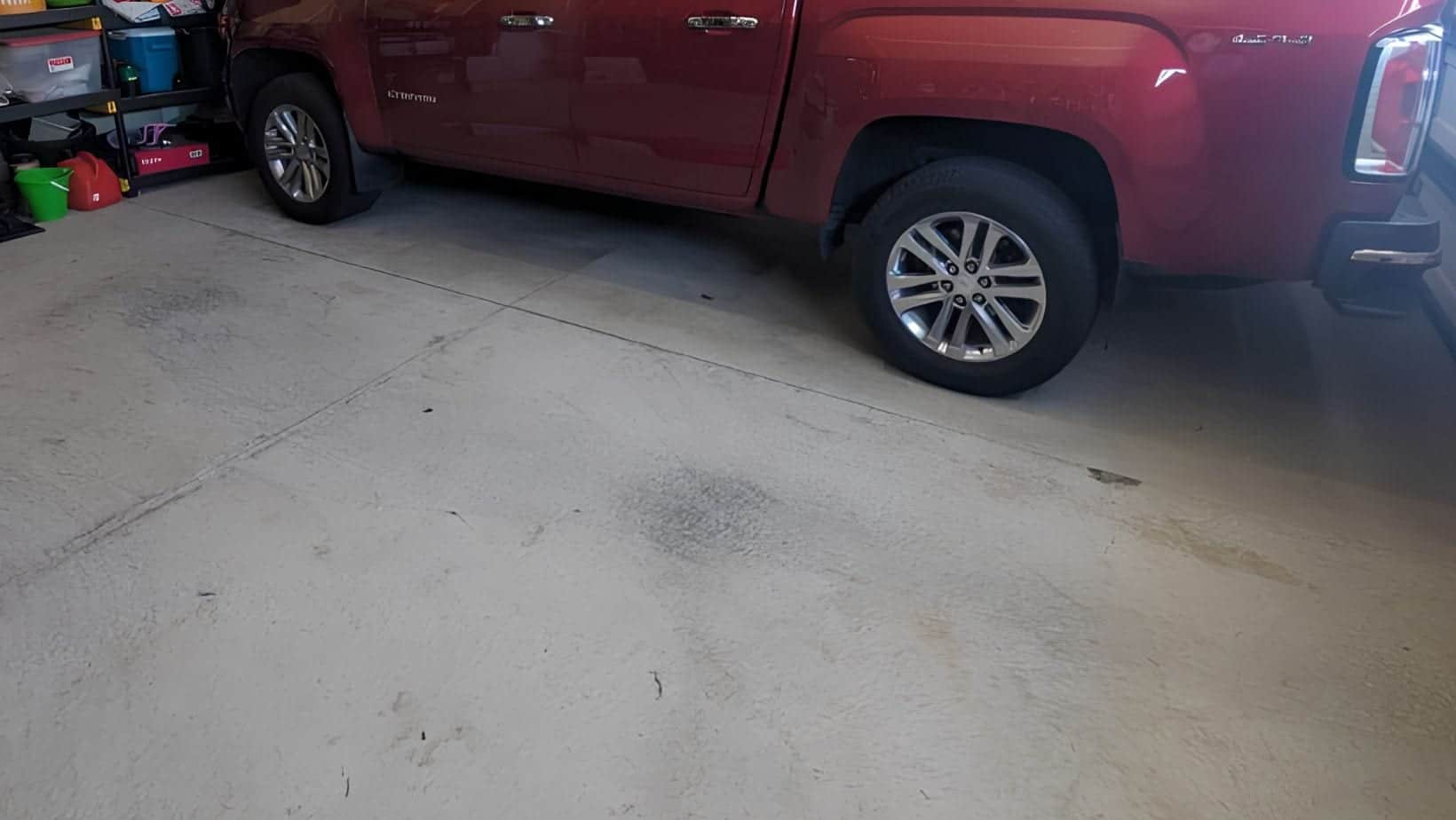
We review the slab's age and condition alongside the room's job. Existing coatings, visible wear, cracks, pits, moisture, traffic, sunlight, storage, and access all affect what a suitable coating plan can include. A Holland garage, basement, patio, pole barn, or commercial floor may each raise different questions.
Step 2
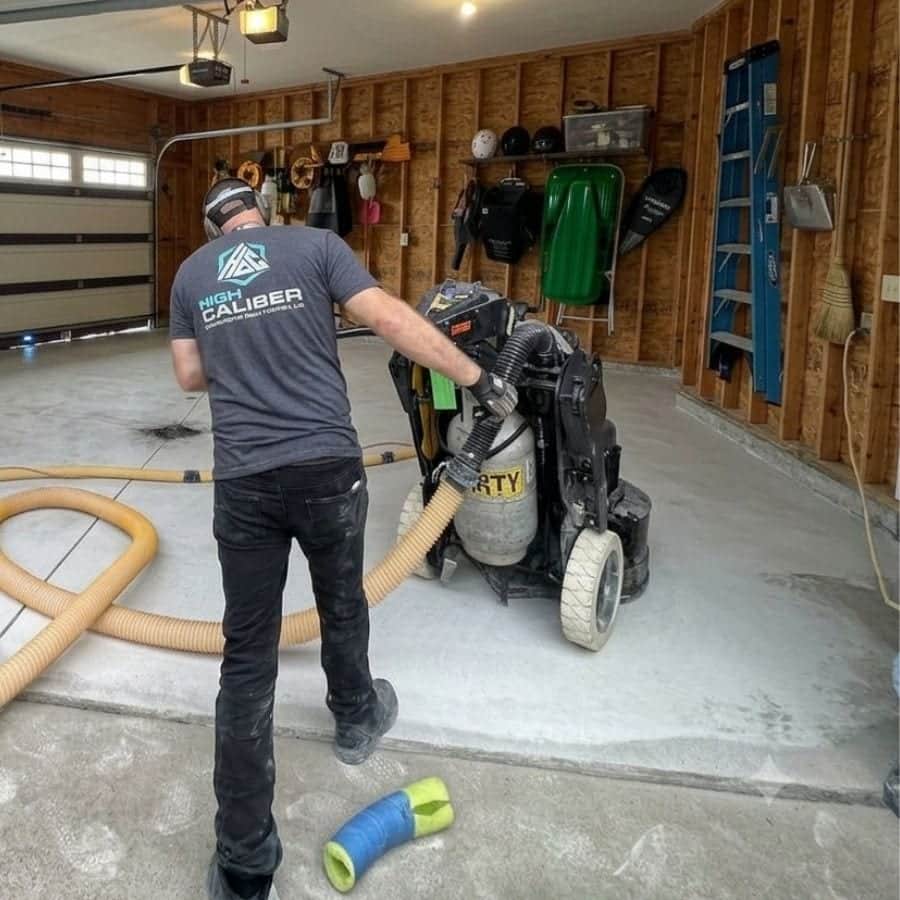
Mechanical diamond grinding opens the surface by removing weak material, residue, and incompatible remnants where present. We work across the accessible slab and account for edges, joints, and transitions. Grinding prepares a bonding profile; it is not a promise to level the slab or correct structural movement.
Step 3
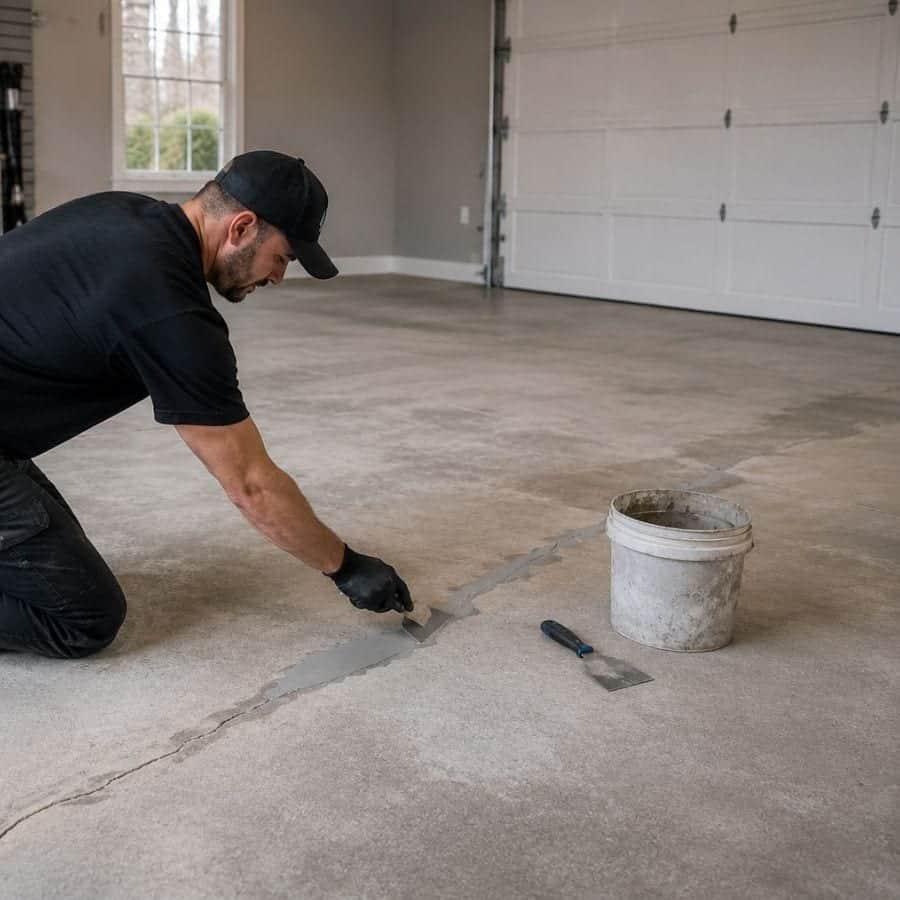
Once grinding reveals the concrete more clearly, we address the cracks, pits, spalls, and other damaged areas included in the preparation scope. We also discuss moisture observations before coating materials are committed. Repairs improve the starting surface, while future slab movement and unresolved water sources remain separate concrete concerns.
Step 4
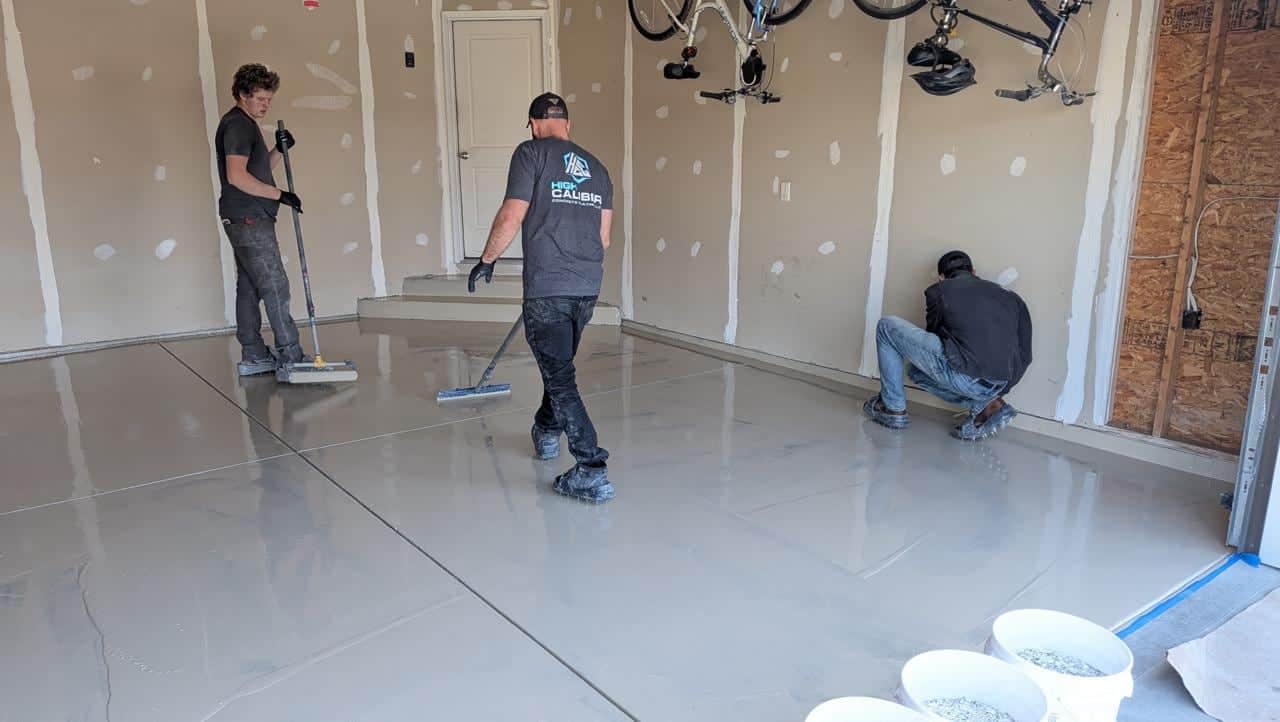
With the prepared concrete ready, we apply the selected basecoat across the planned area. Epoxy has a purposeful place here because it contributes adhesion and build within High Caliber's hybrid epoxy and polyurea system. The basecoat choice follows the slab and the demands established during evaluation.
Step 5
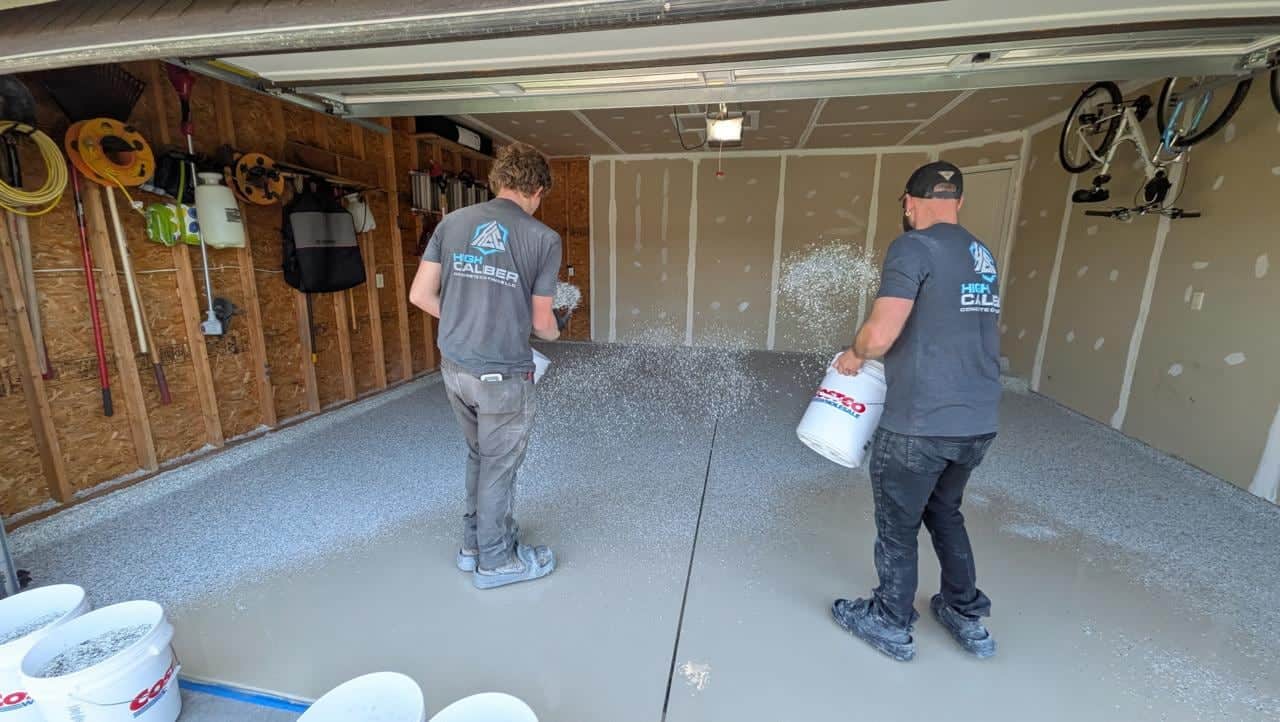
When a decorative flake finish fits the room, we broadcast the selected blend over the wet basecoat to build the planned visual texture and color variation. The coverage is part of the system design, not a substitute for preparation. Other finish choices can be discussed when flake is not the right fit.
Step 6
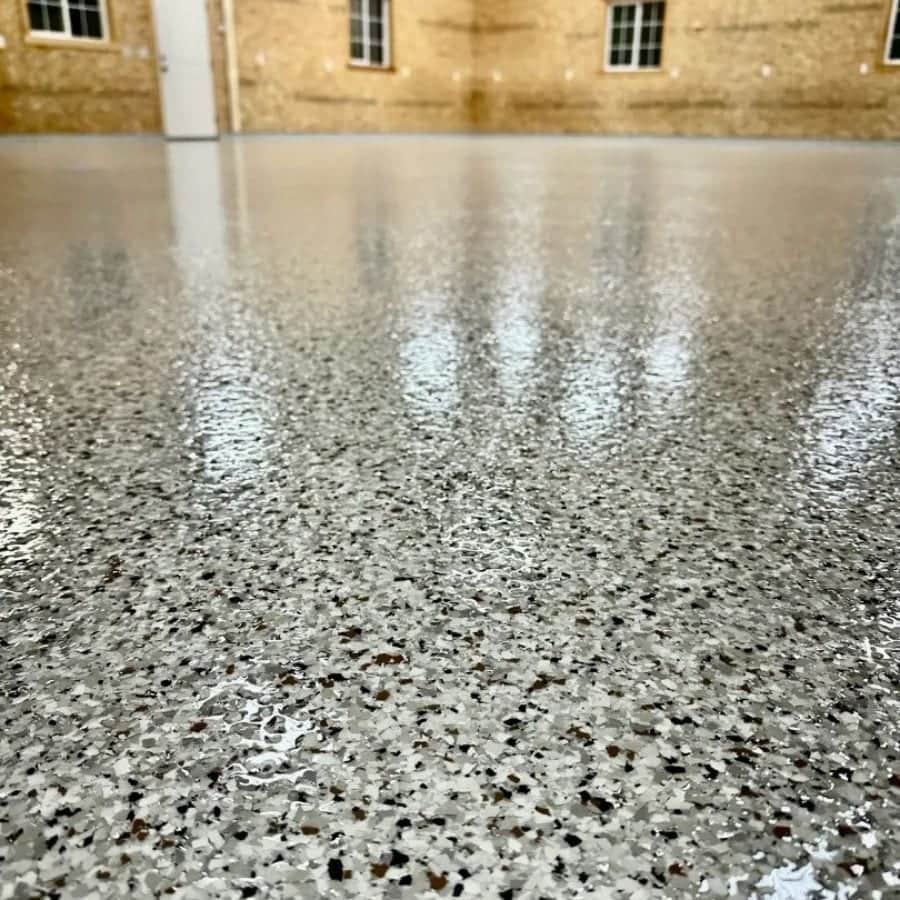
The final topcoat seals the planned surface layers and completes the finish system. Polyurea or polyaspartic may serve this role when compatible with the application, with the choice tied to exposure and use. We finish by reviewing access and care so the floor has a clear handoff.
Why High Caliber
High Caliber is family owned and based in the Holland and Zeeland area. That gives us a genuine connection to this part of West Michigan, while the concrete at your property remains the deciding evidence. We listen to the intended use, look closely at the preparation needs, and keep the recommendation understandable for homeowners, facility operators, and business owners.
Good coating work includes knowing where the system stops. We do not promise that a finish will stop slab movement, solve an unresolved water source, or make every repair invisible. We explain the useful options, the limits that matter, and the work needed to create a reasonable starting surface.
Customer Reviews
“We recently had our garage floors resurfaced with the Epoxy Floor coating with flakes. High Caliber Concrete did such an awesome job we cannot say enough good about them! So timely, well organized and a beautiful job!! Owner, Jeff, responded to any call ASAP. Shawn and Ethan, fantastic employees for the company, did a tremendous job which was labor intensive…They left no questions unanswered! Such a professional, beautiful job. We would highly recommend them! Lillian & Joseph Bakara Jr.”
“Wow! Jeff and Mike were amazing to partner with for my garage floor renovation! They did an amazing job but more importantly, they communicated directly with me thru texts, reminders, and in person! Jeff and his team left my garage and exterior area cleaner than when they arrived and gave clear instructions on follow up care needed for my new floor! I would highly recommend High Caliber Concrete Coatings anytime!”
“Jeff and his team did the most amazing job epoxy floor coating my 38 year old garage floor. Outstanding, professional, skilled, great communication. Highly recommended.”
Holland, Michigan
Holland is shaped by water and by the way people use property inland from it. Lake Macatawa, Lake Michigan, established neighborhoods, newer subdivisions, and rural edges create different settings for concrete. An original garage may carry years of tracked in grit. A newer slab may have a different history. A basement, patio, pole barn, or outbuilding needs its own questions.
The local seasons change the conversation in stages. Snow and salt enter with cars and boots. Spring melt changes the moisture questions. Humid summer air adds another condition for enclosed spaces and slabs near the lakeshore. Freeze and thaw cycles remain part of the background. We use those realities to frame the estimate, not to predict a result before seeing the floor.
Commercial concrete in Holland can support downtown retail, hospitality, light manufacturing, or agricultural processing. Customer movement, carts, equipment, spills, cleaning routines, and operating windows may matter more than a decorative choice. A residential garage may prioritize vehicles and storage instead. The coating discussion earns its detail from the work the surface must carry.
Our home area includes Holland and Zeeland, and nearby conversations may involve West Olive, Hudsonville, Jenison, Saugatuck, or Grand Haven. That service reach does not turn a library photograph into a local project story. We keep the focus on your slab, the exposure around it, and the finish that fits your property.
Snow, salt, grit, meltwater, and humid air are useful details when we discuss a Holland floor.
An older garage, newer home, basement, patio, pole barn, retail room, or working floor may lead to a different estimate.
Our Holland and Zeeland base provides context, while your concrete determines the recommendation.
Frequently Asked Questions
Yes, that combination is useful to discuss because vehicles, wet footwear, salt, storage, and daily foot traffic all meet at the same slab. We ask about the entry path, cleaning habits, visible damage, existing materials, and how the garage is used in warmer months. Those details help shape preparation and finish expectations for the space.
We want to know whether the concrete has an old coating, loose areas, cracks, pits, spalls, staining, dampness, or difficult edges and joints. The room's access, traffic, sunlight, and desired appearance matter as well. Photos can begin the conversation, but the estimate needs to connect the visible surface with the work required to prepare it.
Moisture migration, spring melt, damp areas, and lakeshore humidity can all be relevant around a basement slab. We discuss what you have observed and whether the requested system suits those conditions before materials are committed. A coating can finish suitable concrete, but it does not remove an unresolved source of water or guarantee that future moisture will not affect the slab.
Epoxy has a purposeful job in the basecoat, where it contributes adhesion and build. Polyurea can serve a later role with properties suited to the application, and polyaspartic may be selected for a finish layer when appropriate. We are not choosing between a good material and a bad one. We are assigning the right chemistry to the layer where it fits.
Flake can add color variation and texture to a garage or another suitable room while helping the surface look more deliberate. It is broadcast into the coating as part of the planned sequence, then followed by the selected protective layer. The blend is a visual decision, but it still needs to follow the slab condition, room use, and preparation scope.
The same fundamentals apply, but the questions can change with the workload. We may need to understand equipment, carts, vehicles, foot traffic, spills, sunlight, cleaning routines, operating windows, and access. A pole barn, downtown retail space, hospitality room, light manufacturing floor, or agricultural processing area can require a different preparation and use plan than a residential garage.
A film coating places a selected layer over prepared concrete. A penetrating sealer works into the concrete and is a different type of protection. Polishing treats the concrete as the finish: abrasive steps refine its surface, and the process does not install a coating film. The right direction depends on the appearance, exposure, maintenance plan, moisture questions, and existing condition you want us to evaluate.
Related Services
The best next conversation may concern preparation, moisture, a different material role, or a finish that leaves the concrete itself more visible. These related services can help frame that choice.
Understand the mechanical preparation work that can ready an existing slab for a selected finish.
Learn moreSee how a decorative flake finish can fit a garage used for vehicles, storage, and projects.
Learn moreExplore a moisture focused epoxy discussion when conditions beneath the slab need special attention.
Learn moreLearn about the role polyurea can play within a compatible coating system.
Learn moreConsider polyaspartic characteristics when finish requirements or sun exposure shape the discussion.
Learn moreGallery And Visual Proof
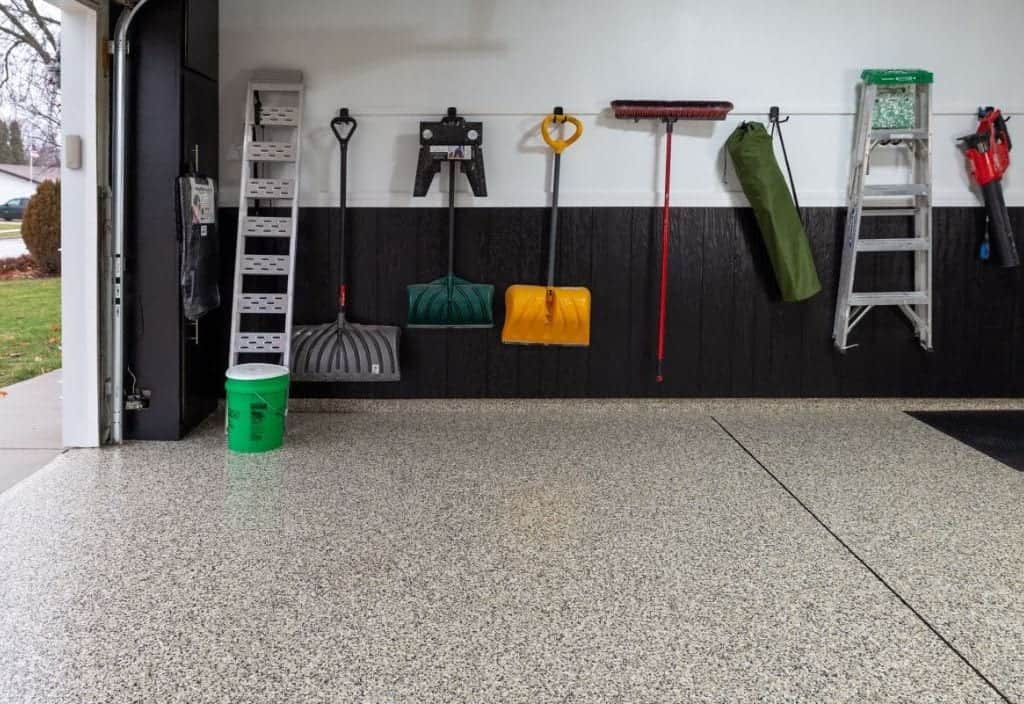
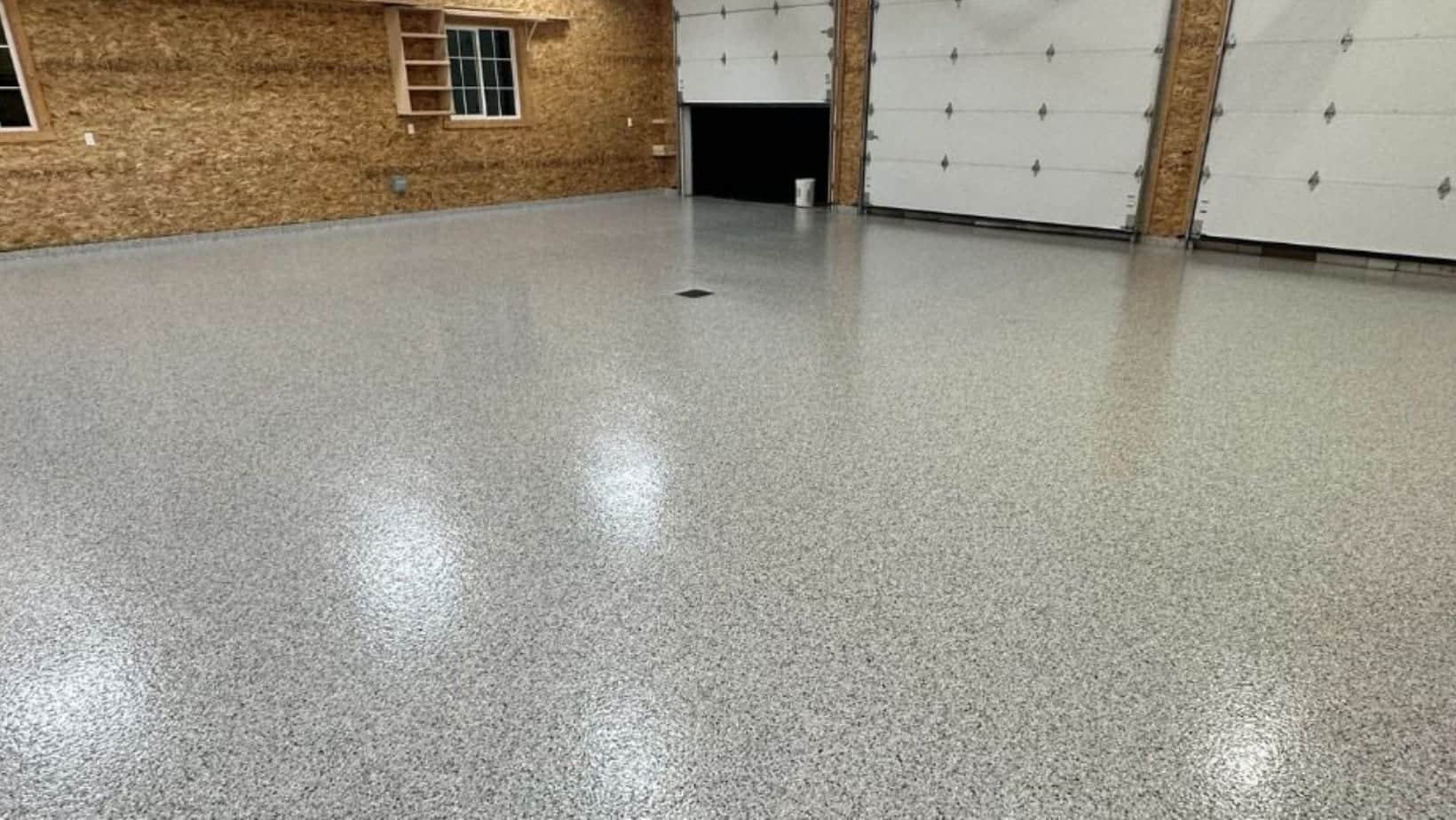
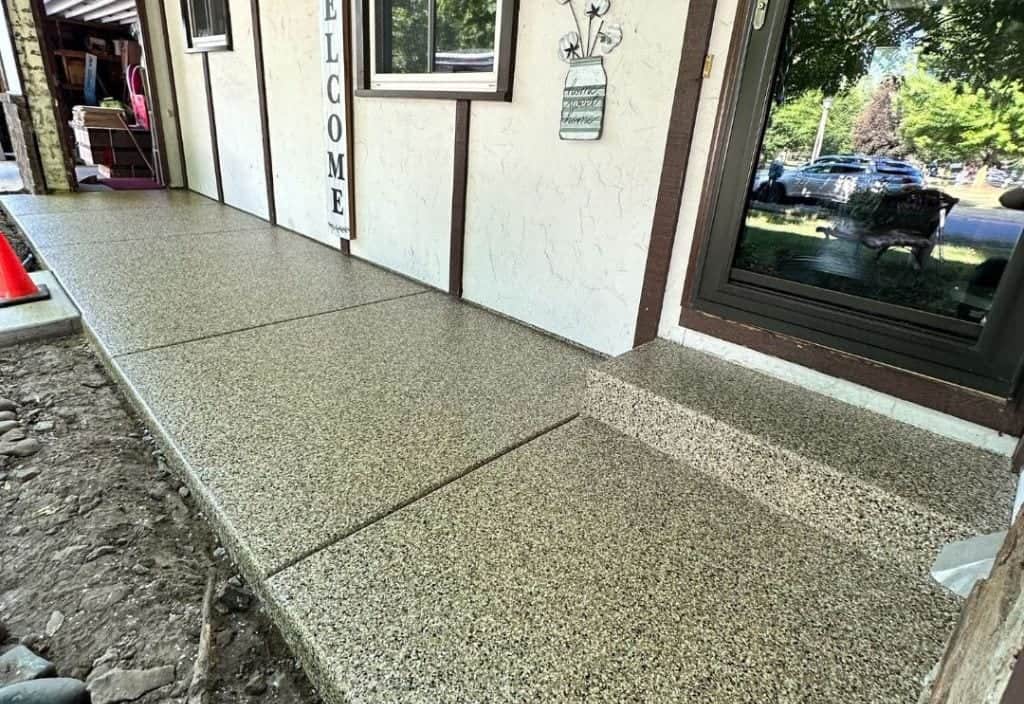
These real installation and finished floor images let you examine preparation, color, texture, and completed surfaces. They are shown as examples of the work and do not identify a pictured property as a Holland customer or address.
Free Project Quote
Tell us about the space and we will follow up with a clear recommendation and quote conversation.
Phone
Business Hours
Free Estimate
Send us the room, its current condition, the work it needs to support, and the finish you have in mind. We can begin with a garage, basement, patio, pole barn, retail room, hospitality space, or commercial floor and explain which questions deserve attention first. Use the contact form or call (616) 777-7348 to request an estimate with realistic expectations. If the floor needs a different direction, we can explain that before any work is scheduled.