
Give The Slab A Wear Layer
A planned coating creates a defined surface for vehicles, footsteps, stored items, tools, or business activity. We use the room's workload to guide the system and preparation scope.

A Zeeland floor can connect the front door to the garage, a storage area to a pole barn, or a storefront to the daily work around it. We examine the concrete, account for local exposure, and shape a coating system around the room's actual job. The goal is a finish that earns its place in your routine.
Service Overview
Concrete in Zeeland may support a family vehicle, seasonal storage, workshop projects, agricultural equipment, or steady business traffic. Those uses change the questions we ask about wear, spills, access, cleaning, and appearance. The address provides context, while the slab gives us the practical starting point.
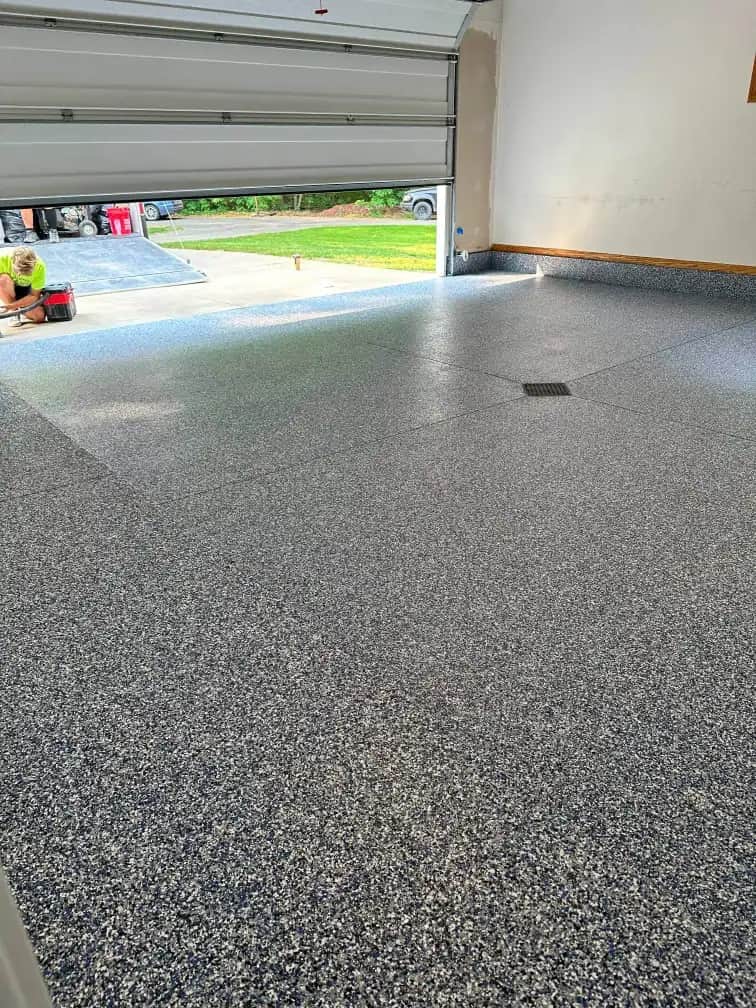
Our hybrid approach assigns materials specific jobs. Epoxy can build adhesion and thickness in the basecoat. Polyurea can contribute flexibility and other performance characteristics, with a compatible topcoat completing the planned system when it fits. Decorative flake is one finish option among several.
Benefits
A finished surface should make sense for the activity above it and the conditions reaching it. When the slab is suitable, a coating can support practical care as well as a more intentional appearance.
A planned coating creates a defined surface for vehicles, footsteps, stored items, tools, or business activity. We use the room's workload to guide the system and preparation scope.
Winter road salt and tracked grit belong in a Zeeland garage conversation. A consistent finish can make dirt, residue, and spills easier to notice during ordinary cleanup.
Spring melt and basement dampness can affect material decisions. Bringing moisture into the estimate early helps clarify whether the slab is ready for coating work.
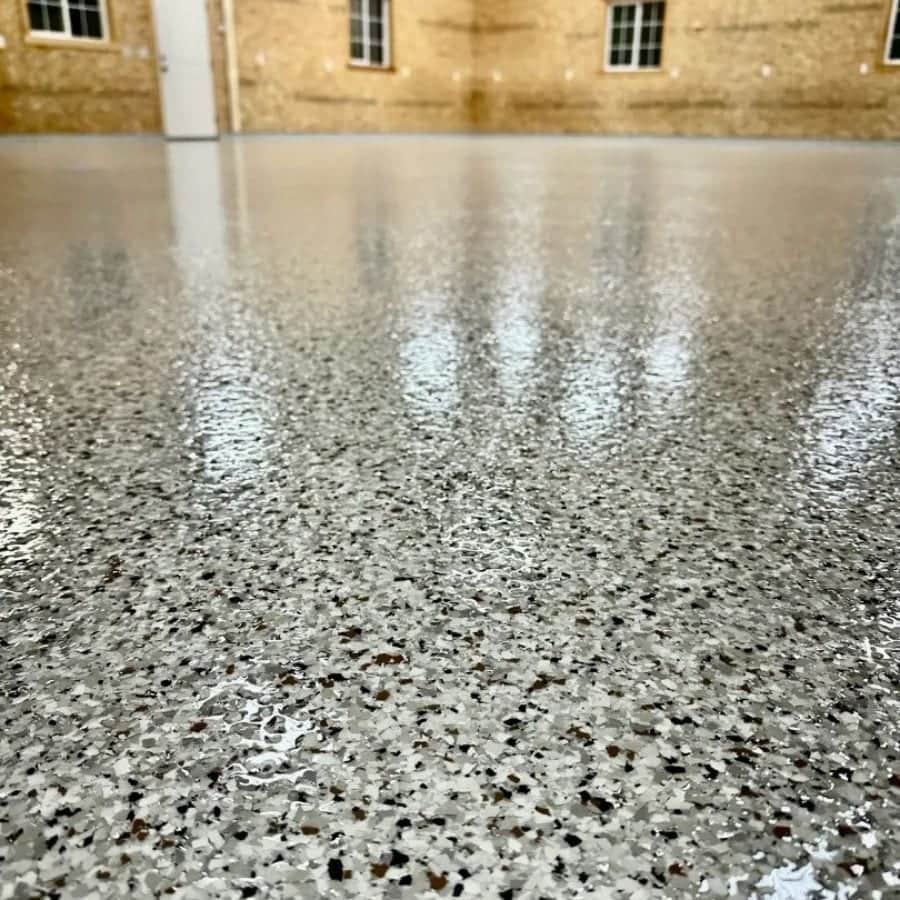
Flake, solid color, and other finish selections can support a garage, workshop, storefront, or working room. Appearance choices follow the concrete, the room, its exposure, and daily care.
Epoxy, polyurea, and a compatible topcoat serve different purposes. A deliberate stack connects adhesion, build, flexibility, exposure, and the finished surface for the conditions you describe.
Grinding, crack repair, spall repair, and moisture review may matter as much as the visible color. The estimate shows which preparation steps the concrete calls for.
Installation Process
The work moves in an order because each stage answers a different question about the slab. We keep the sequence tied to the space, the selected materials, and the finish you want to live with.
Step 1
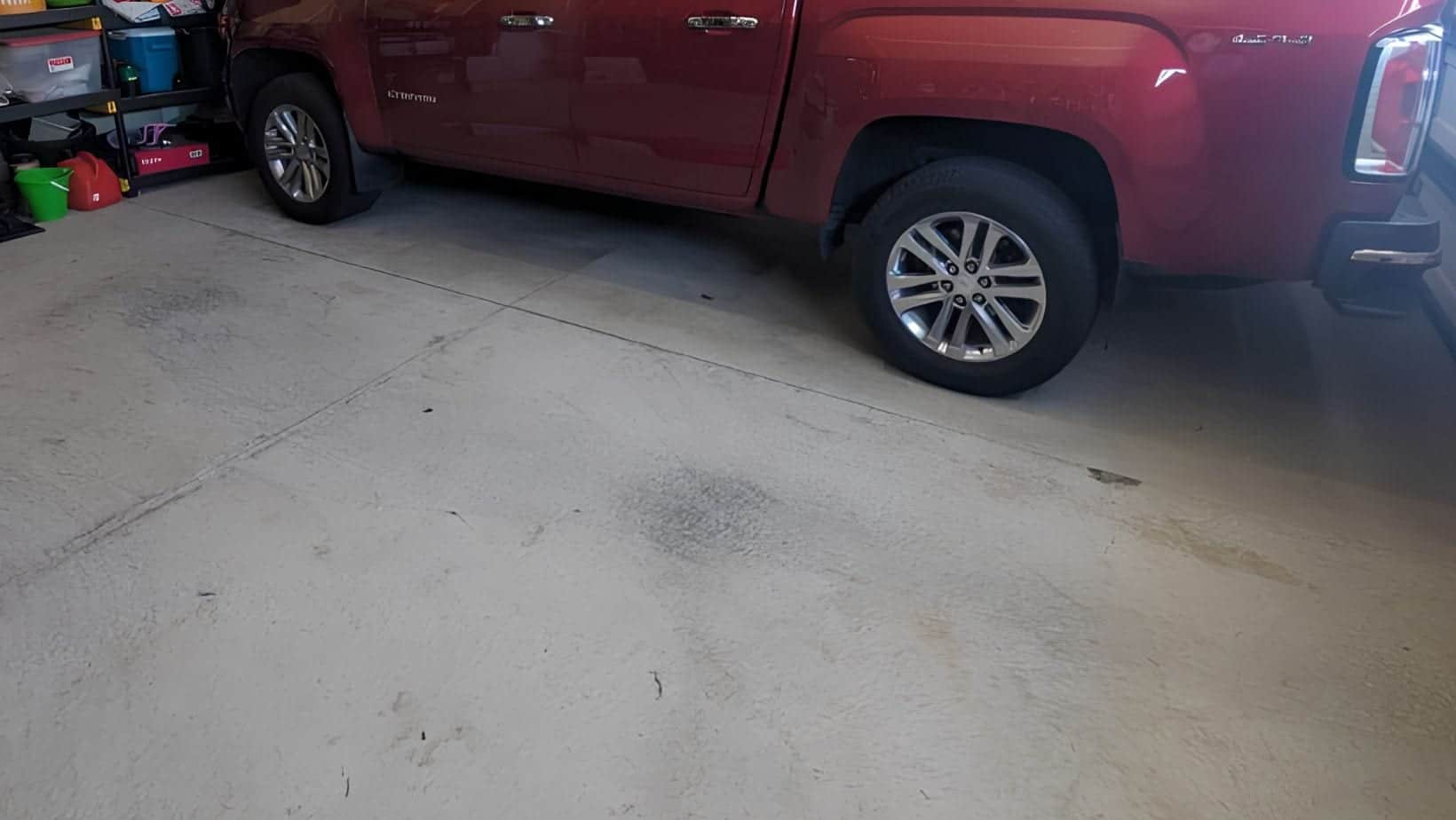
We begin by learning how the room operates and by examining the concrete in its present condition. Tell us about vehicles, equipment, storage, foot traffic, cleaning, sunlight, spills, access, and the finish you prefer. We also look for previous coatings, joints, cracks, pits, spalling, and signs of moisture. That combination helps us define a realistic coating scope for a Zeeland home or working property.
Step 2
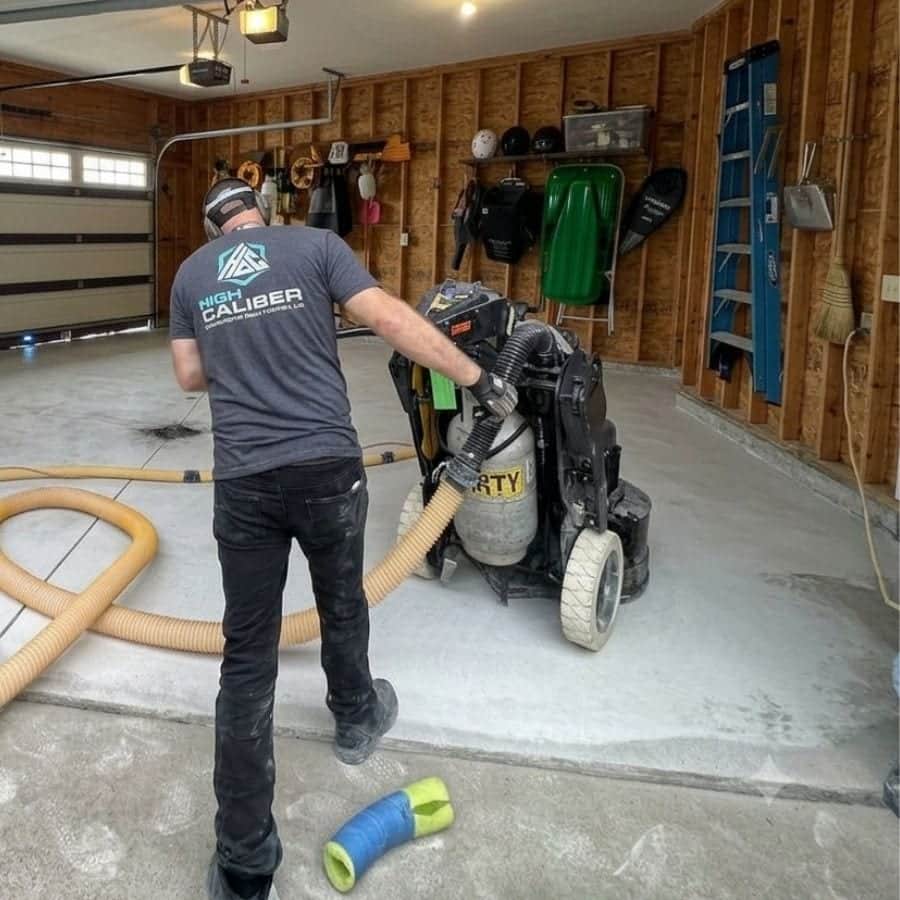
Mechanical diamond grinding removes weak surface material and creates the profile needed for a bonded coating. It can expose paint, residue, old material, and surface defects that are not clear at first glance. Edges and joints remain part of the preparation discussion. Grinding prepares the surface; it does not promise to level the slab, repair its structure, or prevent future movement.
Step 3
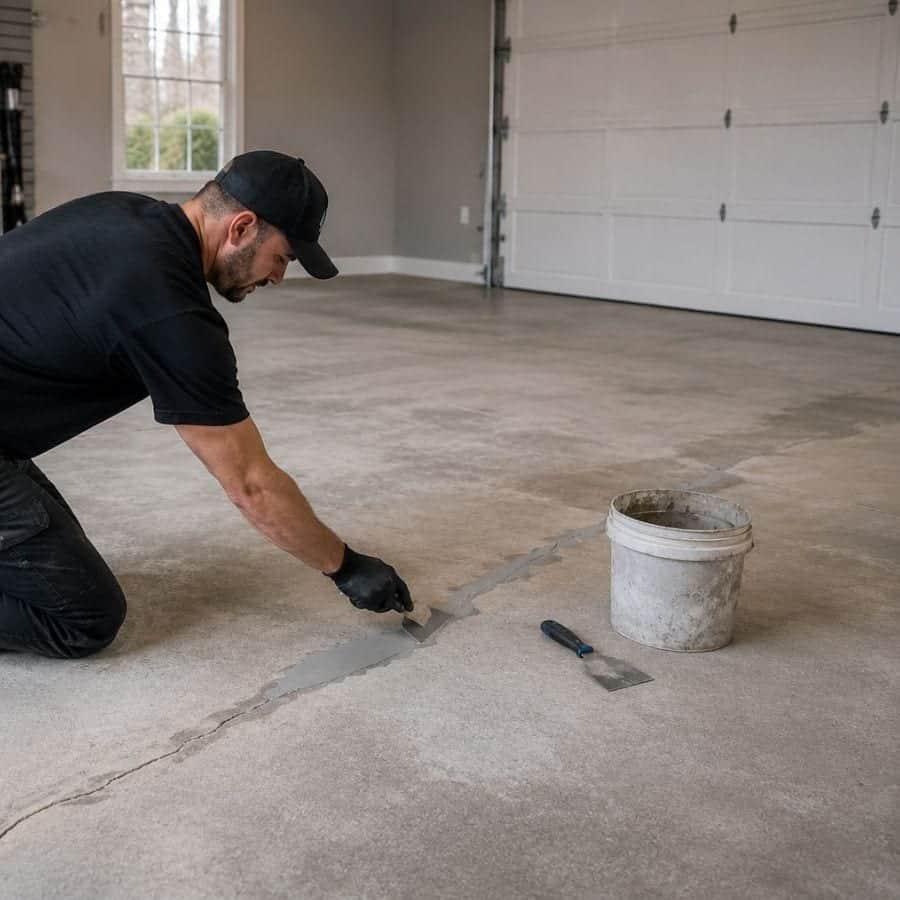
Once the surface is opened, we can address cracks, pits, spalled sections, and damaged edges within the agreed preparation scope. Moisture receives separate attention because a coating cannot stand in for unresolved water movement. We explain what the planned repair can address and what remains a characteristic of the existing concrete, so the finished result is not described beyond its actual scope.
Step 4
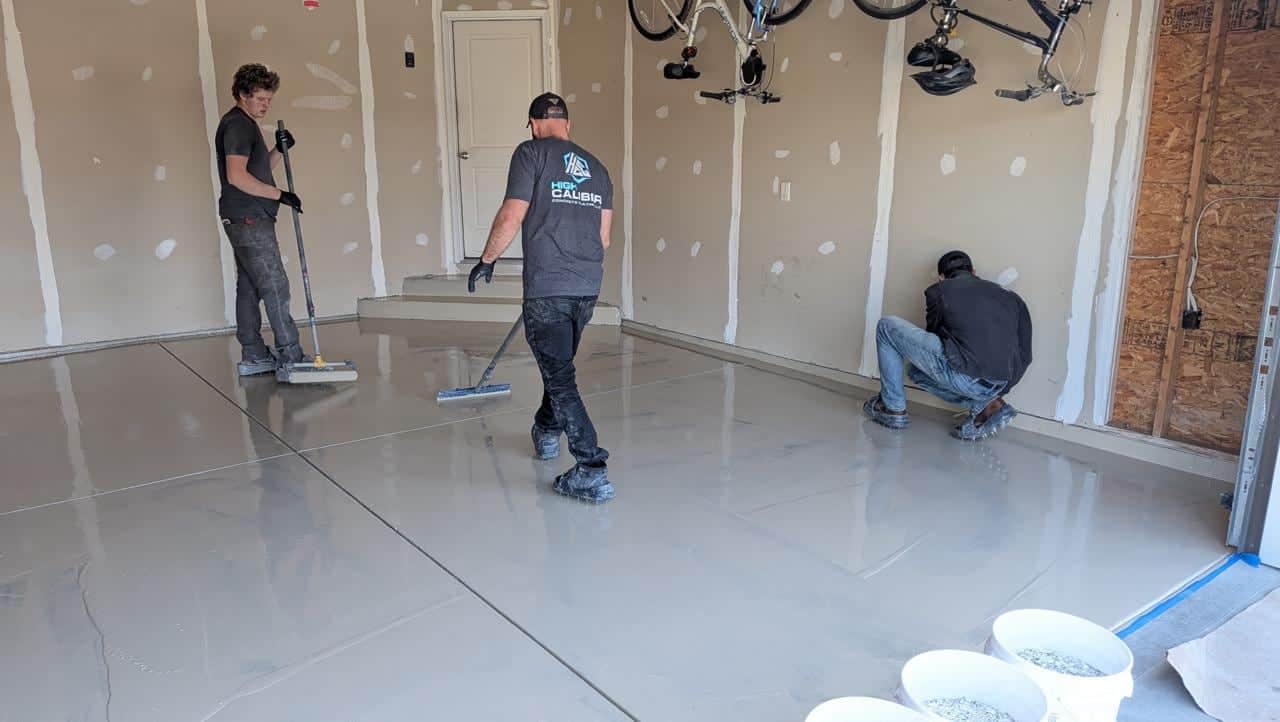
The basecoat is selected and installed for the role it needs to play in the system. Epoxy is a purposeful part of our hybrid approach because it can provide adhesion and build at the base. We do not treat the base as an afterthought. Its bond, coverage, and compatibility establish the surface that later layers will depend on.
Step 5
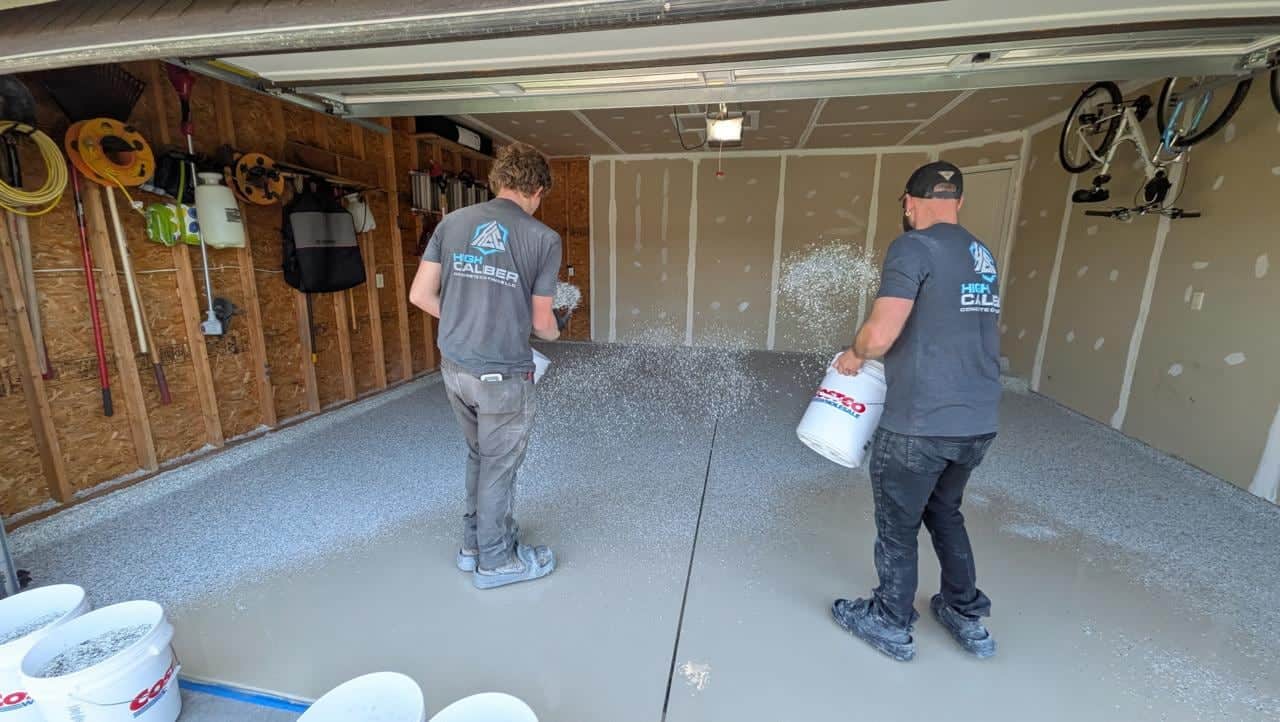
If a flake finish suits the space, decorative material is broadcast across the wet basecoat to create the selected visual texture. This step is optional and should support the room rather than dictate the entire recommendation. We consider color, coverage, intended use, and the later topcoat before the finish is chosen.
Step 6
A compatible topcoat completes the planned system after the base and any decorative broadcast are ready. The final layer is chosen around exposure, traffic, appearance, and care expectations, then we review access and routine maintenance with you. The handoff gives the floor a clear place in the room's next chapter of use.
Why High Caliber
Before we discuss colors, we want to know whether the requested result is a coated surface, refined concrete, or protection that should remain close to the slab. That choice affects preparation, material roles, and care, so we explain the tradeoffs in plain language and keep the estimate connected to the work the room must support.
That also means naming limits. Coating can finish suitable concrete, but it cannot erase every moisture source or guarantee that a moving slab will never change. If grinding, repair, sealing, polishing, or moisture work is the more useful path, we can explain that during the estimate.
Customer Reviews
“I can not express how awesome my garage floor looks. Your crew did a phenomenal job, we'll probably be the envy of the neighborhood now. Very polite, cleaned up the area, fast amazing job! My only complaint was the floor was going to look great so my wife said we had to clean out and paint all the walls and shelving, but it was worth it. Thank you again.”
“Jeff and his crew were a pleasure to work with from the initial contact to the completion of our garage floor and patio. Quality work. We could not be more satisfied.”
“Great experience with High Caliber Concrete Coatings. Two day project was seamless and very pleased with the result. Highly recommend for your next flooring project.”
Zeeland, Michigan
In an older in-town neighborhood, the garage may be the daily crossing between outside weather and the home. Lake-effect snow, road salt, and freeze and thaw cycles can bring grit and wet residue to that threshold. A newer edge subdivision may have a different slab history, but the same questions about moisture, joints, and the way the floor will be used still deserve attention.
Around the city, rural and agricultural properties add pole barns and outbuildings to the mix. Storage, equipment, dirt, and access can matter more there than a decorative finish. Small downtown storefronts and local manufacturing or light industrial spaces may instead focus on customer movement, work schedules, cleaning, and a surface that fits the room. We discuss those conditions without assuming one coating plan fits every property.
Holland is directly west, and nearby owners may also be comparing work in Hudsonville, Jenison, Georgetown Township, or Zeeland Charter Township. High Caliber serves the Holland and Zeeland area. Wherever the property sits, the useful recommendation comes from the slab, the exposure reaching it, and the activity it must carry.
Wet tires, salt, storage, and the path into the house make the entry routine part of the coating discussion.
Agricultural or rural spaces can bring equipment, dirt, and different access needs. Those details belong in the estimate before finish selection.
Customer movement, operating schedules, cleaning, and exposure help determine whether a coating system fits a commercial or light industrial floor.
Frequently Asked Questions
Start with the room and its job. Let us know whether it is a garage, basement, pole barn, patio, storefront, or other working floor, along with the approximate size and access. Photos and notes about vehicles, equipment, storage, cleaning, sunlight, chemicals, previous coatings, cracks, pits, and moisture help us understand what the concrete may need.
It may, depending on its present condition. Age is only one part of the review. We consider previous materials, weak areas, joints, repairs, cracks, spalling, moisture, and the use planned for the room. Diamond grinding can reveal more of the surface, but it does not turn every slab into a coating candidate. The estimate should identify preparation and any separate concerns.
Diamond grinding mechanically removes weak surface material and creates a profile for adhesion. It also helps expose residue, old coatings, pits, and other conditions that need to be addressed before new material is installed. Grinding is not leveling, structural repair, or a promise that the concrete will never move again.
Epoxy has a specific job in our hybrid system. It can provide adhesion and build in the basecoat, while later compatible layers are selected for the exposure and finish requirements of the space. We use the right chemistry in the right layer rather than treating epoxy as something to dismiss.
Zeeland garages may receive road salt and wet grit from tires and shoes, while spring melt can raise moisture questions around interior slabs and basements. We discuss where water and residue enter, how the room is maintained, and whether the concrete is ready. A coating cannot correct unresolved moisture movement below the surface.
Yes, those uses can be evaluated when the concrete and proposed system fit the environment. Equipment, traffic, dirt, spills, sunlight, cleaning, access, and scheduling may change the recommendation. A pole barn, storefront, and light industrial room do not automatically need the same preparation or finish, so we keep the estimate tied to the actual space.
A coating installs a selected film system over prepared concrete. A penetrating sealer protects by entering the slab rather than creating the same film surface. Polishing mechanically refines the concrete itself through progressively finer abrasives. We compare those paths by the appearance wanted, exposure, maintenance, moisture, and the condition of the existing floor.
Related Services
The right next step may be coating, preparation, or a different finish. These related services can help frame that decision.
See how mechanical preparation opens a concrete surface before coating or another selected finish.
Learn moreReview decorative flake flooring for residential garages used for vehicles, storage, and everyday entry.
Learn moreExplore a moisture-focused epoxy option when dampness or vapor questions need dedicated attention.
Learn moreUnderstand where polyurea may serve within a planned system for the exposure and use.
Learn moreConsider a polyaspartic finish conversation for selected appearance, sunlight, and care requirements.
Learn moreGallery And Visual Proof
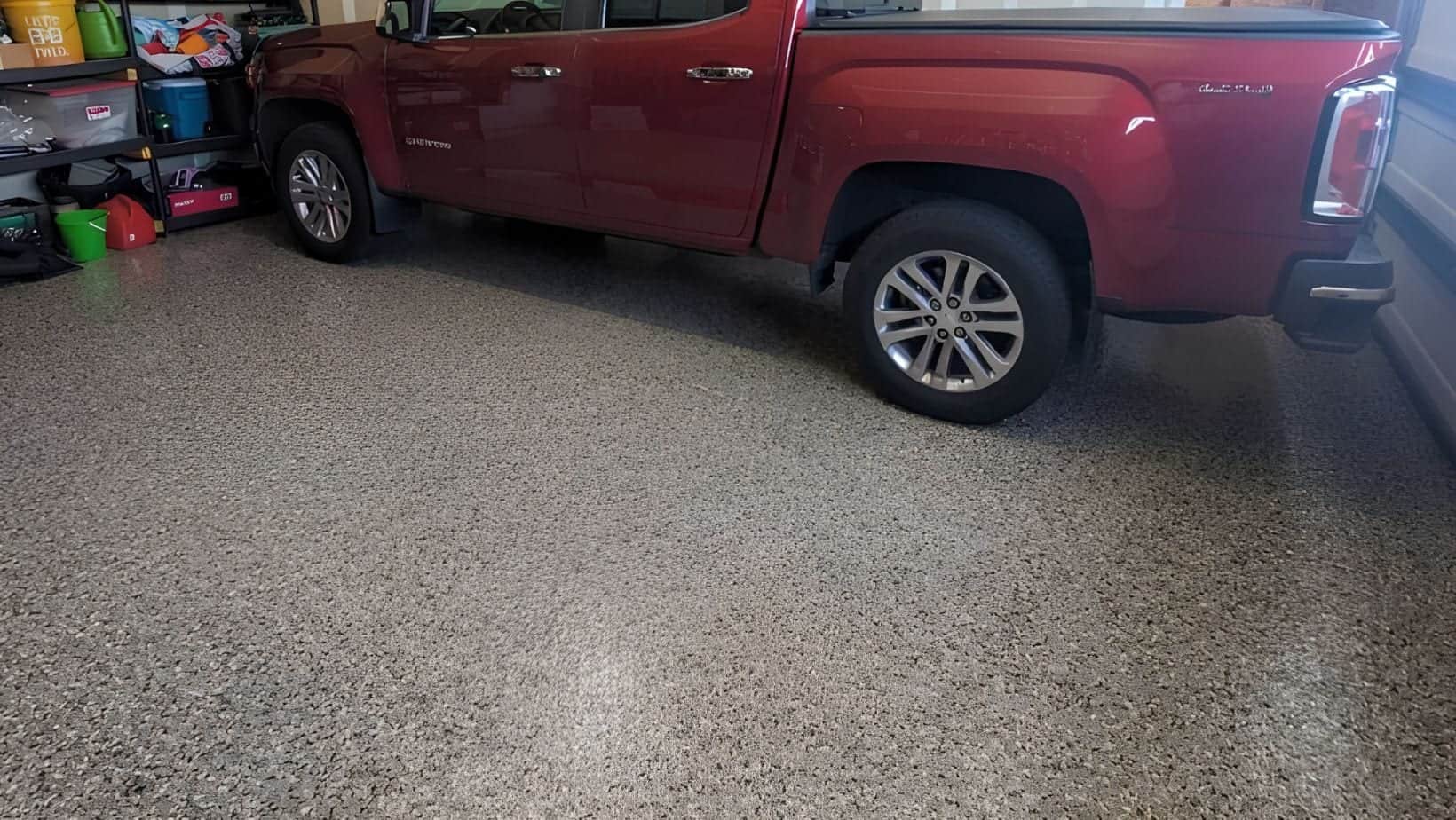
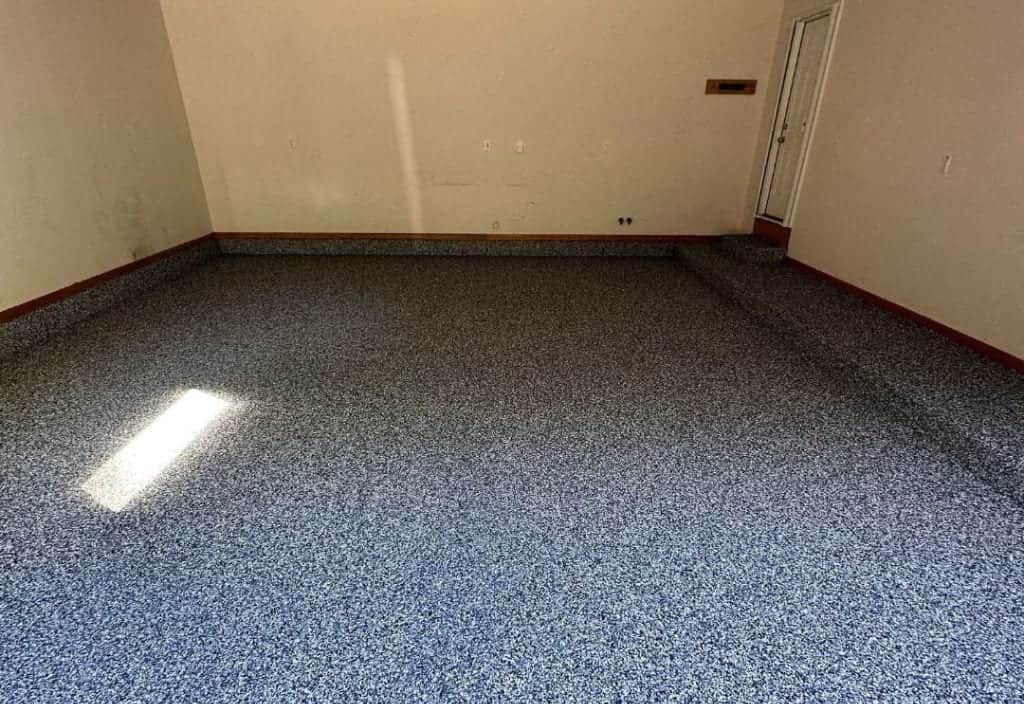
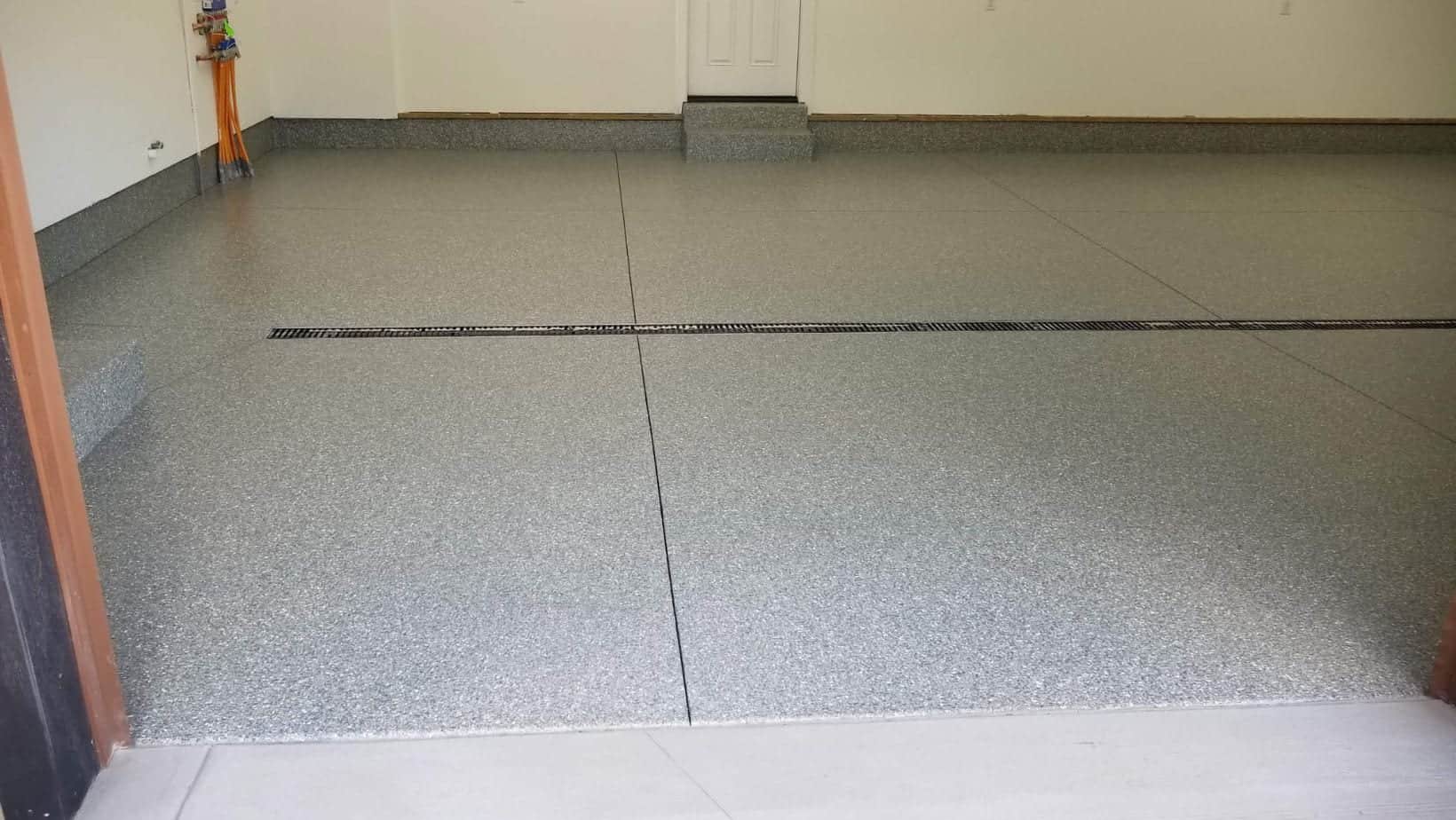
These images come from the High Caliber image library and show finished textures, flake variation, and garage applications. They illustrate materials and workmanship, not a claimed Zeeland address or a specific customer project.
Free Project Quote
Tell us about the space and we will follow up with a clear recommendation and quote conversation.
Phone
Business Hours
Free Estimate
Send the room type, a rough size, a few photos, and the use you have in mind. We can talk through the slab's condition, seasonal exposure, preparation, material roles, and finish options before an estimate is shaped. If coating is not the clearest route, we will explain the related service that deserves attention first. That gives you a clearer next step before any work is scheduled or materials are selected.