
Expose The Usable Concrete
Diamond tooling can open the surface beneath weak paste, worn material, or selected residue. We stop the scope at the sound concrete and finish requirements identified during review.
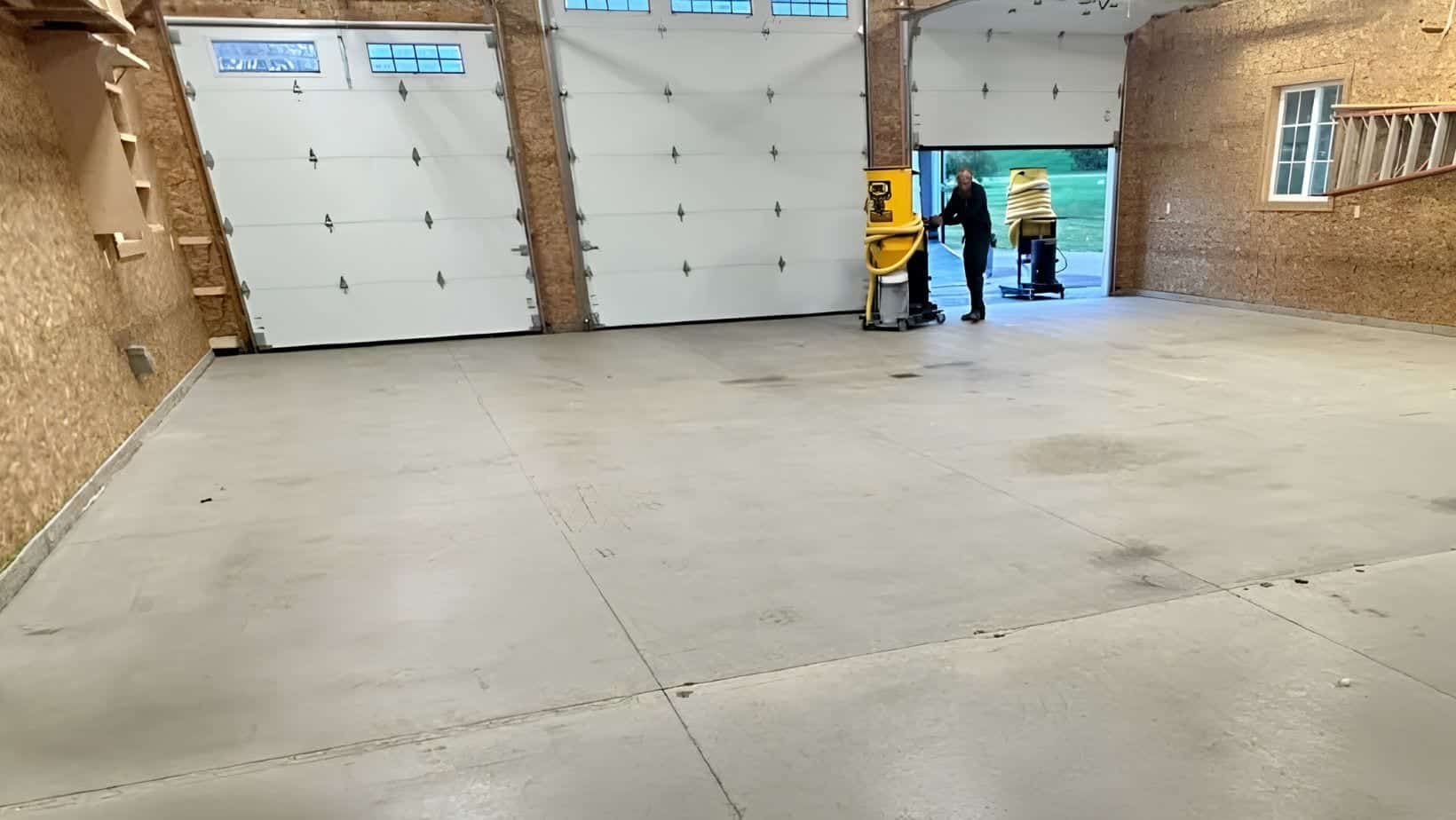
Caledonia concrete can move from a newer garage to an older attached slab, a pole barn, or a commercial room. We use diamond tooling to prepare the surface for its next role, while keeping the scope tied to the material present and the finish you have in mind for this floor.
Service Overview
Concrete grinding changes the working face of a slab. That may mean removing laitance, loosening a failing surface layer, taking up selected adhesive, or opening the concrete so a finish can bond. The correct pass depends on what is present and what the room needs to become.
We look at the floor as a set of decisions rather than a single surface label. A garage, shop, farm building, and commercial room can require different access planning, edge attention, and finish profiles. The estimate connects those details before equipment is chosen.
Benefits
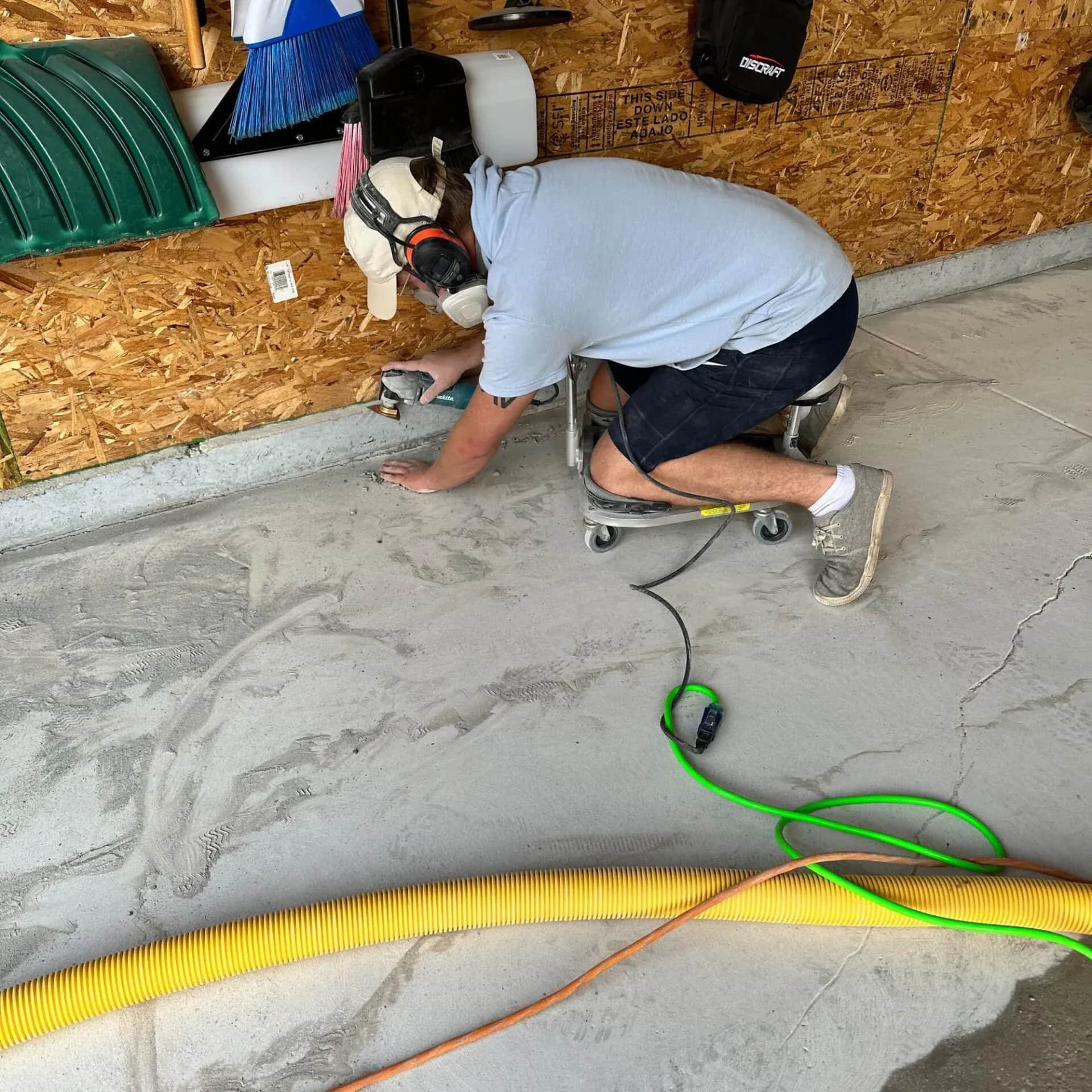
Mechanical preparation is useful when the next finish needs a known surface. Each benefit below has a limit, so we describe the change the slab can reasonably support.
Diamond tooling can open the surface beneath weak paste, worn material, or selected residue. We stop the scope at the sound concrete and finish requirements identified during review.
A coating needs more than a clean-looking floor. Grinding creates a mechanical profile suited to the chosen material, with the final texture guided by the installation system.
Old paint, glue, a prior coating, or embedded residue may interfere with the next layer. Appropriate tooling can address selected material without treating every floor as identical.
Grinding can improve rough transitions and selected high areas. It does not promise to erase structural slope, settlement, or every change across an older slab.
Once the surface is opened, cracks, pits, joints, soft areas, and moisture clues are easier to discuss. That information helps separate preparation from repair decisions.
The prepared slab may lead to a hybrid coating, penetrating sealer, polished finish, or grind and seal treatment. We keep that destination in view while defining the work.
Installation Process
A sound preparation plan joins the room, the concrete, and the material that follows. We work through those connections before the grinder runs, then inspect the exposed slab before calling preparation complete. That sequence is useful when a floor has changed use over time or several buildings share one property.
Step 1
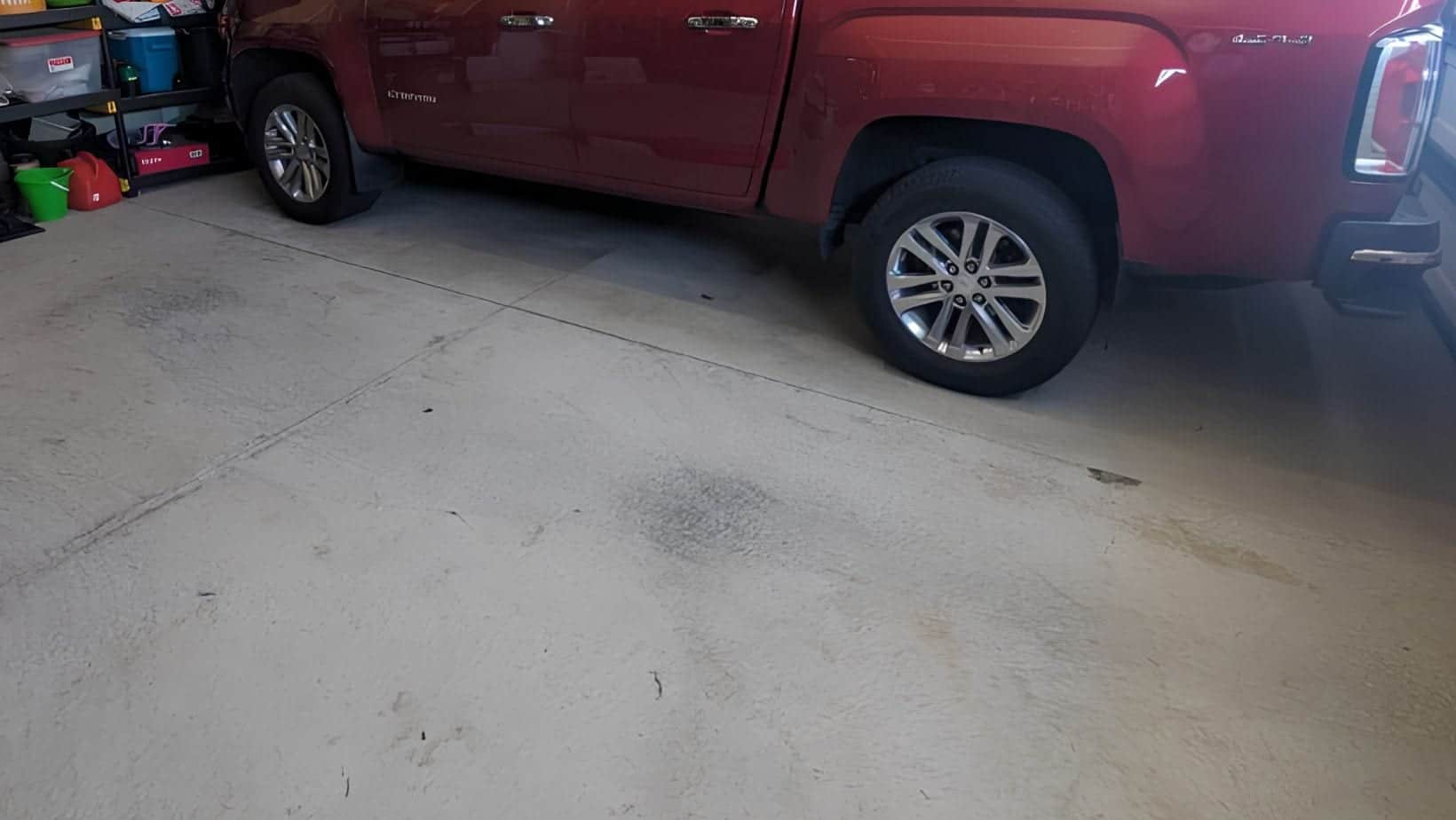
We start with the slab's current condition and the room's intended use. Existing coatings, paint, adhesive, patching, cracks, joints, access, and visible moisture clues all help define what the grinding work needs to accomplish. We also note what must remain protected during the visit.
Step 2
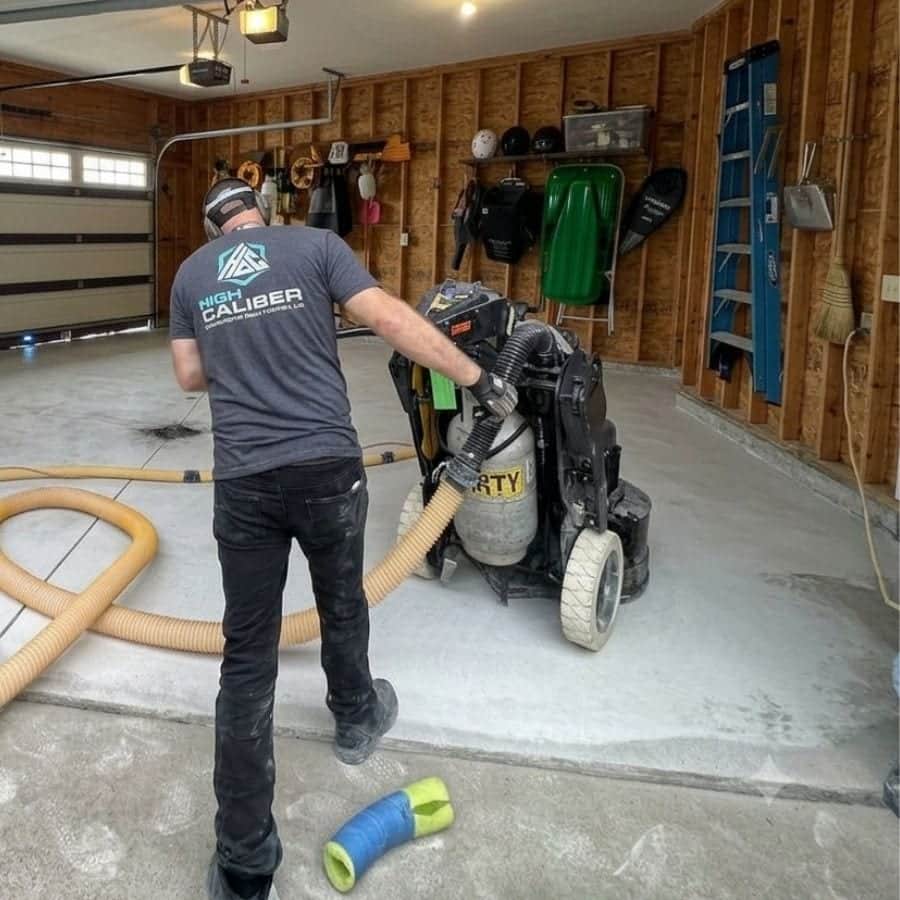
Tooling and the desired profile are chosen together. A coating-ready surface, a floor intended for sealing, and concrete being mechanically refined for polishing do not ask the grinder to make the same change.
Step 3
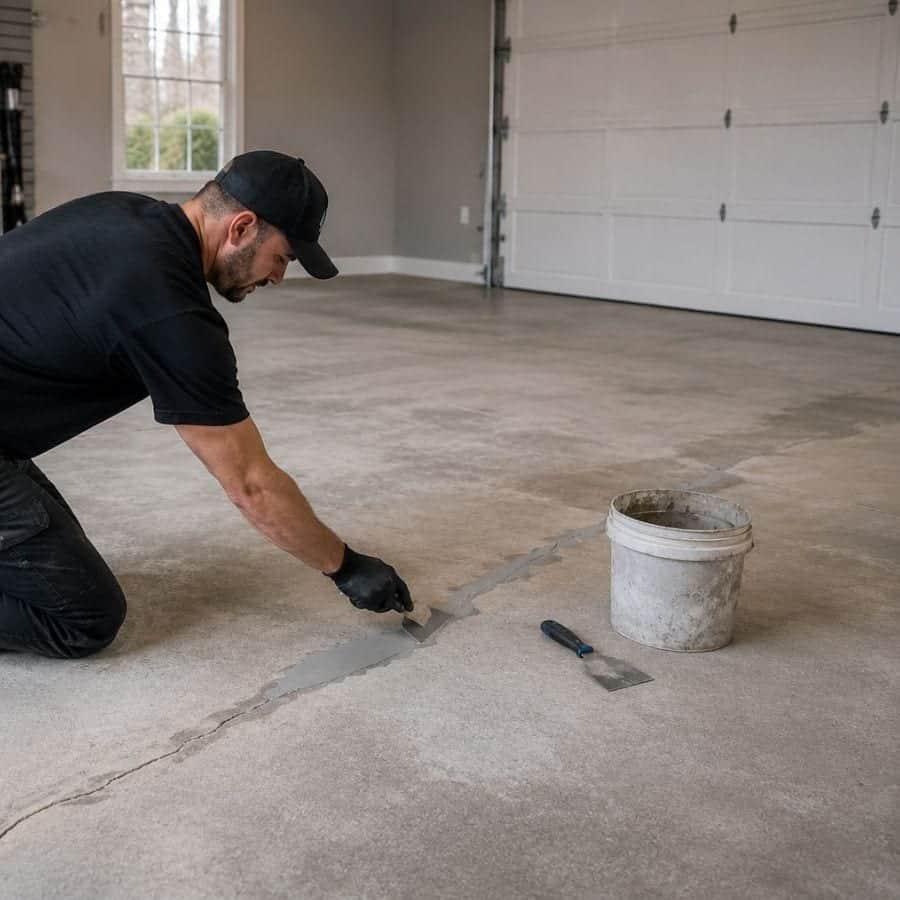
Before equipment arrives at the slab, we discuss what must move, how people or vehicles will stay clear, and where dust control matters. Attached garages, shops, pole barns, and commercial rooms each have their own access details.
Step 4
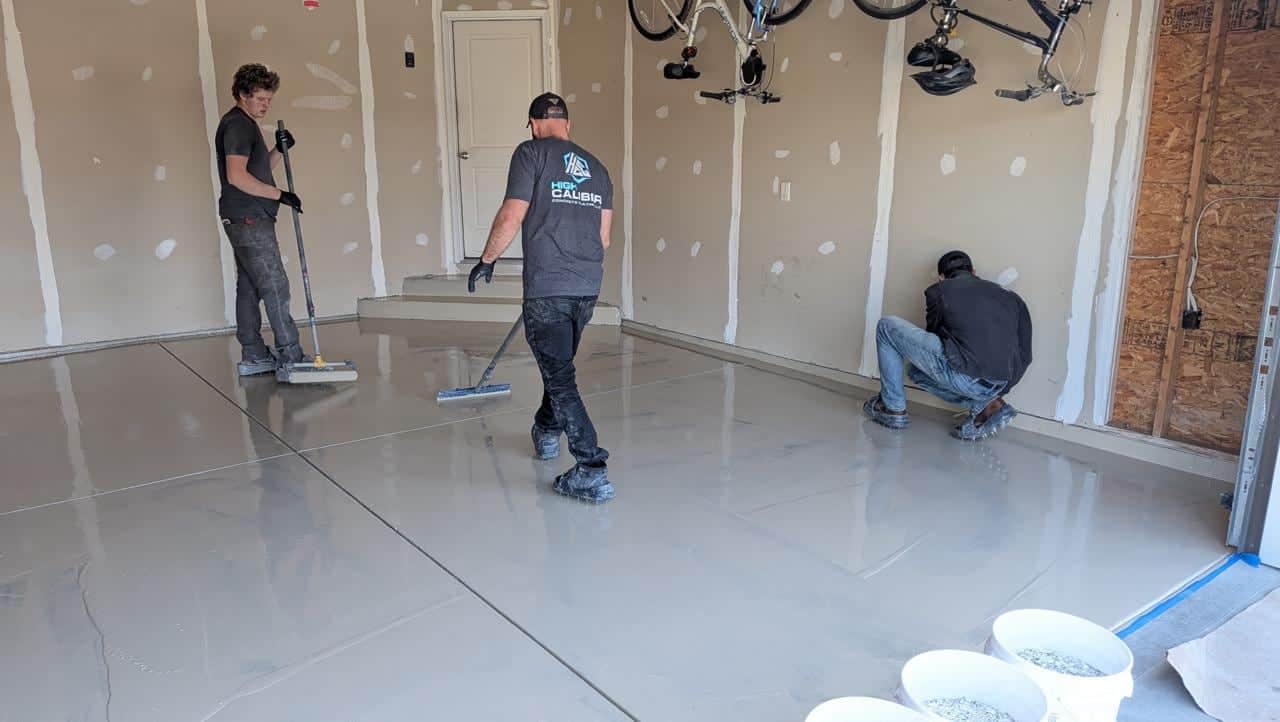
The grinder works across the planned area in controlled passes. Diamond tooling removes or abrades selected surface material, while dust-control practices and consistent movement help produce the profile the next step calls for.
Step 5
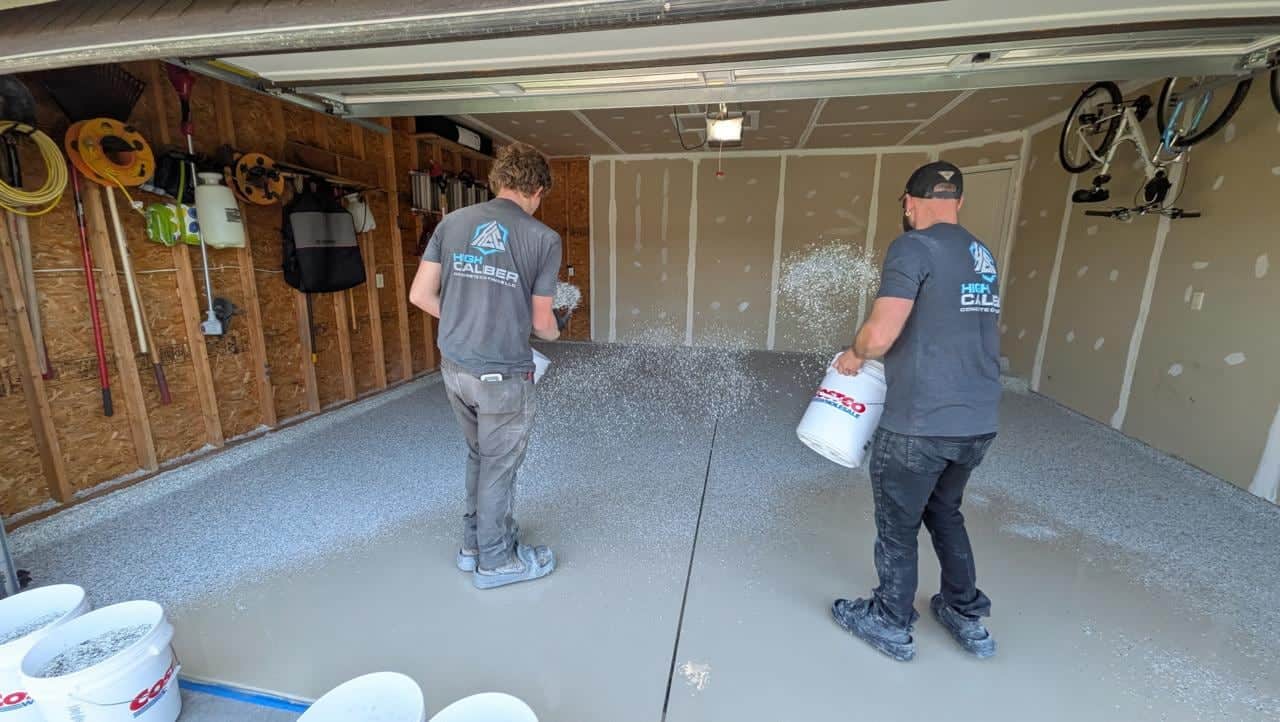
Perimeters, thresholds, joints, cracks, and places the main machine cannot reach receive their own review. Repairs or additional removal are discussed when the opened surface shows that they belong in the agreed scope.
Step 6
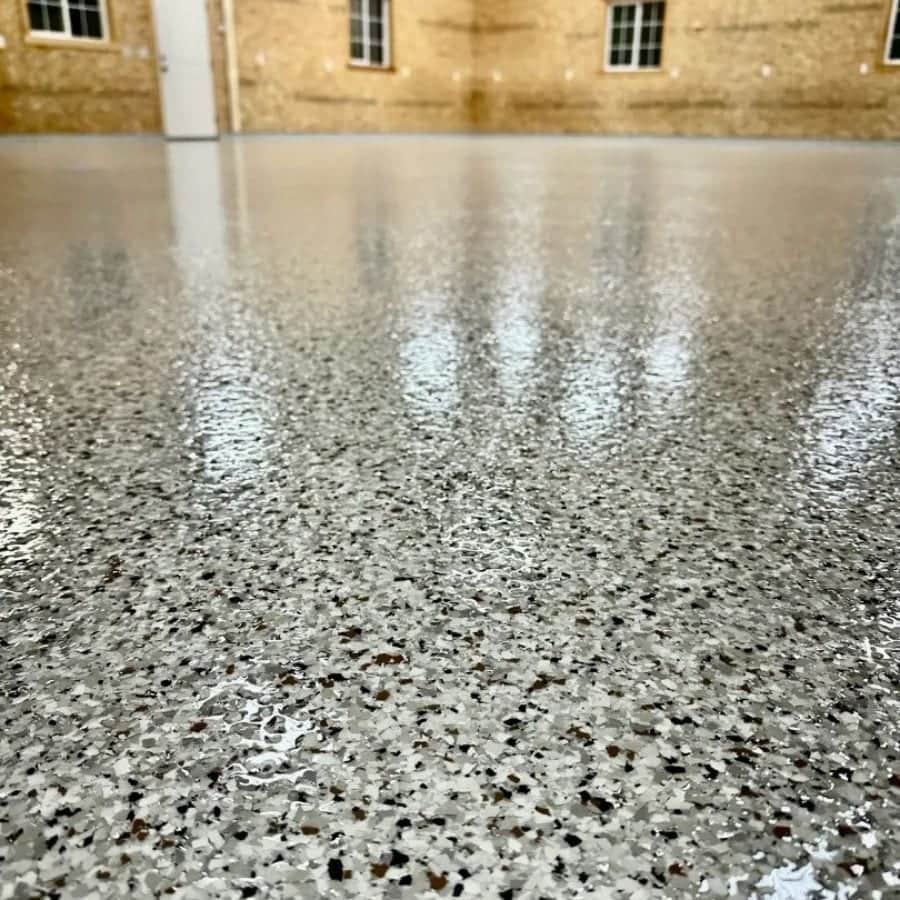
We check whether the surface is clean, appropriately profiled, and ready for its planned destination. If the slab reveals a condition that changes the recommendation, we explain that before a coating, sealer, polish, or other finish is installed.
Why High Caliber
Our family-owned company works from the Holland and Zeeland area, connecting concrete preparation with the finish that follows. That may be a hybrid epoxy and polyurea coating, a penetrating sealer, polished concrete, or grind and seal.
That connection also keeps the limits visible. Grinding can change the surface and improve selected conditions, but it cannot rebuild a slab or guarantee that movement will stop. We explain what belongs in preparation and what requires a separate decision.
Customer Reviews
“Wow! Jeff and Mike were amazing to partner with for my garage floor renovation! They did an amazing job but more importantly, they communicated directly with me thru texts, reminders, and in person! Jeff and his team left my garage and exterior area cleaner than when they arrived and gave clear instructions on follow up care needed for my new floor! I would highly recommend High Caliber Concrete Coatings anytime!”
“High Caliber Concrete Coatings did a wonderful job refinishing my garage floor. Jeff was very thorough explaining the entire process and this company had the best assortment of colors to choose from. The team was very professional and delivered a flawless result. Thank you Jeff and your team.”
“I can not express how awesome my garage floor looks. Your crew did a phenomenal job, we'll probably be the envy of the neighborhood now. Very polite, cleaned up the area, fast amazing job! My only complaint was the floor was going to look great so my wife said we had to clean out and paint all the walls and shelving, but it was worth it. Thank you again.”
Caledonia, Michigan
Caledonia's mix of newer subdivisions, established homes, attached garages, farm properties, pole barns, shops, retail spaces, and commercial buildings makes the room's use an important part of the estimate. A newer slab may need a different preparation conversation from an older floor carrying repairs, adhesive, or a previous finish. We make that difference useful instead of assuming the address tells us the whole story. The same property can even contain more than one kind of concrete decision. The work starts with questions about use, not a preset depth.
Kent County weather adds practical questions. Freeze-thaw cycles, snow, road salt, humid summers, and spring melt moisture can affect what a garage or working slab has carried into the project. We consider those clues with the visible concrete, then choose a preparation route that suits the planned coating or exposed finish. For nearby service-area context, you can also review Byron Center, Kentwood, or Lowell when one of those properties is part of your comparison.
Road salt, tracked grit, and spring moisture are reasons to look closely at a garage slab before selecting the next layer.
A pole barn, attached garage, shop, retail room, and commercial floor may require different access, protection, dust-control, and scheduling conversations.
A hybrid coating, penetrating sealer, polished surface, and grind and seal finish each call for a different conversation about the prepared concrete.
Frequently Asked Questions
Start with the intended use and the finish you want afterward. We also need to know what is already on the slab, whether the room has cracks or patching, and how access will work. Those details help us choose a useful preparation profile instead of removing material without a defined purpose.
Age alone does not set the scope. We look at the surface condition, repairs, contamination, previous flooring, joints, edges, and the requirements of the next material. A newer subdivision garage and an established home may therefore receive different recommendations even when both owners want a coated floor.
Grinding may address selected paint, adhesive, old coating, weak surface material, and rough texture. The result depends on the material's thickness, bond, and condition underneath. If a residue is not a good match for diamond tooling, we explain whether another removal method or a broader scope is appropriate.
They can be useful clues about what the slab has experienced, especially where winter traffic brings salt and grit indoors. We still evaluate the concrete itself rather than assuming damage. Moisture observations, surface condition, and the requirements of the next finish belong together in the estimate.
Grinding can refine selected high areas and improve texture, but it is not a structural leveling service. It will not reverse settlement, rebuild missing concrete, or stop future movement. If slope, cracking, or displacement affects the finish plan, we identify that condition and separate it from the grinding work.
The prepared slab may receive a coating, a penetrating sealer, a polished finish, or a grind and seal treatment, depending on the concrete and the desired result. A hybrid coating uses epoxy for adhesion and build, then polyurea in the topcoat for its intended flexibility and resistance properties.
Clear the planned work area as much as possible and tell us about equipment, traffic, adjacent occupants, doors, and scheduling limits. We can then discuss dust control, work zones, access, and the finish sequence. The building's operation matters just as much as the square footage when the scope is set.
That discovery gives the next decision better information. We document what the opened surface shows, explain whether repair or additional evaluation belongs in the scope, and discuss how it affects the planned finish. We do not use a coating to conceal a condition that should be addressed first.
Related Services
Grinding can stand on its own or prepare the concrete for a finish with a different job. These related services help you compare the next move.
See how a hybrid system uses an epoxy basecoat for adhesion and build, followed by a polyurea topcoat chosen for its performance role.
Learn moreCompare a mechanically refined concrete surface when the slab itself remains visible instead of receiving a film coating.
Learn moreExplore a finish route that refines the concrete and protects the resulting surface with a sealer.
Learn moreReview penetrating sealer work as a different choice from a film-forming coating over the prepared slab.
Learn moreSee removal options when adhesive remains after flooring is taken up and the concrete needs further preparation.
Learn moreGallery And Visual Proof
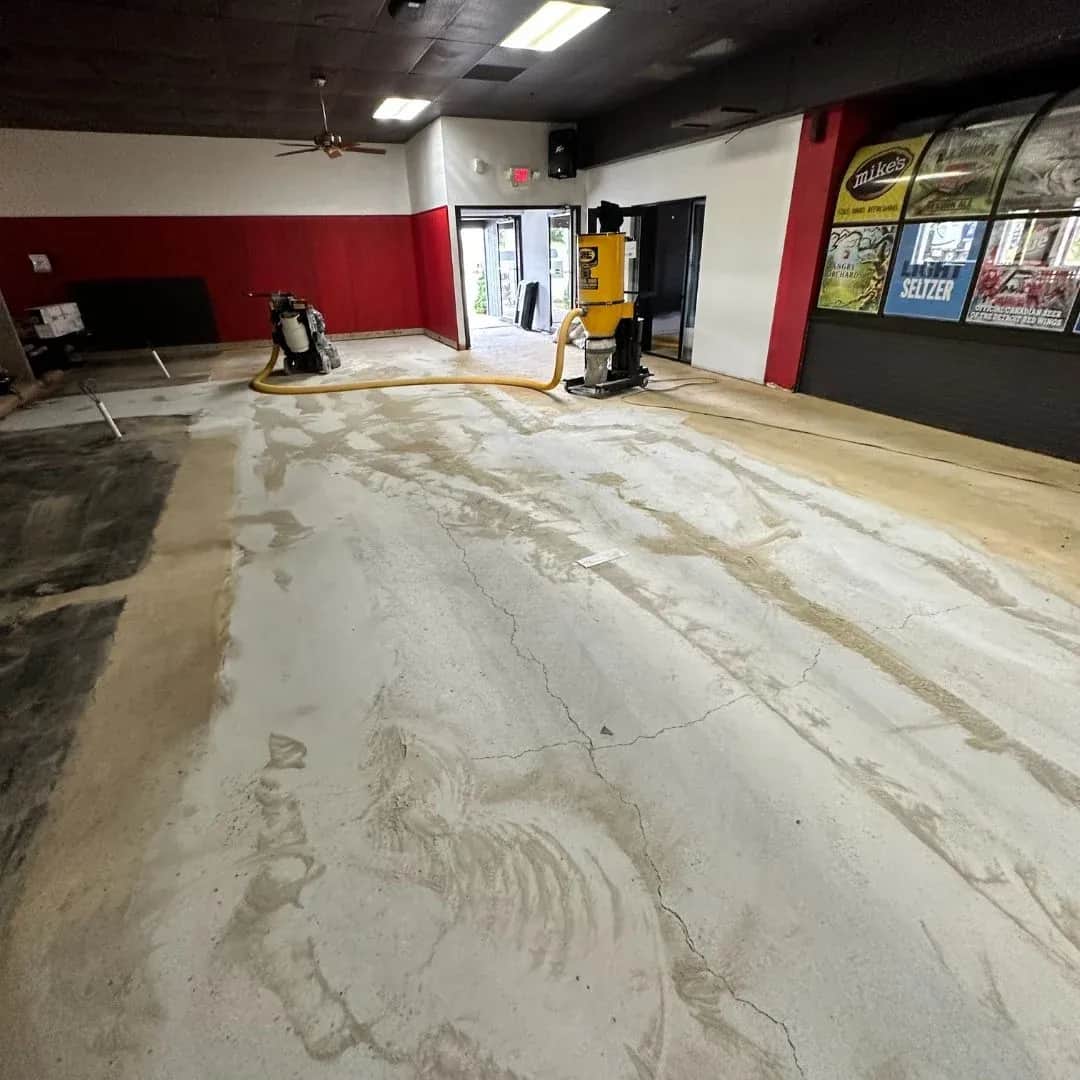
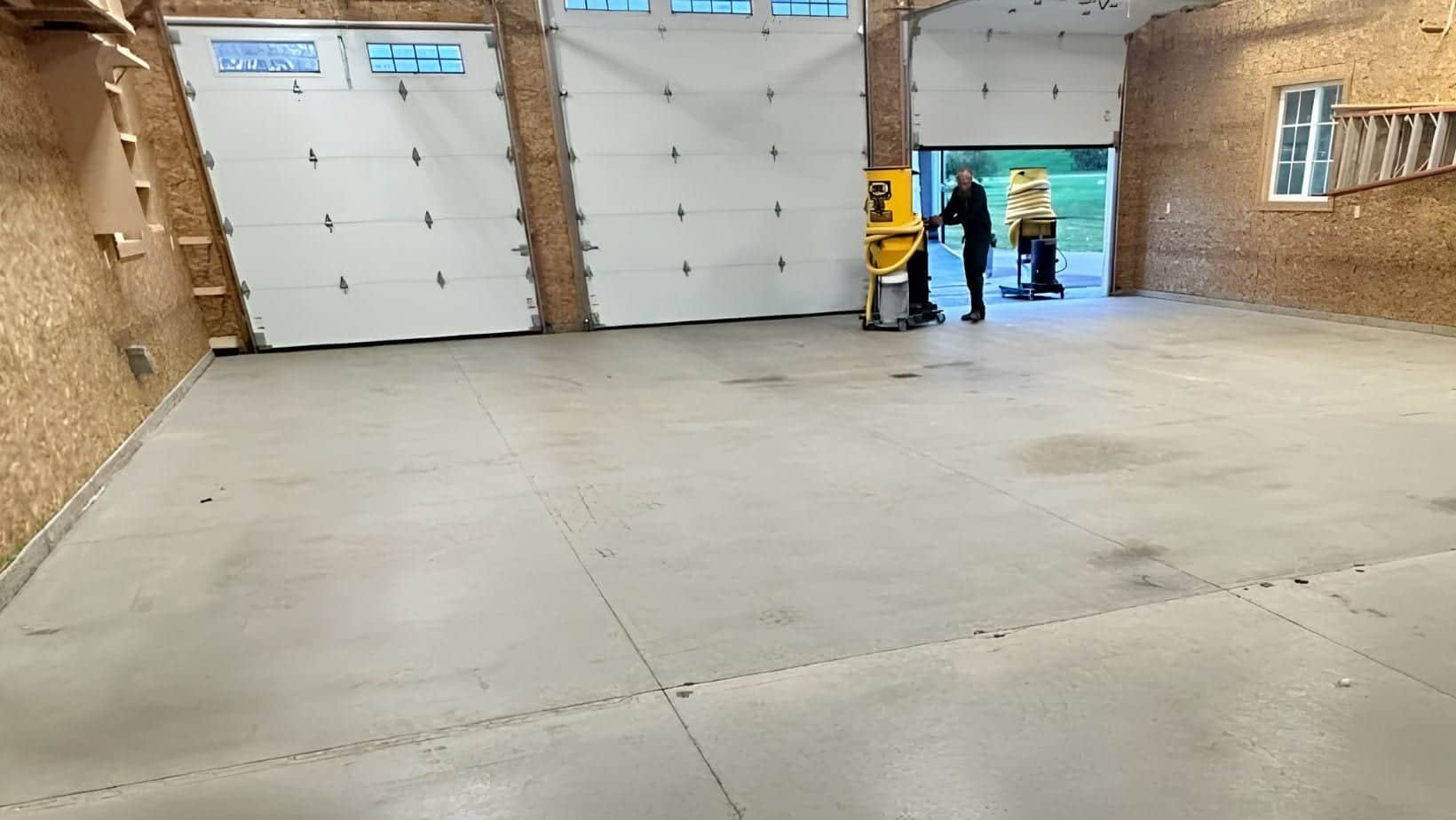
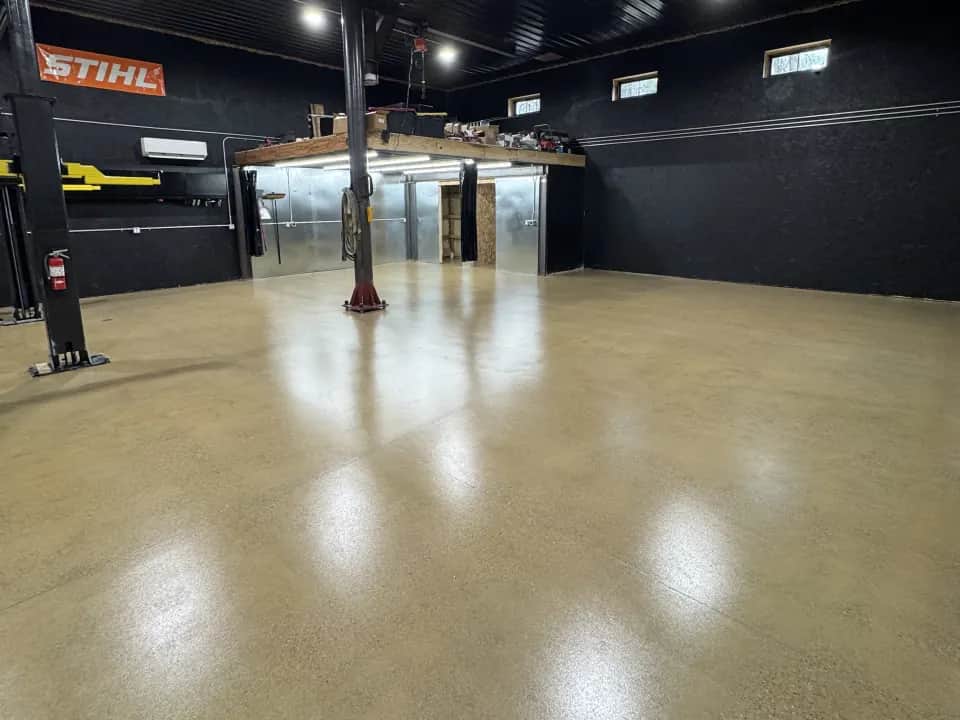
Use these examples to see preparation equipment, repair work, and finished surfaces that can inform a Caledonia grinding conversation. The pictured settings are examples, not identified local projects.
Free Project Quote
Tell us about the space and we will follow up with a clear recommendation and quote conversation.
Phone
Business Hours
Free Estimate
Tell us what the slab is used for, what sits on its surface, and what you want the finished floor to do. We will talk through the preparation scope, the role of grinding, and the finish options that fit the concrete we can actually evaluate.
A clear estimate can account for access, edges, repairs, residue, seasonal exposure, and the material that follows. Request your Caledonia estimate when you are ready to turn those floor details into a workable plan.