
Offer The Finish A Clean Start
Mechanical preparation gives a selected coating a more suitable surface for adhesion. The required profile varies by product, slab condition, and the finish planned for the room.
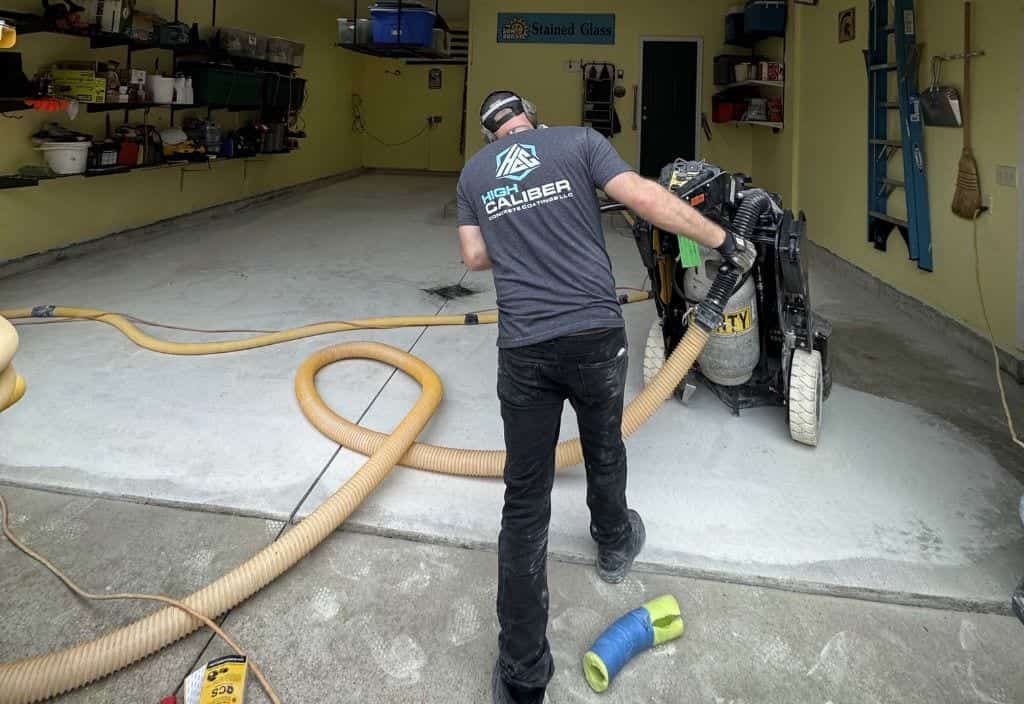
Before we choose a finish, we need to know what your Byron Center concrete is being asked to do. Diamond grinding can remove unwanted surface material, reveal the slab beneath it, and establish a useful starting point for the next stage. Tell us about the floor and request a free estimate.
Service Overview
Concrete grinding is a decision about the surface and the work that will follow. Diamond tooling can remove weak material, residue, paint, adhesive, or an old coating when the condition and tooling are suitable. It can also create a mechanical profile for a coating, sealer, polished finish, or another planned treatment. The correct response depends on the material above the slab and the result you want below it.
That is useful in Byron Center because one property may include an attached garage, a larger detached garage, a shop, a pole barn, or a commercial building. Parking, storage, repairs, equipment, and traffic do not place the same demands on concrete. We use the floor's next assignment to frame the preparation conversation.
Benefits
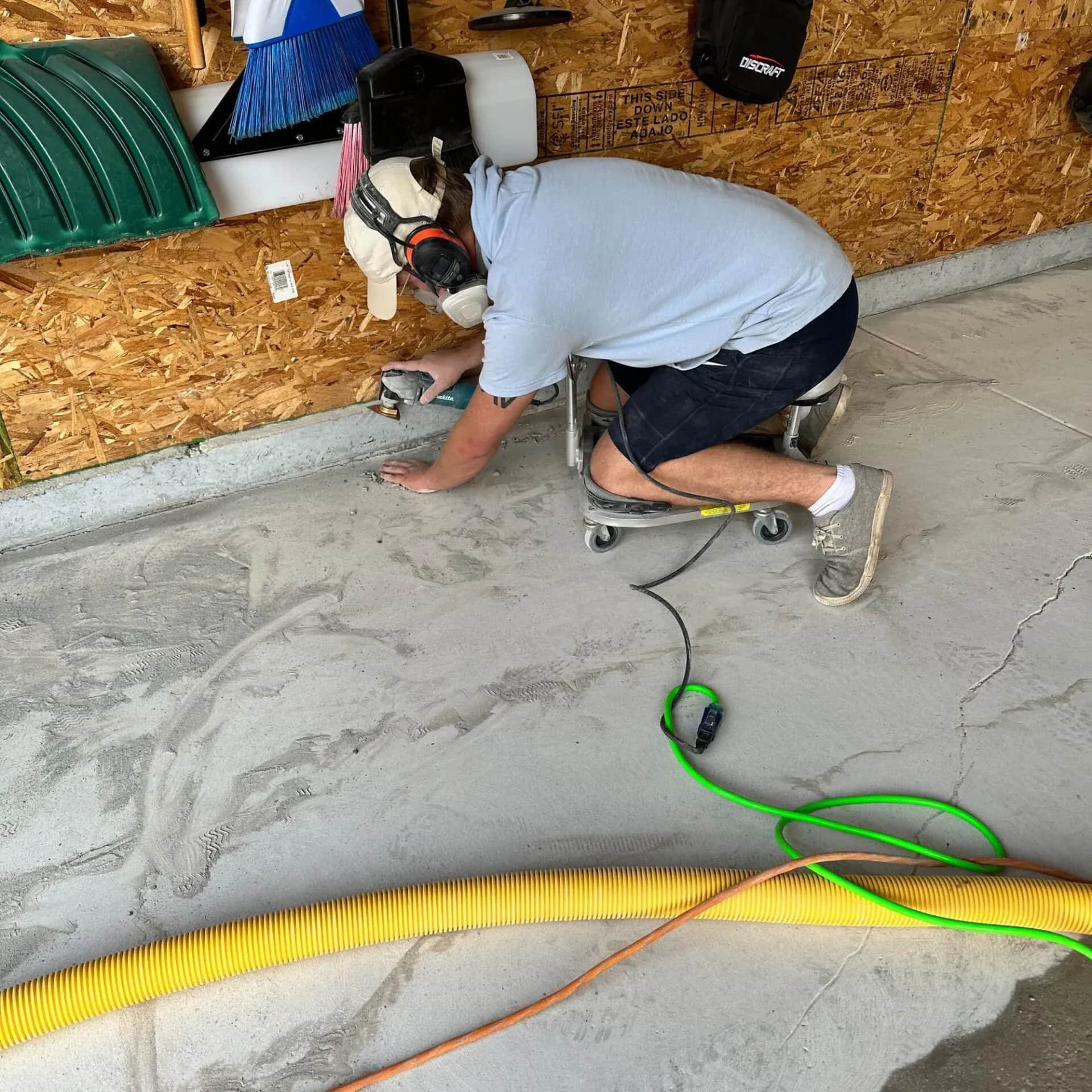
Grinding is useful when the existing surface is interfering with the result you want. The value comes from a measured response to the concrete, not from removing material simply because equipment is available.
Mechanical preparation gives a selected coating a more suitable surface for adhesion. The required profile varies by product, slab condition, and the finish planned for the room.
Diamond tooling can address suitable paint, adhesive, old coating, laitance, and weak surface material. We determine the removal approach from the material and the concrete underneath.
Once unwanted layers are reduced, cracks, pits, joints, soft areas, and uneven wear are easier to discuss. That information can change the repair or finishing sequence.
A larger removal scope is not automatically a better one. Tool selection and passes can follow the actual need, preserving sound concrete where the planned finish allows.
Edges, transitions, access points, and areas needing clearing belong in the plan. A defined scope makes it easier to separate grinding from repair or another removal method.
A vehicle garage, working shop, agricultural building, and commercial floor have different demands. Preparation should support the traffic, storage, maintenance, and daily appearance goals ahead.
Installation Process
Concrete preparation works best as a sequence of decisions. We connect the slab's condition, the room around it, and the finish ahead so each pass has a defined purpose and the handoff is clear.
Step 1
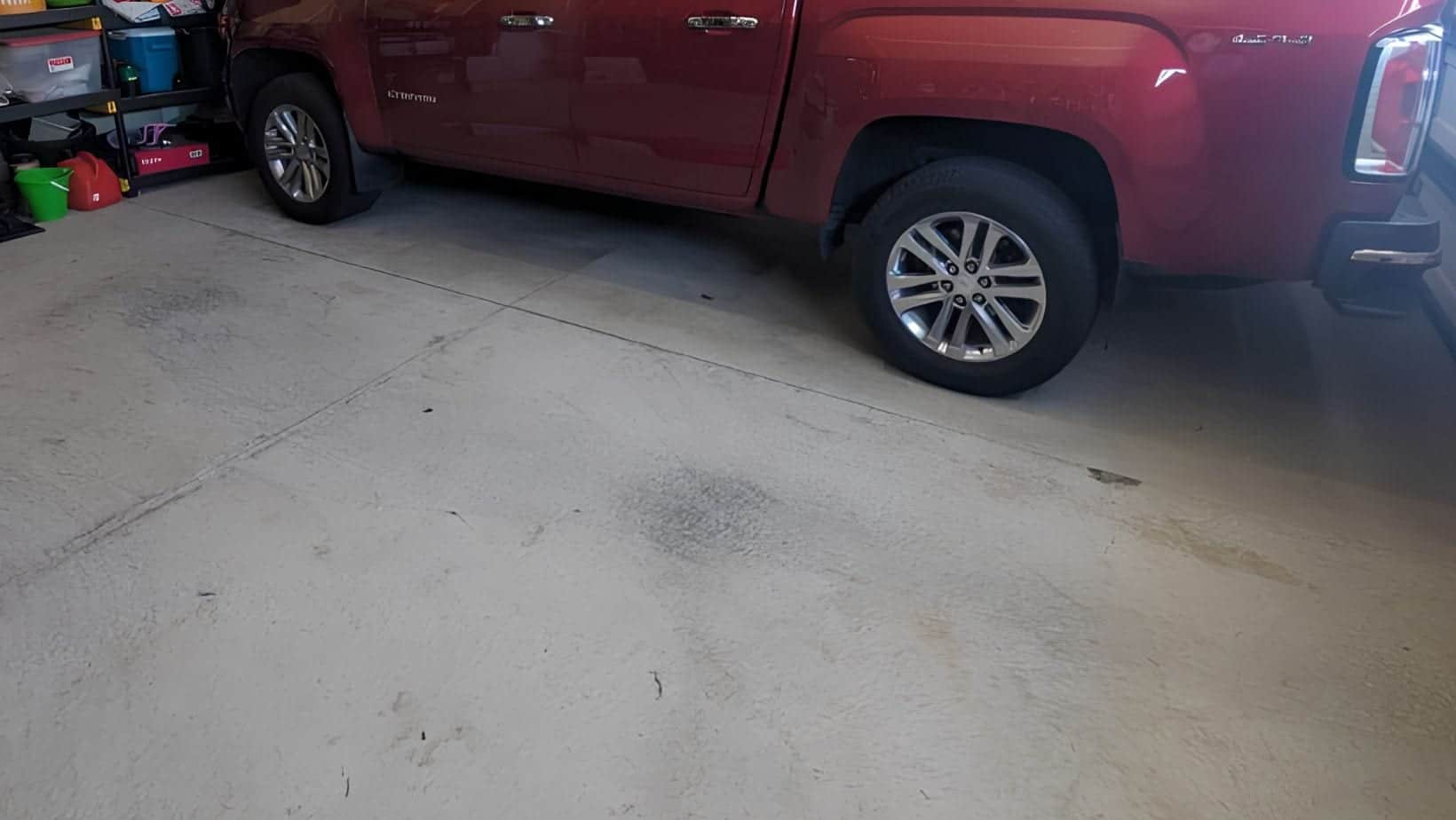
We start by looking at the slab as it exists, not the floor we hope preparation will create. We note its use, visible wear, old finishes, cracks, joints, and access. An attached garage, detached garage, shop, pole barn, or commercial room can each call for a different preparation conversation.
Step 2
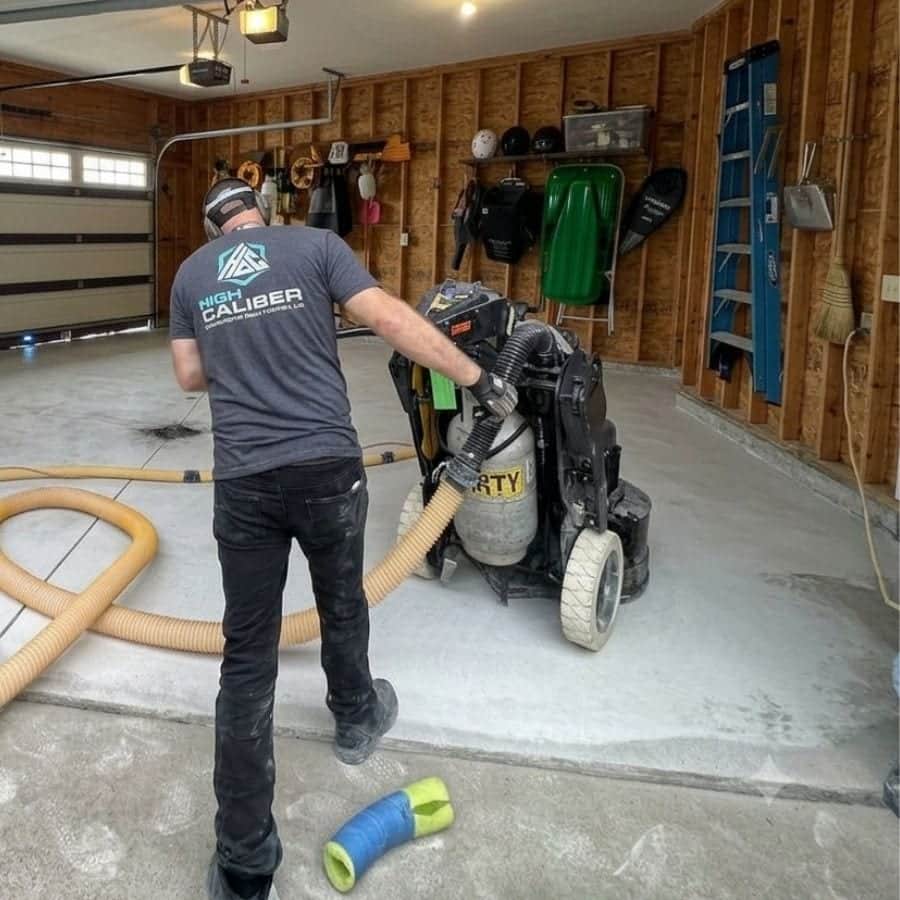
Next we match diamond tooling and the intended profile to the material on the floor and the finish ahead. Paint, adhesive, laitance, an old coating, and weak concrete do not all respond alike. The plan can identify where grinding is appropriate and where another removal or repair step belongs.
Step 3
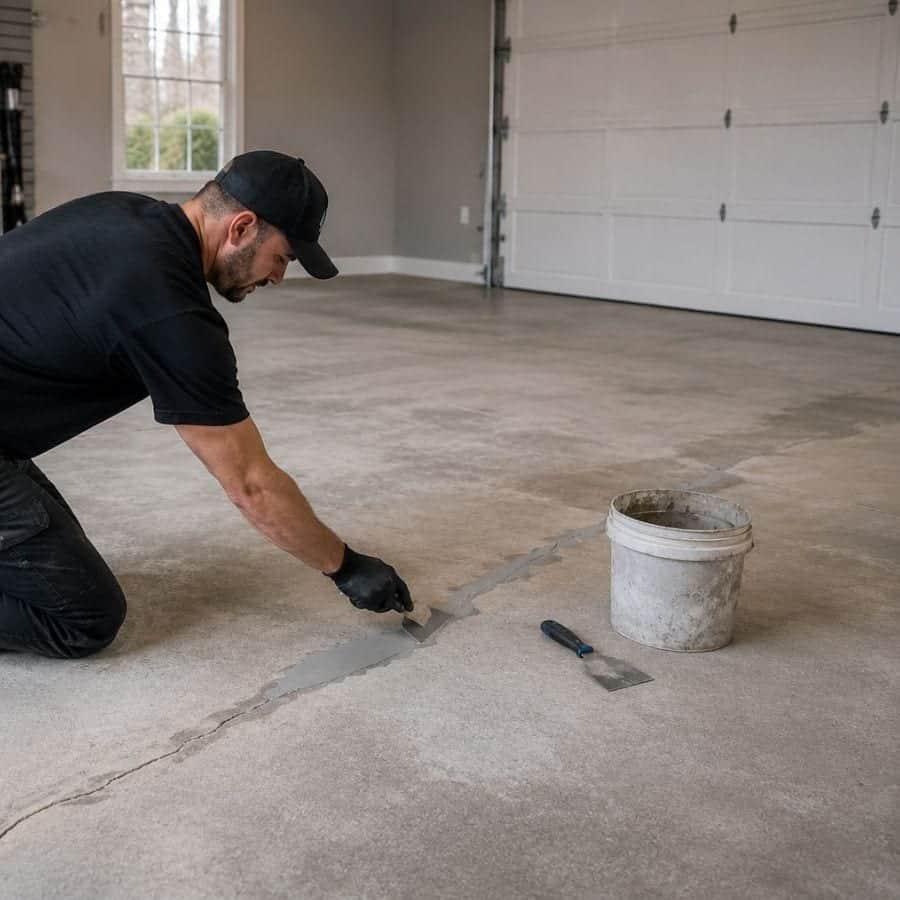
Before equipment moves, we establish the sections to be worked, clear what must be moved, and consider dust collection, nearby items, ventilation, edges, and transitions. Planning these practical details is especially important when a larger Byron Center slab serves vehicles, storage, equipment, or an active business.
Step 4
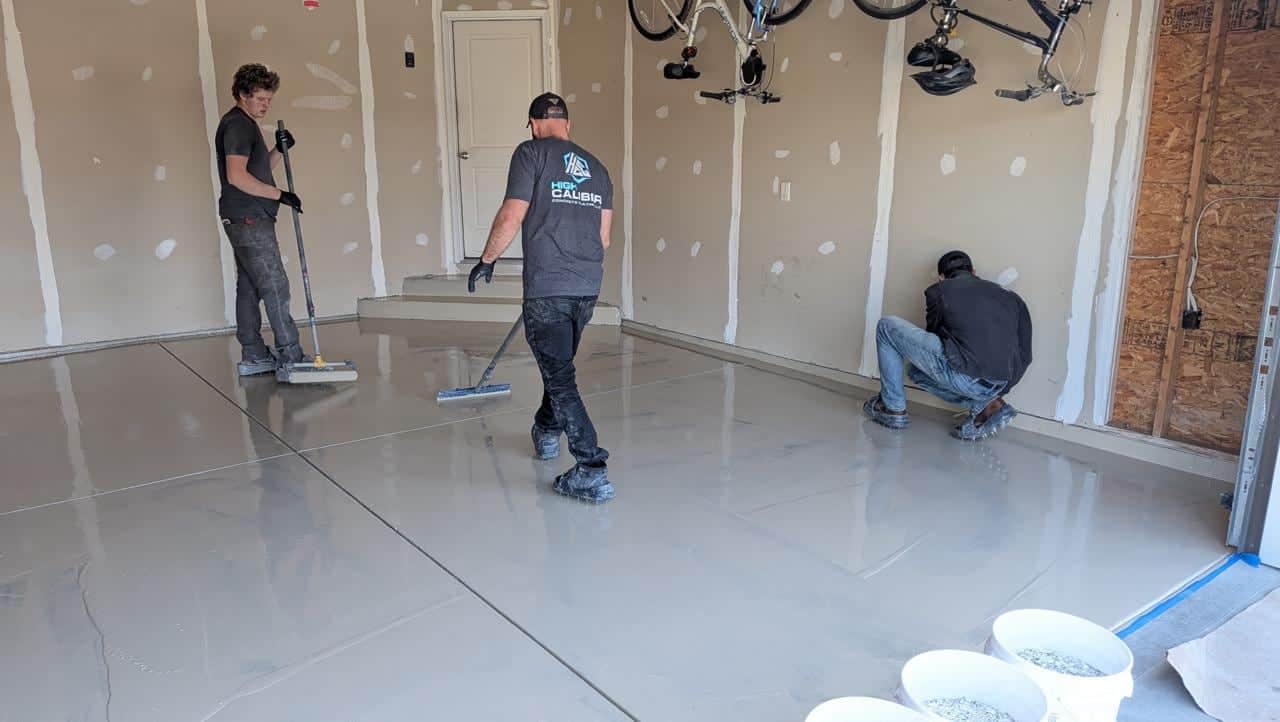
With the work area ready, we use diamond tooling to remove or refine the selected surface material and create the needed mechanical profile. Passes follow the agreed scope and the slab's response. Grinding improves preparation, but it does not promise to erase structural slope, settlement, or every deep defect.
Step 5
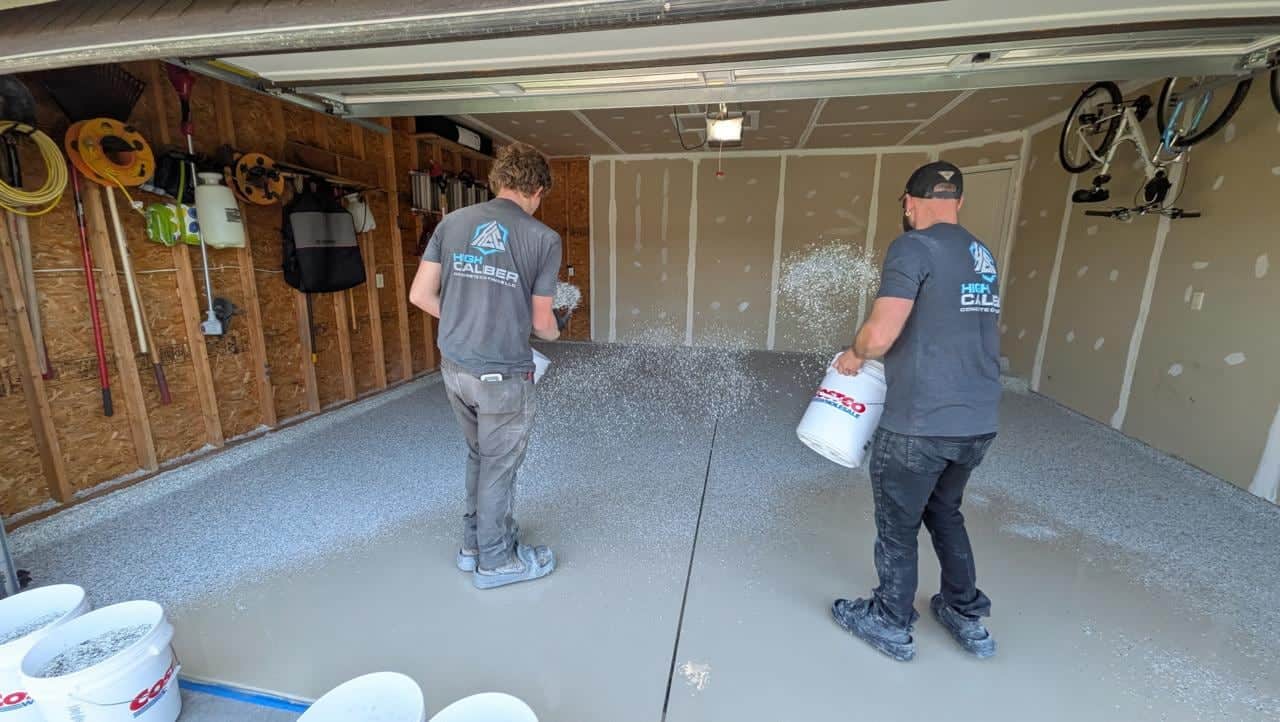
Perimeters, doorways, joints, cracks, pits, and changes in texture need a closer look than the open field of the floor. We work through the details that belong in the grinding scope and identify repairs or separate treatment when they require more than surface preparation.
Step 6
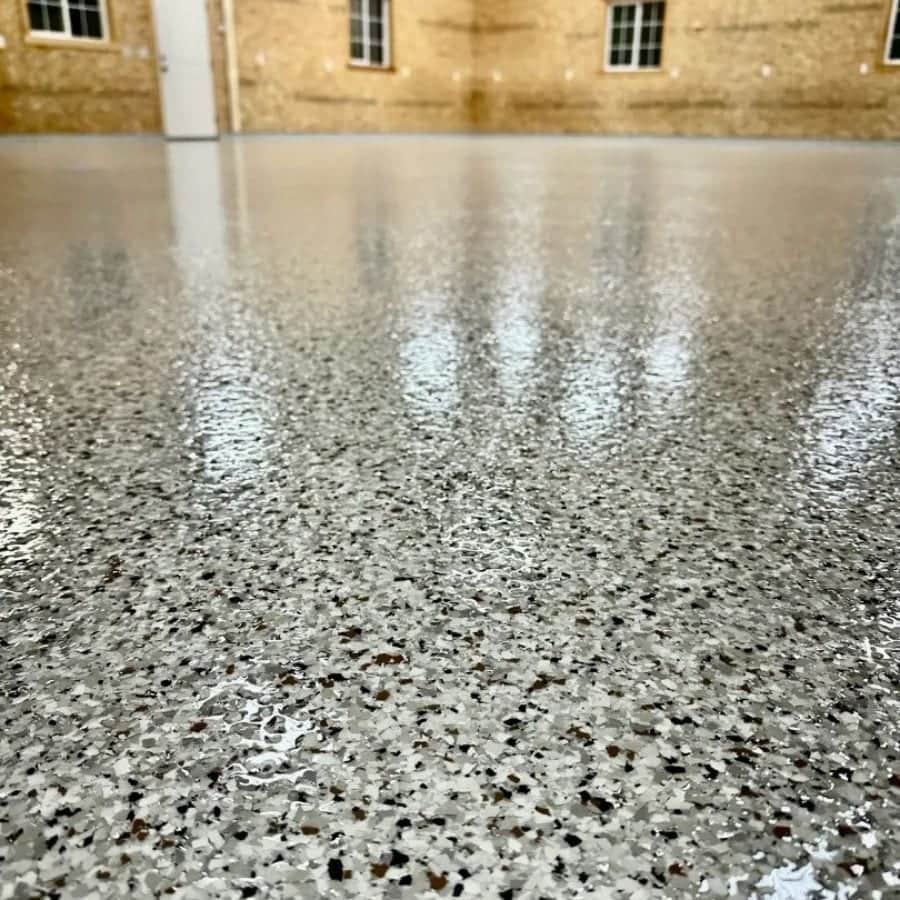
Finally, we collect dust and loose debris, then review whether the surface is ready for its next decision. That may be crack repair, a hybrid coating, penetrating sealer, or polished concrete. The condition exposed by preparation guides the handoff, including any remaining work the finish requires.
Why High Caliber
We begin with the concrete itself, using its condition to set the preparation questions. We treat grinding as part of the larger floor decision, which lets us discuss preparation alongside the coating, sealer, polish, or other finish that may follow. That connection matters because the right profile is determined by the next material, not by a generic idea of how much concrete should be removed.
We also keep the limits visible. Grinding can improve and prepare a surface, but it cannot stop future movement, rebuild missing concrete, or turn every slope into a flat plane. For a Byron Center property, our conversation can include garages, outbuildings, shops, farms, pole barns, and commercial areas while keeping each recommendation tied to the actual slab.
Customer Reviews
“Would highly recommend. No pressure sales, quality product, great communication and quality installation. I met Jeff at the home show. I was drawn into his booth by his very enthusiast kids. I got the immediate impression this was a family oriented business and that was reinforced by the conversation with both Jeff and his young son. These values drew me to this business. I signed up for a quote. Shortly after the show Jeff came to my home to present options and provide a quote. No pressure to buy, Jeff understood I needed to get thru tax season before I could be sure about my budget. Over the course of next few months Jeff was responsive to any questions I had and we got the job scheduled. Jeff provided a trailer in the quote to store contents of garage while job was being done, which was very helpful. When talking with others about the quote I learned my price was equal to or less than what neighbors had paid up to six years ago, so I felt this was good pricing. I had thought there would be a ton of dust and a big mess when grinding surface, but the machines had a vacuum attached, clean and efficient work. I was impressed that they coated steps and side walls as well as floor. No mess on drywall or driveway. Crew doing installation were great guys. They took time to fill me in on the process of installation, what to expect, how long for surface to cure and when I could empty trailer. Post install Jeff stopped out to grab trailer, filled me in on what to use and how to clean the floor. VERY happy with the whole process from sales to install to follow up. LOVE my new garage.”
“I can not express how awesome my garage floor looks. Your crew did a phenomenal job, we'll probably be the envy of the neighborhood now. Very polite, cleaned up the area, fast amazing job! My only complaint was the floor was going to look great so my wife said we had to clean out and paint all the walls and shelving, but it was worth it. Thank you again.”
“Wow! Jeff and Mike were amazing to partner with for my garage floor renovation! They did an amazing job but more importantly, they communicated directly with me thru texts, reminders, and in person! Jeff and his team left my garage and exterior area cleaner than when they arrived and gave clear instructions on follow up care needed for my new floor! I would highly recommend High Caliber Concrete Coatings anytime!”
Byron Center, Michigan
Byron Center is a growing Kent County community south of Grand Rapids, with suburban and rural edges. That combination puts a broad range of slabs into the same local conversation. Newer homes may have attached garages built for vehicles and storage. Larger detached garages, shops, farms, and pole barns can support repairs, equipment, or several activities across one floor. Commercial buildings add questions about access, traffic, work zones, and the finish's maintenance demands.
West Michigan weather can leave its mark without dictating one automatic answer. Freeze and thaw cycles can expose weak surface material or make existing cracks more important to discuss. Snow and road salt may be tracked through vehicle entrances. Humid summers and seasonal moisture can add residue or moisture clues. We consider those conditions along with the slab's use, because preparation needs to serve the concrete that is actually present.
A useful estimate separates the visible task from the assumptions around it. We can discuss what needs removal, which areas need clearing, where repairs may belong, and what profile the next finish requires. If you are comparing nearby service areas, you can also read our Grand Rapids, Wyoming, and Caledonia pages for related local context.
Vehicles, storage, repairs, equipment, and commercial traffic can create different wear patterns across a single larger floor.
Salt, snow, humidity, and seasonal moisture deserve inspection, but they do not determine grinding depth without the slab's condition.
A coating, penetrating sealer, polished surface, or other treatment may require a different profile and preparation sequence.
Frequently Asked Questions
Grinding is aimed at selected surface material and surface texture. Depending on the condition, that may include weak concrete, laitance, paint, adhesive, residue, or an old coating. Diamond tooling can also establish a profile for the next finish. It is not intended to promise a new structure, a perfectly flat floor, or the removal of every deep defect.
Clear vehicles, stored items, wall edges, and access routes as far as the project discussion requires. Tell us what has been applied to the slab, where repairs have been made, and how the garage is used. Photos and a description of the intended finish can help frame the conversation, while the final scope still depends on the concrete and materials present.
It may. A broad pole barn or shop floor can combine equipment paths, storage areas, repairs, joints, and changing surface wear. Building access, dust control, the amount of floor to clear, and the finish's performance needs become important. We consider those details rather than assuming that a large slab should receive the same preparation as a residential garage.
We first consider what the residue or coating is made of, how firmly it is attached, and what the concrete below can support. Suitable material may respond to diamond tooling, while another section may call for additional removal, repair, or a revised scope. Winter salt and tracked-in debris are reasons to inspect the surface, not reasons to assume one method will fit every area.
Grinding can address selected high areas and rough texture, but it does not correct structural slope or settlement. Joints, movement, and deeper variation require a separate discussion about what is possible. We explain the limits of the preparation work and do not present grinding as a leveling guarantee.
Polishing mechanically refines the concrete itself when the slab is intended to remain the finished surface. A penetrating sealer protects within suitable concrete rather than forming a film. A coating creates a film system over prepared concrete. The right choice depends on the slab, the use, the appearance desired, and the preparation profile each finish needs.
Yes, when the slab and existing materials support that sequence. Grinding can prepare the surface for a hybrid epoxy and polyurea system. In that system, epoxy serves as the adhesion and build layer, while polyurea is used in the topcoat layer. Repairs, moisture questions, and remaining residue still need attention before installation.
Related Services
The grinding decision is only one part of the floor plan. These services explain several ways a prepared slab may be protected, refined, or completed.
See how a hybrid epoxy and polyurea system can create a protective film over prepared concrete.
Learn moreConsider a penetrating sealer when protection within suitable concrete fits the floor better than a film.
Learn moreExplore mechanical refinement when the concrete itself is meant to remain visible as the finished surface.
Learn moreReview removal work for adhesive left behind after tile, vinyl, or another floor covering is taken up.
Learn moreGallery And Visual Proof
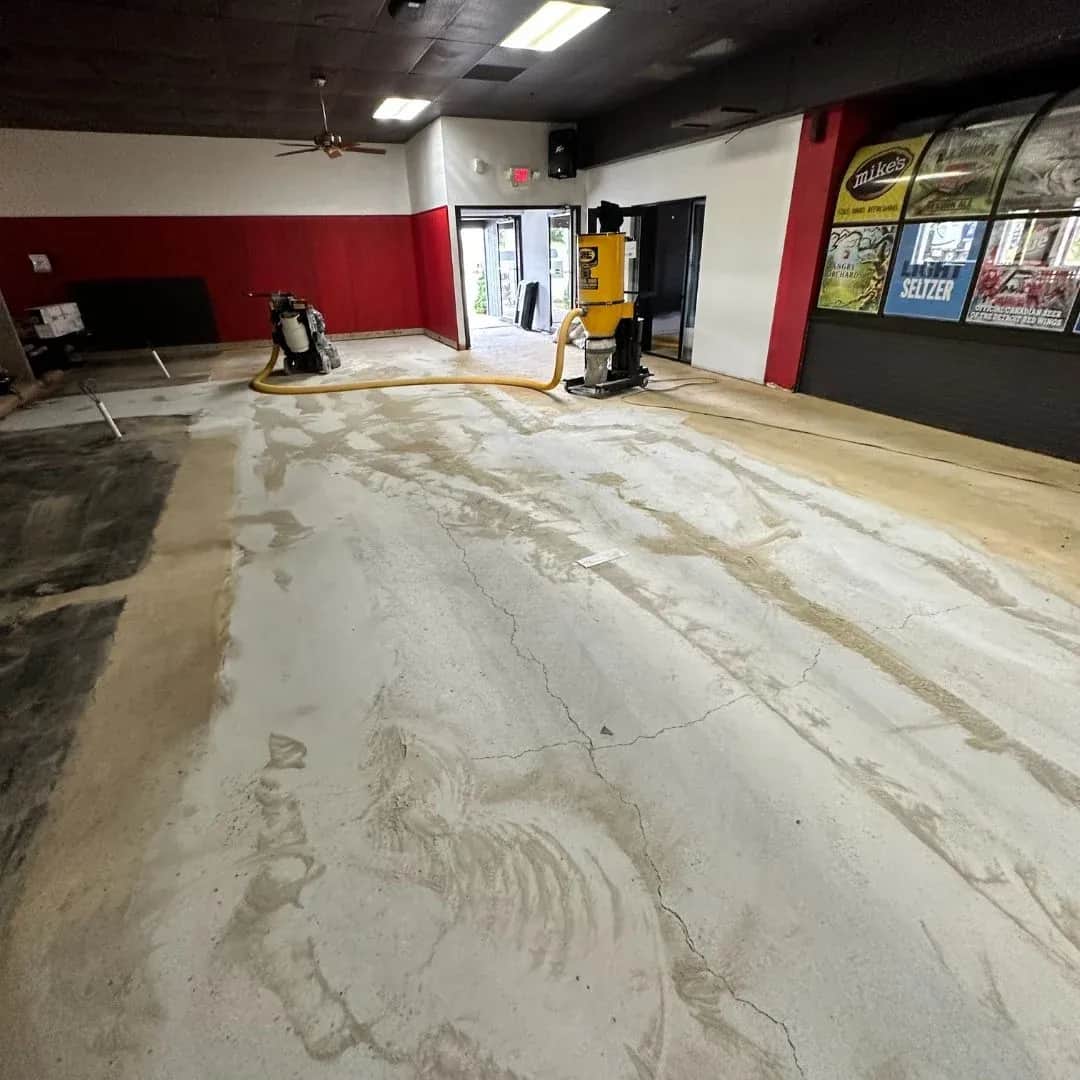
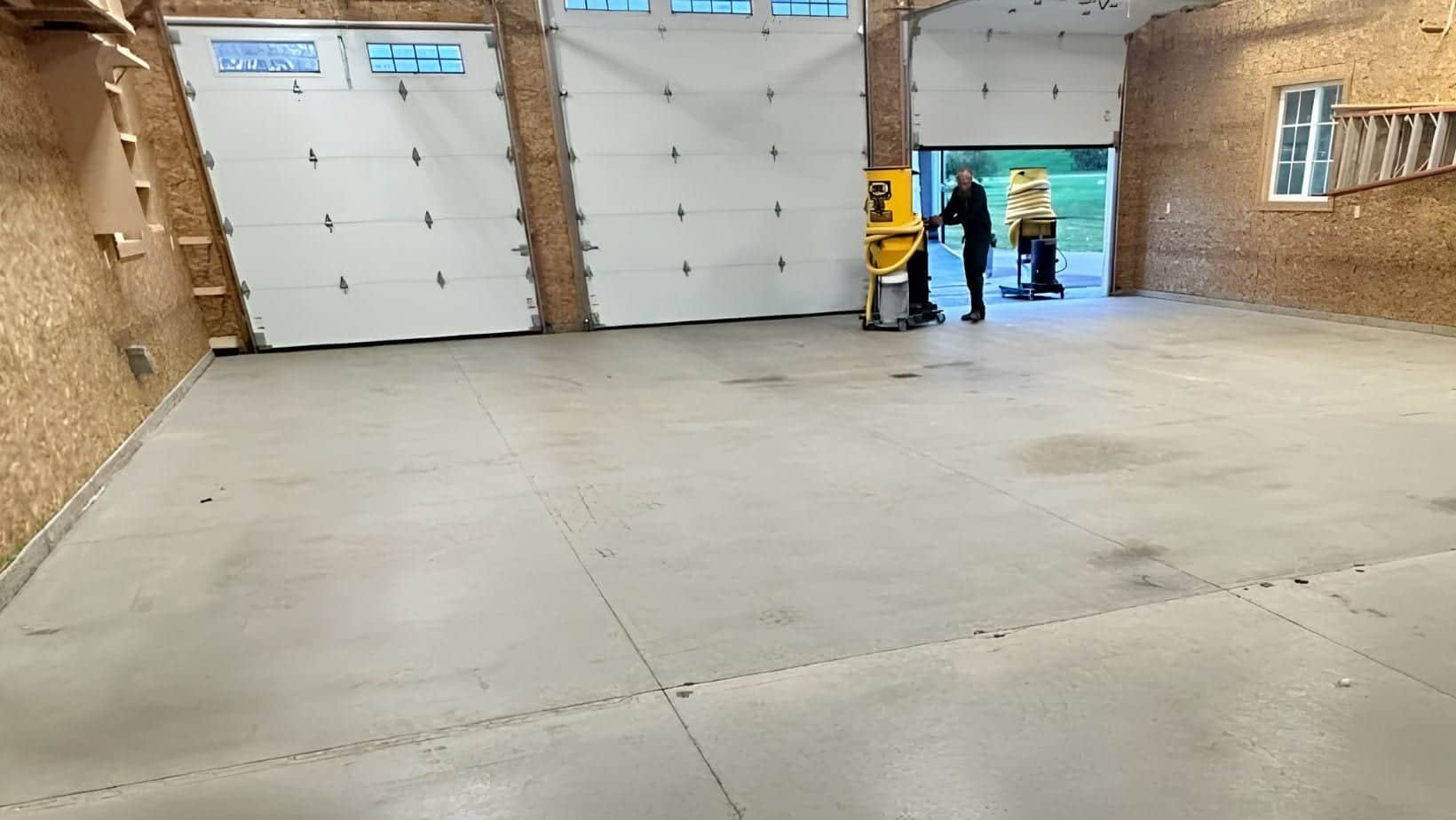
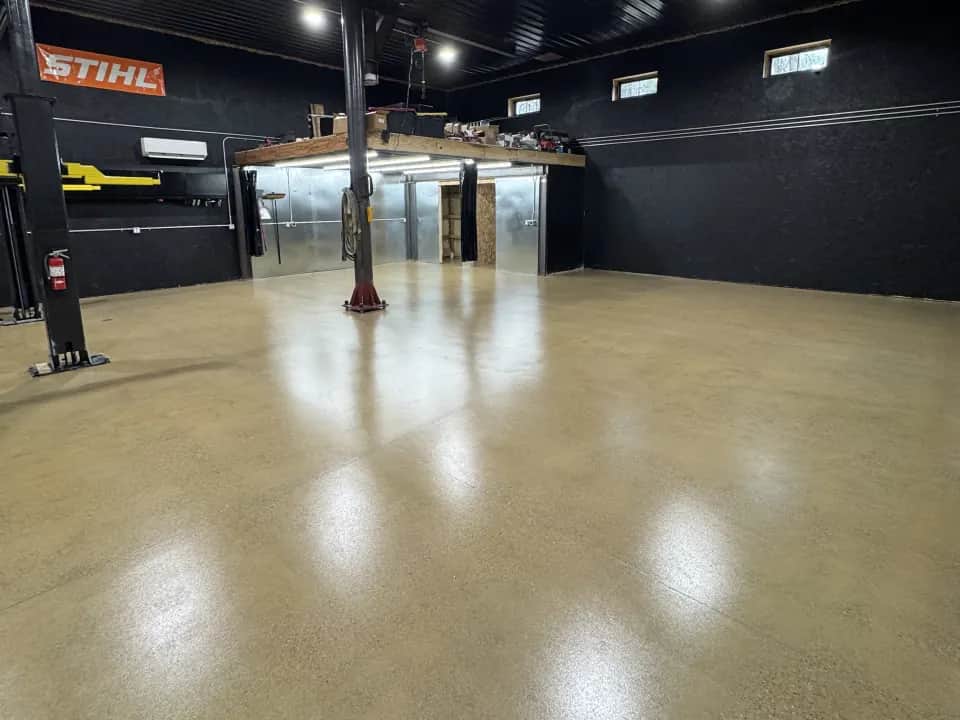
These library images show equipment, surface conditions, and finish preparation from different flooring situations. They illustrate the work without identifying any pictured property as a Byron Center project.
Free Project Quote
Tell us about the space and we will follow up with a clear recommendation and quote conversation.
Phone
Business Hours
Free Estimate
Share what the slab is used for, what sits on its surface now, and what you want it to do next. We can discuss access, visible wear, residue, repairs, moisture clues, and the profile required by the planned finish. Use our estimate form to outline the space, or call (616) 777-7348 so we can begin discussing the right preparation path before any work is scheduled.