
Separate Layers From Concrete
Diamond tooling can distinguish old coating, paint, glue, weak paste, and sound concrete. That separation helps us decide what belongs in removal work and what should remain.
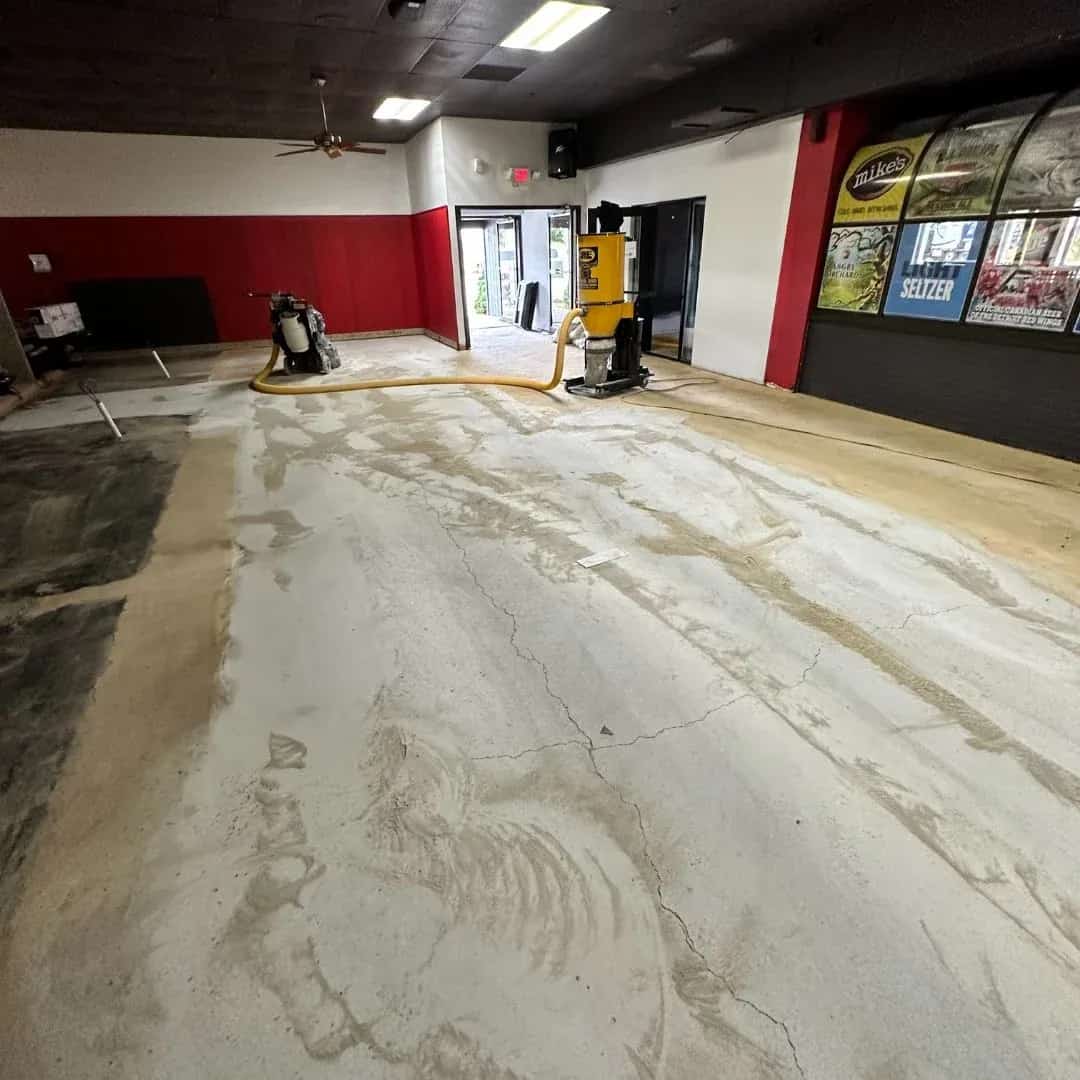
Your Holland concrete floor can tell us more once the worn surface, residue, or old finish is opened. We use carefully selected diamond grinding to read those conditions, prepare the concrete for its intended use, and explain which next step fits the slab rather than forcing every floor toward the same finish.
Service Overview
Concrete grinding is mechanical preparation with a specific job to do. Diamond tooling can remove weak surface material, old paint, adhesive, a failed coating, or a dense upper layer. It can also refine selected high areas. The target is determined by the material on the floor and the result you want afterward, not by a promise that every slab can become flat or flawless.
We consider the floor's use, access, edges, moisture clues, cracks, pits, and existing layers before work begins. Some Holland projects need a prepared base for a coating. Others may be better suited to sealing, polishing, grind and seal, or a repair discussion. The useful answer comes from connecting the preparation to the next decision.
Benefits
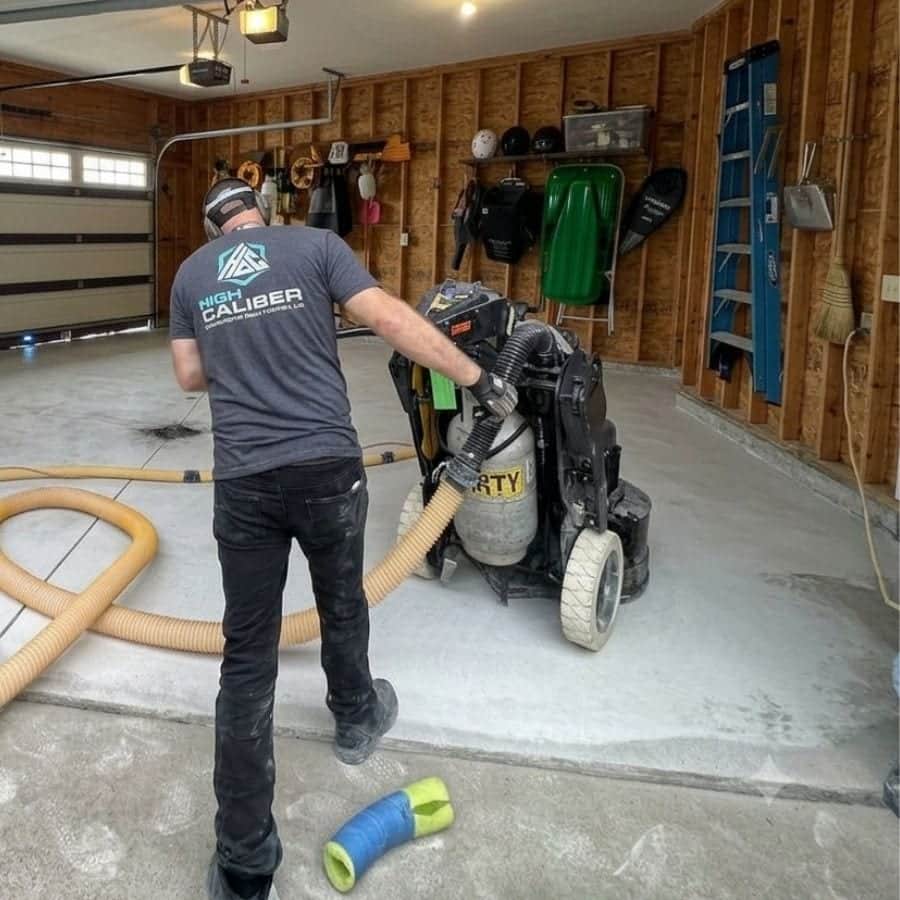
Grinding has value beyond removing material. It gives the team a closer look at the surface you have, helps define the preparation target, and makes the limits of the slab easier to discuss before a finish is selected.
Diamond tooling can distinguish old coating, paint, glue, weak paste, and sound concrete. That separation helps us decide what belongs in removal work and what should remain.
Coatings and sealers need more than a clean-looking floor. Grinding creates a planned profile, while the selected finish determines how open and consistent that profile needs to be.
A localized ridge, lip, or raised transition may respond to careful grinding when the surrounding concrete is sound. Broad slopes and low areas require a different solution.
Opening the upper surface can make cracks, spalls, pits, and soft areas easier to evaluate. We can then separate preparation from repairs that need their own treatment.
A prepared slab may lead to coating, sealing, polishing, or another use. Grinding helps us discuss what that finish can accomplish without asking it to hide an unresolved condition.
Installation Process
A sound grinding plan is built in the order the floor reveals its needs. We move from condition review to access, tooling, detail work, and a final check so the next finish has a prepared surface to work from.
Step 1
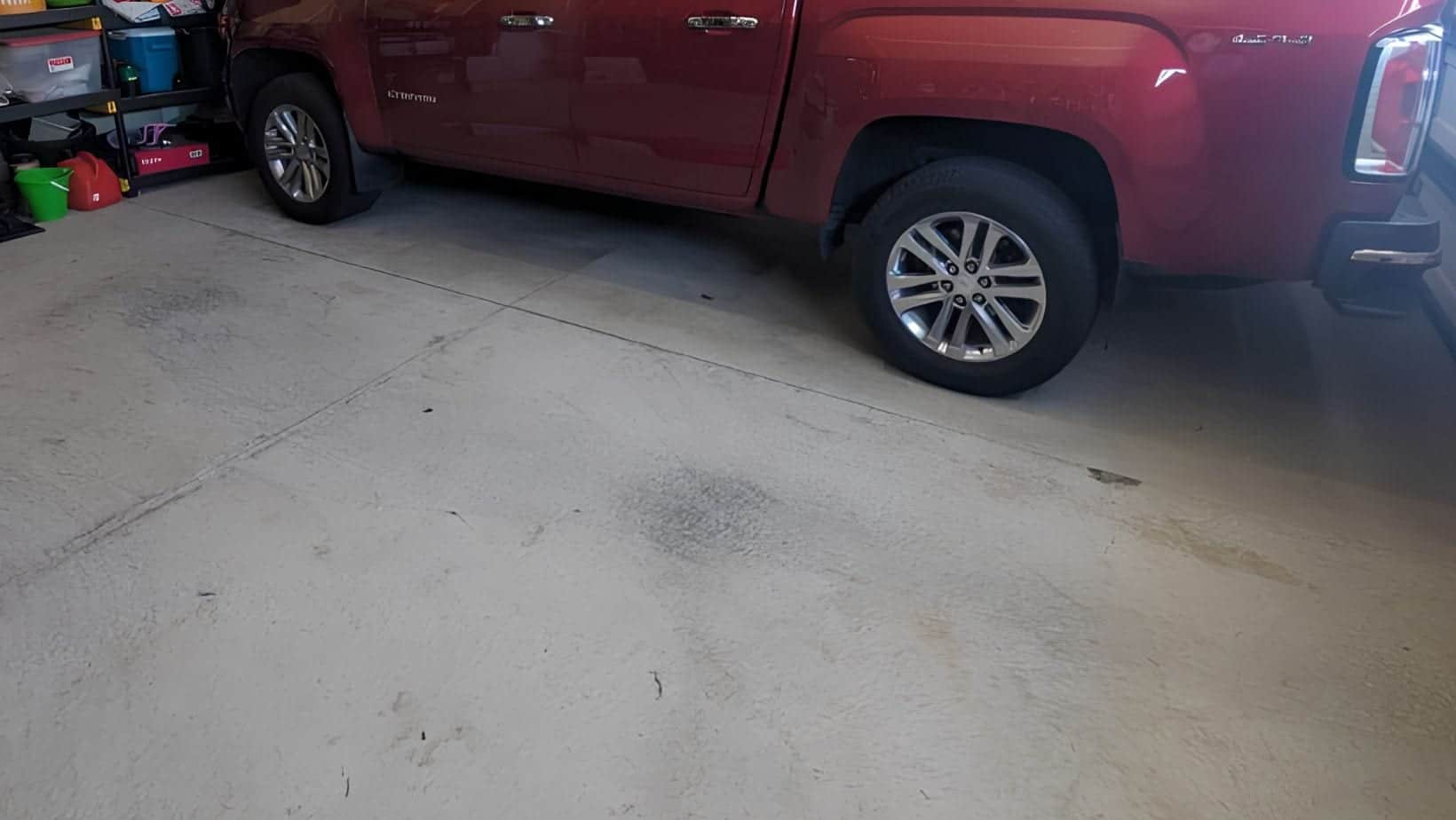
We start with the concrete itself: visible wear, cracks, joints, pits, residue, old coating, and areas where salt or moisture may have taken a toll. The room's purpose and the finish you are considering tell us what to confirm before a grinding scope is set.
Step 2
Surface materials call for different decisions. We identify whether the slab carries paint, adhesive, a prior coating, weak paste, or mostly exposed concrete, then choose diamond tooling and the amount of removal needed for the profile and finish. If grinding is not right for a material, we explain that before work begins.
Step 3
Grinding takes place inside a real room, not on an abstract slab. We plan around doors, walls, posts, drains, stored belongings, ventilation, and nearby activity, while making room for the grinder and dust collection. That preparation protects the work area and gives the crew access to the perimeter.
Step 4
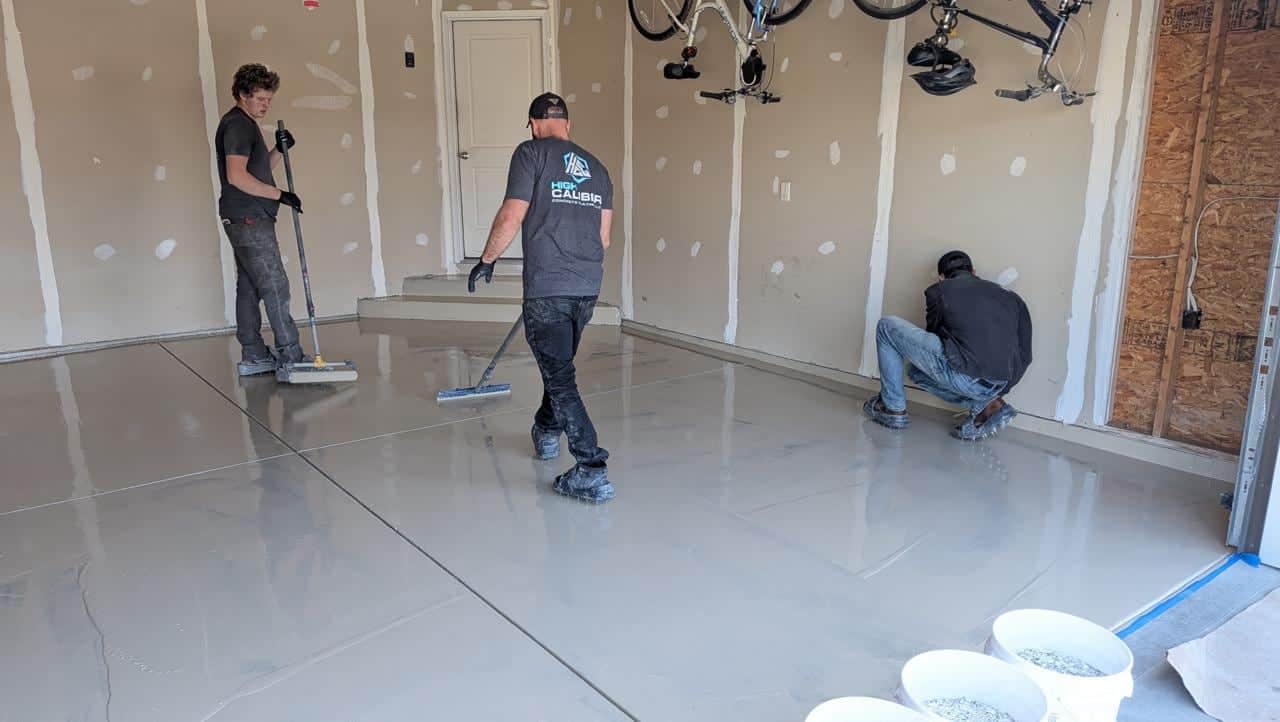
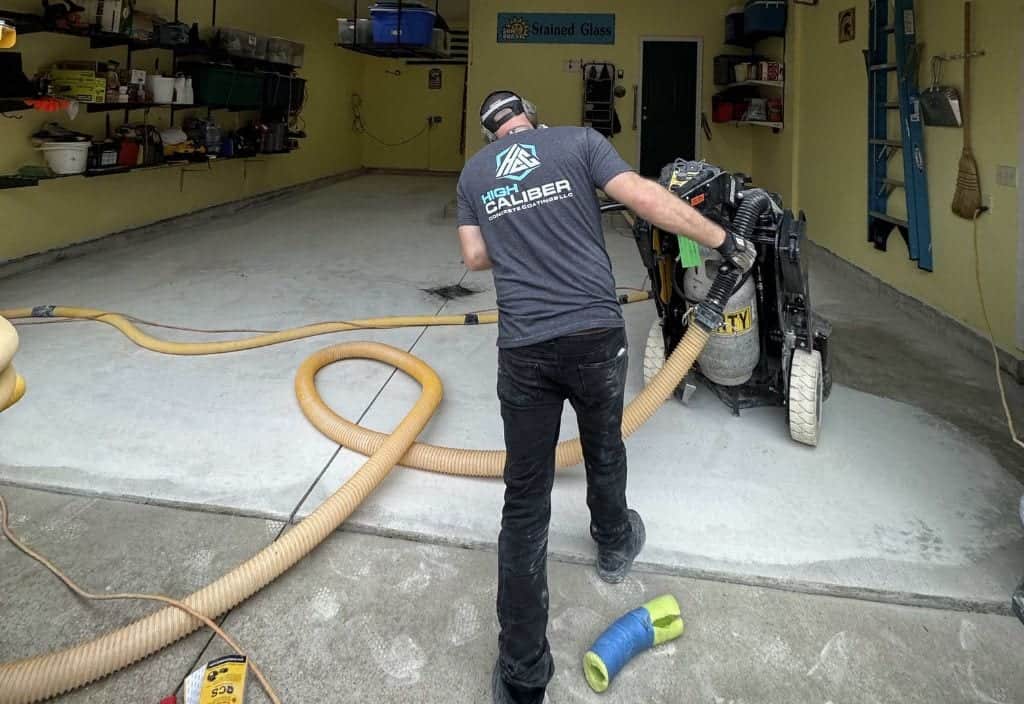
With the area ready, we use diamond equipment to make controlled passes across the selected surface. Dust-control practices help contain debris while progressive checks show whether the concrete is reaching the intended profile. The grinder prepares the surface within what sound concrete allows; major slope, settlement, or deep defects remain separate scope decisions.
Step 5
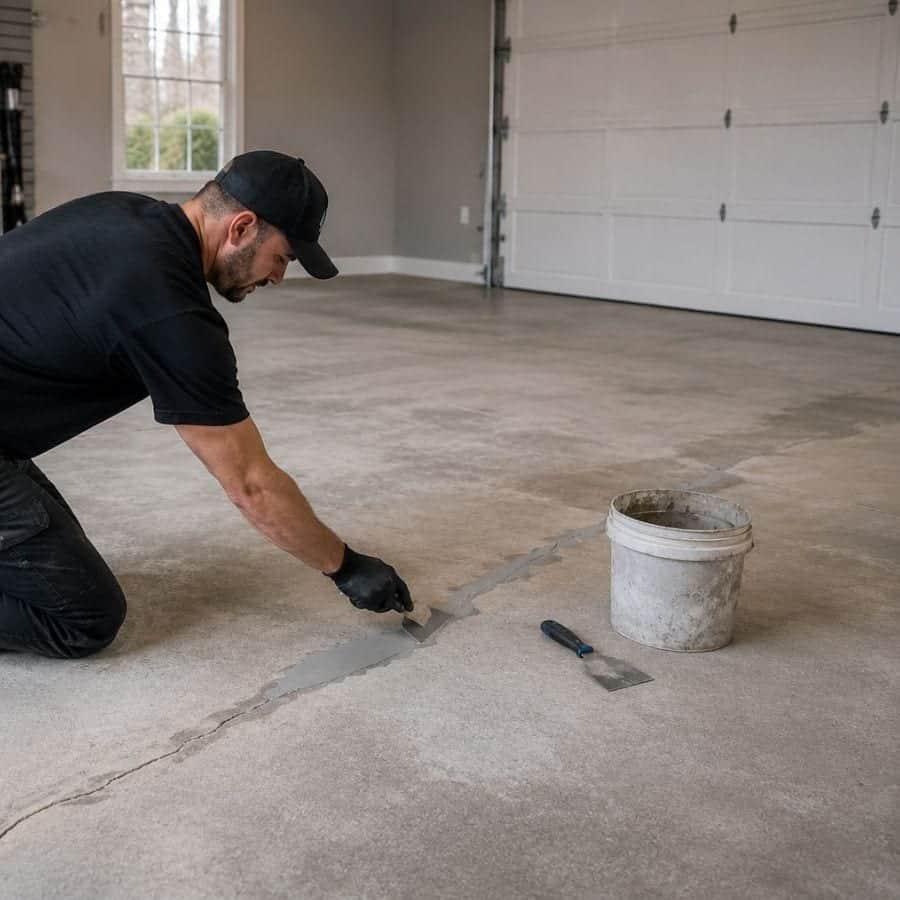
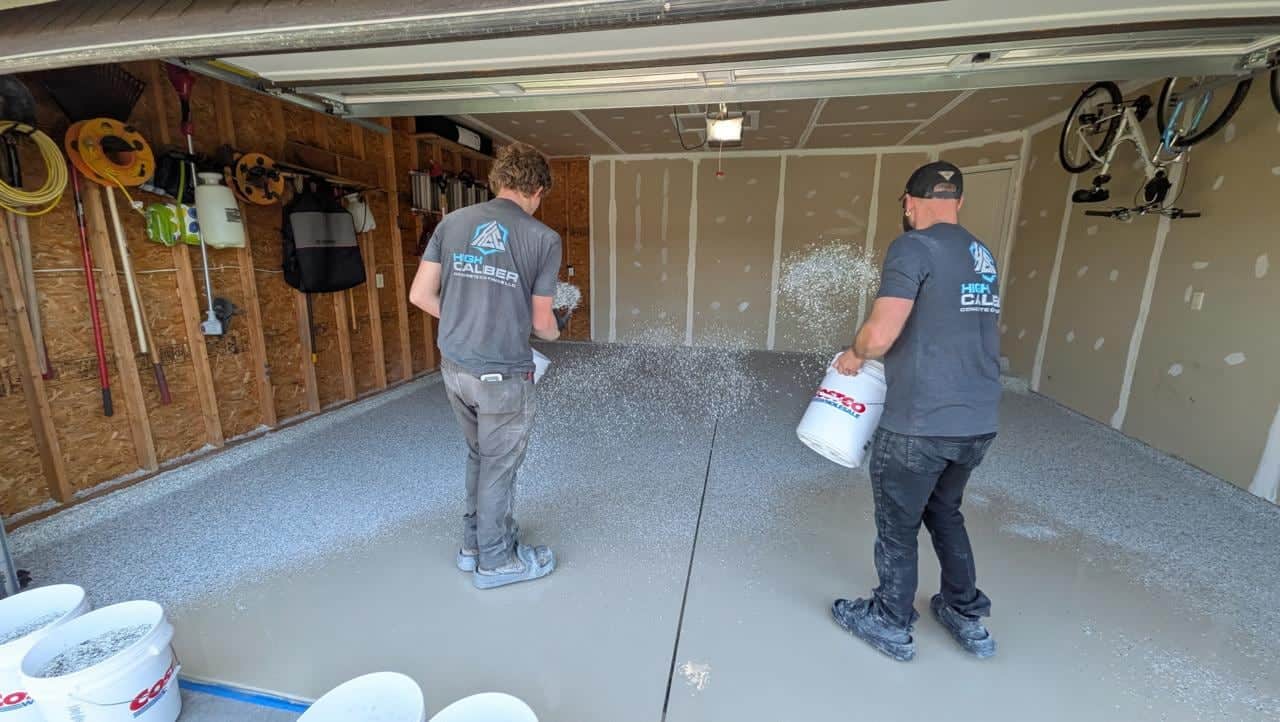
Edges and interruptions deserve their own pass. We work around thresholds, posts, drains, joints, and tight perimeters with equipment suited to the space, then note places where crack or spall repair, moisture assessment, or another treatment belongs. Separating those decisions keeps detail work from being mistaken for broad slab removal.
Step 6
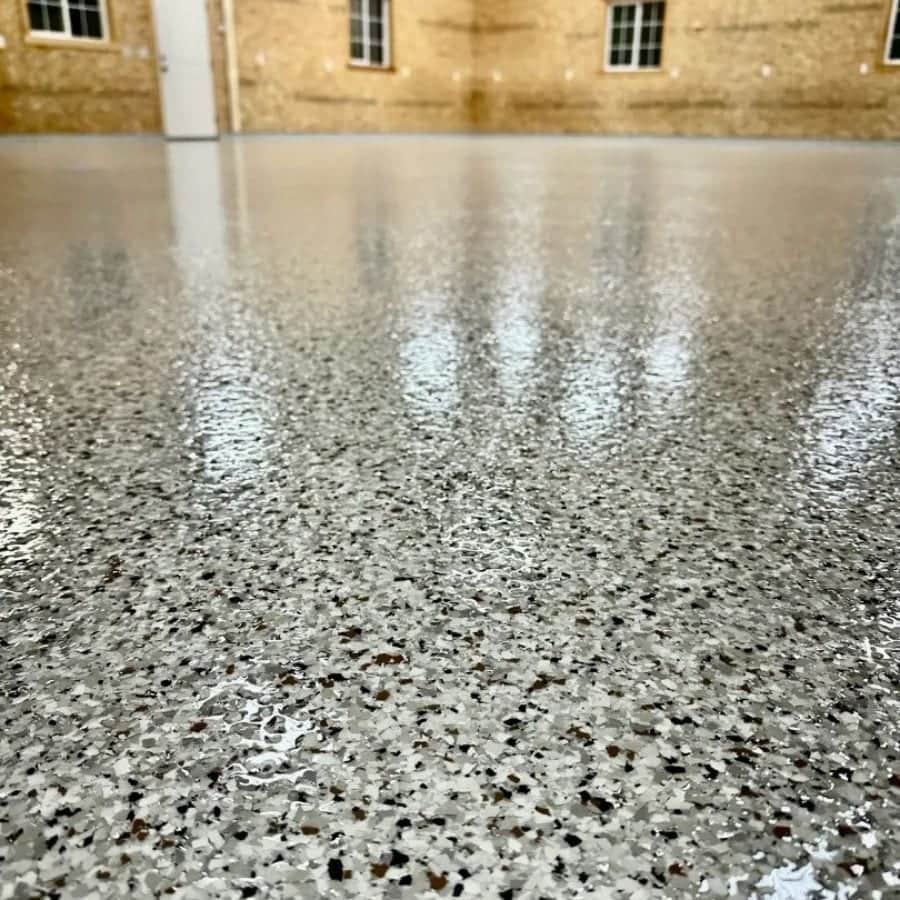
After grinding, we inspect the exposed slab and remove remaining debris before the next recommendation. We look at profile consistency, visible conditions, and the needs of the intended finish. The next stage could be repair, a hybrid coating, a penetrating sealer, or mechanical polishing, depending on what the prepared concrete supports.
Why High Caliber
Zeeland is home base for our family-owned West Michigan team, and the exposed slab gives us a useful checkpoint for what comes next. That review can bring a repair, moisture question, or finish-chemistry decision into the conversation while the concrete is visible. The recommendation stays tied to what preparation actually reveals.
When a coating is appropriate, our hybrid epoxy/polyurea system uses epoxy for adhesion and build, then polyurea in the topcoat for flexibility, UV stability, chemical resistance, and cure characteristics. The point is the right chemistry in the right layer, beginning with concrete that has been prepared for that system.
Customer Reviews
“Wow! Jeff and Mike were amazing to partner with for my garage floor renovation! They did an amazing job but more importantly, they communicated directly with me thru texts, reminders, and in person! Jeff and his team left my garage and exterior area cleaner than when they arrived and gave clear instructions on follow up care needed for my new floor! I would highly recommend High Caliber Concrete Coatings anytime!”
“High Caliber Concrete Coatings did a wonderful job refinishing my garage floor. Jeff was very thorough explaining the entire process and this company had the best assortment of colors to choose from. The team was very professional and delivered a flawless result. Thank you Jeff and your team.”
“I can not express how awesome my garage floor looks. Your crew did a phenomenal job, we'll probably be the envy of the neighborhood now. Very polite, cleaned up the area, fast amazing job! My only complaint was the floor was going to look great so my wife said we had to clean out and paint all the walls and shelving, but it was worth it. Thank you again.”
Holland, Michigan
Holland's Ottawa County setting along Lake Macatawa and Lake Michigan brings familiar seasonal exposure to concrete. Lake-effect snow, tracked-in road salt, spring melt moisture, humid summers, and repeated freeze-thaw cycles can leave a garage or working floor with more than ordinary wear. Those conditions do not dictate a grinding plan, but they make the surface history worth discussing before a new finish is chosen.
An established home may have an original garage with several years of salt, grit, and vehicle traffic in the slab. A newer attached garage may have a different surface history, while a waterfront home or basement can raise questions about humidity and moisture movement. Rural outbuildings may have wider access needs and equipment-related wear. We use those details to frame the inspection, not to assume an unseen condition.
Commercial property types bring another set of practical questions. Downtown retail or hospitality floors may need careful coordination around access and adjacent activity. Light manufacturing and agricultural spaces may have equipment, carts, spills, or cleaning demands. If you are comparing work in Holland with nearby Zeeland, Grand Haven, or Saugatuck, the same principle applies: the recommendation should follow the concrete and the use of that particular space.
Winter traffic can carry abrasive grit and road salt into a garage, making old surface material and the condition beneath it worth examining.
Spring melt, humidity, and lakeshore conditions may affect the finish conversation even when the grinding task itself remains straightforward.
Cars, storage, equipment, carts, and foot traffic place different demands on a prepared floor and the material installed afterward.
Frequently Asked Questions
Concrete grinding uses diamond tooling to remove or refine selected surface material. On a Holland floor, that may include weak concrete paste, old paint, adhesive, a failed coating, residue, or a localized high area. It may prepare the slab for a coating or another finish, or it may be part of a standalone concrete treatment. The right objective depends on the surface and the intended use.
Yes, grinding is often part of coating preparation when the slab and existing materials support it. The goal is a clean, consistent profile that gives the coating a suitable base. Cracks, spalls, moisture clues, and remaining residue still need attention. For a hybrid epoxy/polyurea system, epoxy provides adhesion and build while polyurea serves as the topcoat, so preparation is planned around the complete system.
No. Grinding can reduce certain localized high spots, ridges, or abrupt transitions when the surrounding concrete allows safe removal. It cannot rebuild a low area, correct structural settlement, or promise a perfectly level slab. We compare the high and low areas, explain what mechanical removal can accomplish, and identify when repair, leveling material, or a different finish should be considered.
It can remove or prepare many surface materials, but the material's thickness, bond, and condition matter. Adhesive may smear or load tooling, and a coating may release unevenly across one room. We inspect what is present, select a suitable removal approach, and explain whether extra removal, repair, or another method is needed before the slab is ready for its next use.
Grinding creates dust and debris, so professional preparation pairs the grinder with suitable collection equipment and manages the work area around the room's access points. Edges and tight spaces require additional care. We discuss nearby items, doors, ventilation, containment, and cleanup as part of the scope. The process should be controlled, but it should not be described as literally dust-free.
Weather exposure can affect the history of the concrete and the finish discussion. Road salt, snow, freeze-thaw cycles, spring melt moisture, and humid summers may contribute to residue, wear, or moisture questions, especially in garages and basements. They do not automatically determine the grinding depth. Tell us what the floor has experienced so we can consider preparation and the next material together.
The next step may be crack or spall repair, a coating, a penetrating sealer, grind and seal, polished concrete, or another planned treatment. A penetrating sealer protects the concrete without acting like a film coating. Polishing mechanically refines the slab itself. We review the exposed surface and explain which finish matches the condition and use instead of assuming every floor needs the same product.
Related Services
Grinding can be the main treatment or the opening move in a larger flooring project. These related services provide useful comparisons when deciding what your Holland slab should become.
Review a protective or decorative coating system when the prepared slab needs a new wearing surface.
Learn moreSee how garage use, winter exposure, storage, and preparation connect in a finished floor plan.
Learn moreCompare penetrating sealer work when protection of the concrete itself is the desired result, rather than a film coating.
Learn moreExplore mechanical refinement of the existing slab when the concrete remains the visible finished surface.
Learn moreLearn where an epoxy layer may fit within a planned flooring system over properly prepared concrete.
Learn moreGallery And Visual Proof
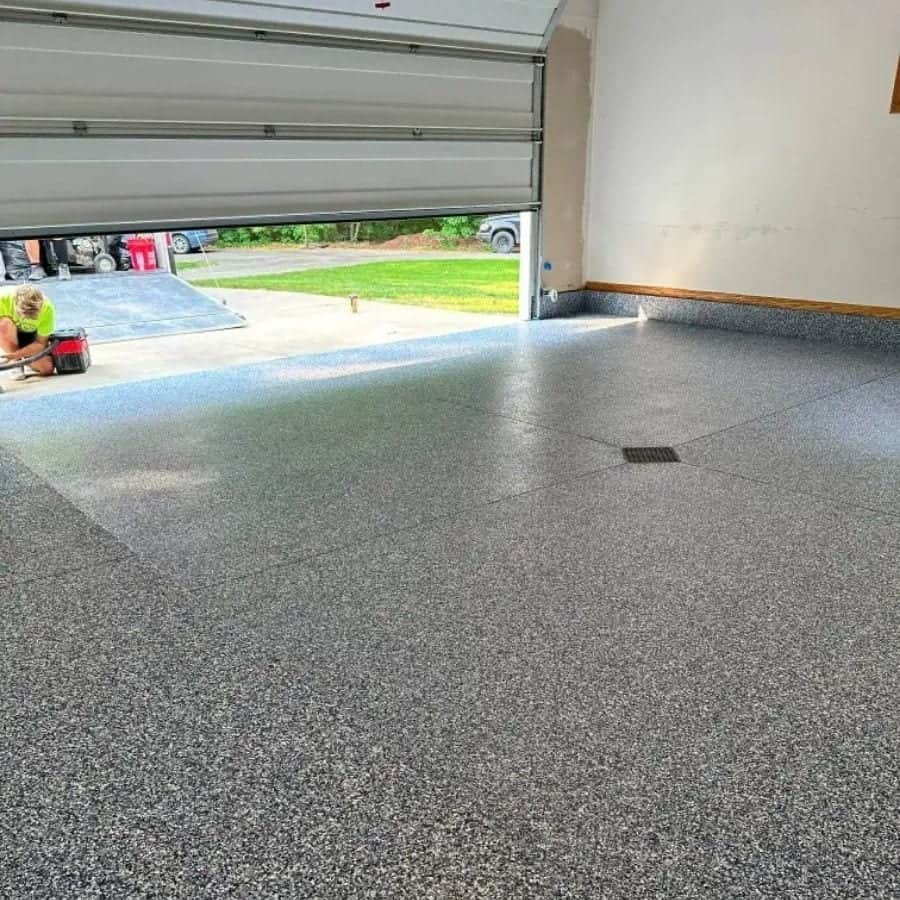
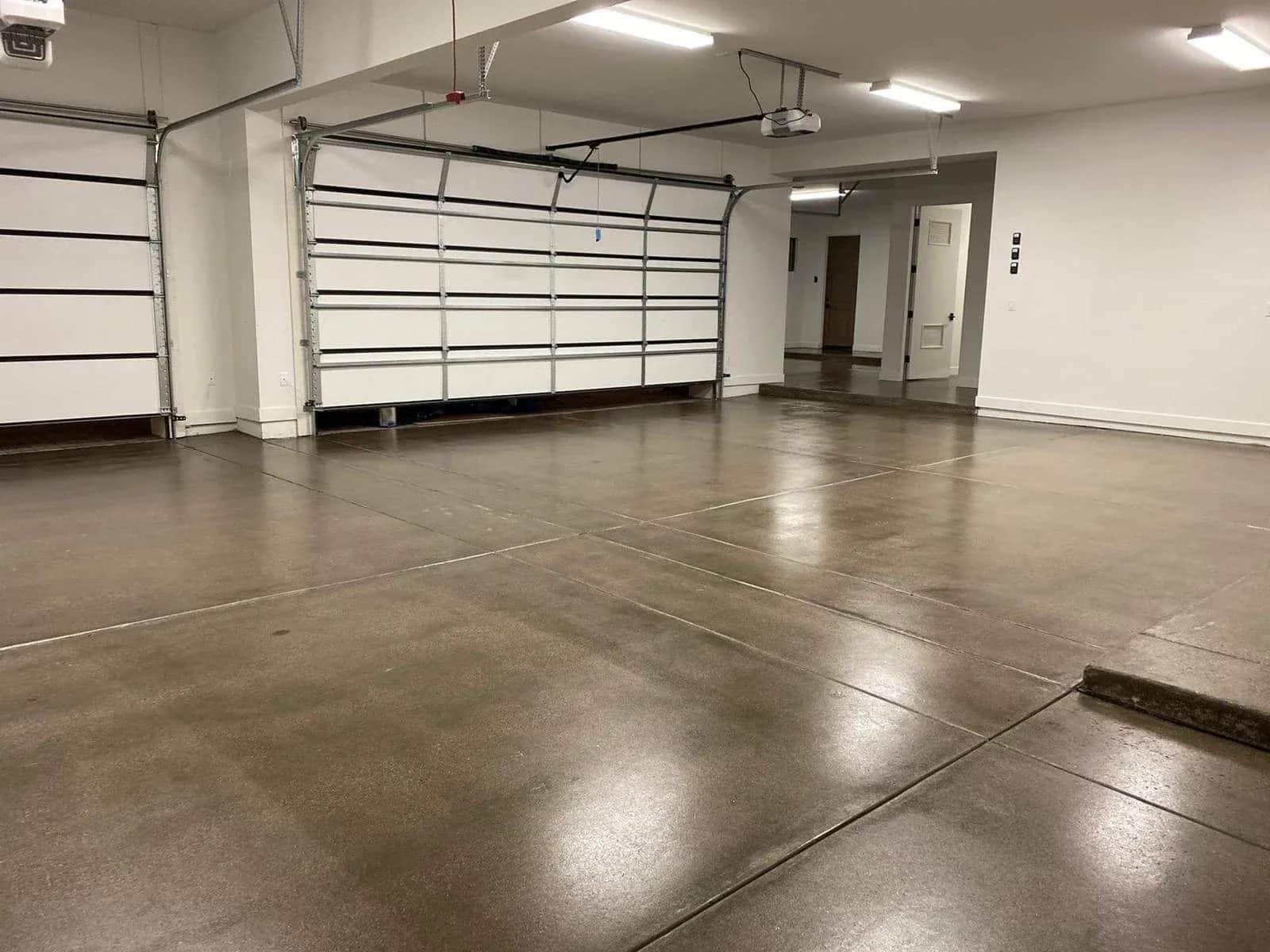
These library images show preparation equipment, repair work, and concrete finishes. The descriptions identify what is visible without assigning any image to a Holland property.
Free Project Quote
Tell us about the space and we will follow up with a clear recommendation and quote conversation.
Phone
Business Hours
Free Estimate
Share what is on your Holland concrete, how the space is used, and what you want the floor to do next. We can discuss surface material, access, dust control, moisture questions, repairs, and the finish that follows, then outline a practical grinding scope for your home or business. That conversation helps distinguish a preparation task from repairs, leveling, or a coating decision before equipment and materials are committed to your floor.