
Give The Next Layer Something To Use
Mechanical preparation can open the surface for a compatible coating or other finish, reducing reliance on weak paste, residue, or a previous layer that cannot provide a dependable base.
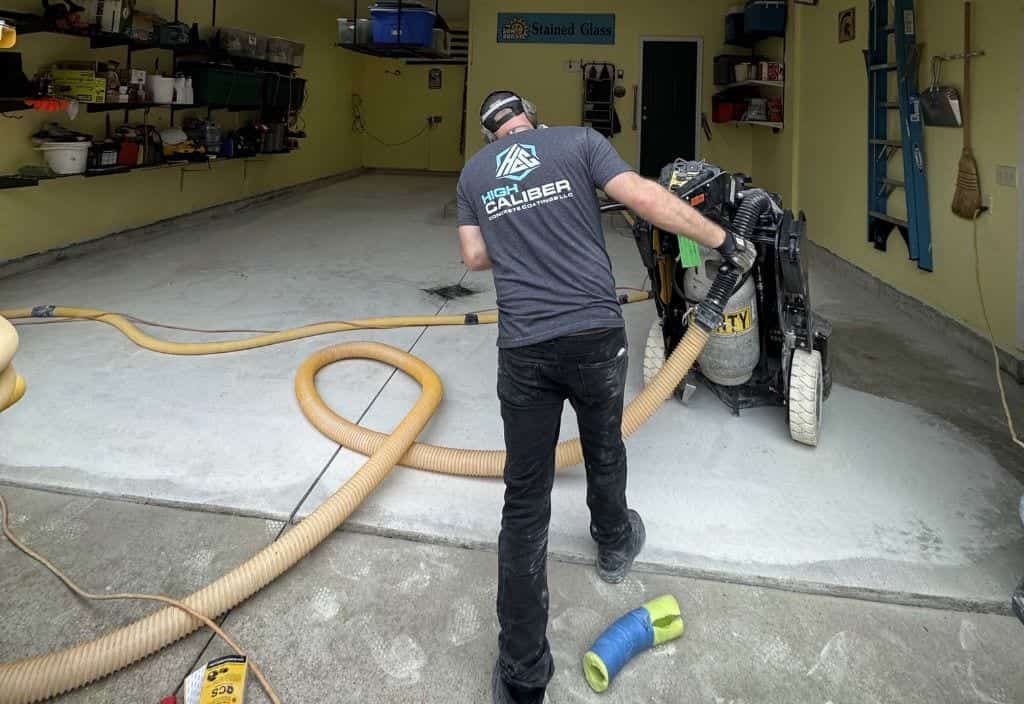
On a Jenison floor, the material that needs attention may be only a thin layer of paint, adhesive, weak paste, or tracked-in buildup. We use diamond tooling to remove what the next finish cannot use, then examine the concrete that remains. Each floor receives a preparation plan tied to actual conditions.
Service Overview
Concrete grinding is a controlled way to change the top of a slab. Diamond tooling can take away weak surface material, old coating, paint, adhesive, or selected high areas. The purpose is not to erase every mark. It is to leave concrete that can support the next decision and to make conditions easier to evaluate.
A coating, penetrating sealer, polished surface, and repair plan each ask different things of the floor. We consider the desired use before choosing tooling or removal depth. Broad slope, settlement, deep pits, and structural movement are not problems that grinding can promise to solve by itself.
Benefits
The value of grinding is measured by what it makes possible next. We keep each benefit connected to the material on the floor, the intended finish, and the limits of removing concrete.
Mechanical preparation can open the surface for a compatible coating or other finish, reducing reliance on weak paste, residue, or a previous layer that cannot provide a dependable base.
Loose coating, paint, adhesive, and unsound surface material can be removed when the tooling suits the product. The remaining slab can then be judged instead of covered by assumption.
Grinding may reduce a raised seam, lip, or localized high spot where sound concrete allows it. A floor that is broadly low or sloped needs a different correction conversation.
Removing surface interference can reveal cracks, pits, patches, soft areas, and changes in texture. Those observations help separate preparation from repairs that deserve their own scope.
Shrouds, vacuum collection, perimeter attention, and cleanup help contain the byproduct of mechanical removal. The room, doorways, stored items, and adjacent areas still need preparation.
A garage coating, a penetrating sealer, a polished slab, and a repair area do not call for identical preparation. The final use helps determine where grinding begins and ends.
Installation Process
Our sequence connects the concrete condition to the work that follows, so the grinding scope accounts for the slab, the room, the intended finish, and the details that affect a clean handoff.
Step 1
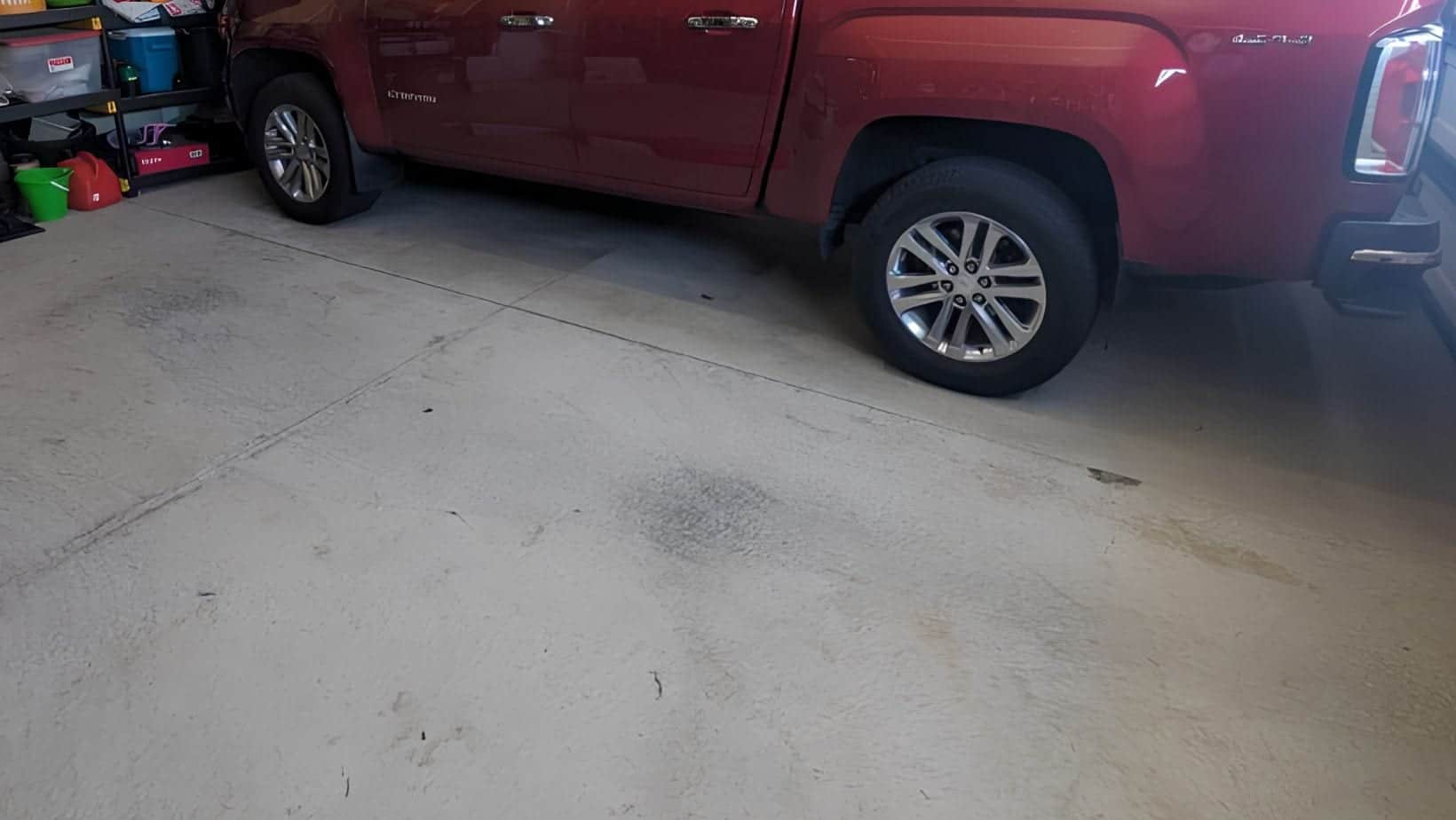
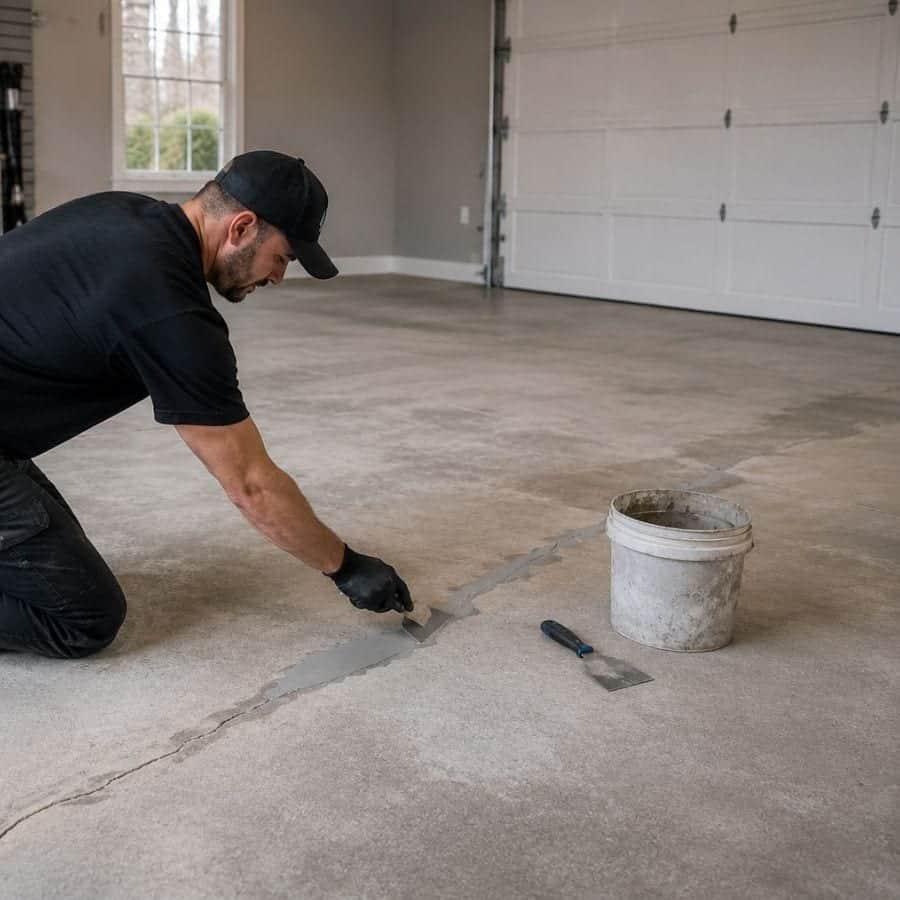
We begin by looking at the slab's current surface, existing coatings or adhesive, visible wear, cracks, pits, joints, and access. The room's purpose matters too. An attached garage, workshop, retail floor, or service space may require a different preparation conversation because the next use sets the practical goal.
Step 2
The material on the floor and the planned finish guide the tooling and profile. Preparation for a hybrid coating is different from work that leads to a penetrating sealer or mechanically refined polished concrete. We set removal limits around what the surface needs, rather than assuming every Jenison slab should receive the same treatment.
Step 3
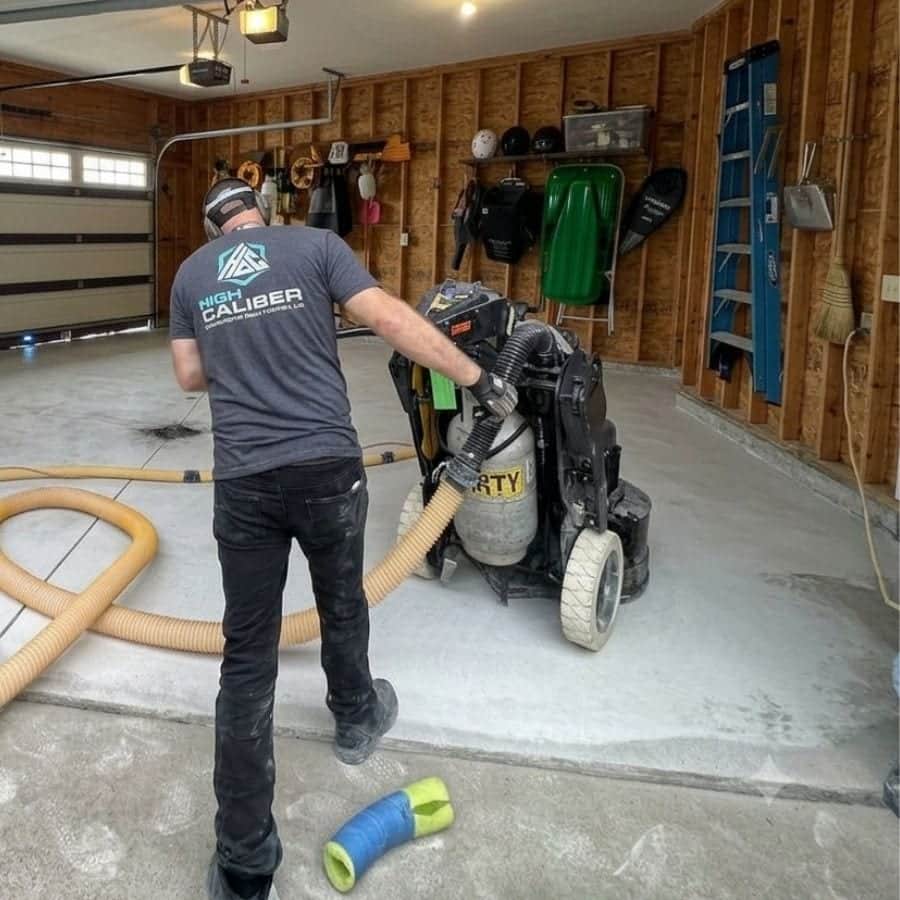
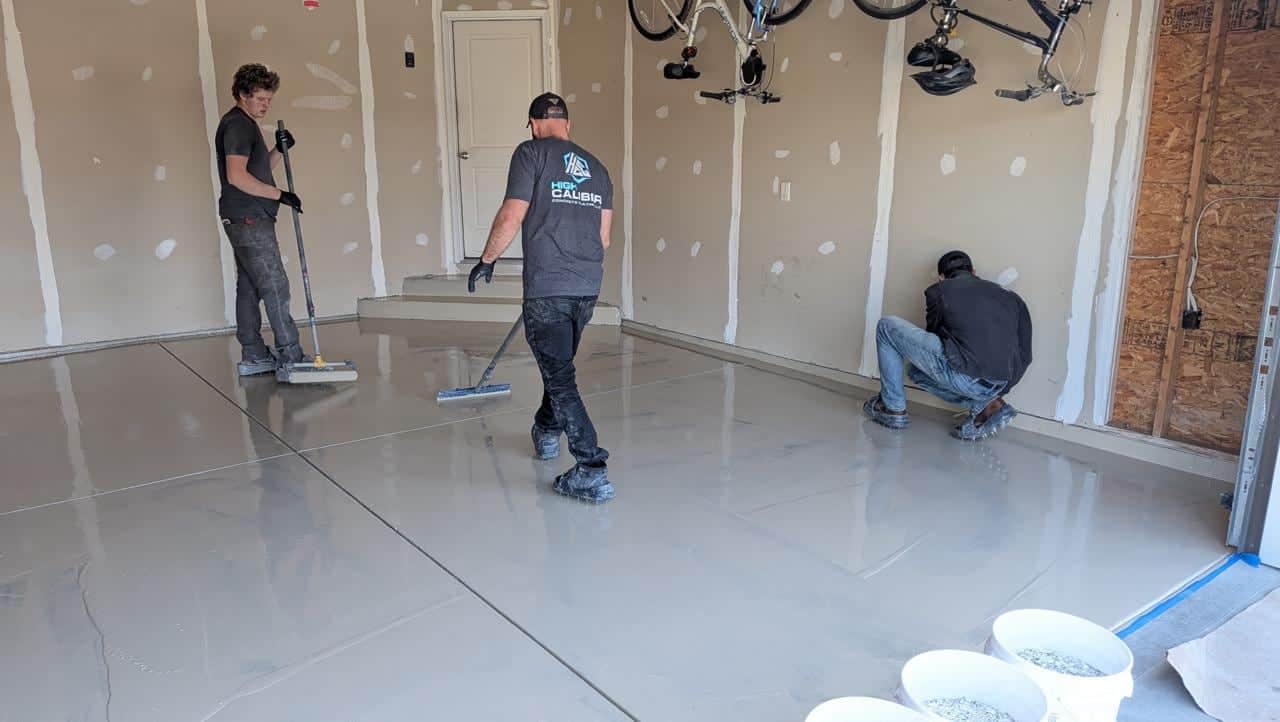
Before grinding starts, we plan the route for equipment and people, clear or protect items near the slab, and account for doorways, walls, thresholds, and adjacent rooms. Vacuum collection and containment are part of the setup. For a commercial or active service space, the work boundary also needs to respect how the building is used.
Step 4
We make controlled passes with diamond tooling to remove selected weak material, residue, old finish, or other surface interference and to create the profile the next layer requires. Dust-control equipment supports the work. Grinding can improve particular surface areas, but it does not promise to correct settlement, structural movement, or broad slab variation.
Step 5
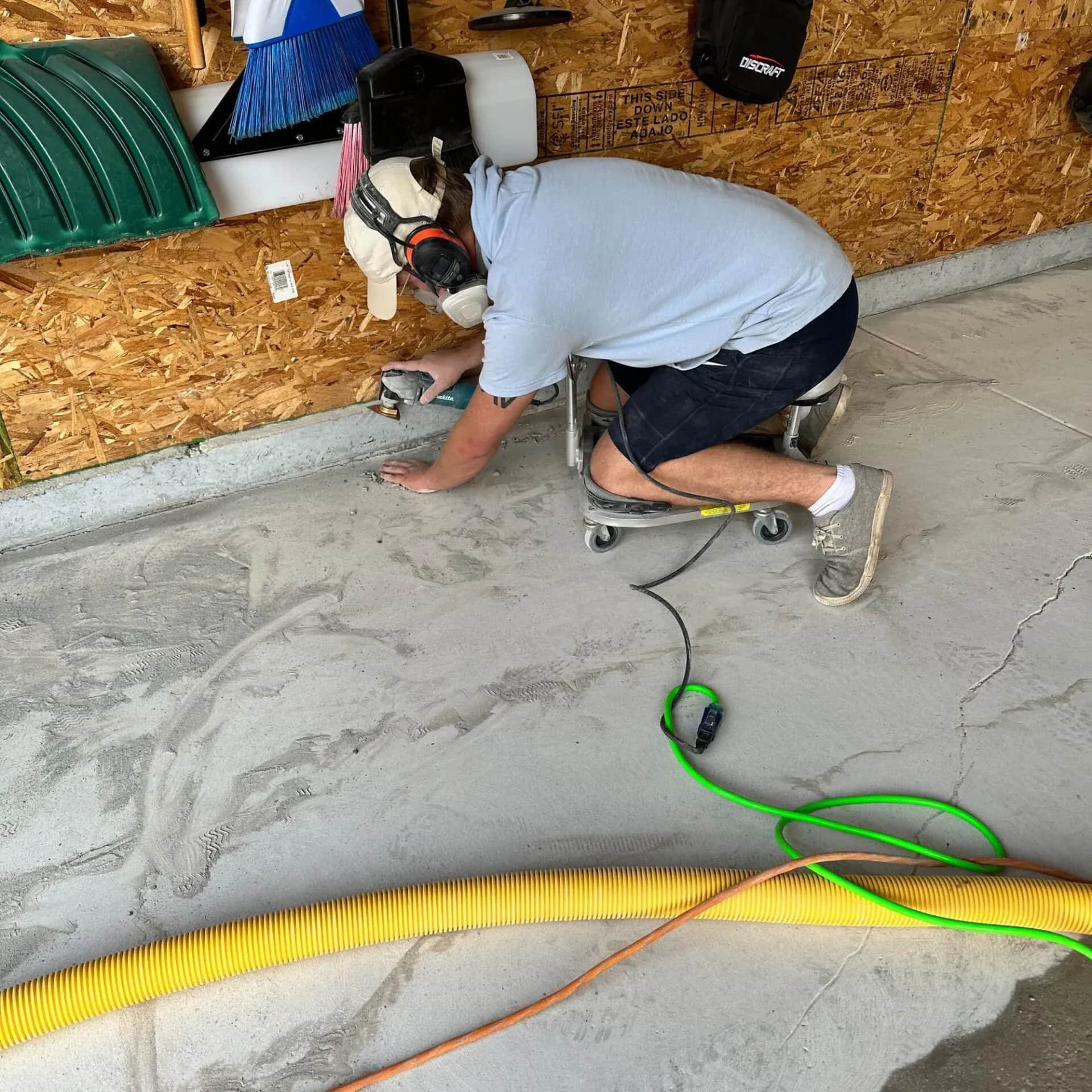
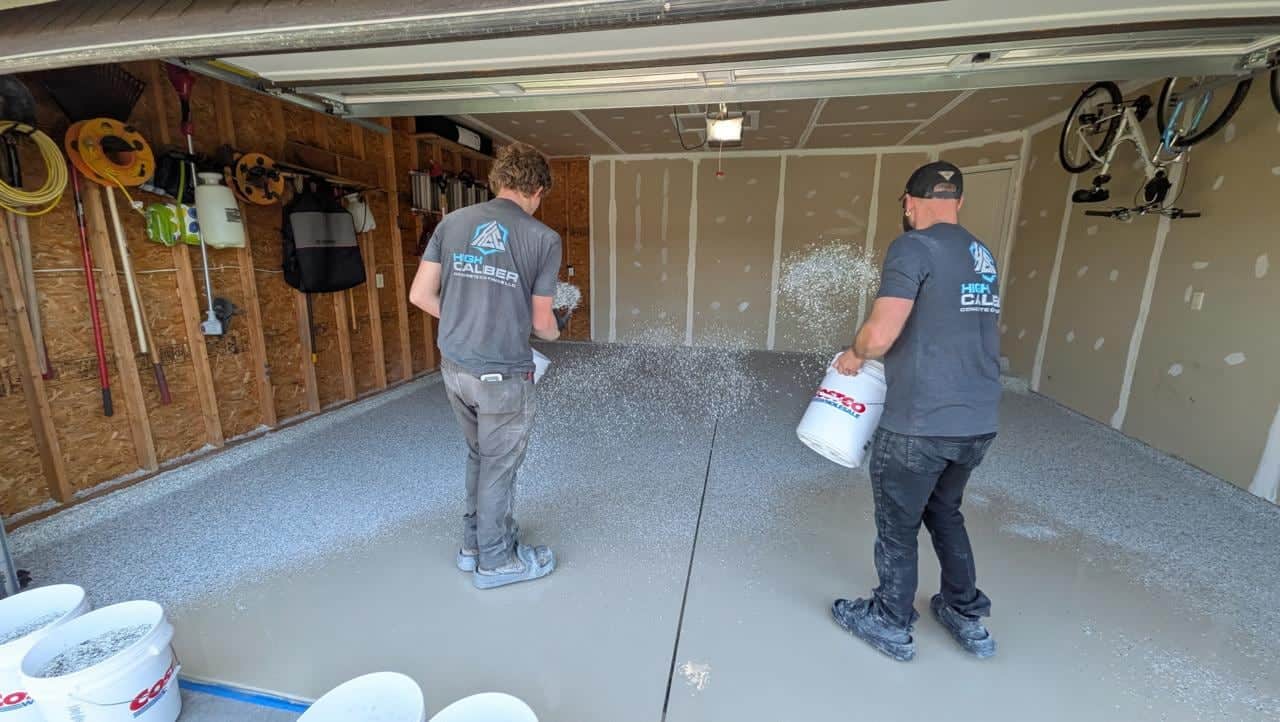
Perimeters, transitions, corners, joints, and tight areas receive attention after the main field is prepared. We can identify where crack or spall repair belongs and where a remaining condition needs a separate decision. Careful detail work helps the prepared profile continue through the room without implying that grinding rebuilds missing concrete.
Step 6
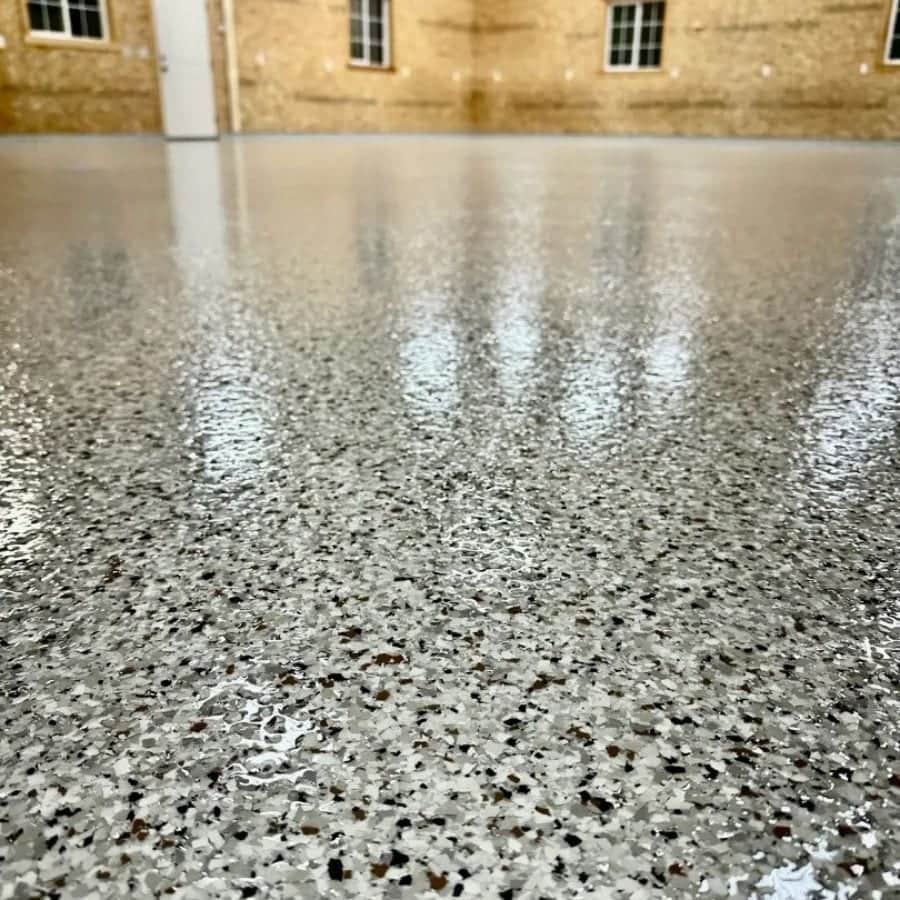
We finish by reviewing cleanliness, profile, edges, repaired areas, and any conditions exposed during preparation. That readback helps determine whether the slab is ready for the planned coating, sealer, polish, or another repair step. The result is a documented next decision based on the concrete that remains, not a promise to hide what it shows.
Why High Caliber
High Caliber brings grinding into the larger conversation about the finished floor. Our job is not to remove the most material possible. It is to choose a preparation approach that respects the slab, the room, and the layer or use that comes afterward.
For Jenison properties, that means discussing old surface material, winter residue, access, dust collection, repairs, and moisture clues without turning a general condition into a property-specific promise. We explain what the equipment can change and where another service should take over.
Customer Reviews
“Would highly recommend. No pressure sales, quality product, great communication and quality installation. I met Jeff at the home show. I was drawn into his booth by his very enthusiast kids. I got the immediate impression this was a family oriented business and that was reinforced by the conversation with both Jeff and his young son. These values drew me to this business. I signed up for a quote. Shortly after the show Jeff came to my home to present options and provide a quote. No pressure to buy, Jeff understood I needed to get thru tax season before I could be sure about my budget. Over the course of next few months Jeff was responsive to any questions I had and we got the job scheduled. Jeff provided a trailer in the quote to store contents of garage while job was being done, which was very helpful. When talking with others about the quote I learned my price was equal to or less than what neighbors had paid up to six years ago, so I felt this was good pricing. I had thought there would be a ton of dust and a big mess when grinding surface, but the machines had a vacuum attached, clean and efficient work. I was impressed that they coated steps and side walls as well as floor. No mess on drywall or driveway. Crew doing installation were great guys. They took time to fill me in on the process of installation, what to expect, how long for surface to cure and when I could empty trailer. Post install Jeff stopped out to grab trailer, filled me in on what to use and how to clean the floor. VERY happy with the whole process from sales to install to follow up. LOVE my new garage.”
“I can not express how awesome my garage floor looks. Your crew did a phenomenal job, we'll probably be the envy of the neighborhood now. Very polite, cleaned up the area, fast amazing job! My only complaint was the floor was going to look great so my wife said we had to clean out and paint all the walls and shelving, but it was worth it. Thank you again.”
“Wow! Jeff and Mike were amazing to partner with for my garage floor renovation! They did an amazing job but more importantly, they communicated directly with me thru texts, reminders, and in person! Jeff and his team left my garage and exterior area cleaner than when they arrived and gave clear instructions on follow up care needed for my new floor! I would highly recommend High Caliber Concrete Coatings anytime!”
Jenison, Michigan
Jenison is a suburban Ottawa County community along the Grand River corridor, and its concrete is used in several different ways. Attached and detached garages, established houses, newer homes, workshops, retail buildings, and service spaces can all bring a different preparation question. The useful scope starts with the floor itself, not with a preset assumption about how much should be removed.
Winter salt and grit can travel into garages on tires and shoes. Freeze-thaw cycles, humid summers, and spring moisture add seasonal context when cracks, edges, residue, and the condition of the slab are discussed. These conditions do not prove that a particular Jenison floor has a specific defect. They explain why the visible top layer should be evaluated before a coating, sealer, polish, or repair plan is selected.
Commercial traffic changes the practical side of the work. A retail or service floor may have entrances, thresholds, equipment, neighboring activity, and a schedule that an empty garage does not. We can account for those details while planning containment and access. Property owners comparing nearby options can also review Hudsonville, Grandville, and Grand Haven service information when their project reaches beyond one community.
Salt, grit, spring moisture, and ordinary traffic can make the top layer worth examining before a finish is chosen.
Residential rooms and working buildings each bring their own access, containment, and work-area questions.
Grinding removes selected material, while cracks, broad low areas, moisture concerns, and structural movement may require separate decisions.
Frequently Asked Questions
We consider what is on the floor, how firmly it is attached, how thick it is, and what finish or use comes next. Diamond grinding is useful for selected surface material and profiling, but adhesive, a previous coating, or another buildup may call for a different removal approach. The condition underneath also matters before the scope is finalized.
The exposed slab may show ordinary wear, pits, cracks, patches, weak areas, or a surface that is more sound than the residue suggested. Winter salt and grit are reasons to inspect the floor, not proof of a particular failure. We use what the grinding pass reveals to discuss coating, sealing, polishing, repair, or additional preparation.
It can be part of the preparation when the slab and existing materials support that plan. Our hybrid system uses epoxy as the adhesion and build layer and polyurea as the topcoat when that chemistry fits the project. Grinding does not replace crack repair, moisture assessment, cleaning, or other steps the floor may require before coating.
Grinding mechanically changes the surface by removing selected material and creating a profile. A penetrating sealer is a protective treatment that soaks into suitable concrete rather than forming the same kind of film as a coating. The two services can be discussed together, but sealing does not make grinding unnecessary when the slab needs mechanical preparation.
Polishing mechanically refines the concrete that remains instead of covering it with a film. Grinding may be an earlier stage that removes unwanted material or opens the slab, while later refinement uses progressively finer tooling and a finish plan suited to the exposed concrete. Pits, cracks, and variation still need to be considered rather than hidden by a promise of uniformity.
Pits and cracks help determine where removal stops and repair begins. Grinding can clean or expose a damaged area, but it cannot rebuild missing concrete or prevent future movement. We consider the amount and location of repair, the intended finish, access, and moisture clues so the estimate separates surface preparation from work that serves a different purpose.
Retail and service spaces may need a work boundary around entrances, thresholds, equipment, adjacent occupants, and customer or staff movement. Dust collection and cleanup are part of the plan, but the schedule and access need equal attention. We discuss how the room operates so the preparation sequence fits the property instead of treating it like an empty garage.
Related Services
Grinding may be the beginning of a finished floor, a cleanup stage, or a way to prepare concrete for a different treatment. These related services help frame the next decision.
See how prepared concrete can move into a protective or decorative hybrid coating system.
Learn moreDiscuss a penetrating sealer when the concrete needs protection without the same film-based approach as a coating.
Learn moreLearn about mechanically refining the slab when the concrete itself remains the visible finished surface.
Learn moreConsider a prepared concrete surface followed by a sealer when that finish matches the room and its use.
Learn moreGallery And Visual Proof
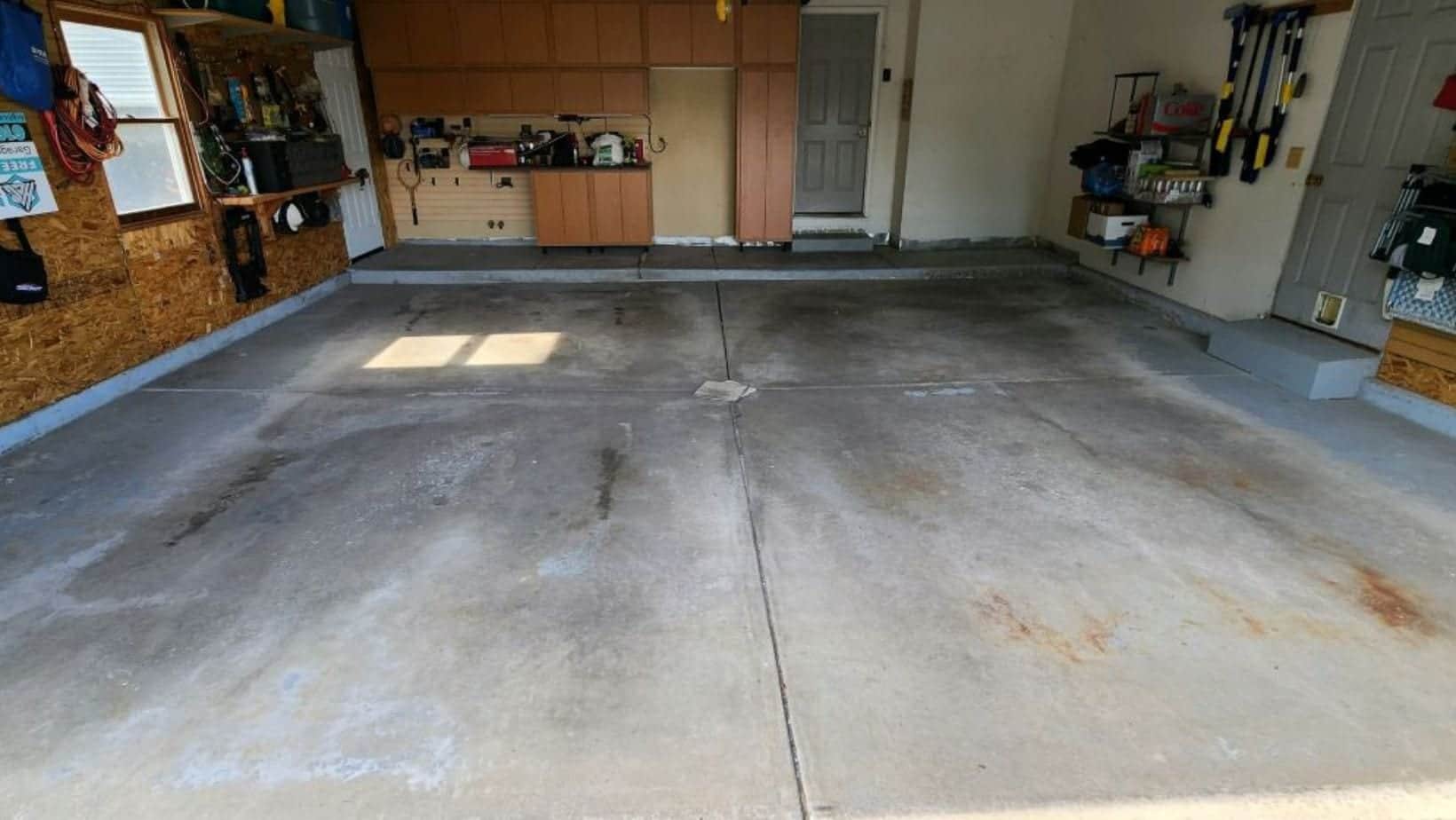
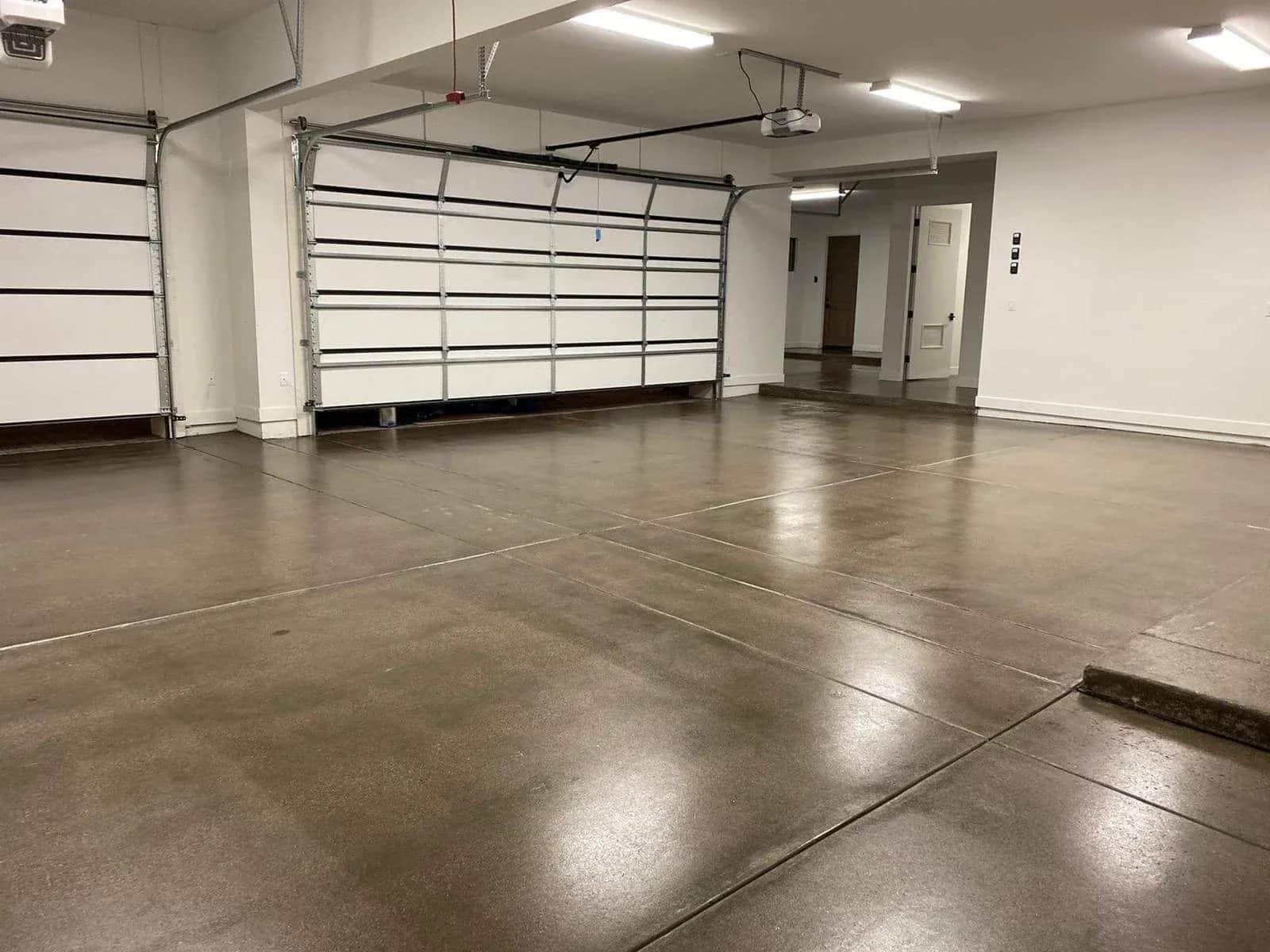
These images show grinding equipment, worn concrete, repair work, and a prepared surface. They describe the work involved without suggesting that any pictured property is located in Jenison.
Free Project Quote
Tell us about the space and we will follow up with a clear recommendation and quote conversation.
Phone
Business Hours
Free Estimate
Share what covers the slab now, how the space is used, and what you want the floor to become. We can talk through adhesive, old coating, salt and grit, cracks, pits, access, dust control, and whether grinding belongs before the next finish or repair.
Request an estimate for your Jenison property and let us build the preparation conversation around the concrete that is actually there, with practical next steps.