
A Profile With A Purpose
Diamond tooling opens the concrete to a texture selected for the next coating, sealer, or finish. Profile requirements vary with the material that will be installed afterward.
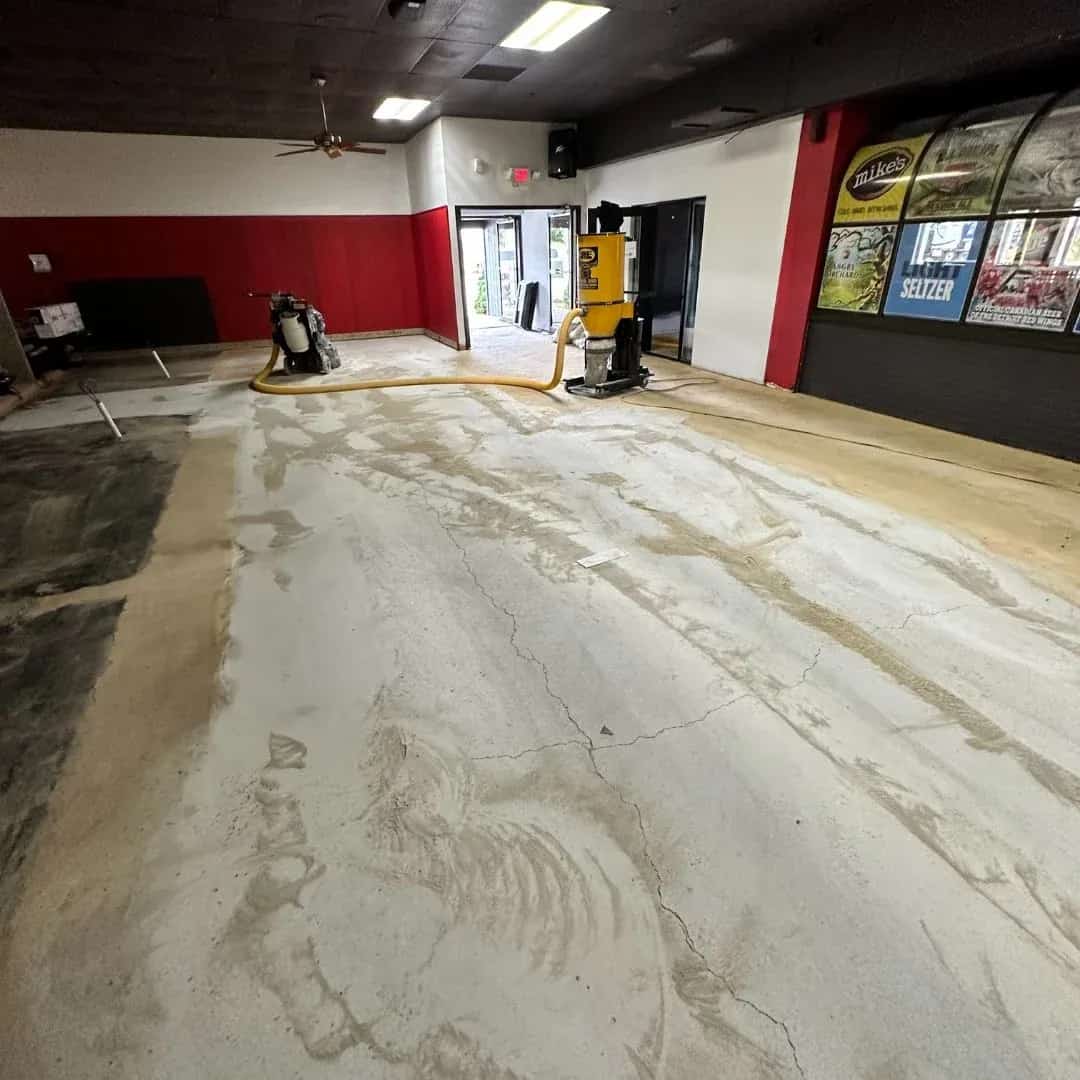
Concrete grinding in Wyoming starts by identifying the material that is in the way and the finish you want afterward. We use diamond tooling to prepare garages, attached garages, retail areas, automotive spaces, warehouses, and other concrete floors with a scope built around the slab, the access, and the work the room must handle. Request an estimate.
Service Overview
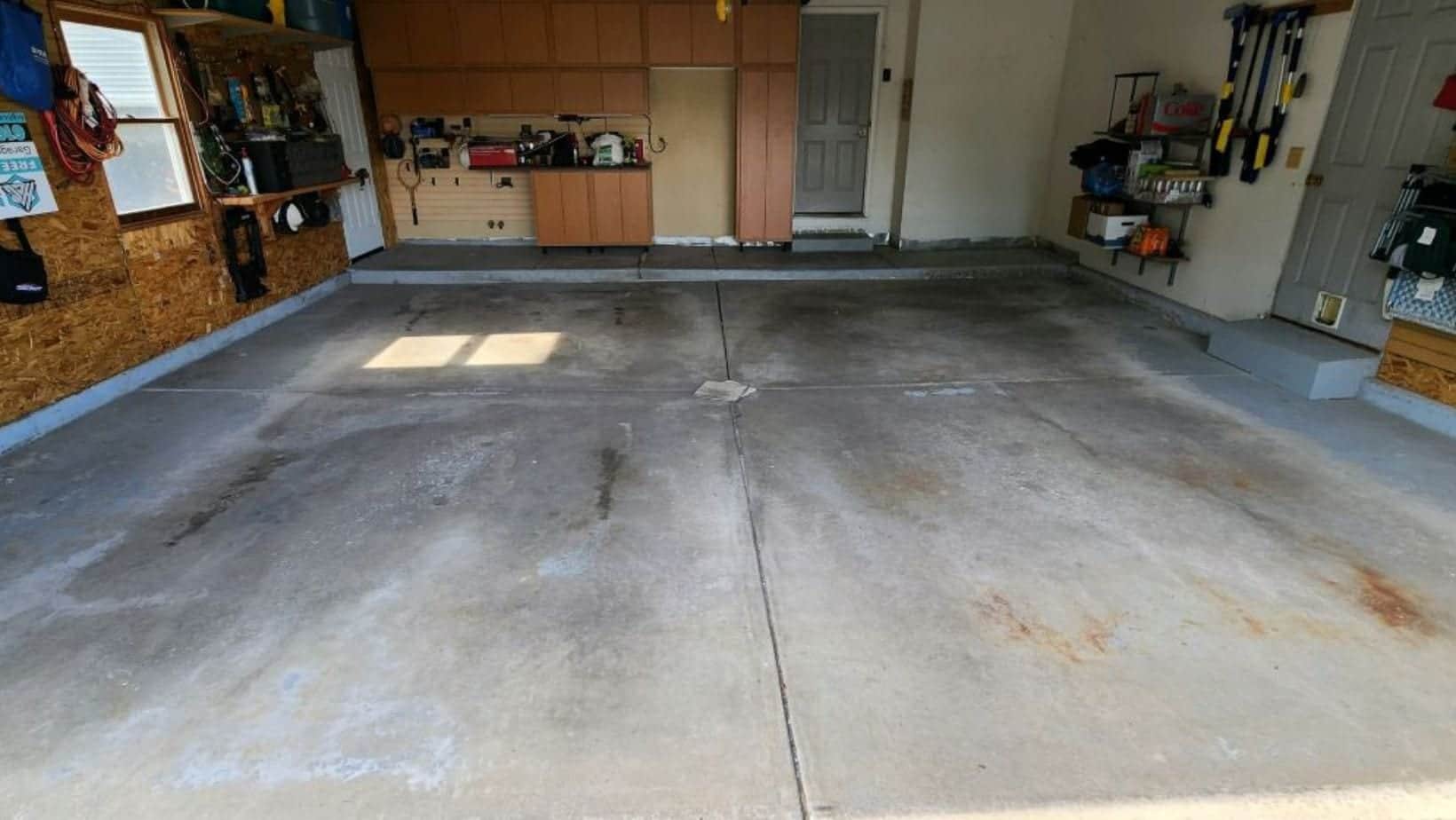
Grinding becomes useful when a slab's top is not ready for its next assignment. A Wyoming floor may carry weak paste, old adhesive, paint, a failed coating, salt residue, roughness, or several at once. Diamond tooling can remove material and establish a profile, but the response depends on bond, thickness, hardness, edges, joints, and the finish that follows.
We connect those observations to your intended result. A hybrid coating needs a prepared surface for epoxy adhesion and build and a polyurea topcoat. A penetrating sealer works within concrete rather than forming a film, while polishing refines the slab. If grinding is not enough, we explain the added preparation. See our concrete grinding service for details.
Benefits
Mechanical preparation earns its place when it answers a specific surface problem. The useful result depends on what is present, how much should come off, and which finish will occupy the slab afterward.
Diamond tooling opens the concrete to a texture selected for the next coating, sealer, or finish. Profile requirements vary with the material that will be installed afterward.
Loose paint, adhesive, failed coating, and weak paste can interrupt the next installation. Suitable grinding removes interfering material while keeping the scope tied to the actual slab.
Once selected material is opened up, cracks, pits, spalls, patches, and soft areas are easier to discuss. Earlier visibility supports more honest repair and finish decisions.
Corners, joints, transitions, and wall lines may need smaller tools or separate passes. Planning those locations prevents the center of a floor from being prepared alone.
Grinding can improve texture and selected high areas, but it cannot add material or reverse movement. A defined removal limit helps avoid taking away sound concrete unnecessarily.
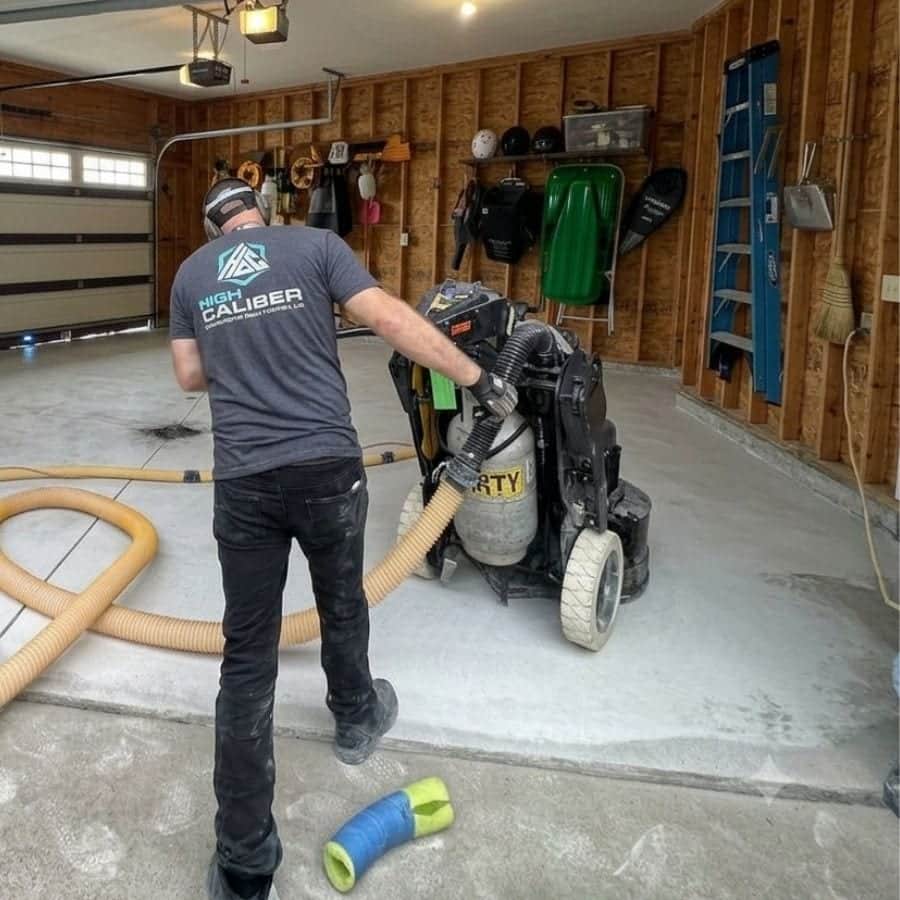
Shrouded equipment and vacuum collection help capture dust near the cutting point. Access, stored items, ventilation, and cleanup still belong in the visit plan so the surrounding space is handled before, during, and after grinding.
Installation Process
Before the first pass, we turn the slab's condition and the room's demands into a workable sequence. That gives a Wyoming garage, retail floor, automotive space, or warehouse a preparation plan that can be checked as the surface changes.
Step 1
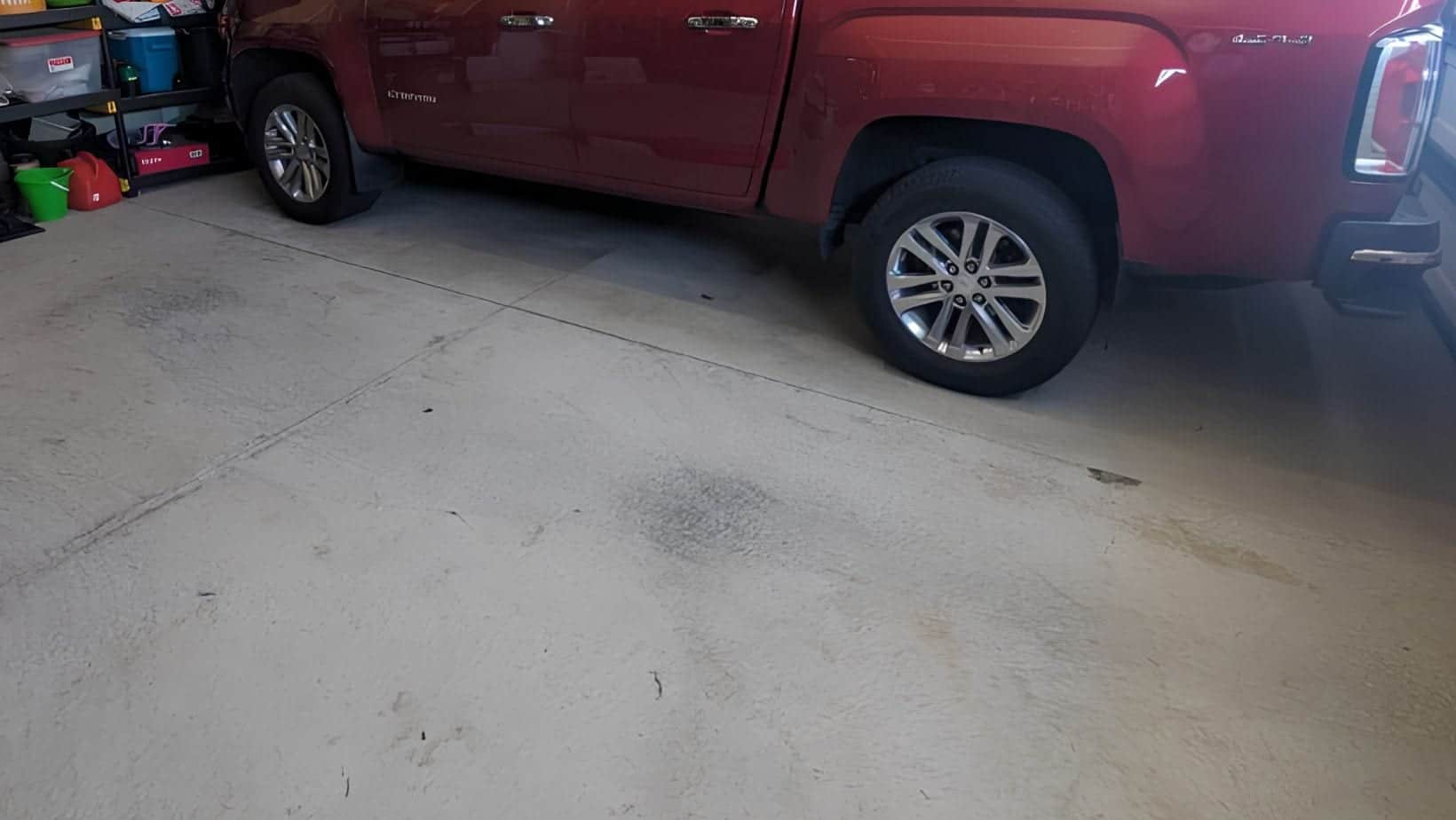
We walk the floor before choosing equipment, noting worn or weak areas, residue, old coatings, cracks, joints, edges, and signs that moisture deserves attention. Older garages, newer attached garages, and working commercial floors can look similar while needing different preparation decisions.
Step 2
Next, we match the tooling and removal depth to what is on the slab and what will follow it. Paint, adhesive, a previous coating, or weak concrete may respond differently. When grinding is not the complete answer, we identify the separate removal or repair work instead of hiding it inside a generic pass.
Step 3
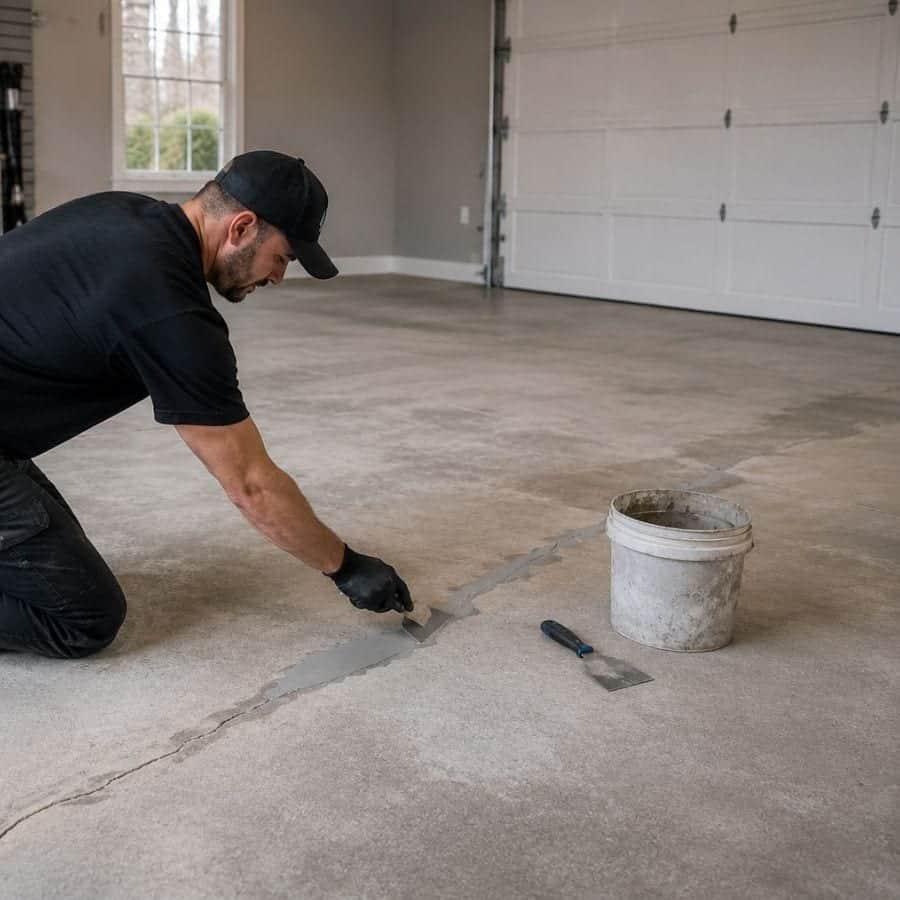
We set up the room for equipment movement, dust collection, and cleanup before grinding begins. Belongings, doorways, adjoining rooms, ventilation, and nearby activity are part of that setup. Clear work boundaries matter in a compact home garage as well as in a commercial space that shares access with other operations.
Step 4
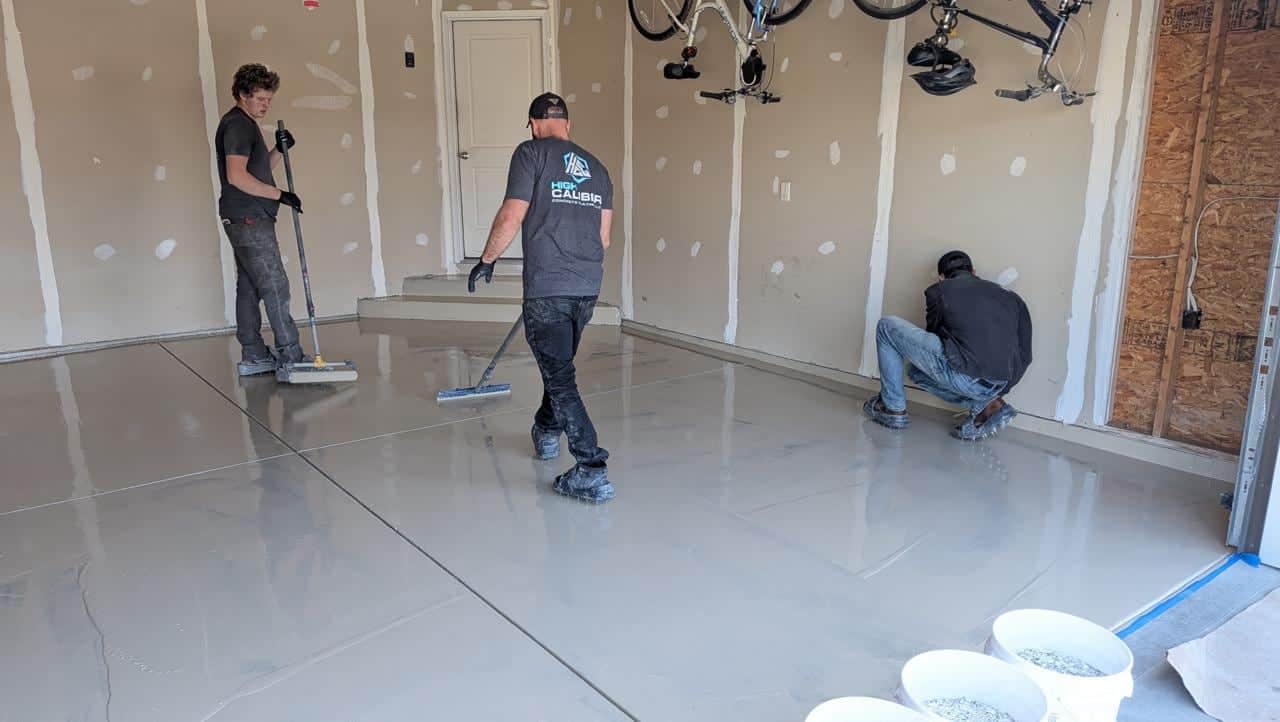
Diamond tooling then opens the surface by removing selected weak material, residue, or finish layers and creating the mechanical profile the next treatment needs. We manage passes and dust collection as the work progresses. Grinding can refine texture and some high areas, but it cannot correct structural movement or promise a perfectly level slab.
Step 5
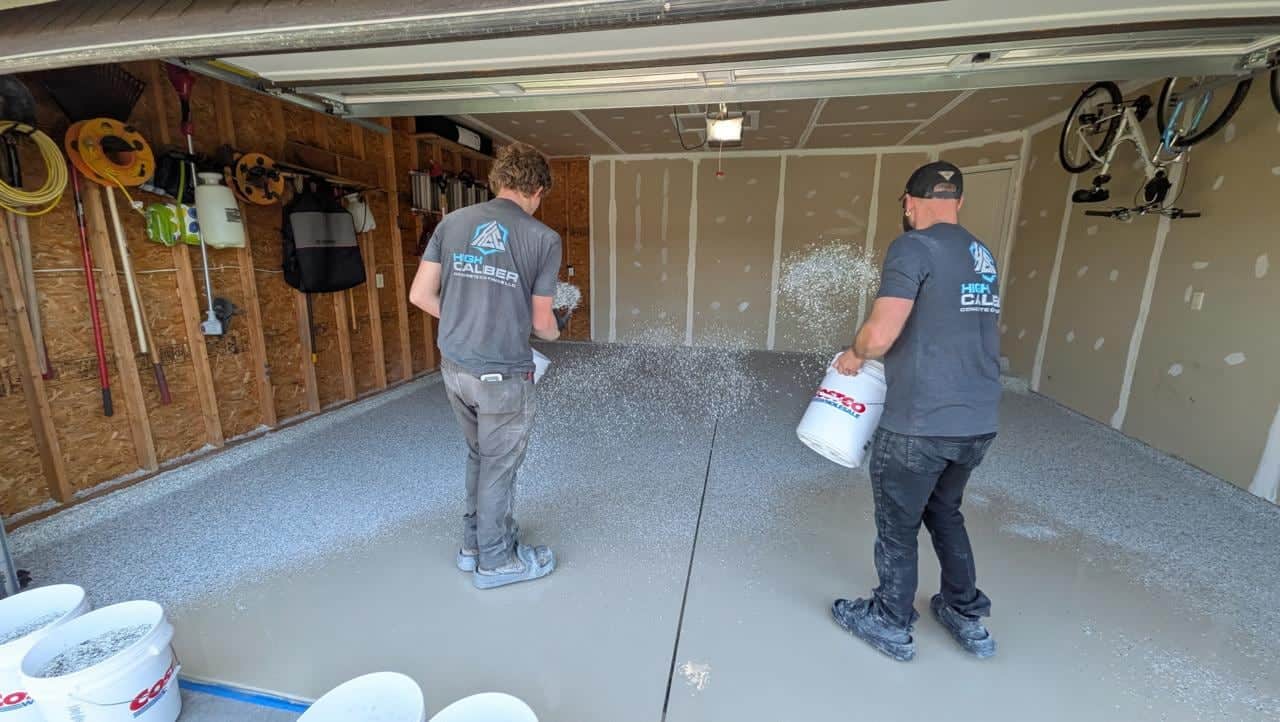
Perimeters, corners, thresholds, joints, and transitions receive focused attention after the main field is prepared. Smaller tools and careful inspection help us work where walls, doors, repairs, and adjoining surfaces limit larger equipment. These details are included in the scope because they influence how the finished floor meets the room.
Step 6
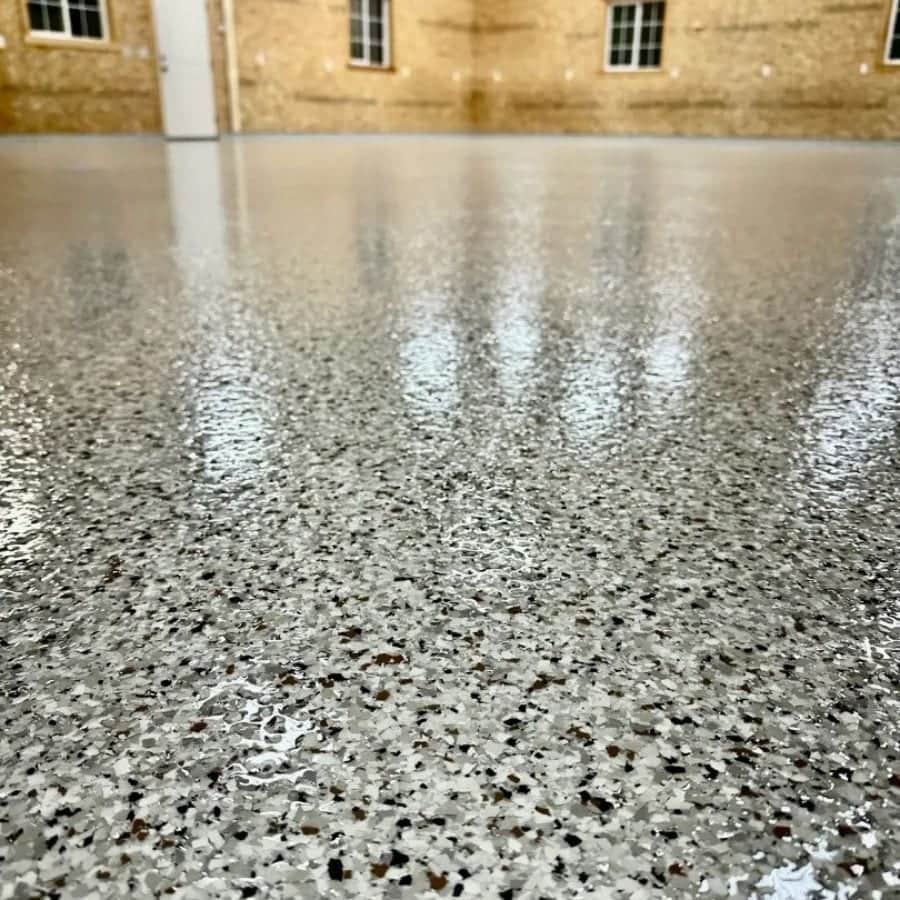
We finish by checking the cleaned profile, remaining residue, edges, cracks, joints, and any repair or moisture questions that affect the next decision. A hybrid coating uses epoxy for adhesion and build before a polyurea topcoat. A penetrating sealer or mechanically refined polished finish follows a different path, so the recommendation stays tied to the slab.
Why High Caliber
Our estimate treats preparation as a decision about the finished floor, not just the square footage. We ask whether the slab is headed toward a hybrid coating, a penetrating sealer, mechanically refined polished concrete, or another use, then connect the removal and profile work to that choice before equipment arrives.
We explain where diamond grinding fits and where it does not. That may mean discussing repair, another removal approach, moisture conditions, or a different finish before the work is defined. You should know why a preparation step belongs in the scope and what it cannot promise.
Customer Reviews
“Wow! Jeff and Mike were amazing to partner with for my garage floor renovation! They did an amazing job but more importantly, they communicated directly with me thru texts, reminders, and in person! Jeff and his team left my garage and exterior area cleaner than when they arrived and gave clear instructions on follow up care needed for my new floor! I would highly recommend High Caliber Concrete Coatings anytime!”
“Jeff and his team did the most amazing job epoxy floor coating my 38 year old garage floor. Outstanding, professional, skilled, great communication. Highly recommended.”
“We recently had our garage floors resurfaced with the Epoxy Floor coating with flakes. High Caliber Concrete did such an awesome job we cannot say enough good about them! So timely, well organized and a beautiful job!! Owner, Jeff, responded to any call ASAP. Shawn and Ethan, fantastic employees for the company, did a tremendous job which was labor intensive…They left no questions unanswered! Such a professional, beautiful job. We would highly recommend them! Lillian & Joseph Bakara Jr.”
Wyoming, Michigan
Wyoming is a dense Kent County suburb immediately south and west of Grand Rapids. Within that compact service area are older neighborhood garages, newer subdivisions, attached garages, retail spaces, automotive areas, warehouses, and other commercial floors. A small residential slab and a working commercial floor may both need grinding, but the material, access, edge conditions, and next use can be completely different.
Winter road salt and grit may reach garage floors through vehicle and foot traffic. Freeze-thaw changes, snow, humid summers, and spring dampness add useful seasonal context when a surface has worn or stayed wet. Those conditions can help explain residue or surface weakness, but grinding does not repair moisture movement, structural settlement, or every defect weather exposes. The concrete still needs its own evaluation.
When you request a Wyoming estimate, describe the room, the material you can see, the areas that concern you, and what you want the floor to do next. We can discuss an attached garage, a retail room, an automotive space, a warehouse, or another residential or commercial setting. You can also compare related service information for Grand Rapids, Grandville, and Byron Center.
Winter residue often follows vehicles, tires, footwear, and meltwater. We distinguish loose seasonal debris from bonded material that may interfere with a finish.
A home garage, retail room, automotive area, and warehouse may differ in traffic, equipment access, edge work, dust planning, and scheduling needs.
Spring moisture can be a clue about conditions below or around the slab. Grinding exposes the surface, but it does not replace moisture or repair decisions.
Frequently Asked Questions
Depending on the material and the tooling, grinding may address weak surface paste, paint, adhesive, an old coating, rough texture, or selected residue. The thickness, bond, hardness, and condition underneath matter. Some materials need a different removal method, and loose salt or dirt may need cleaning rather than cutting. We define the response after considering the whole surface.
We look at the layers as separate conditions instead of assuming they will all respond alike. Paint, glue, a previous coating, and weak concrete may require different tooling or a change in sequence. The goal is to remove what interferes with the planned finish while avoiding unnecessary loss of sound concrete. If another method belongs in the work, we explain that before proceeding.
Not always. Loose salt, grit, and dirt are cleaning concerns, while bonded residue, weak surface material, or a failed coating may need mechanical preparation. We separate what can be cleaned from what could affect adhesion or the next finish. Seasonal exposure is useful context, but it does not by itself determine how deeply a floor should be ground.
Perimeters, corners, joints, thresholds, and transitions often need smaller equipment and closer inspection than the open field of the slab. Their condition and accessibility are included in the scope so the prepared area is not judged only by its center. Edge work may also affect where a coating, sealer, repair, or other finish can be carried.
No. Grinding can remove selected surface material and improve texture, but deep stains, cracks, pits, spalls, patches, and structural conditions may remain or need separate treatment. The desired appearance and the next use help set a reasonable boundary. We will explain which changes belong to grinding and which require repair, cleaning, or another service.
A penetrating sealer is absorbed into suitable concrete and is not the same as a film coating. Polishing mechanically refines the concrete itself so the slab remains the visible finish. Grinding may be part of either path, but the desired result, profile, sequence, and final checks differ. We match the preparation conversation to the finish you actually want.
The exposed surface must be clean, appropriately profiled, and suitable for the system, with required repairs and moisture considerations addressed. In High Caliber's hybrid system, epoxy provides adhesion and build in the basecoat, while polyurea is used in the topcoat for the properties assigned to that layer. Grinding alone does not guarantee coating performance.
Related Services
The right next step depends on the concrete, the room, and the result you want. These related services serve different purposes after the surface has been evaluated.
A protective or decorative system for prepared concrete, including a hybrid approach that uses epoxy for adhesion and build and polyurea in the topcoat.
Learn moreA treatment for suitable concrete where a penetrating sealer is absorbed into the slab rather than forming a film coating.
Learn moreMechanical refinement of the concrete itself when the slab is intended to remain the visible finished surface.
Learn moreA focused option for adhesive or mastic that remains after carpet, tile, or another floor covering has been removed.
Learn moreGallery And Visual Proof
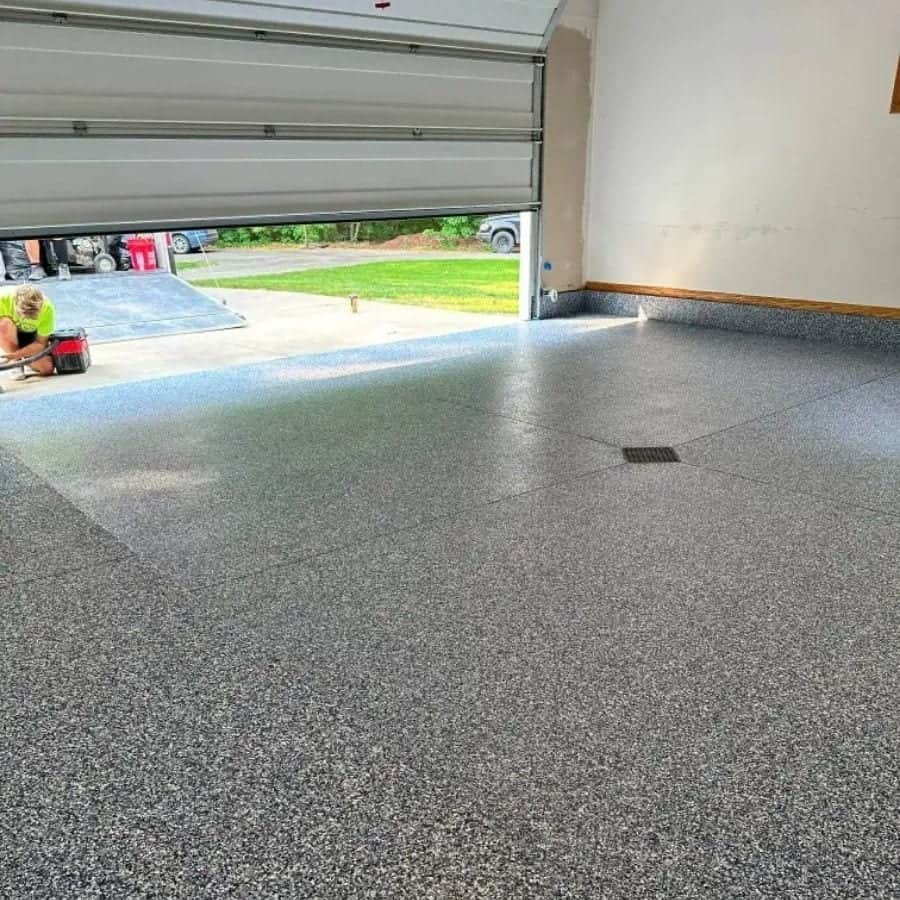
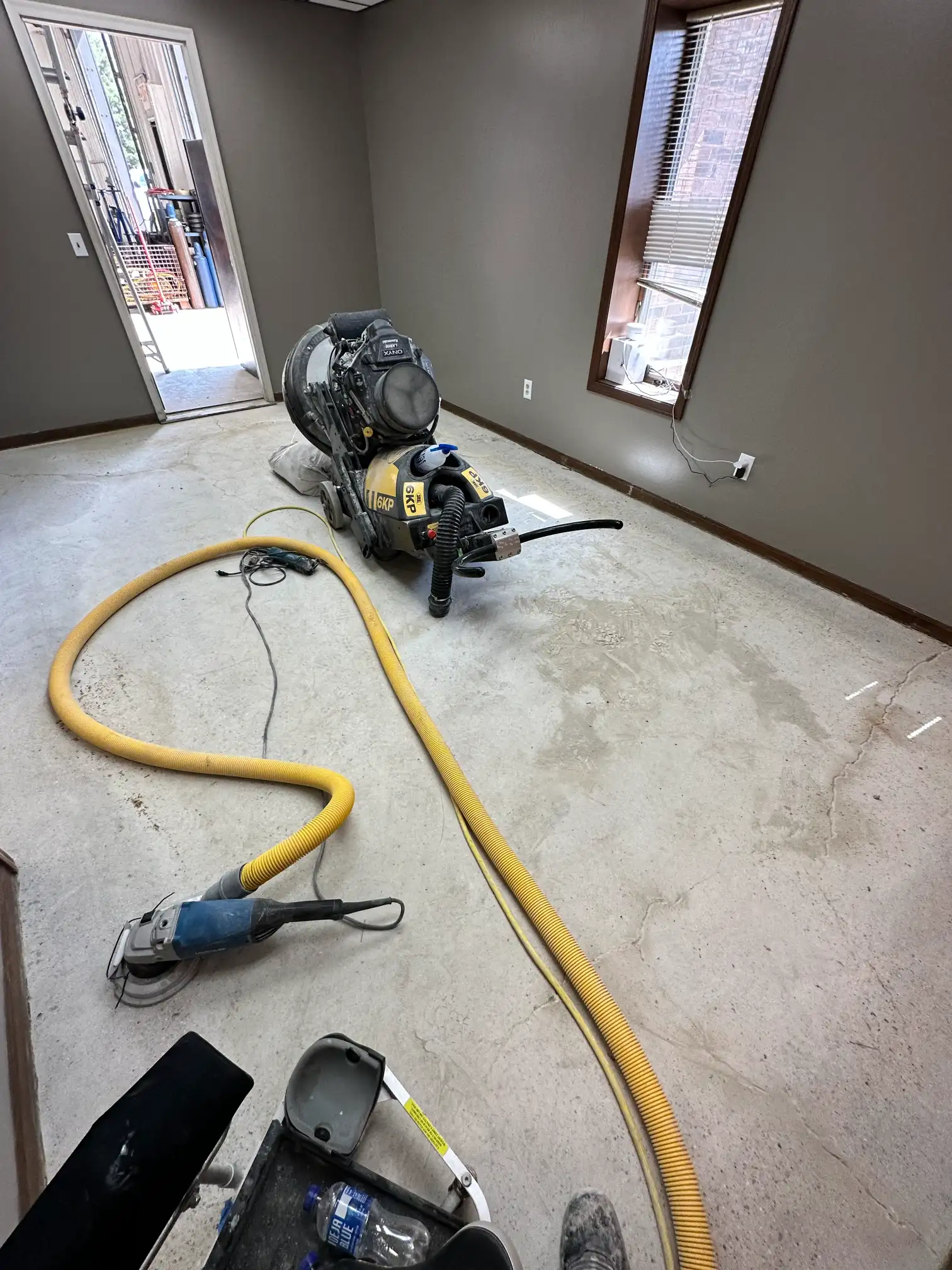
The images below illustrate grinding, repair, and related finishing work from the available service library. They show the type of work being discussed and are not identified as Wyoming project documentation.
Free Project Quote
Tell us about the space and we will follow up with a clear recommendation and quote conversation.
Phone
Business Hours
Free Estimate
Tell us what room you have, what is on the concrete now, and what you want the surface to become. We can discuss removal limits, edges, dust control, repairs, moisture clues, and the finish that follows. Photos of the full room and close views of residue, cracks, joints, or damp areas can help start the conversation. Request your Wyoming estimate online today or call (616) 777-7348.