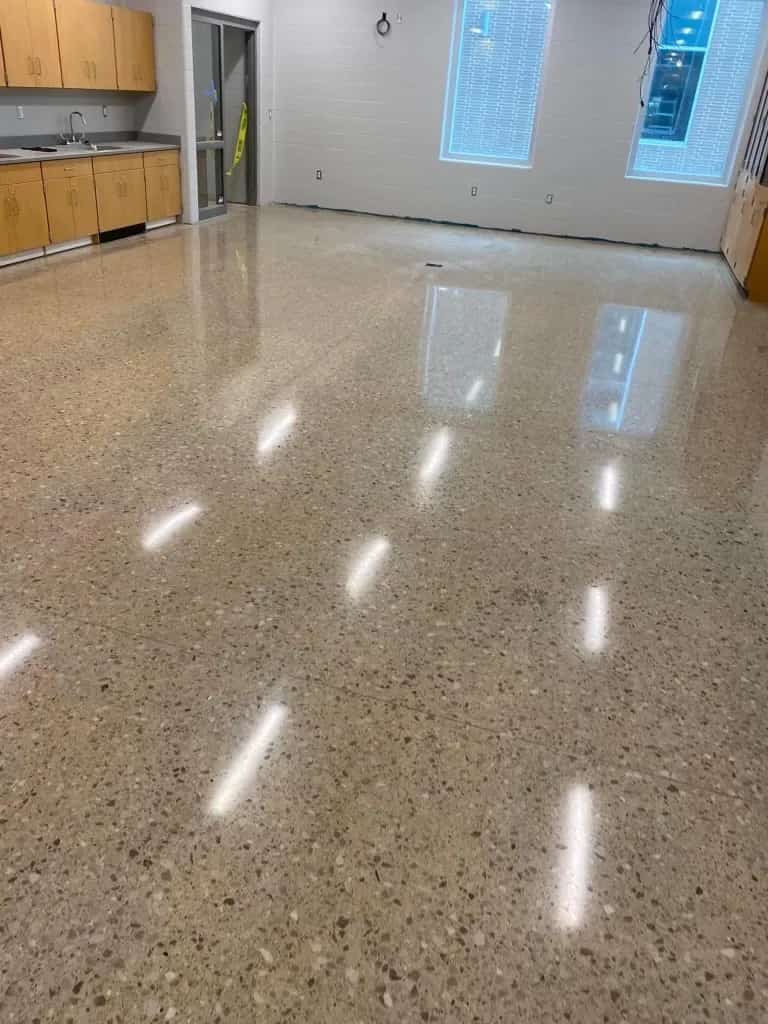
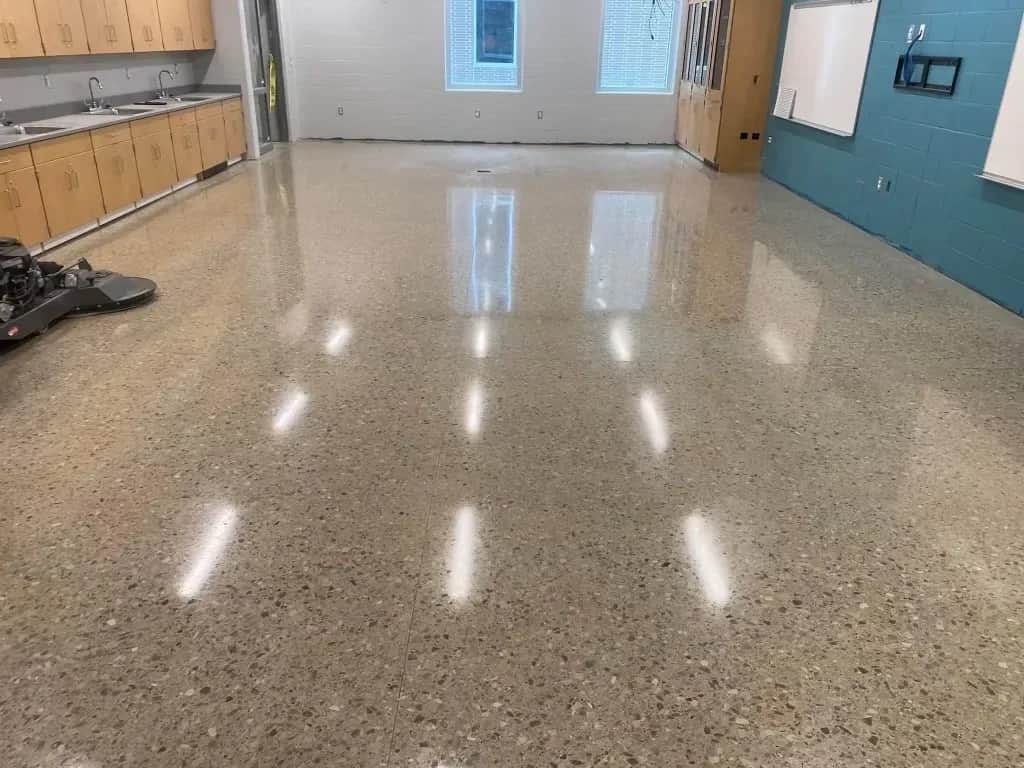
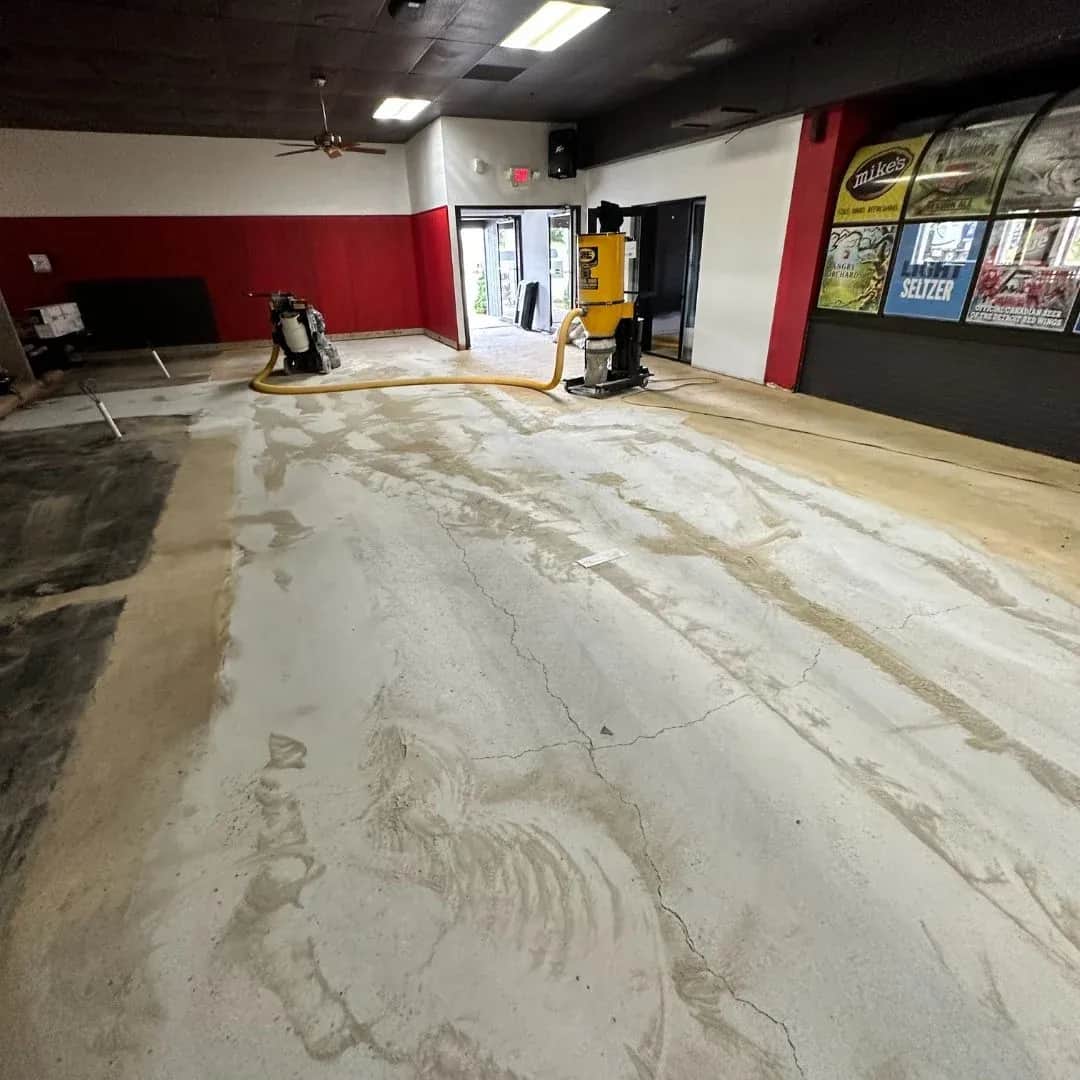
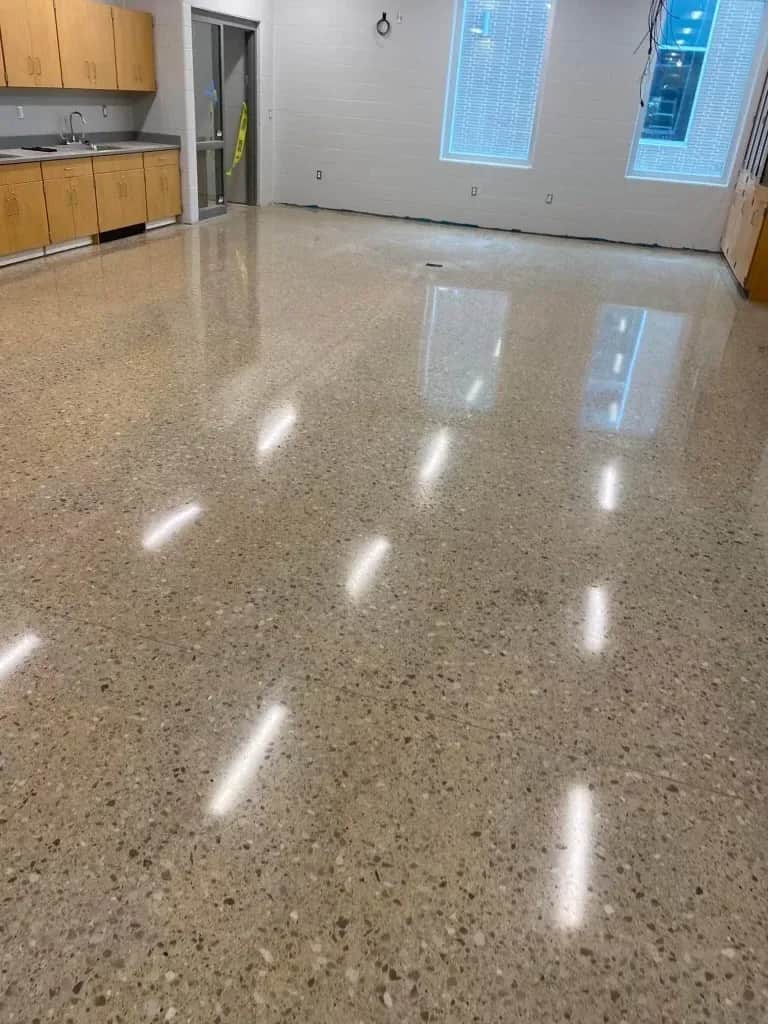
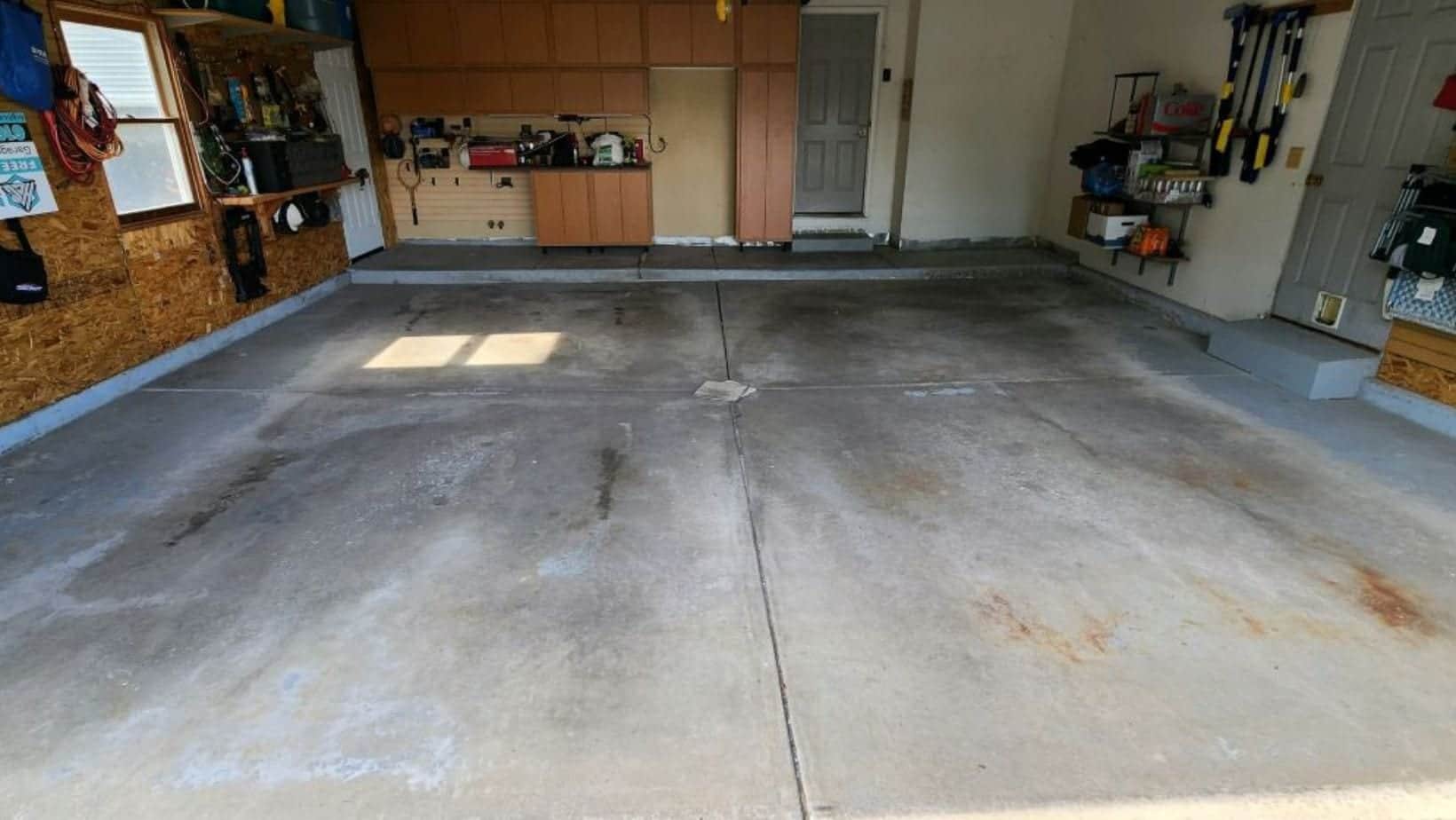
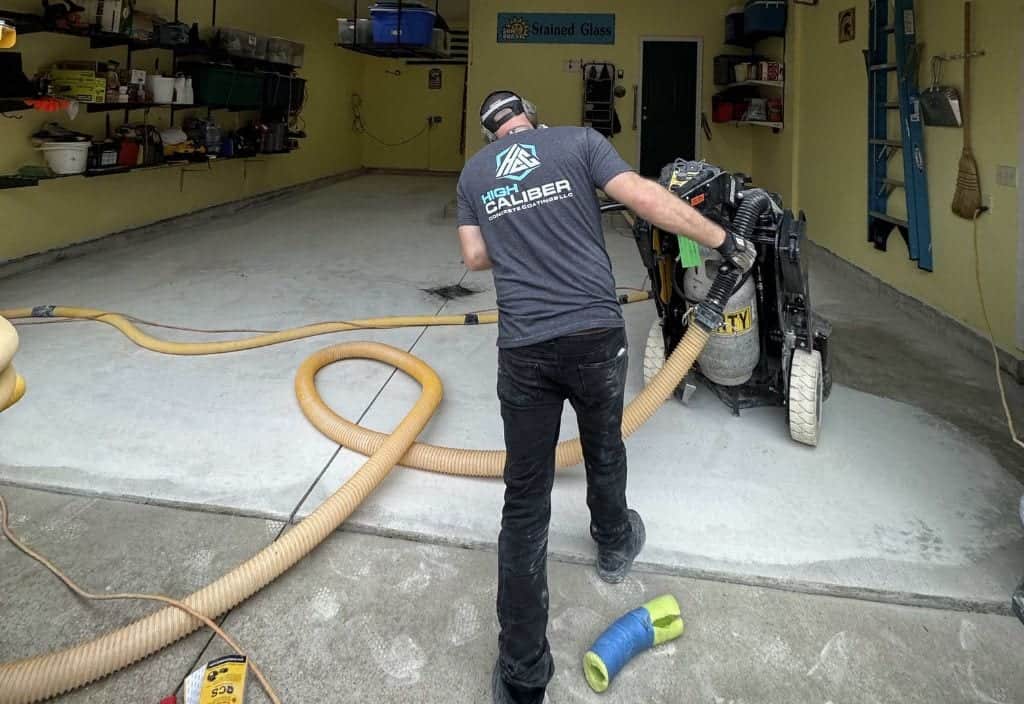
Plainfield Township gives polished concrete a commercial-first set of questions. In a warehouse, retail space, school, agricultural building, or light-industrial interior, the slab has to coexist with movement, cleaning, storage, and the operating schedule. Residential candidates are more selective: a newer home, attached garage, detached garage, pole barn, or workshop needs a reason for keeping the existing slab visible. The building's function sets the starting point, while the concrete decides how far refinement can go.
Winter and spring do not automatically disqualify an interior polished floor, but they do change what enters the building. Snow, road salt, spring moisture, and tracked grit can shape the cleaning conversation at doors and traffic paths; humid summer air adds another condition to discuss. A site review can identify where those exposures meet the slab and whether the selected sheen and care plan make sense for that use. It is a maintenance question tied to entry patterns, not a promise that every Plainfield Township floor experiences the same damage.
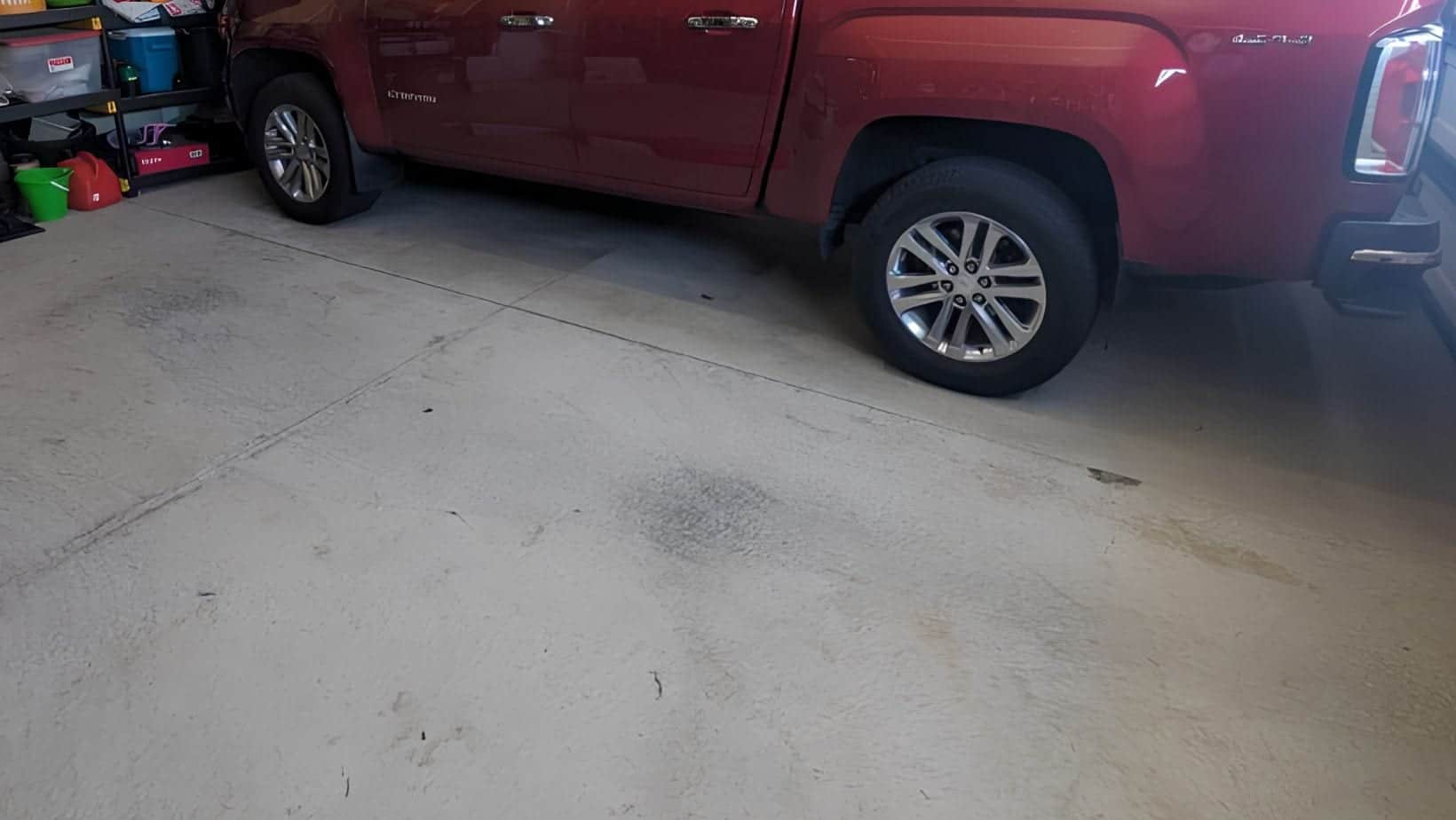
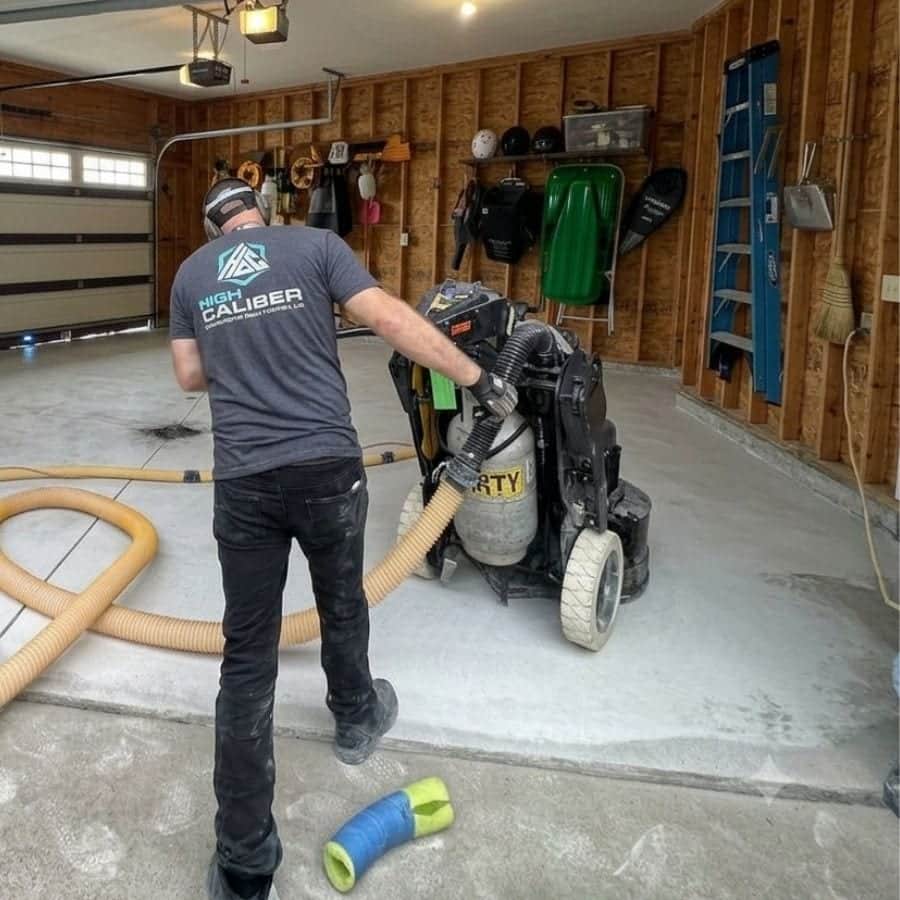
Owners who compare options across West Michigan may look at Grand Rapids, Muskegon, Wayland, or Spring Lake before narrowing the work to one property. That wider search does not supply a project history for Plainfield Township. It simply frames the decision: inspect this slab, confirm its condition, and choose between progressive polishing, a grind and seal approach, sealing, or a coating according to the desired result. Local relevance comes from the building's actual assignment and the questions the owner needs answered.