
Retain The Slab's Character
Penetrating protection can leave texture, aggregate, color variation, and existing repairs visible. That makes it worth considering when the concrete itself belongs in the finished look.
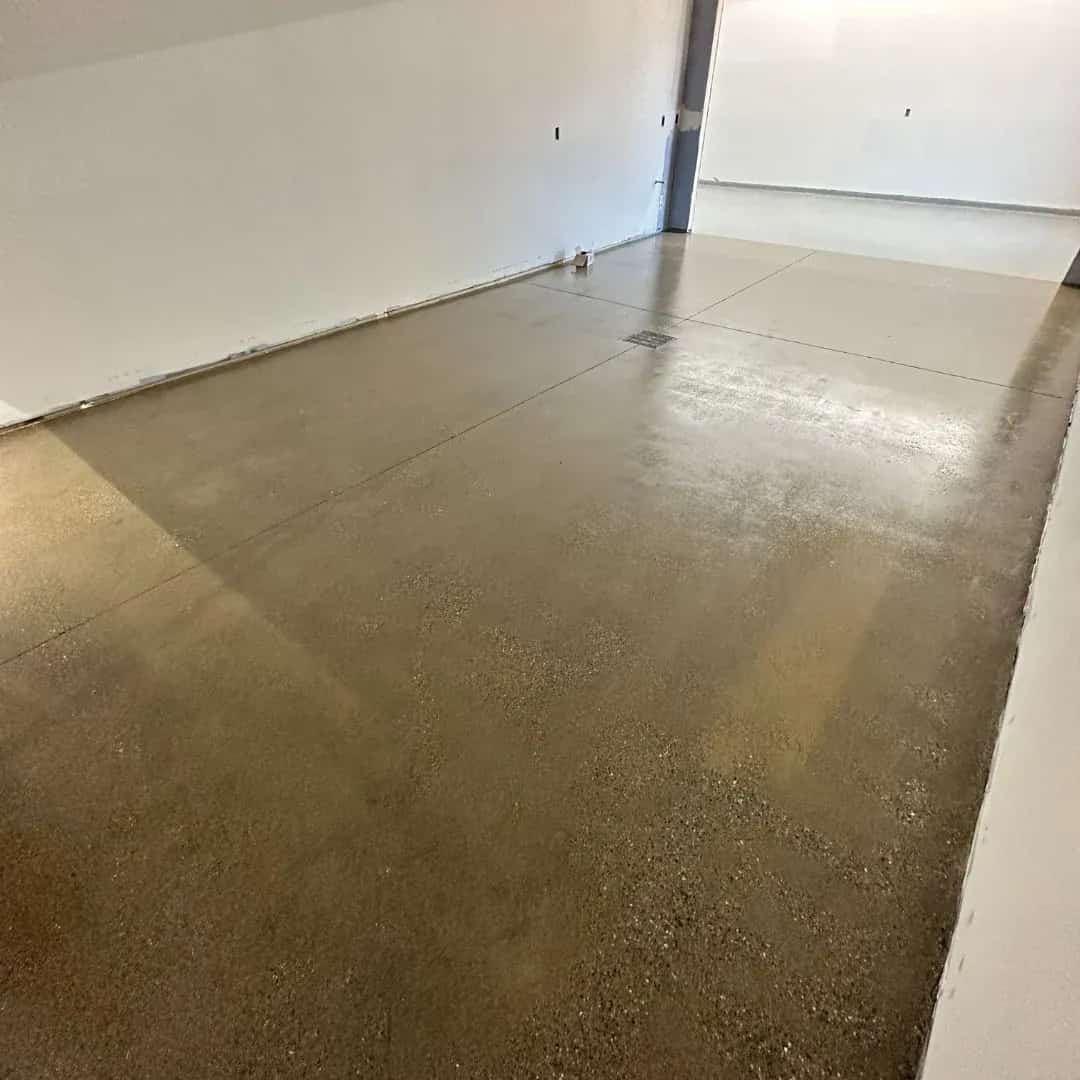
A Grand Rapids slab may collect winter residue, support daily arrivals, or simply need help staying easier to care for. We study the concrete's role and condition first, then explain whether a penetrating sealer, a film coating, or preparation should lead the project for the property and its routine of use.
Service Overview
Concrete sealing is useful when the slab itself should remain part of the finished appearance. A penetrating sealer can reduce routine absorption in suitable concrete without creating the new decorative surface associated with a film coating. That difference matters for texture, aggregate, stains, sheen, and maintenance expectations.
We also ask what the area needs to do. A driveway, patio, walkway, exposed aggregate surface, or business approach can call for different preparation and care. If the concrete needs a more visible finish, we can compare a coating route instead of treating sealer as the automatic answer.
Benefits
Sealing has a narrower purpose than coating. When the concrete and exposure fit the product, the following improvements can support a more manageable surface without pretending to correct every defect. That distinction keeps the protection decision tied to your particular slab.
Penetrating protection can leave texture, aggregate, color variation, and existing repairs visible. That makes it worth considering when the concrete itself belongs in the finished look.
A compatible sealer may change how water and common contaminants meet the surface. Concrete porosity, joints, slope, exposure, and upkeep still influence the result over time.
Snow, road salt, and de-icing residue deserve attention on exterior slabs. Sealing can support routine protection, while cleaning and seasonal exposure remain part of ownership.
The right protection may make ordinary cleaning more manageable. We connect that expectation to the concrete's texture, traffic, contaminants, and the routine available to maintain it.
Some owners want protection without a new color system or floor layer. Comparing a penetrating sealer with a film coating keeps that preference visible during planning.
Installation Process
A useful sealing plan answers six practical questions: what the slab is, what it faces, what condition it is in, what appearance should remain, which product fits, and how the finished surface will be cared for. We work through those decisions before application so the scope stays tied to the concrete.
Step 1
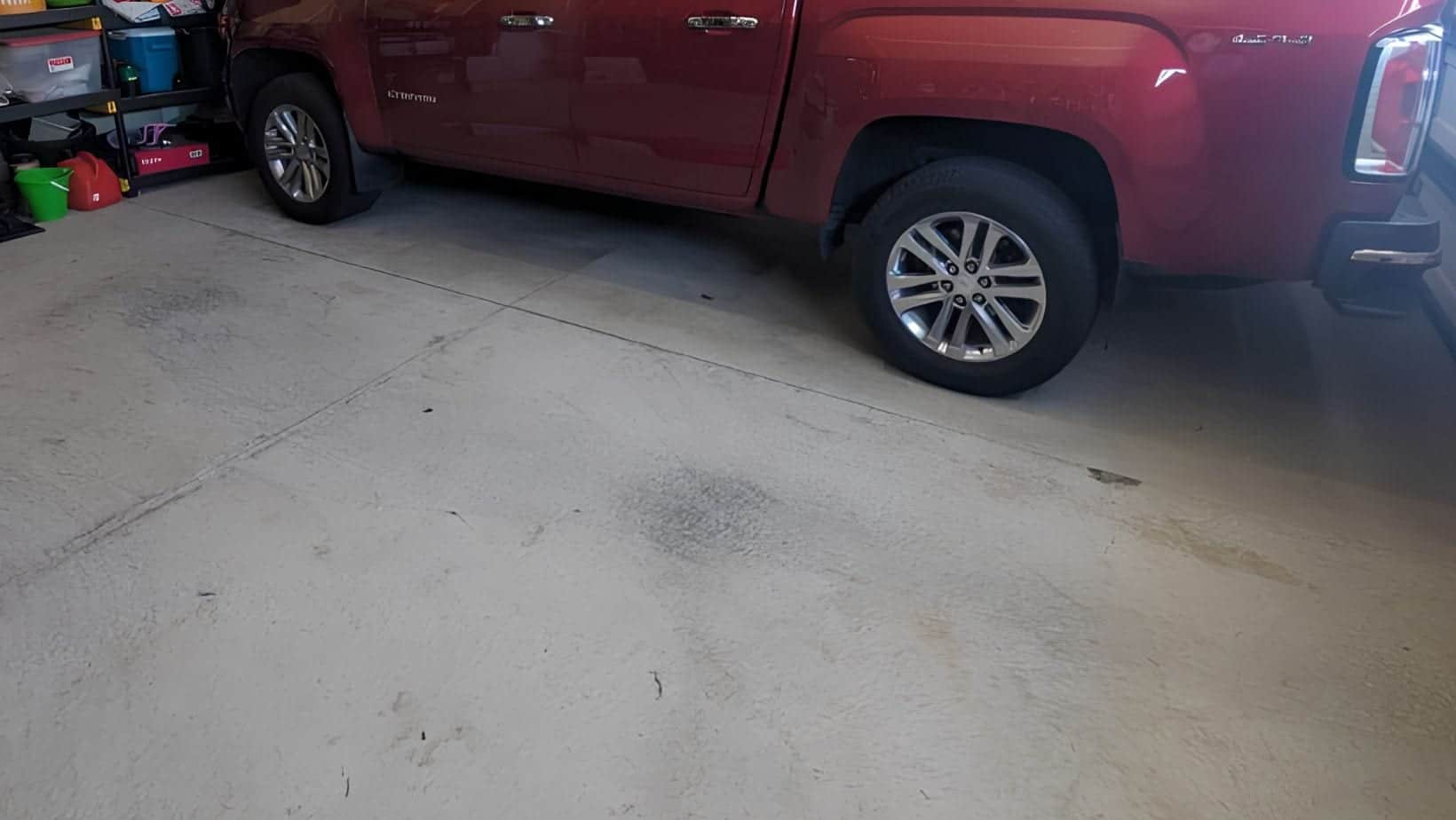
We examine the slab's location, texture, porosity, age, visible variation, and current use. A driveway, patio, walkway, garage-related area, or commercial approach may face different water, salt, traffic, and cleaning demands, so the intended service has to be understood before a sealer is chosen.
Step 2
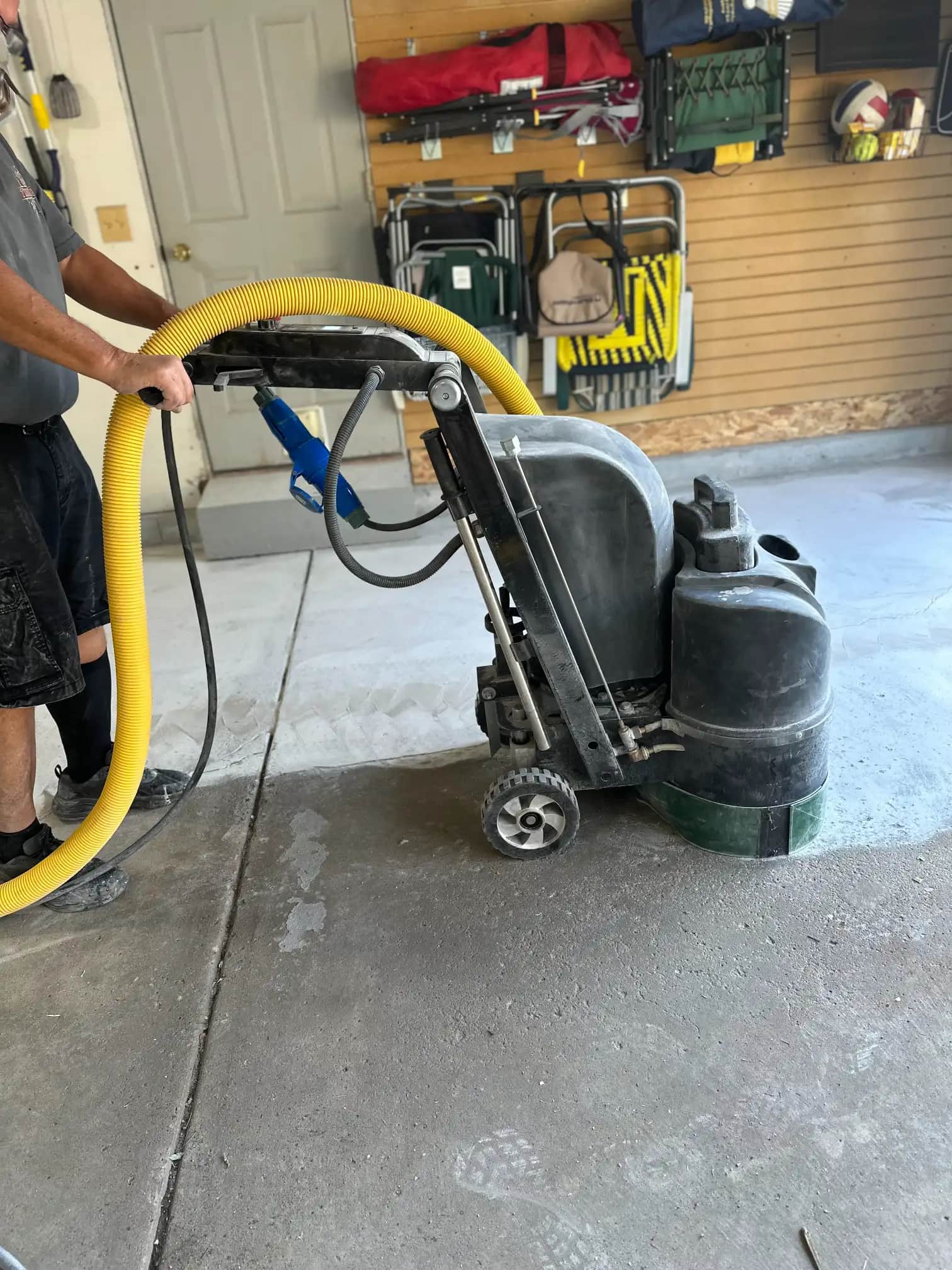
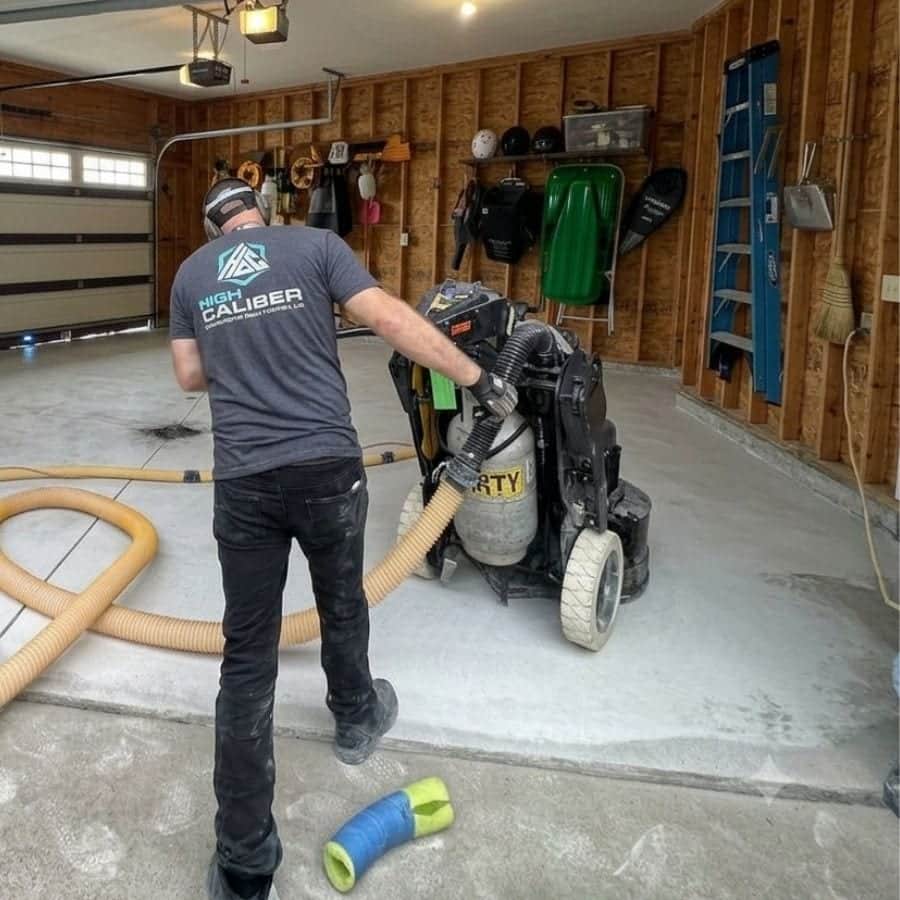
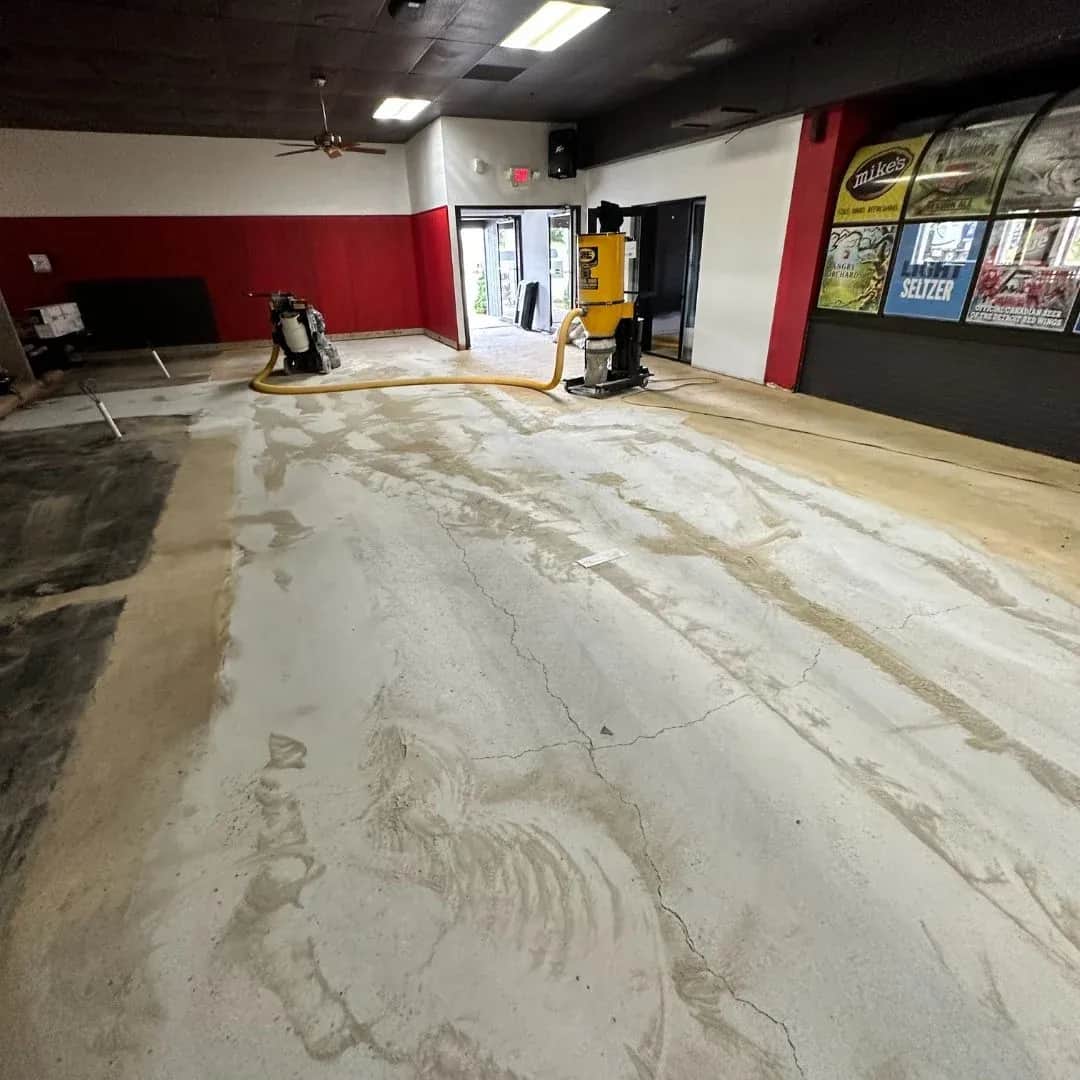
Dirt, salt residue, oils, loose material, and unsuitable previous products can interfere with a consistent result. Preparation may involve cleaning or mechanical work suited to the slab. Diamond grinding can create a workable surface profile, but it does not level concrete or correct structural movement.
Step 3
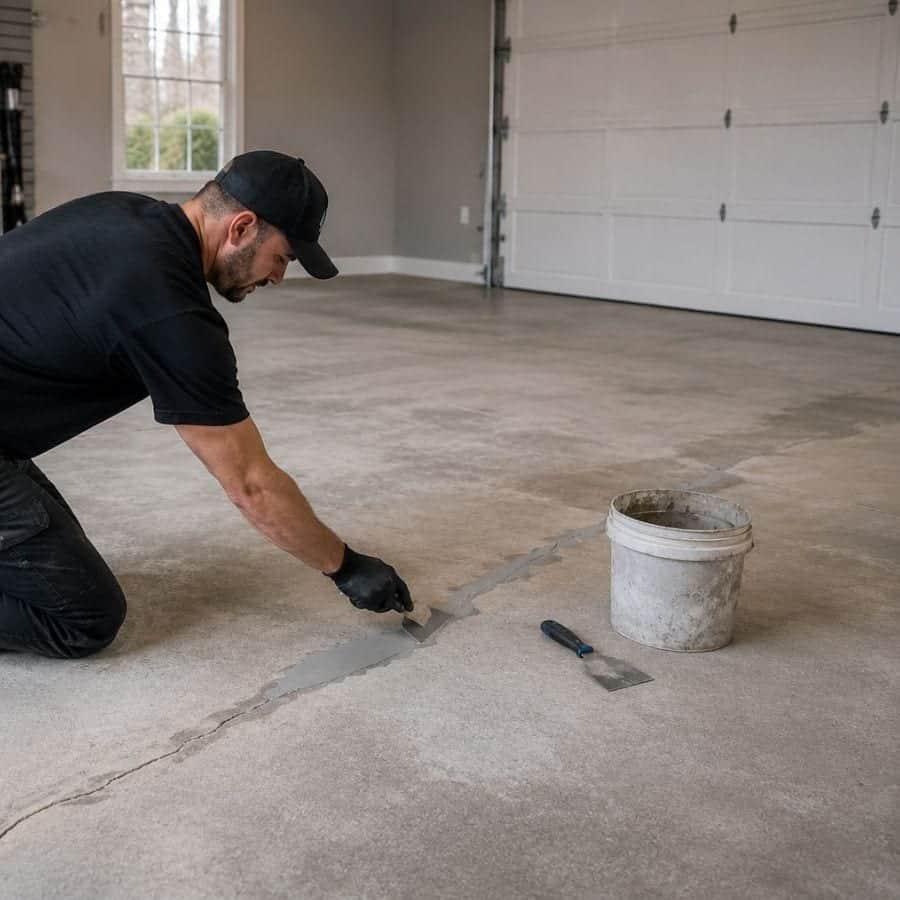
Cracks, spalls, worn edges, stains, and joints are reviewed before protection is applied. We identify repairs or additional preparation that belong in the scope and explain what remains a characteristic of the slab. Sealing does not stop movement or reconstruct concrete that has failed.
Step 4
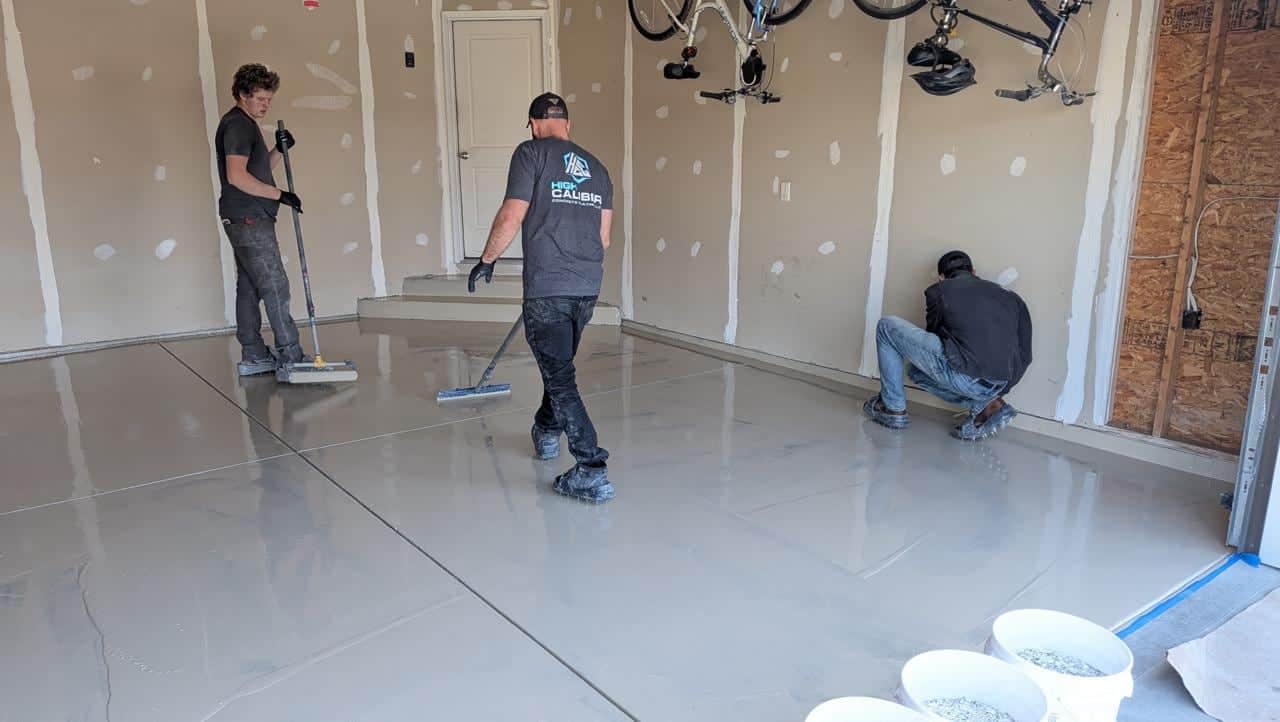
We confirm whether the goal is protection with the slab still visible or a film coating with a more defined new surface. Moisture, porosity, sunlight, salt exposure, traffic, and desired sheen inform that choice. The estimate should make clear why the proposed sealer fits the concrete and its use.
Step 5
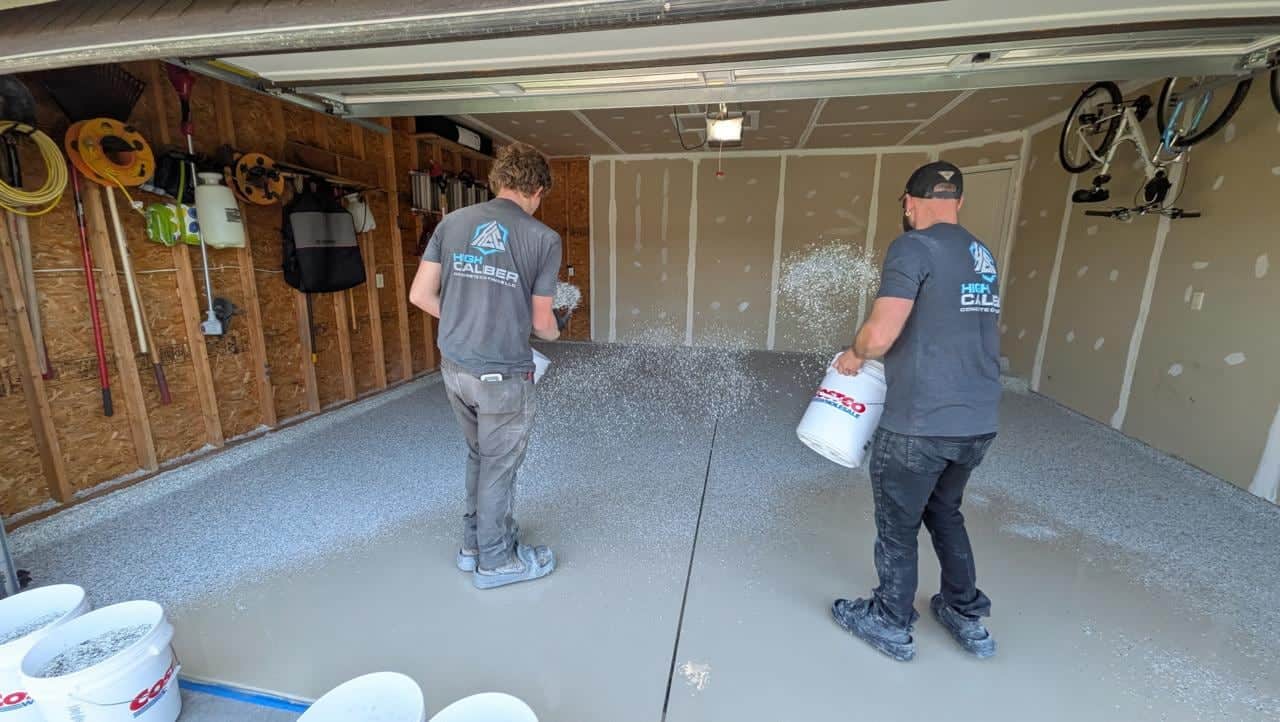
Once the concrete is ready, the selected penetrating sealer is applied across the prepared area according to the product and project requirements. Coverage, surface condition, and access all matter. The application is intended to support the slab's protection while keeping expectations realistic about stains, wear, and future care.
Step 6
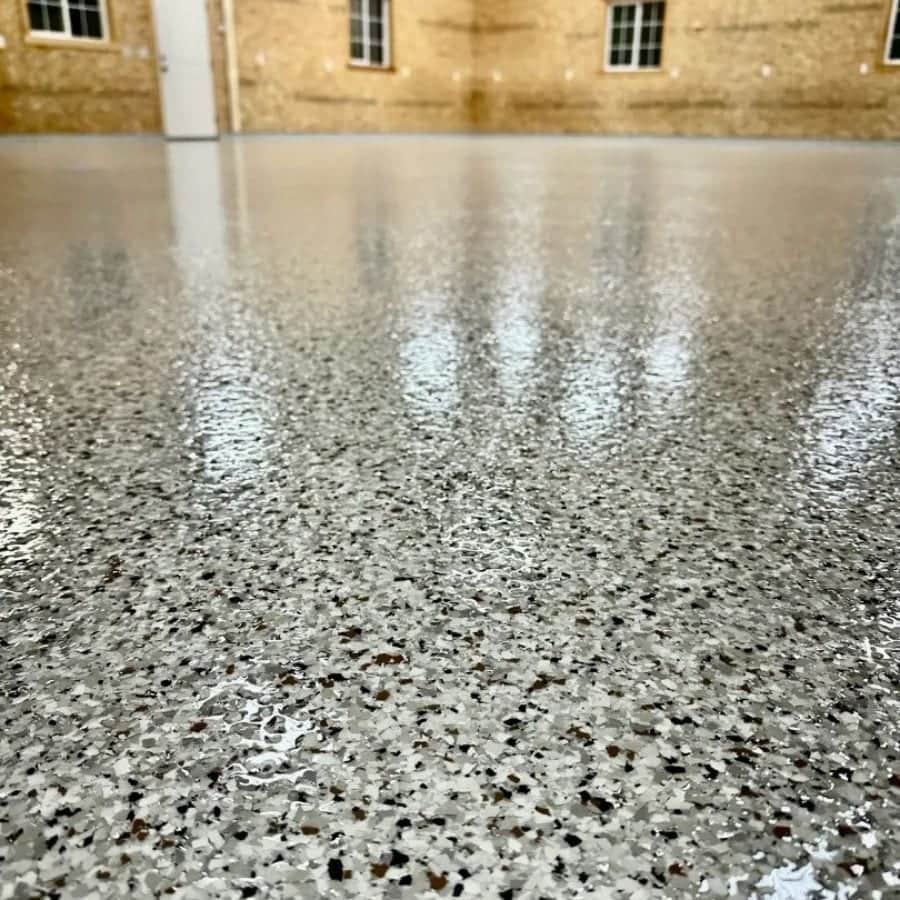
We review the finished surface, access guidance, cleaning approach, and maintenance considerations before closing out the work. The conversation also covers what the sealer can support and what it cannot change, including slab movement, deep damage, heavy residue, or ordinary weathering.
Why High Caliber
High Caliber brings preparation, sealing, polishing, and coatings into the same conversation. That gives us room to ask whether protection should stay subtle or whether the concrete needs a more substantial finish. Our team is family-owned and based in the Holland and Zeeland area, serving West Michigan properties with the scope tied to the actual surface.
When a coating fits better, our hybrid epoxy and polyurea system uses epoxy for adhesion and build, then the right chemistry in the right layer for the intended finish. We explain that route alongside sealing so the recommendation follows your concrete rather than a predetermined product.
Customer Reviews
“Would highly recommend. No pressure sales, quality product, great communication and quality installation. I met Jeff at the home show. I was drawn into his booth by his very enthusiast kids. I got the immediate impression this was a family oriented business and that was reinforced by the conversation with both Jeff and his young son. These values drew me to this business. I signed up for a quote. Shortly after the show Jeff came to my home to present options and provide a quote. No pressure to buy, Jeff understood I needed to get thru tax season before I could be sure about my budget. Over the course of next few months Jeff was responsive to any questions I had and we got the job scheduled. Jeff provided a trailer in the quote to store contents of garage while job was being done, which was very helpful. When talking with others about the quote I learned my price was equal to or less than what neighbors had paid up to six years ago, so I felt this was good pricing. I had thought there would be a ton of dust and a big mess when grinding surface, but the machines had a vacuum attached, clean and efficient work. I was impressed that they coated steps and side walls as well as floor. No mess on drywall or driveway. Crew doing installation were great guys. They took time to fill me in on the process of installation, what to expect, how long for surface to cure and when I could empty trailer. Post install Jeff stopped out to grab trailer, filled me in on what to use and how to clean the floor. VERY happy with the whole process from sales to install to follow up. LOVE my new garage.”
“Wow! Jeff and Mike were amazing to partner with for my garage floor renovation! They did an amazing job but more importantly, they communicated directly with me thru texts, reminders, and in person! Jeff and his team left my garage and exterior area cleaner than when they arrived and gave clear instructions on follow up care needed for my new floor! I would highly recommend High Caliber Concrete Coatings anytime!”
“I can not express how awesome my garage floor looks. Your crew did a phenomenal job, we'll probably be the envy of the neighborhood now. Very polite, cleaned up the area, fast amazing job! My only complaint was the floor was going to look great so my wife said we had to clean out and paint all the walls and shelving, but it was worth it. Thank you again.”
Grand Rapids, Michigan
Concrete around Grand Rapids and Kent County can serve an established home, newer construction, rural property, pole barn, outbuilding, small business, retail space, hospitality setting, agricultural operation, or light manufacturing area. That range changes the questions we ask about access, traffic, cleaning, and appearance. The community identifies the setting, while the slab determines the work.
West Michigan weather adds its own sequence. Snow and road salt can settle on exterior concrete, freeze-thaw cycles can expose cracks or spalls that deserve inspection, and spring melt can keep moisture in the conversation. Rain and humid summers add more outdoor exposure. A compatible sealer may help with routine surface interaction, but it cannot stop slab movement or replace needed repairs.
A property owner near Wyoming, Grandville, or East Grand Rapids may bring a different use case to the estimate, even when the material is similar. We focus on what the concrete must handle, what you want to preserve, and which preparation steps make the proposed protection sensible.
Seasonal moisture and residue help shape the recommendation, but they do not determine whether a sealer can correct existing damage.
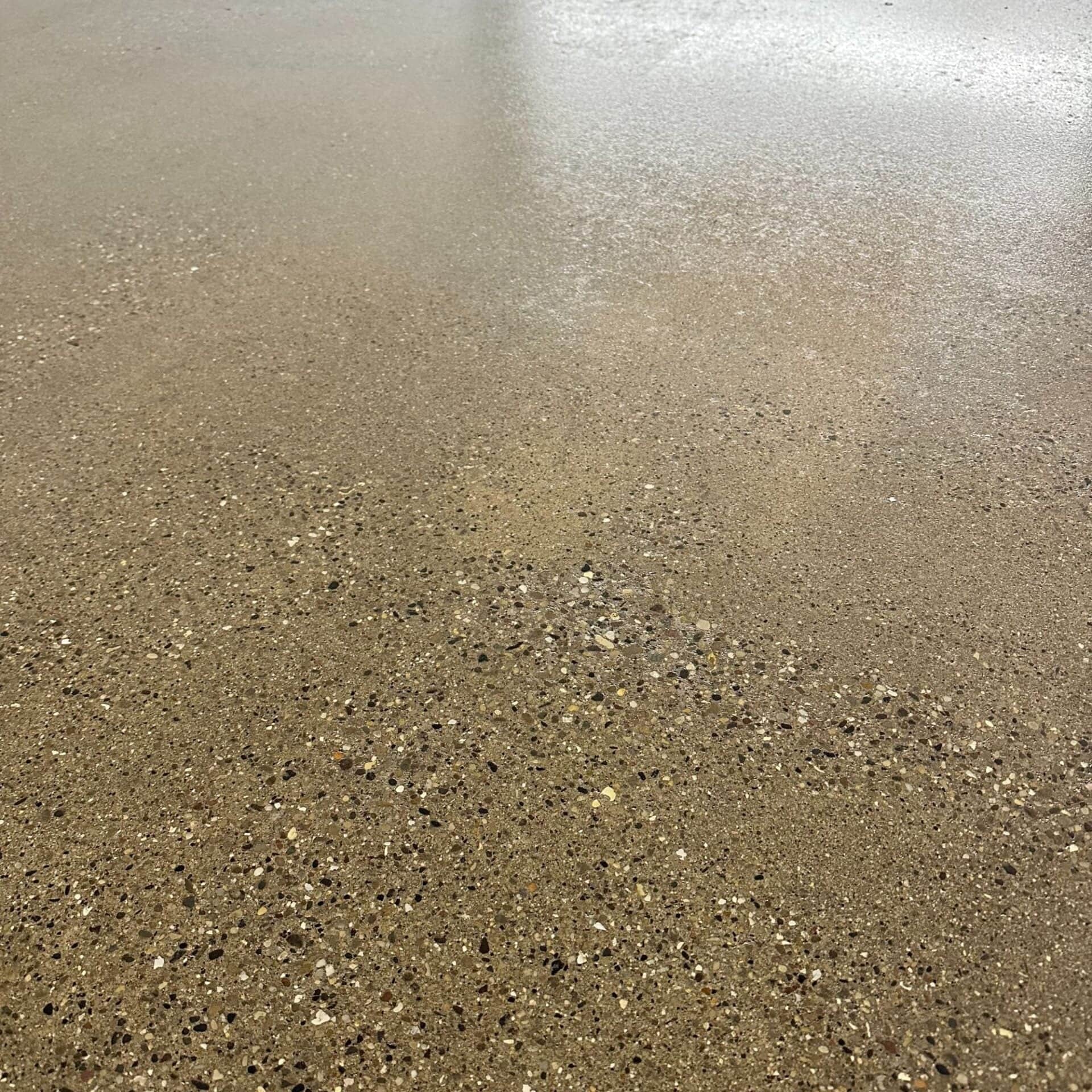
Exposed aggregate and other surface variation may be part of the desired appearance, so protection should be weighed against the wish to keep it visible.
A household walkway, working outbuilding, and commercial approach may need different access, cleaning, and maintenance discussions before application.
Frequently Asked Questions
It is worth discussing when the existing slab should remain visible and the concrete is suitable for added protection. We consider porosity, texture, aggregate, joints, staining, cracks, spalls, prior materials, salt exposure, and cleaning habits. A penetrating sealer may change how moisture interacts with the surface, but it does not rebuild damaged concrete or make every mark disappear.
A penetrating sealer works with suitable concrete and generally leaves more of its original appearance in view. A film coating creates a separate surface with its own preparation, color, texture, layers, and care requirements. We use the intended look, the area's function, exposure, and slab condition to compare the two instead of presenting them as interchangeable products.
Possibly, after the texture and condition are reviewed. Exposed aggregate makes the visible stone, surface profile, cleaning method, and desired sheen important parts of the decision. A compatible sealer may preserve that character. If the surface needs a more significant change or more preparation, another finish can be considered in the estimate.
Outdoor concrete may face snow, road salt, de-icing residue, spring melt moisture, rain, and freeze-thaw cycles. A suitable sealer can support routine protection, but it cannot prevent weather exposure, slab movement, or every maintenance issue. We look at cracks, spalls, joints, drainage, staining, and cleaning expectations so the seasonal discussion stays realistic.
The answer depends on the material already on the surface and the condition below it. Cleaning, old material removal, moisture assessment, diamond grinding, crack repair, or spall attention may be relevant. Grinding can create a workable profile, but it does not level the slab or correct structural movement. We identify preparation separately so the scope is understandable.
It can be evaluated for suitable commercial exterior concrete. Foot traffic, business access, cleaning, residue, exposure, and the desired appearance can make the plan different from a residential patio or driveway. Depending on those conditions, sealing, preparation, or a film coating may fit. We discuss how the space operates before describing the protection.
Share the type of area, how it is used, what you want to preserve or change, and any known history with paint, sealer, stains, cracks, or repairs. Photos can help show texture, exposure, and surface condition. Identifying a driveway, patio, walkway, exposed aggregate area, garage-related space, or commercial approach gives the first conversation useful direction.
Related Services
Sealing may be one part of the answer. These related services can help when the concrete needs preparation, a sealed finish after grinding, or a more defined interior surface.
Review mechanical preparation for removing unsuitable surface material and creating a workable profile.
Learn moreSee how grinding can be followed by a sealed finish when that sequence fits the concrete.
Learn moreExplore a layered protective and decorative surface when visible change is part of the goal.
Learn moreConsider a distinct flake floor for a garage or interior area that needs color and a defined system.
Learn moreGallery And Visual Proof
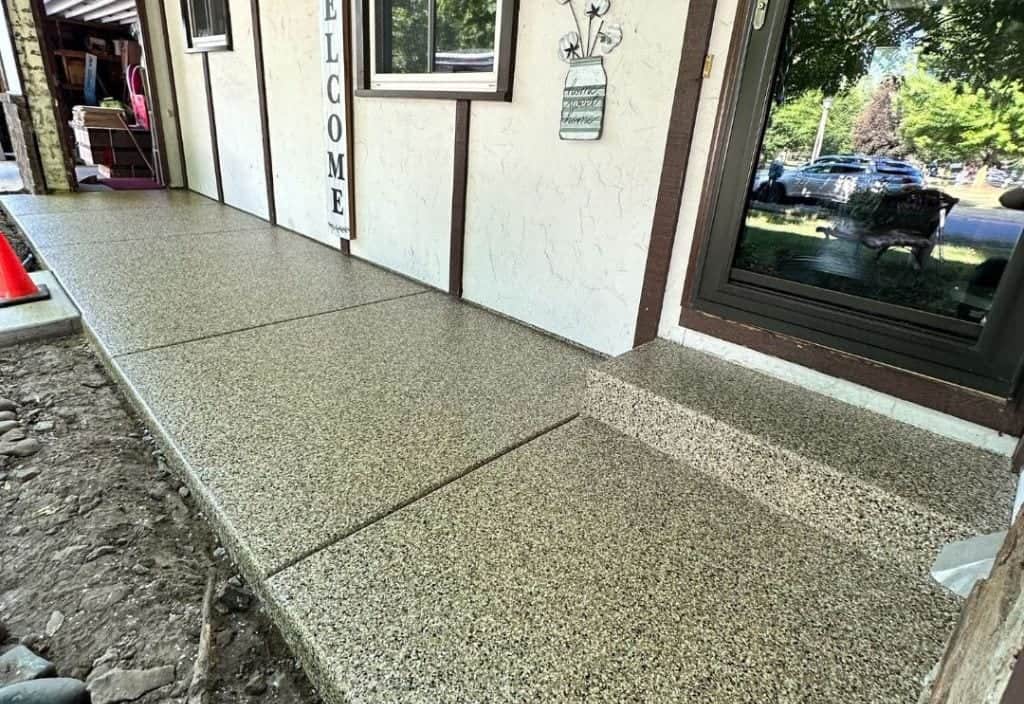
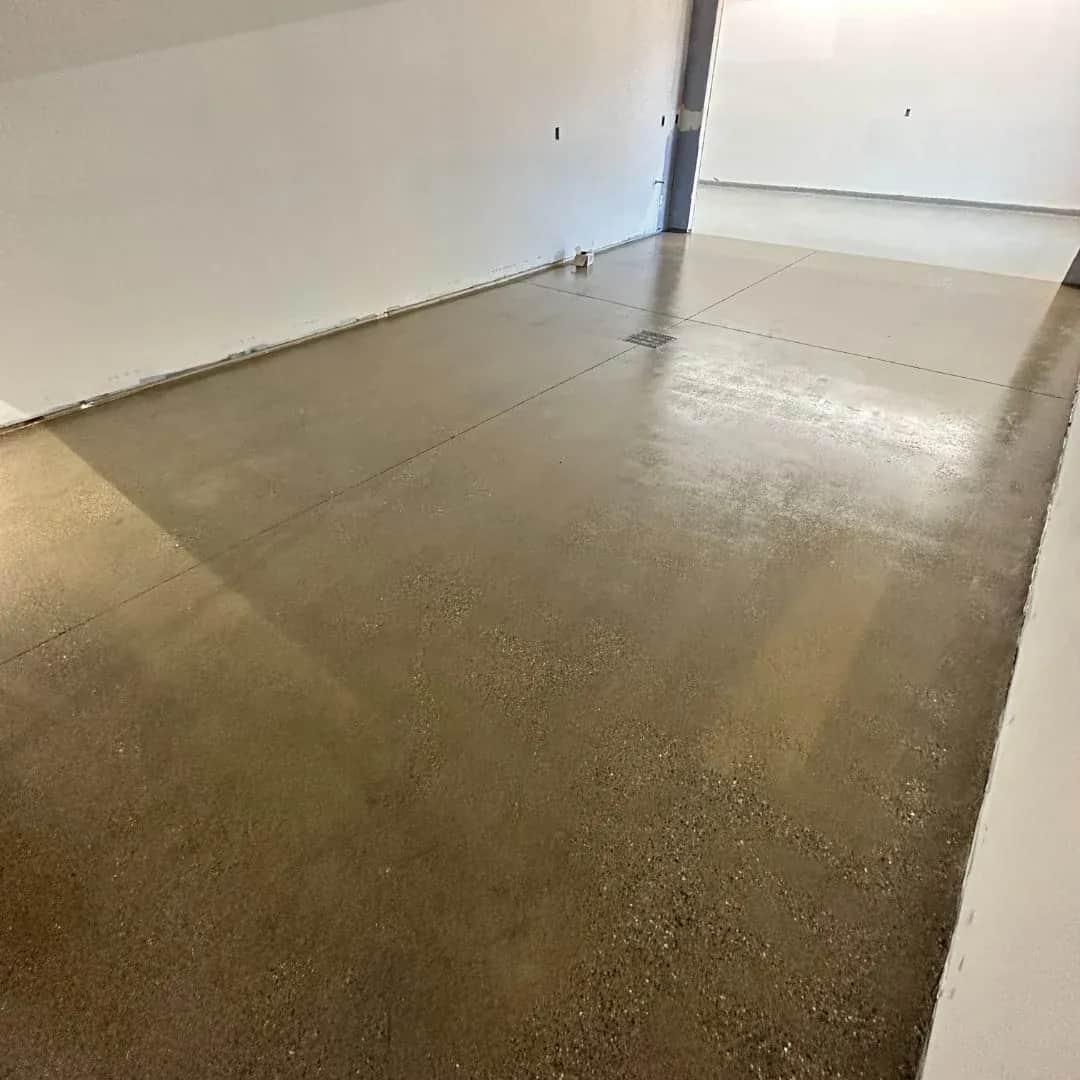
This gallery shows examples of preparation, sealing, and finished concrete. The images describe the material and process, not a claimed project in Grand Rapids.
Free Project Quote
Tell us about the space and we will follow up with a clear recommendation and quote conversation.
Phone
Business Hours
Free Estimate
Tell High Caliber where the slab is used, what it faces, and which parts of its existing appearance you want to keep. We can discuss moisture, salt residue, surface condition, preparation, and the difference between a penetrating sealer and a film coating. When you are ready, request a free estimate for concrete sealing in Grand Rapids and get a clear next step for the property before scheduling work.