
Slow Down Surface Soaking
A compatible sealer can reduce how quickly water enters accessible surface pores. It does not correct drainage, block moisture from below, or make concrete a waterproof structure.
Grandville properties do not ask the same thing of concrete. We look at how your driveway, patio, walkway, garage, or work area meets water, salt, traffic, and cleaning, then outline a protection route that respects the slab's existing texture and the finish you actually want through every season and use today.
Service Overview
Concrete sealing makes sense when you want protection while keeping the material itself visible. A penetrating sealer works within suitable concrete and may reduce accessible absorption. A film coating sits over the slab and creates a more deliberate surface, so the choice changes both appearance and future care.
We compare those paths against porosity, moisture, salt, sunlight, traffic, texture, and the condition already present. Preparation may include Concrete Grinding, while a mechanically prepared sealed finish can be explored through Grind And Seal.
Benefits
The value of sealing is practical rather than universal. When the concrete and product agree, protection can make everyday exposure easier to manage without hiding the slab beneath a new decorative layer.
A compatible sealer can reduce how quickly water enters accessible surface pores. It does not correct drainage, block moisture from below, or make concrete a waterproof structure.
Protection may support cleanup after winter salt and deicing residue reach the slab. Regular removal still matters because sealed concrete continues to face snow, meltwater, and weather.
A surface suited to its sealer can respond more consistently to ordinary dirt and cleaning. Texture, traffic, contaminants, and maintenance habits still shape the outcome.
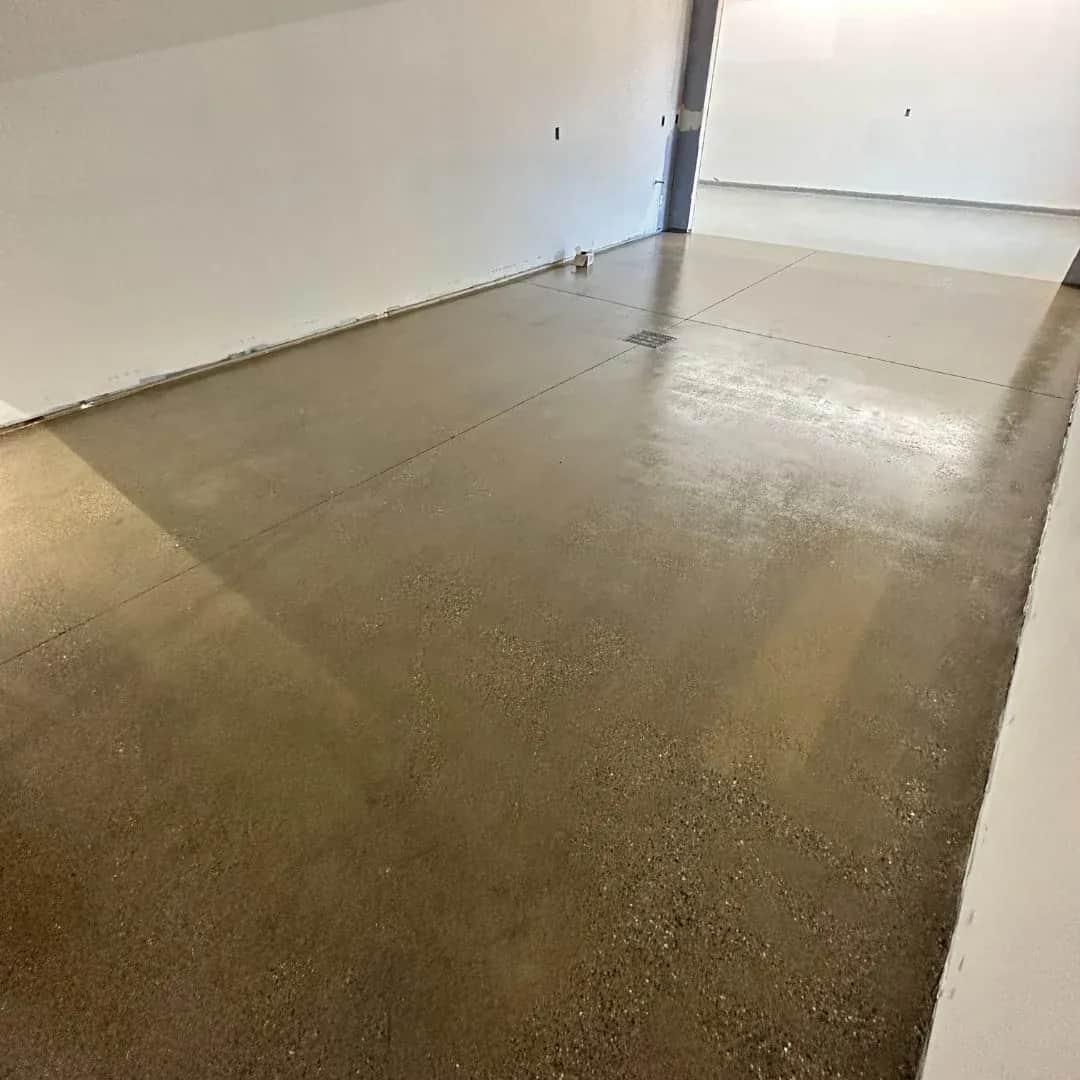
Penetrating protection generally leaves more original texture and aggregate visible than a film finish. Existing stains, repairs, wear, and color variation may remain part of the result.
When the slab already has an appearance you prefer, sealing can add a protection step without automatically adding flakes, color layers, or a separate floor over it.
A patio, garage, pole barn, walkway, or commercial approach brings different access and use demands. Those details help define a sealing scope that remains practical after installation.
Installation Process
Concrete sealing works best when each decision answers something visible about the slab. We connect the area's use, the surface condition, the protection selected, and the care that follows so the finished recommendation stays practical.
Step 1
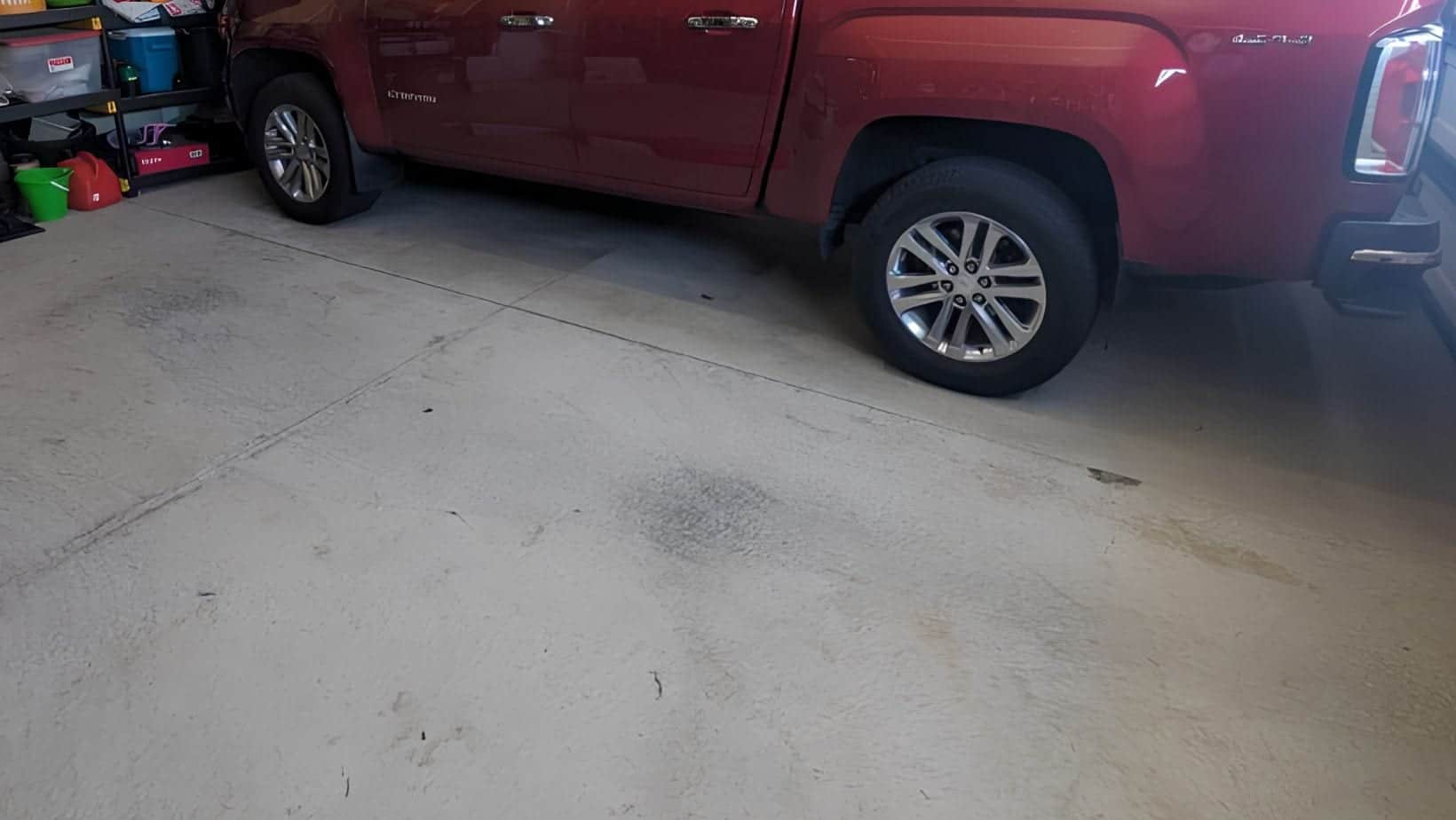
First we identify what the slab is being asked to handle and what you want to preserve. A Grandville driveway, patio, walkway, garage, or commercial approach may face different water, salt, traffic, and cleaning patterns, so those details guide the evaluation.
Step 2
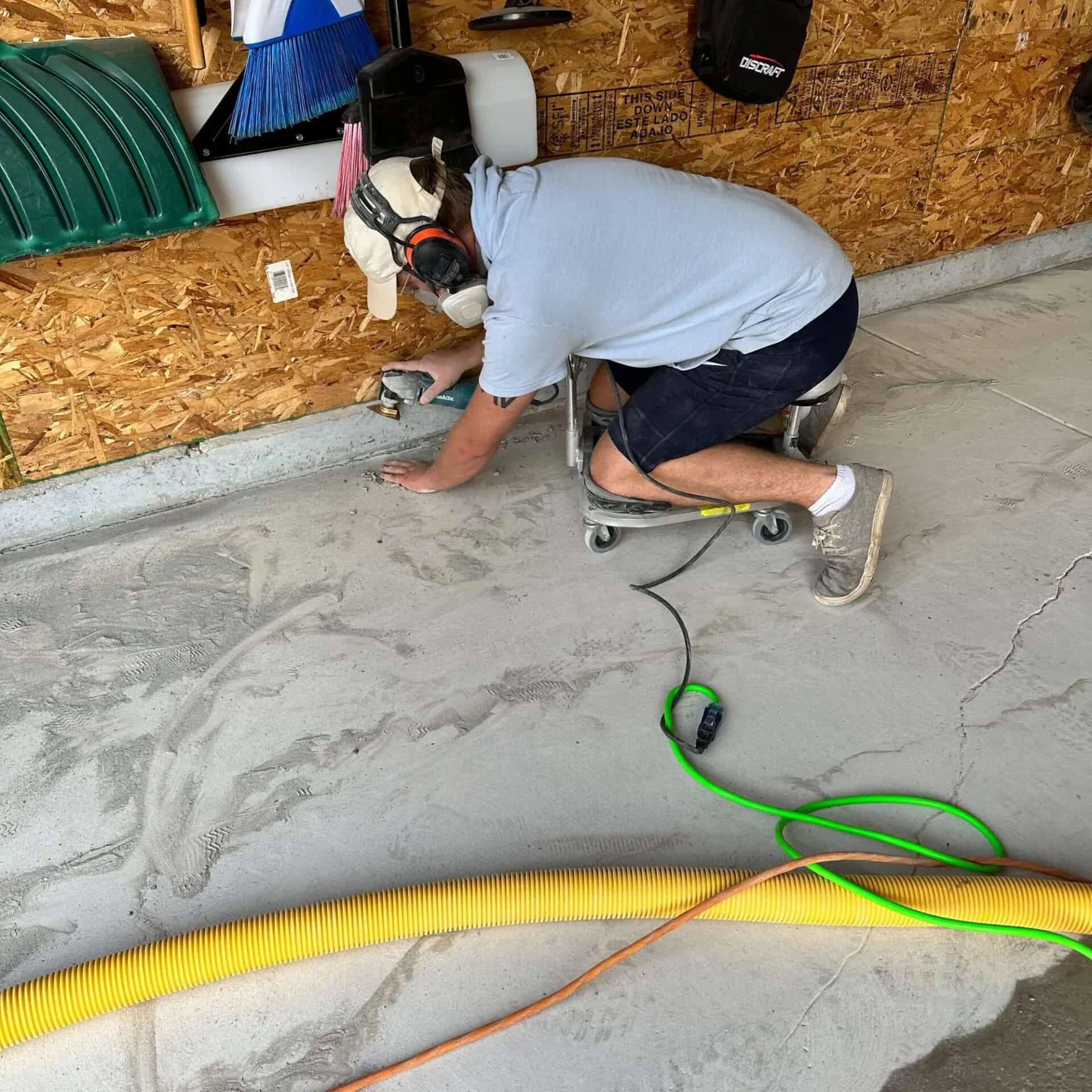
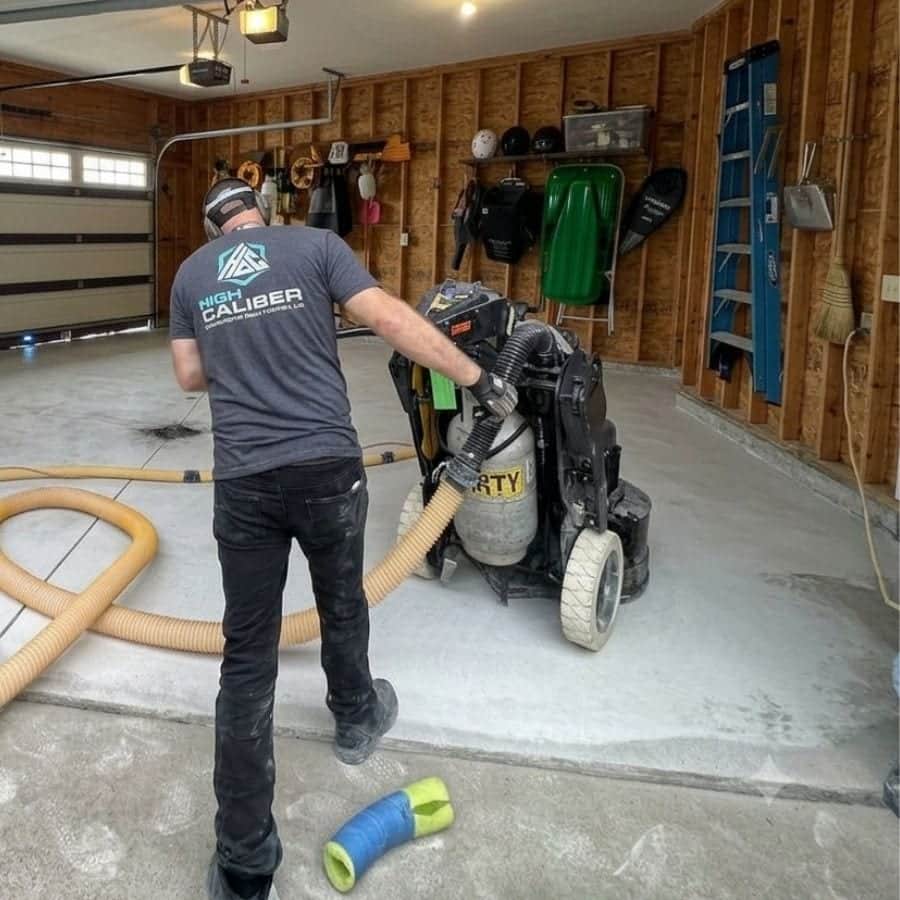
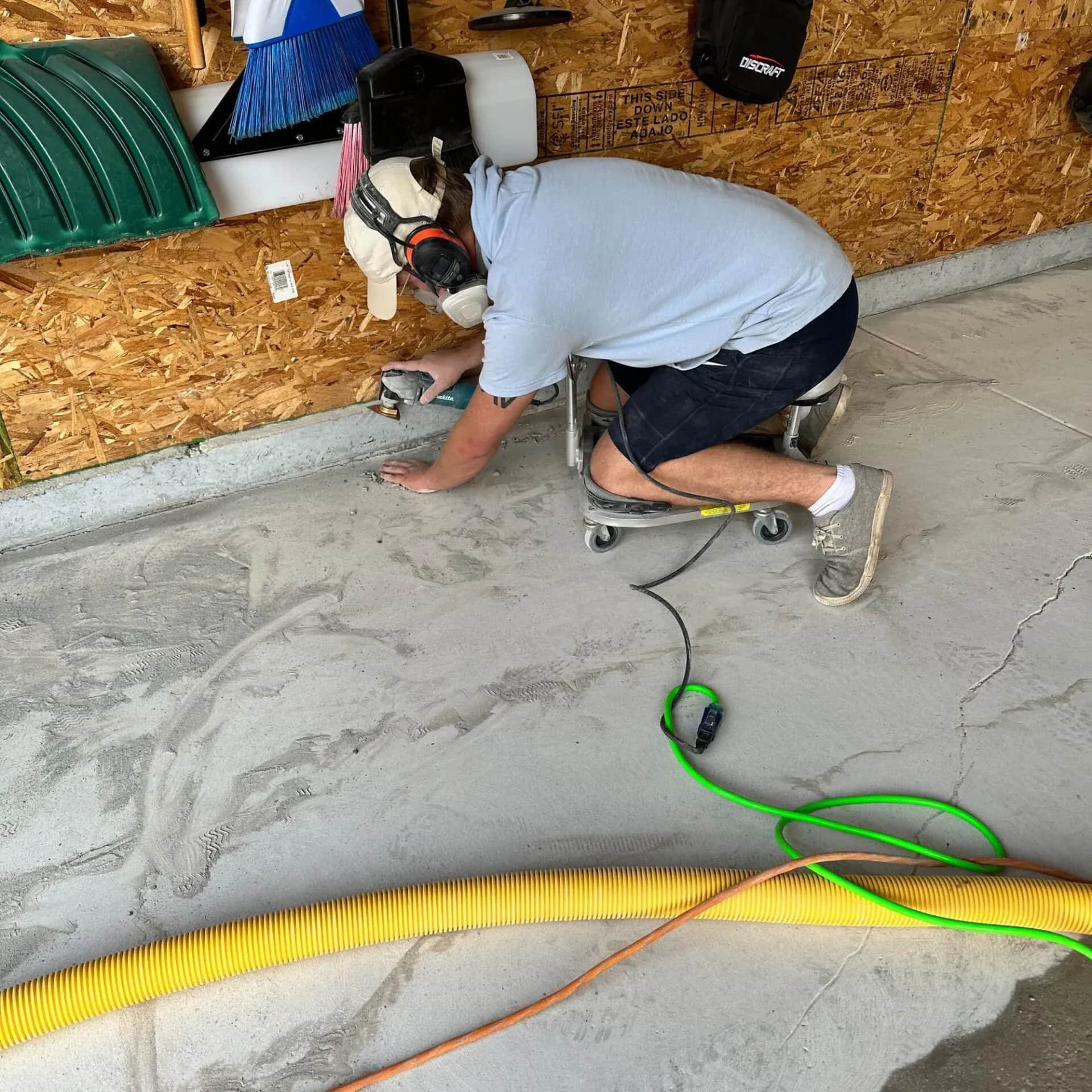
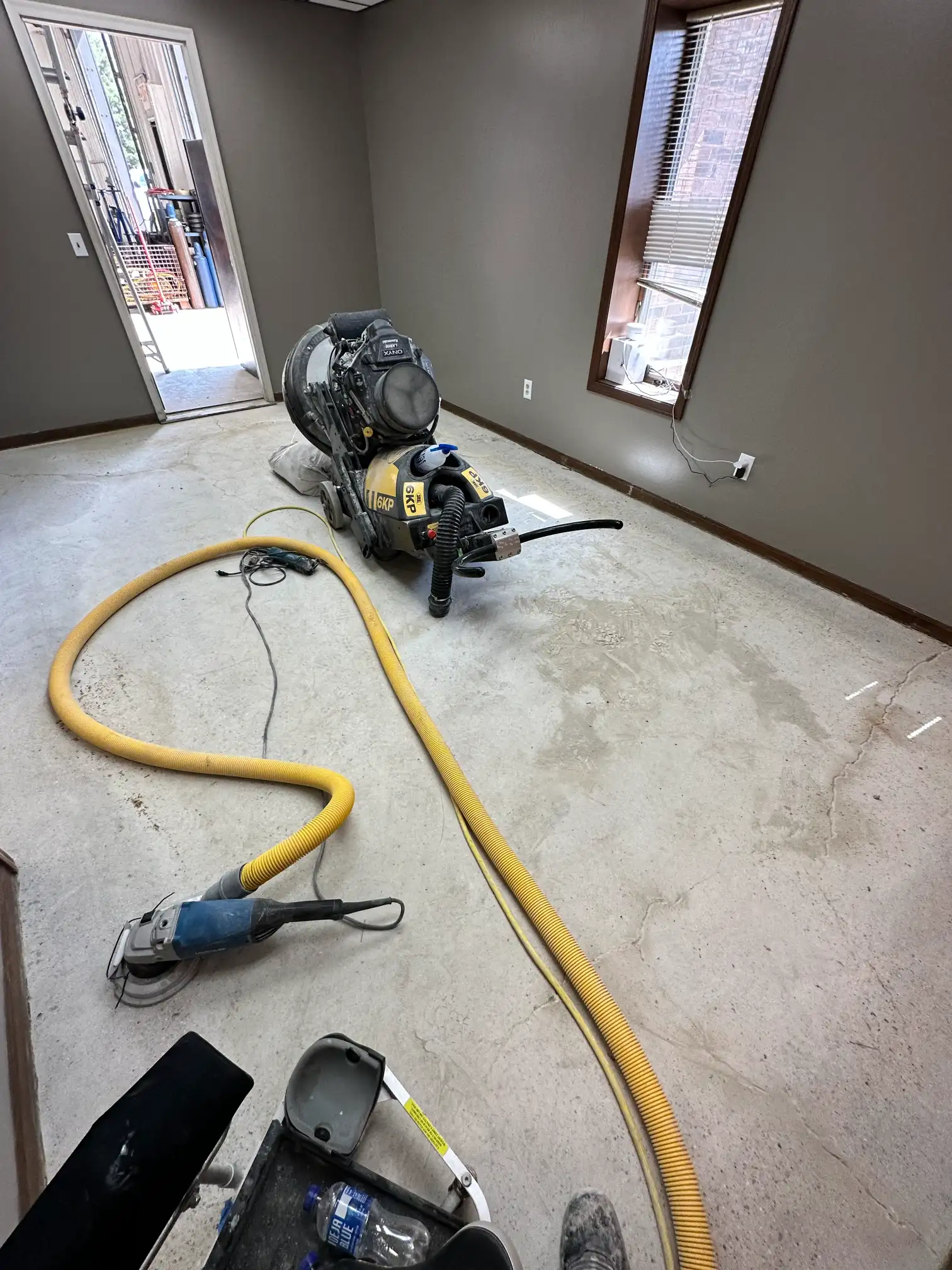
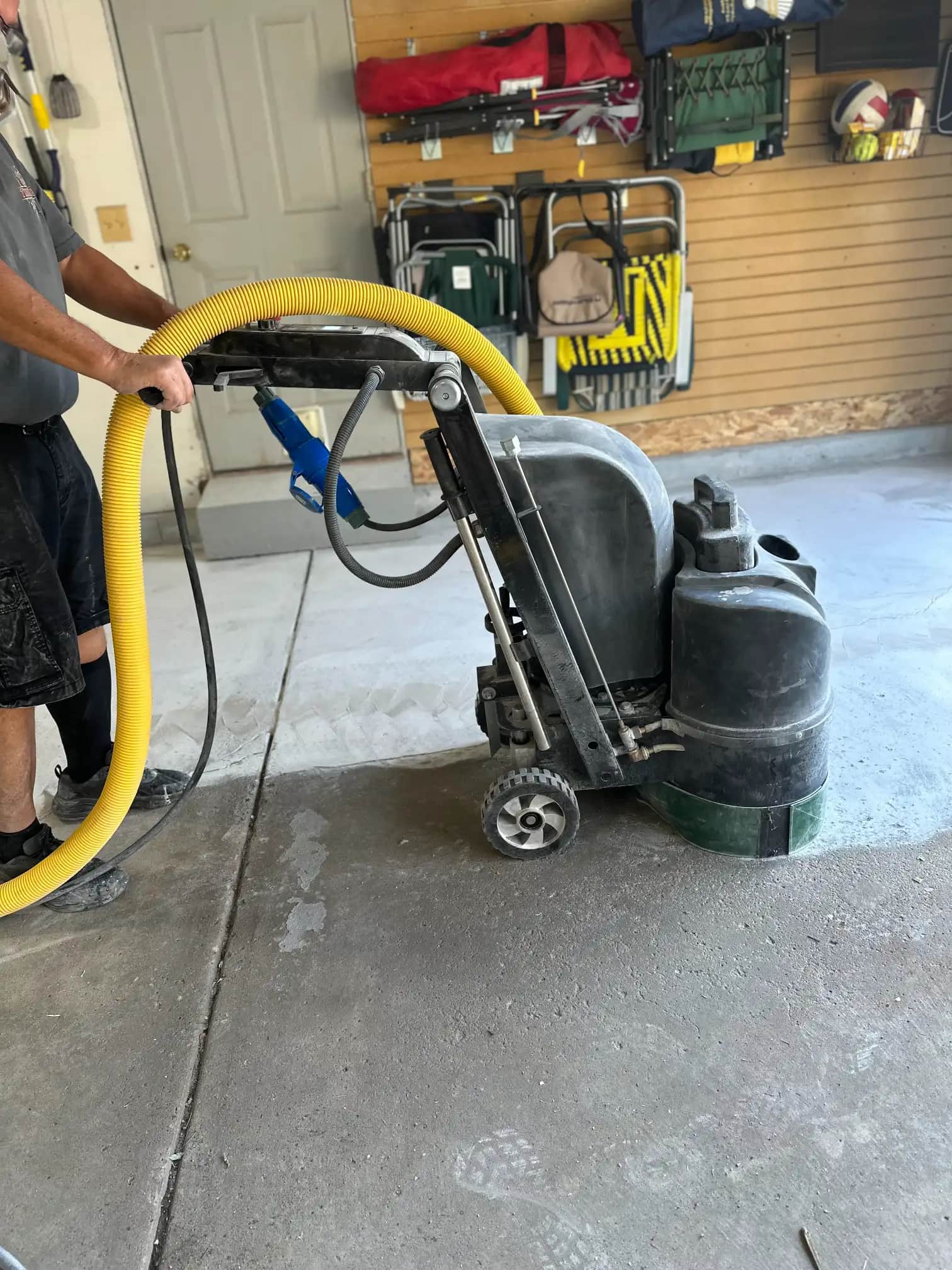
Preparation is selected from the surface condition rather than assumed as one recipe. We may remove dirt, residue, or unsuitable prior material and use appropriate mechanical work so the concrete can accept the planned protection. Grinding prepares the surface; it does not level or rebuild the slab.
Step 3
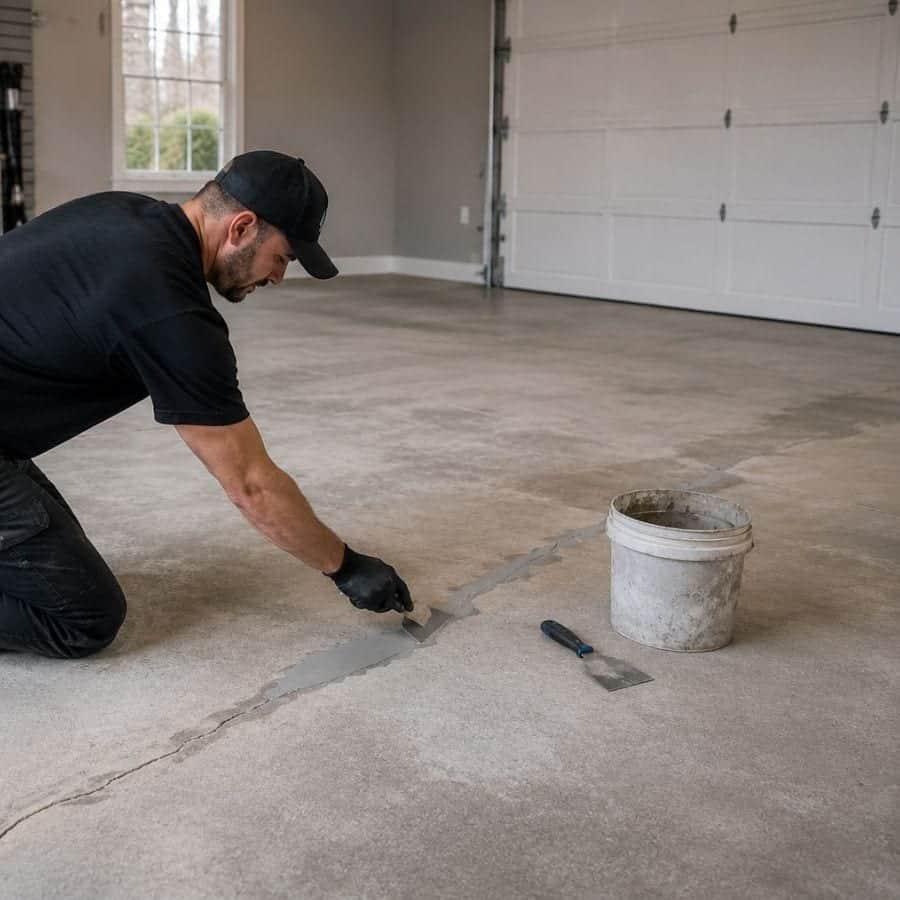
Cracks, spalls, worn edges, and staining are recorded before product decisions are finalized. We explain which conditions may need repair or additional preparation and which remain part of the slab's character. That distinction keeps a sealer from being presented as structural repair or a way to erase damage.
Step 4
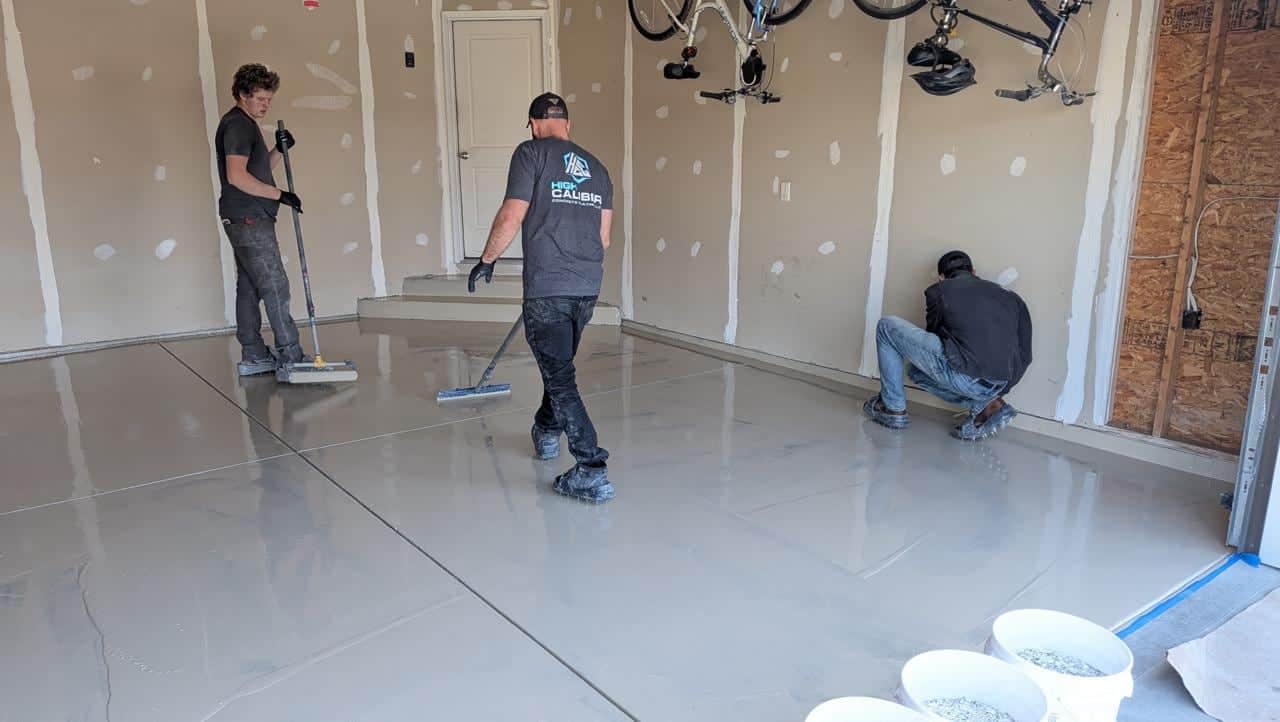
Next we compare the intended result with the available protection. A penetrating sealer can preserve more of the concrete's visible texture, while a film coating creates a built surface with a different appearance and scope. We confirm the fit before application, including exposure and maintenance expectations.
Step 5
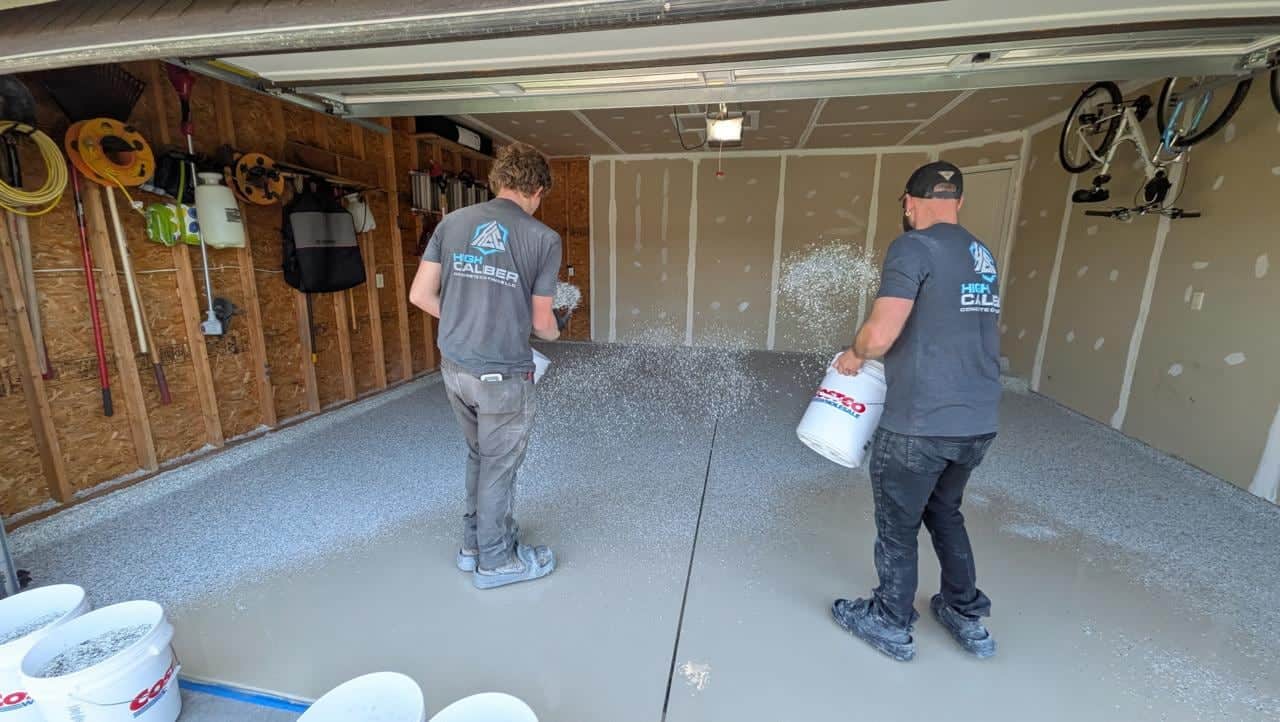
After the surface is ready and the scope is confirmed, we apply the selected penetrating sealer across the prepared concrete according to the product and project conditions. Coverage, absorption, access, and weather-sensitive exterior work all matter to how the protection is placed.
Step 6
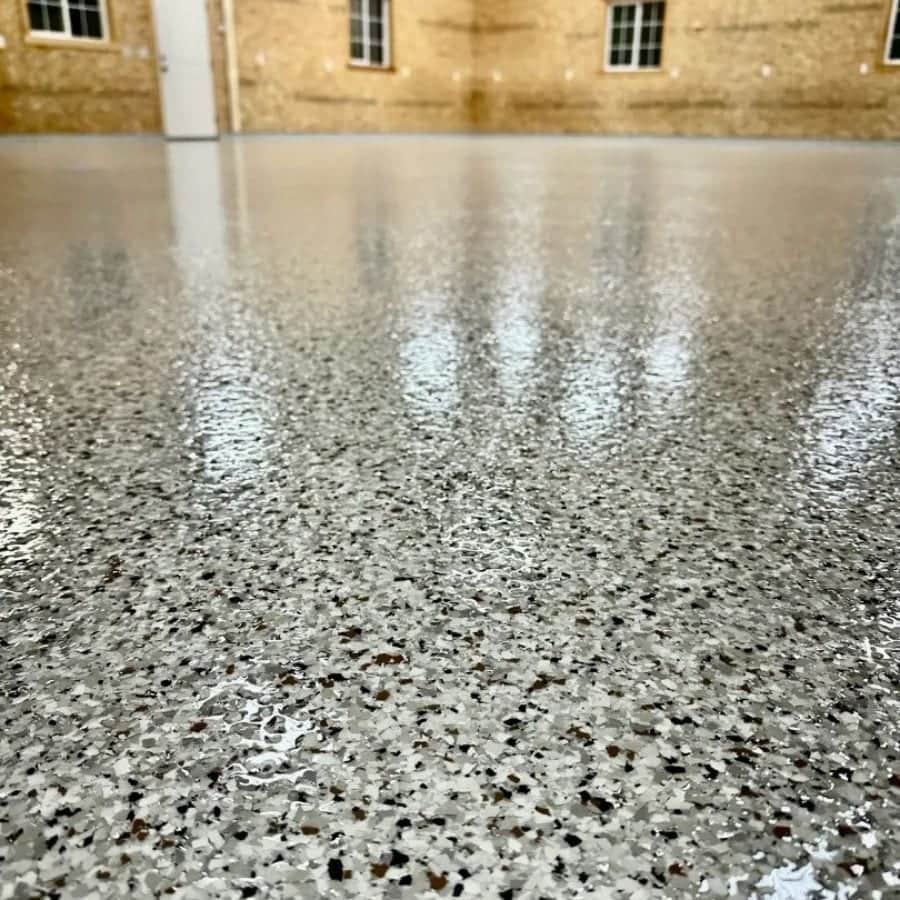
We finish by checking the treated area and explaining when it can be used, how to clean it, and what ongoing care involves. Winter residue, spring moisture, humid summers, traffic, and future staining still belong in ownership decisions, so the handoff includes realistic upkeep guidance.
Why High Caliber
Our High Caliber team works with preparation, sealing, polishing, and coatings, so the recommendation can stay tied to the result instead of stopping at the first product that sounds familiar. We can explain why a penetrating treatment may suit a visible slab, or why a film system deserves consideration when the owner wants a built finish.
That conversation also makes room for limits. Sealer does not rebuild failed concrete, eliminate every stain, or cancel seasonal maintenance. We describe what the selected route is meant to do, what the surface may continue to show, and where another service would better answer the underlying request.
Customer Reviews
“Would highly recommend. No pressure sales, quality product, great communication and quality installation. I met Jeff at the home show. I was drawn into his booth by his very enthusiast kids. I got the immediate impression this was a family oriented business and that was reinforced by the conversation with both Jeff and his young son. These values drew me to this business. I signed up for a quote. Shortly after the show Jeff came to my home to present options and provide a quote. No pressure to buy, Jeff understood I needed to get thru tax season before I could be sure about my budget. Over the course of next few months Jeff was responsive to any questions I had and we got the job scheduled. Jeff provided a trailer in the quote to store contents of garage while job was being done, which was very helpful. When talking with others about the quote I learned my price was equal to or less than what neighbors had paid up to six years ago, so I felt this was good pricing. I had thought there would be a ton of dust and a big mess when grinding surface, but the machines had a vacuum attached, clean and efficient work. I was impressed that they coated steps and side walls as well as floor. No mess on drywall or driveway. Crew doing installation were great guys. They took time to fill me in on the process of installation, what to expect, how long for surface to cure and when I could empty trailer. Post install Jeff stopped out to grab trailer, filled me in on what to use and how to clean the floor. VERY happy with the whole process from sales to install to follow up. LOVE my new garage.”
“Wow! Jeff and Mike were amazing to partner with for my garage floor renovation! They did an amazing job but more importantly, they communicated directly with me thru texts, reminders, and in person! Jeff and his team left my garage and exterior area cleaner than when they arrived and gave clear instructions on follow up care needed for my new floor! I would highly recommend High Caliber Concrete Coatings anytime!”
“Jeff and his team did the most amazing job epoxy floor coating my 38 year old garage floor. Outstanding, professional, skilled, great communication. Highly recommended.”
Grandville, Michigan
Grandville brings together urban, suburban, and rural settings around the Grand Rapids area. A property owner may be considering a driveway, patio, walkway, exposed aggregate surface, garage, pole barn, or outbuilding. Established homes and newer construction can raise different questions about access, surface age, use, and upkeep, so we begin with the actual area rather than a property assumption.
Kent County weather gives that area a changing workload. Winter snow and road salt can leave residue where vehicles and footwear cross the concrete. Spring melt and rain put moisture back into the picture, while humid summers and repeated freeze thaw cycles add to the exposure. Existing wear, cracks, spalls, staining, and drainage deserve attention before protection is selected. That annual cycle matters.
Commercial owners may be thinking about a retail or hospitality entry, a pedestrian route, an agricultural space, a workshop, or a light manufacturing area. Each use can affect cleaning, equipment, access, and the amount of interruption that is practical. Nearby program communities include Wyoming, Jenison, and Grand Rapids, but the recommendation for a Grandville project still comes from the slab and its working conditions.
Salt, snow, and meltwater belong in the maintenance discussion whenever exterior concrete is being considered.
A family patio, rural outbuilding, and business entry may need different preparation and access planning.
Sealing can protect compatible concrete, but it cannot make existing damage or movement disappear.
Frequently Asked Questions
No. Sealing is a protection choice, not a universal reset for concrete. A suitable product may affect absorption or sheen, while existing texture, staining, repairs, wear, and color variation can remain visible. If the desired change is broader, we can compare preparation, polishing, or a film coating.
A penetrating sealer works within suitable concrete and generally leaves more of the original slab exposed to view. A film coating sits over the surface and creates a built finish with its own layers and appearance. High Caliber's hybrid coating uses epoxy for adhesion and build, then polyurea for a flexible, UV stable topcoat.
We look at porosity, texture, moisture, old material, contaminants, cracks, spalls, staining, exposure, and intended use. Cleaning or mechanical preparation may be needed before protection. The point is not to prescribe grinding automatically, but to identify what the surface needs for the selected finish to have a reasonable starting point.
Yes. Sealing may make ordinary surface care more manageable when the product fits the concrete, but dirt and residue still need to be removed. Grandville exterior areas can receive snow, salt, rain, and spring melt, while interior spaces may see traffic and stored materials. Maintenance remains part of protecting the result.
Polishing mechanically refines the concrete surface through preparation and progressively finer work. It is not a film placed over the slab. Sealing focuses on protection and the way moisture or contaminants interact with suitable concrete. We can discuss both when the owner wants the concrete itself to remain visible.
They can. A garage may bring tracked-in salt and vehicle use, while a patio or walkway may have more direct weather, foot traffic, texture, or drainage questions. An outbuilding can add access and working-area considerations. We use the space's job and exposure to shape the recommendation rather than treating every slab alike.
Those conditions should be reviewed before sealer is applied. Some may receive separate preparation or repair, while active movement and weather exposure can remain characteristics of the slab. A sealer should not be described as rebuilding an edge or preventing every future crack. We explain which conditions belong in the proposed scope.
Tell us where the concrete is, whether it is inside or outside, how people or vehicles use it, and what appearance you want to preserve or change. Photos can introduce the condition. Mention moisture, salt, staining, old treatments, cracks, spalls, access limits, and interest in grinding, grind and seal, polishing, or coating.
Related Services
Concrete sealing may be the right scale of work, but the surface or desired result may point elsewhere. These options keep preparation and finish choices visible while you decide.
Review mechanical preparation when the existing surface needs a defined step before finishing.
Learn moreConsider a mechanically prepared sealed finish that keeps the concrete itself visible.
Learn moreCompare a layered protective and decorative system when sealing alone is too limited.
Learn moreExplore a decorative interior floor direction for a garage or working area.
Learn moreGallery And Visual Proof
These library images show preparation, sealing, grinding, and finished concrete details. They illustrate the types of surfaces and work discussed here, not identified Grandville projects.
Free Project Quote
Tell us about the space and we will follow up with a clear recommendation and quote conversation.
Phone
Business Hours
Free Estimate
Share the surface, its setting, the conditions it faces, and the appearance you want to keep or change. We will help you compare penetrating sealing with preparation, grind and seal, polishing, or a coating, then explain the practical boundaries of the route that fits. When you are ready, request an estimate and start with a recommendation grounded in the concrete itself before choosing a finish for it.