
Clearer Routes Through Busy Areas
A consistent finished surface can make travel lanes, turning areas, and work zones easier to read. The expected traffic still determines the preparation and system discussion.
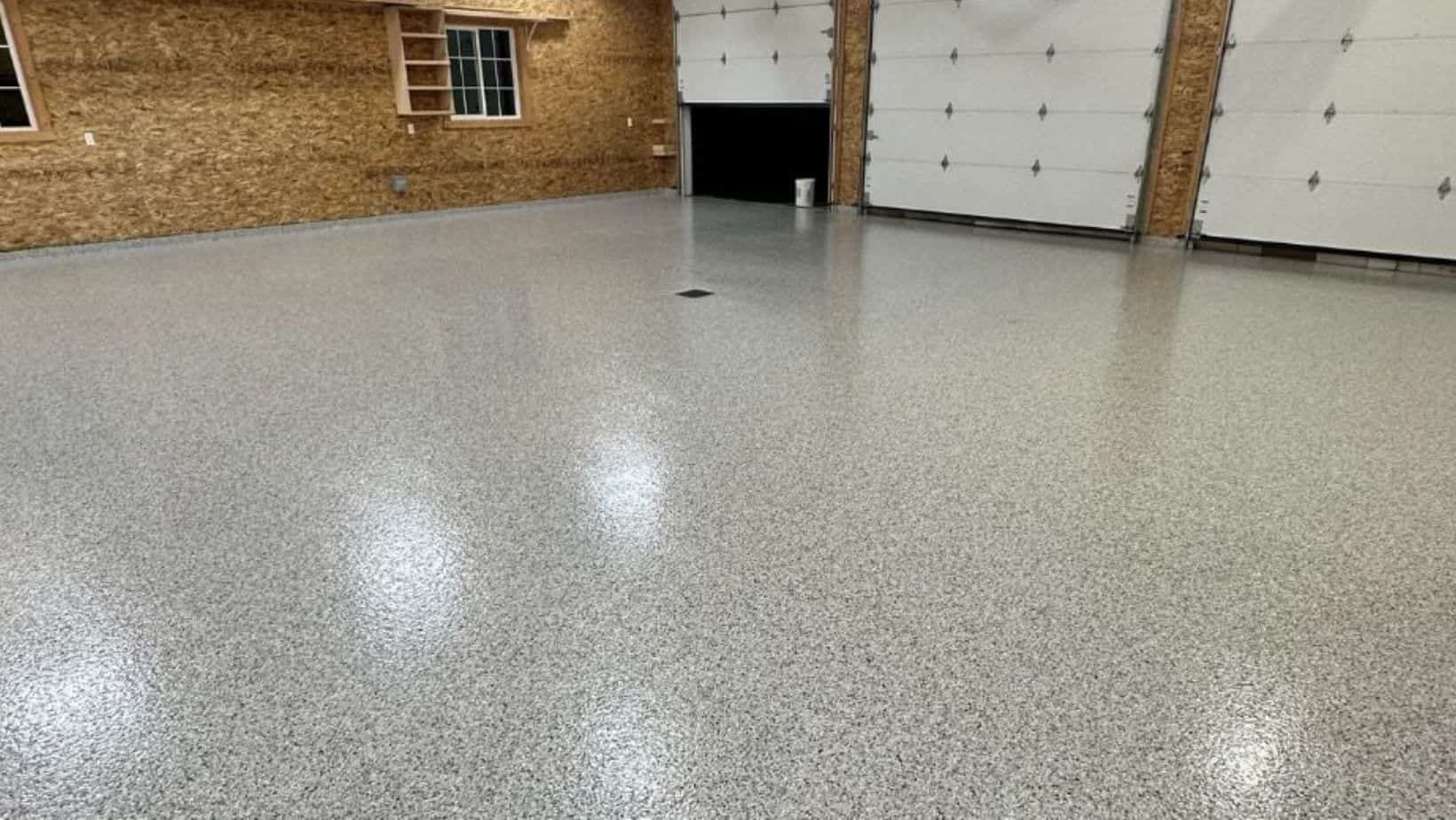
A working floor has a pattern. Tires enter with grit, equipment repeats its turns, fluids find low points, and cleaning reveals what the slab has been carrying. We use that pattern to plan preparation, repairs, and a compatible coating system for your Ada facility before we discuss the finish itself.
Service Overview
Ada facilities can include workshops, agricultural buildings, storage floors, fleet rooms, and small commercial slabs. Each may put different demands on the concrete. We ask where equipment travels, where grit collects, what gets spilled, how the floor is cleaned, and which areas must remain accessible.
That information gives the estimate a useful starting point. Diamond grinding, concrete repair, moisture review, and the coating layers should respond to the building rather than to a product label alone.
Benefits
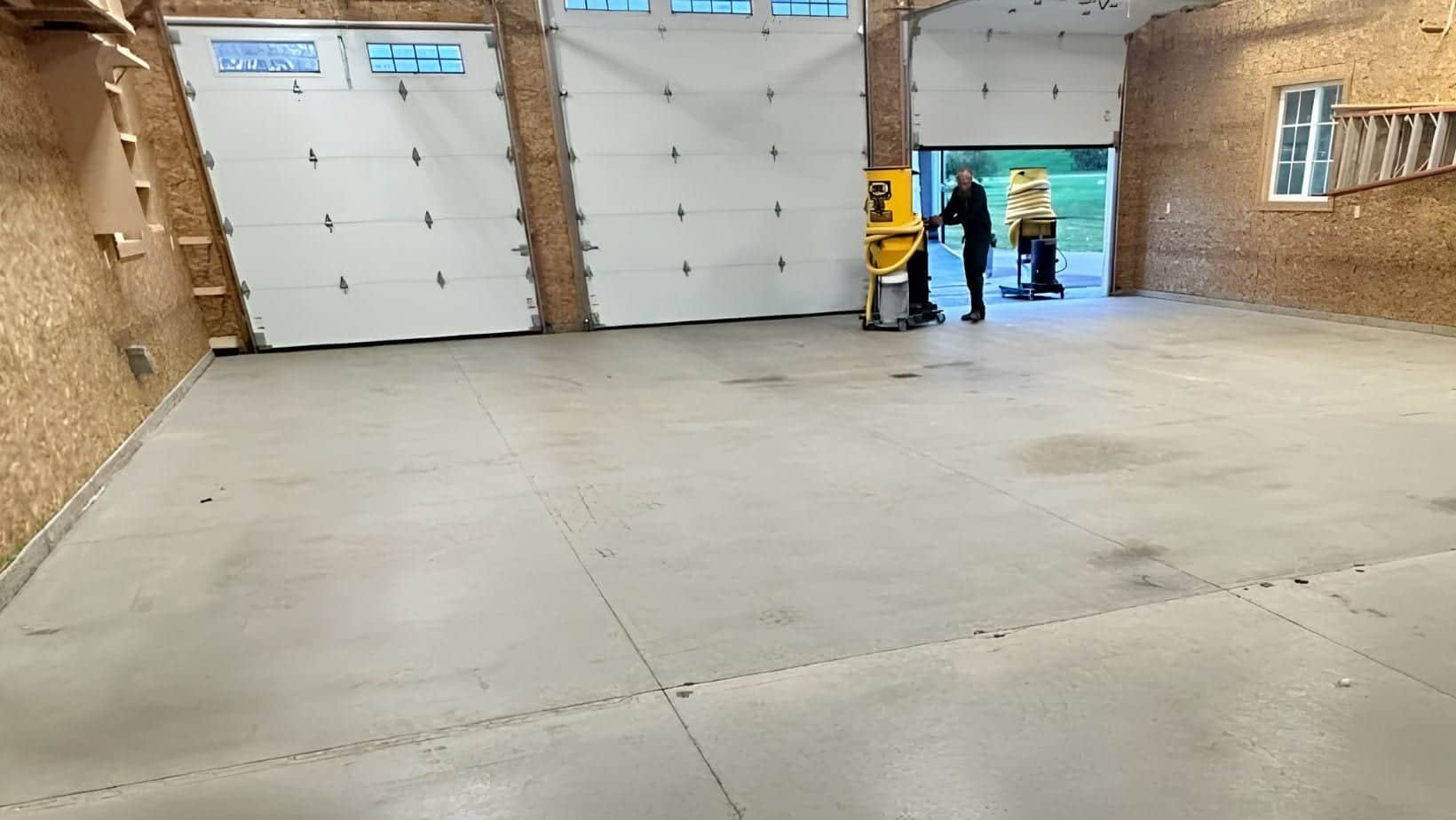
A coating is most useful when its preparation, finish, and care expectations match the way the facility operates. In Ada, that may include winter grit, wet cleaning, equipment movement, and older concrete.
A consistent finished surface can make travel lanes, turning areas, and work zones easier to read. The expected traffic still determines the preparation and system discussion.
Oil, water, agricultural residue, cleaning agents, and other fluids each deserve a plain conversation. We use those details when discussing compatible materials and maintenance for the facility.
Grit and repeated movement can concentrate wear at doors, turns, thresholds, and equipment stations. Identifying those locations helps keep the scope tied to actual use.
Wet cleaning and spring moisture affect access, preparation, and care. Planning for water use early helps the finished surface serve the maintenance routine without overlooking the slab.
Cracks, spalls, joints, old coatings, and contamination are concrete conditions, not cosmetic details. We separate those findings from the finish conversation before coating work begins.
Color, texture, and sheen can help a room feel organized and make debris or spills easier to notice. Finish choices should support cleaning and visibility as well as appearance.
Installation Process
Our sequence connects the concrete to the facility's routine. We review the working conditions first, then prepare, repair, install, and explain the finished floor before it returns to service.
Step 1
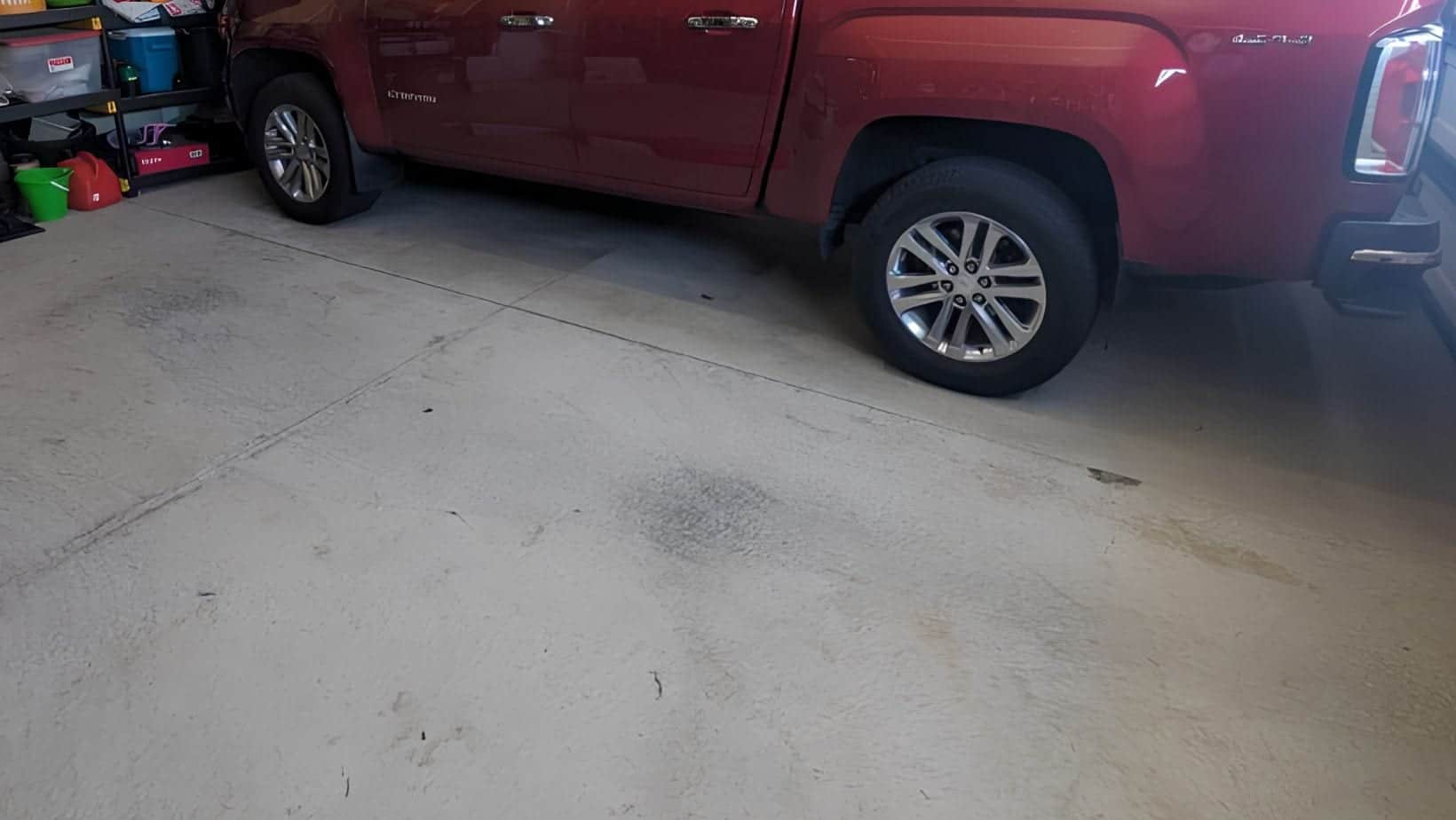
We begin with the slab's history and the facility's routine. Tell us about equipment, vehicle wheels, storage, spills, cleaning, thresholds, drains, active work zones, and areas that cannot be disturbed. Those observations help distinguish surface wear from conditions that need preparation or repair.
Step 2
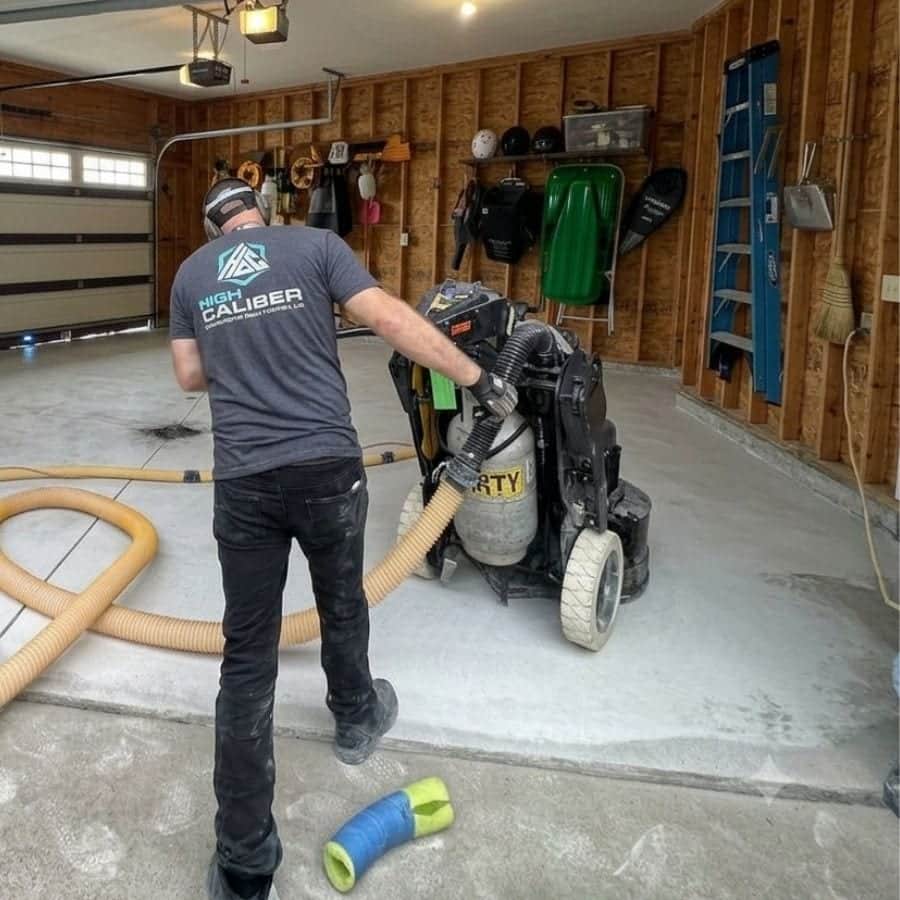
Next we translate the work pattern into a practical scope. We consider traffic intensity, abrasive grit, fluid contact, wash-down expectations, seasonal moisture, access, and the order in which rooms or equipment can be released. The plan should fit the building's operating rhythm.
Step 3
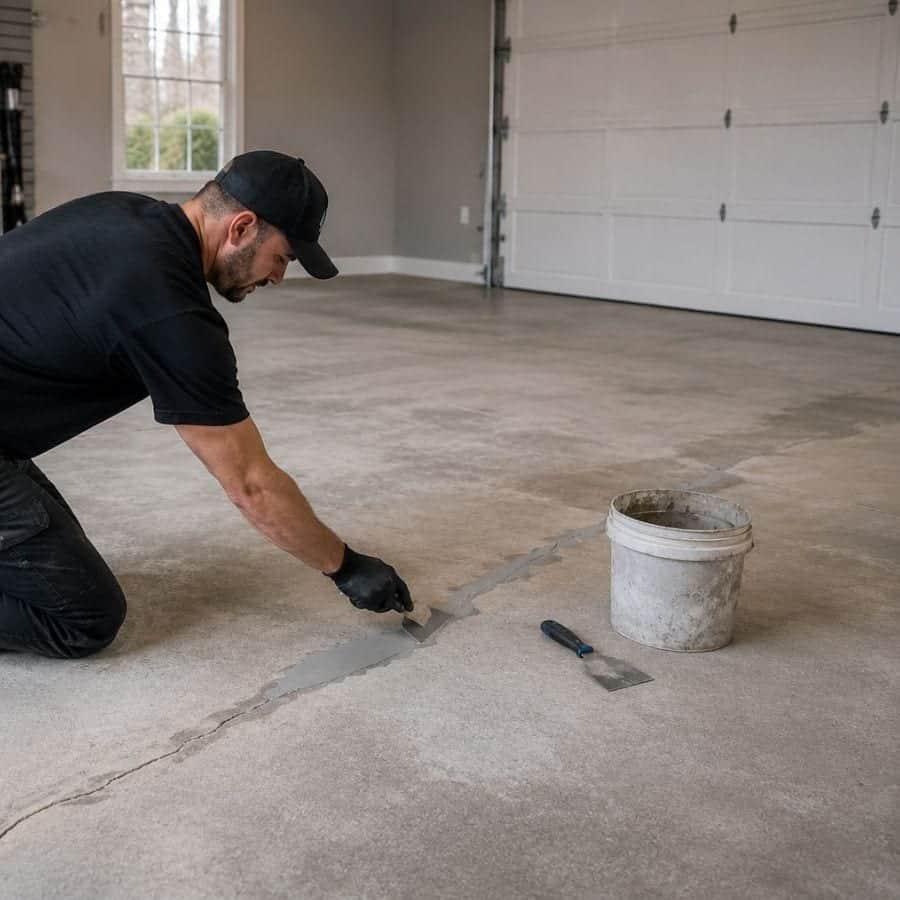
Preparation changes what the team can learn about the slab. As the surface is mechanically opened, old residue, weak areas, and uneven absorption become easier to identify before the next layer is chosen. We work through perimeters and transitions with dust control in the plan, then use those findings to confirm the repair and coating scope.
Step 4
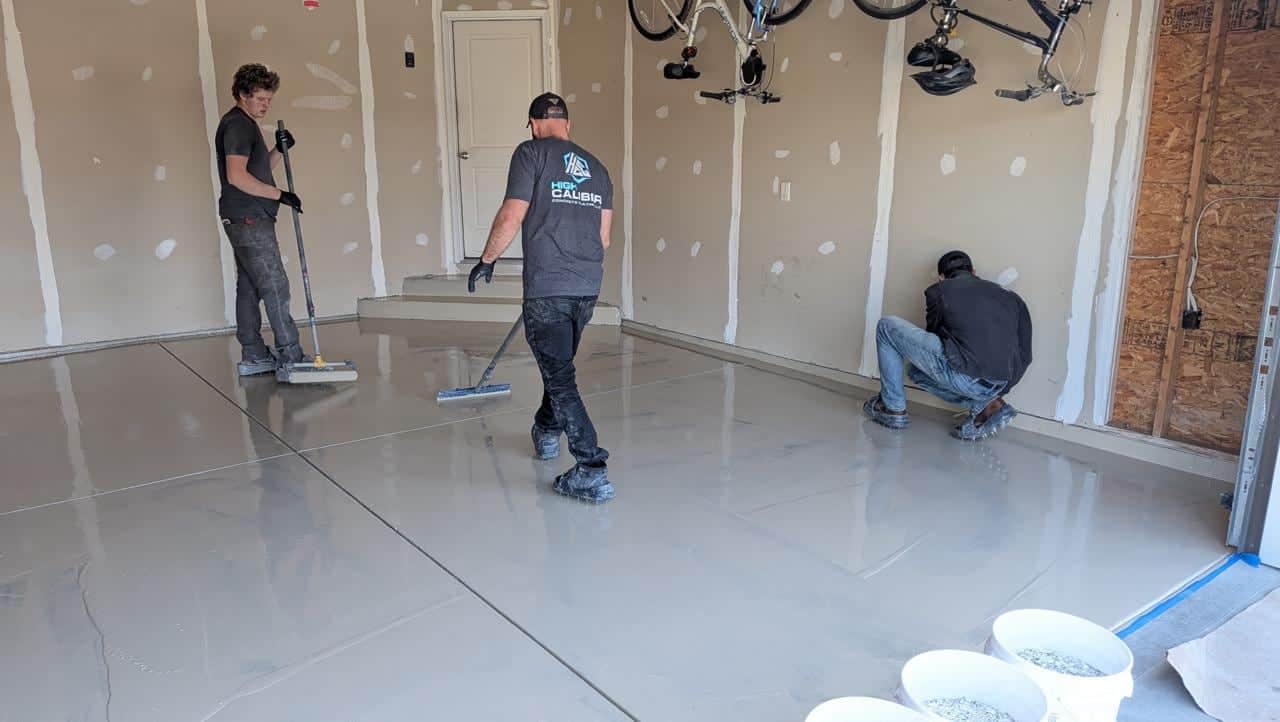
We use the prepared surface to decide which findings belong in the repair scope. Cracks, spalls, joints, weak areas, and remnants of prior coatings may change the work. We discuss repairs as part of the base condition while keeping expectations realistic about movement and future maintenance.
Step 5
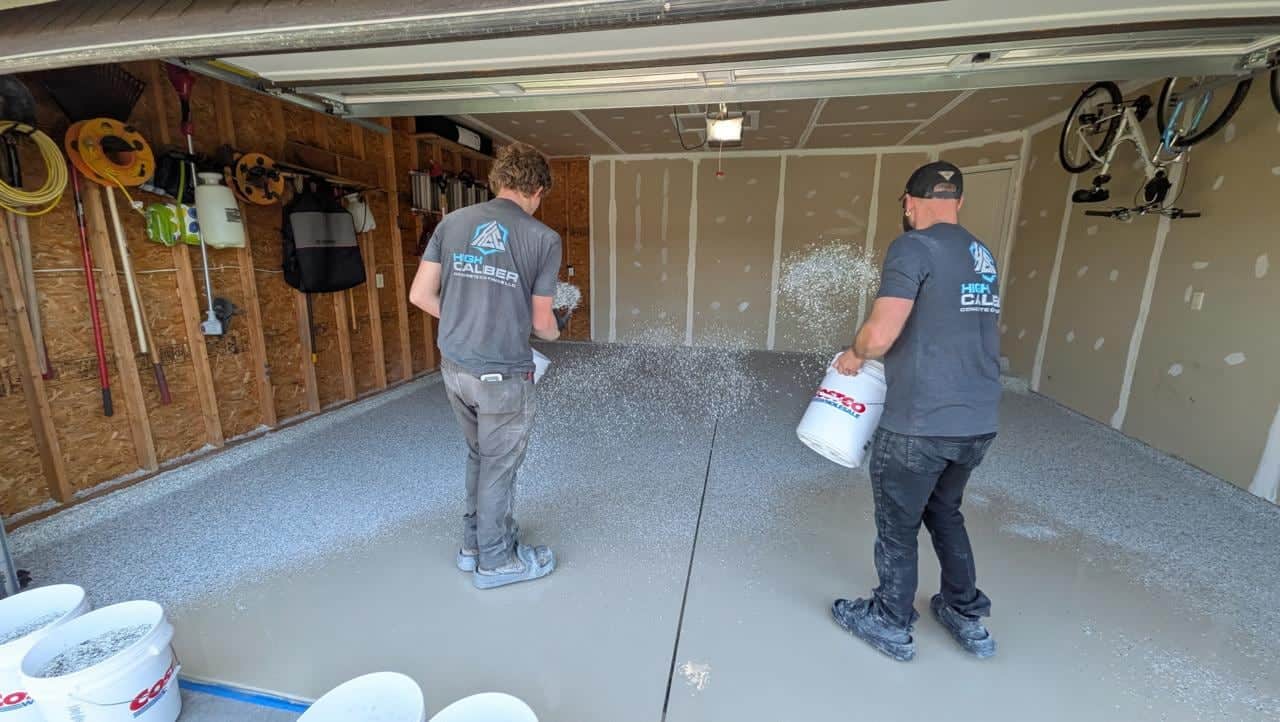
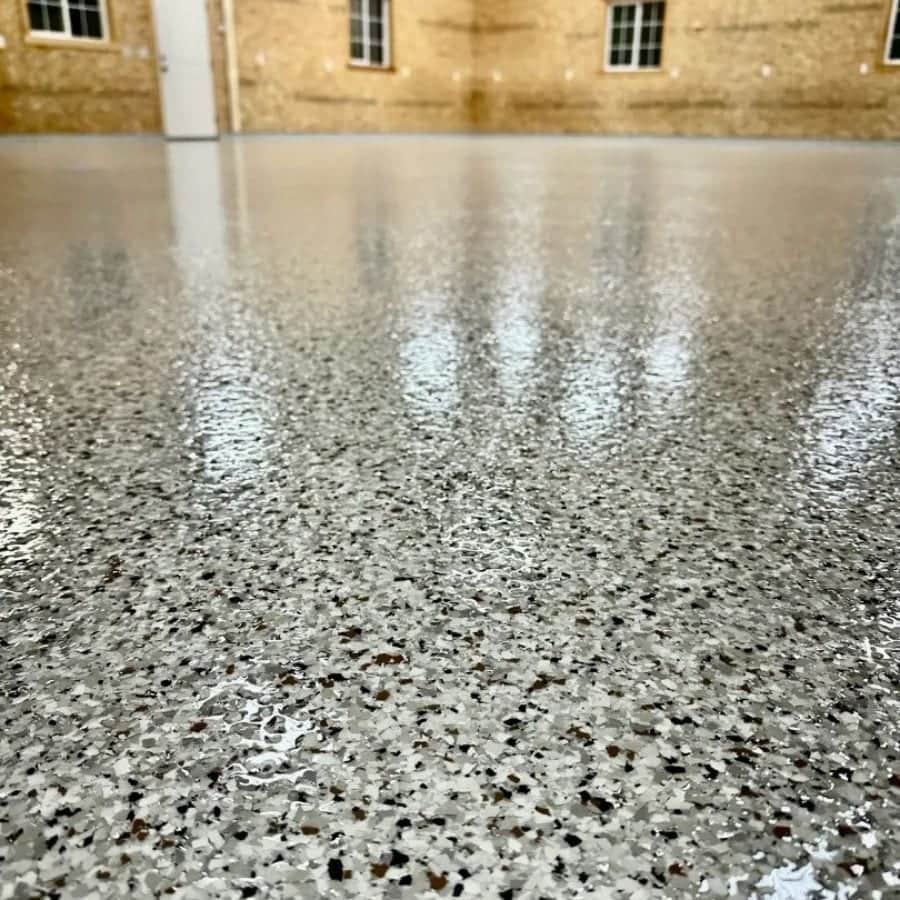
The base layer is selected to bond with prepared concrete and build the system; in our hybrid approach, epoxy commonly performs that job. Polyurea or polyaspartic can take a compatible role in the planned finish and exposure. Optional decorative flake or texture remains part of the system, not a substitute for preparation.
Step 6
Before the area is put back to work, we review the finished surface, access expectations, cleaning approach, and care questions. The handoff should account for equipment movement and active areas so the facility knows how to use the floor responsibly.
Why High Caliber
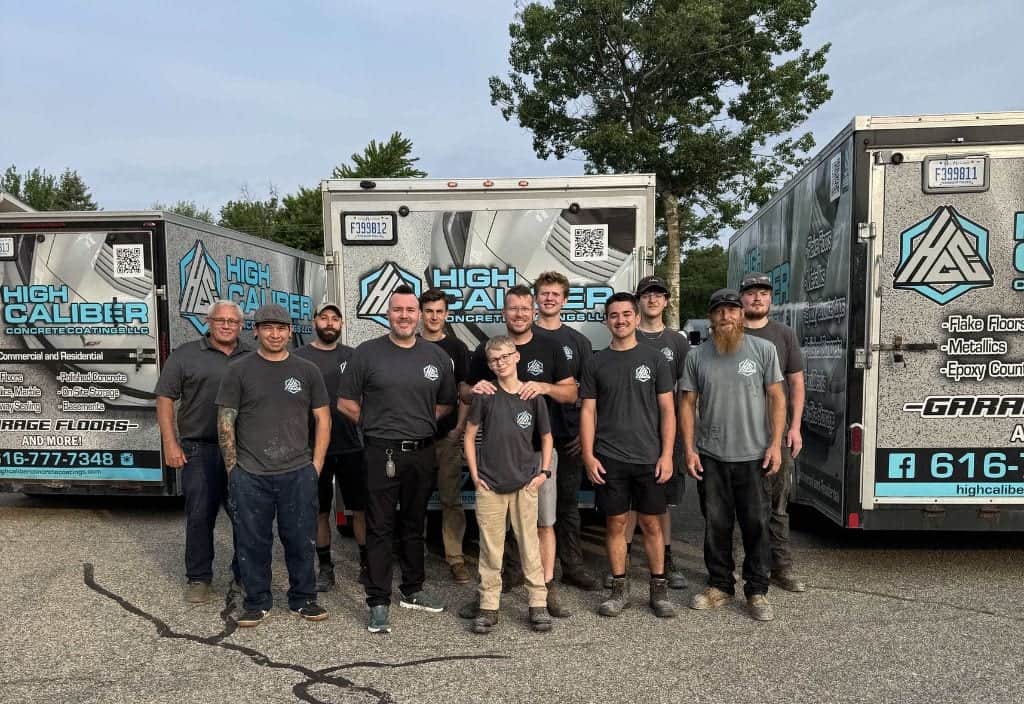
High Caliber is a family-owned West Michigan company based in the Holland and Zeeland area. We bring the industrial question back to the concrete and the work taking place above it: what enters, what moves, what contacts the slab, and what must happen before the room is active again.
Our hybrid approach gives epoxy and polyurea purposeful roles. We also discuss polishing, penetrating sealing, or another preparation and protection path when keeping the existing slab visible makes more sense.
Customer Reviews
“Would highly recommend. No pressure sales, quality product, great communication and quality installation. I met Jeff at the home show. I was drawn into his booth by his very enthusiast kids. I got the immediate impression this was a family oriented business and that was reinforced by the conversation with both Jeff and his young son. These values drew me to this business. I signed up for a quote. Shortly after the show Jeff came to my home to present options and provide a quote. No pressure to buy, Jeff understood I needed to get thru tax season before I could be sure about my budget. Over the course of next few months Jeff was responsive to any questions I had and we got the job scheduled. Jeff provided a trailer in the quote to store contents of garage while job was being done, which was very helpful. When talking with others about the quote I learned my price was equal to or less than what neighbors had paid up to six years ago, so I felt this was good pricing. I had thought there would be a ton of dust and a big mess when grinding surface, but the machines had a vacuum attached, clean and efficient work. I was impressed that they coated steps and side walls as well as floor. No mess on drywall or driveway. Crew doing installation were great guys. They took time to fill me in on the process of installation, what to expect, how long for surface to cure and when I could empty trailer. Post install Jeff stopped out to grab trailer, filled me in on what to use and how to clean the floor. VERY happy with the whole process from sales to install to follow up. LOVE my new garage.”
“High Caliber's quality and communication was excellent. From the person that visited onsite for an estimate to their crew that performed the service was above normal customer service standards, as they explained the process and timing. My garage floor looks great!”
“Jeff and his team did the most amazing job epoxy floor coating my 38 year old garage floor. Outstanding, professional, skilled, great communication. Highly recommended.”
Ada, Michigan
Ada's Kent County setting combines rural edges, service businesses, workshops, and commercial properties. That mix can bring different kinds of concrete into the same service conversation, from an agricultural building with seasonal moisture to a fleet room that sees grit and repeated wheel paths.
Snow and road salt can arrive at a doorway during winter. Freeze-thaw cycles, spring moisture, and humid air add another reason to discuss the slab before finish selection. A floor that is cleaned often needs a plan for water, access, and the condition beneath the coating.
The useful question is how those conditions affect the next decision. An equipment room may need a different conversation from a storage floor, even when both are concrete. Identifying the busiest threshold, the hardest-to-clean area, and the places where work pauses gives us practical information for preparation and sequencing before an installation sequence and access plan are discussed.
Nearby pages for East Grand Rapids, Grand Rapids, and Caledonia provide broader regional context. Your Ada estimate still needs to follow the rooms, routes, and concrete in your facility.
Entry grit, salt, moisture, and tire traffic can make thresholds and turning areas important parts of the floor review.
Workshops, agricultural processing spaces, storage floors, and fleet rooms can place different demands on one building's concrete.
Wet cleaning, spills, and spring moisture belong in the conversation before the finish and access plan are finalized.
Frequently Asked Questions
That route often shows where winter salt, wet footwear, grit, carts, and tires meet the concrete. Looking at the entry, turning points, and working zone helps us discuss wear and cleaning as connected conditions instead of estimating from square footage alone.
Show us the areas that receive the most movement or cleaning, along with cracks, joints, stains, old coating, thresholds, drains, equipment stations, and places where access is limited. A simple explanation of the daily routine can be as useful as a measurement when we are defining preparation.
The hybrid system is planned as a sequence rather than a single bucket of material. Epoxy may provide the bond and build foundation over prepared concrete, while polyurea or polyaspartic can be selected for a compatible finishing role. Exposure, use, and maintenance help determine which layer does which job.
Yes. A storage area, fleet room, workshop, and agricultural processing space may differ in traffic, fluid contact, cleaning, equipment, and access. One conversation can cover the building while the scope still recognizes distinct work zones and concrete conditions.
The exposed condition is discussed before the finish sequence is treated as final. Unsuitable material, contamination, weak concrete, and residue may require additional preparation or a revised scope. We keep that finding visible so the estimate does not assume a clean, uniform slab without evidence.
Describe how often water is used, where it collects, how the area dries, and whether spring moisture reaches the slab. Those details affect preparation, access, material selection, and care. A coating can support a maintenance routine only when the concrete and the system are considered together.
Diamond grinding prepares the surface by removing unsuitable material and creating a profile for the selected system. It is not structural repair and should not be presented as a guarantee of a perfectly level floor. Cracks, spalls, joints, and other findings receive their own evaluation.
Access planning should begin before installation. We can discuss work zones, equipment movement, cleaning, transitions, cure expectations, and the order in which areas may be released. The practical arrangement depends on the building and its operations, so we do not assign a universal schedule without those details.
Related Services
Industrial coating is one way to plan a working slab. These related services can help clarify preparation, finish, and moisture questions before you choose a direction.
Review the mechanical preparation that creates a suitable profile for many coating systems.
Learn moreCompare mechanically refining the existing slab when a film coating is not the goal.
Learn moreExplore a penetrating sealer when protection with a more natural concrete appearance fits the use.
Learn moreLearn how polyurea may contribute a role within a compatible industrial coating sequence.
Learn moreBring moisture concerns into the planning conversation before coating the concrete.
Learn moreGallery And Visual Proof
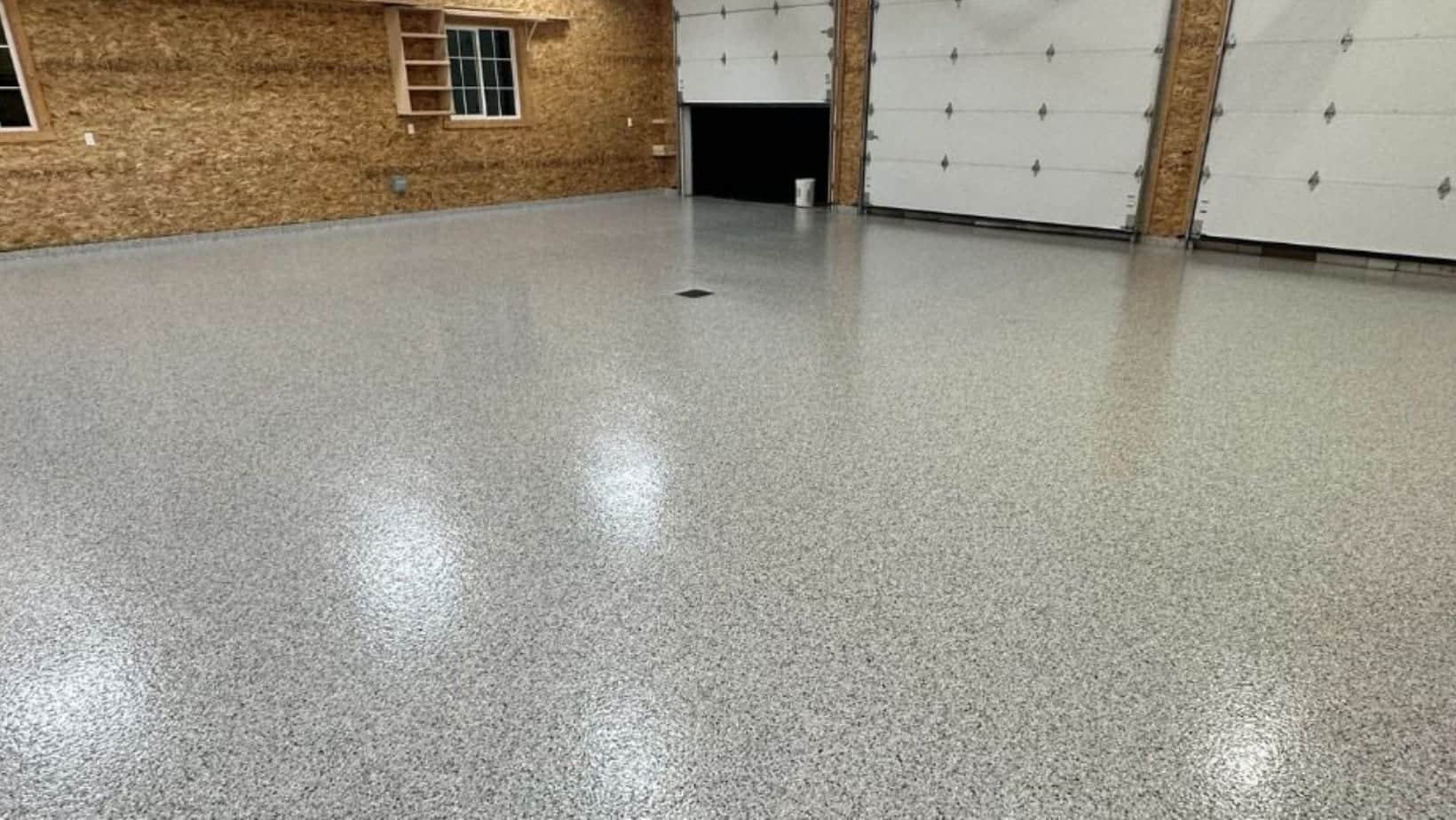
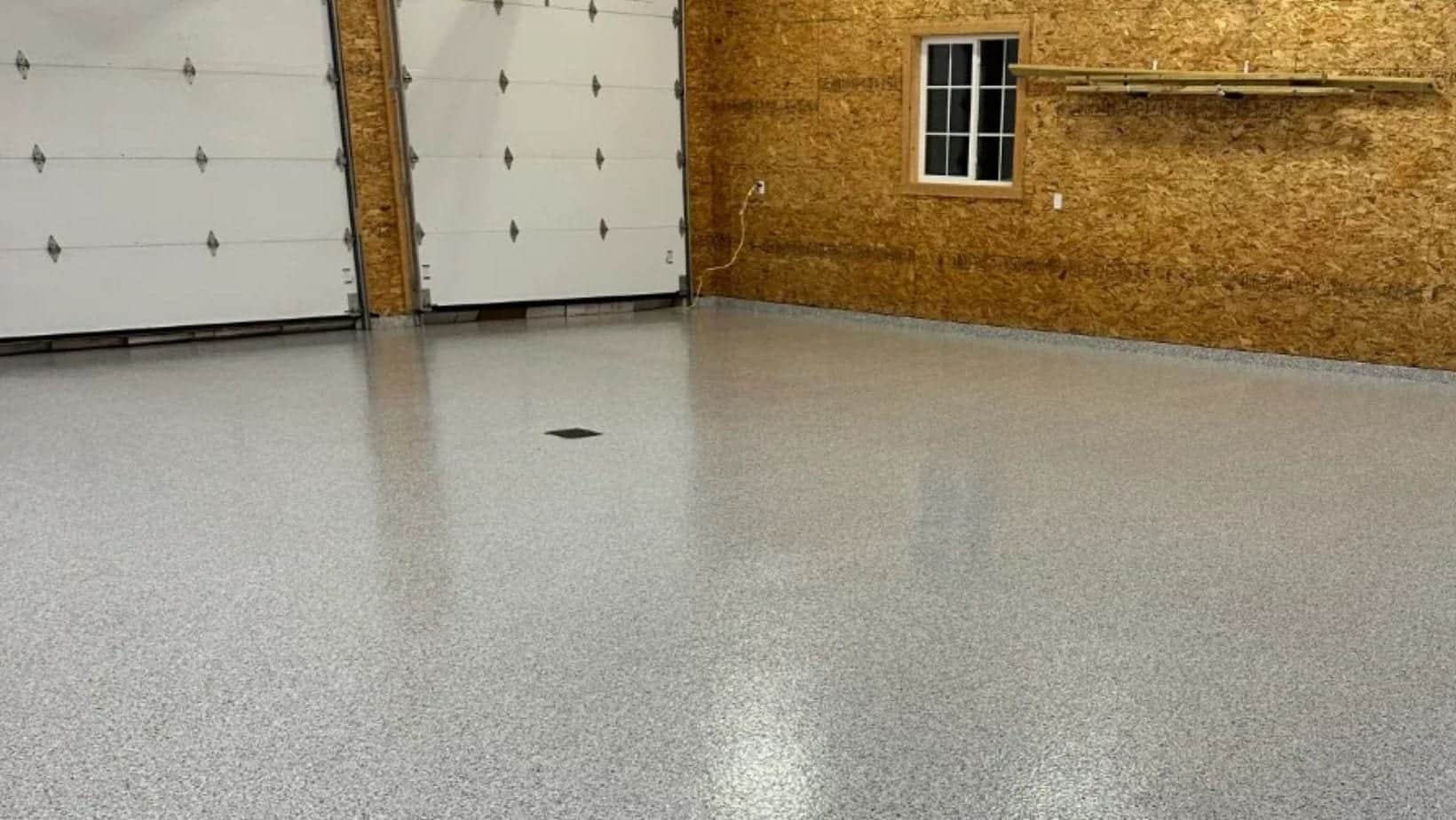
These images show concrete preparation, coating work, and finished surfaces from the High Caliber image library. They are not presented as Ada project photos.
Free Project Quote
Tell us about the space and we will follow up with a clear recommendation and quote conversation.
Phone
Business Hours
Free Estimate
Tell us what enters the building, where equipment turns, what reaches the concrete, how the space is cleaned, and which areas need careful access planning. We will use those details to discuss preparation, repairs, compatible layers, and a finish that fits the facility.
Start with the floor as it is used today. A clear conversation gives the next decision a better foundation and a more useful scope.