
Clearer Paths Through Busy Areas
A uniform finished surface can make forklift routes, cart movement, foot traffic, and equipment turns easier to read during everyday work and maintenance during each shift and scheduled cleanup.
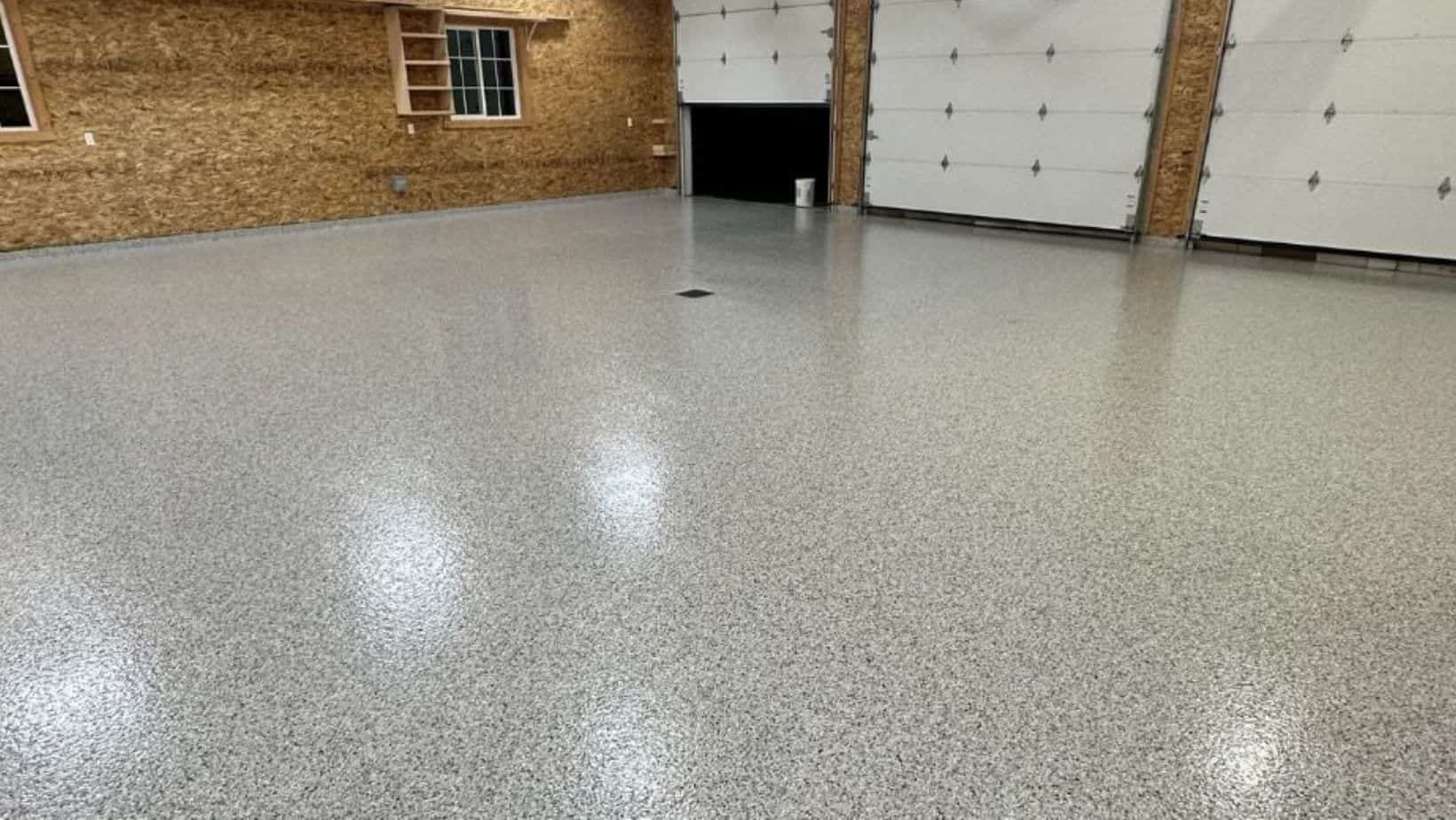
A Fennville work floor records what arrives from outside, what rolls across it, what spills, and how the space gets cleaned. We use those clues to plan concrete preparation, repairs, compatible coating layers, and a practical path back to service for your facility. It is a facility decision, not merely a color selection.
Service Overview
Industrial concrete in Fennville may serve an agricultural building, storage room, workshop, fleet space, or service floor. Each use leaves different evidence: organic grit near an entry, tire paths through a turning area, fluid contact beside equipment, or water collecting during cleanup. High Caliber starts with that evidence instead of selecting a finish from a sample alone.
We review the slab, identify preparation and repair needs, then discuss a hybrid epoxy and polyurea system when it fits. Epoxy can provide adhesion and build in the base layer, while polyurea can serve a compatible topcoat role. The right chemistry belongs in the right layer, with facility use guiding the decision.
Benefits
A coating plan becomes more useful when it answers practical questions about movement, exposure, cleaning, and the concrete underneath. These are the outcomes we discuss before the finish is chosen.
A uniform finished surface can make forklift routes, cart movement, foot traffic, and equipment turns easier to read during everyday work and maintenance during each shift and scheduled cleanup.
Oil, process fluids, organic residue, and tracked road salt each deserve a place in the discussion before compatible coating layers are selected, along with the cleanup products used in the area.
Grit and repeated wheel movement can wear a floor differently from a quiet storage area, so the estimate distinguishes routes, turning points, and edges before the finish is asked to carry that load.
Wash-down needs, drainage, drying, and access around wet work affect the scope. Planning those details early makes the finished surface easier to maintain before installation and during ongoing floor care.
Cracks, spalls, joints, contamination, and worn areas are reviewed as concrete conditions, so coating decisions do not hide repair questions and visible defects receive attention before installation begins.
Color, texture, and sheen can support a work zone, showroom, or service area when appearance serves cleaning, orientation, and the facility's daily use, without making decoration the main design goal.
Installation Process
Our sequence connects the facility's demands to what happens on the slab. The six steps below keep access, preparation, material roles, and care in the same conversation.
Step 1
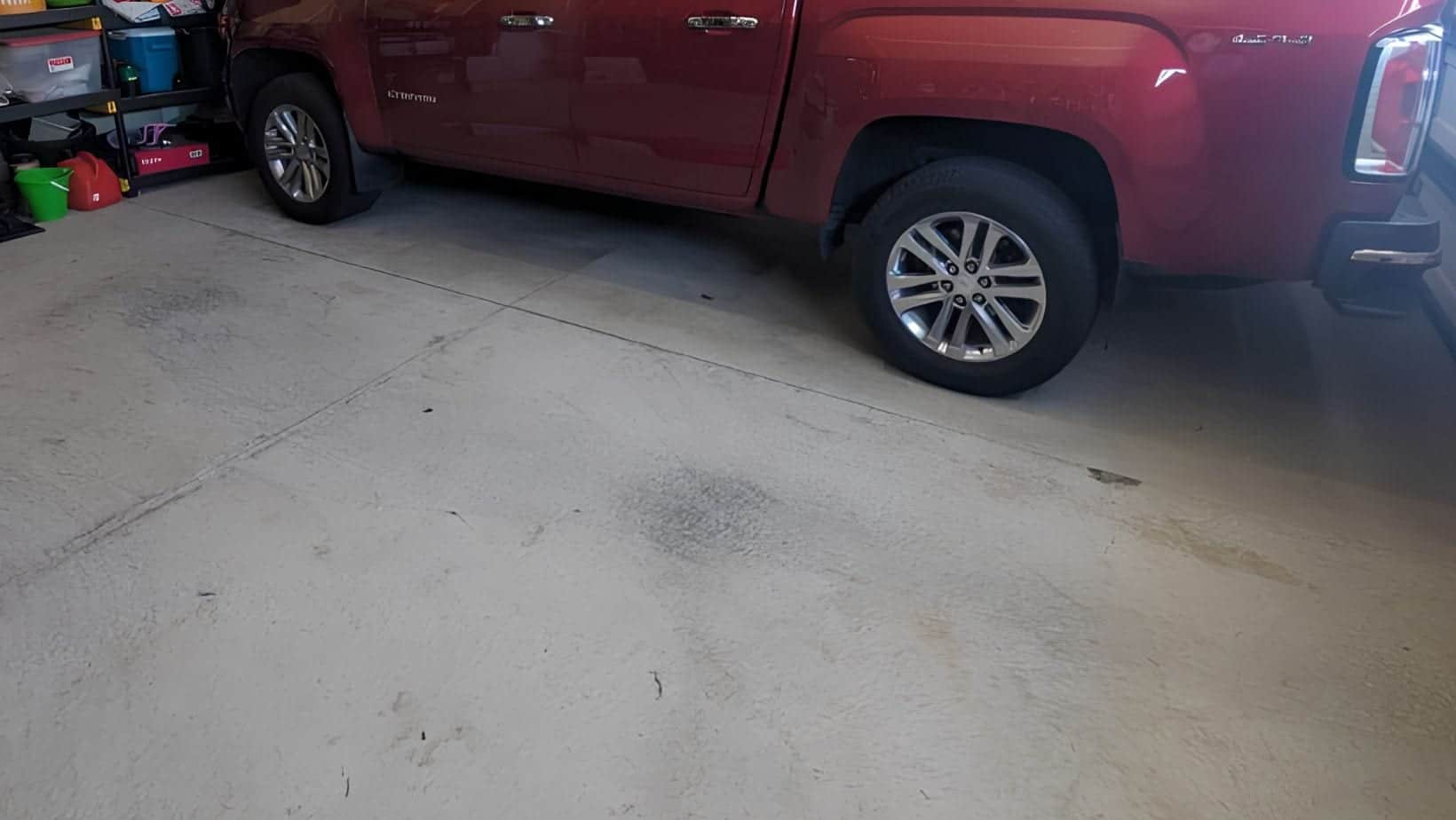
We begin by walking through the proposed area and discussing equipment, traffic paths, storage, fluid contact, organic grit, cleaning routines, and neighboring operations. Cracks, joints, worn concrete, previous coatings, and moisture concerns are recorded as questions for the scope rather than treated as background details.
Step 2
The use of the space sets the working brief. We talk through forklift or vehicle movement, pallet and cart routes, wash-down expectations, spills, road salt, seasonal moisture, and the access window. For a Fennville facility, a workshop may need a different emphasis from a storage room or agricultural processing area.
Step 3
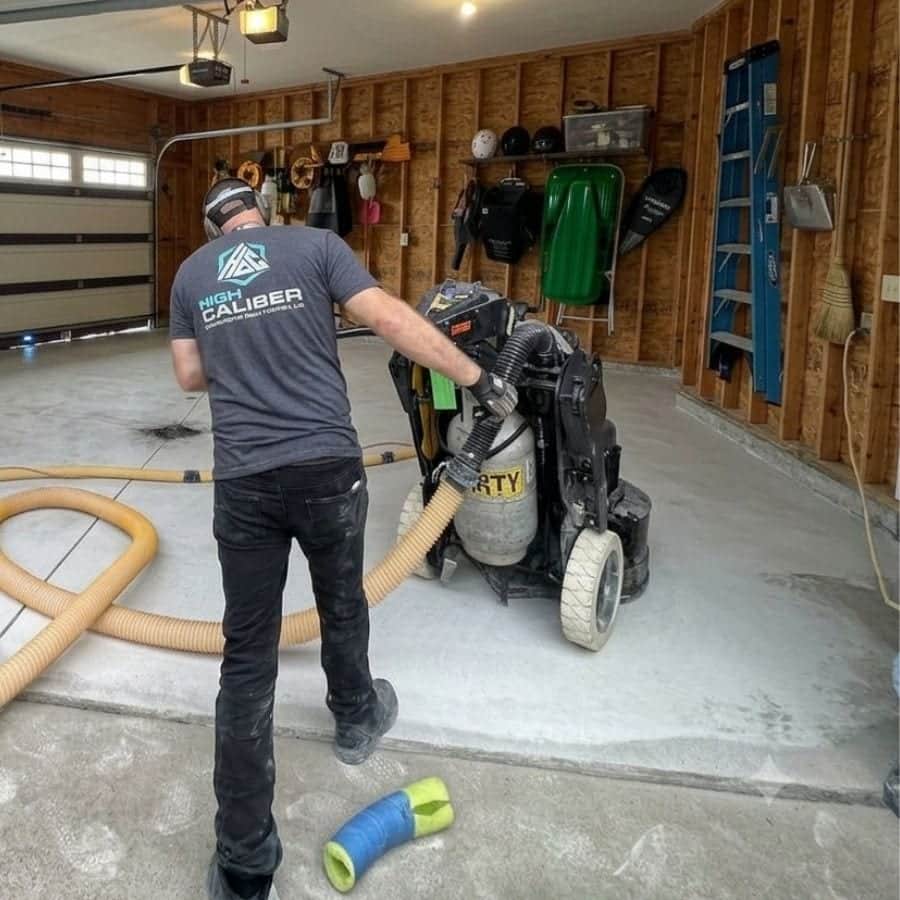
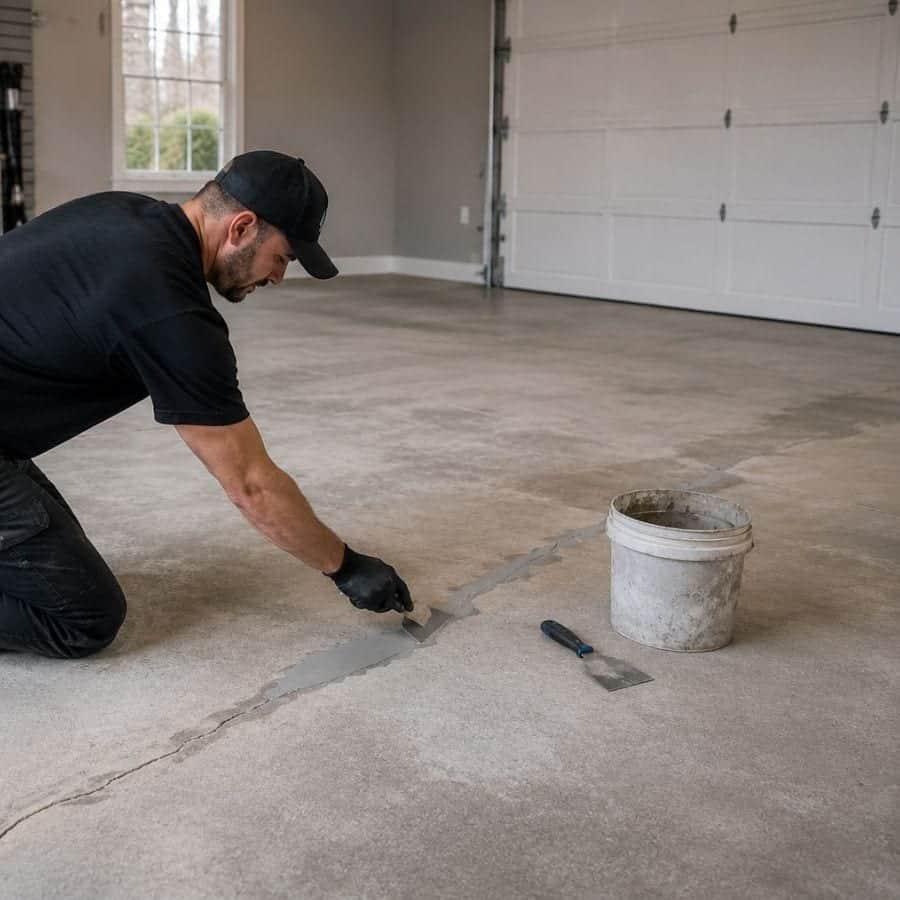
Mechanical profiling gives the specified layers a prepared surface to grip. We account for edges, corners, thresholds, dust control, and equipment zones. Grinding is preparation, not a promise to level the building or correct structural movement, so the slab findings remain part of the estimate.
Step 4
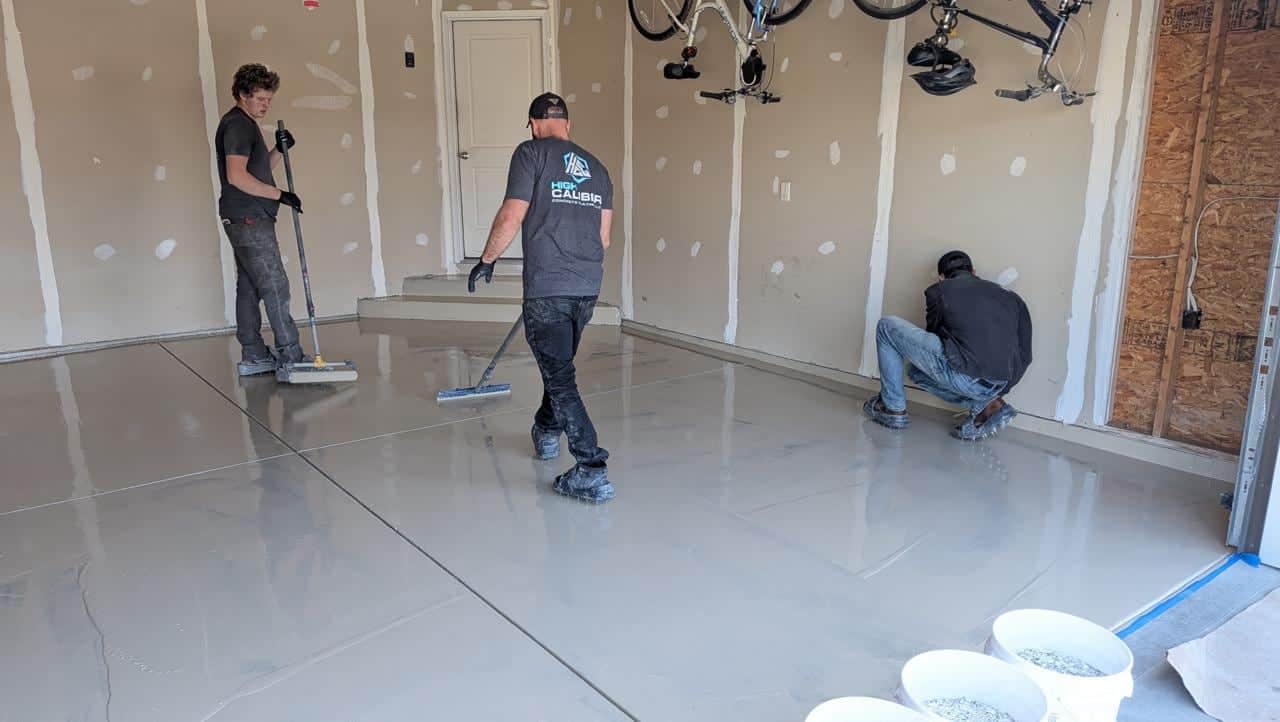
After preparation exposes the concrete more clearly, we address the repair items included in the plan. Cracks, spalls, joints, weak areas, and contamination may require different treatment. We explain what the repair can accomplish and keep expectations realistic when seasonal movement or moisture remains part of the slab's environment.
Step 5
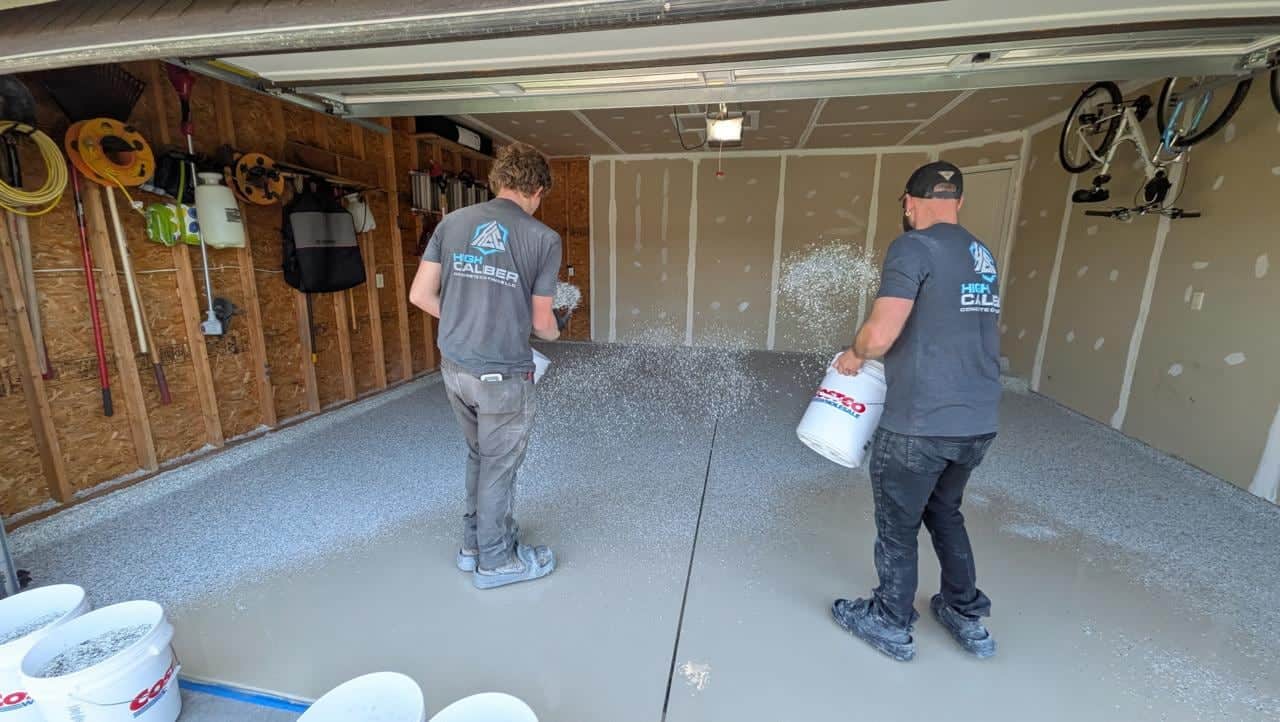
The selected layers are installed in a compatible order over the prepared concrete. In a hybrid system, epoxy may provide basecoat adhesion and build, with polyurea serving a purposeful topcoat role where it fits the exposure and use. Decorative flake or texture is considered only when it supports the requested finish and maintenance plan.
Step 6
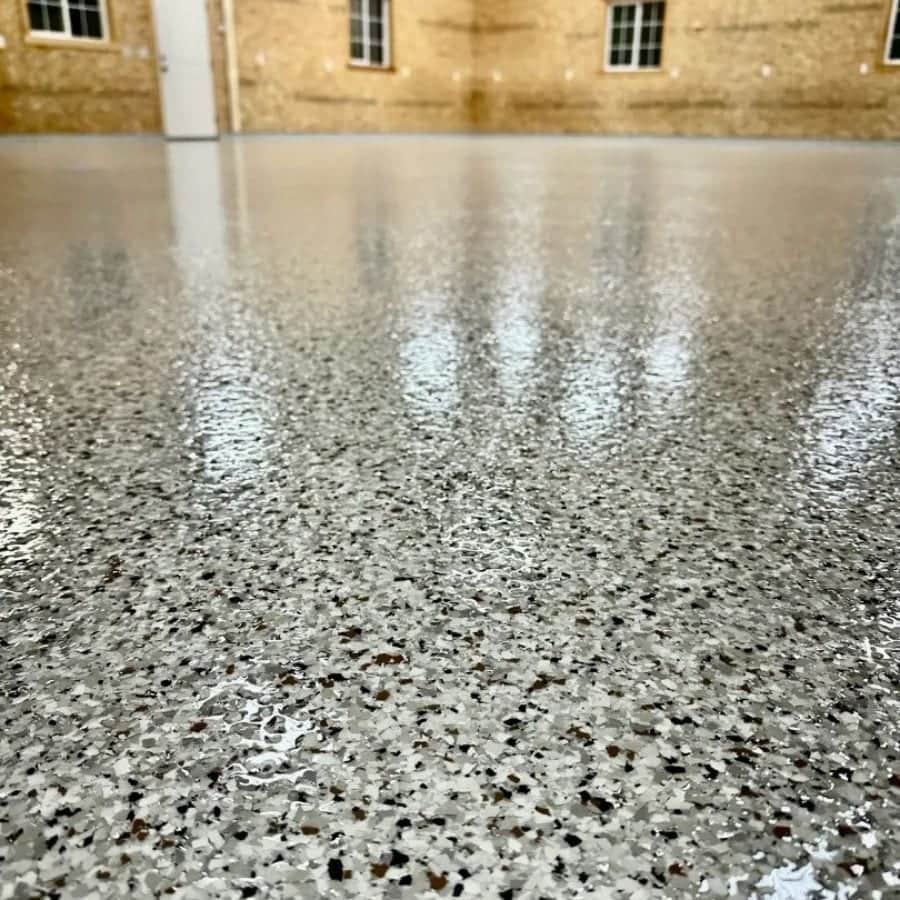
Before the area returns to work, we review the finished surface, access expectations, curing guidance, cleaning, and routine care. The handoff also gives the owner a chance to raise transitions, equipment movement, wet areas, and maintenance questions while the installation details are still fresh.
Why High Caliber
Our Holland and Zeeland area base keeps the team connected to West Michigan facilities. For an industrial floor in Fennville, we bring the useful questions to the estimate: what crosses the slab, what reaches it, how it is cleaned, where repairs are needed, and how the facility can make room for the work.
That approach keeps a coating from being treated as a standalone product. We can explain the role of preparation, the purpose of each compatible layer, and when polishing or a penetrating sealer may deserve comparison. The goal is a clear scope that respects the concrete and the operation around it.
Customer Reviews
“Would highly recommend. No pressure sales, quality product, great communication and quality installation. I met Jeff at the home show. I was drawn into his booth by his very enthusiast kids. I got the immediate impression this was a family oriented business and that was reinforced by the conversation with both Jeff and his young son. These values drew me to this business. I signed up for a quote. Shortly after the show Jeff came to my home to present options and provide a quote. No pressure to buy, Jeff understood I needed to get thru tax season before I could be sure about my budget. Over the course of next few months Jeff was responsive to any questions I had and we got the job scheduled. Jeff provided a trailer in the quote to store contents of garage while job was being done, which was very helpful. When talking with others about the quote I learned my price was equal to or less than what neighbors had paid up to six years ago, so I felt this was good pricing. I had thought there would be a ton of dust and a big mess when grinding surface, but the machines had a vacuum attached, clean and efficient work. I was impressed that they coated steps and side walls as well as floor. No mess on drywall or driveway. Crew doing installation were great guys. They took time to fill me in on the process of installation, what to expect, how long for surface to cure and when I could empty trailer. Post install Jeff stopped out to grab trailer, filled me in on what to use and how to clean the floor. VERY happy with the whole process from sales to install to follow up. LOVE my new garage.”
“High Caliber's quality and communication was excellent. From the person that visited onsite for an estimate to their crew that performed the service was above normal customer service standards, as they explained the process and timing. My garage floor looks great!”
“Jeff and his team did the most amazing job epoxy floor coating my 38 year old garage floor. Outstanding, professional, skilled, great communication. Highly recommended.”
Fennville, Michigan
Fennville's Allegan County setting brings together processing, farm support, workshops, small commercial spaces, and storage needs. A floor may receive organic grit from an agricultural building, tire wear from a fleet area, or residue and water from routine cleanup. Those conditions make the entry, work path, and cleaning point useful places to begin the conversation.
Seasonal moisture, freeze-thaw cycles, snow, road salt, and summer humidity also shape concrete maintenance. Water can arrive with vehicles and boots, while salt and grit can collect near thresholds. We include those conditions in the review without pretending that a coating removes every maintenance responsibility or solves movement in the slab. Nearby Saugatuck, Douglas, and Allegan are part of the surrounding service-area context, while this page stays focused on Fennville.
The property mix matters too. A storage room may value visibility and simple upkeep, while a service floor may need closer attention to fluid contact, turning wheels, and equipment access. We can compare the needs of separate areas before treating the whole building as one identical surface. That comparison keeps the estimate useful when one building contains several working rhythms, access limits, and concrete histories at once.
Organic grit, snow, road salt, moisture, and tracked debris can influence the concrete conversation at doors and loading points.
Equipment traffic, fleet movement, spills, abrasion, and wash-down needs help define the preparation and finish discussion.
A useful scope accounts for cleaning, access, visible wear, repair areas, and the expectations attached to each working zone.
Frequently Asked Questions
Note where forklifts, carts, vehicles, and people travel; where grit, salt, water, or fluids enter; and which areas need regular cleaning. Photos and a simple floor sketch can help explain thresholds, turning points, joints, equipment zones, and the access limits around an agricultural, storage, workshop, or service space.
Yes. A storage room, fleet area, workshop, and processing support space may have different traffic, exposure, moisture, and cleaning patterns. We can discuss those zones separately so the scope reflects how each area is used. That does not automatically mean different materials everywhere, but it keeps the decision tied to actual conditions.
Grit acts as an abrasive when it is carried under wheels, boots, carts, or equipment. It can also collect at edges and thresholds. Identifying where it comes from helps us think about cleaning, preparation, traffic paths, and the finish's maintenance needs instead of treating visible wear as a purely cosmetic issue.
High Caliber uses a hybrid approach when it fits the project. Epoxy can provide adhesion and build in the basecoat, while polyurea can serve a compatible topcoat role. The point is not to dismiss epoxy or force one material into every layer. We match chemistry to the layer, exposure, finish, and use.
Diamond grinding prepares the surface by removing unsuitable material and creating the profile needed for the specified coating. It is not structural repair or a guarantee of a perfectly level slab. After preparation, cracks, spalls, joints, weak areas, old coatings, and contamination can be evaluated and included in the repair plan.
Describe how often the area is washed, where water travels, how it dries, and whether snow, salt, or spring moisture enters the building. Those details affect access, preparation, maintenance, and the coating conversation. A finished floor still needs appropriate cleaning and care, and moisture concerns should be discussed before the system is selected.
That comparison can be useful. Polishing mechanically refines the concrete itself and does not apply a film coating. A penetrating sealer protects by entering the concrete rather than creating the same layered surface as a coating. Traffic, exposure, appearance, moisture, and maintenance goals determine which path deserves closer review.
Access planning should be part of the estimate. Tell us about equipment that cannot move, adjacent operations, work zones, cleaning windows, and the desired return to service. We can use that information to discuss staging and transitions, while keeping cure and site-specific conditions in the schedule conversation.
Related Services
Industrial coating is one option among several concrete strategies. These related services help frame preparation, chemistry, finish, and moisture questions for a Fennville facility.
Review the mechanical preparation that helps a coating bond to a properly profiled concrete surface.
Learn moreExplore the polyurea role that may fit as part of a compatible hybrid coating system.
Learn moreConsider a UV-stable finish conversation where exposure and appearance belong in the scope.
Learn moreExplore polishing when the slab itself should become the visible finished surface.
Learn moreReview penetrating protection when a natural concrete appearance matters more than a film coating.
Learn moreGallery And Visual Proof
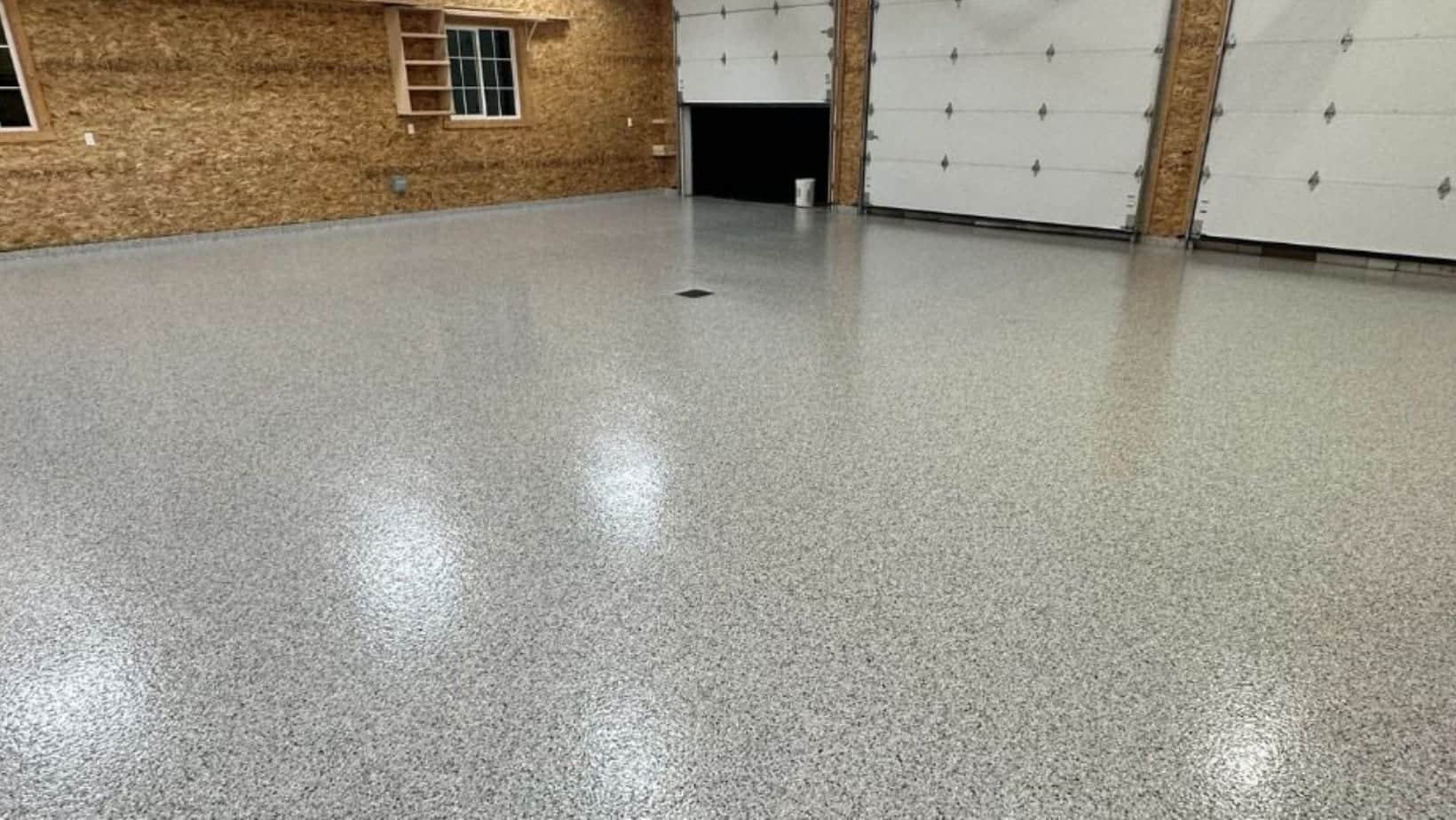
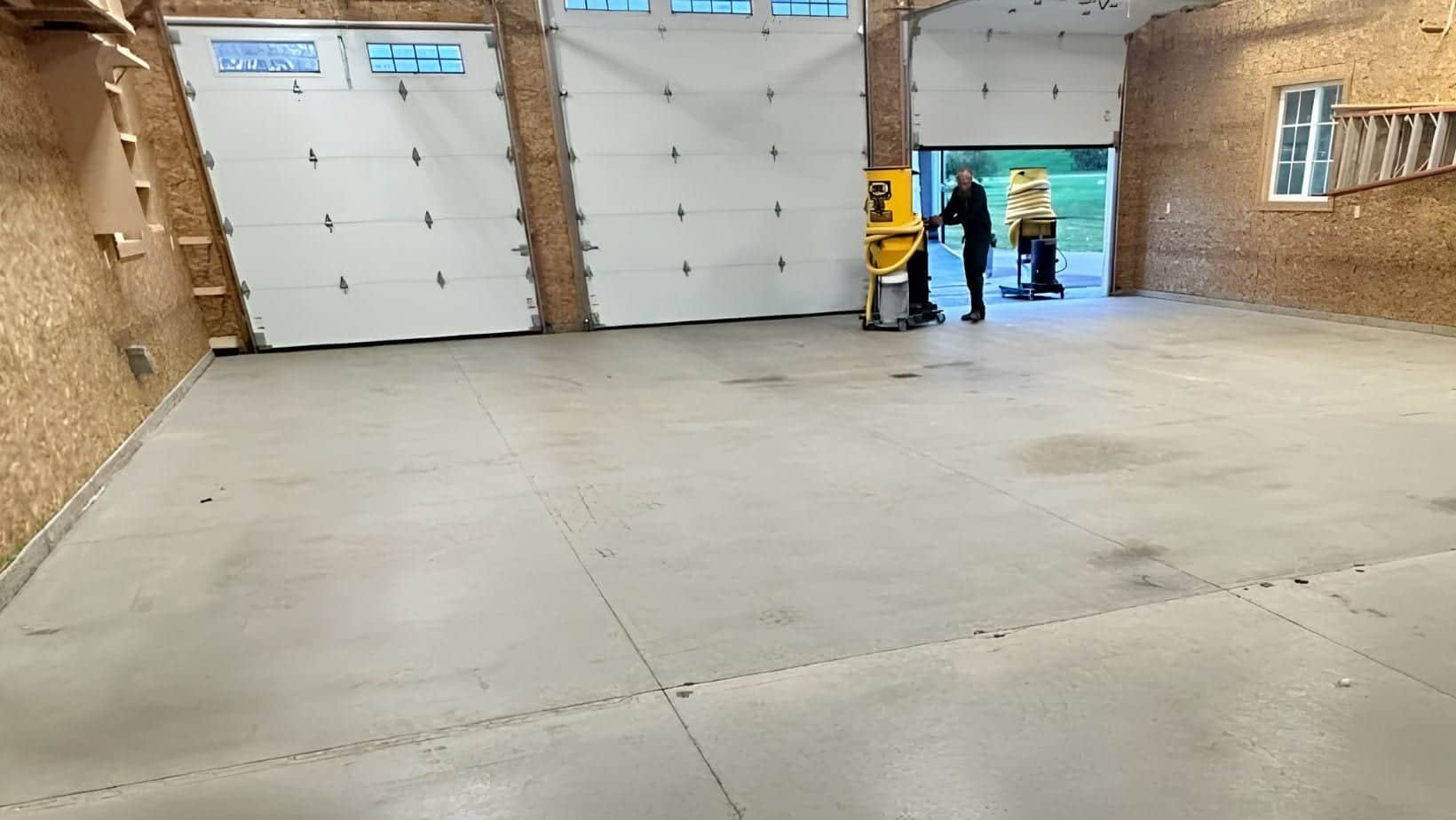
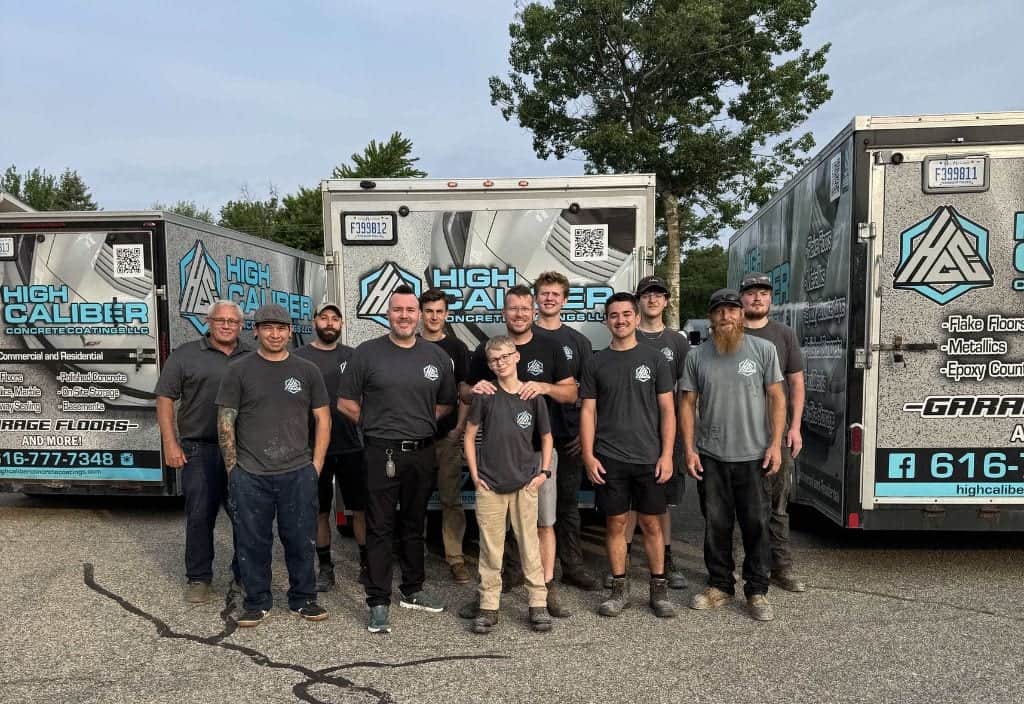
These images show examples of floor preparation and finished surfaces from the existing High Caliber library. They are not presented as Fennville project photos.
Free Project Quote
Tell us about the space and we will follow up with a clear recommendation and quote conversation.
Phone
Business Hours
Free Estimate
Tell us what the floor carries, what reaches the concrete, how the space is cleaned, and what access looks like. We will use those details to discuss preparation, repairs, compatible coating layers, and practical care for your Fennville facility.
Request a free estimate when you are ready to put the working conditions on the table. A clear starting brief helps us discuss the next practical step together.