
A Cohesive Base
When the concrete is properly profiled, epoxy can supply adhesion and build for the layers that follow. That base gives the rest of the system a prepared surface and a clear starting role.
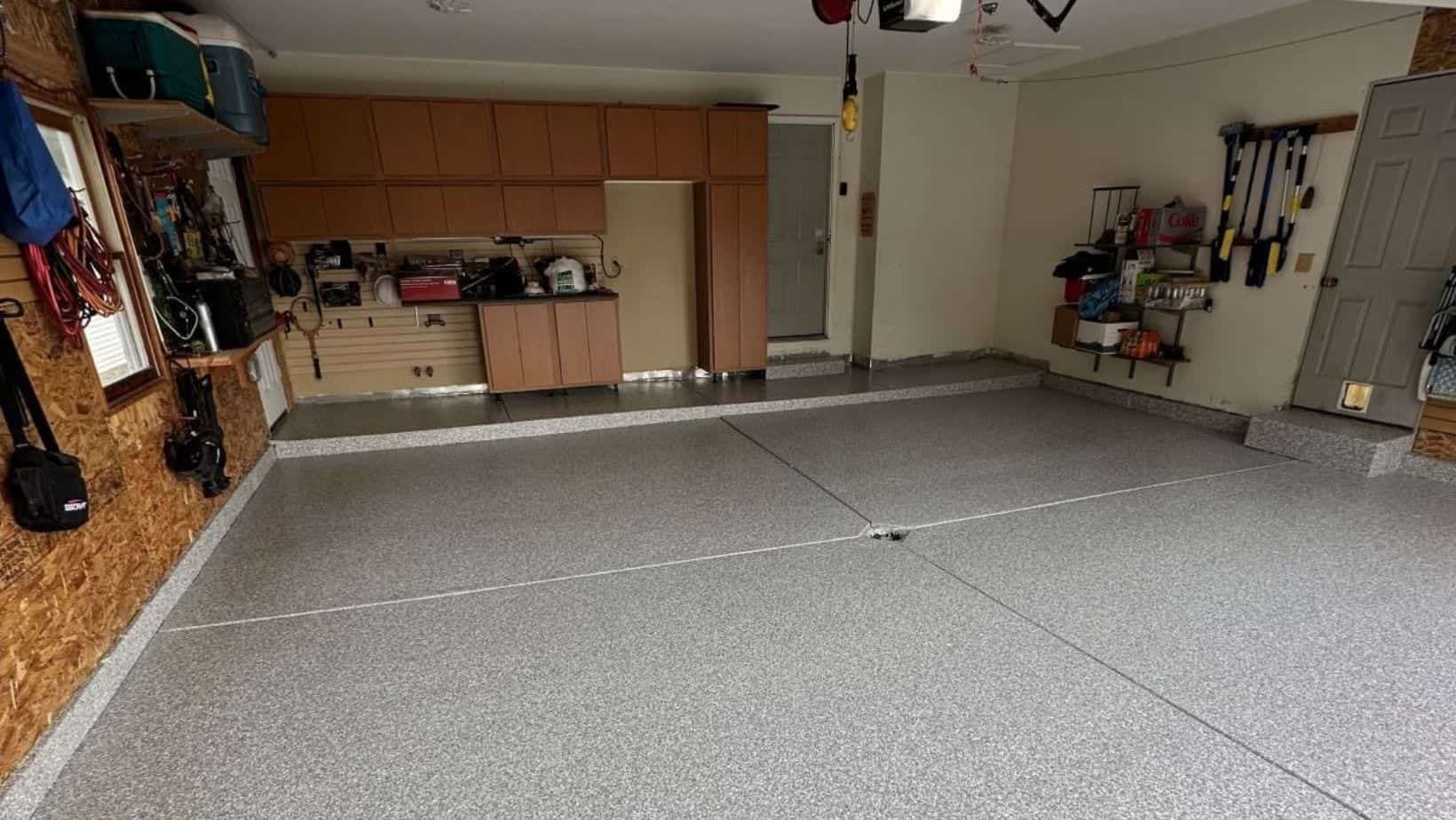
Douglas sits where lakeshore weather meets the rooms that make a property useful. A garage may receive wet tires and sand, while a workshop or small commercial interior asks for a different routine. We help you decide whether epoxy belongs in the floor assembly, then shape the preparation and finish around your concrete.
Service Overview
Epoxy flooring is not a single answer for every concrete room. The right discussion includes the slab's condition, the floor's exposure, the desired appearance, and the work that will happen above it. Older homes, cottages, detached garages, workshops, and small commercial interiors can each present a different starting point.
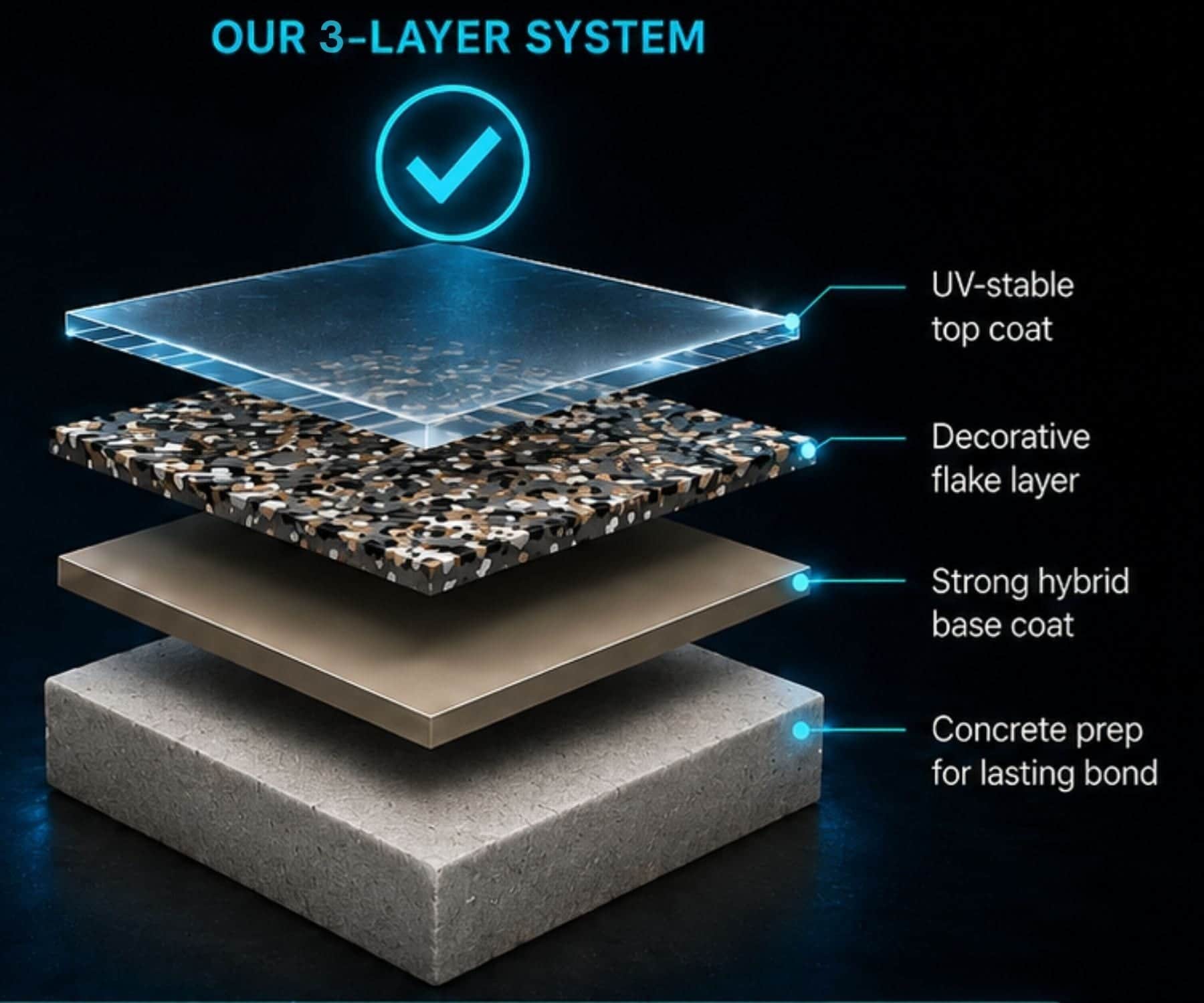
Our hybrid approach gives epoxy a defined job. It can form the base layer that supplies adhesion and build, while compatible polyurea or polyaspartic materials may serve other parts of the assembly. We explain those roles so the finished floor is planned as a connected system rather than chosen from a label alone.
Benefits
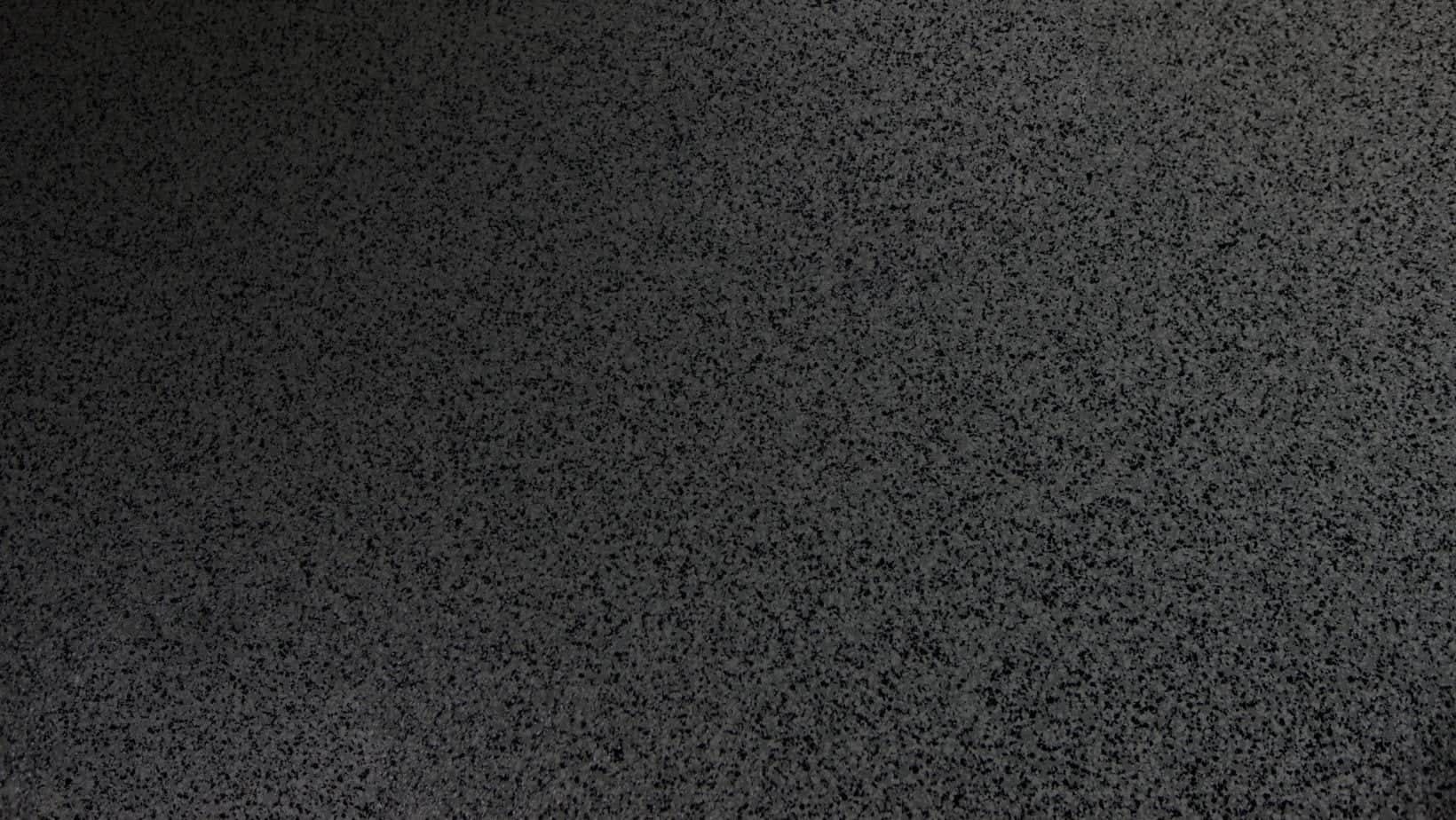
A coating earns its place when it answers the room's actual routine. These are practical outcomes we discuss before recommending a system for suitable concrete.
When the concrete is properly profiled, epoxy can supply adhesion and build for the layers that follow. That base gives the rest of the system a prepared surface and a clear starting role.
A finished floor creates a more uniform surface beneath wet footwear, vehicle residue, and tracked sand. Regular sweeping and cleaning can feel more straightforward when the concrete has fewer rough, porous areas.
Lakeshore humidity and spring moisture belong in the planning conversation before color is selected. Reviewing conditions early helps distinguish a coating decision from an unresolved moisture source beneath the slab.
Color, flake, and sheen can support the character of a garage, cottage utility room, workshop, or business interior. The visual choice stays connected to lighting, traffic, cleaning, and the room's purpose.
A detached garage and a restaurant interior may share concrete but not demands. We consider movement, access, foot traffic, spills, sunlight, and maintenance before narrowing the material and finish options.
The hybrid stack makes each material's contribution easier to explain. Epoxy handles adhesion and build where appropriate, with other compatible layers selected for the exposure and finish the room requires.
Installation Process
For a Douglas property, the useful question is not only which color looks right. Each stage should leave the next one with a sound job to do, from understanding the room through the final care conversation.
Step 1
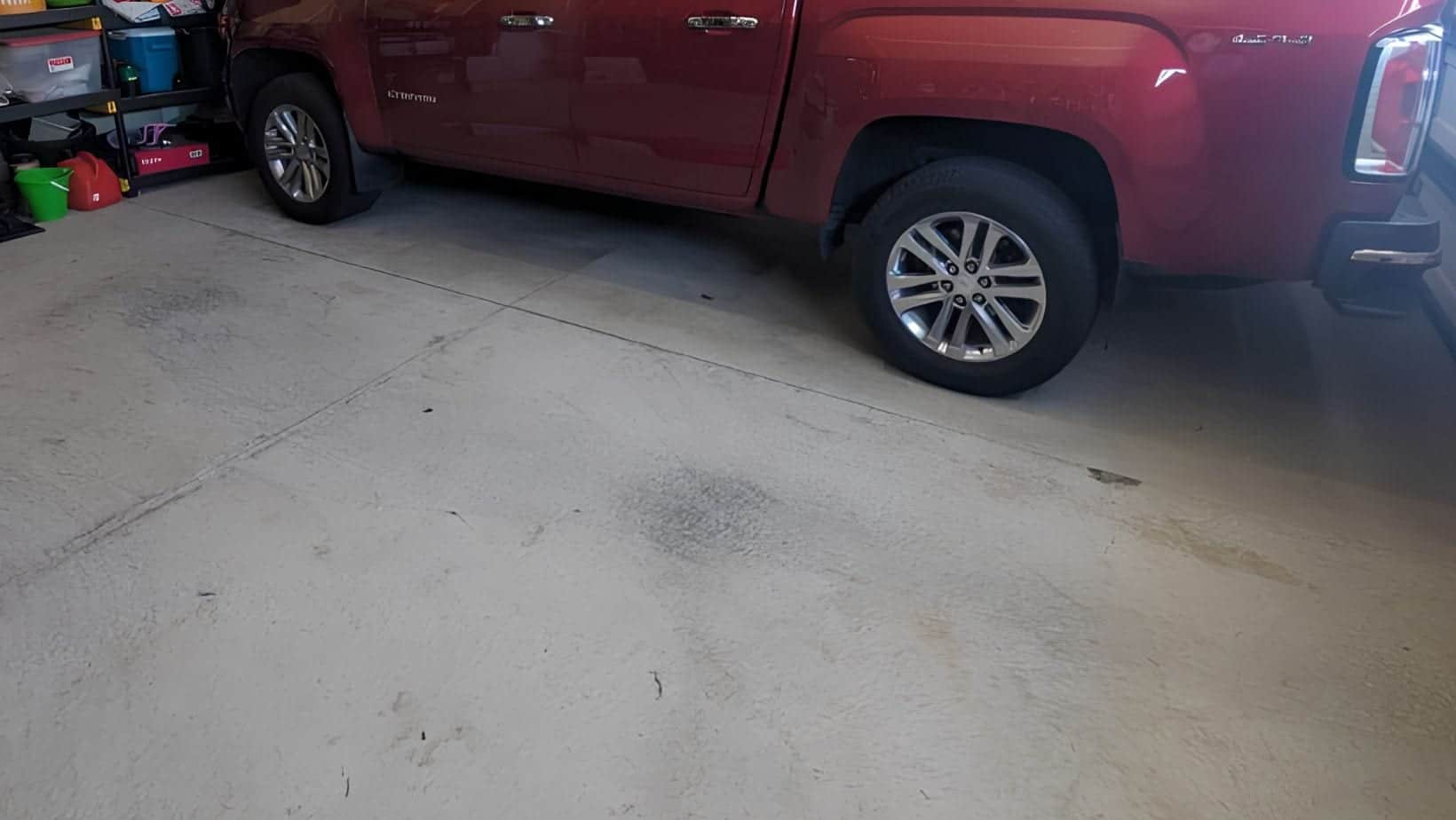
Before discussing colors, we ask what the Douglas floor has to tolerate. We consider whether the room is a garage, detached workspace, basement, or small commercial interior; how vehicles, shoes, tools, or customers enter; and what you know about prior coatings, repairs, dampness, access, and desired upkeep. Those details establish whether an epoxy-centered hybrid system is a sensible candidate.
Step 2
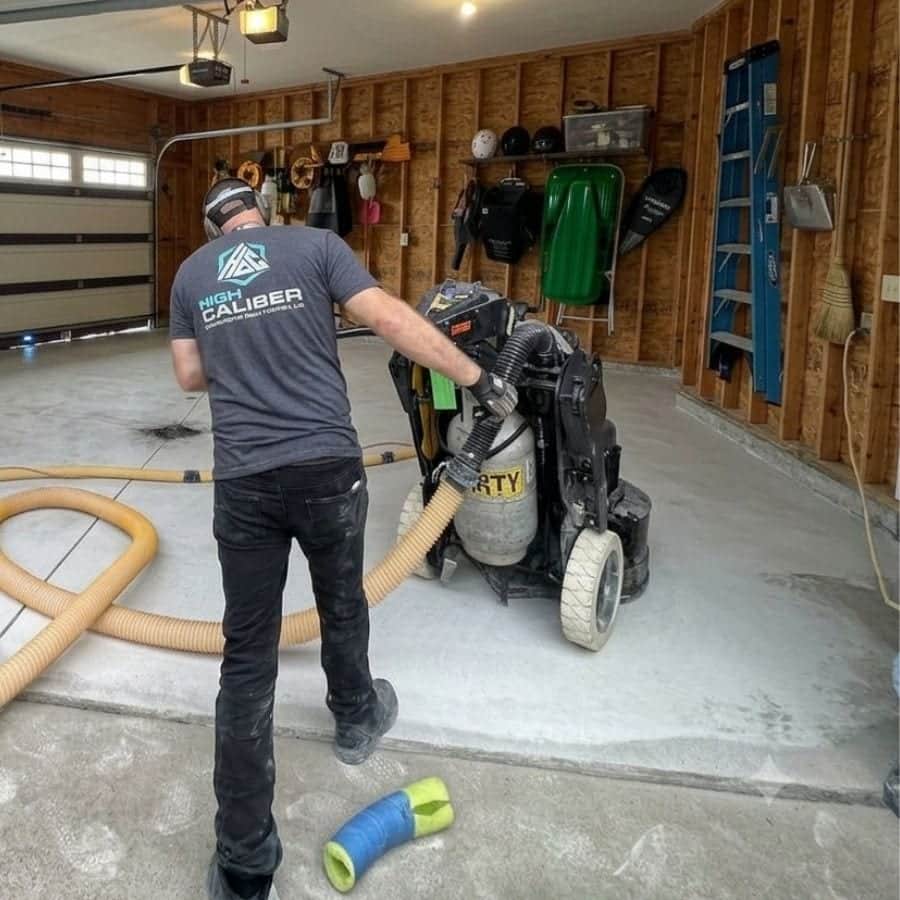
Diamond grinding removes weak surface material and creates the mechanical profile needed for adhesion. It also makes old residue, worn patches, joints, edges, and exposed aggregate easier to assess. Grinding is preparation, not structural repair or a promise to level every variation. The goal is a clean, textured substrate that can accept the planned layers.
Step 3
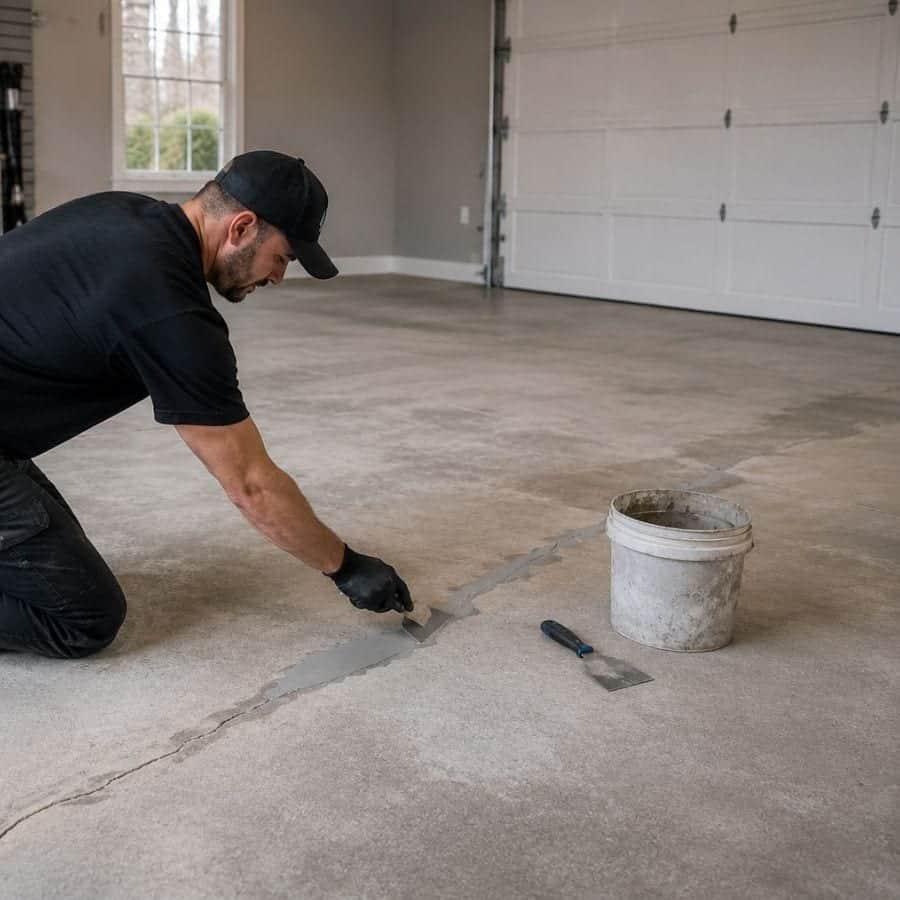
Once the concrete is open, cracks, pits, spalls, and other damaged areas can be sorted by condition and location. We fill or repair suitable surface defects within the agreed scope, then remove dust and loose material before coating. Movement, water entry, or a slab limitation may require a separate conversation, since repair compound cannot erase the cause of every defect.
Step 4
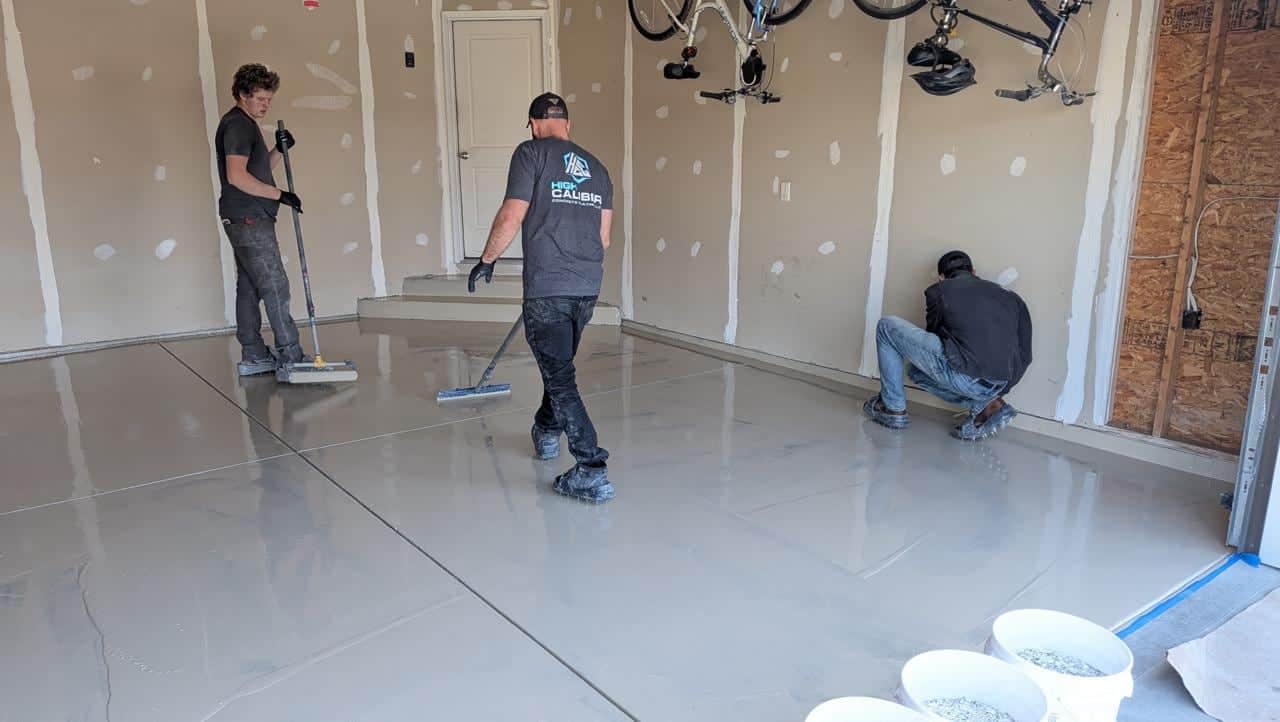
With the prepared surface ready, the epoxy basecoat is applied where the selected design calls for it. Epoxy contributes adhesion and build, giving the floor a substantial foundation for the next stage. Coverage, working time, edges, and the condition of the slab all matter to the application, so the basecoat follows the preparation rather than hiding it.
Step 5
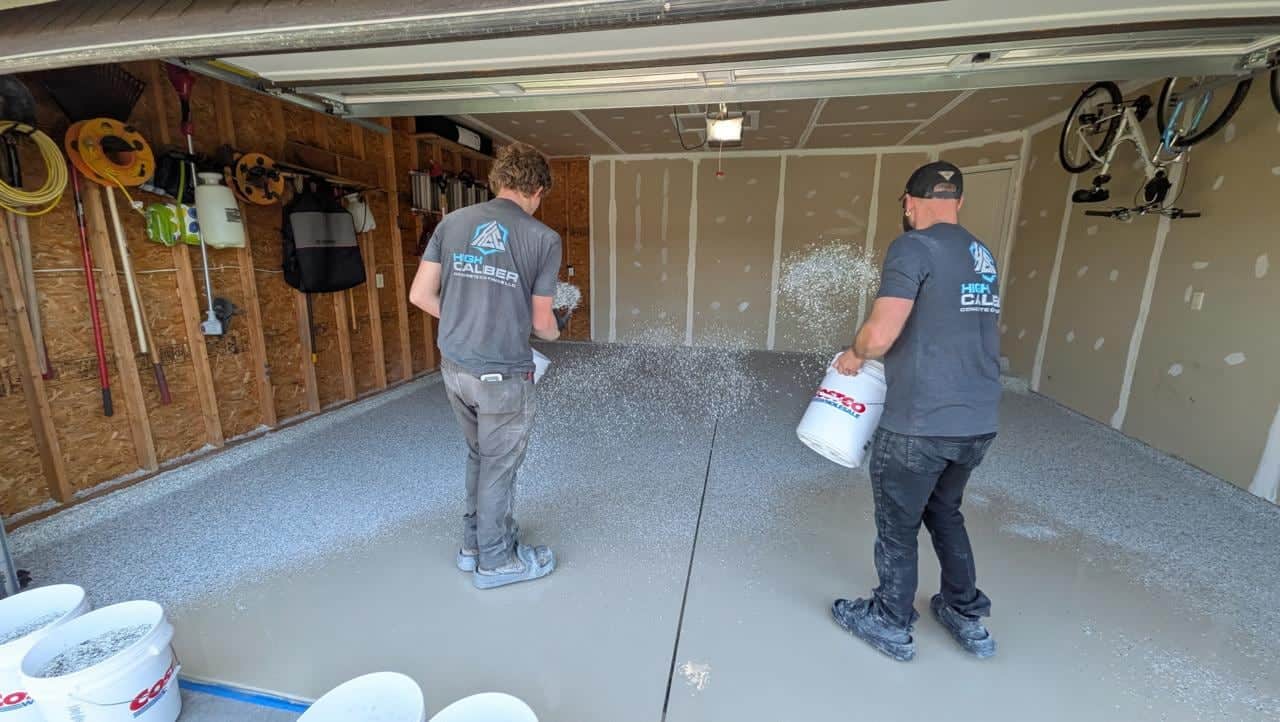
If decorative flake is part of the Douglas floor plan, it is broadcast into the appropriate wet layer for the chosen appearance and texture. The system may then use compatible polyurea or polyaspartic material according to exposure, traffic, and finish requirements. We explain what each layer is doing so color, cleanup, and service conditions remain connected.
Step 6
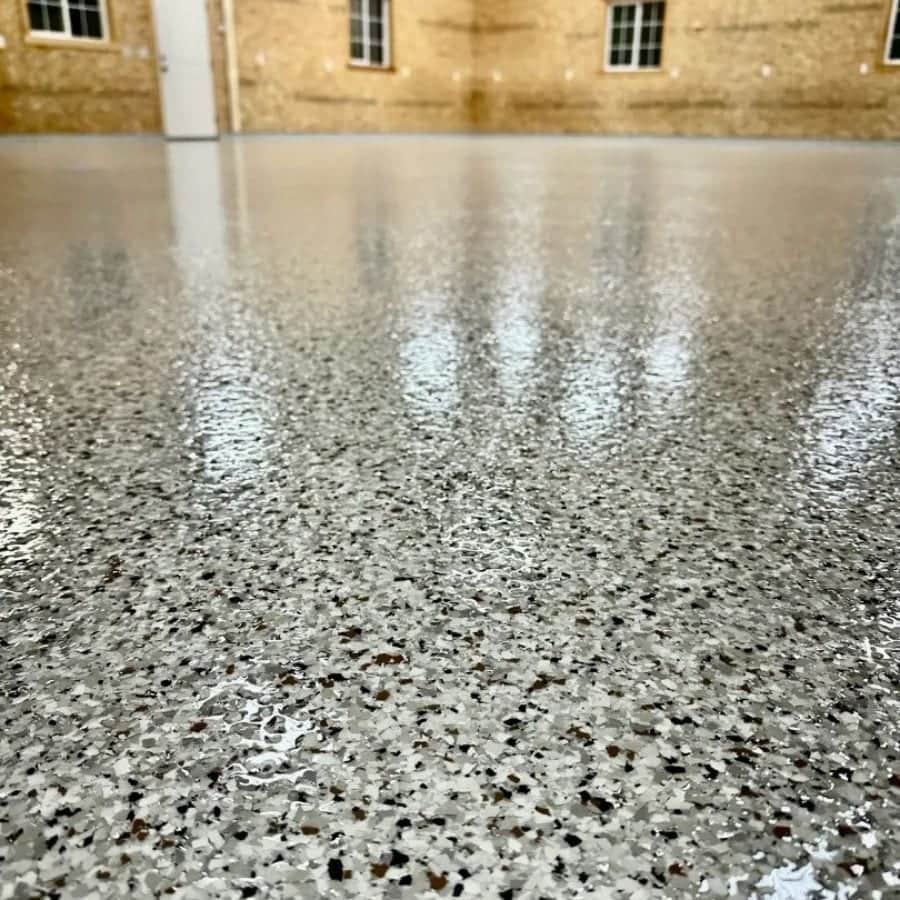
After the topcoat has been placed and the surface is ready for the agreed access window, we inspect coverage, edges, transitions, and visible finish details. We review cleaning, residue, cure expectations, and reasonable use with you. That final handoff matters in a lakeshore setting because good care starts with knowing how the floor was built and what it can support.
Why High Caliber
Based near Holland and Zeeland, our family-owned West Michigan company brings residential and commercial experience to the conversation without pretending that a product name can answer every slab question. The useful recommendation is the one you can understand before work begins.
Our team can explain what preparation changes, what the hybrid layers contribute, and where the limits remain. We do not use a coating to disguise unresolved moisture, structural movement, or weak concrete. A Douglas estimate should leave you with an honest scope, a finish direction, and practical expectations for the room.
Customer Reviews
“We recently had our garage floors resurfaced with the Epoxy Floor coating with flakes. High Caliber Concrete did such an awesome job we cannot say enough good about them! So timely, well organized and a beautiful job!! Owner, Jeff, responded to any call ASAP. Shawn and Ethan, fantastic employees for the company, did a tremendous job which was labor intensive…They left no questions unanswered! Such a professional, beautiful job. We would highly recommend them! Lillian & Joseph Bakara Jr.”
“Wow! Jeff and Mike were amazing to partner with for my garage floor renovation! They did an amazing job but more importantly, they communicated directly with me thru texts, reminders, and in person! Jeff and his team left my garage and exterior area cleaner than when they arrived and gave clear instructions on follow up care needed for my new floor! I would highly recommend High Caliber Concrete Coatings anytime!”
“Jeff and his team did the most amazing job epoxy floor coating my 38 year old garage floor. Outstanding, professional, skilled, great communication. Highly recommended.”
Douglas, Michigan
Douglas is a small lakeshore community in Allegan County, and the local setting gives ordinary concrete a particular maintenance context. Humidity, snow, freeze-thaw cycles, road salt, spring moisture, and sand tracked indoors can all influence what a floor encounters. A coating cannot rewrite those conditions, yet a suitable finished surface may make residue more visible and routine cleanup less awkward.
The property mix also deserves a real answer. Older homes and cottages may bring familiar wear or limited room access. Detached garages and workshops may combine vehicle use with projects and storage. Restaurants, retail areas, and other small commercial interiors may need a finish that works around foot traffic and regular cleaning. Those rooms should not be forced into one identical brief.
The broader area includes Saugatuck, Holland, Fennville, and South Haven. Each shares parts of West Michigan's weather, while this estimate remains about your slab. Tell us what enters the room, what happens there, and what you want the finished surface to feel like under daily use.
Sand, water, salt, and spring dampness can arrive with vehicles, shoes, tools, or stored materials. The entry routine helps shape the finish discussion.
A cottage utility area, detached garage, workshop, restaurant, or retail interior may require different preparation questions and different daily care.
General regional conditions start the conversation; observed concrete condition, moisture signs, access, and intended use decide what can reasonably be proposed.
Frequently Asked Questions
It may, provided the concrete and surrounding conditions are suitable for the proposed system. Older homes and cottages can have previous finishes, repairs, uneven wear, limited access, or moisture questions that affect the recommendation. We review what is present before discussing color or layer count, then explain which preparation steps are needed and which conditions remain outside the coating's job.
Epoxy can contribute adhesion and build at the base of a compatible multi-layer floor. That does not make it the answer for every layer or every room. Polyurea and polyaspartic may be selected for other properties within the assembly. We explain the chemistry by function, so the material sequence relates to the prepared slab, expected exposure, and desired finish.
A coated surface does not prevent sand, water, salt, or snow residue from entering with a vehicle or person. It can provide a more continuous surface in suitable conditions, which may make sweeping, spot cleaning, and noticing buildup more manageable. The result still depends on preparation, maintenance, entry habits, and the condition of the concrete beneath the system.
Those conditions are evaluated rather than assumed away. Diamond grinding can remove weak surface material and expose what needs attention. Repairs may address certain cracks, pits, or spalls, while an old coating may require additional preparation or removal. We describe the known condition, the proposed scope, and the limits of the finished appearance before installation begins.
Moisture signs change the conversation before a coating is selected. We consider the observed condition and whether a moisture barrier epoxy or another supporting measure is appropriate. A coating should not be used to conceal an unresolved water source or migration problem. The estimate can separate what the floor system may address from what the room needs elsewhere.
Not automatically. A garage may prioritize vehicle residue and household cleanup, while a workshop can involve tools, equipment, impact, and storage. A restaurant or retail interior may place more emphasis on foot traffic, appearance, access, and recurring cleaning. We use the room's routine to discuss preparation, finish, layer roles, and care instead of assigning one package to every property.
Tell us the room type, approximate size if known, current floor condition, previous coating, visible cracking or dampness, access constraints, and how the space will be used. A few clear photos can add useful context, but they do not replace looking at the concrete when an on-site evaluation is needed. Include your preferred appearance and any timing constraints you already know.
Related Services
Epoxy may be one part of the answer. These related services can clarify preparation, moisture, or alternative ways to finish suitable concrete.
See how diamond tooling prepares a surface for a coating system, while keeping expectations realistic about what grinding can and cannot correct.
Learn moreReview the role of a moisture barrier epoxy when a basement or interior slab needs a more deliberate moisture discussion.
Learn moreLearn where polyurea may fit with epoxy in a compatible hybrid system planned for the room's conditions.
Learn moreExplore polyaspartic as a possible supporting layer when exposure, finish, and the selected assembly make it appropriate.
Learn moreCompare decorative flake options for a garage floor when the visual direction and maintenance routine point that way.
Learn moreGallery And Visual Proof
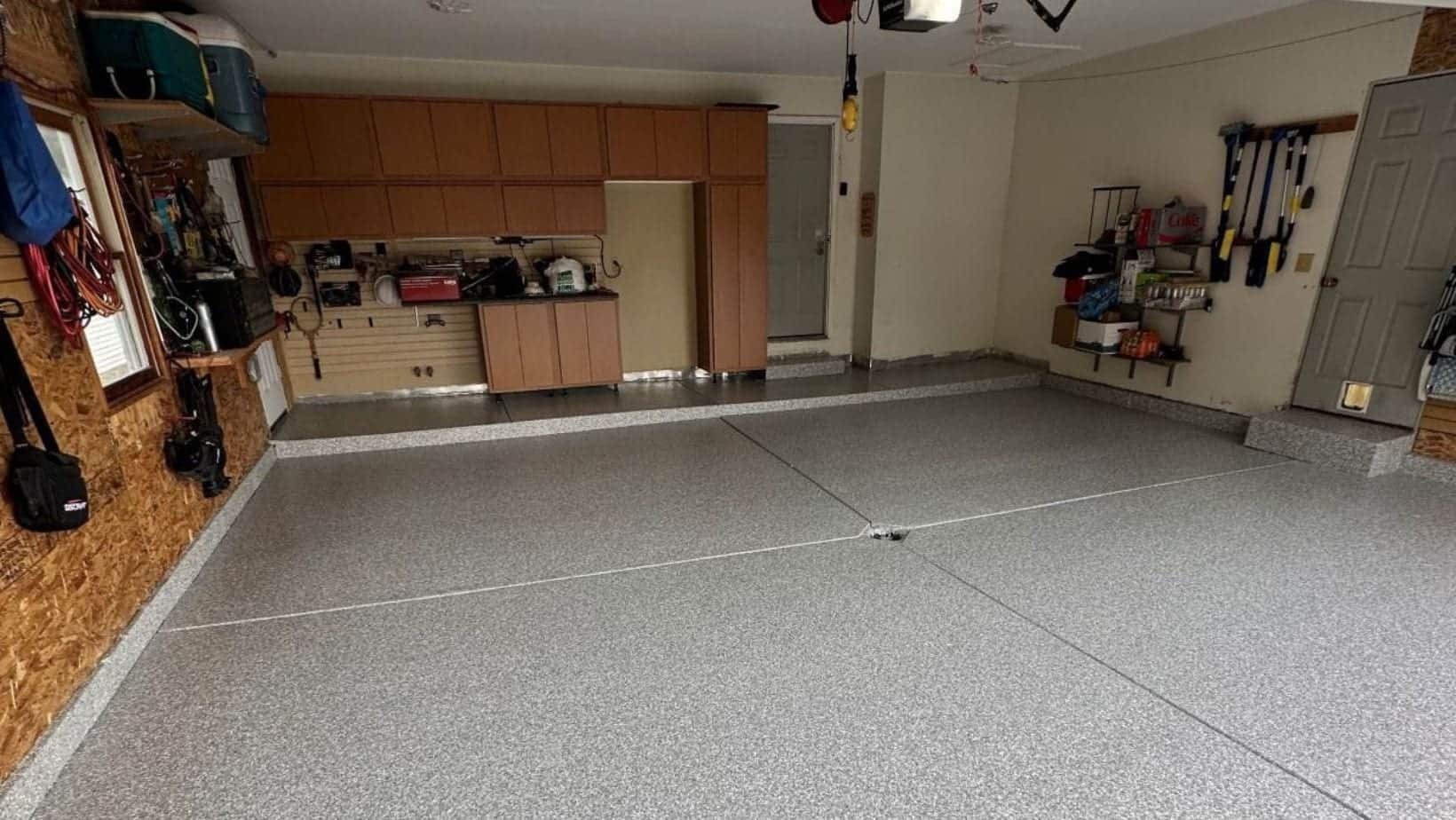
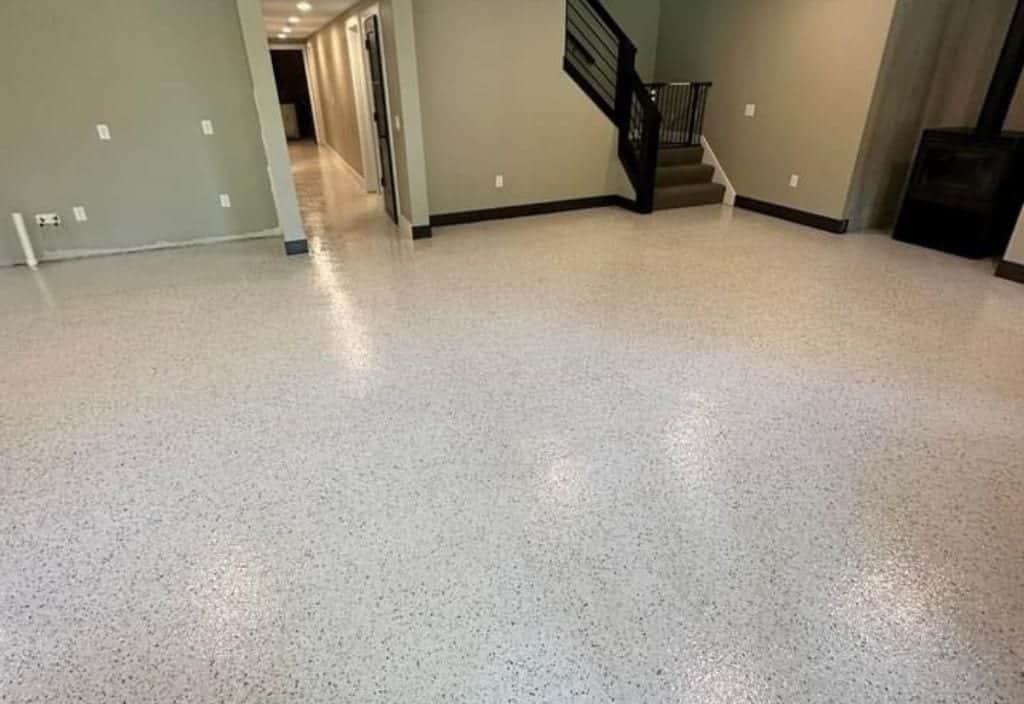
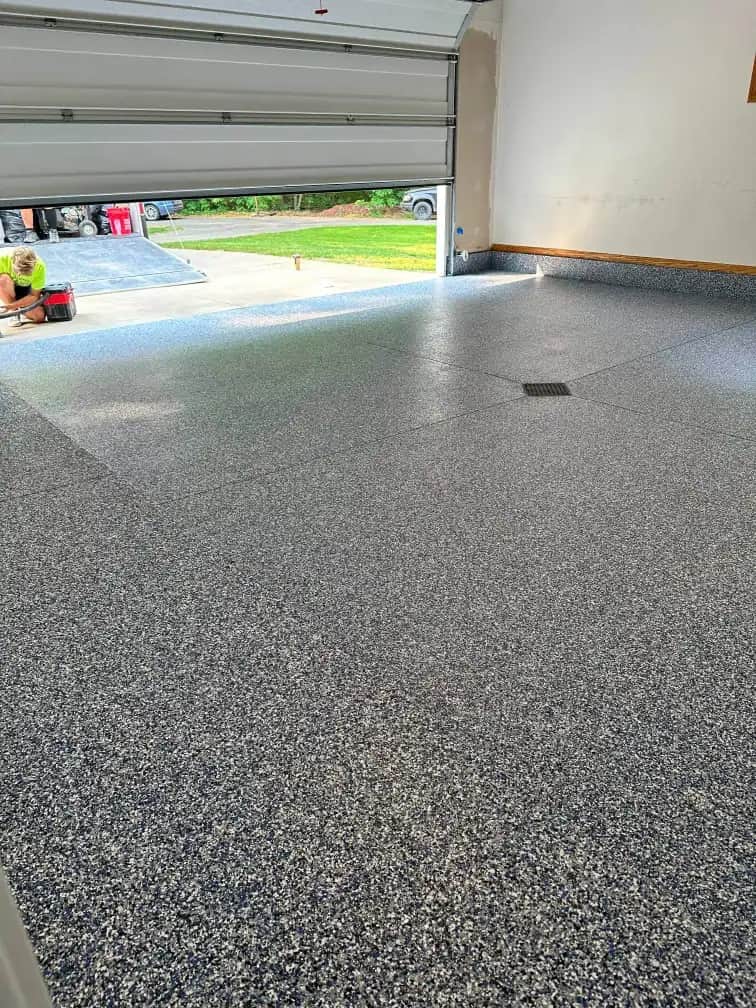
These images show materials, finishes, and installation details. They are examples of available work, not claims about a Douglas property.
Free Project Quote
Tell us about the space and we will follow up with a clear recommendation and quote conversation.
Phone
Business Hours
Free Estimate
Send us the room type, concrete condition, and finish direction you have in mind. We can talk through preparation, moisture, epoxy's role, compatible layers, and the care the finished surface will need. Request an estimate online or call (616) 777-7348, and we will help turn the floor in front of you into a clearer next step for your property. We will also note access, edge conditions, and practical care questions so the estimate is useful before a material decision is made.