
A Coherent Base
Epoxy can anchor the coating assembly to properly prepared concrete and add useful build. The surface profile, bond condition, and compatibility of the next layer remain essential to the finished result.

A garage, basement, workshop, or business floor in Georgetown Township can have a different daily brief. We learn what the concrete must handle, examine its condition, and shape an epoxy-centered hybrid system around moisture, traffic, access, and the finish you want. The result is a floor plan made for the room.
Service Overview
Epoxy flooring begins with a conversation about the concrete, not a color chart. We ask how the room is used, what has already been applied, where wear is visible, and whether dampness or repairs could affect the installation. Those answers establish what the floor can reasonably support.
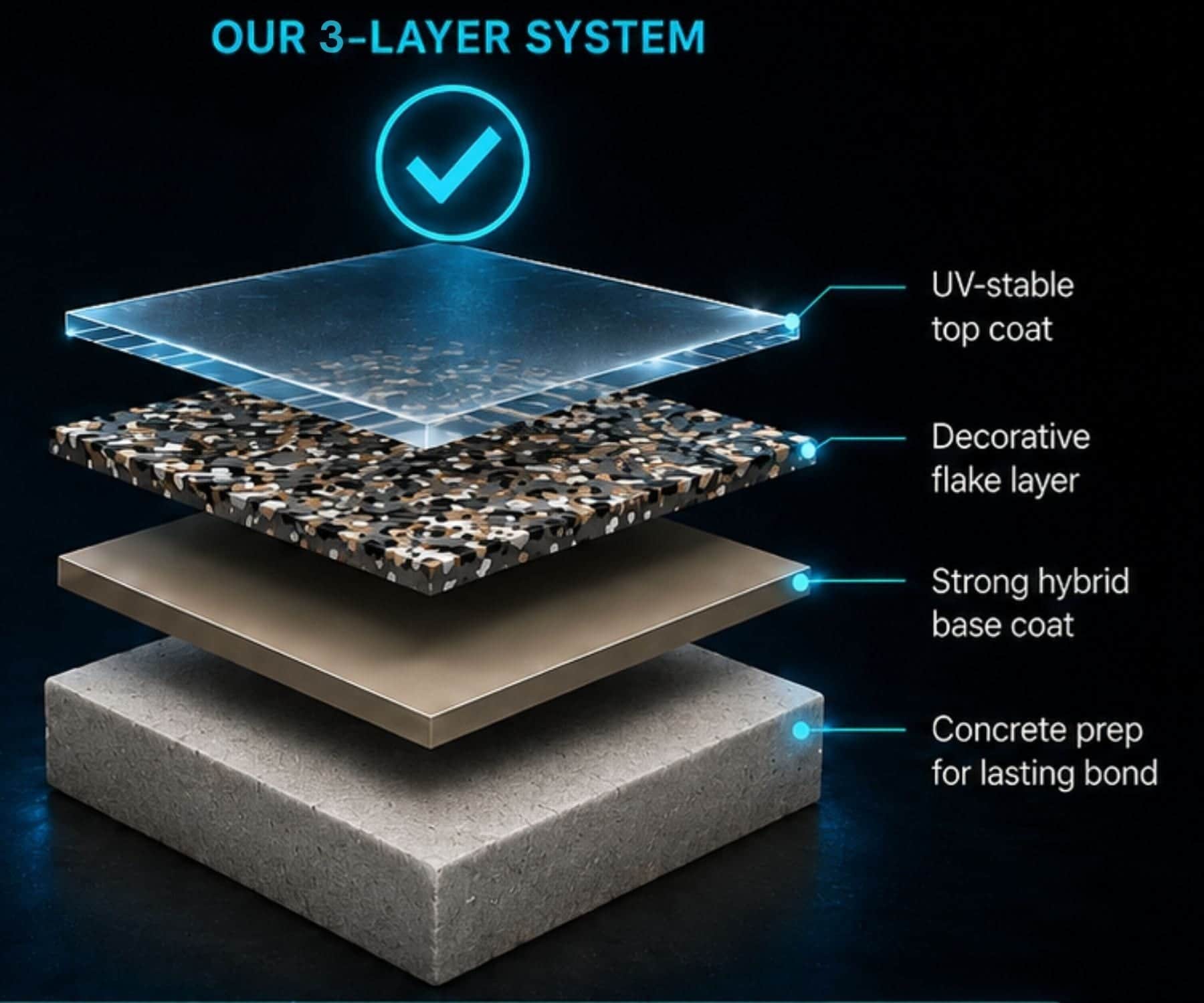
Epoxy supplies adhesion and build in our hybrid approach. Other compatible materials may serve different parts of the assembly, including flexibility, ultraviolet exposure, chemical contact, or cure needs. Explaining those roles helps a Georgetown Township homeowner or business owner understand the proposed floor as one coordinated system.
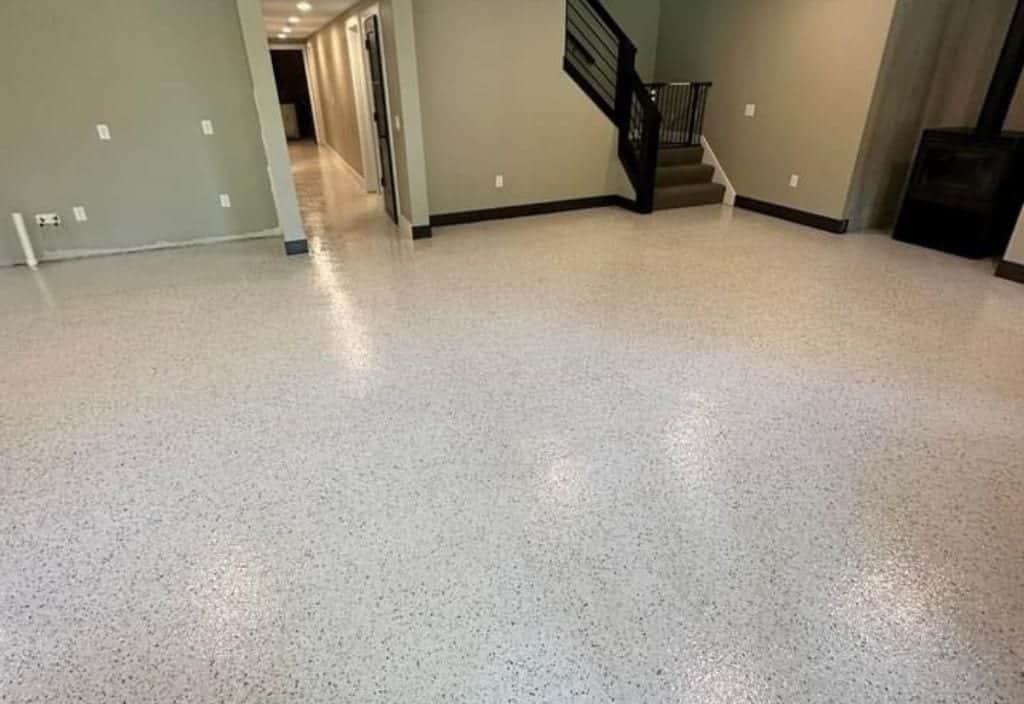
Benefits
A coating earns consideration when it solves practical problems in the room. These potential benefits depend on sound preparation, suitable materials, the slab beneath them, and the care the finished floor receives.
Epoxy can anchor the coating assembly to properly prepared concrete and add useful build. The surface profile, bond condition, and compatibility of the next layer remain essential to the finished result.
Winter salt, wet tires, and tracked grit are easier to notice on a finished floor with a consistent surface. The coating supports cleanup, while regular sweeping and washing still matter.
Spring moisture and humid summer air can change an interior flooring decision. Discussing dampness before installation helps determine whether preparation or a supporting moisture product deserves attention.
A uniform coating can make ordinary dust, grit, and spills easier to see than worn porous concrete. That visual consistency may make routine care more straightforward in active rooms.
Color, flake, and gloss are selected alongside lighting, storage, traffic, and cleaning habits. Decorative choices should support the room rather than distract from how the floor works.
The epoxy basecoat has a job, and compatible polyurea or polyaspartic layers may have others. Matching chemistry to each stage keeps the recommendation focused on performance and use.
Installation Process
The installation sequence moves from discovery to surface preparation, then through the selected layers. Each stage gives the next one a better starting point and leaves room for the actual slab to guide the scope.
Step 1
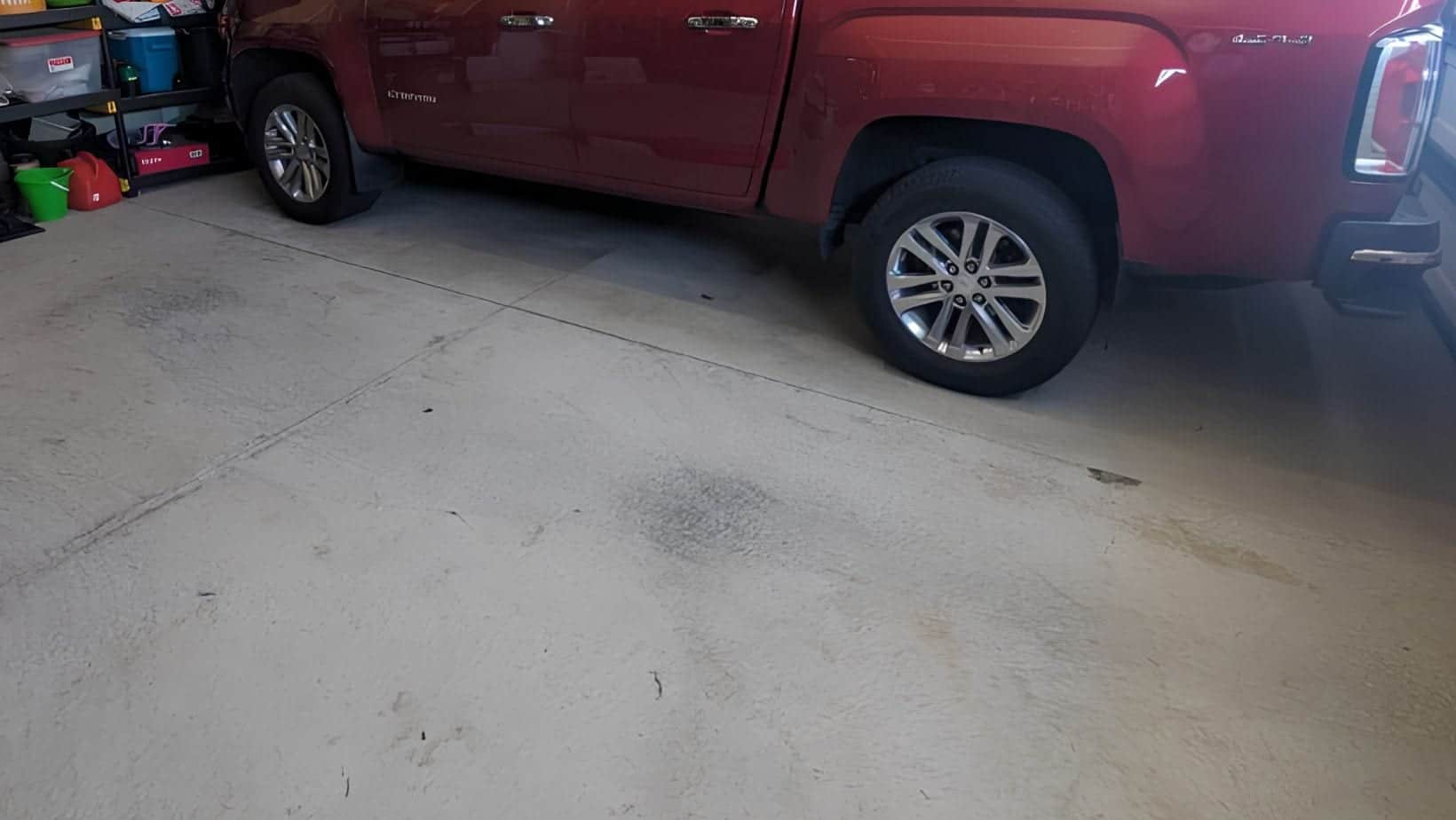
We begin with the room itself. The discussion covers slab age when known, previous coatings, visible wear, access, intended use, and the finish you have in mind. We also look for conditions that may require more investigation before a material decision is made. A garage used for parking and projects may call for different attention than a basement, workshop, or commercial room. The estimate should make those differences visible without assuming that every Georgetown Township floor has the same starting point.
Step 2
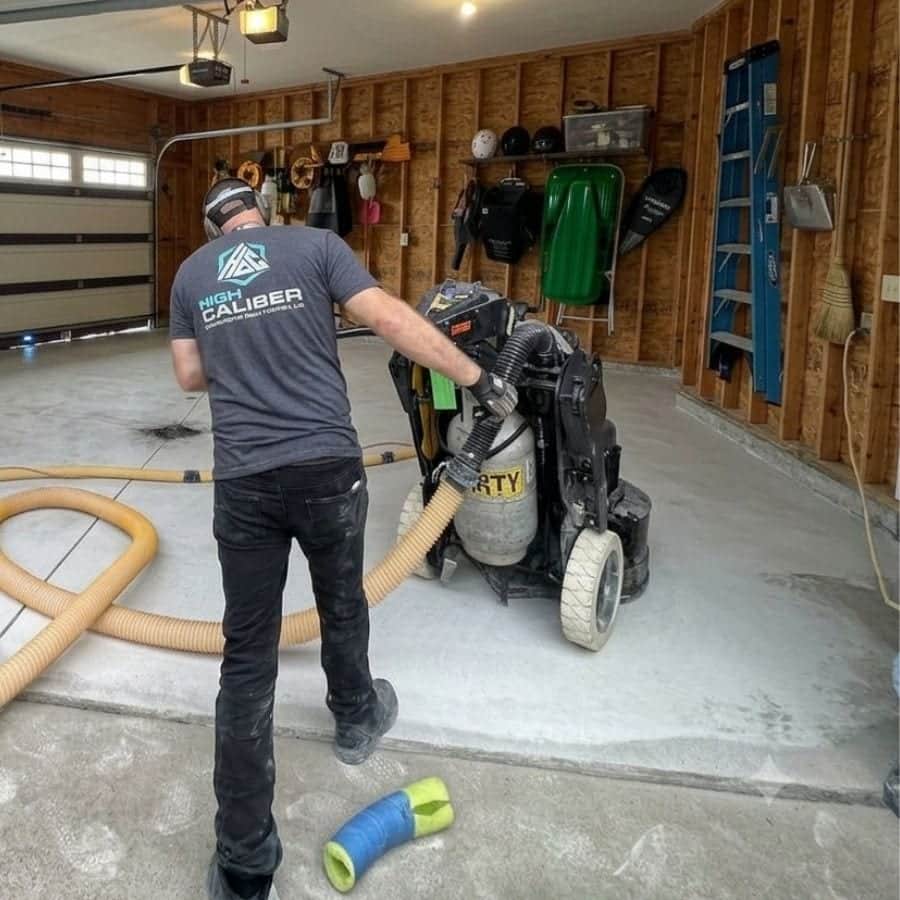
Mechanical diamond grinding removes weak surface material and opens the concrete for the planned coating system. It also helps reveal what is actually present beneath dirt, paint, or a tired surface. We pay attention to edges, corners, joints, and transitions because preparation is not limited to the easiest open area. Grinding creates the required profile, but it does not promise to level the floor or solve structural movement.
Step 3
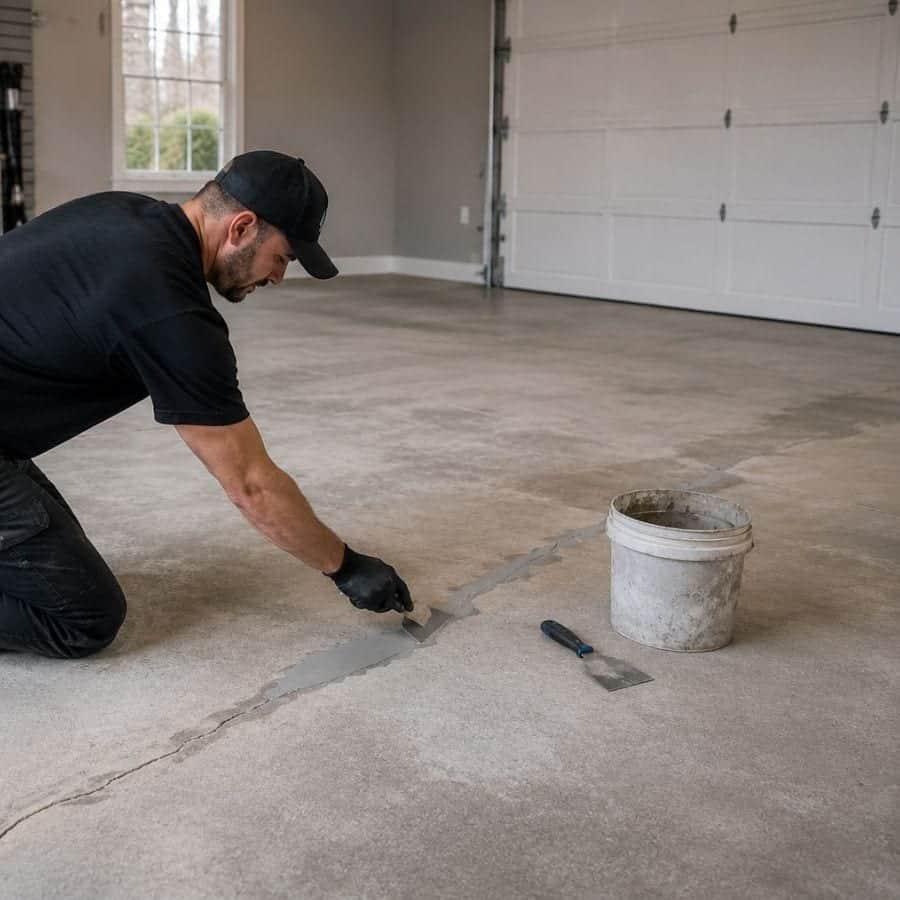
Once the surface is prepared, cracks, pits, spalls, and worn sections can be assessed more clearly. Repairs are selected for the condition rather than hidden inside a broad promise. Joints and areas that may continue to move deserve honest discussion as well. A repair improves the substrate for the coating, but it cannot turn every existing movement issue into new concrete. The final scope should distinguish cosmetic preparation from a condition that needs another answer.
Step 4
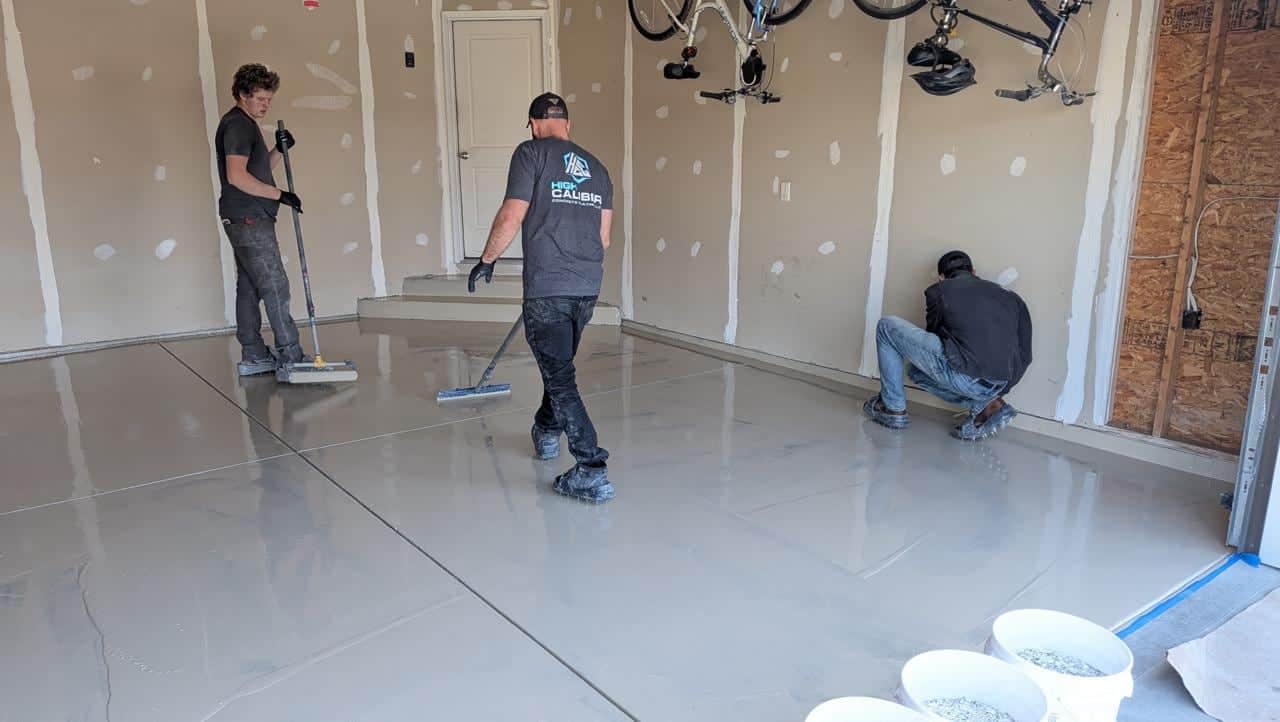
Epoxy enters the system where adhesion and build are useful. The basecoat is applied to prepared concrete according to the selected scope, with attention to coverage, edges, and the condition revealed during grinding. This is not a shortcut around preparation. It is a purposeful first layer that works with the rest of the assembly. The right recommendation depends on the slab, the environment, and the role the floor needs to play after installation.
Step 5
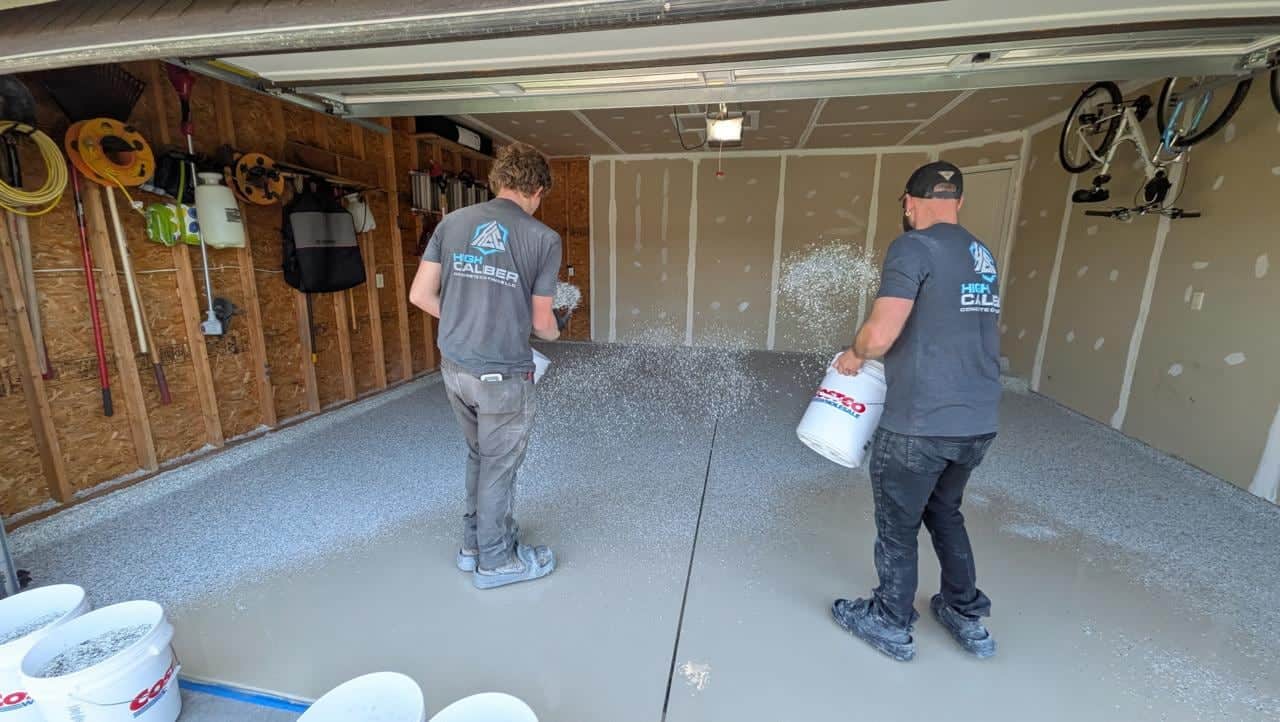
If the design includes decorative flake, the chosen blend is broadcast into the appropriate wet layer. The system may then use compatible polyurea or polyaspartic material where its properties fit the planned exposure and finish. We keep the layer sequence understandable so the color, texture, and protection are connected to the room's needs. The selected system is not chosen by label alone; it is assembled around the prepared surface.
Step 6
Before the space returns to normal use, we review the finished surface and the practical handoff. That conversation covers access, cure expectations, cleaning, and what the floor can reasonably be asked to handle. We want the appearance and the care instructions to make sense together. If the room has unusual traffic, moisture, or storage demands, those details belong in the closing discussion rather than being left for the owner to guess.
Why High Caliber
From our Holland and Zeeland area base, we bring residential and commercial coating questions back to preparation, material roles, and the conditions shaping the finished floor. That keeps the conversation practical for a Georgetown Township property owner. Our job is to make the recommendation understandable enough to evaluate before the work starts.
That means epoxy can be discussed on its merits as part of the hybrid system. It can provide adhesion and build, while another compatible layer may be better suited to a particular exposure or finish requirement. We also explain what a coating cannot resolve, including an unresolved moisture source or significant movement in the slab.
Customer Reviews
“We recently had our garage floors resurfaced with the Epoxy Floor coating with flakes. High Caliber Concrete did such an awesome job we cannot say enough good about them! So timely, well organized and a beautiful job!! Owner, Jeff, responded to any call ASAP. Shawn and Ethan, fantastic employees for the company, did a tremendous job which was labor intensive…They left no questions unanswered! Such a professional, beautiful job. We would highly recommend them! Lillian & Joseph Bakara Jr.”
“Wow! Jeff and Mike were amazing to partner with for my garage floor renovation! They did an amazing job but more importantly, they communicated directly with me thru texts, reminders, and in person! Jeff and his team left my garage and exterior area cleaner than when they arrived and gave clear instructions on follow up care needed for my new floor! I would highly recommend High Caliber Concrete Coatings anytime!”
“Jeff and his team did the most amazing job epoxy floor coating my 38 year old garage floor. Outstanding, professional, skilled, great communication. Highly recommended.”
Georgetown Township, Michigan
Georgetown Township sits in Ottawa County, where concrete sees more than one season. Freeze-thaw cycles can put attention on existing wear. Lake-effect snow and road salt can follow vehicles through a garage. Spring moisture and humid summers add another reason to discuss the slab before an interior coating is selected. These conditions inform the questions, but the concrete in the room still decides the recommendation.
The township includes suburban garages, older homes, newer construction, basements, and workshops, along with retail, schools, and service businesses. A floor for family parking may be judged by cleanup and appearance. A working room may place more weight on access, traffic, storage, or repeated maintenance. The same product label does not answer all of those questions.
Nearby Hudsonville, Jenison, Grandville, Byron Center, and Jamestown Township share the broader West Michigan weather pattern, yet a local estimate should stay specific to the floor being considered. We can talk through what is visible, what is uncertain, and which parts of the system deserve attention. That keeps the Georgetown Township discussion useful without inventing a story about a particular property.
Snow, salt, freeze-thaw movement, spring moisture, and humid air can all influence preparation and care questions.
Garages, basements, workshops, newer homes, older homes, retail, schools, and service businesses may need different floor briefs.
The useful local detail is the slab's condition, the room's routine, and the finish expectations brought to the conversation.
Frequently Asked Questions
It may. Epoxy can be considered in garages, basements, workshops, pole barns, and selected commercial interiors when the concrete and exposure support the plan. We ask what enters the room, how often it is used, and what the owner wants the finished surface to do. A space used for vehicles, storage, projects, customers, or equipment may lead to different preparation and finish discussions.
Epoxy is used for adhesion and build in the basecoat. It is one part of a coordinated assembly, not a material we dismiss and not an answer we force into every condition. Compatible polyurea or polyaspartic layers may serve other needs within the system. We explain why each layer is being considered so the recommendation has a clear purpose from the concrete upward.
Road salt, slush, and grit can arrive with vehicles during a West Michigan winter. A consistent finished surface may make residue easier to see and remove, but it does not eliminate maintenance. Drainage, entry conditions, cleaning habits, and the existing slab still matter. We include that seasonal routine in the discussion rather than treating a coating as a substitute for care.
Yes, evaluation comes before a promise. We need to understand whether an old coating still holds to the slab, what preparation it requires, and how cracks, pits, spalls, or worn areas affect the substrate. Mechanical work and repairs may be possible, while some conditions may change the scope. The estimate should say what is known and what needs closer attention before new layers are applied.
Moisture is a condition to investigate, not a detail to cover with color. We ask about dampness, visible signs, and the room's history as part of the recommendation. A moisture barrier epoxy may be relevant when the actual conditions support that option, but it should not be used to ignore an unresolved source. The finished system depends on an informed substrate decision.
Not necessarily. Traffic, equipment, storage, cleaning, sunlight, chemical contact, and access can vary widely between those settings. Decorative flake may suit one room while another needs a more restrained finish or a different conversation about downtime. We use the intended routine to shape the scope, then match compatible materials to the conditions the floor is expected to face.
Tell us where the floor is located, how the room is used, what the concrete looks like now, and whether another coating is present. Photos can help show the broad condition, while measurements and an in-person review may clarify preparation needs. It is also useful to mention moisture, cracks, access limits, preferred colors, and when you hope to use the room again.
Related Services
Epoxy flooring is connected to the condition of the concrete and the layers selected above it. These related services can help answer a specific preparation, moisture, or finish question.
See how diamond tooling prepares concrete for the planned coating system.
Learn moreExplore a supporting epoxy option when interior moisture conditions need focused attention.
Learn moreLearn where polyurea may contribute useful properties within a hybrid floor assembly.
Learn moreReview decorative flake choices for a garage surface planned around everyday use.
Learn moreGallery And Visual Proof
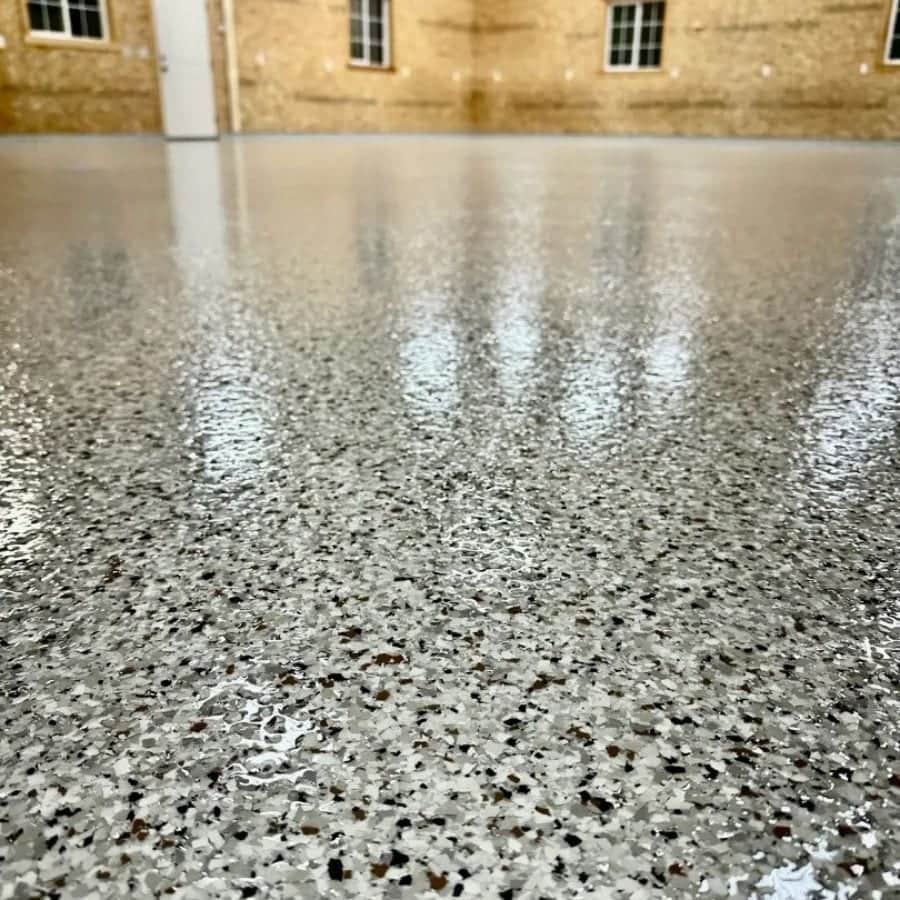
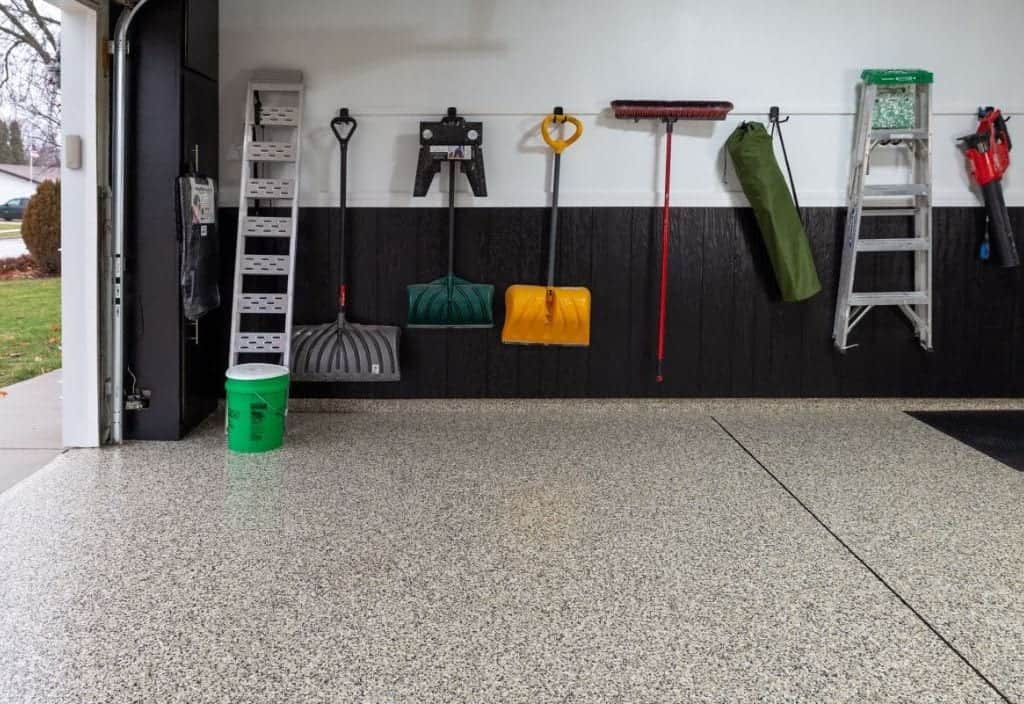
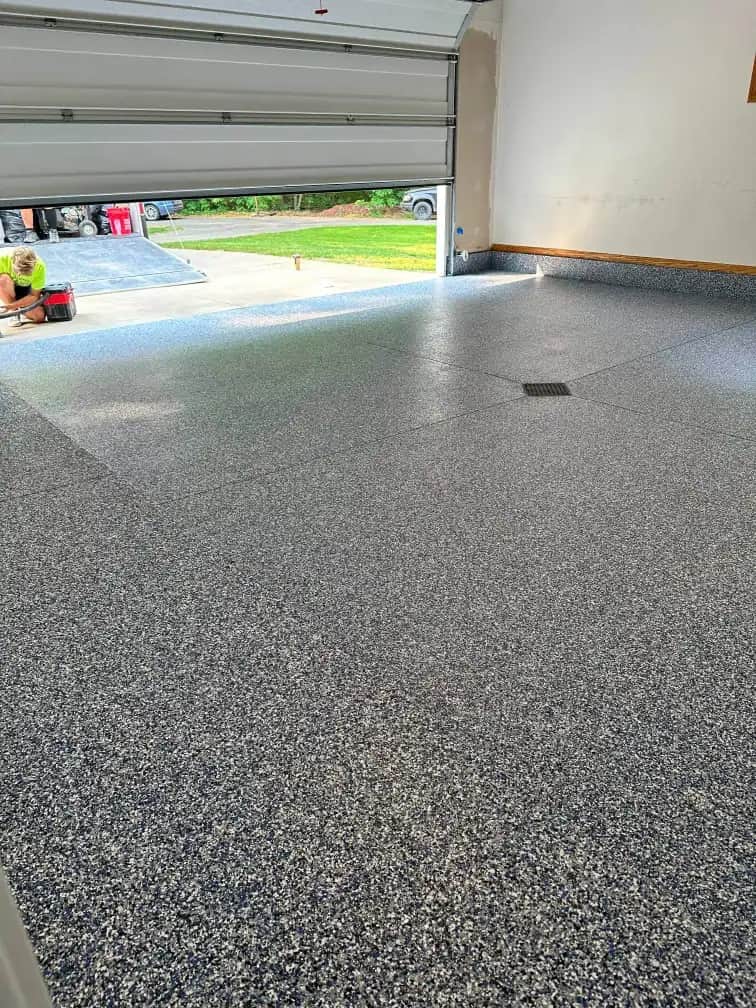
The gallery shows finish types, layer ideas, and completed surfaces from the available High Caliber image library. The images illustrate materials and workmanship without assigning them to a Georgetown Township property.

Free Project Quote
Tell us about the space and we will follow up with a clear recommendation and quote conversation.
Phone
Business Hours
Free Estimate
Tell us about the room, the concrete, and the work you need the floor to handle. We can discuss preparation, repairs, moisture questions, epoxy's role, compatible supporting layers, and the finish that fits your routine. Add photos if they are useful, then request a free Georgetown Township estimate online or call (616) 777-7348 to continue the conversation. We will keep the next steps tied to the concrete you describe, including questions about access, moisture, and intended use.