
Winter Residue Has Somewhere To Land
Tires and shoes carry snowmelt, salt, and grit indoors. A finished coating keeps that routine exposure at the surface, where sweeping and washing can remain part of an ordinary garage routine.
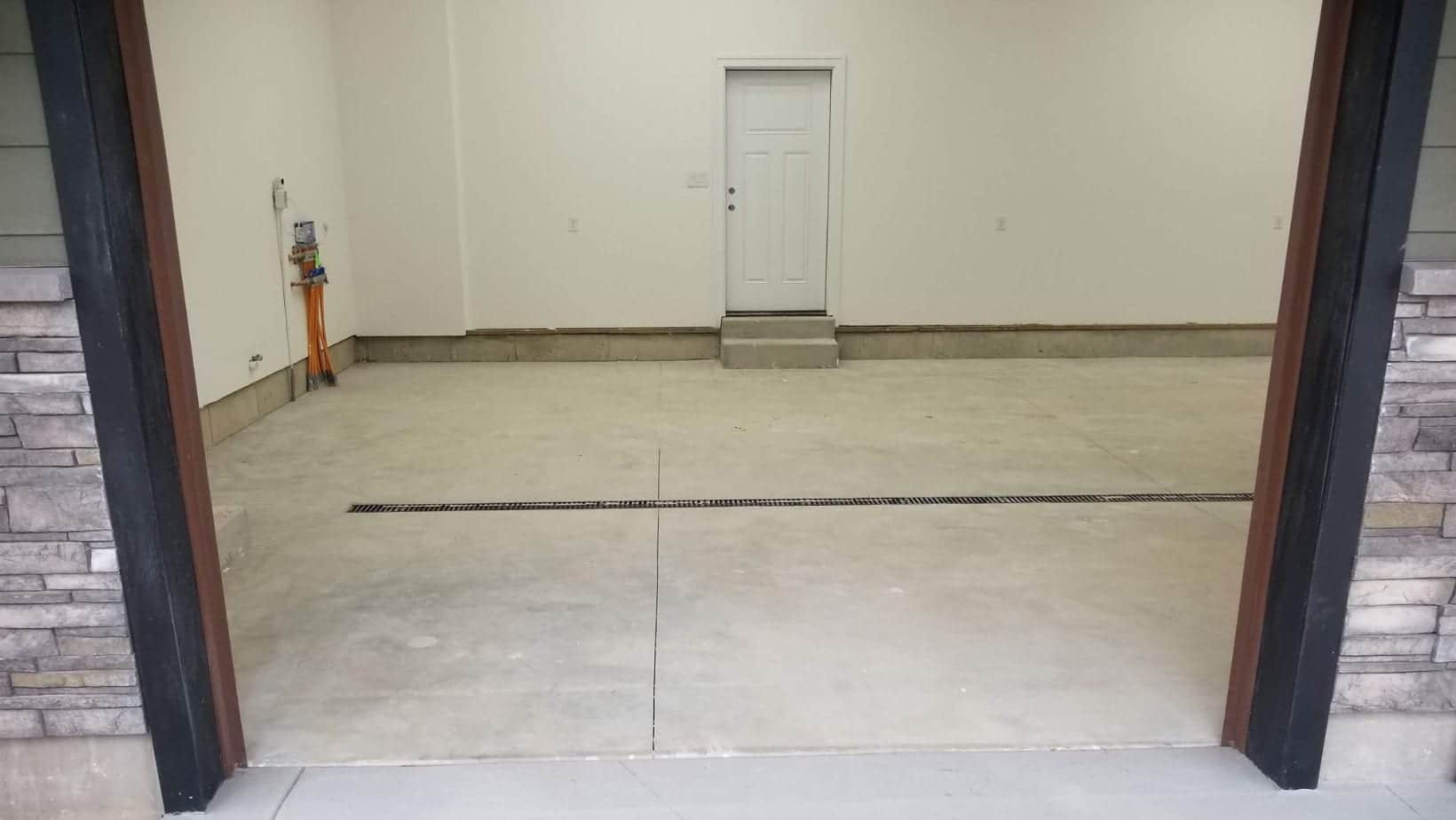
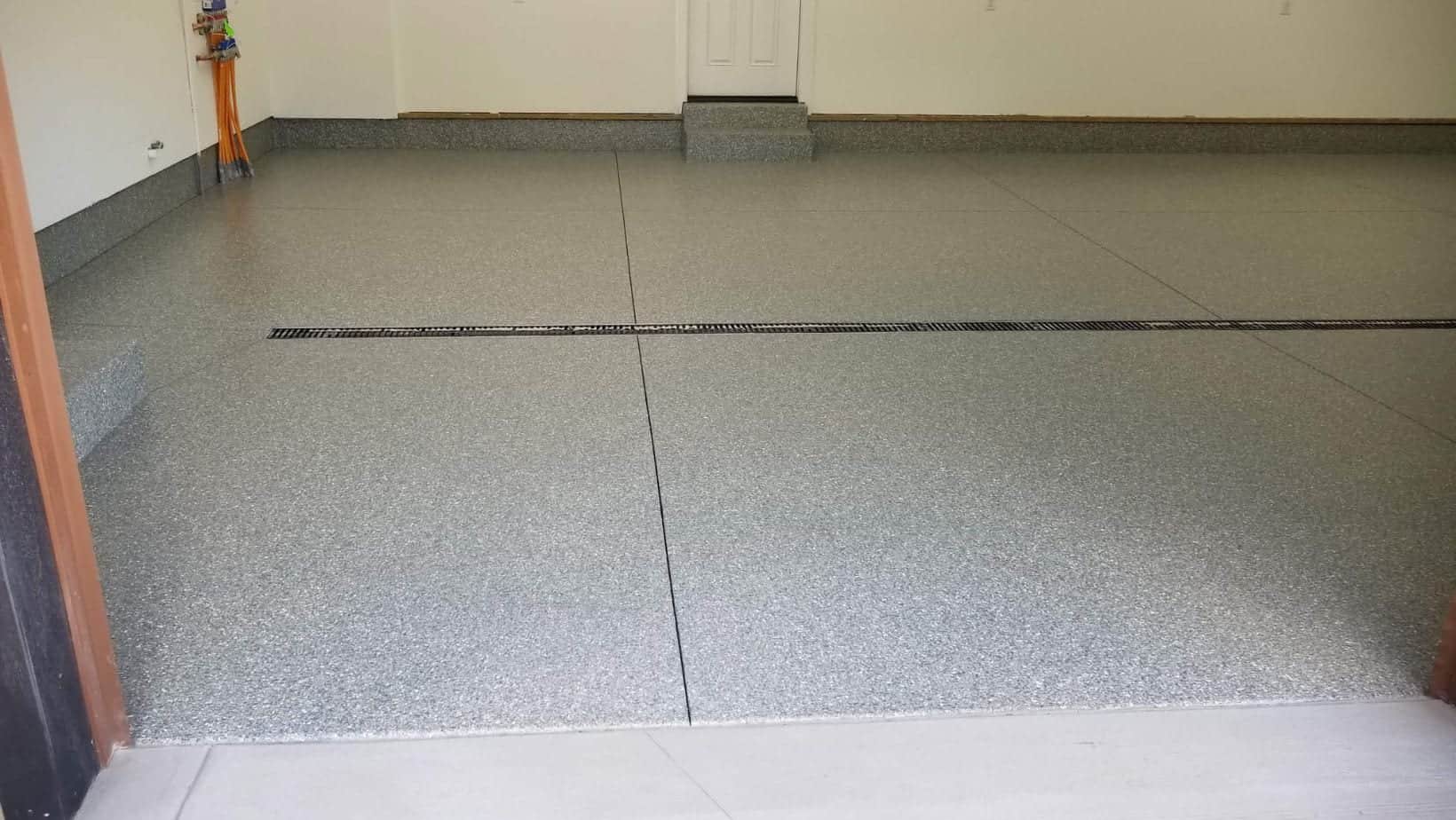
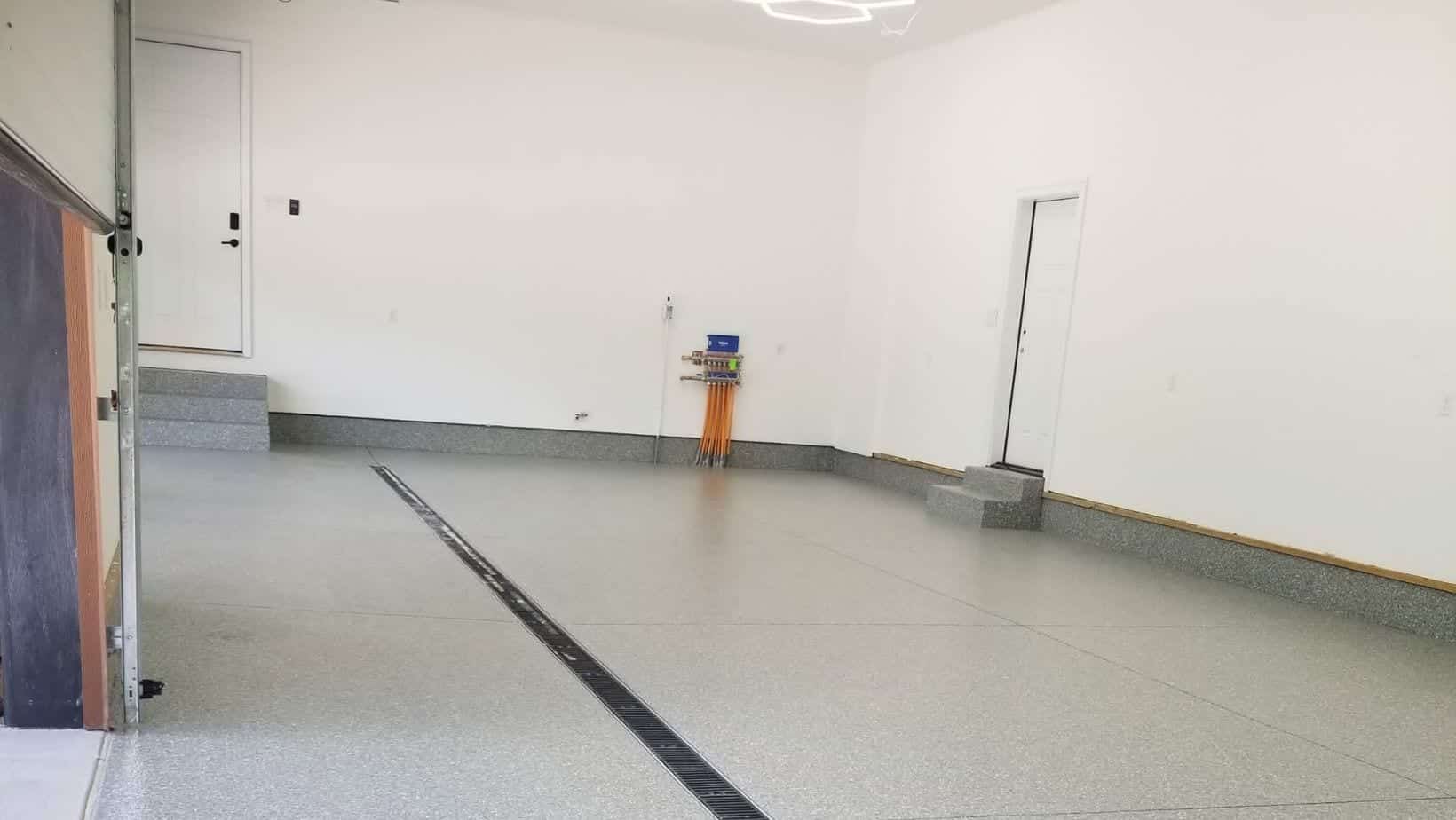
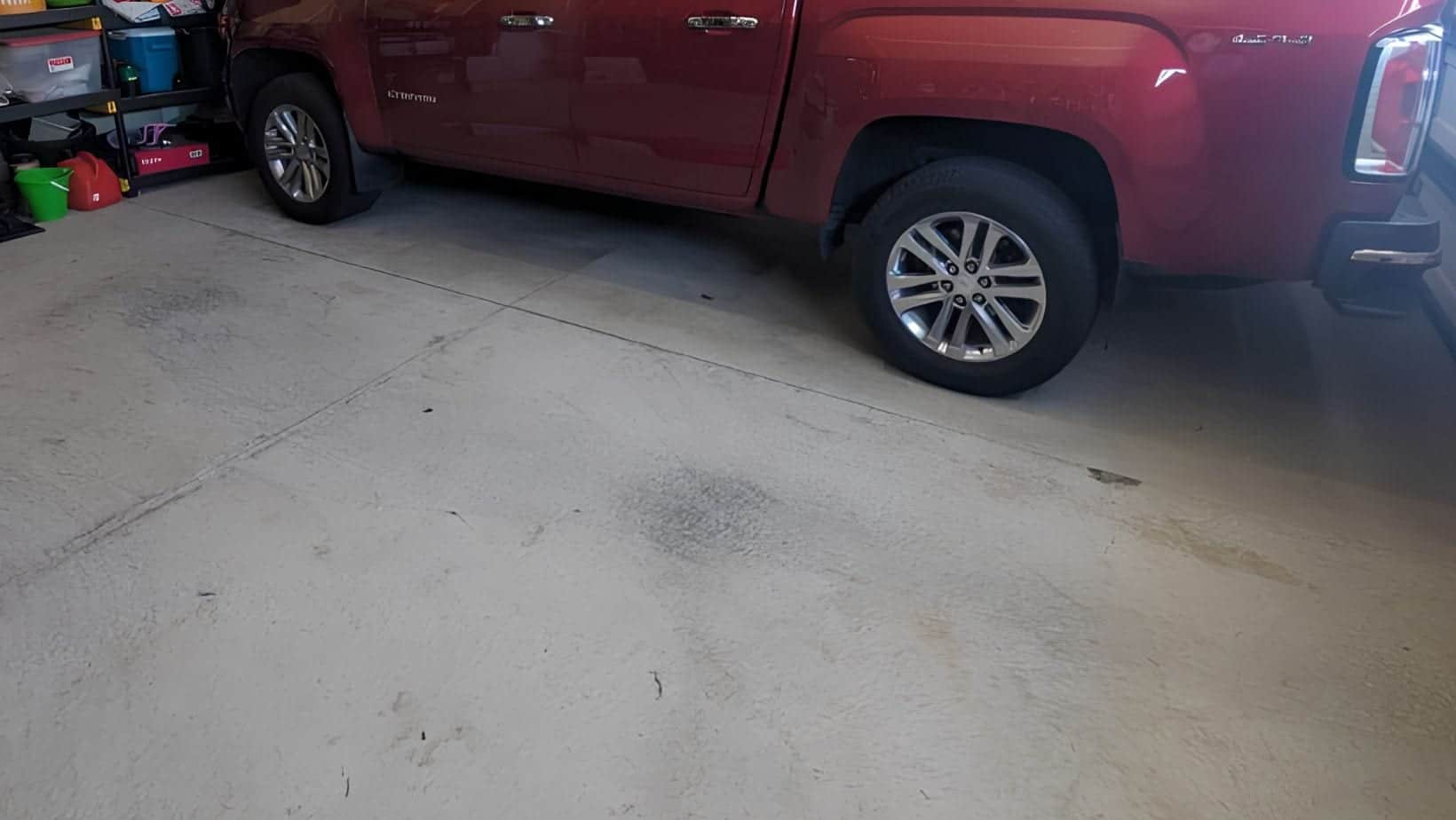
Every pair below is a real West Michigan garage we ground down to bare concrete and rebuilt. They are library photographs of our own work and are not identified to a Grand Rapids address. Drag the slider, or tap another project to see a different floor.
 BeforeAfter
Two-Car Garage: drag the handle to reveal the finished floor
 Before
 After
AfterTwo-Car Garage
 Before
 After
AfterOversized Garage
 Before
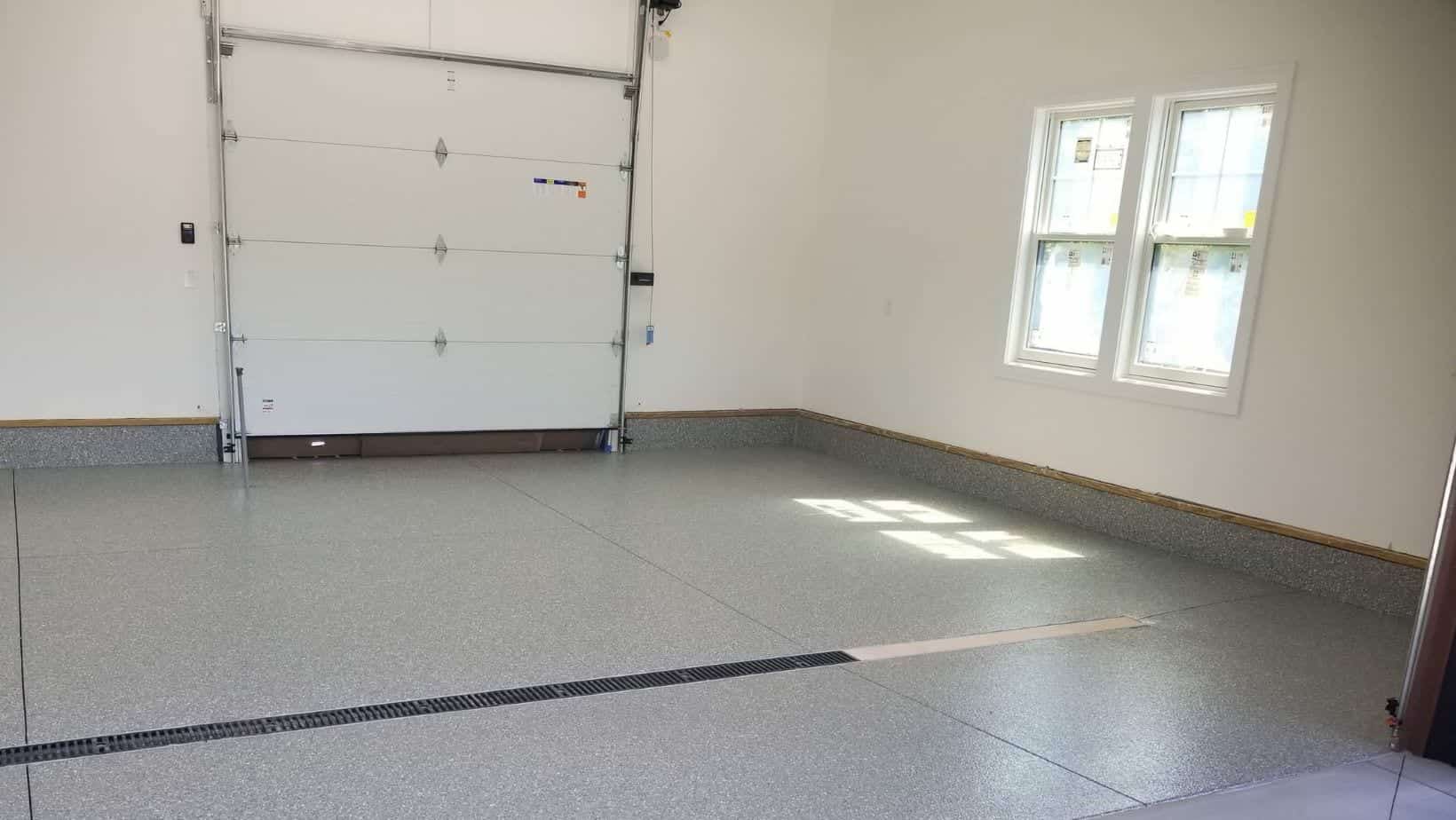 After
AfterSingle-Car Garage
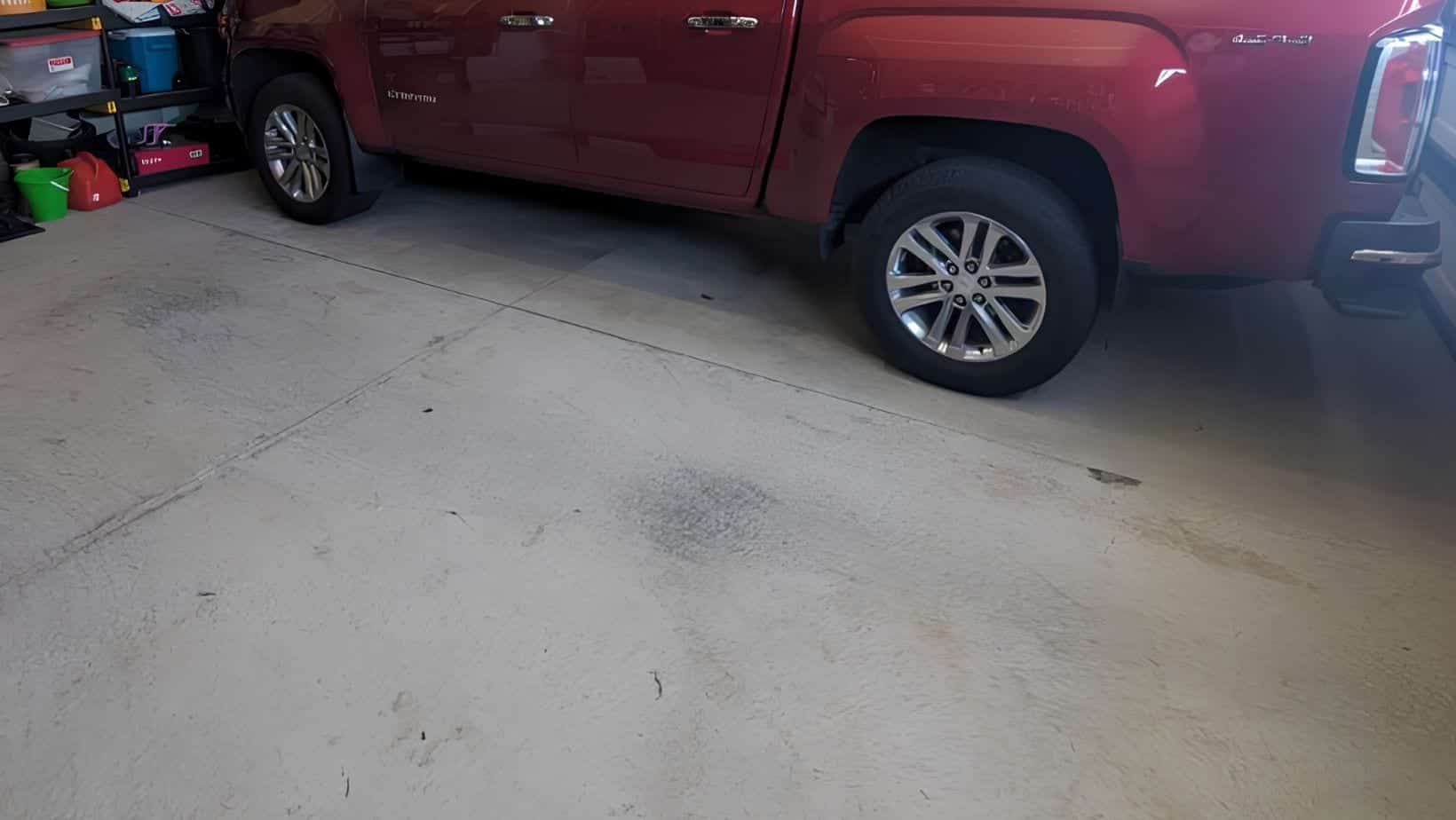 Before
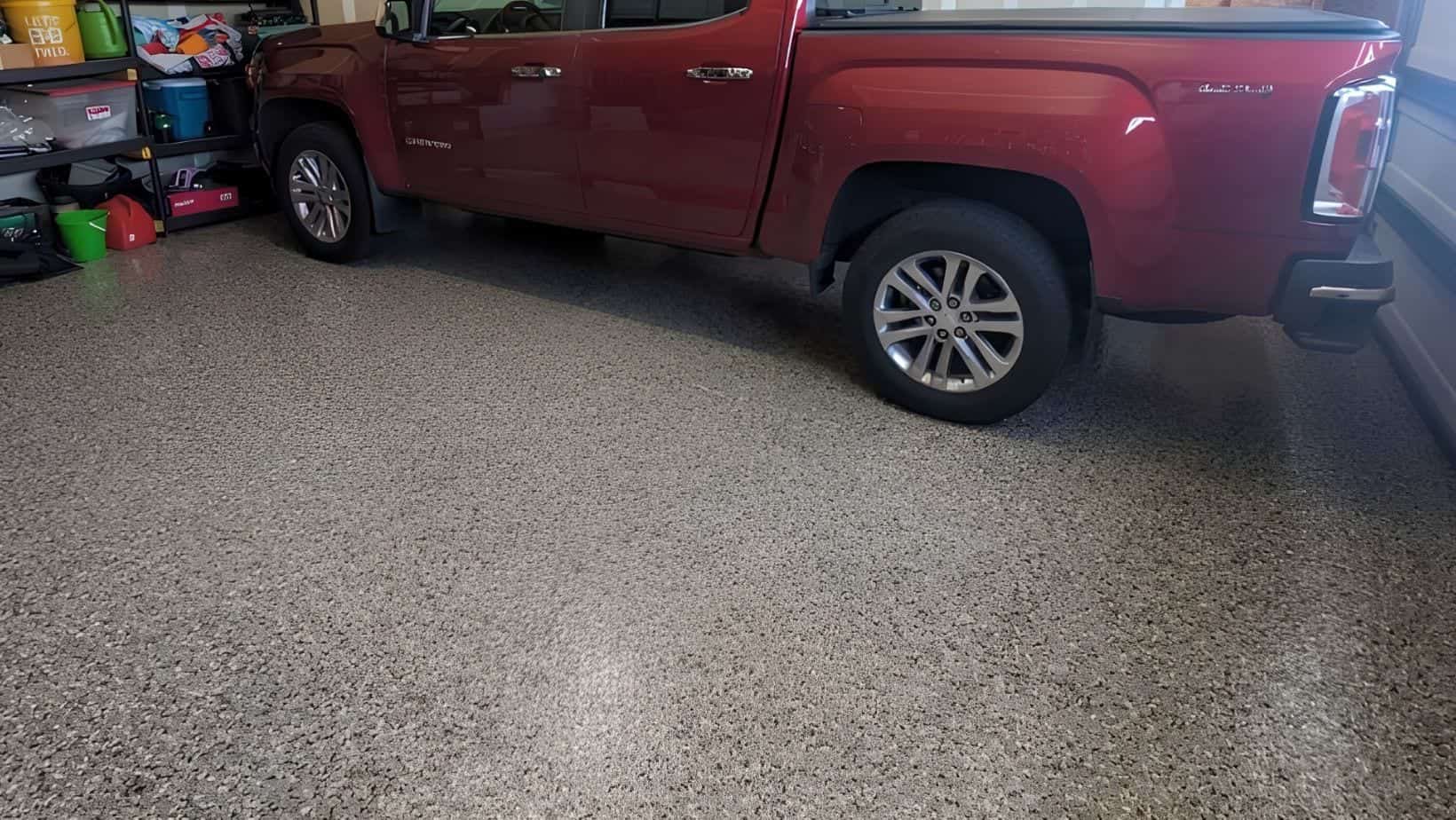 After
AfterCracked Concrete
5.0 from 150+ Google reviews
5.0 from 150+ Google reviews
Reviewed on GoogleJoy S
No pressure, just quality
Would highly recommend. No pressure sales, quality product, great communication and quality installation. I met Jeff at the home show. I was drawn into his booth by his very enthusiast kids. I got the immediate impression this was a family oriented business and that was reinforced by the conversation with both Jeff and his young son. These values drew me to this business. I signed up for a quote. Shortly after the show Jeff came to my home to present options and provide a quote. No pressure to buy, Jeff understood I needed to get thru tax season before I could be sure about my budget. Over the course of next few months Jeff was responsive to any questions I had and we got the job scheduled. Jeff provided a trailer in the quote to store contents of garage while job was being done, which was very helpful. When talking with others about the quote I learned my price was equal to or less than what neighbors had paid up to six years ago, so I felt this was good pricing. I had thought there would be a ton of dust and a big mess when grinding surface, but the machines had a vacuum attached, clean and efficient work. I was impressed that they coated steps and side walls as well as floor. No mess on drywall or driveway. Crew doing installation were great guys. They took time to fill me in on the process of installation, what to expect, how long for surface to cure and when I could empty trailer. Post install Jeff stopped out to grab trailer, filled me in on what to use and how to clean the floor. VERY happy with the whole process from sales to install to follow up. LOVE my new garage.
Blue Streak
The envy of the neighborhood
I can not express how awesome my garage floor looks. Your crew did a phenomenal job, we'll probably be the envy of the neighborhood now. Very polite, cleaned up the area, fast amazing job! My only complaint was the floor was going to look great so my wife said we had to clean out and paint all the walls and shelving, but it was worth it. Thank you again.
Kim Bickford
Cleaner than when they arrived
Wow! Jeff and Mike were amazing to partner with for my garage floor renovation! They did an amazing job but more importantly, they communicated directly with me thru texts, reminders, and in person! Jeff and his team left my garage and exterior area cleaner than when they arrived and gave clear instructions on follow up care needed for my new floor! I would highly recommend High Caliber Concrete Coatings anytime!
Installation Process
The finished color is only one part of a garage coating. We move from a close look at the concrete to a prepared surface, planned repairs, compatible layers, decorative broadcast when selected, and a final review that keeps the room's actual use in view.
Step 1
We start by reading the concrete in the context of the garage. The review covers visible wear, cracks, pits, stains, previous coatings, moisture clues, access, storage, vehicles, and any workshop activity. Those observations give the estimate a useful starting point and help define what the installation can responsibly include.
Step 2
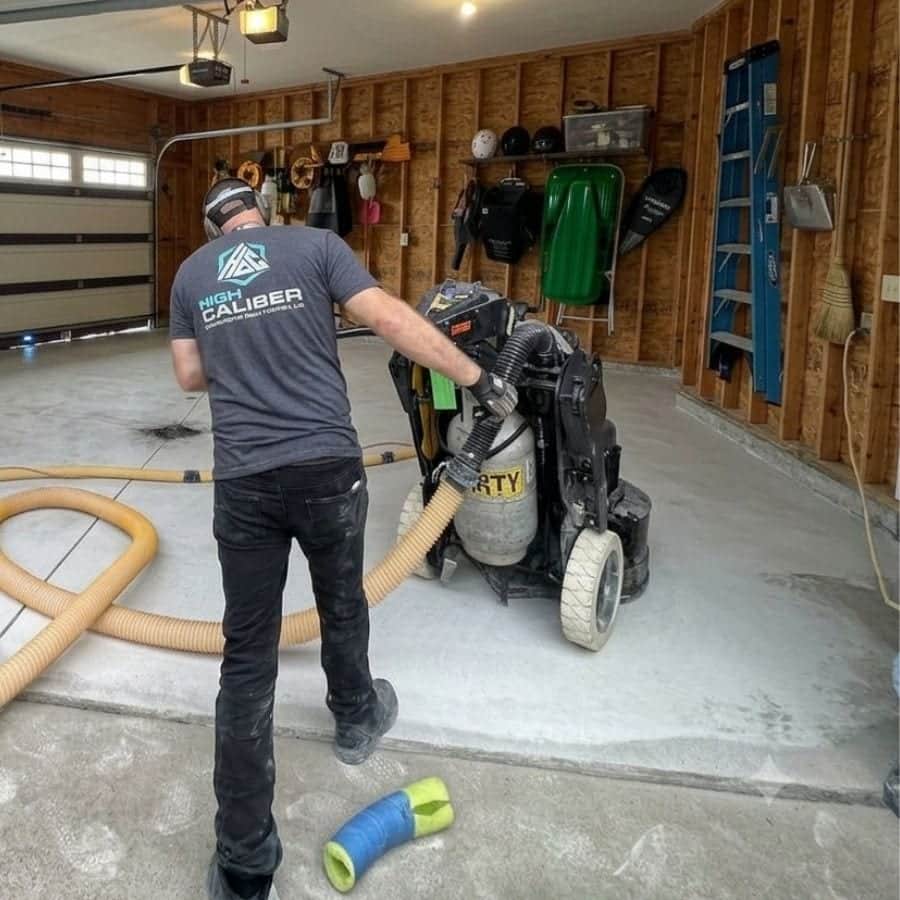
Diamond grinding mechanically opens the slab and removes weak surface material so the coating has a suitable profile to bond with. The work also exposes areas that may need attention before products are placed. Grinding is preparation for the system, not a promise to level the entire floor or resolve structural movement.
Step 3
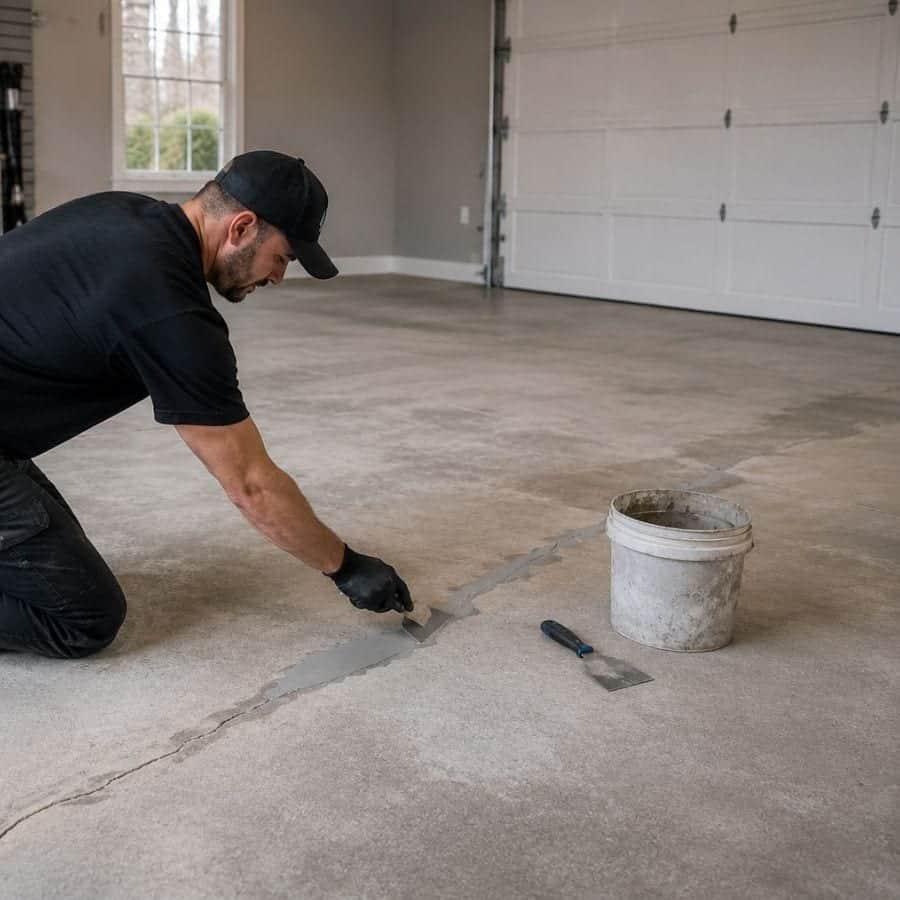
With the slab opened and visible, we address suitable cracks, pits, spalls, and damaged sections included in the planned scope. Filling and repair create a more continuous surface for the next layers and make the existing condition easier to understand. Concrete can still move, so repair is part of preparation rather than a guarantee against future change.
Step 4
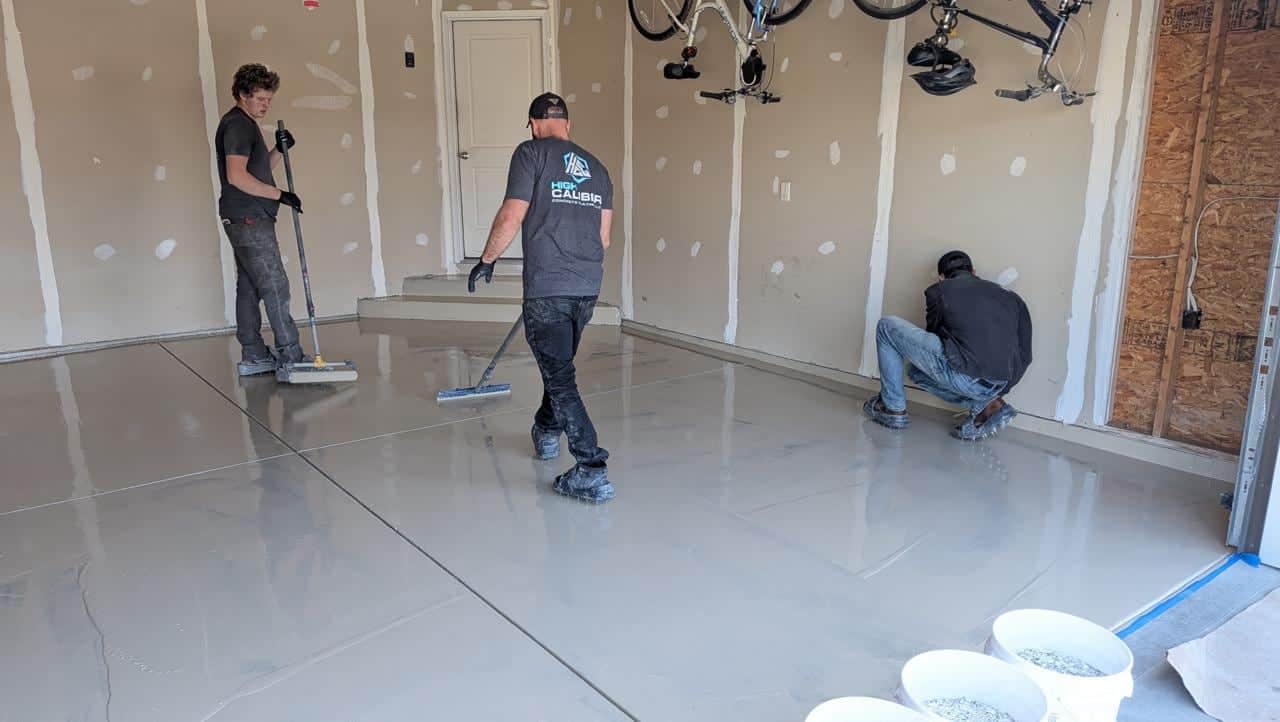
The selected basecoat goes onto the prepared work area in a controlled sequence. Epoxy provides adhesion and build where it belongs in the hybrid system, while compatible polyurea is used in its intended place within the stack. The recommendation follows the slab, the garage's traffic, and the conditions discussed before installation.
Step 5
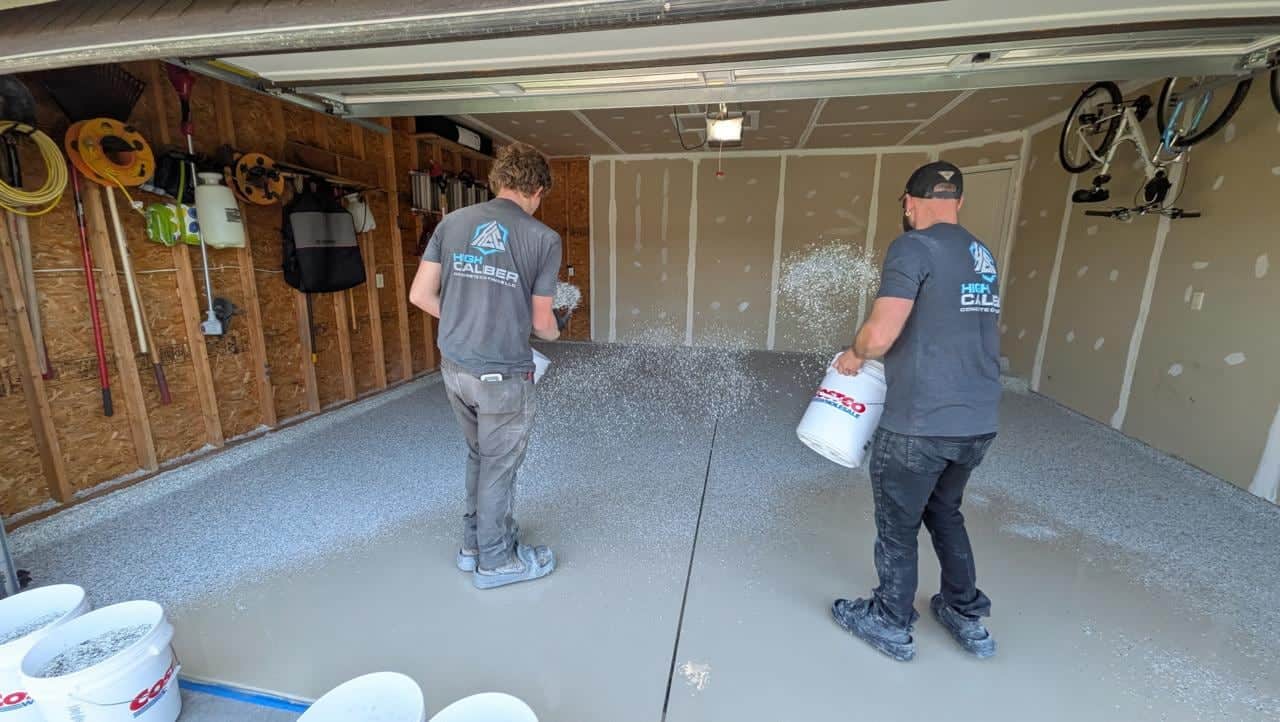
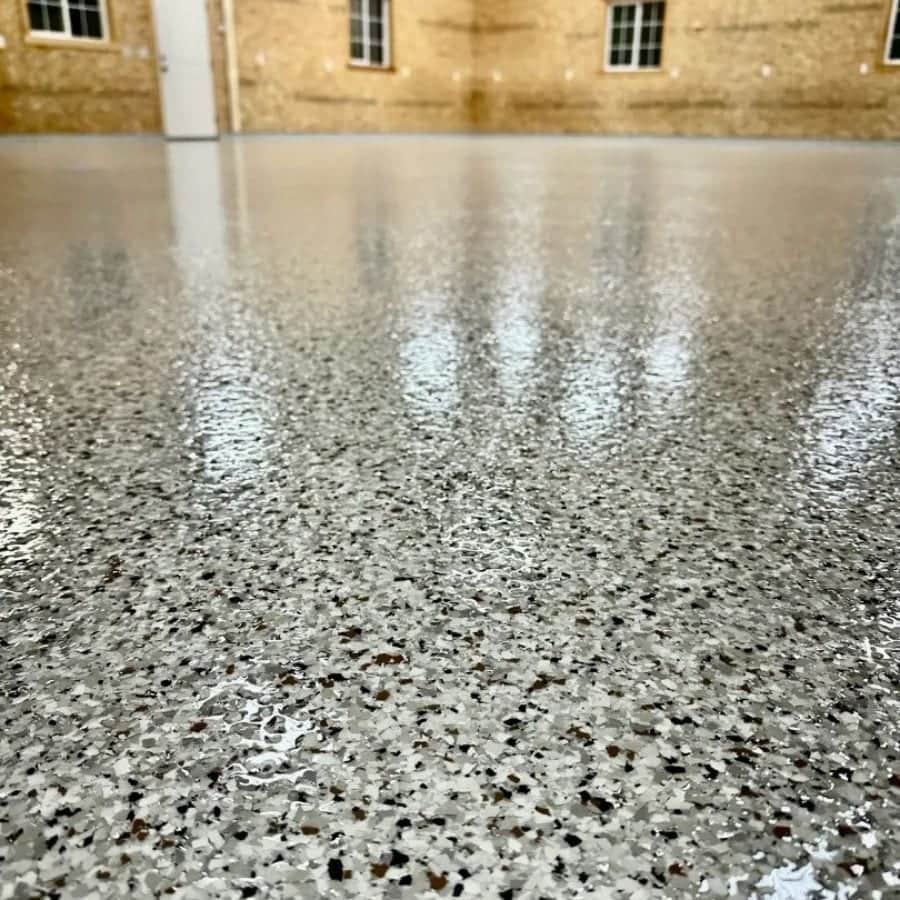
If you choose decorative flake, we broadcast it into the wet coating to build the selected visual blend across the floor. The broadcast is allowed to cure before loose material is removed and the surface is prepared for its topcoat. Color and coverage are discussed alongside lighting, storage, and daily garage use.
Step 6
After scraping and cleanup, a compatible polyaspartic topcoat can complete a typical decorative garage system. This finish layer is selected for the role it needs to perform, then the surface is inspected before we review care, access, and return-to-use expectations. The project conditions determine the practical next step.
Would highly recommend. No pressure sales, quality product, great communication and quality installation. I met Jeff at the home show. I was drawn into his booth by his very enthusiast kids. I got the immediate impression this was a family oriented business and that was reinforced by the conversation with both Jeff and his young son. These values drew me to this business. I signed up for a quote. Shortly after the show Jeff came to my home to present options and provide a quote. No pressure to buy, Jeff understood I needed to get thru tax season before I could be sure about my budget. Over the course of next few months Jeff was responsive to any questions I had and we got the job scheduled. Jeff provided a trailer in the quote to store contents of garage while job was being done, which was very helpful. When talking with others about the quote I learned my price was equal to or less than what neighbors had paid up to six years ago, so I felt this was good pricing. I had thought there would be a ton of dust and a big mess when grinding surface, but the machines had a vacuum attached, clean and efficient work. I was impressed that they coated steps and side walls as well as floor. No mess on drywall or driveway. Crew doing installation were great guys. They took time to fill me in on the process of installation, what to expect, how long for surface to cure and when I could empty trailer. Post install Jeff stopped out to grab trailer, filled me in on what to use and how to clean the floor. VERY happy with the whole process from sales to install to follow up. LOVE my new garage.
I can not express how awesome my garage floor looks. Your crew did a phenomenal job, we'll probably be the envy of the neighborhood now. Very polite, cleaned up the area, fast amazing job! My only complaint was the floor was going to look great so my wife said we had to clean out and paint all the walls and shelving, but it was worth it. Thank you again.
Wow! Jeff and Mike were amazing to partner with for my garage floor renovation! They did an amazing job but more importantly, they communicated directly with me thru texts, reminders, and in person! Jeff and his team left my garage and exterior area cleaner than when they arrived and gave clear instructions on follow up care needed for my new floor! I would highly recommend High Caliber Concrete Coatings anytime!
The floor looks awesome. What an improvement !!! The installers where also top notch. Communicated the plans and details clearly.
Jeff and his crew did an awesome job. Jeff was very prompt with his quote, his timeliness of service and his responses back to any questions I had. The closed trailer Jeff offers for use for garage contents during the work was such a great idea. It made my prep work and garage reload minimal. Jeff's workcrew was timely, hard working and very, very polite. Their clean up work was super! I did not have to do anything but reload my contents. I am beyond happy with the finished project and would recommend High Caliber for a successful experience!! I love that they are a local business and support their exceptional work ethic and results!
Jeff and his team did the most amazing job epoxy floor coating my 38 year old garage floor. Outstanding, professional, skilled, great communication. Highly recommended.
5.0 from 150+ Google reviews
This page does not put a price on a garage nobody has measured yet. Tell us how big the space is and what shape the concrete is in, and the number you get back is built around your slab instead of an average.
Free Quote
Every High Caliber quote is free and written for the floor we actually looked at. No pressure and no obligation.
Every High Caliber floor is backed by a 15-year warranty on the coating system we install.
Get A Free Quote In Four Questions5.0 from 150+ Google reviews
Benefits
A coating does not make weather disappear. It gives the room a planned finished surface and puts the important decisions in the right order, from concrete condition to the routine that follows installation.
Tires and shoes carry snowmelt, salt, and grit indoors. A finished coating keeps that routine exposure at the surface, where sweeping and washing can remain part of an ordinary garage routine.
Visible wear, pits, cracks, stains, old coatings, and moisture clues affect the plan. Looking first helps us set a scope around the concrete you own, not an idealized slab.
Bare concrete can hold dust and absorb spills. A properly prepared coating creates a more uniform surface for routine cleaning, without suggesting that vehicles, tools, or winter mess stop making dirt.
Epoxy brings adhesion and build to the base layer. Polyurea and polyaspartic contribute different properties where selected. Using the right chemistry in the right layer keeps the recommendation grounded.
Decorative flake adds texture and visual variation to a working floor. We can discuss color with the garage lighting, home, vehicles, storage, and amount of daily activity in mind.
Parking, storage, equipment work, and a daily household entrance create different priorities. Naming those priorities early makes access, care, traffic, and finish expectations easier to discuss.
Service Overview
A garage can be a vehicle bay in the morning, a storage room in the afternoon, and a workshop by evening. Attached garages, detached spaces, newer slabs, older concrete, and rural outbuildings do not all present the same starting point. We begin with the room and its demands before recommending a finish.
Our hybrid system gives the layers different assignments. Epoxy supplies adhesion and build in the basecoat. Polyurea and polyaspartic serve their own roles in the stack. The useful question is how compatible materials and careful preparation should work together on your slab.
Why High Caliber
Our family-owned crew works from the Holland and Zeeland area across West Michigan. That local connection keeps the estimate, concrete conversation, installation, and final walkthrough joined as the project moves forward.
That continuity makes room for useful questions. We can explain why epoxy belongs in the basecoat, what later layers contribute, how preparation affects adhesion, and what the slab may ask of the schedule. The recommendation remains tied to your garage instead of a generic product label.
Grand Rapids, Michigan
Grand Rapids is in Kent County, within inland West Michigan and the greater Grand Rapids area. Freeze thaw cycles, seasonal snow, road salt, humid summers, and spring moisture all help describe what can reach a garage floor. They provide context for the estimate, while the concrete in front of us determines the actual preparation conversation.
The local residential setting can range from older neighborhoods with established garages to newer subdivisions, attached parking, detached garages, workshops, and rural edges. A garage that serves as the household entry may need a plan for wet shoes and salt residue. A detached workshop may put more emphasis on equipment, storage, and repeated traffic.
Commercial and agricultural settings across the wider area can also include warehouses, manufacturing spaces, service businesses, and outbuildings. We do not assume that a property type guarantees a particular coating. We ask what the room receives, how the slab is performing, and what a successful finished surface would help you do. That keeps a regional reference useful without turning it into a project claim.
Wet tires, shoes, grit, salt, and spring moisture can all become part of the garage routine in Grand Rapids.
Attached garages, detached spaces, workshops, pole barns, and storage areas may call for different access and wear conversations.
Holland, Zeeland, and Hudsonville are nearby service area references, not claims about a specific project or customer.
Gallery And Visual Proof
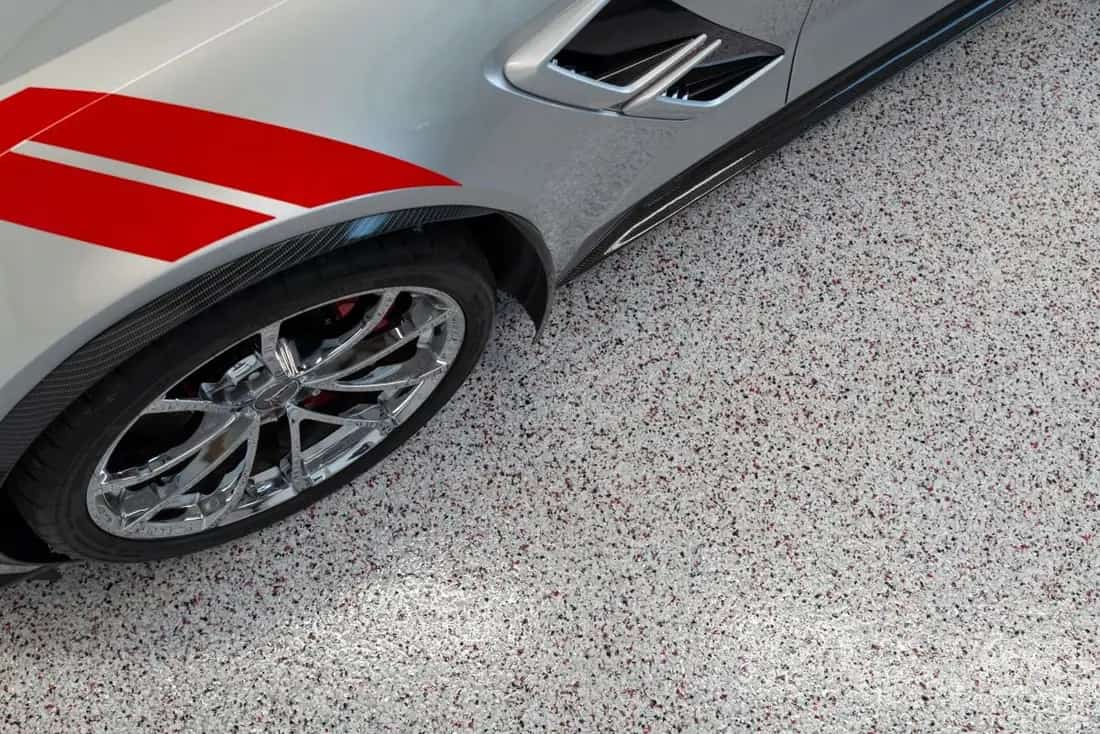
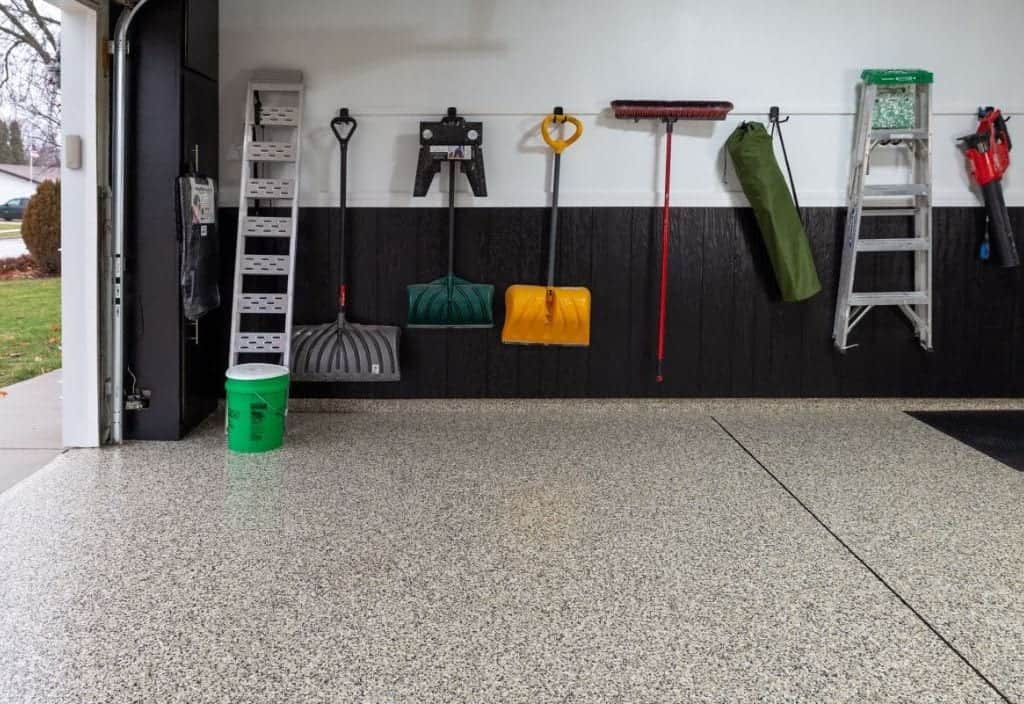
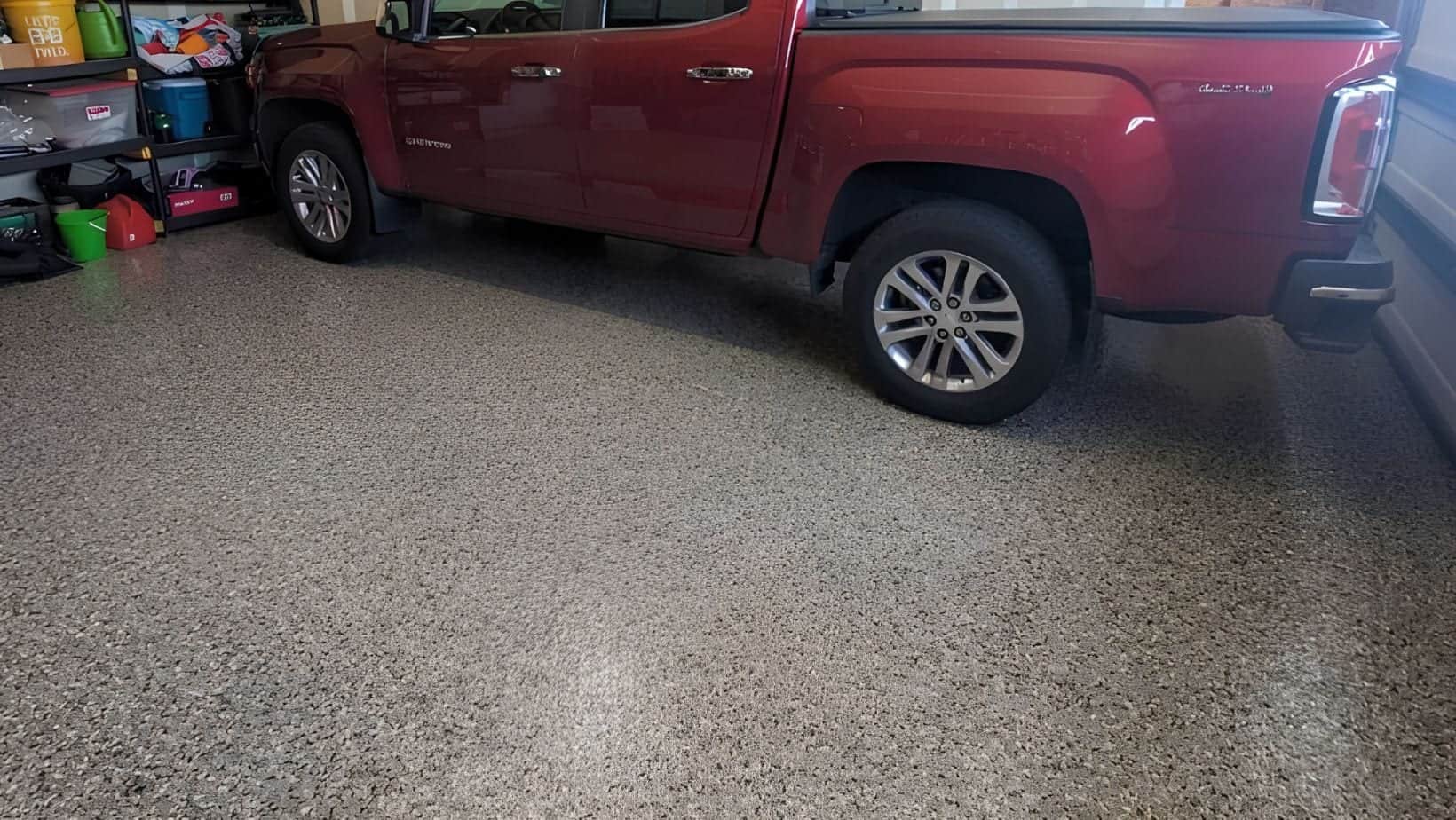
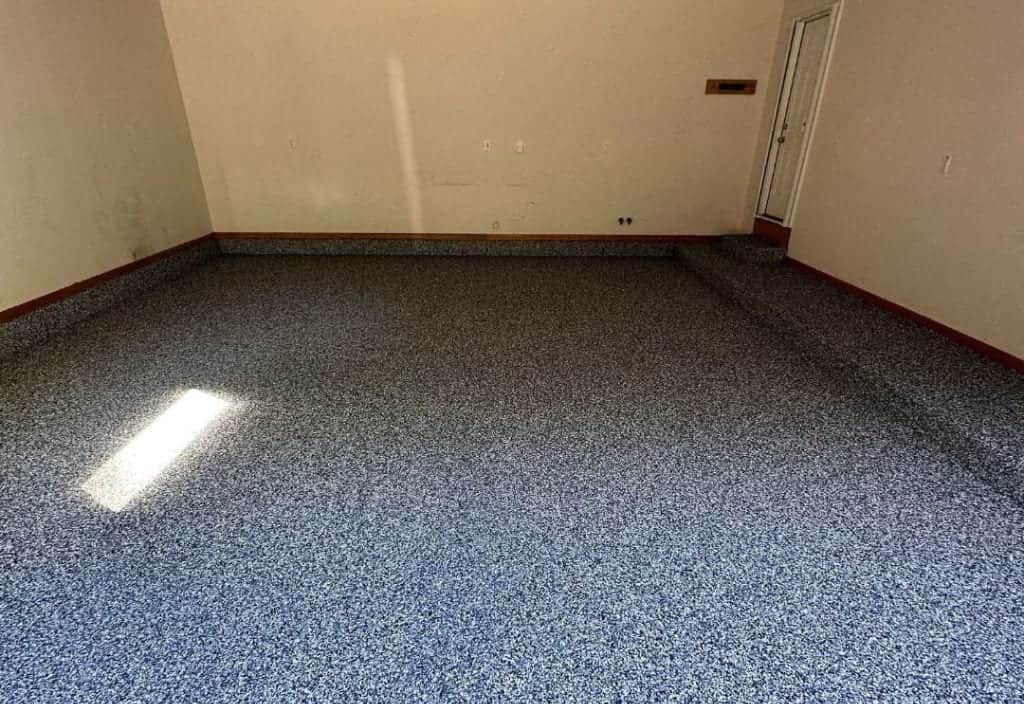
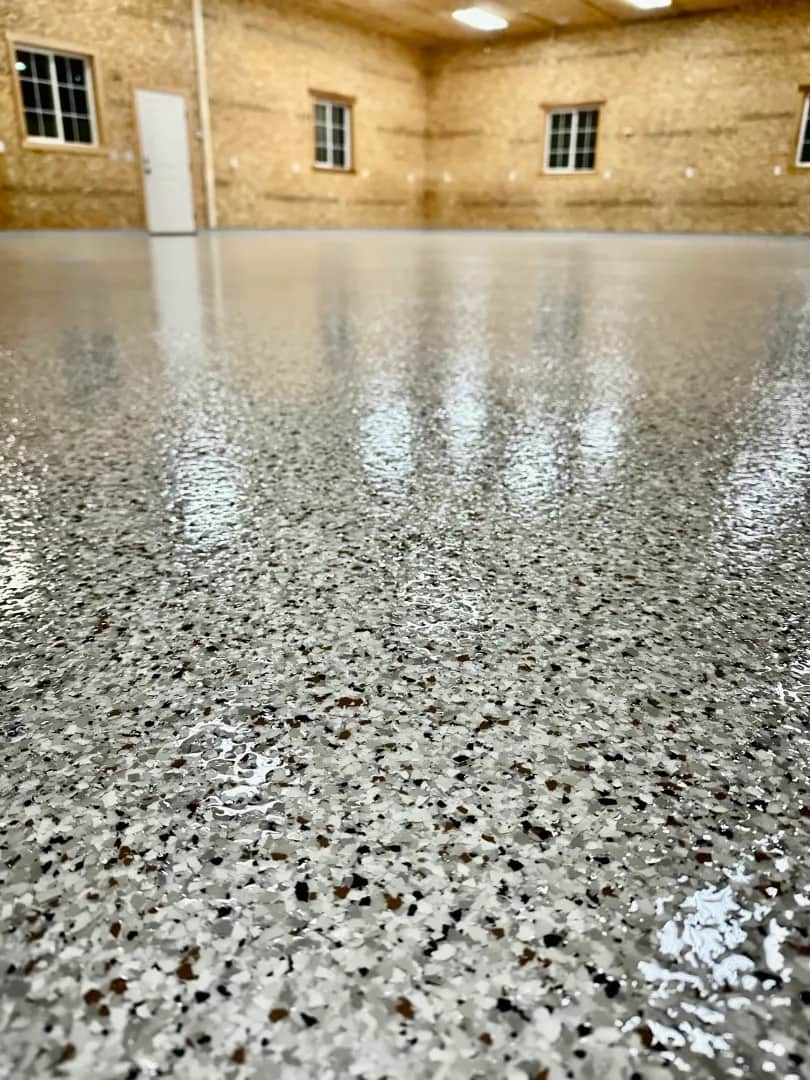
The High Caliber image library shows surface texture, preparation, and completed garage floors. These images are visual references only and do not identify a Grand Rapids project location.
Frequently Asked Questions
A garage in Grand Rapids may see seasonal snow, road salt, wet shoes, grit, spring moisture, vehicles, storage, and equipment use. Those conditions do not choose the system by themselves, but they are useful context. We combine them with the slab condition and the room’s routine before discussing preparation, layers, and finish.
The hybrid system is planned as a sequence rather than a single product choice. We prepare the slab, place the epoxy basecoat for adhesion and build, use compatible polyurea where the planned system calls for it, and apply a polyaspartic topcoat when that finish is selected. The estimate connects that sequence to your concrete, traffic, moisture discussion, and finish goals.
We review the surface for wear, cracks, pits, spalls, stains, previous coatings, and moisture clues, then use diamond grinding to prepare and inspect the concrete more closely. Suitable repair areas can be included in the scope. A coating plan should acknowledge movement and surface limits instead of promising a perfect slab.
No. Vehicles and shoes will still bring salt, water, grit, and seasonal debris indoors. A finished coating gives that mess a more uniform surface to sit on and clean from, but regular maintenance remains necessary. The amount and pattern of exposure should be part of the estimate and care conversation.
It may, when the slab, traffic, access, and intended work support the system. A workshop or pole barn can bring tools, equipment, spills, and heavier wear than a parking only garage. We discuss those demands first, then consider the flake blend, topcoat, maintenance, and realistic expectations for the finished room.
Spring moisture, damp areas, and other moisture clues deserve attention before a coating is selected. We use the available condition information to decide whether the planned scope needs further discussion or a supporting option. A coating is not a substitute for solving every moisture source, so we keep that distinction clear.
Most residential garage flake systems follow a two day sequence, with preparation and basecoat work first, followed by scraping, cleanup, inspection, and topcoat work. Repairs, moisture, square footage, access, materials, and installation conditions can affect the schedule. Your estimate confirms project specific access and return to use expectations.
The work area needs practical access, and we should know about vehicles, stored items, pets, doors, utilities, prior coatings, damp areas, and repairs. Clearing the planned work zone helps the preparation move as intended. We will review access limits, care, curing, and the next step before scheduling the installation.
Related Services
A garage coating may be the destination, but the concrete condition can point toward useful supporting information. These services help separate preparation, moisture, and finish questions before you choose a direction.
See how mechanical preparation removes weak surface material and creates a coating profile.
Learn moreReview decorative flake possibilities for garages and other suitable working concrete spaces.
Learn moreLearn about a supporting option when moisture conditions need a closer slab discussion.
Learn moreUnderstand where polyurea may contribute within a compatible multi layer coating system.
Learn moreExplore a finish layer commonly used in decorative and exposed floor systems.
Learn moreFree Estimate
Tell us how your garage is used, what the concrete looks like, and what arrives through the door during a Grand Rapids winter. We can talk through preparation, moisture, hybrid layers, flake choices, access, care, and the supported timeline before work is scheduled. Request a free estimate online or call (616) 777-7348 to begin. A clear conversation now makes the next decision easier for your daily routine.
5.0 from 150+ Google reviews
Free Project Quote
Answer a few quick questions so we can recommend the right preparation and give you a clear quote.
5.0 from 150+ Google reviews
Phone
Business Hours