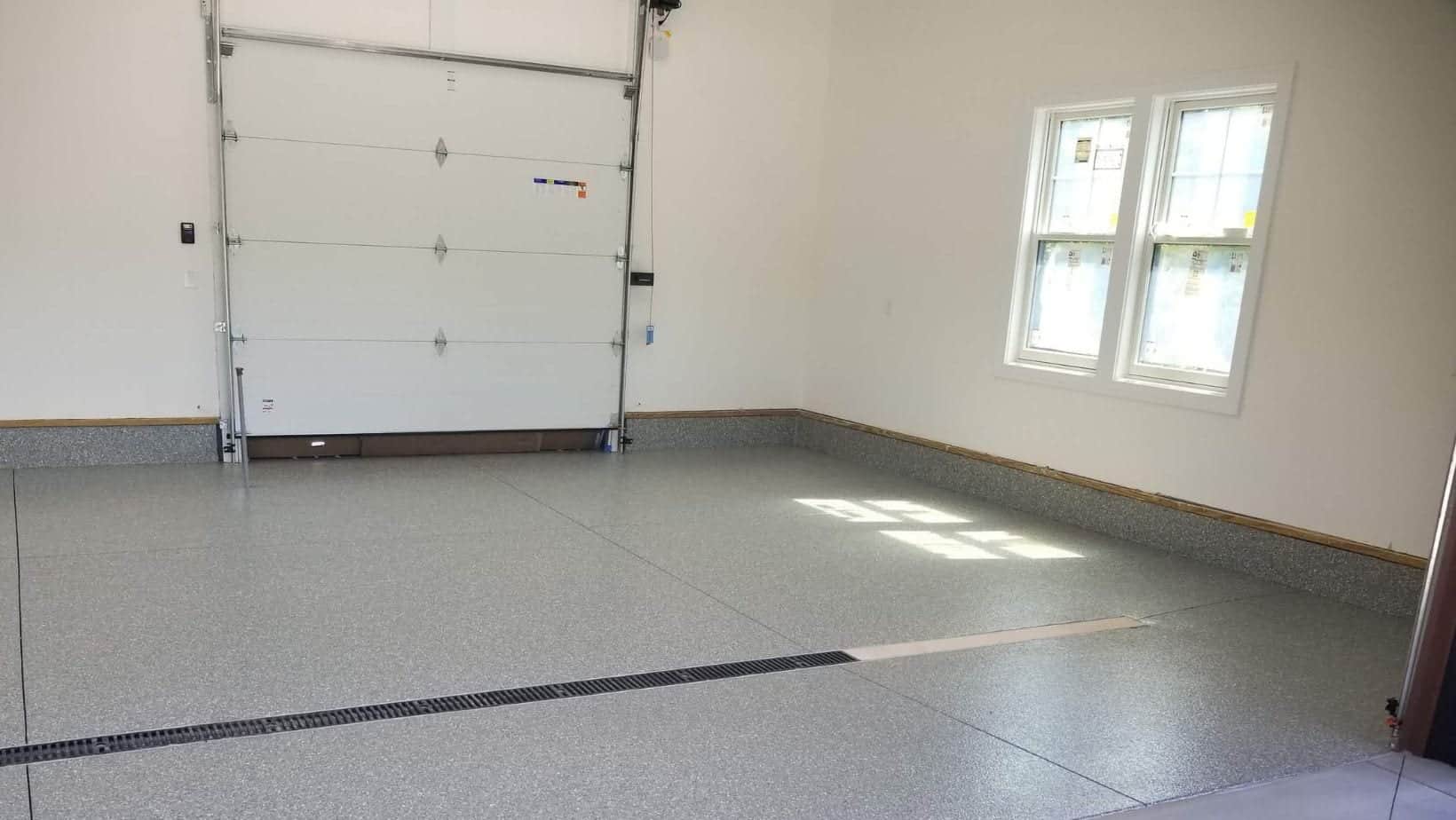
Before materials or tooling are selected: is this simply epoxy paint?
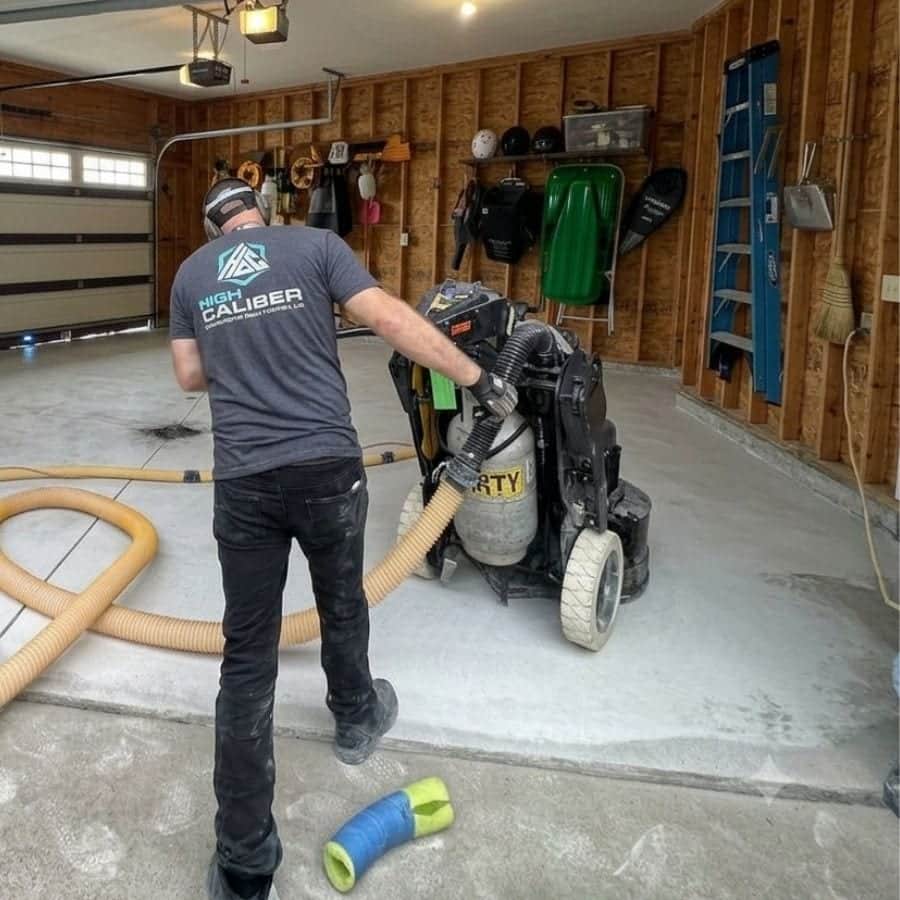
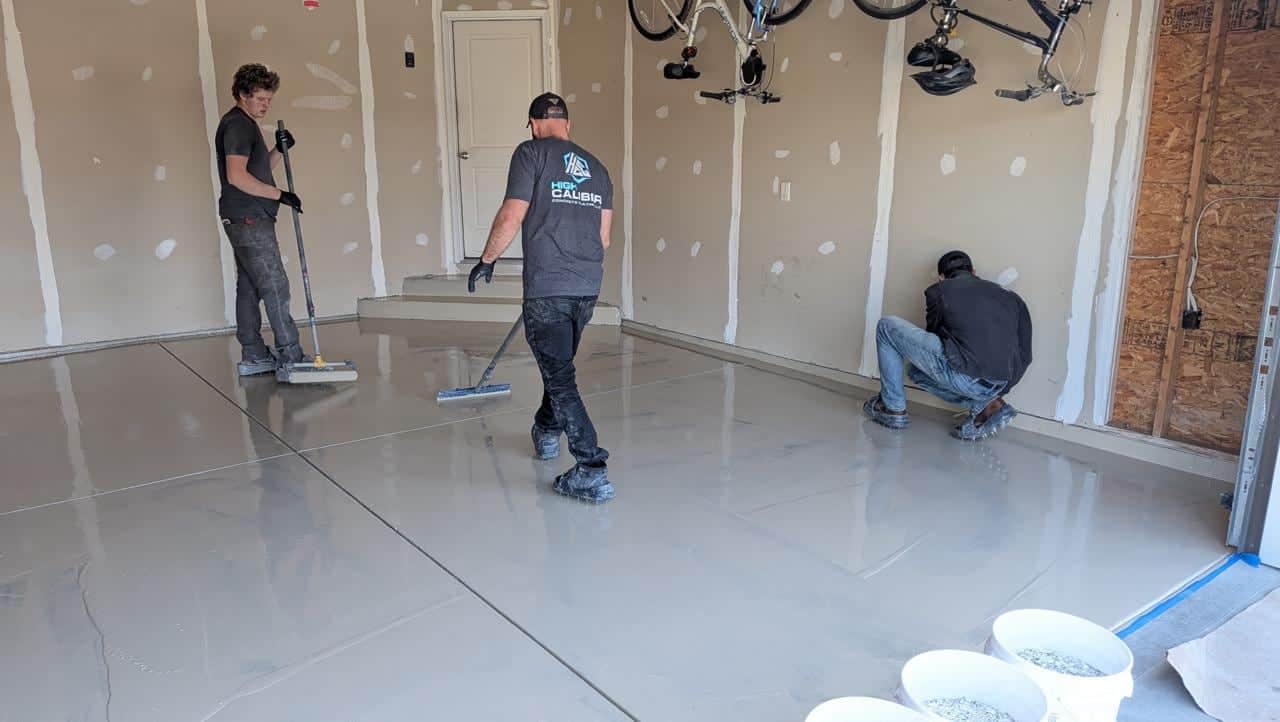
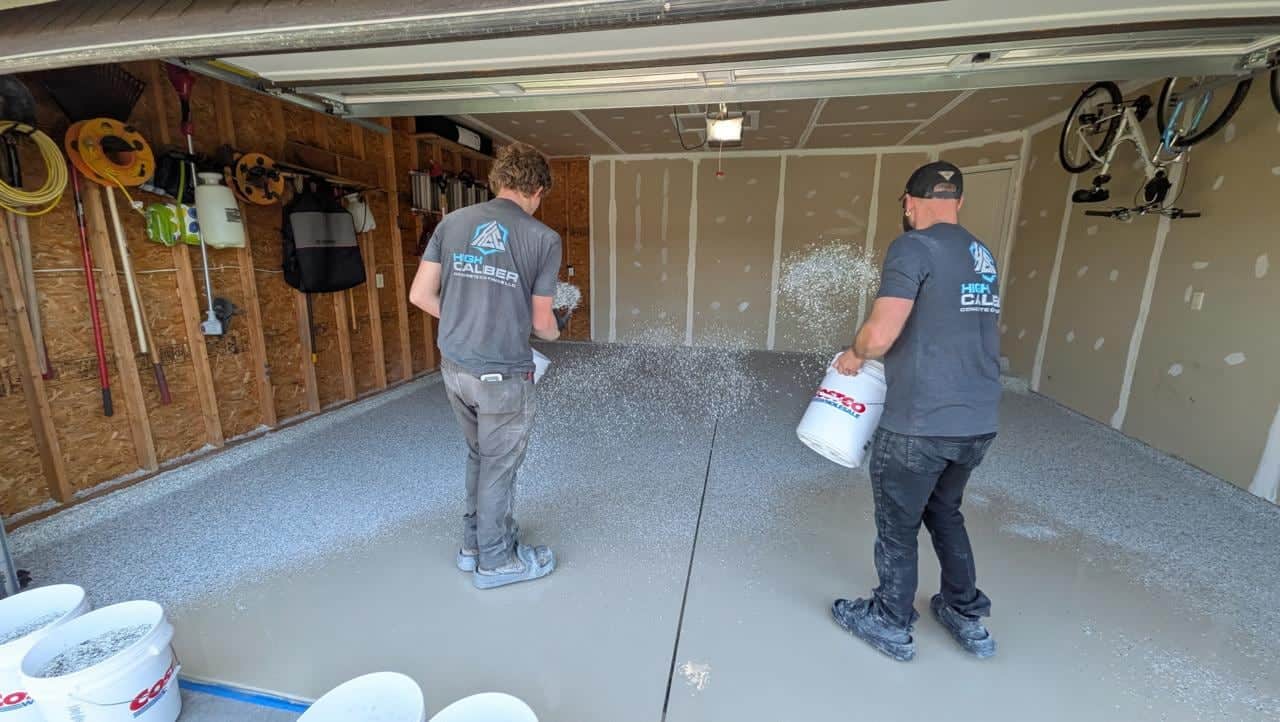
A well-prepared garage system includes inspection, mechanical preparation, repair where appropriate, a selected base layer, optional decorative material, and a compatible topcoat; epoxy may be important in the base, but the complete installation is broader than a can of paint; owners across newer and established homes, attached and detached garages, and basements can use this distinction to compare appearance and maintenance.
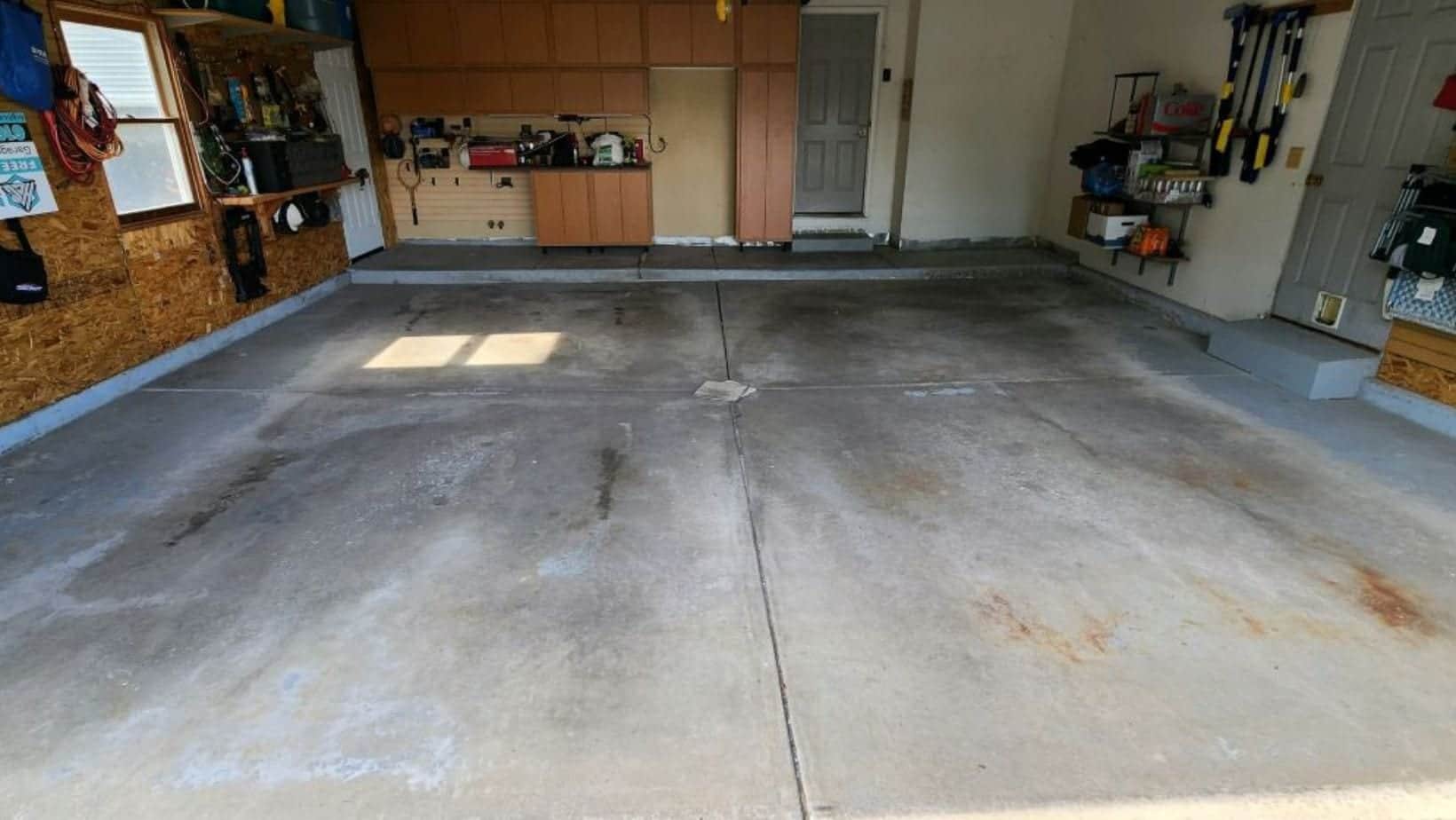
Before the scope is set: can a garage with cracks be coated?
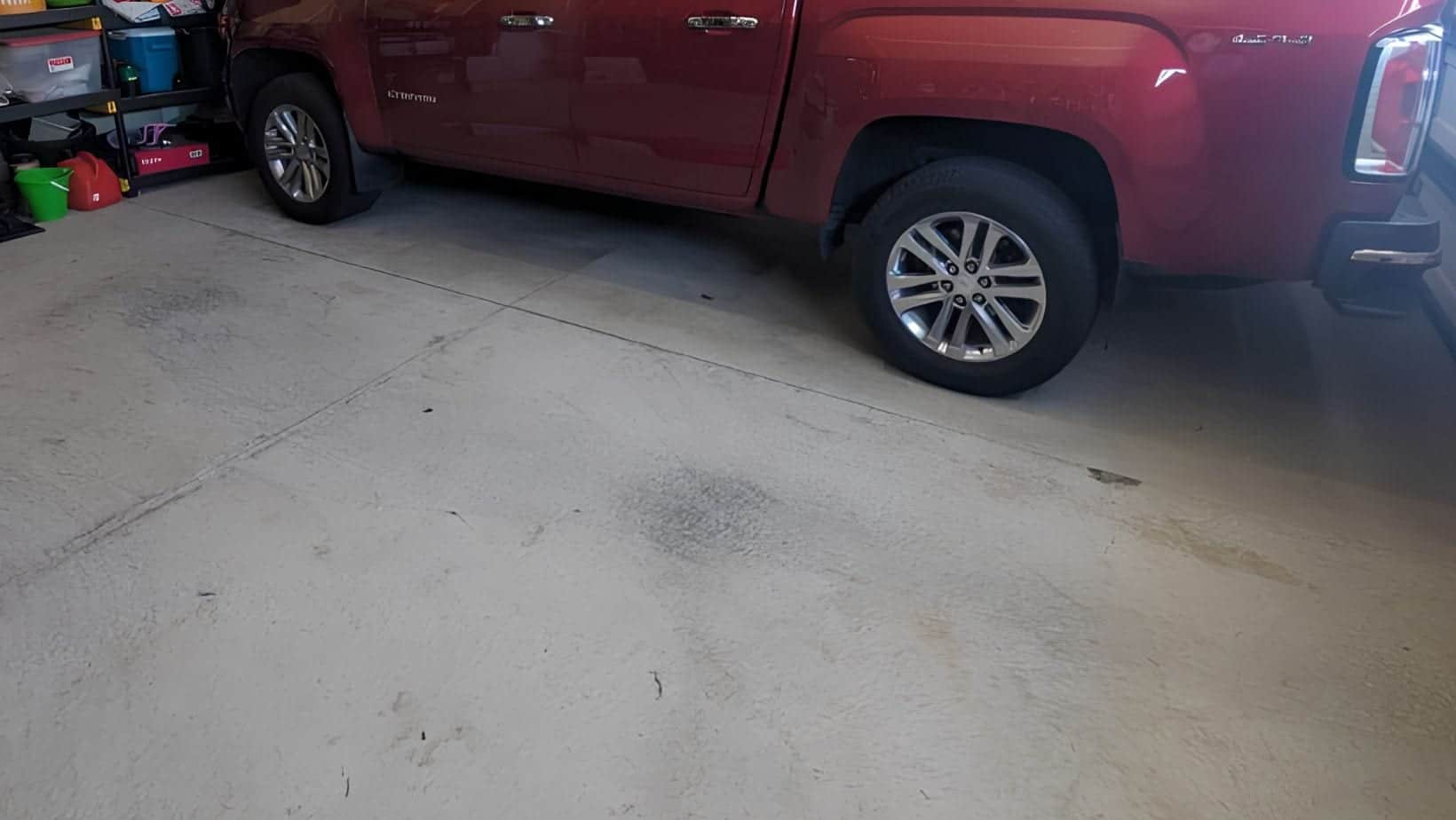
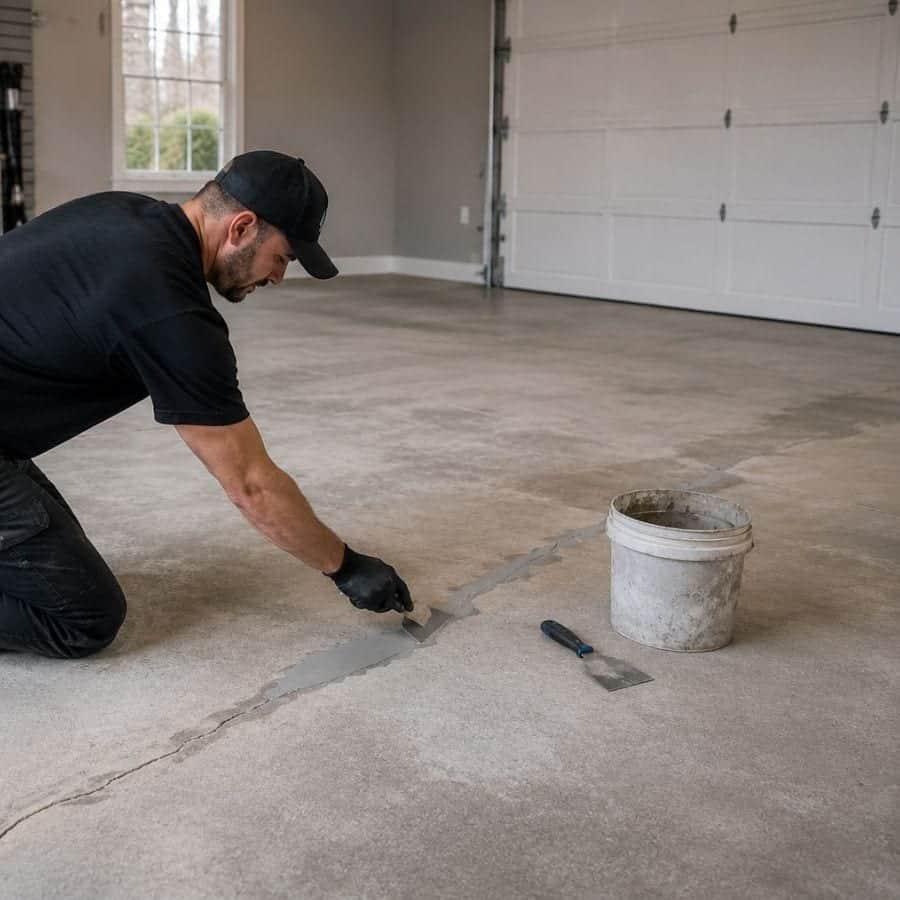
Cracks and damaged areas can often be prepared and repaired within the project scope after the surface is opened; the estimate should distinguish repair from a guarantee against future slab movement, because concrete conditions can continue to change; in Zeeland Charter Township, the answer should also account for the way moisture, debris, and repeated use affect the floor.
As preparation is planned: how is the finish selected?
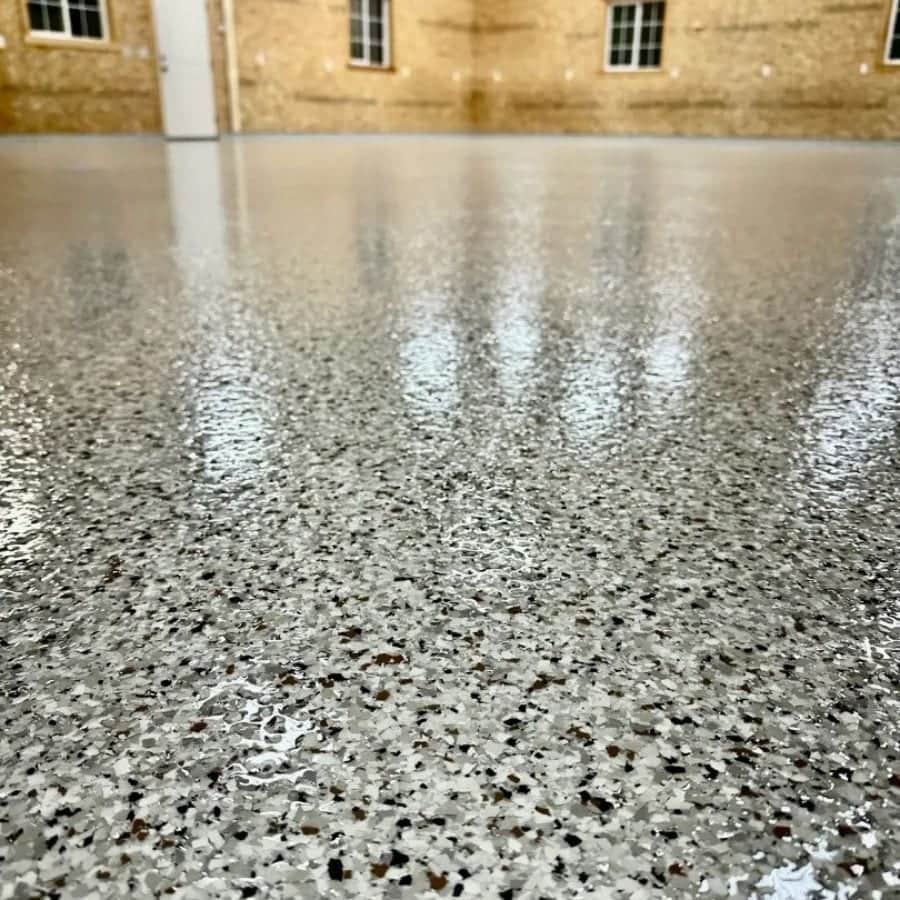
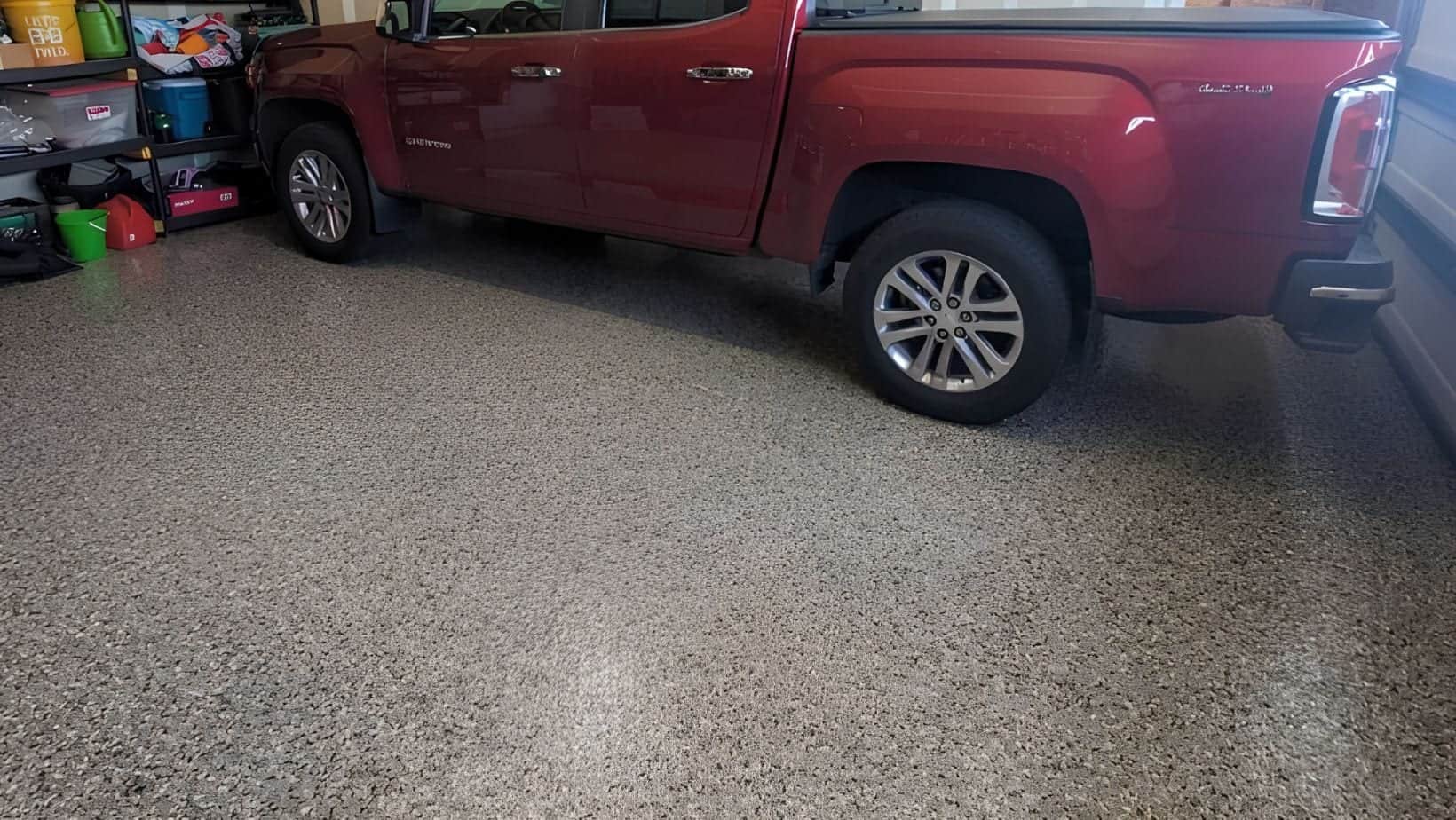
The useful choice considers light, vehicles, storage, cabinets, housekeeping preferences, and how visible grit or residue should be; decorative flake blends are common, while the final recommendation follows the room and concrete; the limit matters when the floor supports household and working concrete areas.
At the handoff-planning stage: what affects the installation schedule?
Square footage, access, preparation needs, repairs, moisture findings, materials, and site conditions shape the sequence; the crew should confirm the actual schedule and return-to-use expectations for the property rather than rely on a universal promise; this point should be settled for concrete in local homes and working buildings.
During a site review: does coating make winter cleanup easier?
A finished surface can make salt, slush, grit, and ordinary spills easier to identify and remove than on porous bare concrete; it still needs reasonable cleaning, especially when winter residue is allowed to accumulate; for Zeeland Charter Township concrete affected by the local combination of wear, access, and seasonal exposure, that clarification helps set the scope.
For a room with daily traffic: what should be moved before work begins?
Vehicles, stored items, shelving access, pets, and the path used by the crew should be discussed during scheduling; the final preparation instructions depend on the room and the agreed work zone; the site review should confirm this matter for residential and commercial rooms.
When might another concrete service make more sense?
Moisture concerns, extensive removal, a desire to keep the slab visually natural, or a different type of room may point toward grinding, polishing, sealing, or another coating system; the estimate is the place to compare those routes honestly; for garages, shops, and household rooms, this is a practical point to confirm before scheduling.