
Where Does Turning Happen
Forklifts, carts, and fleet tires concentrate wear at turns, doorways, loading points, and staging areas. Mapping those locations helps us discuss a finish around real movement instead of average foot traffic.
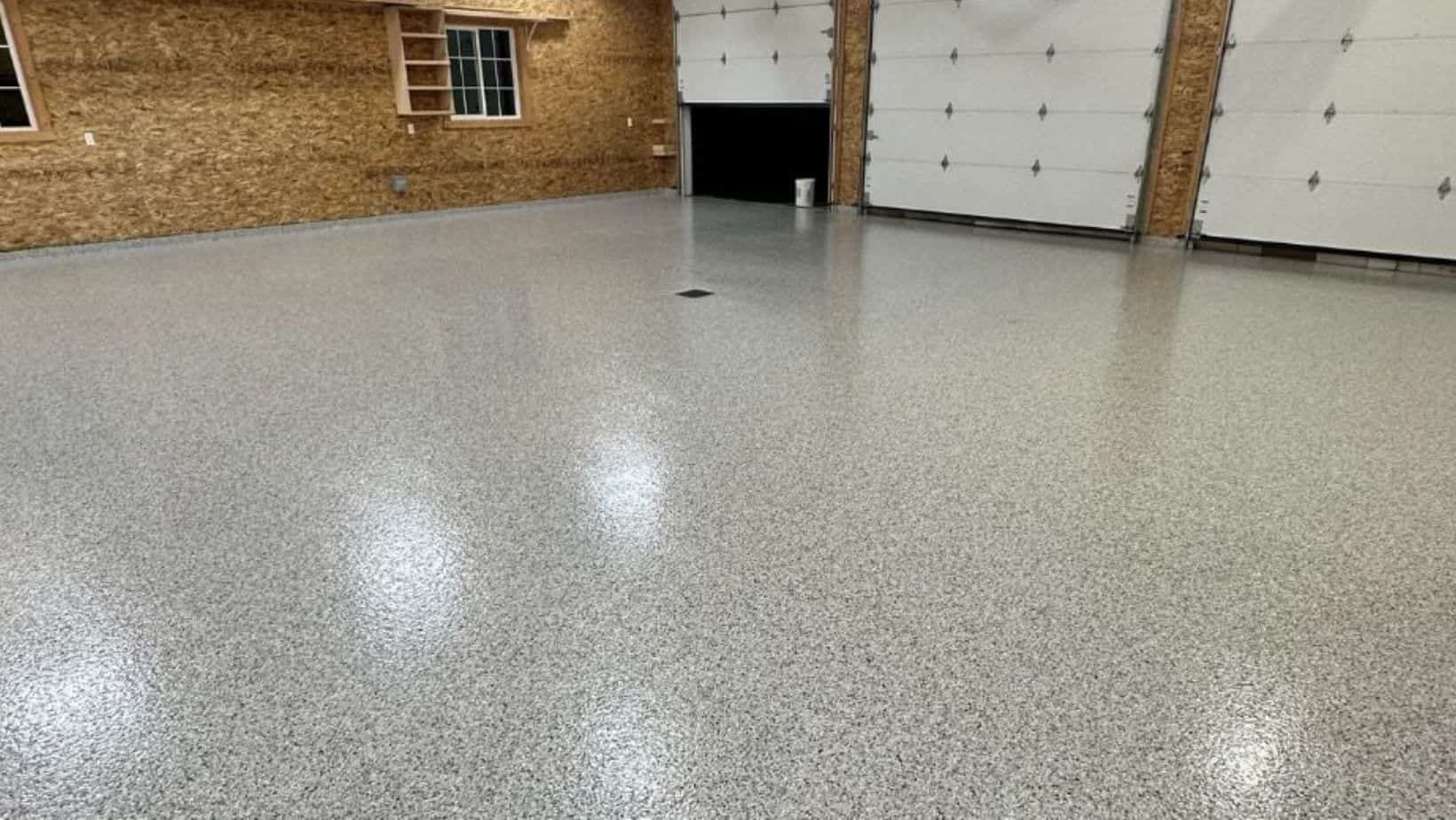
At a Jenison facility, the coating conversation starts where work meets the concrete. We consider what crosses the doorway, what wears the surface, what spills or gets washed away, and how the building can release space for preparation. Then we plan compatible layers around the slab and the people using it.
Service Overview
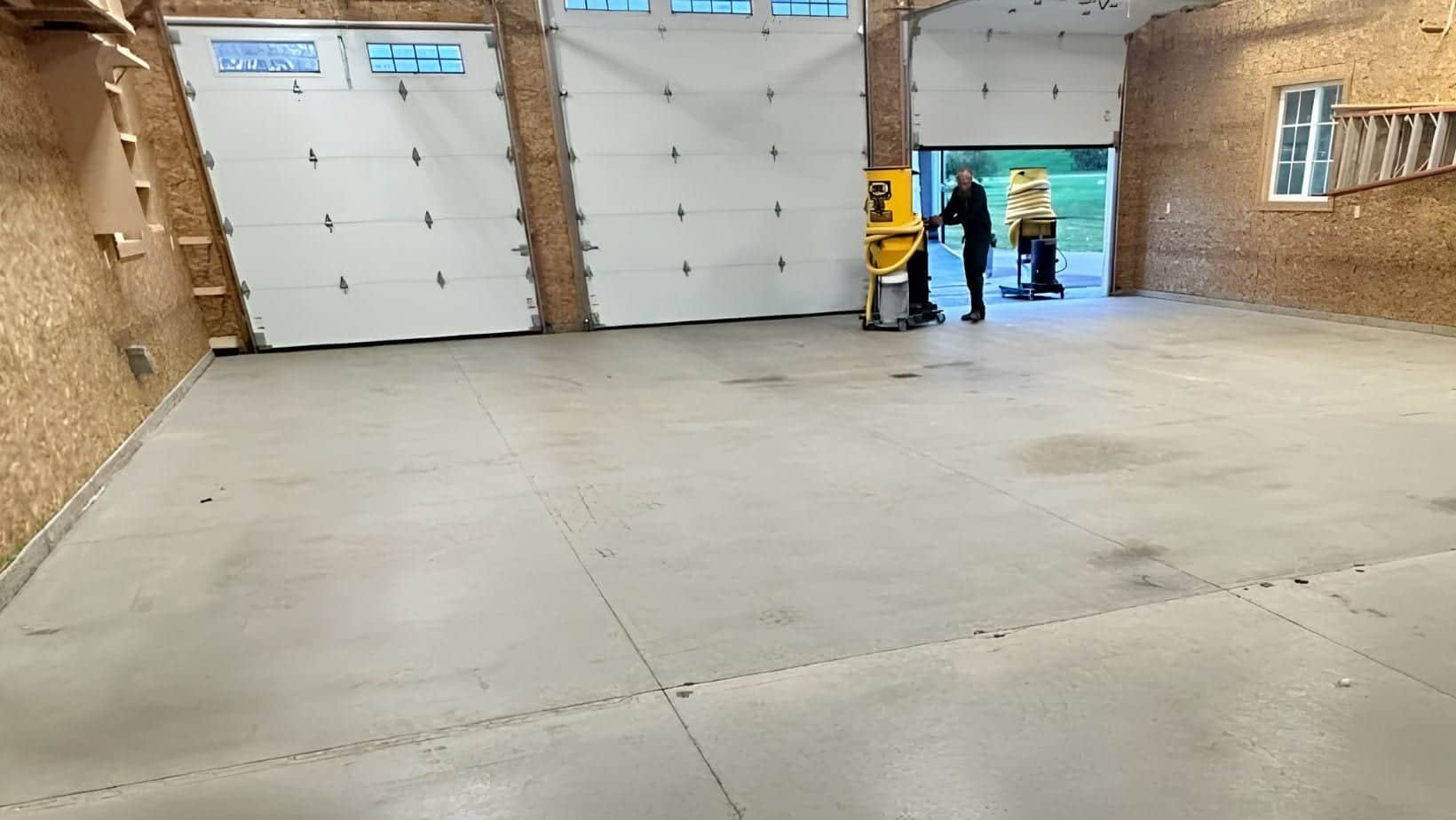
A warehouse, fleet garage, workshop, agricultural processing area, or service bay does not use concrete in the same way. Forklift turns, cart wheels, tires, grit, fluids, wash water, joints, and cleaning tools each leave a different planning question. We want to understand those questions before a finish is chosen.
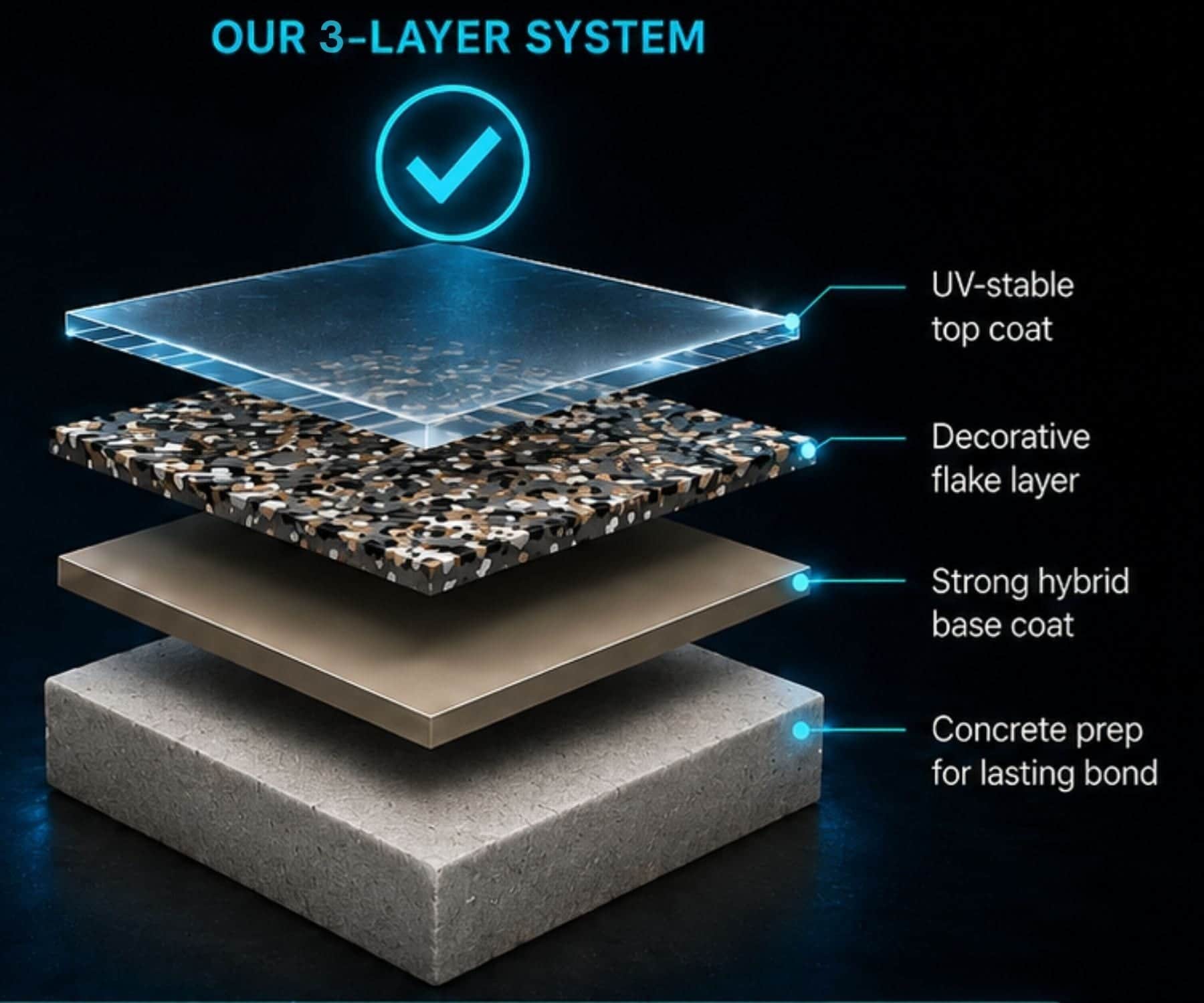
Our hybrid system gives each material a job. Epoxy can establish adhesion and build in the basecoat, while polyurea or polyaspartic may contribute useful properties in later layers when the facility calls for them. The chemistry follows the exposure and the prepared slab.
Benefits
An industrial coating earns its place by fitting the building's daily questions. We connect movement, exposure, cleaning, repair, and visibility before discussing the final appearance.
Forklifts, carts, and fleet tires concentrate wear at turns, doorways, loading points, and staging areas. Mapping those locations helps us discuss a finish around real movement instead of average foot traffic.
Oil, process fluids, agricultural residue, salt, and cleaning products create different exposure conversations. We ask what arrives, how long it remains, and how the facility removes it.
Scrubbing, sweeping, wash-down, and quick spill response place different demands on the surface. A coating can support maintenance, but the system and the care routine still have to agree.
Cracks, joints, spalls, contamination, moisture, and old coatings may affect the sequence. We keep those conditions in the scope so finish decisions do not hide the concrete's starting point.
A considered color or texture can help separate areas and make dirt or spills more noticeable. Visual choices follow traction, exposure, cleaning, access, and the work each zone performs.
Installation Process
Our sequence follows the evidence on the floor and the realities of the building around it. Each decision moves the project from facility understanding to a defined system and a practical return to service.
Step 1
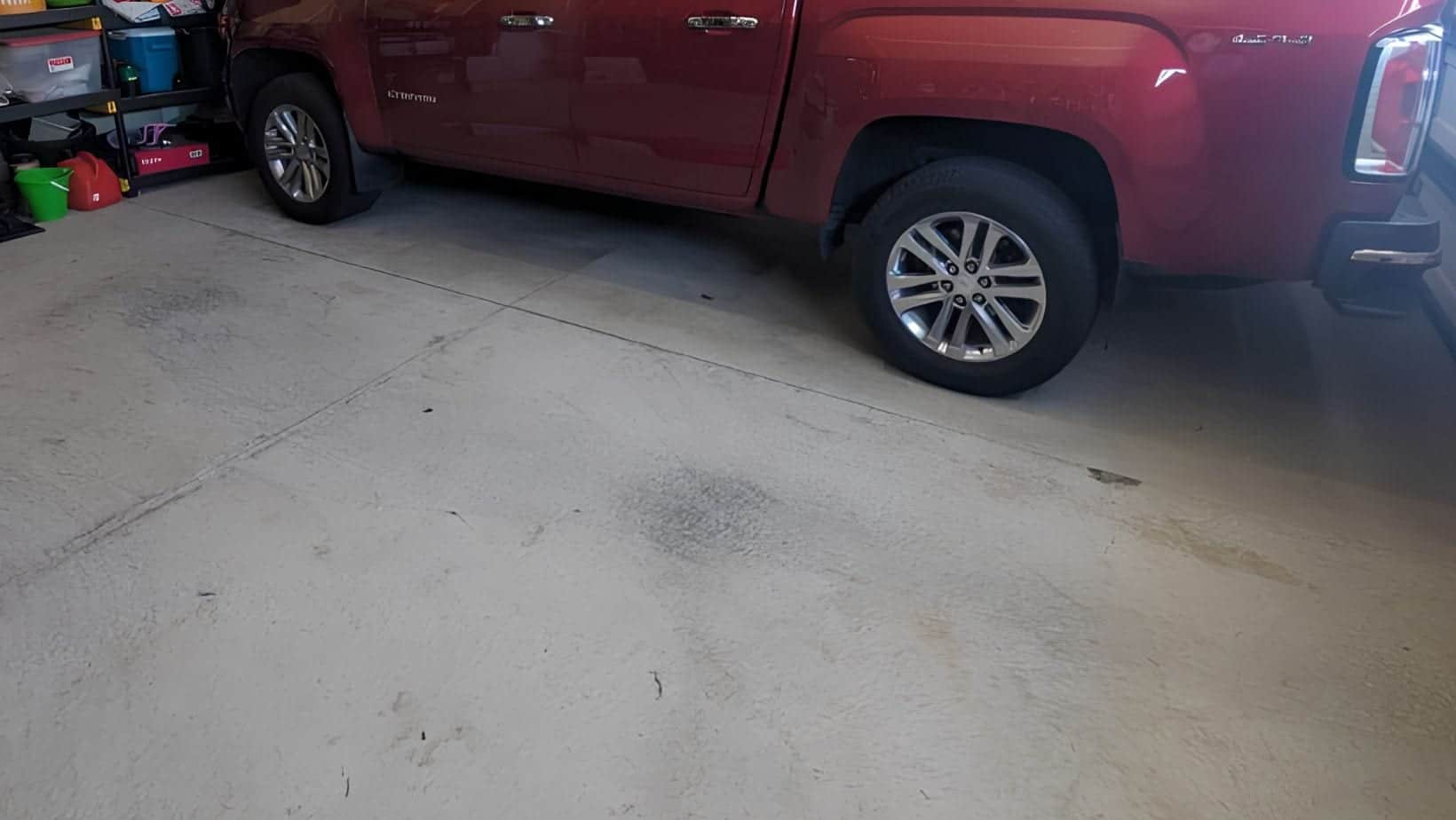
Before discussing a coating, we walk through the floor's working evidence. We ask where forklift wheels repeat a turn, where carts queue, where fleet tires bring in wet salt, and which areas see agricultural residue, oil, or cleaning water. The slab's condition, access points, and active operations give the estimate a usable starting point.
Step 2
Next, we translate those observations into a facility plan. Workshops, warehouses, fleet garages, agricultural processing areas, and service bays may not load the concrete in the same way. We identify traffic intensity, abrasion, spill exposure, wash-down expectations, moisture, and staging needs so the coating scope fits the building's work instead of assuming one finish everywhere.
Step 3
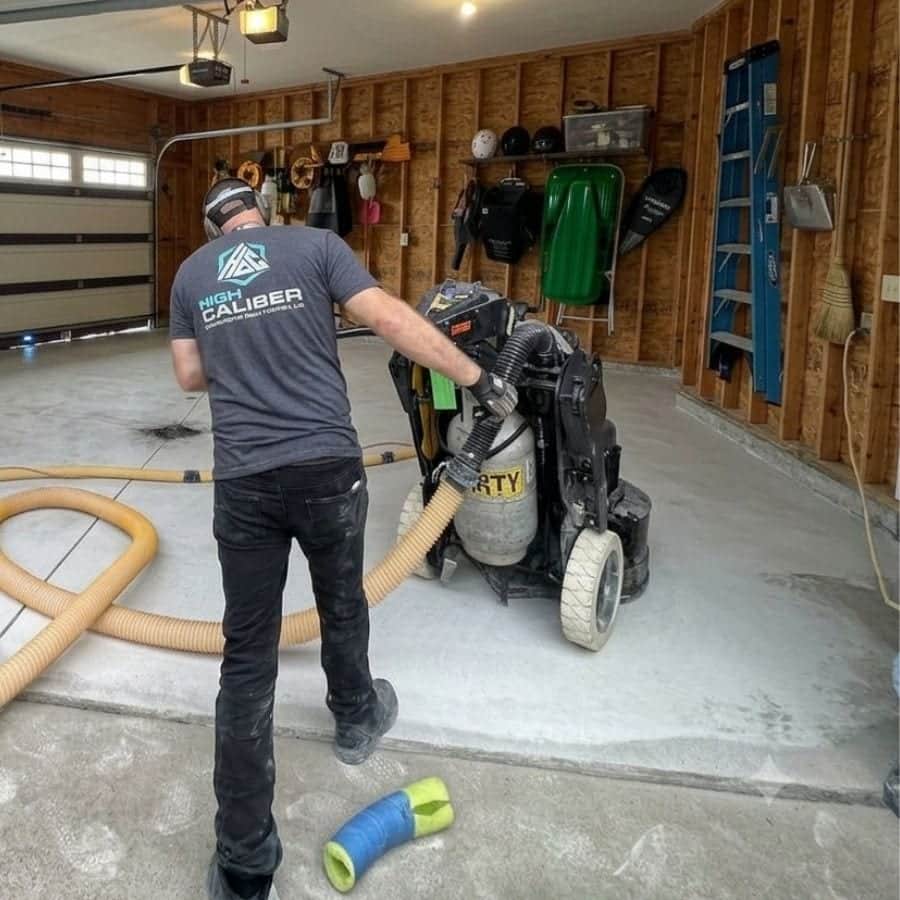
Diamond grinding removes unsuitable surface material and creates the profile needed for the specified system. We plan around edges, transitions, dust control, and access while exposing conditions that a quick visual review can miss. Grinding is preparation, not a promise to level the slab or correct structural movement.
Step 4
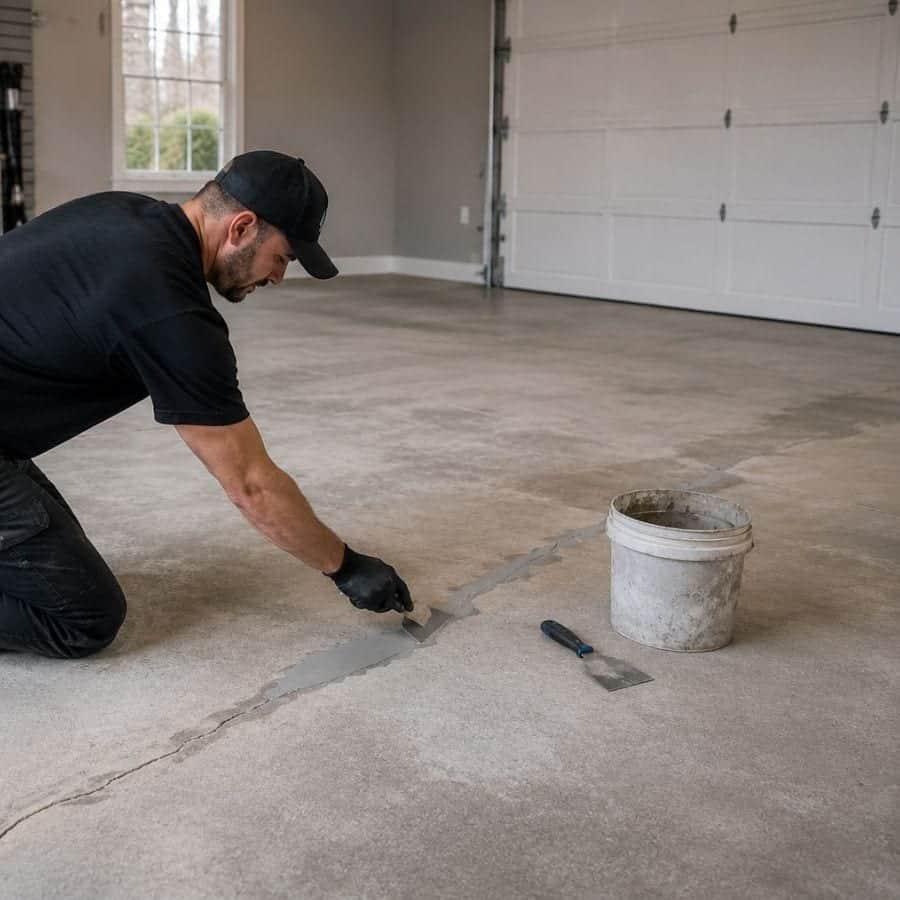
Once the surface is prepared, cracks, spalls, joints, old coatings, contamination, and moisture-related concerns can be addressed in context. We separate repair decisions from cosmetic expectations, then prepare the areas that are suitable for coating. That sequence helps keep visible damage from being hidden beneath a new finish.
Step 5
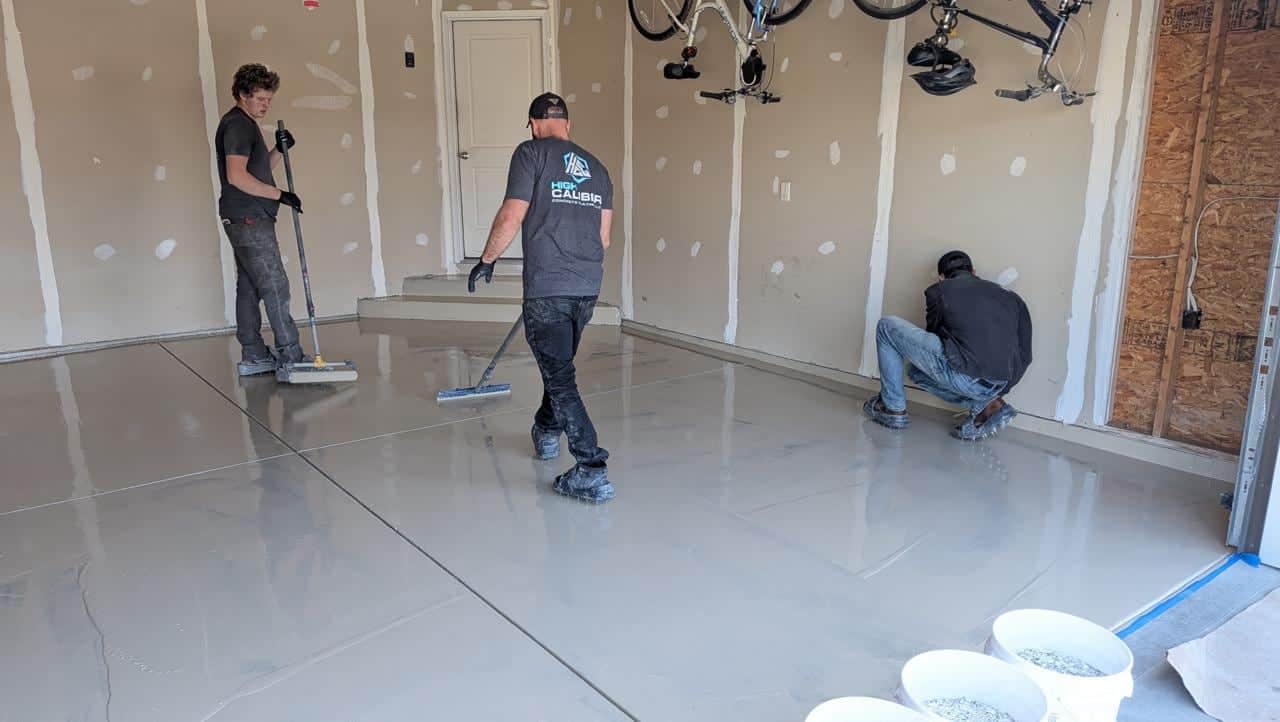
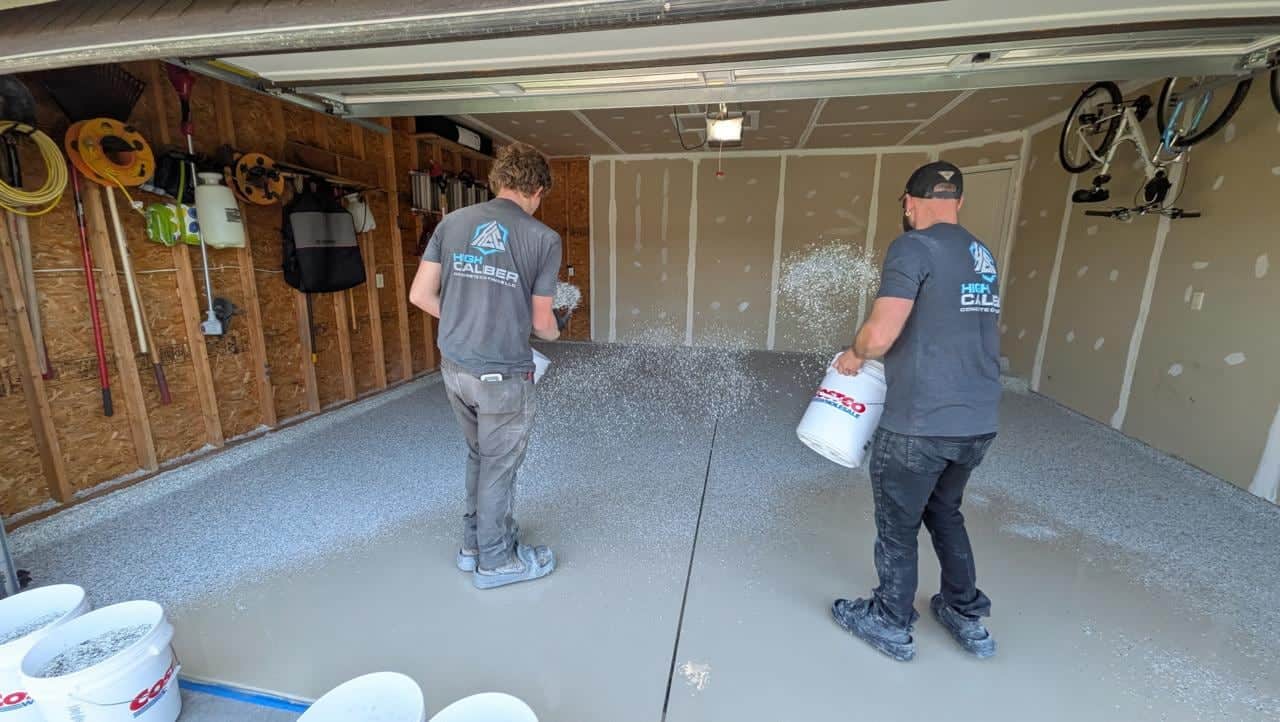
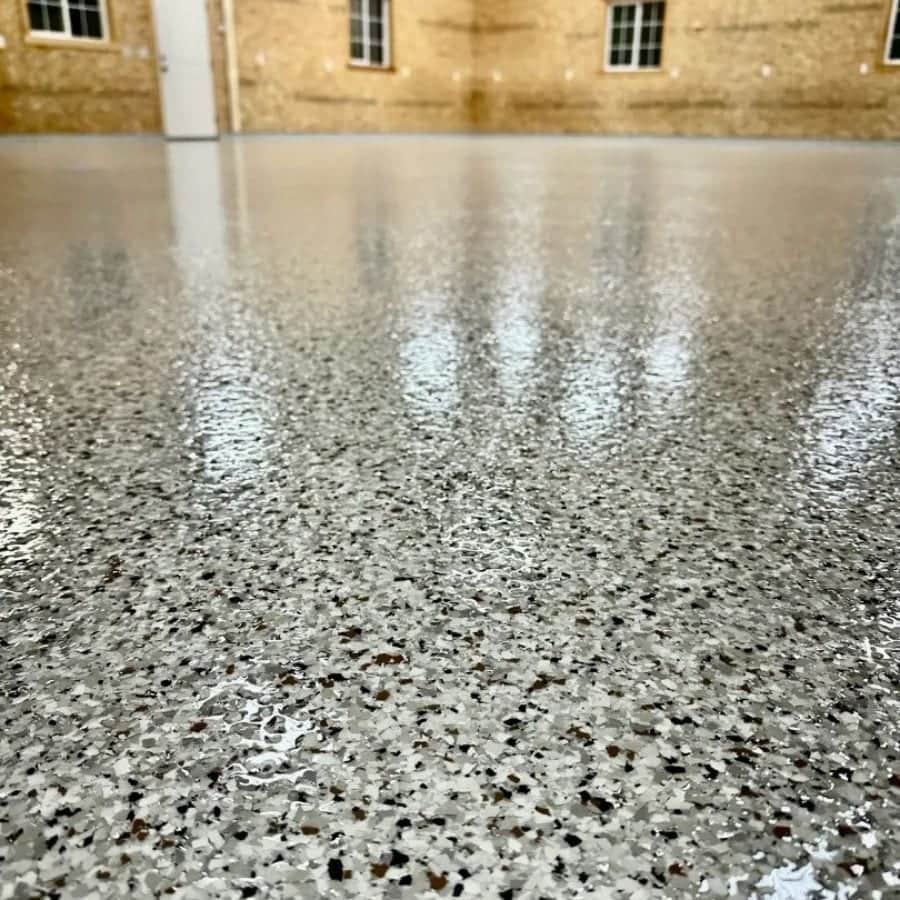
We install the selected layers in their intended order. Epoxy can serve as the adhesion and build layer, while polyurea or polyaspartic can serve later roles when the exposure, cure needs, and finish call for them. Optional flake or texture is broadcast only when it supports the facility's use and maintenance.
Step 6
At the close, we inspect the finished surface with the facility's next shift in mind. We review cure and access expectations, equipment movement, cleaning, maintenance, edges, and transitions. The handoff gives the owner a practical basis for reopening the area and caring for the coating as part of the working floor.
Why High Caliber
Our family-run team works across West Michigan from the Holland and Zeeland area, bringing a nearby perspective to a Jenison estimate without treating the region as a substitute for a site conversation. A county or facility type cannot answer questions about a particular slab.
We will explain what the hybrid system is doing, what preparation can and cannot address, and where polishing, grinding, or penetrating sealing may deserve comparison. Our aim is a scope an owner can understand before the work begins.
Customer Reviews
“Would highly recommend. No pressure sales, quality product, great communication and quality installation. I met Jeff at the home show. I was drawn into his booth by his very enthusiast kids. I got the immediate impression this was a family oriented business and that was reinforced by the conversation with both Jeff and his young son. These values drew me to this business. I signed up for a quote. Shortly after the show Jeff came to my home to present options and provide a quote. No pressure to buy, Jeff understood I needed to get thru tax season before I could be sure about my budget. Over the course of next few months Jeff was responsive to any questions I had and we got the job scheduled. Jeff provided a trailer in the quote to store contents of garage while job was being done, which was very helpful. When talking with others about the quote I learned my price was equal to or less than what neighbors had paid up to six years ago, so I felt this was good pricing. I had thought there would be a ton of dust and a big mess when grinding surface, but the machines had a vacuum attached, clean and efficient work. I was impressed that they coated steps and side walls as well as floor. No mess on drywall or driveway. Crew doing installation were great guys. They took time to fill me in on the process of installation, what to expect, how long for surface to cure and when I could empty trailer. Post install Jeff stopped out to grab trailer, filled me in on what to use and how to clean the floor. VERY happy with the whole process from sales to install to follow up. LOVE my new garage.”
“High Caliber's quality and communication was excellent. From the person that visited onsite for an estimate to their crew that performed the service was above normal customer service standards, as they explained the process and timing. My garage floor looks great!”
“Jeff and his team did the most amazing job epoxy floor coating my 38 year old garage floor. Outstanding, professional, skilled, great communication. Highly recommended.”
Jenison, Michigan
Jenison sits in Ottawa County's busy commercial and light industrial corridor, where warehouses, manufacturing support areas, agricultural processing spaces, fleet garages, and workshops can all place different demands on concrete. The useful local question is not simply what a building is called. It is what enters the space, where it moves, and how the owner keeps the floor serviceable.
Winter snow and road salt can arrive on tires, boots, carts, and equipment. Freeze thaw cycles, spring moisture, and humid summers add seasonal conditions to the maintenance discussion. We consider those realities when talking about exposure and access, while keeping the final recommendation tied to the actual slab and its use. That can affect how an owner schedules entry zones and protects maintenance routines.
If you oversee facilities in nearby communities, you can also review our industrial floor pages for Hudsonville, Grandville, and Georgetown Township. Each building still deserves its own preparation and operating plan.
Doors and service entrances can collect salt, water, and grit before those materials travel farther inside. We ask how the facility receives and removes that seasonal residue.
A warehouse, workshop, fleet garage, or agricultural space may sit nearby yet operate differently. Its traffic, exposure, cleaning, and access needs should guide the coating scope.
Seasonal moisture and humidity belong in the preparation and maintenance conversation. They are reasons to ask better questions, not a basis for promising identical results on every slab.
Frequently Asked Questions
Tell us how people, carts, forklifts, vehicles, and equipment use the floor. It also helps to describe spills, cleaning methods, moisture concerns, work zones, access limits, and the areas that need to return to service first.
Not necessarily. A workshop, warehouse, fleet garage, service bay, or agricultural processing area may have different traffic, fluids, grit, cleaning, and access. We can discuss the building by area so the recommendation follows use instead of assuming one condition everywhere.
Preparation can bring cracks, joints, spalls, contamination, moisture, weak areas, or old coatings into clearer view. We explain whether a condition calls for repair, a sequencing change, accommodation, or an owner decision before the finish plan is finalized.
They can serve different purposes in a hybrid system. Epoxy can provide adhesion and build in the basecoat. Polyurea or polyaspartic may be selected for later layers when their properties fit the facility's exposure, access, and finish requirements.
A suitable coating system can be considered for a facility that washes its floor, but the answer depends on preparation, exposure, drainage, cleaning equipment, dwell time, and maintenance. We need those details before describing what a finished surface can reasonably support.
They should be part of the questions. Salt, wet tires, tracked grit, freeze thaw cycles, and spring dampness can influence exposure and care discussions. They do not replace a concrete assessment or justify a blanket performance promise.
Yes. Polishing mechanically refines the concrete and keeps the slab as the visible surface. A penetrating sealer protects without creating the same film as a coating. A layered coating changes the surface. Traffic, moisture, exposure, cleaning, and the desired appearance guide the comparison.
Start by identifying equipment that can move, areas that can be released, neighboring operations, cleaning needs, transitions, and the desired return sequence. We can use those details to discuss staging and access while keeping cure expectations in view. A written access plan helps everyone understand the handoff before work begins.
Related Services
The right answer may be a coating, a refined slab, or a different preparation step. These related services give owners useful points of comparison.
See how mechanical preparation can create the profile required by a selected industrial coating sequence.
Learn moreLearn about a material that may have a role in later layers when facility conditions support it.
Learn moreReview where a UV stable finish may fit within a compatible system or material comparison.
Learn moreKeep moisture assessment in the discussion when seasonal dampness affects the slab plan.
Learn moreCompare a penetrating sealer when protection without the same film as a coating is the goal.
Learn moreGallery And Visual Proof
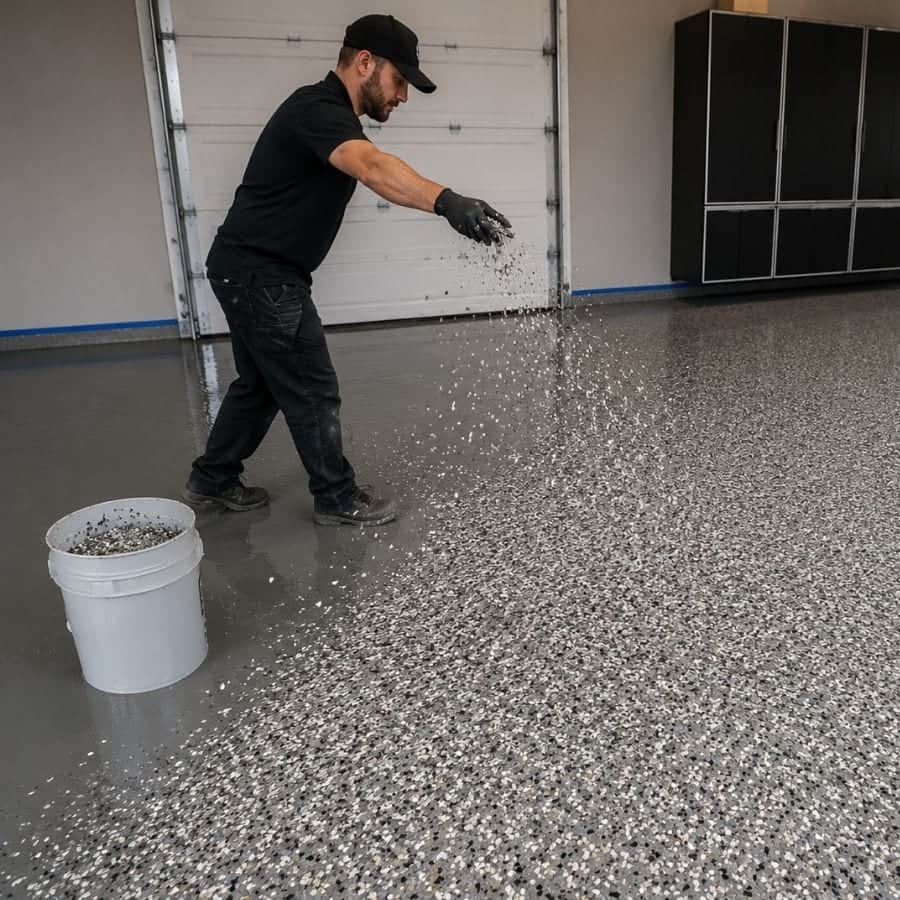
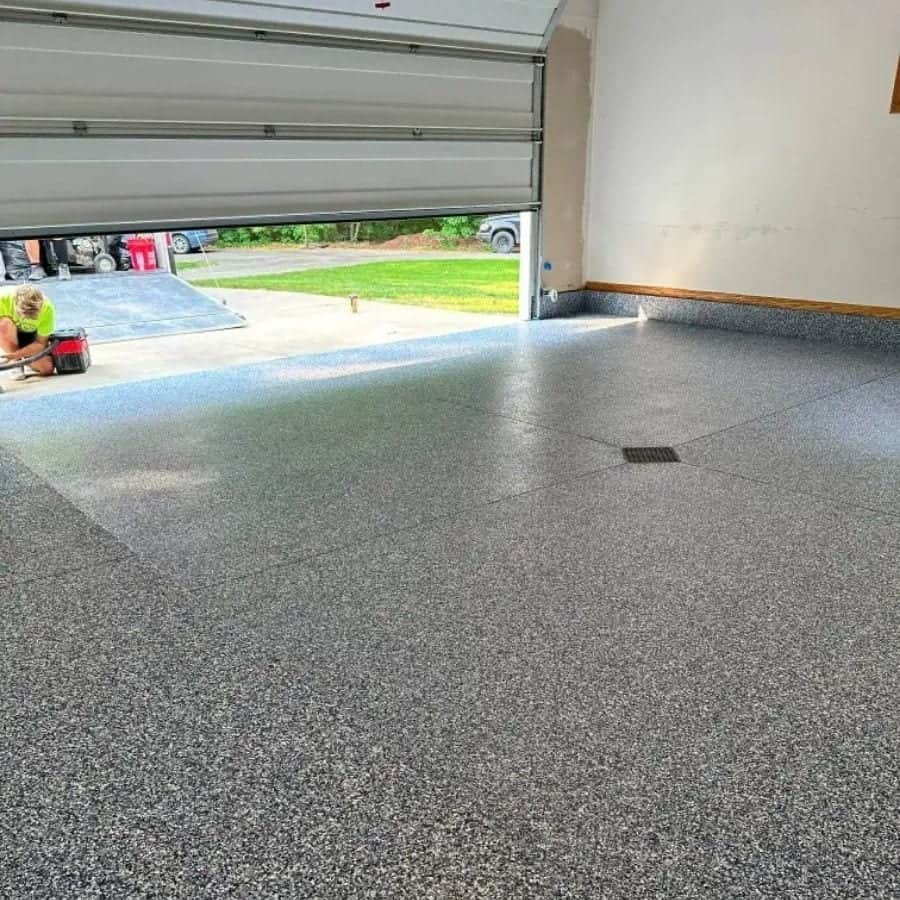
The existing High Caliber library shows preparation, application, and finished surfaces. These images are not presented as Jenison project images.
Free Project Quote
Tell us about the space and we will follow up with a clear recommendation and quote conversation.
Phone
Business Hours
Free Estimate
Share the areas that see the most movement, the materials that reach the concrete, the cleaning routine, and the access window you are considering. We will use that starting point to discuss preparation, repairs, compatible layers, and care. We can start with the area that cannot wait.
When you are ready, request an estimate with photos, approximate dimensions, and any equipment or scheduling limits you already know. Clear operating details help us separate a real requirement from a general assumption.