
Remove Material That Interferes
Diamond tooling can remove selected paint, adhesive, weak paste, residue, or old coating material when the slab and scope support it. That keeps the next finish from bonding over a layer that does not belong.
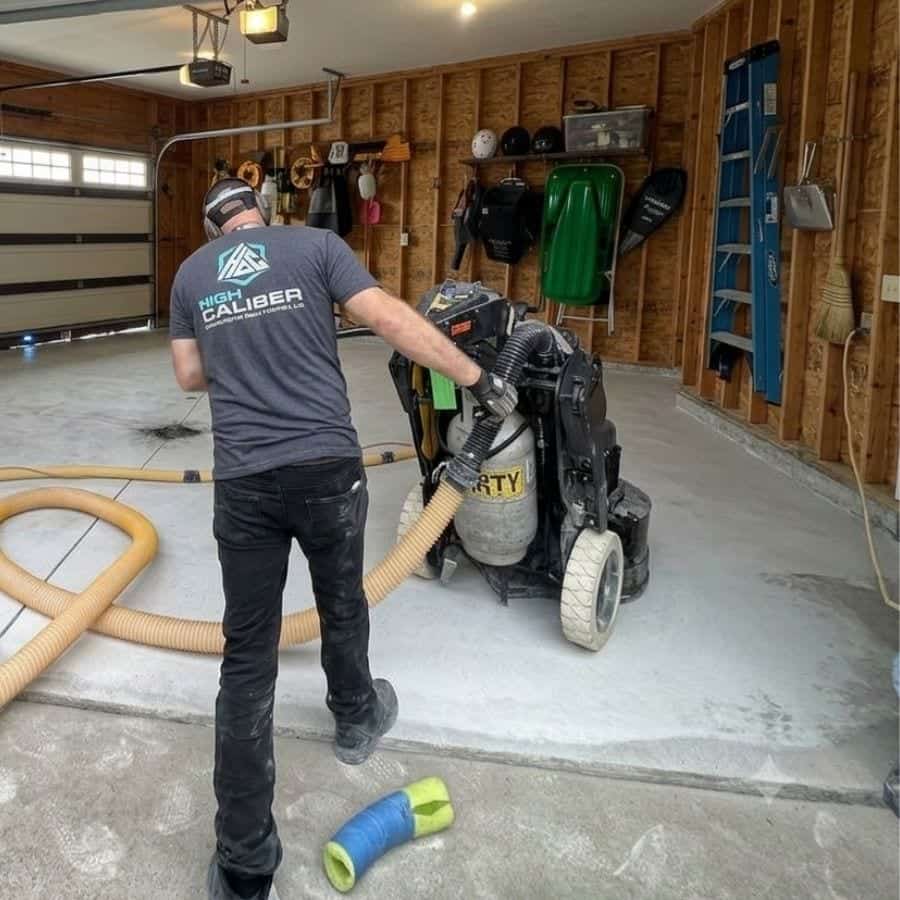
An Allendale floor may need to support a family vehicle, farm equipment, stored tools, customer traffic, or a new finish. We begin by asking what the space must do after preparation. Diamond grinding can open the concrete for a coating, sealer, polished surface, or selected removal plan while keeping the scope tied to the slab you actually have.
Service Overview
At an Allendale property, preparation starts where the floor will be used, not with preset passes. A garage may need a clean base for the hybrid coating system. A shop or pole barn may need selected residue removed without treating every mark as a defect. A polished floor keeps the slab visible through mechanical refinement, while a penetrating sealer protects suitable concrete without forming a film.
We review layers, weak areas, access, edges, and conditions that may appear as work proceeds. That helps us set a sensible profile and identify repair or moisture questions before the next material is installed. Grinding improves selected conditions; it does not change the slab's structure or promise perfect flatness.
Benefits
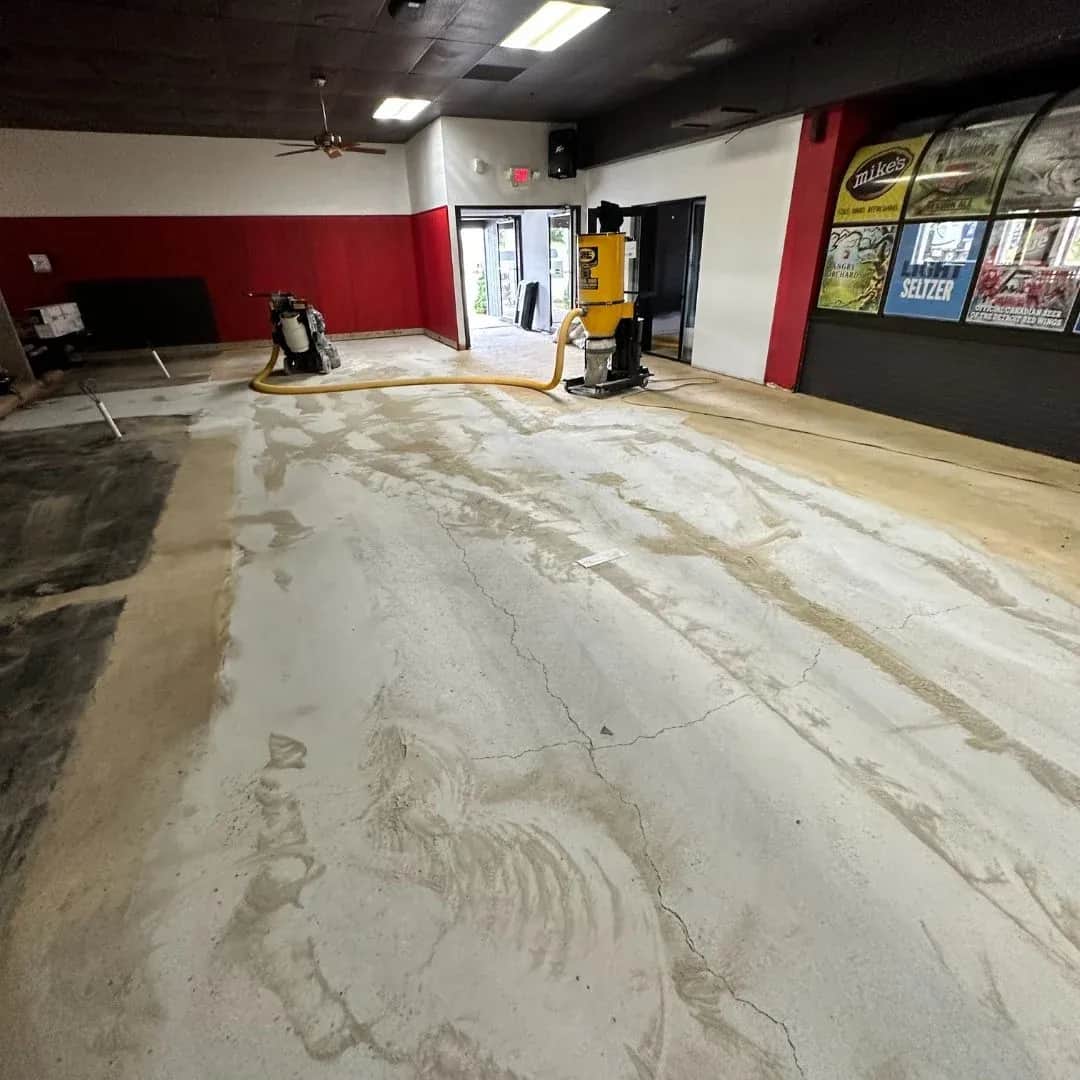
Grinding is most useful when it answers a concrete question about the floor. Is a layer preventing adhesion, does the surface need to reveal a repair, or will the room receive a coating, penetrating sealer, polish, or continued equipment use? An Allendale garage, pole barn, workshop, retail room, or institutional space may need a different work boundary. We use these outcomes to define preparation, not to promise identical treatment for every slab. That distinction matters when weather, equipment, or previous floor coverings have changed the visible surface.
Diamond tooling can remove selected paint, adhesive, weak paste, residue, or old coating material when the slab and scope support it. That keeps the next finish from bonding over a layer that does not belong.
Grinding can expose cracks, pits, joints, patches, or moisture clues that were obscured by surface material. Seeing those conditions earlier gives us a chance to explain repair, assessment, or scope questions before finishing work begins.
The next material determines the texture we seek. Coating adhesion, penetrating sealer absorption, and polished concrete refinement each call for a different surface conversation, so preparation follows the finish instead of an automatic recipe.
Allendale properties can have tight attached garages, broad agricultural floors, workshops, retail rooms, or institutional areas. Accounting for entry points, stored items, traffic, and work zones helps the grinding method fit the room.
After grinding, a cleaner slab makes the handoff easier to evaluate. We can discuss remaining debris, edge work, visible defects, and whether the surface is ready for coating, sealing, polishing, or another defined step.
Installation Process
We organize the work around what the concrete is carrying, how the space is used, and what should happen next. Each checkpoint gives the grinding scope a practical reason and a defined handoff.
Step 1
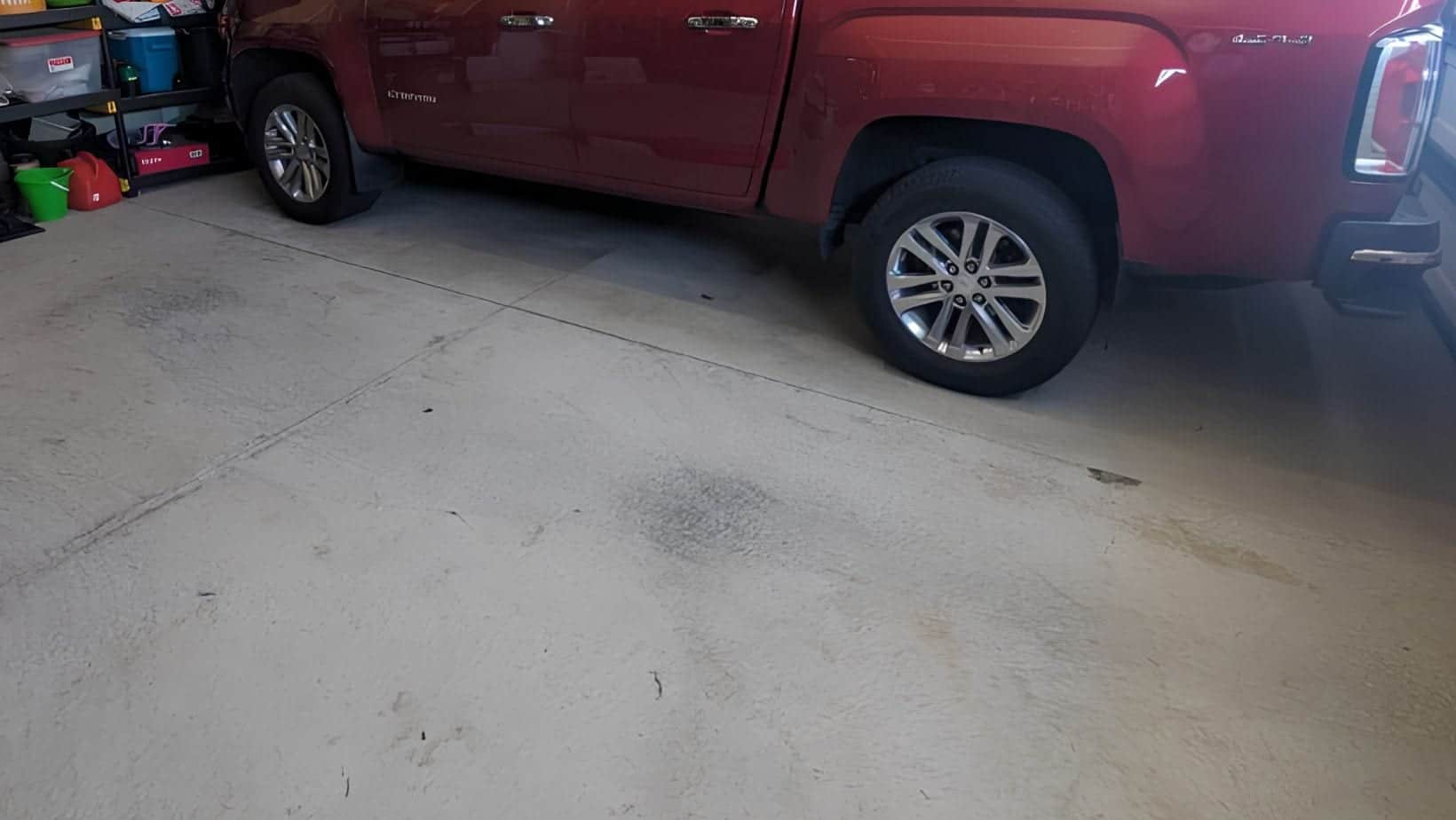
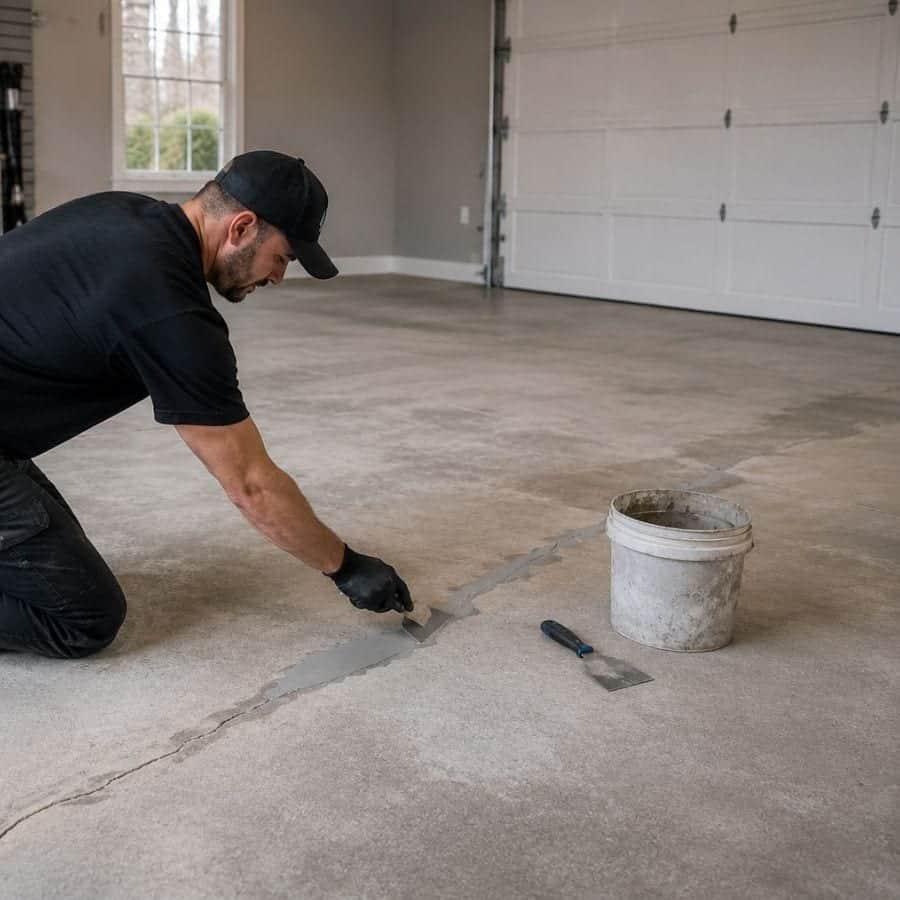
We look at the slab as it exists, including visible layers, weak areas, cracks, patches, joints, and moisture clues. The room's use matters too. An Allendale garage, workshop, pole barn, or commercial room may each place different demands on access and preparation.
Step 2
The desired result guides the preparation response. A coating needs a suitable mechanical profile, while sealing or polishing asks different questions of the concrete. We match diamond tooling, removal depth, and the expected surface texture to the material present and the finish or use planned afterward.
Step 3
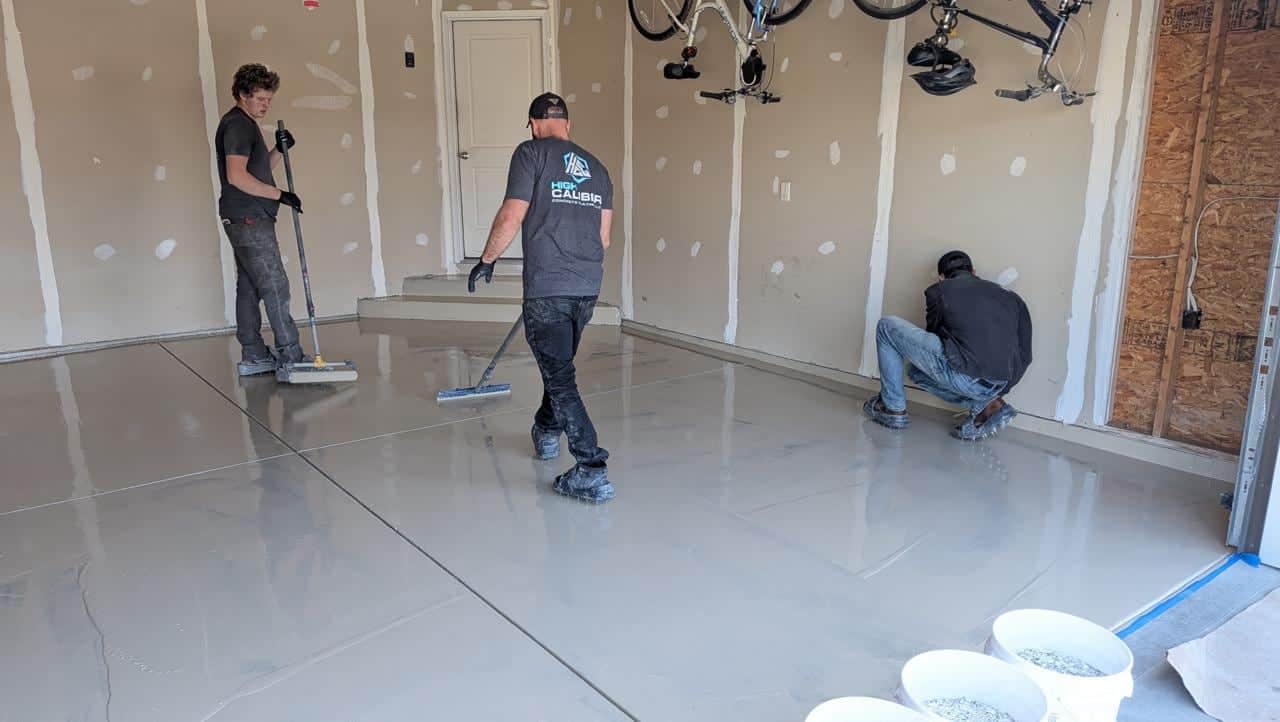
Before grinding begins, we plan the working area around nearby items, entry points, edges, corners, ventilation, and dust-control equipment. Larger agricultural or commercial spaces may need a clear work zone, while an attached garage may require more attention to storage and access during preparation.
Step 4
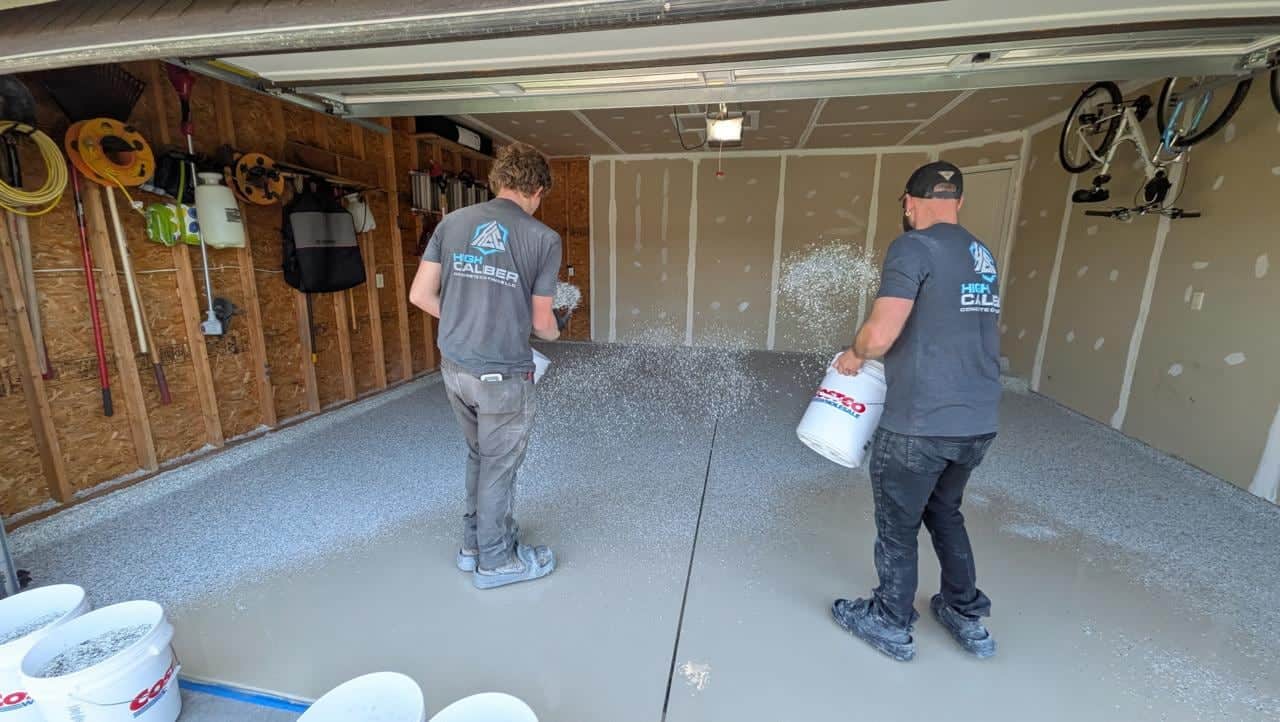
We use diamond equipment to mechanically remove selected weak material, residue, paint, adhesive, or old coating where the slab and scope support it. Controlled passes develop the needed profile and improve chosen rough areas, but grinding is not a promise to level structural variation or rebuild concrete.
Step 5
Perimeters, thresholds, corners, joints, patches, and transitions deserve their own check because the main grinder cannot treat every detail identically. We bring those areas into the preparation scope and separate edge work, crack repair, or remaining removal needs from the general floor pass.
Step 6
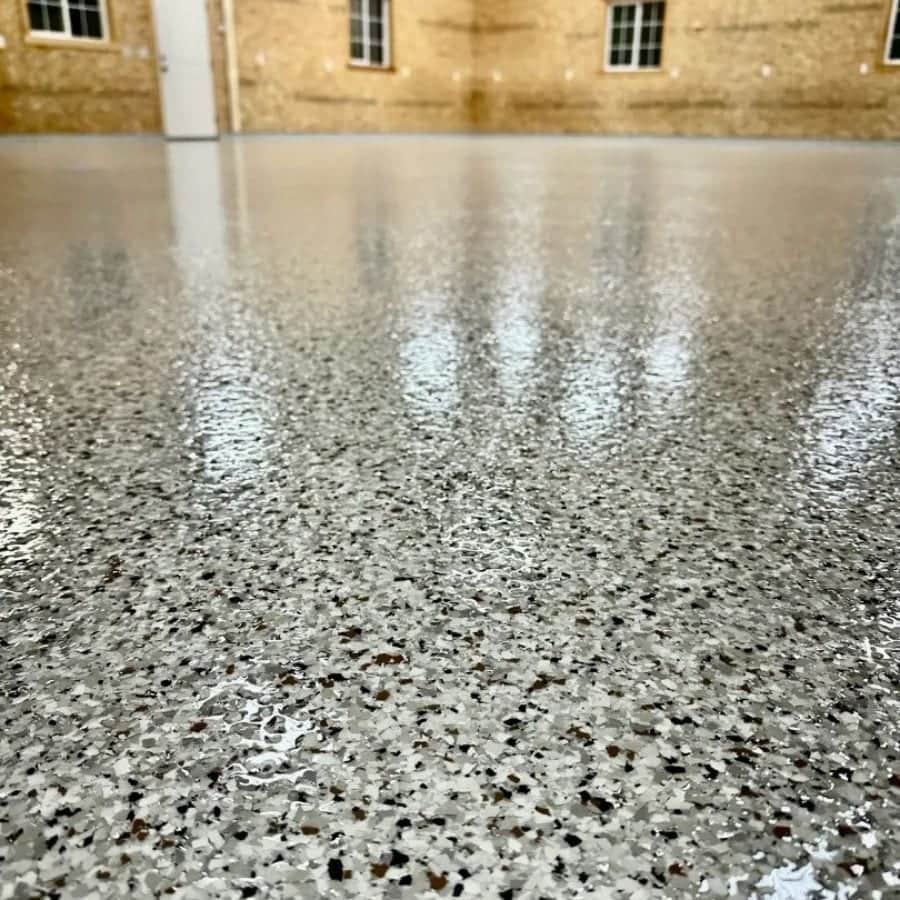
After the grinding and detail work, we review the opened surface for profile, cleanliness, remaining material, visible defects, and conditions that may affect the next step. The result may be ready for a coating, penetrating sealer, polished finish, or a separately explained repair or moisture decision.
Why High Caliber
High Caliber is a family-owned West Michigan company serving properties from the Holland and Zeeland area. We bring preparation and finishing into the same conversation so the work on the slab supports the material that comes next, whether the setting is residential or commercial.
Our team also keeps the boundary clear. Grinding can remove selected surface material, improve certain transitions, and create a suitable starting profile. It cannot rebuild a low spot, stop movement in the structure, or erase every defect without changing the scope. Clear limits make the estimate more useful.
Customer Reviews
“I can not express how awesome my garage floor looks. Your crew did a phenomenal job, we'll probably be the envy of the neighborhood now. Very polite, cleaned up the area, fast amazing job! My only complaint was the floor was going to look great so my wife said we had to clean out and paint all the walls and shelving, but it was worth it. Thank you again.”
“Wow! Jeff and Mike were amazing to partner with for my garage floor renovation! They did an amazing job but more importantly, they communicated directly with me thru texts, reminders, and in person! Jeff and his team left my garage and exterior area cleaner than when they arrived and gave clear instructions on follow up care needed for my new floor! I would highly recommend High Caliber Concrete Coatings anytime!”
“Jeff and his team did the most amazing job epoxy floor coating my 38 year old garage floor. Outstanding, professional, skilled, great communication. Highly recommended.”
Allendale, Michigan
Allendale sits between the lakeshore and Grand Rapids, with rural and suburban properties sharing the same Ottawa County service area. That setting can place a slab in an attached garage, a home addition, a farm property, a pole barn, a workshop, a retail space, or an institutional building. The property type does not decide the grinding method by itself, but it does help us ask better questions about access, wear, and the finish you need.
Winter brings snow, road salt, tracked-in grit, and repeated freeze-thaw cycles. Humid seasonal moisture adds another reason to discuss the condition of the concrete before applying a coating or sealer. A weathered residential slab may need a different conversation from a working slab with equipment traffic, old coatings, or uneven patches. These are common planning considerations, not conclusions about your particular floor.
The same practical approach works when the property connects to nearby Hudsonville, Coopersville, or Georgetown Township. We want to understand what the floor has been carrying, what the room must support next, and which parts of the work belong to grinding rather than repair or finishing.
Salt, grit, snow, moisture, patches, and older surface layers can influence preparation around an Allendale garage or home slab.
Equipment traffic and broad working areas may make access, transitions, and the intended use especially important to the grinding scope.
Traffic, adjacent occupants, equipment movement, and the return of the work area can be planned alongside the concrete preparation.
Frequently Asked Questions
We consider what is on the surface, what the concrete must support afterward, and what the room allows. Paint, glue, old coating material, weak paste, rough areas, and selected transitions may make grinding useful. The recommendation also accounts for edges, access, dust control, and conditions that belong to repair or moisture assessment instead.
Diamond grinding can address selected surface material such as weak concrete paste, paint, adhesive, residue, and some previous coatings when the material and slab are suitable. Thickness, bond, and what lies beneath matter. If grinding is not the best response for a particular layer, we explain the need for another removal method or a combined scope.
Yes. A coating needs a mechanical profile that supports adhesion. A penetrating sealer is absorbed into suitable concrete rather than forming a film, and polished concrete is mechanically refined so the slab remains the visible surface. We connect the preparation profile and cleanliness expectations to the finish instead of treating every floor as the same job.
Surface preparation can make conditions easier to see, which is useful before the next material is placed. We document what the opened slab shows and explain whether the condition needs repair, added preparation, moisture evaluation, a revised finish plan, or no additional action within the agreed scope. Grinding itself is not structural repair.
Share how the area is used, how equipment enters, what must remain accessible, and whether vehicles, tools, storage, customers, or other traffic affect the work zone. Point out visible glue, paint, coatings, cracks, patches, and moisture concerns. Photos can start the conversation, while an in-person review may be needed to confirm the scope.
Yes, selected grinding work may support grind and seal or a polishing plan when the concrete is suitable for that result. Polishing mechanically refines the slab rather than applying a film. The visible condition, desired appearance, use of the room, and remaining repairs all affect whether the concrete itself is the right finished surface.
Freeze-thaw cycles, snow, road salt, tracked-in grit, and humid seasonal moisture can all influence what a garage or other slab has experienced. They do not automatically determine the scope. We look for the actual surface response, discuss moisture questions, and consider whether the selected coating, sealer, polish, or working use fits the concrete after preparation.
Related Services
Grinding is one part of a floor decision. These related services describe different ways to protect, refine, or use concrete after the surface has been evaluated.
See protective and decorative film systems that can follow suitable mechanical preparation.
Learn moreConsider a penetrating sealer when protection is needed without treating sealing as a film coating.
Learn moreLearn how mechanical refinement can make the concrete itself the visible floor surface.
Learn moreReview removal options when adhesive remains after an earlier floor covering is taken up.
Learn moreGallery And Visual Proof
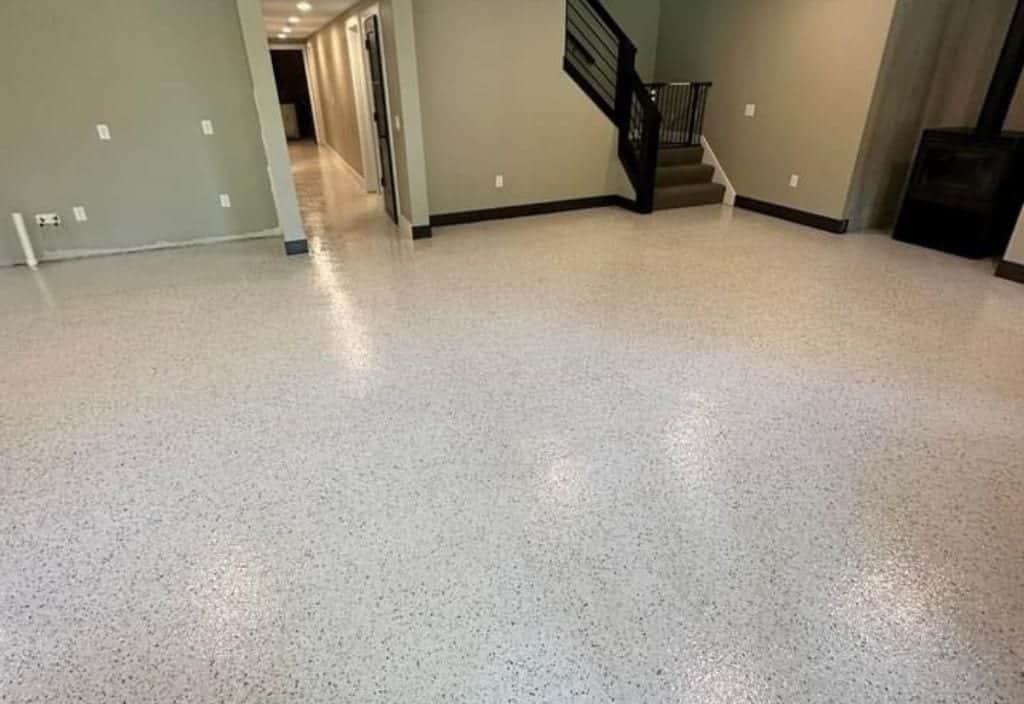
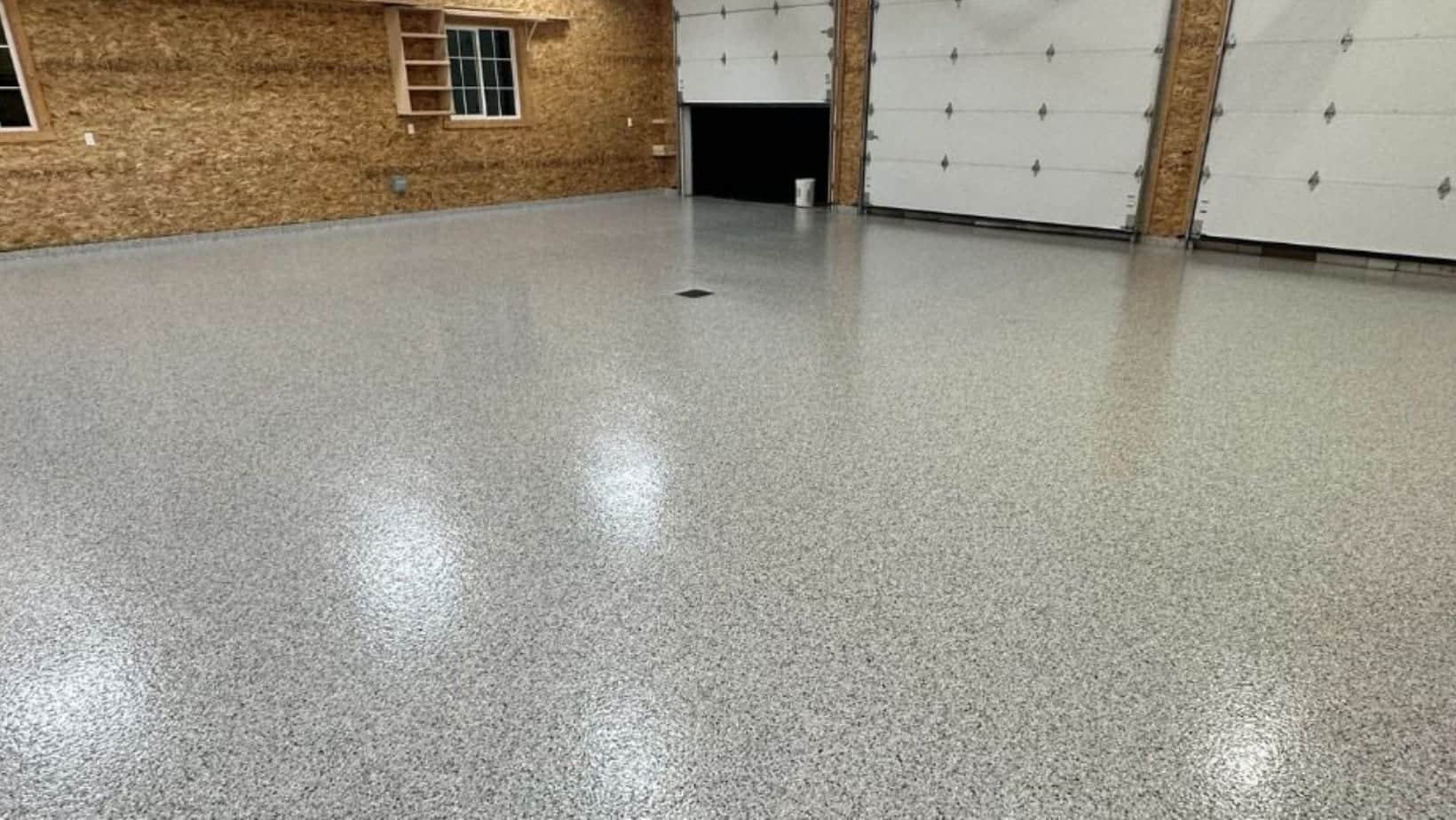
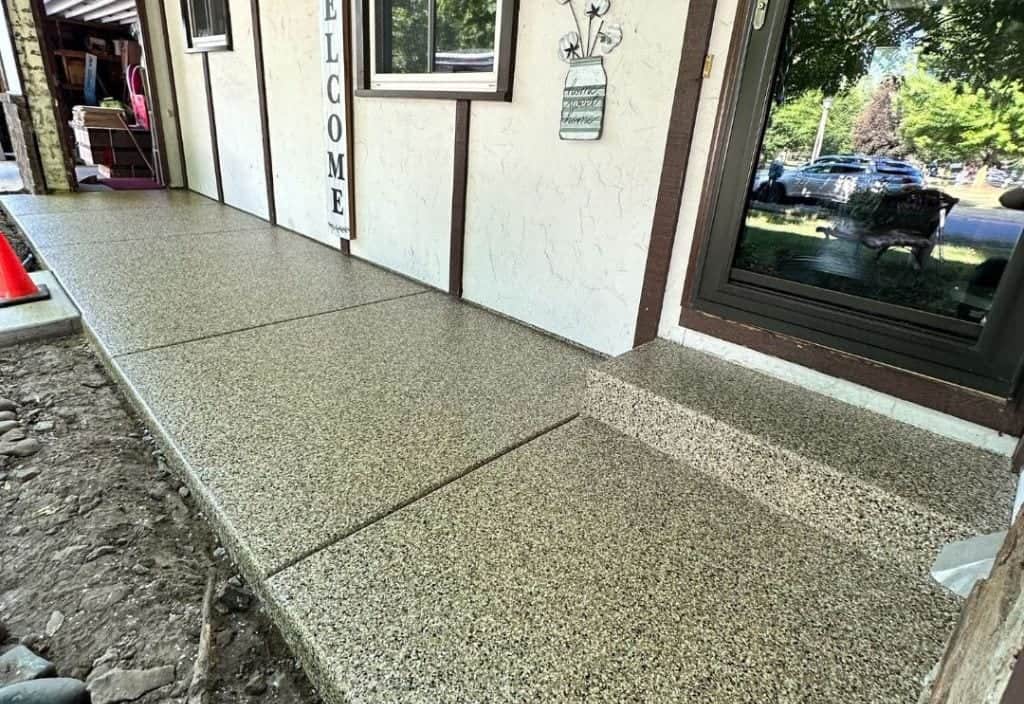
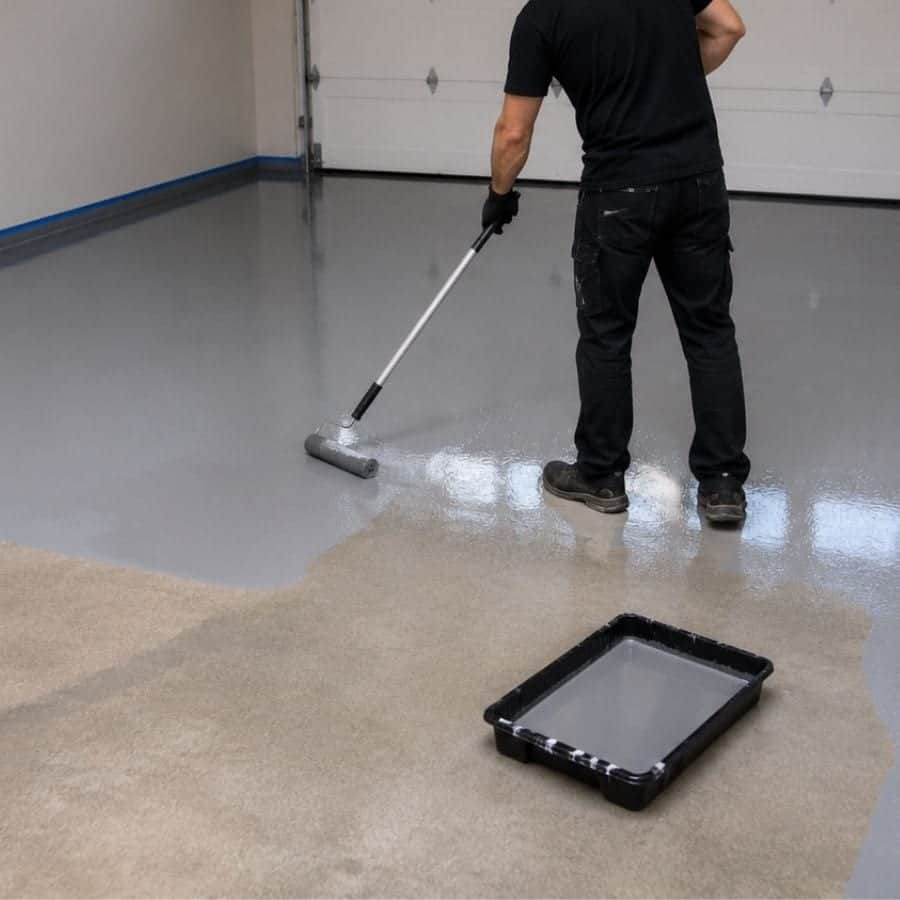
These library images illustrate concrete work and finish possibilities. They are not presented as Allendale projects or as work for a named customer.
Free Project Quote
Tell us about the space and we will follow up with a clear recommendation and quote conversation.
Phone
Business Hours
Free Estimate
Tell us what the concrete is carrying, how the space is used, and what you want to happen after preparation. We can help distinguish grinding from repair, moisture assessment, coating, sealing, or polishing decisions. Include visible layers, access details, and photos if they are useful for the first conversation. A few clear details can help us begin with the right questions. Start through our contact page or call (616) 777-7348.