
Give Coatings A Chosen Profile
Diamond tooling opens the surface so a selected coating has a mechanical profile to use. The required texture depends on the material that will be installed next.
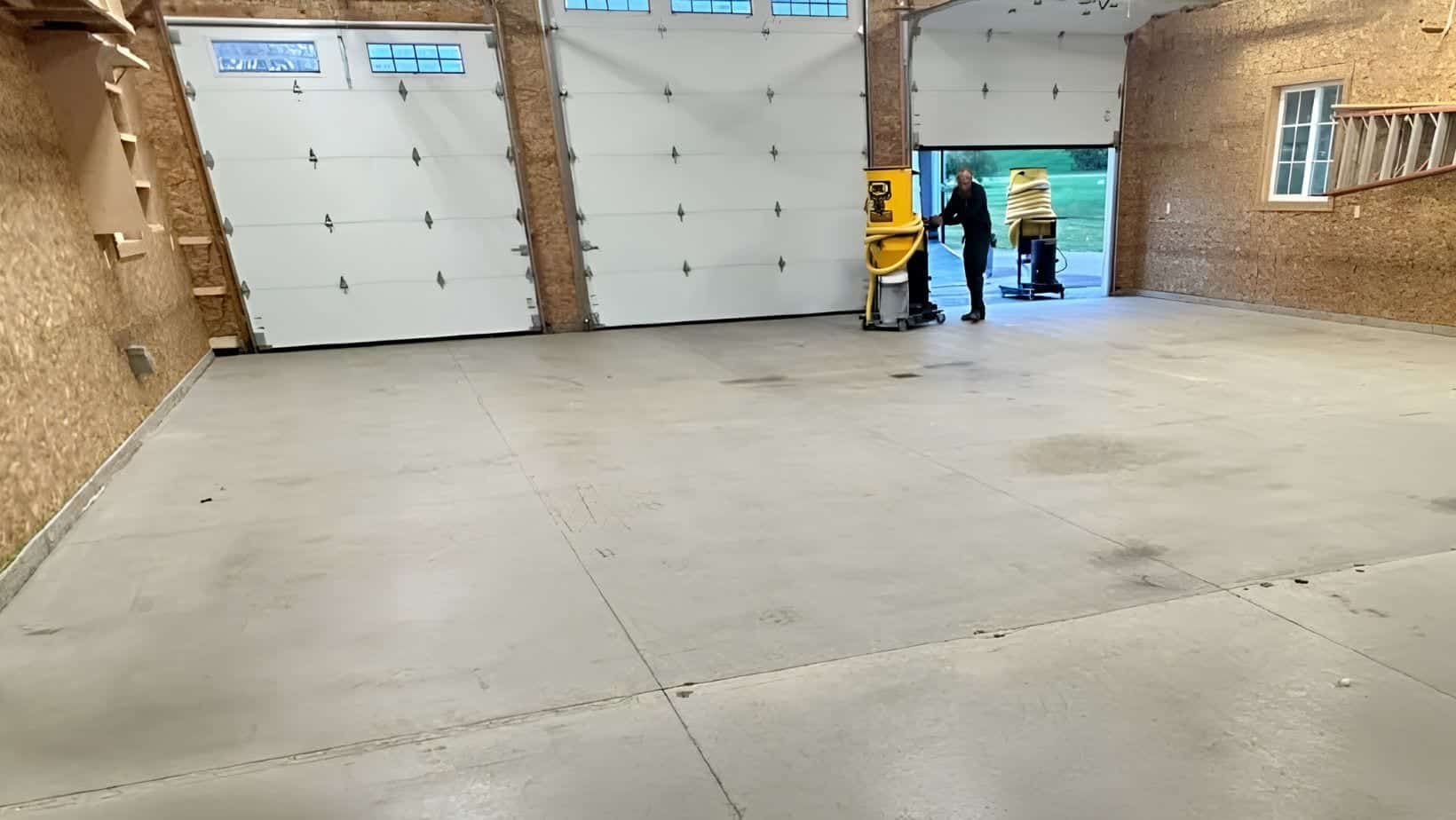
A workable floor plan starts with knowing what the slab is carrying. We use diamond grinding to remove selected surface material, shape a profile for the next finish, and make repairs or edge conditions easier to address. Your Coopersville estimate begins with the actual room, access, and intended use for planning.
Service Overview
Concrete grinding is a mechanical preparation service, not a one-size-fits-all cleaning pass. We remove or refine what interferes with the planned result, while keeping the sound slab in the conversation carefully.
That may mean preparing a garage for a hybrid coating, reducing residue after flooring removal, or refining concrete that will be sealed or polished. The finish, existing material, and condition underneath determine the scope.
Benefits
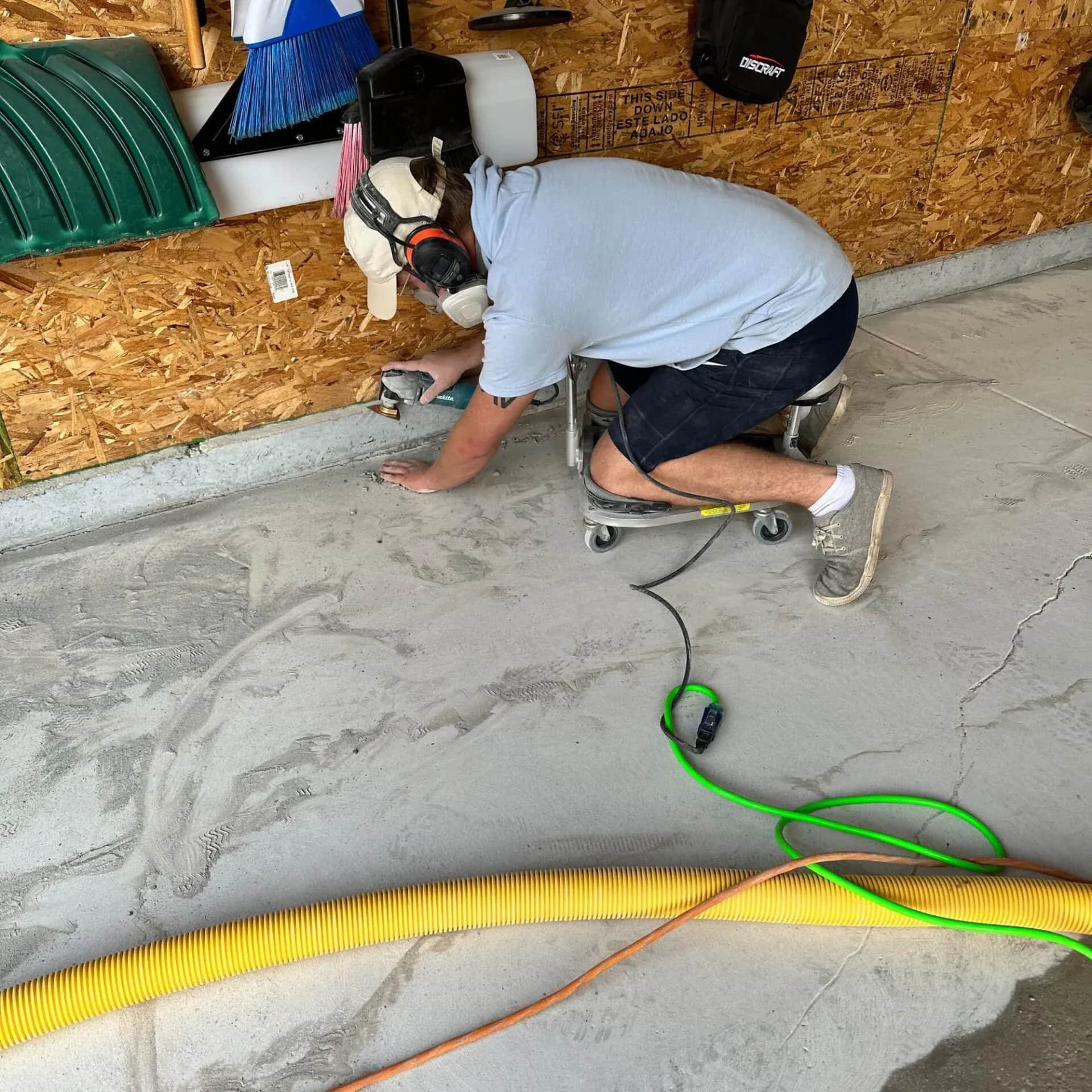
The value of grinding is what it makes possible afterward. We match the work to the slab instead of promising that every mark, slope, or defect disappears.
Diamond tooling opens the surface so a selected coating has a mechanical profile to use. The required texture depends on the material that will be installed next.
Weak paste, worn residue, paint, adhesive, or an old coating may need attention. We identify what can be ground and what calls for another removal method.
A grinding pass can refine rough transitions and some high areas within the limits of the slab. It is not a structural leveling or settlement correction service.
Opening the concrete can reveal cracks, pits, joints, repair areas, and moisture clues that matter to the next finish. Those findings help shape a candid scope.
A detached garage, pole barn, workshop, subdivision garage, and commercial room may differ in access and use. We plan equipment movement and protection around that setting.
After grinding, the prepared surface can be reviewed before repair, coating, sealing, polishing, or another finish begins. The next decision is based on exposed concrete.
Installation Process
Good preparation is a sequence of small decisions. We connect the room, the concrete, the equipment, and the finish so the work area remains understandable from the first inspection through the final check. This approach keeps the requested appearance connected to the concrete instead of treating preparation as an isolated equipment task alone.
Step 1
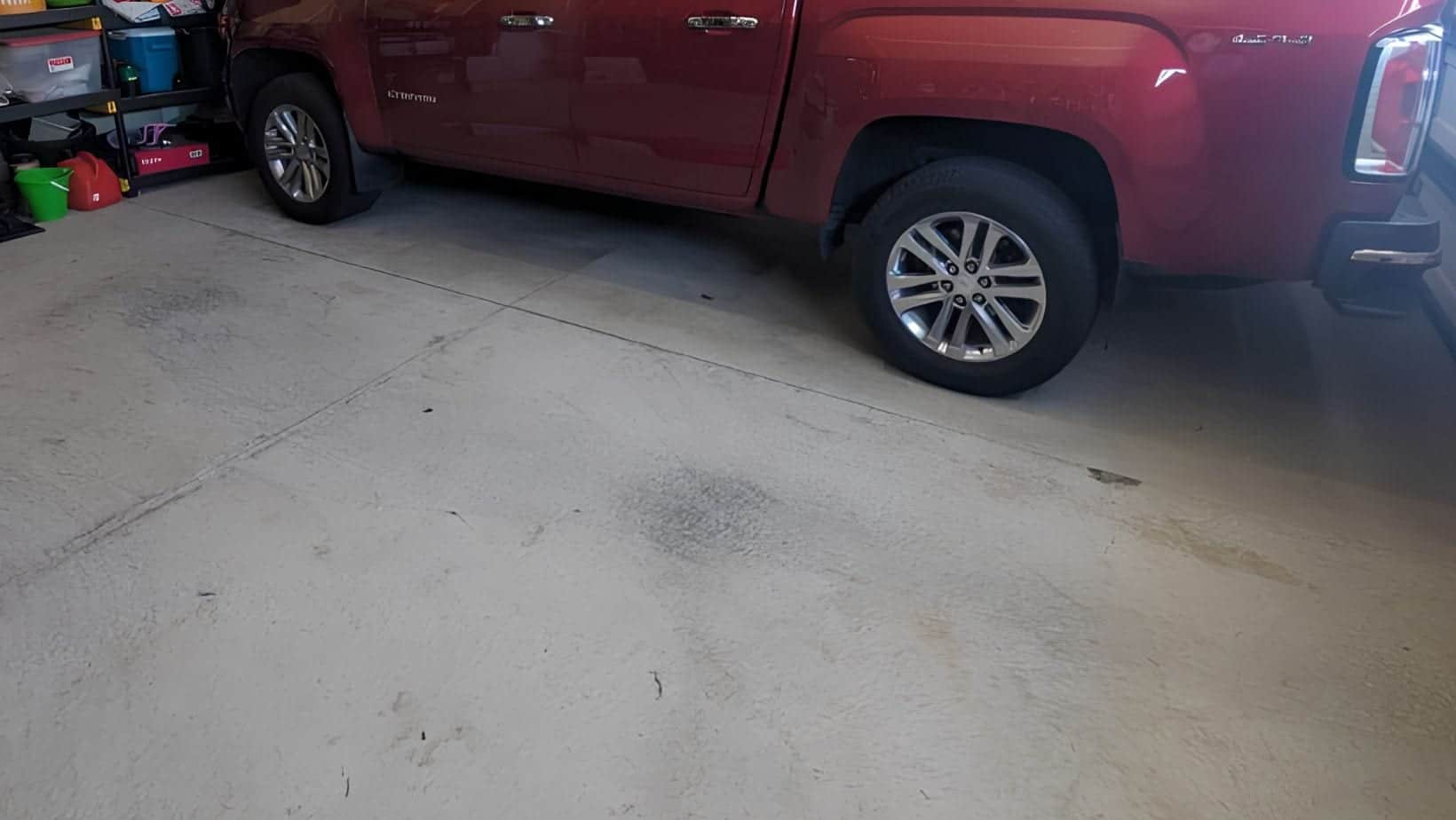
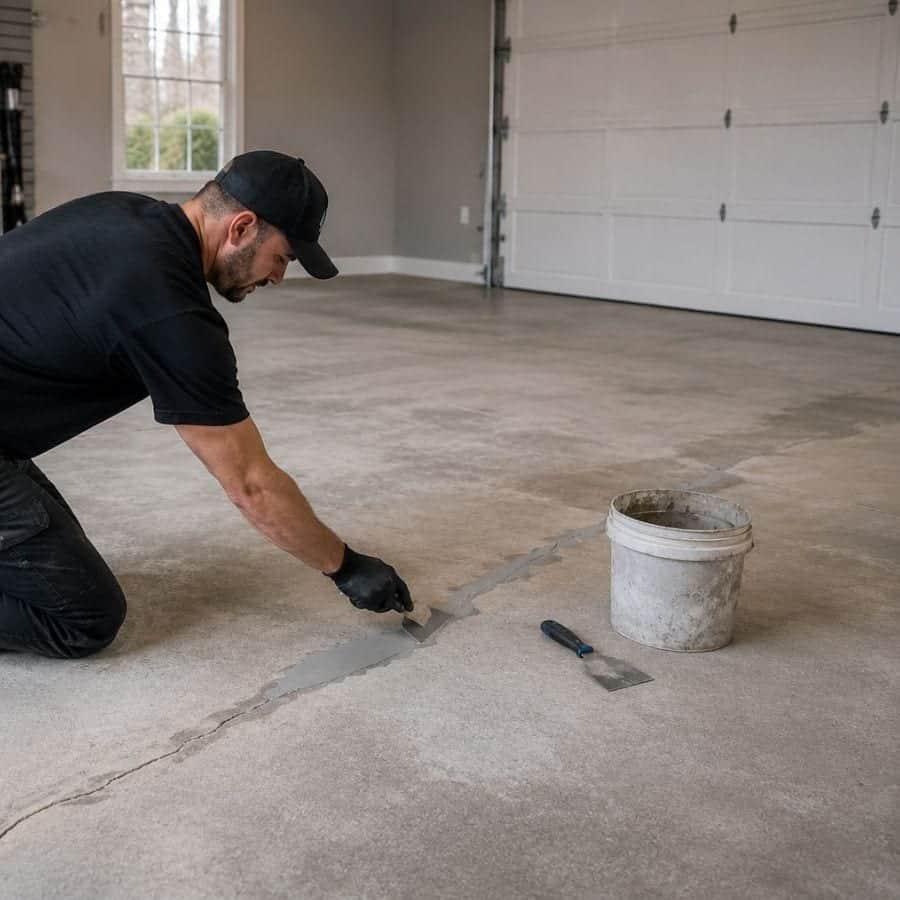
We start by looking at the slab's current surface, old material, visible damage, edges, access, and intended use. A garage floor, workshop, pole barn, or commercial room can require a different conversation before any tooling is chosen.
Step 2
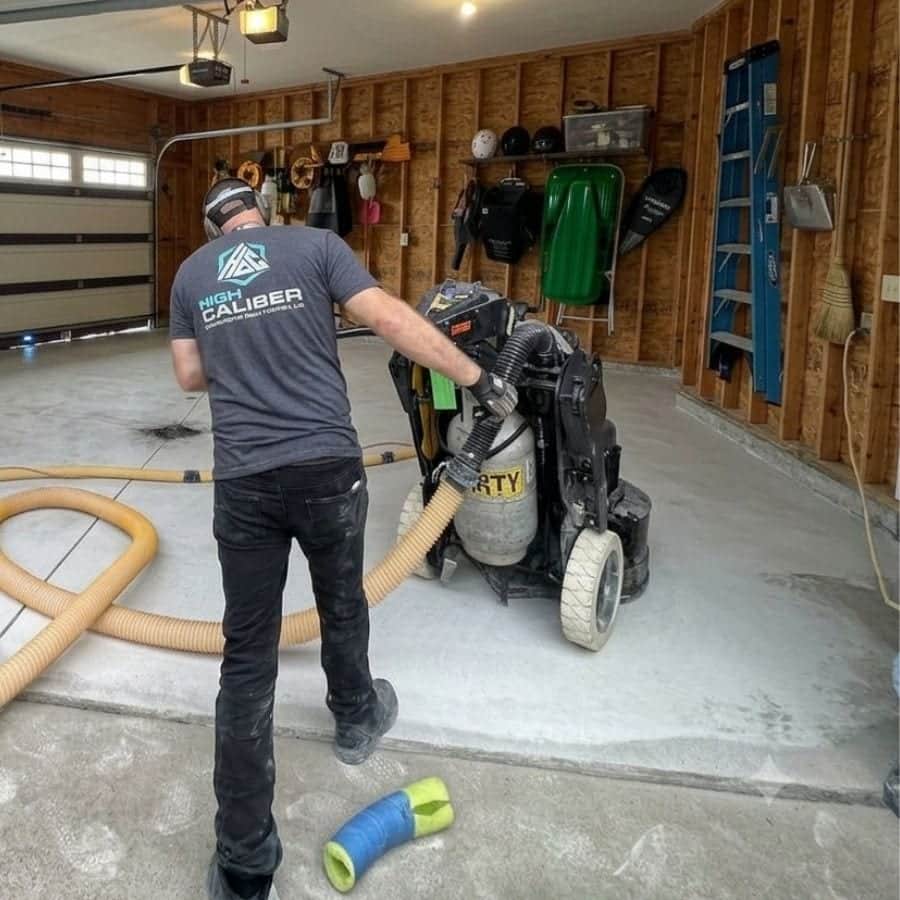
Diamond tooling is selected for the material and the result being pursued. We consider whether the task is profile creation, selected removal, surface refinement, or preparation for a finish that will leave the concrete visible.
Step 3
Before the machine runs, we discuss access, nearby belongings, work zones, edges, ventilation, dust control, and the path equipment will take. Clear expectations help protect the space and keep the preparation focused.
Step 4
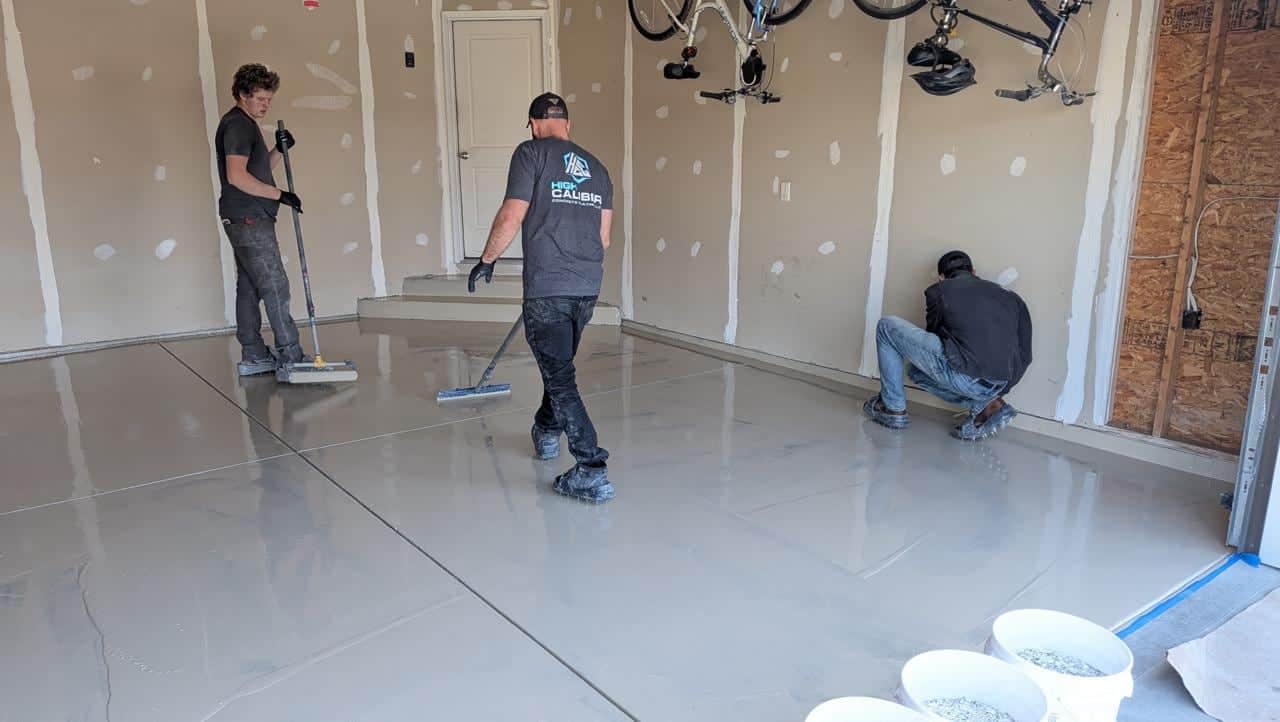
The crew works the slab with diamond equipment and appropriate dust-control practices. Passes are guided by the surface and target profile, with care taken around joints, transitions, walls, and other areas that a broad machine cannot reach alone.
Step 5
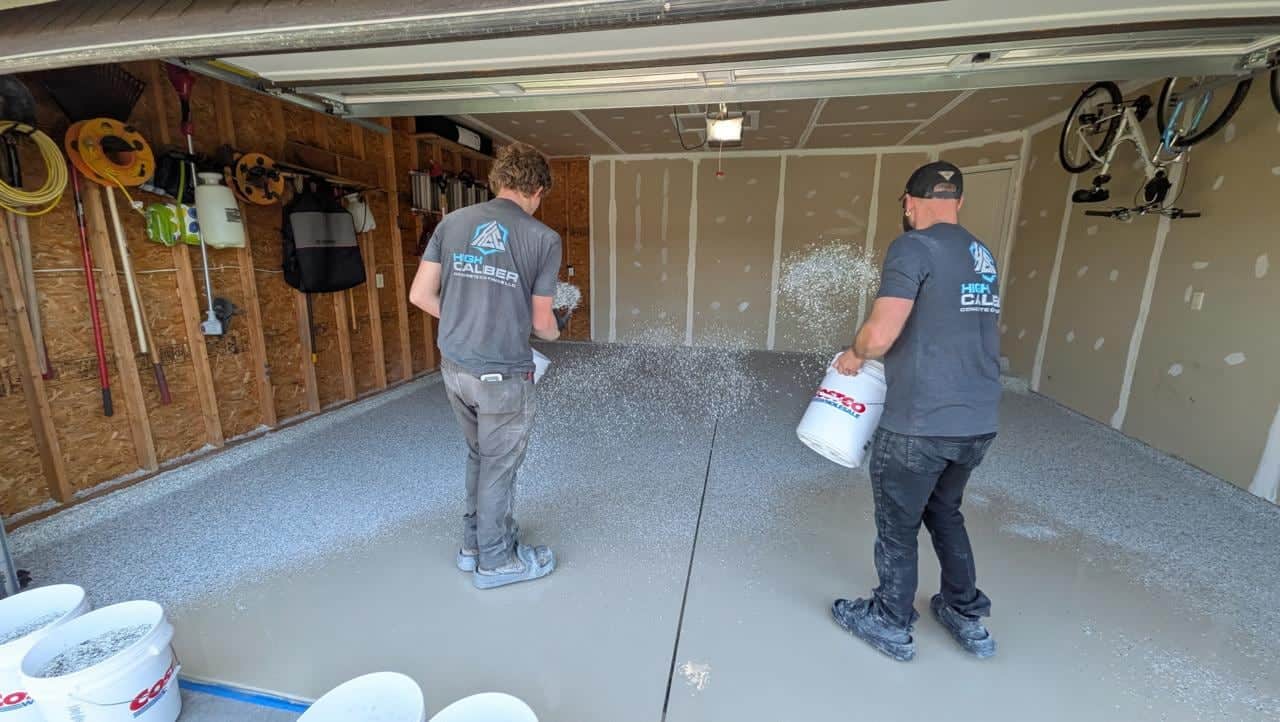
Perimeters and localized conditions receive their own attention after the main field is prepared. If grinding exposes a crack, pit, spall, adhesive remnant, or repair area, we explain whether it belongs in the next part of the project.
Step 6
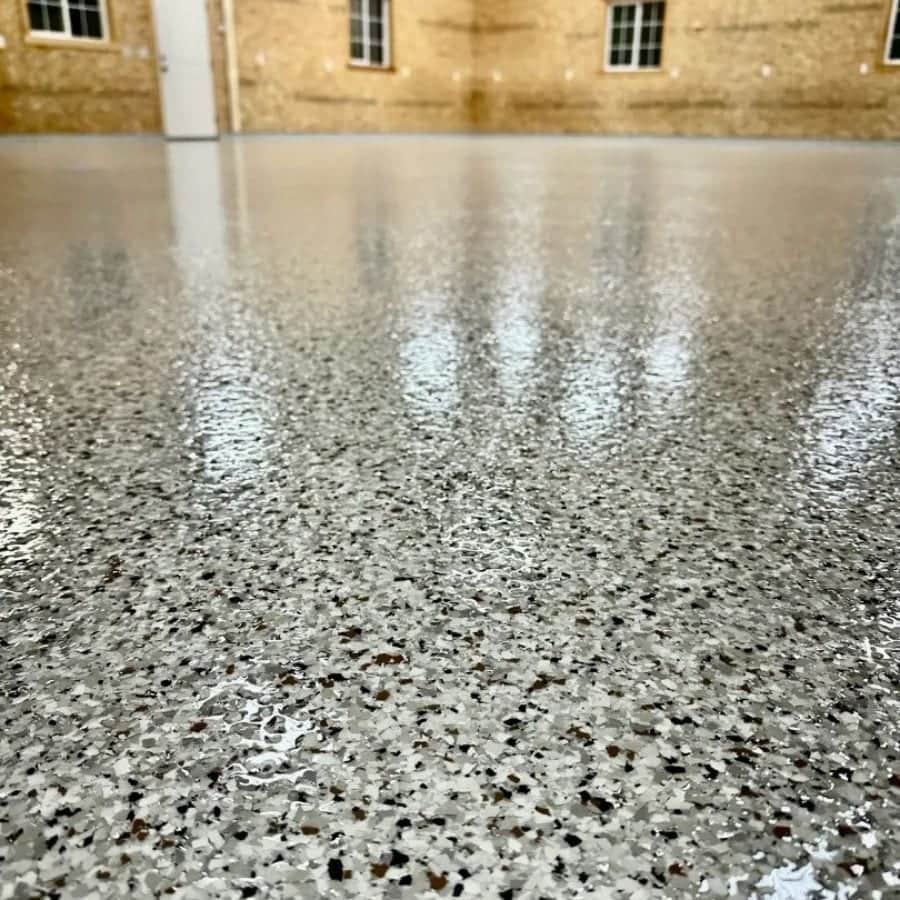
We review cleanliness, texture, edges, repairs, and remaining conditions before the next material is installed. The result may lead to a hybrid coating, sealer, polished finish, or another defined treatment, depending on the slab and the intended use.
Why High Caliber
Our family-owned team works throughout West Michigan from the Holland and Zeeland area. We treat grinding as part of a larger floor decision, so the preparation is discussed alongside the coating, sealer, polish, or other finish that may follow.
That matters when a Coopersville property combines older concrete, newer construction, rural equipment use, or a room that must stay accessible. We explain the useful reach of diamond tooling and the conditions that need separate attention.
Customer Reviews
“Wow! Jeff and Mike were amazing to partner with for my garage floor renovation! They did an amazing job but more importantly, they communicated directly with me thru texts, reminders, and in person! Jeff and his team left my garage and exterior area cleaner than when they arrived and gave clear instructions on follow up care needed for my new floor! I would highly recommend High Caliber Concrete Coatings anytime!”
“Jeff and his team did the most amazing job epoxy floor coating my 38 year old garage floor. Outstanding, professional, skilled, great communication. Highly recommended.”
“We recently had our garage floors resurfaced with the Epoxy Floor coating with flakes. High Caliber Concrete did such an awesome job we cannot say enough good about them! So timely, well organized and a beautiful job!! Owner, Jeff, responded to any call ASAP. Shawn and Ethan, fantastic employees for the company, did a tremendous job which was labor intensive…They left no questions unanswered! Such a professional, beautiful job. We would highly recommend them! Lillian & Joseph Bakara Jr.”
Coopersville, Michigan
Coopersville's setting between Grand Rapids and the lakeshore brings several kinds of concrete into one local conversation. Older homes and newer subdivisions may have garage slabs with different surface histories. Detached garages, farm properties, pole barns, workshops, and local commercial buildings can introduce longer equipment paths, stored materials, or work-zone questions.
Seasonal exposure belongs in the planning without becoming a promise about the slab. Freeze-thaw cycles, snow, road salt, humid summers, and spring moisture can all influence what a floor has carried. Salt residue or moisture clues may be visible during preparation, but grinding alone does not resolve every underlying condition.
If you are comparing nearby options, High Caliber also serves communities such as Allendale, Georgetown Township, and Jenison. The useful starting point remains your own floor: send the room type, visible materials, access limits, and the finish you are considering. For a property owner, that practical detail can matter more than a generic service label. The goal is a floor plan you can understand before work starts and the next finish is chosen deliberately.
Snow and road salt can bring residue into garages, while spring moisture and humid weather belong in a broader floor assessment.
Equipment marks, worn concrete, adhesive, and repair areas may call for different tooling or a more specific preparation scope.
A local commercial floor may need work zones, equipment movement, dust control, and scheduling considered before grinding begins.
Frequently Asked Questions
Tell us the room type, approximate area, access route, visible coatings or adhesive, cracks or worn spots, and the finish you want afterward. Photos can help start the conversation, while the final scope depends on the actual slab and work area. A clear description also helps us decide which questions need an on-site look before quoting work. The more specific the starting information, the more useful the first conversation becomes for your floor.
Yes. Grinding is a common mechanical preparation step before a coating when the slab and existing material support that approach. The target profile is selected for the planned system, and repairs or moisture concerns are considered before the next layer.
We first identify the material and how it is bonded to the concrete. Diamond tooling may address some surface layers, while thicker, stubborn, or unsuitable material may require another removal approach. We do not assume one method will fit every floor.
No. Grinding can refine selected high areas and improve surface texture, but it does not correct structural movement, settlement, or every major change in elevation. We explain what the slab can reasonably support and whether another repair belongs in the project.
Depending on the concrete and the intended appearance, the next treatment may be a sealer, polished finish, grind and seal work, a coating, or selected repair work. A penetrating sealer is different from a film coating, and polishing mechanically refines the slab rather than covering it with a film.
They can add useful questions, especially for garages and other floors exposed to seasonal traffic. Road salt residue, damp areas, or moisture clues should be discussed with the finish plan. Grinding can prepare the surface, but it is not a substitute for evaluating an underlying moisture condition.
Yes, when the floor, access, and work conditions support it. Pole barns, workshops, and commercial buildings may require more discussion about equipment movement, stored items, dust control, adjacent activity, and the work zone before the preparation sequence is set.
Related Services
Grinding can stand on its own or serve as the first decision in a broader concrete project. These related services help clarify what the prepared slab may become.
See how a prepared slab can receive a protective or decorative coating system selected for the room and its use.
Learn moreReview a finish that mechanically refines the concrete and uses a sealer rather than a full film coating.
Learn moreExplore mechanically refined concrete when the slab itself remains the visible finished surface.
Learn moreConsider focused removal work when adhesive remains after tile or another floor covering is taken up.
Learn moreGallery And Visual Proof
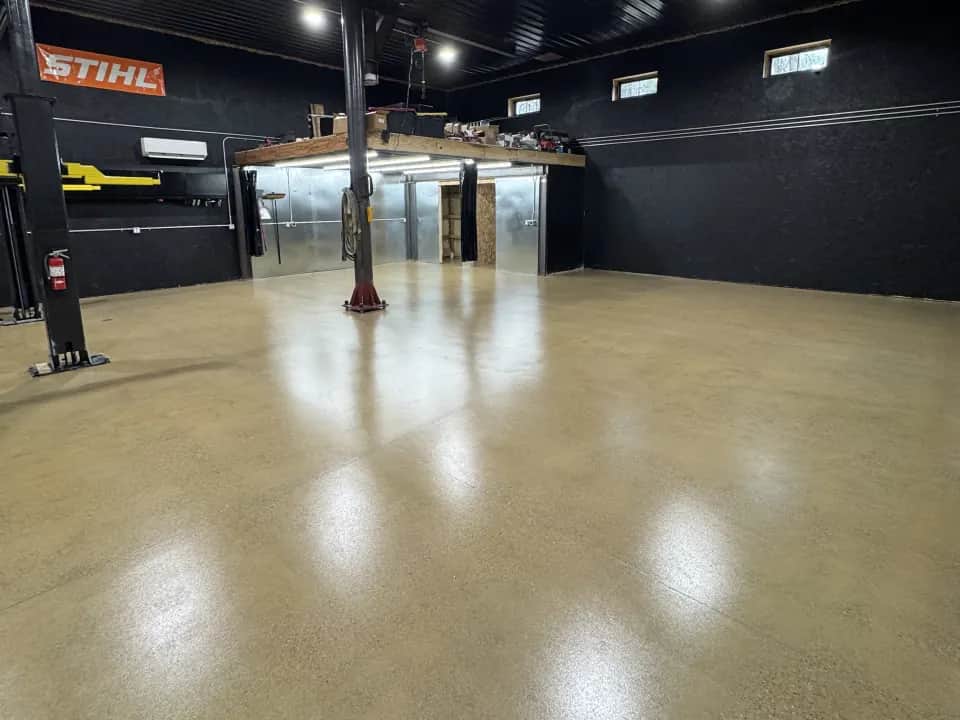
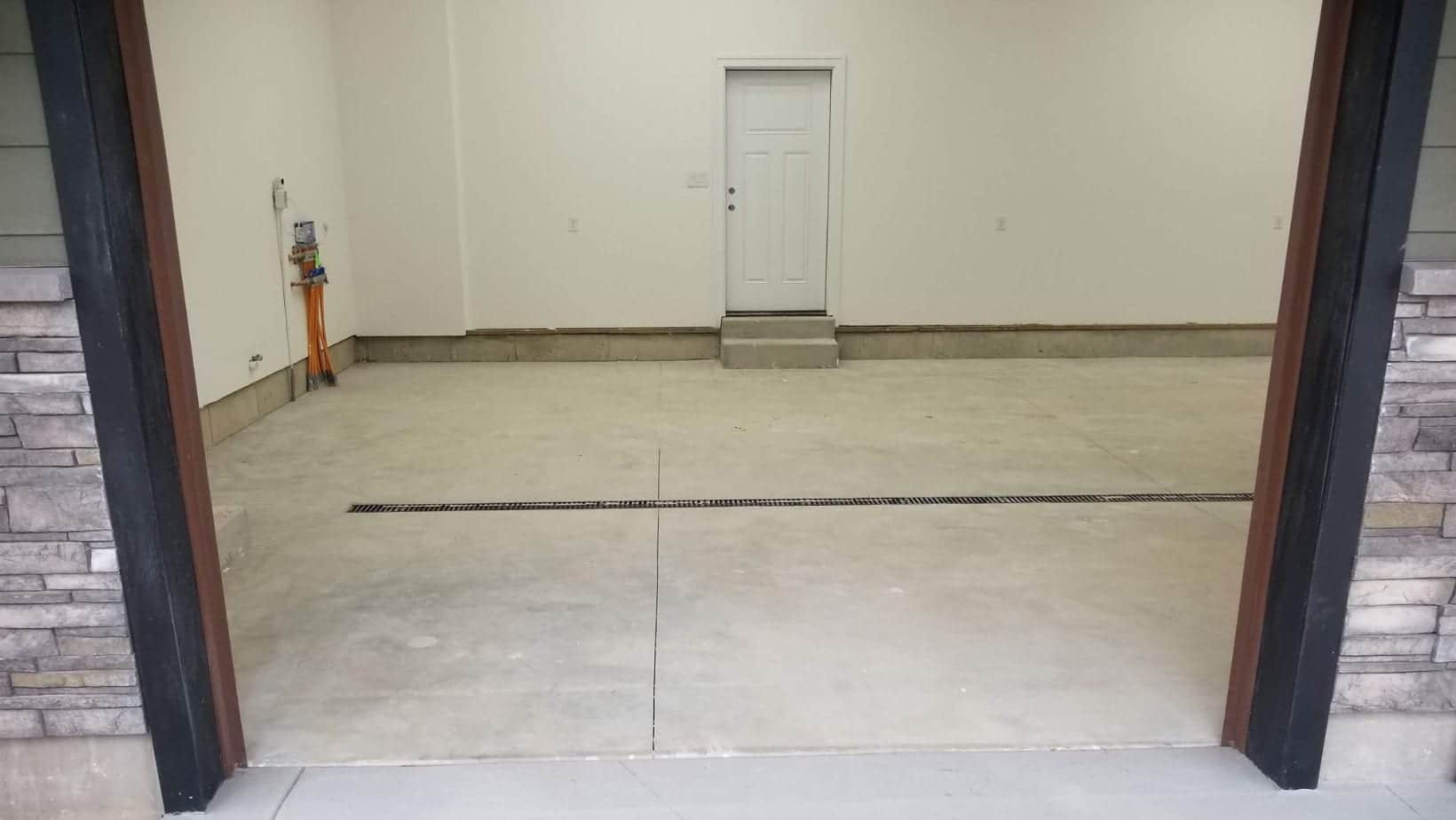
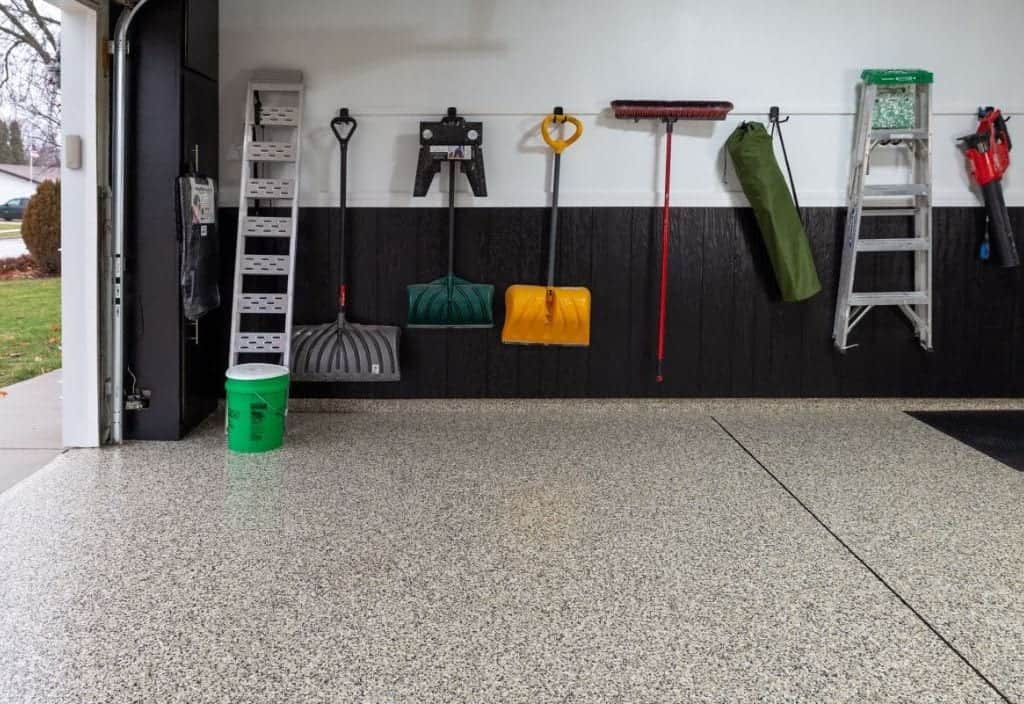
These library images illustrate the kinds of preparation and finishing work discussed with property owners. They are not presented as Coopersville project locations.
Free Project Quote
Tell us about the space and we will follow up with a clear recommendation and quote conversation.
Phone
Business Hours
Free Estimate
Share what the floor is used for, what is on its surface, and what you want to do next. We will help you sort the useful grinding scope from repairs, access questions, and finish decisions before the work is planned. If the room has seasonal residue, old adhesive, equipment wear, or a future coating in mind, mention that too so our conversation starts in the right place for you.